

Free Central District Travel Guide & Mobile App
Explore Central District with free travel guides. Discover regional history, expert tips, proposed trips, and audio guides on web or mobile app.


Explore Israel’s Central District for Mediterranean beaches, historic Lod and Ramla, citrus country, archaeological sites and contemporary Israeli city life.
Read more about Central District
When is the best time to visit Central District?
Best: April–June · 24–30°C| Month | High (°C) | Rainfall (mm) |
|---|---|---|
| January | 16 | 90 |
| February | 17 | 80 |
| March | 20 | 60 |
| April (best) | 24 | 30 |
| May (best) | 27 | 20 |
| June (best) | 30 | 0 |
| July | 32 | 0 |
| August | 32 | 0 |
| September | 30 | 10 |
| October | 28 | 30 |
| November | 22 | 60 |
| December | 18 | 80 |
Getting to and around Central District
How to get there
Transportation
Top city travel guides in Central District
The cities of Central District, and the easiest places to base yourself.
-

-

-

-

-

-


Swipe for more cities
Best attractions in Central District
The Central District’s attractions are spread across several contrasting landscapes rather than concentrated in one resort. Netanya provides the strongest coastal experience, with beaches, a seafront promenade and views across the Mediterranean, while the southern coastal plain around Rishon LeZion includes dune environments and open spaces that contrast with dense urban development. Inland, Tel Afek and the Yarkon headwaters near Rosh HaAyin combine archaeological remains with water landscapes, and Tel Gezer offers a substantial ancient tell in a rural setting. Lod and Ramla reward visitors interested in historic urban fabric, religious buildings, markets and Ottoman-era survivals. Rehovot adds scientific and agricultural perspectives through the Weizmann Institute’s visitor-oriented activities and institutions associated with the country’s research tradition. Family parks, shopping complexes, cinemas and cultural centres are especially prominent in the larger cities, while walking and cycling routes connect some river, park and coastal areas. The district is best approached as a series of day excursions, balancing heritage in the inland cities with beaches, nature reserves, museums and contemporary urban life.
-
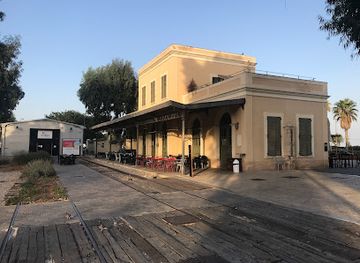
Historical landmark
Park HaTachana
Explore Park HaTachana, a historical landmark in Tel Aviv, blending rich history with vibrant modern culture, shopping, and dining experiences.
-
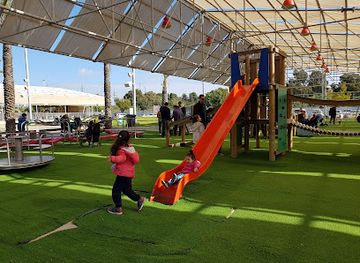
Park
Gan B’Ivrit – Rishon LeTsiyon Park
Discover Gan B’Ivrit Park in Rishon LeTsiyon - a serene escape with lush landscapes, perfect for relaxation and family fun in the heart of Israel.
-
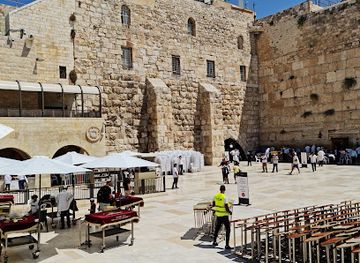
Western Wall
Explore the Western Wall, a sacred site in Jerusalem where history, spirituality, and tradition converge in an unforgettable experience.
-
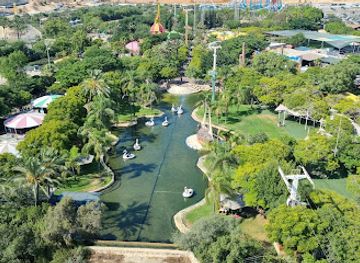
Amusement park
Superland
Experience the thrill of Superland, an amusement park in Rishon LeTsiyon offering fun rides, entertainment, and a family-friendly atmosphere.
Best landmarks in Central District
The White Tower in Ramla is one of the Central District’s most recognisable historic structures, rising above a city founded in the early Islamic period and reflecting Ramla’s long importance on the route between the coast and Jerusalem. Nearby, the Pool of the Arches is an impressive underground reservoir whose vaulted interior demonstrates the engineering used to manage water in the medieval city. In Lod, the Church of Saint George and the adjacent mosque complex express the city’s layered Christian and Islamic heritage. Tel Gezer’s ancient gate, fortifications and water system provide a more open archaeological landmark, while Tel Afek near Rosh HaAyin marks a strategic point beside the sources of the Yarkon. Rehovot’s Weizmann House, associated with Israel’s first president and the city’s scientific identity, represents the modern history of the district. In Rishon LeZion, historic winery buildings and agricultural-era sites recall the settlement’s pioneering vineyard economy. Along the coast, Netanya’s cliffs and long promenade are contemporary landmarks shaped by the meeting of city, sand and sea.
-
Historical landmark
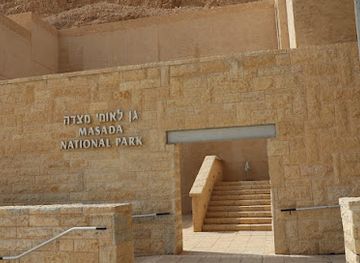
Masada National Park
Discover the stunning beauty and deep history of Masada National Park, an iconic landmark where ancient civilization meets breathtaking desert scenery.
-
National park
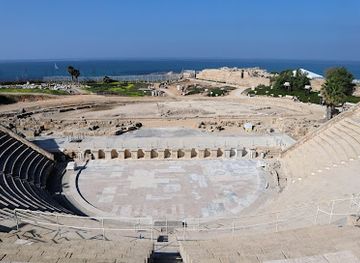
Caesarea National Park
Explore the ancient wonders, stunning ruins, and scenic landscapes of Caesarea National Park, a must-visit destination in Israel.
-
International airport
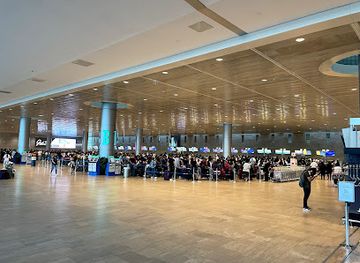
Ben Gurion Airport
Experience the modern marvel of Ben Gurion Airport, the gateway to Israel, offering exceptional amenities and welcoming travelers from around the globe.
-
Shopping mall
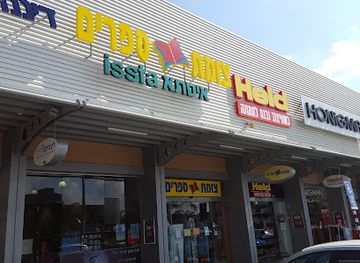
Bilu Center
Explore Bilu Center in Kiryat Ekron, a shopping haven featuring diverse stores, dining delights, and vibrant entertainment for a memorable experience.
Explore Central District on the map
Plan your trip on one map. See where the top cities, national parks and sights are, and book hotels and experiences in a few clicks.
Best hotels in Central District
Best restaurants in Central District
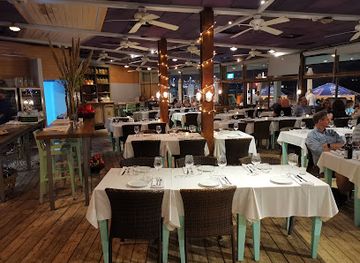
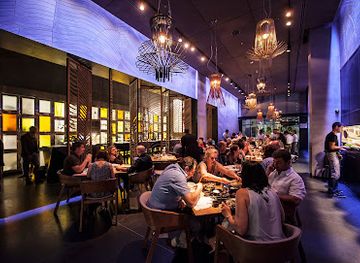
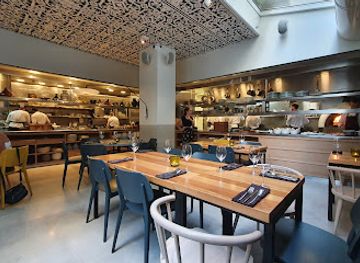
Dining in the Central District reflects the meeting of Mediterranean agriculture, Jewish immigration, Arab culinary traditions and modern metropolitan tastes. Coastal Netanya has restaurants and cafés serving fish, salads, grilled foods and international dishes, while inland towns offer a wide range of Middle Eastern, North African, Balkan and Eastern European Jewish cooking alongside contemporary Israeli menus. Hummus, falafel, shawarma, grilled meats, mezze, fresh salads and baked goods are widely available, but recipes and styles vary between neighbourhoods and communities. Citrus, olives, seasonal vegetables, dairy products and wine connect the table to the district’s agricultural history, particularly around Rehovot and the former vineyard country of Rishon LeZion. Traditional bakeries, market stalls and casual cafés are often as revealing as formal restaurants. In larger centres such as Rishon LeZion, Netanya, Petah Tikva and Rehovot, visitors will find vegetarian, kosher, international and more experimental dining, while smaller towns and villages tend to favour family restaurants, grills and local cafés.
-
Seafood
Manta Ray
Experience the best seafood dining at Manta Ray in Tel Aviv-Yafo, where Mediterranean flavors meet stunning beachside views.
-
Asian
Taizu
Discover the essence of Asian cuisine at Taizu - where tradition meets modern dining in Tel Aviv's vibrant culinary scene.
-
Lebanese
Lebanese Food Restaurant
Experience authentic Lebanese cuisine in Abu Ghosh with delightful dishes and warm hospitality at this charming Middle Eastern restaurant.
-
Fine Dining
Mashya
Discover Mashya: A fine dining destination where traditional Israeli flavors meet modern culinary artistry in Tel Aviv.

Best bars in Central District
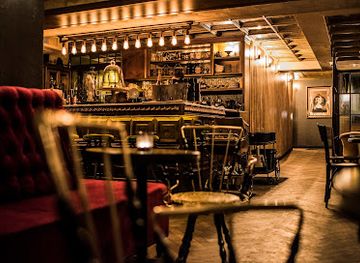
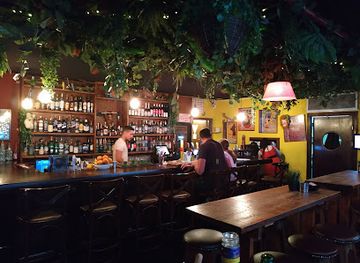
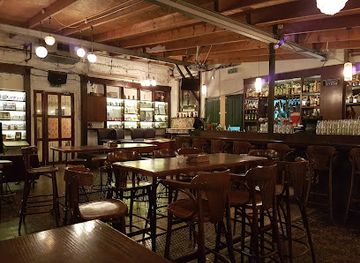
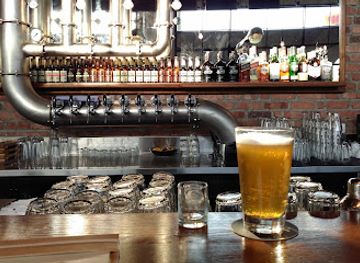
Nightlife in the Central District is varied but generally more dispersed and less concentrated than Tel Aviv’s. Netanya’s seafront and central areas provide evening restaurants, pubs and cafés, with activity influenced by the tourist season and the city’s diverse population. Rishon LeZion, Petah Tikva, Rehovot and Kfar Saba have clusters of bars, restaurants, cinemas and live entertainment, while university and research communities give Rehovot a younger evening atmosphere in selected areas. Local pubs, wine bars and craft-oriented drinking places sit alongside Middle Eastern cafés and restaurants, and some larger commercial complexes stay busy after dark. In Ramla and Lod, evening culture is more closely tied to food, family gatherings, local cafés and community life than to clubbing. Shabbat and religious holidays affect opening arrangements throughout the district, and smaller inland towns can become quiet relatively early. Visitors should check current arrangements rather than assume that a venue operates every night.
-
Cocktail bar
Bellboy
Discover Bellboy, Tel Aviv's premier cocktail bar offering unique drinks, vibrant ambiance, and exceptional service for an unforgettable night out.
-
Gastropub
Shuffle Bar
Discover the vibrant culinary scene of Tel Aviv at Shuffle Bar, a unique gastropub offering delicious vegan options and a lively atmosphere.
-
Bar
The Prince - הנסיך
Experience the vibrant nightlife of Tel Aviv at The Prince, where exquisite cocktails meet delicious dining in a lively atmosphere.
-
Bar
Jem's Beer Factory
Experience the vibrant atmosphere and unique flavors of craft beer at Jem's Beer Factory in Modi'in-Maccabim-Re'ut.
Best nightclubs in Central District
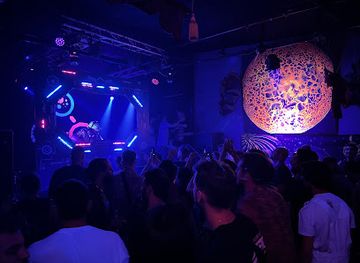
Nightlife in the Central District is varied but generally more dispersed and less concentrated than Tel Aviv’s. Netanya’s seafront and central areas provide evening restaurants, pubs and cafés, with activity influenced by the tourist season and the city’s diverse population. Rishon LeZion, Petah Tikva, Rehovot and Kfar Saba have clusters of bars, restaurants, cinemas and live entertainment, while university and research communities give Rehovot a younger evening atmosphere in selected areas. Local pubs, wine bars and craft-oriented drinking places sit alongside Middle Eastern cafés and restaurants, and some larger commercial complexes stay busy after dark. In Ramla and Lod, evening culture is more closely tied to food, family gatherings, local cafés and community life than to clubbing. Shabbat and religious holidays affect opening arrangements throughout the district, and smaller inland towns can become quiet relatively early. Visitors should check current arrangements rather than assume that a venue operates every night.
-
Night club
Haoman 17
Discover the electrifying nightlife at Haoman 17, a premier night club in Tel Aviv, offering unforgettable parties and a vibrant atmosphere for all.
-
Night club
Gagarin Club TLV
Experience the electrifying nightlife of Tel Aviv at Gagarin Club TLV, where live music and dancing come alive until dawn.
-
Night club
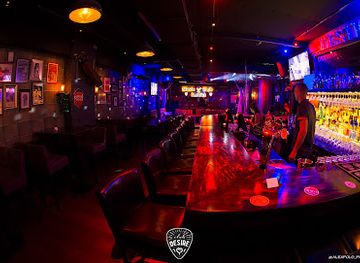
Desire Club
Desire Club: A Nightlife Oasis in Tel Aviv-Yafo, Where Music, Food, and Fun Collide for an Unforgettable Experience.
-
Night club
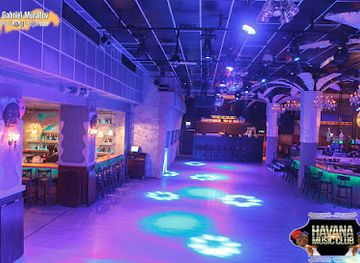
Havana Music Club
Discover the vibrant nightlife of Tel Aviv-Yafo at Havana Music Club, where live music and dancing create unforgettable experiences.

Best shops in Central District
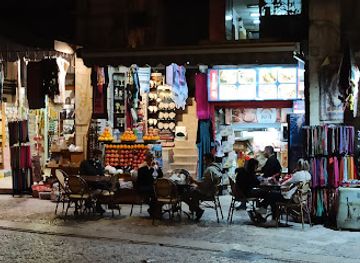
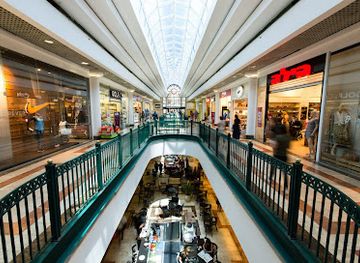
Shopping in the Central District ranges from traditional markets and independent high streets to large modern commercial centres. Ramla and Lod are useful for everyday markets, spices, clothing, household goods and Middle Eastern food traditions, while Netanya combines a busy central shopping area with coastal cafés, jewellery shops and international retail. Rishon LeZion, Petah Tikva, Rehovot, Kfar Saba and Modi’in-Maccabim-Re’ut have extensive malls and commercial streets, with familiar Israeli and international chains alongside cafés and smaller specialist businesses. For more local purchases, look for olive oil, dates, halva, spices, wine, citrus products and seasonal fruit, checking that agricultural goods are produced locally rather than simply marketed as regional souvenirs. Independent bakeries, delicatessens, bookshops, design stores and galleries are more common in established town centres than on the outskirts. Opening patterns vary by city and by Shabbat, and outdoor markets may operate on particular days, so local confirmation is advisable.
-
Shopping mall
Azrieli Mall
Discover the ultimate shopping experience at Azrieli Mall, Tel Aviv's flagship destination for shopping, dining, and entertainment.
-
Shopping mall
Dizengoff Center
Experience the vibrant shopping culture of Tel Aviv at Dizengoff Center, where retail meets art and cuisine in a bustling atmosphere.
-
Shopping mall
Alrov Mamilla Avenue
Experience luxury shopping and rich culture at Alrov Mamilla Avenue, Jerusalem's premier destination for style, dining, and history.
-
Shopping mall
Malcha Shopping Mall
Discover the ultimate shopping and dining experience at Malcha Shopping Mall in Jerusalem, where variety meets convenience in a vibrant atmosphere.
Get your free copy of our complete guide to Central District, delivered straight to you.
Everything on this page, from attractions and restaurants to essentials and local phrases, in one PDF you can read offline, print or share.
Already have an account? Sign in
Your Central District guide is ready.
We'll send it to · Not you? Sign out

Getting your guide ready…
We are putting together a fresh copy of the Central District guide. This can take up to a minute.
This can take a few moments. If your browser asks, choose Allow so the download can start. You'll find the guide in your Downloads folder.
Nothing happened? Download it again
Sorry, the guide is taking longer than usual. Please try again in a minute, or get it by email instead.
Central District essentials
Currency and Payment
Safety
Emergency Situations
Do's and Don'ts
Local Tips
From Eve
Local phrases worth knowing
You don't need to get them perfect. A few words go a long way, and locals appreciate the effort.
Basics
| English | Local | Say it |
|---|---|---|
| Hello | שלום | [Shalom] |
| Goodbye | להתראות | [Lehitraot] |
| Yes | כן | [Ken] |
| No | לא | [Lo] |
| Please/You're welcome | בבקשה | [Bevakasha] |
| Thank you | תודה | [Toda] |
| Excuse me/Sorry | סליחה | [Slicha] |
| How are you? | מה שלומך? | [Ma shlomecha?] |
| Fine. And you? | בסדר. ואתה? | [B'seder. Ve'ata?] |
| Do you speak English? | אתה מדבר אנגלית? | [Ata medaber anglit?] |
| I don't understand | אני לא מבין | [Ani lo mevin] |
Eating & Drinking
| English | Local | Say it |
|---|---|---|
| I'd like to see the menu, please | אני רוצה לראות את התפריט, בבקשה | [Ani rotzeh lirot et hatafrit, bevakasha] |
| I don't eat meat | אני לא אוכל בשר | [Ani lo ochel basar] |
| Cheers! | לחיים! | [L'chaim!] |
| I would like to pay, please | אני רוצה לשלם, בבקשה | [Ani rotzeh leshalem, bevakasha] |
Emergencies
| English | Local | Say it |
|---|---|---|
| Help! | עזרה! | [Ezra!] |
| Go away! | לך מפה! | [Lech mipo!] |
| Call the Police! | תקרא למשטרה! | [Tikra lemishtara!] |
| Call a doctor! | תקרא לרופא! | [Tikra larofe!] |
| I'm lost | אני אבוד | [Ani avud] |
| I'm ill | אני חולה | [Ani choleh] |
Shopping
| English | Local | Say it |
|---|---|---|
| I'd like to buy... | אני רוצה לקנות... | [Ani rotzeh liknot...] |
| I'm just looking | אני רק מסתכל | [Ani rak mistakel] |
| How much is it? | כמה זה עולה? | [Kama ze oleh?] |
| That's too expensive | זה יקר מדי | [Ze yakar midai] |
| Can you lower the price? | אפשר להוריד את המחיר? | [Efshar lehorid et hamichir?] |
Time & Numbers
| English | Local | Say it |
|---|---|---|
| What time is it? | מה השעה? | [Ma hasha'a?] |
| It's one o'clock | השעה אחת | [Hasha'a achat] |
| Half past (10) | עשר וחצי | [Eser vechetzi] |
| Morning | בוקר | [Boker] |
| Afternoon | אחר הצהריים | [Achar hatzohorayim] |
| Evening | ערב | [Erev] |
| Yesterday | אתמול | [Etmol] |
| Today | היום | [Hayom] |
| Tomorrow | מחר | [Machar] |
| 1 | 1 | [1] |
| 2 | 2 | [2] |
| 3 | 3 | [3] |
| 4 | 4 | [4] |
| 5 | 5 | [5] |
| 6 | 6 | [6] |
| 7 | 7 | [7] |
| 8 | 8 | [8] |
| 9 | 9 | [9] |
| 10 | 10 | [10] |
Transport & Directions
| English | Local | Say it |
|---|---|---|
| Where's a/the...? | איפה ה...? | [Eifo ha...?] |
| What's the address? | מה הכתובת? | [Ma haketovet?] |
| Can you show me (on the map)? | אתה יכול להראות לי (על המפה)? | [Ata yachol leharot li (al hamapa)?] |
| When's the next (bus)? | מתי האוטובוס הבא? | [Matai ha'otobus haba?] |
| A ticket (to ....) | כרטיס (ל....) | [Kartis (le....)] |
History of Central District
Prehistoric and Canaanite Settlement
The central coastal plain has supported human settlement since prehistoric times because of its fertile soils, water sources and position between the Mediterranean coast and the hill country. Tel Gezer, near modern-day Kibbutz Gezer, became an important fortified centre during the Canaanite period and remained significant in later Israelite history. Its monumental gate, defensive walls, water system and agricultural calendar inscription illustrate the complexity of urban life in the ancient southern Levant. Other tells and archaeological sites across the district reflect a landscape of farming villages, fortified settlements and transport routes connecting Egypt, the coast and the interior.
Lod, the Roman Road Network and Early Christianity
Lod, known in antiquity as Lydda, developed at an important crossroads on the plain. Under Roman rule it became a recognised urban centre, and Christian tradition associates the city with Saint George, whose veneration remains visible in the Church of Saint George and the nearby mosque complex. Roman roads and agricultural production tied the area to ports and regional cities. The district’s strategic position meant that settlements such as Lod were repeatedly shaped by imperial administration, trade and movement between the Mediterranean coast and Jerusalem.
Ramla and the Islamic Transformation of the Plain
Ramla was founded in the early eighth century during the Umayyad period and became one of the principal cities of the southern Levant. Its location on the route between the coast and Jerusalem supported administration, commerce and religious life. The city’s White Tower, underground Pool of the Arches and mosque heritage preserve elements of its long Islamic history, although the present structures represent different periods of rebuilding and use. Ramla’s continuing importance as a market and transport centre helps explain its distinctive urban character within the modern district.
Crusader, Mamluk and Ottoman Crossroads
Throughout the medieval and Ottoman periods, the Central District remained a corridor rather than an isolated hinterland. Control of the route between Jaffa, Ramla, Lod and Jerusalem mattered to Crusader armies, Mamluk administrations and Ottoman officials. Villages, agricultural estates, religious foundations and caravan routes developed around the plain’s water and farmland. The Ottoman period also left an enduring imprint on town plans, religious buildings and transport patterns. Later railway construction reinforced the importance of Lod and Ramla, making the area a crucial link between Jaffa, Jerusalem and the wider region.
New Jewish Agricultural Colonies
From the late nineteenth century, new Jewish agricultural colonies were established across parts of the central plain. Rishon LeZion, founded in 1882, became associated with vineyards, wine production and citrus cultivation, while Rehovot, founded in 1890, developed around agriculture and scientific experimentation. These communities faced difficult early conditions involving water supply, disease, labour and financial support, but their vineyards, orchards and institutions became central to the emerging economy of the Yishuv. The legacy remains visible in winery museums, historic houses, agricultural research and the street plans of older settlements.
The Railway, Industry and the Growth of Cities
The railway and improving roads accelerated the transformation of the district during the late Ottoman and British Mandate periods. Lod became a major railway junction and later the site of the country’s principal international airport, while Ramla, Petah Tikva and the coastal settlements expanded as commercial and industrial centres. Citrus exports connected the plain to international markets, and factories, warehouses and workers’ neighbourhoods gradually altered an agrarian landscape. After the establishment of Israel, large-scale immigration and urban development turned many of the district’s towns into important parts of the national metropolitan economy.
Statehood, Science and Metropolitan Expansion
Since 1948, the Central District has experienced sustained population growth, suburbanisation and economic diversification. Former agricultural towns such as Rehovot, Rishon LeZion and Petah Tikva expanded into major urban centres, while new communities developed along the coastal plain and in the foothills. The Weizmann Institute of Science helped establish Rehovot as an international centre for scientific research, complementing the district’s agricultural and industrial traditions. High-technology companies, universities, hospitals, logistics facilities and transport infrastructure now coexist with orchards, archaeological sites and older Arab and Jewish communities.
Central District in Photos
Browse through our photo collection highlighting the charm and character of the destination.
Neighbouring regions of Central District
The closest regions to Central District, if you have time for more than one.
-

-

-

-

-


Swipe for more regions
Explore more

Explore more of Israel
Discover Israel, a country where ancient history and modern culture meet, offering a rich tapestry of religious significance, vibrant cities, and diverse landscapes.
Explore Israel