

Free Tel Aviv District Travel Guide & Mobile App
Explore Tel Aviv District with free travel guides. Discover regional history, expert tips, proposed trips, and audio guides on web or mobile app.


Explore Tel Aviv District for Mediterranean beaches, Jaffa’s history, Bauhaus architecture, major museums and lively coastal dining.
Read more about Tel Aviv District
When is the best time to visit Tel Aviv District?
Best: April–June · 24–30°C| Month | High (°C) | Rainfall (mm) |
|---|---|---|
| January | 17 | 130 |
| February | 18 | 105 |
| March | 21 | 80 |
| April (best) | 24 | 20 |
| May (best) | 26 | 5 |
| June (best) | 30 | 0 |
| July | 32 | 0 |
| August | 32 | 0 |
| September | 31 | 1 |
| October | 28 | 30 |
| November | 23 | 70 |
| December | 19 | 100 |
Getting to and around Tel Aviv District
How to get there
Transportation
Top city travel guides in Tel Aviv District
The cities of Tel Aviv District, and the easiest places to base yourself.
-

-

-

-

-

-


Swipe for more cities
Best attractions in Tel Aviv District
Tel Aviv District offers a broad urban mix rather than a single concentration of conventional sightseeing. In Jaffa, visitors can explore the old port, lanes, galleries, churches, mosques and archaeological traces, while central Tel Aviv provides Bauhaus architecture, contemporary art, design, theatre, music and food markets. The district’s beaches and promenades support swimming in designated areas, walking, cycling and sunset views, with Bat Yam and Herzliya providing different waterfront settings from the central Tel Aviv shoreline. Ramat Gan combines large parkland with the Safari, a zoological centre that includes open areas and managed habitats. Holon is particularly associated with family-oriented cultural institutions, design and children’s activities. Other attractions include museums, historic houses, galleries, restored port spaces and urban parks spread across the municipalities. The district is also a useful base for exploring Israel’s central region, but sites outside its boundaries should be treated as separate excursions rather than folded into Tel Aviv District itself.
-
National park
Ramat Gan National Park
Discover Ramat Gan National Park, a green haven offering hiking, wildlife, and tranquility just moments away from the bustling heart of Israel.
-
Park
Yarkon Park
Discover the tranquility and beauty of Yarkon Park, Tel Aviv's lush urban oasis filled with recreational activities and cultural gems.
-
Safari
Discover the wonders of wildlife at Safari in Ramat Gan, an immersive experience for families and animal lovers alike.
-
Flea market
Jaffa Flea Market
Explore the eclectic charm of Jaffa Flea Market, where treasures and local flavors come together in the heart of Tel Aviv-Yafo.


Best landmarks in Tel Aviv District
Jaffa’s hilltop old city and harbour are the district’s most recognisable historic landmarks, with stone streets, restored Ottoman-era buildings, religious sites and views across the Mediterranean. The Clock Tower at Jaffa’s northern entrance is a prominent Ottoman civic monument, while the port remains a visual link with the settlement’s long maritime history. In central Tel Aviv, the White City’s International Style buildings form a large modern architectural landmark rather than a single monument; Rothschild Boulevard and surrounding streets reveal the scale of the 1930s urban ensemble. Independence Hall on Rothschild Boulevard is associated with the declaration of the State of Israel in 1948. The Tel Aviv promenade and long beachfront provide the district’s defining natural and civic edge. Further north, Herzliya’s marina marks the coast’s modern leisure economy, while Ramat Gan’s large park spaces and distinctive urban skyline illustrate the metropolitan landscape beyond Tel Aviv’s municipal centre.
-
Shopping mall
Azrieli Mall
Experience the vibrant atmosphere of Azrieli Mall in Tel Aviv, where shopping, dining, and entertainment come together in a stunning architectural masterpiece.
-
Park
Yarkon Park
Discover the natural beauty and recreational opportunities of Yarkon Park, an urban oasis in the heart of Tel Aviv perfect for relaxation and exploration.
-
Park
Ra'anana Park
Discover the lush landscapes and vibrant atmosphere of Ra'anana Park, an urban oasis perfect for relaxation and outdoor activities in Israel.
-
International airport
Ben Gurion Airport
Experience seamless travel at Ben Gurion Airport, Israel's international gateway, blending modern amenities with local charm.


Explore Tel Aviv District on the map
Plan your trip on one map. See where the top cities, national parks and sights are, and book hotels and experiences in a few clicks.
Best hotels in Tel Aviv District
Best restaurants in Tel Aviv District
Dining in Tel Aviv District reflects the population, migration and commercial energy of Israel’s central coast. Tel Aviv and Jaffa offer everything from hummus, falafel, sabich and grilled meats to bakeries, Levantine seafood, contemporary Israeli cooking and international restaurants. Jaffa retains strong associations with Arab culinary traditions, while markets such as Carmel and Levinsky provide spices, dried fruit, pickles, sweets, coffee and prepared foods. Yemenite, North African, Iraqi, Balkan and Eastern European influences are also visible across the district, alongside modern vegetarian and vegan cooking. Cafés and casual restaurants dominate many central neighbourhoods, while Herzliya’s marina and the beachfront areas provide dining with a coastal setting. Bnei Brak has its own kosher food culture and operating rhythms, and observant establishments follow religious dietary and Sabbath requirements. Prices vary widely, from market snacks and bakeries to chef-led restaurants; check certification, opening arrangements and service charges where relevant.
-
Italian
Amore Mio
Savor authentic Italian cuisine at Amore Mio in Tel Aviv—where every meal feels like a celebration.
-
Asian
Taizu
Discover Taizu: A premier Asian restaurant in Tel Aviv-Yafo offering an extraordinary culinary journey through authentic flavors.
-
Mediterranean
claro;
Experience the vibrant flavors of Mediterranean cuisine at Claro in Tel Aviv - where tradition meets innovation.
-
Fine Dining
Mashya
Experience culinary artistry at Mashya in Tel Aviv – where traditional flavors meet modern elegance in fine dining.


Best bars in Tel Aviv District
The district’s evening culture is concentrated principally in Tel Aviv, where bars, wine venues, live-music rooms, small performance spaces and clubs occupy areas around the central city, Florentin, Levinsky and the seafront. Jaffa offers a more atmospheric selection of restaurants, cafés and occasional cultural events, while Ramat Gan, Herzliya, Bat Yam and Rishon LeZion have their own pubs, restaurants and local entertainment, generally on a smaller scale. Nightlife ranges from relaxed conversation and craft beer to dancing and late performances, but venues and operating patterns change frequently. Traditional cafés and restaurants are often more useful than clubs in suburban and religious parts of the district. Friday and Saturday arrangements depend on the venue and religious calendar, so advance checking is sensible. Alcohol is not necessary to engage with the area’s evening life, which also includes theatre, concerts, galleries, markets and waterfront walks.
-
Restaurant
Beer Garden
Discover the lively ambiance and exceptional craft beers of Tel Aviv's Beer Garden, where great food meets a vibrant social scene.
-
Cocktail bar
Bellboy
Discover the vibrant nightlife of Tel Aviv at Bellboy, a premier cocktail bar offering innovative drinks and a unique ambiance.
-
Gastropub
Shuffle Bar
Discover Shuffle Bar in Tel Aviv: A gastropub offering exquisite vegan dishes and a lively atmosphere for an unforgettable dining experience.
-
Bar
The Prince - הנסיך
Experience the vibrant nightlife of Tel Aviv at The Prince, where exquisite cocktails meet delicious local cuisine in a lively atmosphere.


Best nightclubs in Tel Aviv District
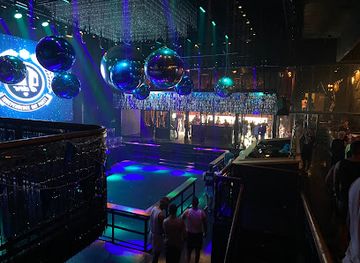
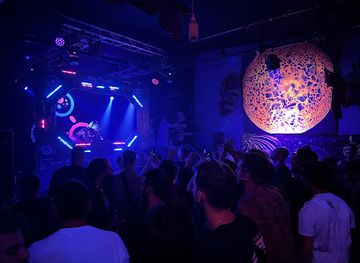
The district’s evening culture is concentrated principally in Tel Aviv, where bars, wine venues, live-music rooms, small performance spaces and clubs occupy areas around the central city, Florentin, Levinsky and the seafront. Jaffa offers a more atmospheric selection of restaurants, cafés and occasional cultural events, while Ramat Gan, Herzliya, Bat Yam and Rishon LeZion have their own pubs, restaurants and local entertainment, generally on a smaller scale. Nightlife ranges from relaxed conversation and craft beer to dancing and late performances, but venues and operating patterns change frequently. Traditional cafés and restaurants are often more useful than clubs in suburban and religious parts of the district. Friday and Saturday arrangements depend on the venue and religious calendar, so advance checking is sensible. Alcohol is not necessary to engage with the area’s evening life, which also includes theatre, concerts, galleries, markets and waterfront walks.
-
Night club
Haoman 17
Dive into Tel Aviv's nightlife at Haoman 17, a top gay nightclub and event venue offering vibrant parties, live music, and an inclusive atmosphere.
-
Night club
Kuli Alma
Experience the vibrant nightlife of Tel Aviv at Kuli Alma, where art, music, and culture unite in an unforgettable atmosphere.
-
Night club
Gagarin Club TLV
Gagarin Club TLV: The ultimate nightlife destination in Tel Aviv for music, dance, and unforgettable experiences.
-
Bar
Bavel TLV
Discover the vibrant nightlife of Tel Aviv at Bavel TLV - a lively bar and club known for its energetic atmosphere and eclectic crowd.


Best shops in Tel Aviv District
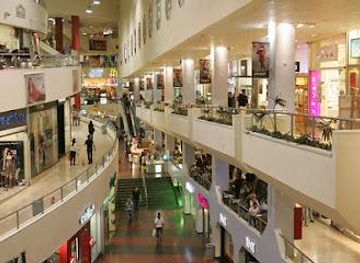
Shopping in Tel Aviv District ranges from traditional markets and independent neighbourhood streets to large suburban commercial centres. Carmel Market is the best-known central food market, selling produce, spices, baked goods, snacks and household items, while Levinsky Market is associated with spices, dried foods, pickles, coffee and ingredients shaped by the district’s diverse communities. Jaffa offers antique dealers, galleries, jewellery, crafts and small design shops among its historic lanes, although stock and opening patterns vary. Tel Aviv’s central streets contain Israeli fashion, bookshops, homeware, cosmetics and contemporary design, with smaller independent retailers often clustered around neighbourhood high streets. Holon and Rishon LeZion provide suburban shopping and family-oriented retail, while Herzliya has larger commercial and business districts. Good regional purchases include packaged market foods, ceramics, jewellery, books and locally designed goods; compare prices and request receipts, particularly in tourist-facing areas.
-
Market
Sarona Market
Experience the culinary wonder of Sarona Market in Tel Aviv, a vibrant hub of local flavors and artisan delights waiting to be explored.
-
Shopping mall
Azrieli Mall
Experience the ultimate shopping adventure at Azrieli Mall in Tel Aviv, where global brands meet local charm and diverse culinary delights.
-
Shopping mall
Dizengoff Center
Discover shopping, dining, and entertainment at Dizengoff Center, a vibrant shopping mall in the heart of Tel Aviv.
-
Flea market
Jaffa Flea Market
Explore the Jaffa Flea Market: A vibrant blend of antiques, culture, and local flavor in the heart of Tel Aviv.



Get your free copy of our complete guide to Tel Aviv District, delivered straight to you.
Everything on this page, from attractions and restaurants to essentials and local phrases, in one PDF you can read offline, print or share.
Already have an account? Sign in
Your Tel Aviv District guide is ready.
We'll send it to · Not you? Sign out

Getting your guide ready…
We are putting together a fresh copy of the Tel Aviv District guide. This can take up to a minute.
This can take a few moments. If your browser asks, choose Allow so the download can start. You'll find the guide in your Downloads folder.
Nothing happened? Download it again
Sorry, the guide is taking longer than usual. Please try again in a minute, or get it by email instead.
Tel Aviv District essentials
Currency and Payment
Safety
Emergency Situations
Do's and Don'ts
Local Tips
From Eve
Local phrases worth knowing
You don't need to get them perfect. A few words go a long way, and locals appreciate the effort.
Basics
| English | Local | Say it |
|---|---|---|
| Hello | שלום | [Shalom] |
| Goodbye | להתראות | [Lehitraot] |
| Yes | כן | [Ken] |
| No | לא | [Lo] |
| Please/You're welcome | בבקשה | [Bevakasha] |
| Thank you | תודה | [Toda] |
| Excuse me/Sorry | סליחה | [Slicha] |
| How are you? | מה שלומך? | [Ma shlomecha? (to a male) / Ma shlomech? (to a female)] |
| Fine. And you? | בסדר. ואתה? | [Beseder. Ve'ata? (to a male) / Ve'at? (to a female)] |
| Do you speak English? | אתה מדבר אנגלית? | [Ata medaber anglit? (to a male) / At medaberet anglit? (to a female)] |
| I don't understand | אני לא מבין | [Ani lo mevin (to a male) / Ani lo mevina (to a female)] |
Eating & Drinking
| English | Local | Say it |
|---|---|---|
| I'd like to see the menu, please | אני רוצה לראות את התפריט, בבקשה | [Ani rotzeh lirot et ha-tafri't, bevakasha] |
| I don't eat meat | אני לא אוכל בשר | [Ani lo ochel basar (to a male) / Ani lo ochelet basar (to a female)] |
| Cheers! | לחיים! | [Lechaim!] |
| I would like to pay, please | אני רוצה לשלם, בבקשה | [Ani rotzeh leshalem, bevakasha] |
Emergencies
| English | Local | Say it |
|---|---|---|
| Help! | עזרה! | [Ezra!] |
| Go away! | לך מפה! | [Lech mi-po!] |
| Call the Police! | תקרא למשטרה! | [Tikra le-mishtara!] |
| Call a doctor! | תקרא לרופא! | [Tikra le-rofe!] |
| I'm lost | אני אבוד | [Ani avud (to a male) / Ani avuda (to a female)] |
| I'm ill | אני חולה | [Ani choleh (to a male) / Ani cholah (to a female)] |
Shopping
| English | Local | Say it |
|---|---|---|
| I'd like to buy... | אני רוצה לקנות... | [Ani rotzeh liknot...] |
| I'm just looking | אני רק מסתכל | [Ani rak mistakel (to a male) / Ani rak mistakelet (to a female)] |
| How much is it? | כמה זה עולה? | [Kama ze oleh?] |
| That's too expensive | זה יקר מדי | [Ze yakar midai] |
| Can you lower the price? | אפשר להוריד את המחיר? | [Efshar lehorid et ha-mechir?] |
Time & Numbers
| English | Local | Say it |
|---|---|---|
| What time is it? | מה השעה? | [Ma ha-sha'a?] |
| It's one o'clock | השעה אחת | [Ha-sha'a achat] |
| Half past (10) | חצי אחרי (10) | [Chatz'i acharei (10)] |
| Morning | בוקר | [Boker] |
| Afternoon | אחר הצהריים | [Achar ha-tzohorayim] |
| Evening | ערב | [Erev] |
| Yesterday | אתמול | [Etmol] |
| Today | היום | [Hayom] |
| Tomorrow | מחר | [Machar] |
| 1 | אחד | [Echad] |
| 2 | שניים | [Shnaim] |
| 3 | שלושה | [Shlosha] |
| 4 | ארבעה | [Arba'a] |
| 5 | חמישה | [Chamisha] |
| 6 | שישה | [Shisha] |
| 7 | שבעה | [Shiv'a] |
| 8 | שמונה | [Shmona] |
| 9 | תשעה | [Tisha] |
| 10 | עשרה | [Asara] |
Transport & Directions
| English | Local | Say it |
|---|---|---|
| Where's a/the...? | איפה ה...? | [Eifo ha...?] |
| What's the address? | מה הכתובת? | [Ma ha-ketovet?] |
| Can you show me (on the map)? | אתה יכול להראות לי (על המפה)? | [Ata yachol le-har'ot li (al ha-mapah)? (to a male) / At yacholah le-har'ot li (al ha-mapah)? (to a female)] |
| When's the next (bus)? | מתי האוטובוס הבא? | [Matai ha-otobus haba?] |
| A ticket (to ....) | כרטיס (ל....) | [Kartis (le....)] |
History of Tel Aviv District
Jaffa from Bronze Age Port to Ottoman Town
Jaffa, on the district’s southern Mediterranean coast, has been a port and settlement for thousands of years. Its elevated position and harbour connected the area with the eastern Mediterranean, while archaeological remains and written sources record Egyptian, Philistine, Persian, Hellenistic, Roman, Byzantine, Arab, Crusader and Ottoman periods. The port served as a maritime gateway for inland routes and later for pilgrims and commercial traffic. Ottoman-era streets, religious buildings and stone houses remain visible in the old town, although the historic fabric has been repeatedly altered by conflict, reconstruction and modern development.
The Ottoman and Early Modern Coastal Corridor
Under Ottoman rule, Jaffa became an important citrus-export port, with surrounding agricultural settlements supplying oranges and other produce to regional and overseas markets. Roads and later rail connections strengthened links between the coast and the interior. The port’s commercial role also encouraged migration, trade and the growth of institutions serving communities in and around Jaffa. This period established the agricultural and maritime foundations that helped shape the modern urban corridor, even as the later port of Tel Aviv and changing transport systems reduced Jaffa’s central economic position.
The Founding of Tel Aviv in 1909
Tel Aviv was established in 1909 on land north of Jaffa by members of the Jewish community seeking a planned modern urban neighbourhood. Its early development reflected new ideas about Hebrew cultural life, municipal organisation and urban dwelling. Streets, schools, theatres, shops and public institutions expanded rapidly, and Tel Aviv increasingly became the centre of Jewish political, economic and cultural activity on the coast. The city’s growth did not erase Jaffa, but created a closely connected and often contested urban landscape whose separate histories remain important to the district’s identity.
International Style and the White City
During the 1930s and 1940s, architects trained in Europe brought International Style and related modernist ideas to Tel Aviv. Buildings with horizontal lines, flat roofs, balconies, stair towers and climate-conscious shading were adapted to the Mediterranean environment. The concentration of these structures around the city centre became known as the White City. Many buildings were neglected or altered during later decades, but conservation efforts helped renew awareness of their architectural value. The White City was inscribed on the UNESCO World Heritage List in 2003, recognising Tel Aviv’s exceptional modernist urban ensemble.
British Mandate and the Port of Tel Aviv
Under the British Mandate for Palestine, the coastal settlements developed amid growing immigration, political tension and economic change. Tel Aviv expanded as a commercial and cultural centre, while Jaffa remained a significant Arab city and port. In the 1930s, restrictions and conflict disrupted Jaffa’s citrus trade, and the opening of Tel Aviv’s port in 1936 provided an alternative maritime outlet. The port’s industrial role later declined, but its restored waterfront has become part of the district’s leisure and cultural landscape.
The 1948 War and the Tel Aviv–Jaffa Municipality
The 1948 war transformed the district’s political geography and population. Jaffa was incorporated into the newly established State of Israel and, in 1950, formally united with Tel Aviv as Tel Aviv-Yafo. The city subsequently absorbed large numbers of new immigrants and expanded beyond its pre-war boundaries. The consequences of displacement, demographic change and contested memory remain part of the history of Jaffa and its communities. Tel Aviv’s later metropolitan growth produced a continuous built-up area incorporating municipalities that retain their own civic identities.
Metropolitan Growth after 1948
The decades after independence brought rapid population growth, new housing, industrial estates, universities, roads and public institutions across the district. Ramat Gan and Givatayim developed as closely connected inner suburbs, while Holon, Bat Yam, Herzliya and Rishon LeZion grew into substantial cities with distinct municipal centres. The arrival of immigrants from Europe, the Middle East and North Africa influenced neighbourhoods, foodways and cultural institutions. Since the late twentieth century, technology, finance, tourism and high-rise construction have reshaped the district’s economy and skyline.
Tel Aviv District in Photos
Browse through our photo collection highlighting the charm and character of the destination.
Neighbouring regions of Tel Aviv District
The closest regions to Tel Aviv District, if you have time for more than one.
-

-

-

-

-


Swipe for more regions
Explore more

Explore more of Israel
Discover Israel, a country where ancient history and modern culture meet, offering a rich tapestry of religious significance, vibrant cities, and diverse landscapes.
Explore Israel