

Free Calabria Travel Guide & Mobile App
Explore Calabria with free travel guides. Discover regional history, expert tips, proposed trips, and audio guides on web or mobile app.


Explore Calabria for Greek ruins, mountain parks, cliff-top towns, Ionian and Tyrrhenian beaches, and distinctive southern Italian food.
Read more about Calabria
When is the best time to visit Calabria?
Best: May–June, October · 24–29°C| Month | High (°C) | Rainfall (mm) |
|---|---|---|
| January | 14 | 70 |
| February | 14 | 66 |
| March | 17 | 61 |
| April | 20 | 56 |
| May (best) | 24 | 45 |
| June (best) | 29 | 36 |
| July | 32 | 25 |
| August | 32 | 30 |
| September | 29 | 45 |
| October (best) | 24 | 61 |
| November | 18 | 66 |
| December | 15 | 70 |
Getting to and around Calabria
How to get there
Transportation
Best attractions in Calabria
Calabria’s attractions range from some of Italy’s most important Greek archaeological sites to beaches, national parks and hill towns. On the Ionian side, the archaeological areas of Locri Epizephyrii, Capo Colonna near Crotone and the ancient Sybaris area reveal the scale of Magna Graecia, while Reggio Calabria’s National Archaeological Museum is the principal place to see the Riace Bronzes. The Tyrrhenian coast offers the cliff-top setting of Tropea, the fishing and beach traditions of Scilla, and smaller coves and resorts extending north and south. Inland, the Sila, Pollino and Aspromonte national parks provide forests, upland plateaux, mountain walks and wildlife habitats; the Serre Regional Park adds further woodland landscapes between the two coasts. Historic villages such as Gerace, Stilo, Santa Severina and Morano Calabro reward slower exploration through churches, stone lanes and elevated viewpoints. The attraction landscape is defined by contrast: ancient ruins and seaside towns are balanced by mountain communities, religious architecture and rural food-producing areas.
-
National park
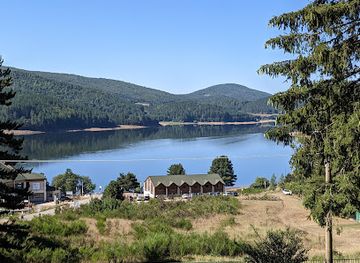
Sila National Park
Discover the breathtaking landscapes and rich biodiversity of Sila National Park, a national park in Calabria, Italy, perfect for adventure and relaxation.
-
Cathedral
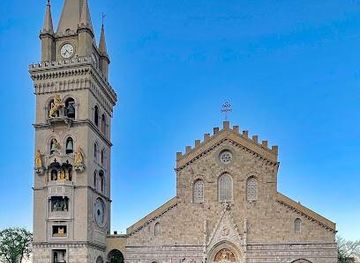
Basilica Cattedrale di Santa Maria Assunta
Experience the stunning Basilica Cattedrale di Santa Maria Assunta, a masterpiece of architecture and history in the heart of Messina, Sicily.
-
Nature preserve
I Giganti della Sila
Explore the breathtaking beauty of I Giganti della Sila, a nature preserve in Calabria, Italy, renowned for its ancient trees and stunning landscapes.
-
Castle
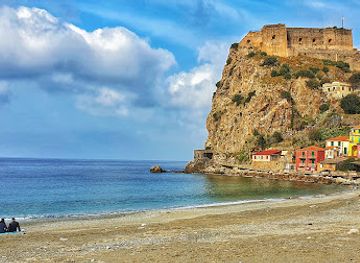
Castello Aragonese
Explore the historical Castello Aragonese in Reggio Calabria, a stunning fortress with breathtaking views and rich Italian heritage.

Best landmarks in Calabria
The Riace Bronzes, displayed in Reggio Calabria’s National Archaeological Museum, are Calabria’s most internationally recognised artistic symbols, although the statues are museum objects rather than an outdoor monument. On the Ionian coast, Capo Colonna’s solitary Doric column is the surviving remnant of the sanctuary of Hera Lacinia and a powerful marker of ancient Kroton. The Greek theatre and sanctuary remains at Locri Epizephyrii reveal the importance of the ancient city, while the archaeological area associated with Sybaris preserves another major chapter of Magna Graecia. Medieval Calabria is represented by the cathedral and historic fabric of Gerace, the Byzantine-influenced Cattolica di Stilo, and the fortified hilltop setting of Santa Severina. Tropea’s cathedral and cliff-top old town are inseparable from its coastal landscape, while Scilla’s Castello Ruffo stands above the Strait of Messina and the fishing quarter of Chianalea. In the mountains, the forests and high plateaux of the Sila and the rugged massifs of Aspromonte function as natural landmarks, expressing the region’s strong division between sea-facing towns and elevated interior country.
-
Castle
Castello Aragonese
Explore the Castello Aragonese, a stunning medieval castle in Reggio Calabria, rich in history and offering breathtaking views of the Mediterranean.
-
City or town hall
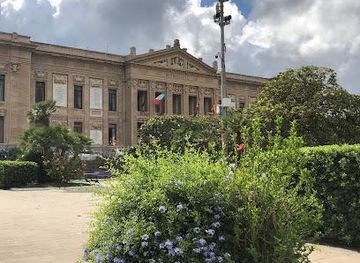
Comune di Messina - Palazzo Zanca
Explore the rich history and architectural beauty of the Comune di Messina - Palazzo Zanca, a cultural gem in the heart of Messina, Sicily.
-
Church
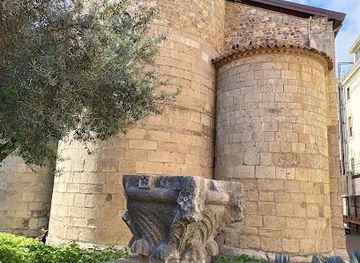
Chiesa di Santa Maria Alemanna
Explore the captivating Chiesa di Santa Maria Alemanna, a stunning historical church showcasing rich architectural beauty in the heart of Messina, Italy.
-
Historical landmark
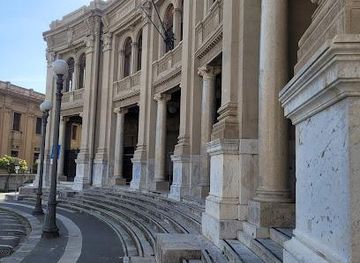
Palazzo Mariani (Ex Palazzo delle Poste)
Discover the architectural beauty and historical significance of Palazzo Mariani, a majestic landmark in Messina, Italy, rich in culture and charm.
Explore Calabria on the map
Plan your trip on one map. See where the top cities, national parks and sights are, and book hotels and experiences in a few clicks.
Best hotels in Calabria
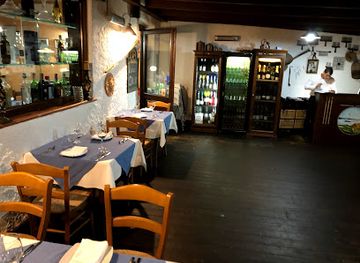
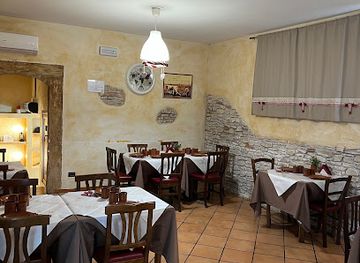
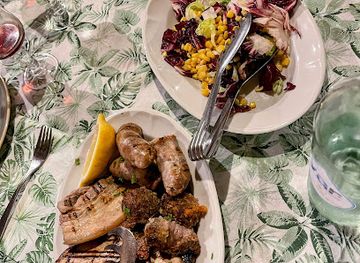
Best restaurants in Calabria
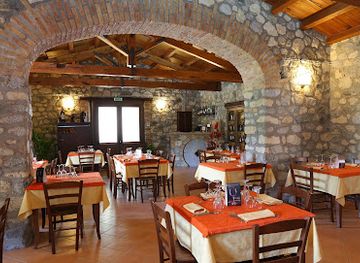
Calabrian food is strongly flavoured, seasonal and closely linked to preserving the harvest. The region is associated with 'nduja, the soft, spicy pork salume traditionally made around Spilinga, as well as soppressata, capocollo, local sausages and cheeses such as pecorino from mountain and pastoral areas. Tropea’s red onion, bergamot from the Ionian area, citrus fruit, aubergines, olives, dried peppers and liquorice from the northern Ionian district appear in markets and kitchens. Fileja, a hand-rolled pasta, is commonly served with tomato, vegetables, meat or spicy sauces, while coastal restaurants specialise in swordfish, tuna, anchovies and other Mediterranean fish according to the catch. Rural agriturismi, family-run trattorias, bakeries, bars and village festivals often provide the clearest sense of everyday cooking, while Reggio Calabria, Cosenza, Catanzaro and the larger resort towns offer more contemporary dining. Local wines, including Cirò from the Crotone area, complement the region’s varied cuisine.
-
Restaurant
La Taverna del Borgo
Experience authentic Italian flavors at La Taverna del Borgo in Mammola – where fresh seafood meets traditional recipes.
-
Seafood
Ristorante La Capanna
Experience authentic Italian seafood cuisine with stunning Mediterranean views at Ristorante La Capanna in Reggio Calabria.
-
Restaurant
Le vie del gusto
Experience authentic Calabrian cuisine at Le Vie del Gusto in Reggio Calabria – where every meal tells a story.
-
Restaurant
Ristorante La Tavernetta
Experience authentic Italian and seafood cuisine at Ristorante La Tavernetta in Reggio Calabria - a culinary gem steeped in tradition.
Best bars in Calabria
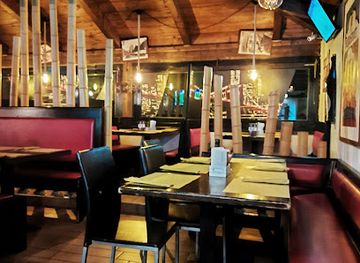
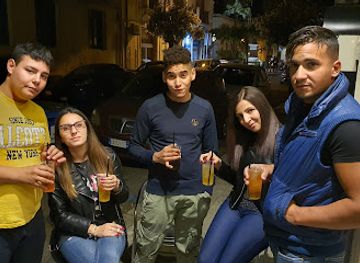
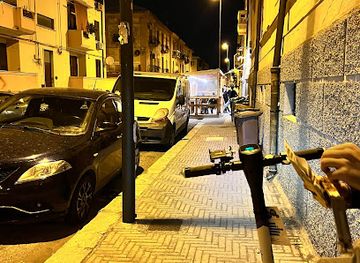
Evening life in Calabria is concentrated in the larger towns and along the coast during the summer season. Reggio Calabria has the broadest urban choice, with cafés, bars, restaurants and venues around the centre and waterfront, while Cosenza benefits from its student population and cultural life. Catanzaro Lido, Tropea, Scilla, Pizzo and parts of the Ionian coast become busier after sunset in summer, when seafront bars, gelaterie, restaurants and occasional music venues extend their hours. In inland towns, the evening usually centres on a traditional bar, piazza, restaurant or local festival rather than a large club scene. Some coastal resorts have seasonal discos and late-night venues, but opening patterns change, so local listings are more reliable than assuming a permanent nightlife district. Calabria’s evening culture is often social and unhurried, with the passeggiata, coffee, aperitivo and dinner playing a greater role than clubbing.
-
Gastropub
Bridge Lounge Pub
Experience the vibrant culinary scene at Bridge Lounge Pub in Reggio Calabria, where gourmet dining meets lively entertainment in a welcoming atmosphere.
-
Bar tabac
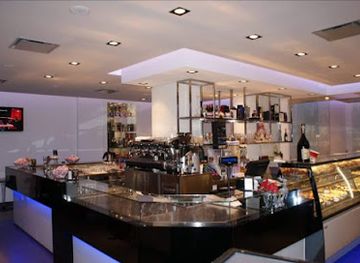
Les FoliesCafè
Discover the charm of Les FoliesCafè in Reggio Calabria, where local flavors and a cozy atmosphere await every traveler.
-
Pub
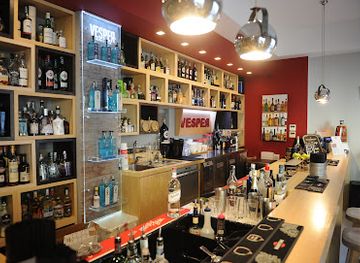
Vesper American Bar
Experience Reggio Calabria's nightlife at Vesper American Bar, where exceptional cocktails and fine wines meet vibrant ambiance.
-
Pub
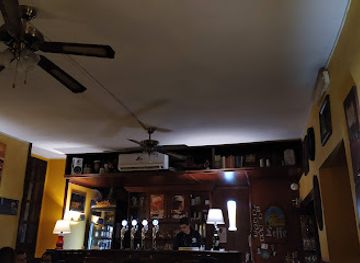
Free Pub
Discover the lively ambiance of Free Pub in Cosenza, where great drinks, delicious food, and a vibrant atmosphere await every visitor.
Best nightclubs in Calabria
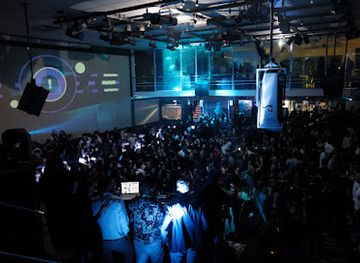
Evening life in Calabria is concentrated in the larger towns and along the coast during the summer season. Reggio Calabria has the broadest urban choice, with cafés, bars, restaurants and venues around the centre and waterfront, while Cosenza benefits from its student population and cultural life. Catanzaro Lido, Tropea, Scilla, Pizzo and parts of the Ionian coast become busier after sunset in summer, when seafront bars, gelaterie, restaurants and occasional music venues extend their hours. In inland towns, the evening usually centres on a traditional bar, piazza, restaurant or local festival rather than a large club scene. Some coastal resorts have seasonal discos and late-night venues, but opening patterns change, so local listings are more reliable than assuming a permanent nightlife district. Calabria’s evening culture is often social and unhurried, with the passeggiata, coffee, aperitivo and dinner playing a greater role than clubbing.
-
Disco club
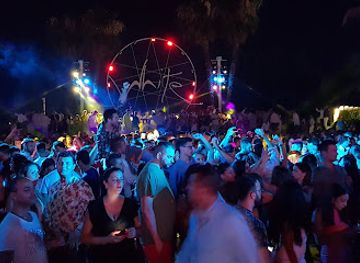
White Different Club
Experience unforgettable nights filled with music, dance, and vibrant energy at White Different Club in Corigliano, Italy.
-
Night club
Havana club 7
Discover the vibrant nightlife of Havana Club 7, a premier night club and pub in Reggio Calabria, perfect for dancing, drinks, and unforgettable memories.
-
Night club
A Scalitta I Don Carmelo
Experience the vibrant nightlife of Reggio Calabria at A Scalitta I Don Carmelo, where music, dance, and good vibes await!
-
Party planner
Top Club
Discover the ultimate nightlife experience at Top Club in Mosorrofa, where cocktails, dancing, and live music meet in a vibrant atmosphere.
Best shops in Calabria
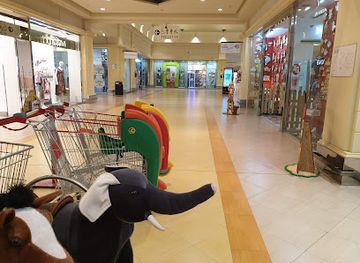
Shopping in Calabria is most rewarding in historic town centres, coastal markets and food-producing districts rather than in large retail complexes. Reggio Calabria, Cosenza, Catanzaro and Crotone have the widest selection of national chains, department stores, bookshops and independent retailers, while smaller market towns offer traditional high streets and weekly stalls. Look for jars of 'nduja, Tropea red onion products, preserves, dried peppers, olive oil, liquorice from the northern Ionian area, bergamot-based goods and regional wines, checking labelling and packaging requirements before travelling. Ceramics, woven goods, jewellery, religious items and small-scale crafts appear in artisan shops and seasonal markets, with styles varying between coastal resorts and inland villages. Tropea and other popular seaside towns have many souvenir shops, whereas towns such as Gerace, Stilo and Morano Calabro are better places to browse local crafts alongside historic architecture. Farmers’ markets and food shops are particularly useful for gifts that reflect Calabria’s agricultural identity.
-
Shopping mall
Centro Commerciale Due Mari
Discover an unparalleled shopping experience at Centro Commerciale Due Mari in Maida, Italy, featuring a wide range of shops and delightful dining options.
-
Shopping mall
Porto degli Ulivi
Discover Porto degli Ulivi: a vibrant shopping mall in Gioia Tauro offering diverse shops, dining, and a family-friendly atmosphere for all visitors.
-
Shopping mall
Porto Bolaro Shopping Center
Experience the ultimate shopping and dining extravaganza at Porto Bolaro Shopping Center in Reggio Calabria, where variety meets vibrance in one lively location.
-
Shopping mall
Centro Commerciale Vibo Center
Explore the Centro Commerciale Vibo Center: Your ultimate shopping destination in Vibo Valentia, offering fashion, food, and family fun.

Get your free copy of our complete guide to Calabria, delivered straight to you.
Everything on this page, from attractions and restaurants to essentials and local phrases, in one PDF you can read offline, print or share.
Already have an account? Sign in
Your Calabria guide is ready.
We'll send it to · Not you? Sign out

Getting your guide ready…
We are putting together a fresh copy of the Calabria guide. This can take up to a minute.
This can take a few moments. If your browser asks, choose Allow so the download can start. You'll find the guide in your Downloads folder.
Nothing happened? Download it again
Sorry, the guide is taking longer than usual. Please try again in a minute, or get it by email instead.
Calabria essentials
Currency and Payment
Safety
Emergency Situations
Do's and Don'ts
Local Tips
From Eve
Local phrases worth knowing
You don't need to get them perfect. A few words go a long way, and locals appreciate the effort.
Basics
| English | Local | Say it |
|---|---|---|
| Hello | Ciao | [chow] |
| Goodbye | Arrivederci | [ah-ree-vay-der-chee] |
| Yes | Sì | [see] |
| No | No | [no] |
| Please/You're welcome | Per favore | [pair fah-vor-ay] |
| Thank you | Grazie | [grah-tsee-eh] |
| Excuse me/Sorry | Scusa | [skoo-zah] |
| How are you? | Come stai? | [koh-meh sty] |
| Fine. And you? | Bene. E tu? | [beh-neh. eh too] |
| Do you speak English? | Parli inglese? | [par-lee een-glay-zeh] |
| I don't understand | Non capisco | [non kah-pees-koh] |
Eating & Drinking
| English | Local | Say it |
|---|---|---|
| I'd like to see the menu, please | Vorrei vedere il menu, per favore | [vor-ray veh-deh-ray eel meh-noo, pair fah-vor-ay] |
| I don't eat meat | Non mangio carne | [non mahn-jo kar-neh] |
| Cheers! | Salute! | [sah-loo-tay] |
| I would like to pay, please | Vorrei pagare, per favore | [vor-ray pah-gah-ray, pair fah-vor-ay] |
Emergencies
| English | Local | Say it |
|---|---|---|
| Help! | Aiuto! | [ah-yoo-toh] |
| Go away! | Vai via! | [vai vee-ah] |
| Call the Police! | Chiama la polizia! | [kee-ah-mah lah poh-leet-zee-ah] |
| Call a doctor! | Chiama un dottore! | [kee-ah-mah oon doht-toh-ray] |
| I'm lost | Mi sono perso | [mee soh-noh pair-soh] |
| I'm ill | Sono malato | [soh-noh mah-lah-toh] |
Shopping
| English | Local | Say it |
|---|---|---|
| I'd like to buy... | Vorrei comprare... | [vor-ray kom-prah-ray] |
| I'm just looking | Sto solo guardando | [sto soh-loh gwahr-dahn-doh] |
| How much is it? | Quanto costa? | [kwahn-toh koh-stah] |
| That's too expensive | È troppo costoso | [eh troh-poh koh-stoh-soh] |
| Can you lower the price? | Puoi abbassare il prezzo? | [pwoy ah-bah-sah-ray eel pret-soh] |
Time & Numbers
| English | Local | Say it |
|---|---|---|
| What time is it? | Che ore sono? | [keh oh-ray soh-noh] |
| It's one o'clock | È l'una | [eh loo-nah] |
| Half past (10) | Dieci e mezzo | [dee-eh-chee eh med-zoh] |
| Morning | Mattina | [maht-tee-nah] |
| Afternoon | Pomeriggio | [poh-meh-ree-joh] |
| Evening | Sera | [seh-rah] |
| Yesterday | Ieri | [yeh-ree] |
| Today | Oggi | [oh-gee] |
| Tomorrow | Domani | [doh-mah-nee] |
| 1 | Uno | [oo-noh] |
| 2 | Due | [doo-eh] |
| 3 | Tre | [treh] |
| 4 | Quattro | [kwah-troh] |
| 5 | Cinque | [cheen-kweh] |
| 6 | Sei | [say] |
| 7 | Sette | [seht-teh] |
| 8 | Otto | [oht-toh] |
| 9 | Nove | [noh-veh] |
| 10 | Dieci | [dee-eh-chee] |
Transport & Directions
| English | Local | Say it |
|---|---|---|
| Where's a/the...? | Dove è un/il...? | [doh-veh eh oon/eel] |
| What's the address? | Qual è l'indirizzo? | [kwahl eh lin-dee-reet-soh] |
| Can you show me (on the map)? | Puoi mostrarmi (sulla mappa)? | [pwoy mohs-trar-mee (soo-lah mahp-pah)] |
| When's the next (bus)? | Quando è il prossimo (autobus)? | [kwahn-doh eh eel prohs-see-mo (ow-toh-boos)] |
| A ticket (to ....) | Un biglietto (per ....) | [oon bee-lyet-toh (pair ....)] |
History of Calabria
Indigenous Peoples and the Greek Colonies
Before Greek settlement, Calabria was inhabited by Italic peoples including the Oenotrians, Bruttians and other communities. From the eighth century BC, Greek colonists founded important cities along the Ionian coast, part of the wider world known as Magna Graecia. Sybaris, Kroton, Locri Epizephyrii and Rhegion became centres of commerce, agriculture, philosophy and art. Their remains survive in archaeological areas such as Locri, Capo Colonna and the Sybaris area, while the Riace Bronzes, recovered from the Ionian Sea in 1972, provide an exceptional link with the artistic culture of ancient Greece.
Rome and the Bruttii
Rome gradually extended its influence over southern Italy, defeating the Bruttians and incorporating the region into the Roman world during the third century BC. Greek cities retained aspects of their language and culture while becoming connected to Roman roads, administration and trade. Rhegium, modern Reggio Calabria, held a strategic position opposite Sicily, and inland and coastal settlements supplied agricultural products to wider imperial markets. Roman remains are less visually dominant than the Greek archaeological legacy, but the period established transport routes and urban patterns that continued to influence Calabria.
Byzantine Calabria and the Norman Conquest
After the decline of the Western Roman Empire, Calabria became a frontier of the Byzantine Empire and retained strong links with the eastern Mediterranean. Monastic communities, Greek religious practice and the use of Greek in ecclesiastical life left a lasting imprint, particularly in southern and inland districts. From the eleventh century, Norman rulers conquered the region and integrated it into the Kingdom of Sicily. Norman and later Swabian power brought new fortifications, administrative centres and churches, many of which survive in historic towns including Gerace, Stilo and Santa Severina.
The Kingdom of Naples and Baroque Reconstruction
For centuries Calabria formed part of the Kingdom of Naples, later governed by the Bourbon dynasty. Its economy remained strongly agricultural, based on cereals, olives, citrus, livestock and local crafts, while coastal communities faced periodic raids and insecurity. A sequence of earthquakes affected the region, culminating in the devastating earthquake of 1783, which destroyed or severely damaged many settlements in central and southern Calabria. Reconstruction altered town plans and architecture, leaving a mixture of medieval hill settlements, eighteenth-century rebuilding and later urban expansion.
Risorgimento and Italian Unification
Calabria was drawn into the political upheavals of the Risorgimento during the nineteenth century. Giuseppe Garibaldi’s expedition landed in Sicily in 1860 and crossed into Calabria as his campaign advanced towards Naples. The collapse of Bourbon rule and the creation of the Kingdom of Italy in 1861 brought administrative unification but did not immediately resolve Calabria’s economic inequalities or difficult communications. Roads, railways and public institutions expanded gradually, while local society continued to be shaped by agriculture, small towns and strong regional connections.
Migration, Agriculture and Industrial Change
From the late nineteenth century and particularly after the Second World War, many Calabrians migrated to northern Italy, other European countries and the Americas in search of work. Remittances and demographic change affected villages and family life, while land reform and new infrastructure altered parts of the countryside. Coastal urbanisation, tourism and improved roads expanded after the war, although many inland settlements remained economically fragile. Calabria’s modern identity therefore combines ancient heritage and agricultural traditions with sustained migration and an uneven transition towards services, tourism and regional development.
Contemporary Calabria and Heritage Conservation
In recent decades Calabria has placed greater emphasis on archaeological conservation, national parks, historic villages, food production and coastal tourism. Museums in Reggio Calabria, Crotone and other towns have made ancient Greek and regional collections more accessible, while protected landscapes in the Pollino, Sila and Aspromonte encourage walking and nature-based travel. The region still faces challenges including depopulation in some mountain communities and seasonal pressure on popular coasts, but its cultural landscape is increasingly understood as a combination of maritime, Greek, Byzantine, rural and mountain traditions rather than a single uniform identity.
Calabria in Photos
Browse through our photo collection highlighting the charm and character of the destination.
Neighbouring regions of Calabria
The closest regions to Calabria, if you have time for more than one.
-
-

-

-

-


Swipe for more regions
Explore more

Explore more of Italy
Discover Italy: A land of ancient history, artistic marvels, and culinary delights; where every corner reveals a new story and every meal is a celebration.
Explore Italy