

Free Irpinia Travel Guide & Mobile App
Explore Irpinia with free travel guides. Discover regional history, expert tips, proposed trips, and audio guides on web or mobile app.


Explore Irpinia in inland Campania for mountain villages, Roman ruins, autumn chestnuts, Apennine walks and the celebrated wines of Taurasi.
Read more about Irpinia
When is the best time to visit Irpinia?
Best: June–July, September · 24–28°C| Month | High (°C) | Rainfall (mm) |
|---|---|---|
| January | 9 | 70 |
| February | 11 | 60 |
| March | 14 | 60 |
| April | 17 | 50 |
| May | 21 | 50 |
| June (best) | 25 | 40 |
| July (best) | 28 | 30 |
| August | 28 | 40 |
| September (best) | 24 | 50 |
| October | 18 | 60 |
| November | 14 | 70 |
| December | 10 | 70 |
Getting to and around Irpinia
How to get there
Transportation
Top city travel guides in Irpinia
The cities of Irpinia, and the easiest places to base yourself.
-

-


Swipe for more cities
Destinations in Irpinia
Resorts, valleys and scenic spots worth a trip of their own.

Swipe for more destinations
Best attractions in Irpinia
Irpinia's attractions are spread through valleys and upland communities rather than concentrated in one tourist centre. The archaeological park of Aeclanum near Mirabella Eclano offers the clearest window on the Roman landscape, with ruins that convey the scale of a town on the Via Appia. Religious heritage is represented by the Sanctuary of Montevergine above Mercogliano, while hill settlements such as Gesualdo, Nusco, Montella and Rocca San Felice combine historic streets, churches and castle remnants with broad views. The region's natural attractions are equally important: the beech forests of the Picentini and Terminio areas, the Laceno plateau and the limestone landscapes around the higher villages support walking, seasonal outdoor recreation and woodland exploration. Wine routes through Taurasi and the wider production areas of Fiano di Avellino and Greco di Tufo add cellar visits and vineyard scenery to the itinerary. Food-focused travel, autumn chestnut traditions and local cultural events provide further reasons to travel between communities, although opening arrangements and festival dates vary and should be checked locally.
-
Tourist attraction
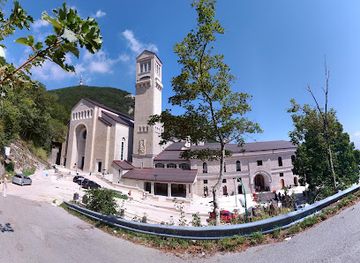
Sanctuary of Montevergine
Discover the Sanctuary of Montevergine, a serene pilgrimage site in Italy, rich in history and breathtaking mountain views.
-
Tourist attraction
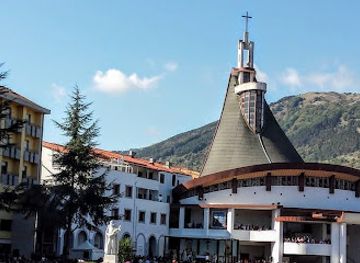
Sanctuary of St. Gerard Majella
Discover the serene beauty and profound spirituality at the Sanctuary of St. Gerard Majella, a must-visit for pilgrims and tourists in Caposele, Italy.
-
Park
Parco Regionale del Partenio
Experience the natural beauty and tranquility of Parco Regionale del Partenio, a stunning park in Campania, Italy, perfect for outdoor adventures and serene escapes.
-
Tourist attraction
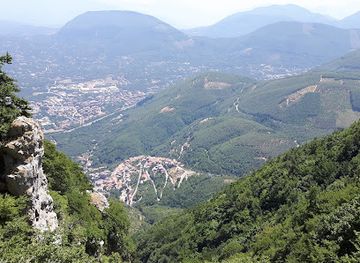
Parco Regionale Monti Picentini
Explore the breathtaking landscapes and rich biodiversity of Parco Regionale Monti Picentini, a natural paradise in Italy's Campania region.

Best landmarks in Irpinia
The Sanctuary of Montevergine, high above Mercogliano on the wooded slopes of the Partenio range, is Irpinia's most prominent religious landmark and a longstanding pilgrimage destination. At Mirabella Eclano, the remains of Aeclanum mark the Roman road system and the ancient town that once controlled an important inland route. The castle and historic setting of Gesualdo evoke the power of Irpinia's early-modern aristocratic families and the association of the town with the composer Carlo Gesualdo. Rocca San Felice retains a strongly defensive hilltop character, while Nusco's historic centre reflects the importance of medieval and ecclesiastical settlement in the interior. The upland landscape itself supplies major geographical landmarks: the Laceno basin, the forested slopes of Terminio and the Picentini mountains define the horizons and explain the region's dispersed communities. In Avellino, the cathedral and central civic fabric provide a more urban expression of Irpinia's history, though the province's strongest visual identity remains the relationship between stone villages, vineyards and wooded Apennine ridges.
-
Scenic spot
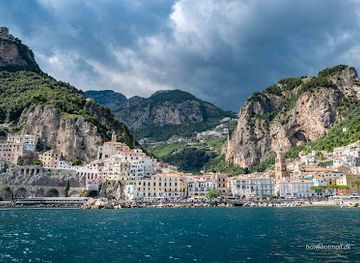
Amalfi Coast
Discover the breathtaking beauty of the Amalfi Coast, a UNESCO World Heritage site known for its stunning cliffs, charming villages, and rich Italian culture.
-
Archaeological museum
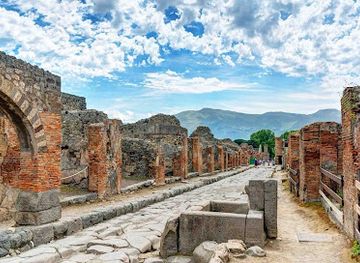
Archaeological Park of Pompeii
Explore the breathtaking ruins of Pompeii, a UNESCO World Heritage Site, where ancient history and culture come alive amidst stunning archaeological landscapes.
-
Museum
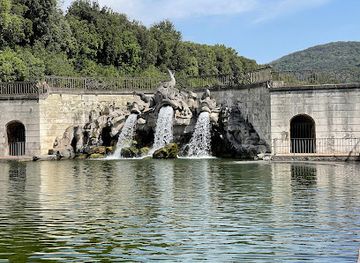
Royal Palace of Caserta
Explore the Royal Palace of Caserta, an architectural jewel of Italy featuring stunning gardens and rich history, a UNESCO World Heritage site.
-
Art museum
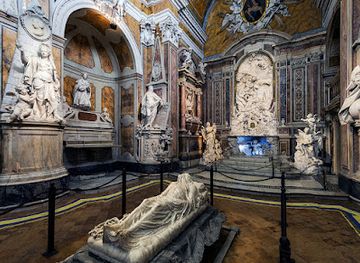
Sansevero Chapel Museum
Explore the Sansevero Chapel Museum in Naples, a captivating blend of art, history, and spirituality showcasing masterpieces of the 18th century.
Explore Irpinia on the map
Plan your trip on one map. See where the top cities, national parks and sights are, and book hotels and experiences in a few clicks.
Best hotels in Irpinia
Best restaurants in Irpinia
Irpinian cooking is rooted in mountain agriculture, seasonal produce and dishes designed for a cool inland climate. Menus may feature handmade pasta, ragù, legumes, vegetables, cured meats, grilled meats and local cheeses, with hearty soups and slow-cooked recipes particularly suited to the colder months. Montella is associated with prized chestnuts, while the Bagnoli Irpino area is known for woodland produce including truffles; availability is seasonal rather than guaranteed. Vineyard country around Taurasi, Tufo and the wider Avellino area offers opportunities to pair local food with Fiano di Avellino, Greco di Tufo or Taurasi. Look for agriturismi, village trattorie, family-run restaurants, rural inns and food markets rather than expecting a single regional style in every town. Avellino provides the broadest choice of cafés and restaurants, while smaller communities may have limited evening service and require advance planning, especially outside the main tourist periods.
-
Restaurant
Ristorante Quagliarella 2.0
Experience authentic Italian cuisine at Ristorante Quagliarella 2.0 in Monteforte Irpino - where every meal is a celebration of flavor.
-
Restaurant
Osteria i santi
Experience authentic Italian cuisine at Osteria i Santi in Mercogliano – where every dish tells a story.
-
Restaurant
Taverna L'orcagna
Experience authentic Italian flavors at Taverna L'orcagna in Manocalzati – where tradition meets taste in every dish.
-
Restaurant
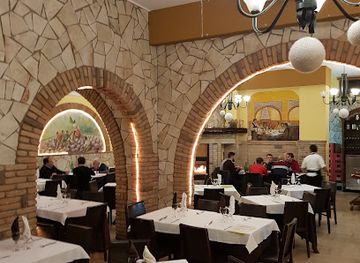
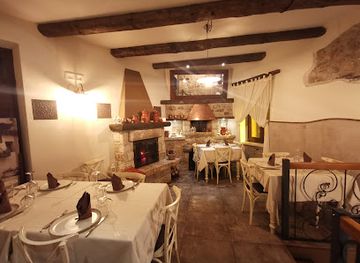
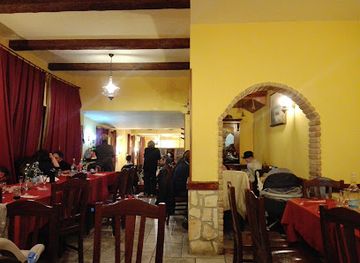
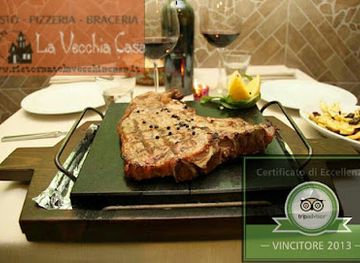
La Vecchia Casa
Discover authentic Italian flavors at La Vecchia Casa in Forino - where tradition meets taste in every bite.
Best bars in Irpinia
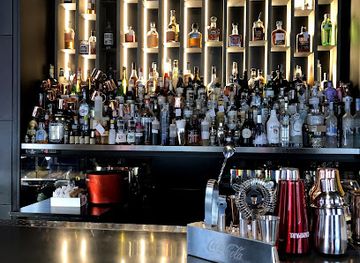
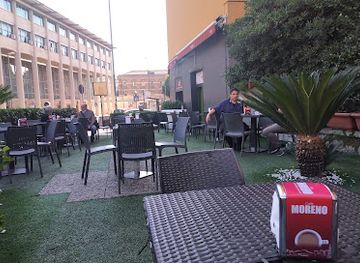
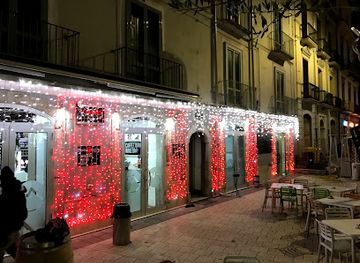
Irpinia's evening life is predominantly social and food-led rather than centred on large nightclubs. Avellino has the widest selection of bars, cafés and restaurants, with activity concentrated around central streets and squares, while towns such as Ariano Irpino and Atripalda offer local evening venues of a more everyday character. In smaller hill communities, the traditional bar or piazza remains more important than a dedicated nightlife district, and evenings may revolve around conversation, coffee, aperitivo, a meal or seasonal village events. Wineries and breweries provide opportunities for tastings where available, but visits are often arranged in advance rather than treated as walk-in nightlife. Live music and festivals can bring temporary energy to town centres, especially in warmer months. Outside the principal towns, check transport before drinking and do not assume that late services or taxis will be readily available.
-
Bistro
Bar Cappuccini
Discover the flavors of Italy at Bar Cappuccini, a bistro offering a delightful dining experience in the heart of Avellino.
-
Espresso bar
Mivida
Discover Mivida in Avellino – your cozy espresso bar for authentic Italian coffee and delightful pastries in a warm, inviting atmosphere.
-
Bar
BeviamociSu Atripalda
Discover the vibrant atmosphere of BeviamociSu Atripalda, where locals gather for coffee, cocktails, and camaraderie in a charming setting.
-
Live music bar
Tilt
Discover the lively atmosphere of Tilt, a premier live music bar and gastropub in Avellino, Italy, where great food meets unforgettable performances.
Best nightclubs in Irpinia
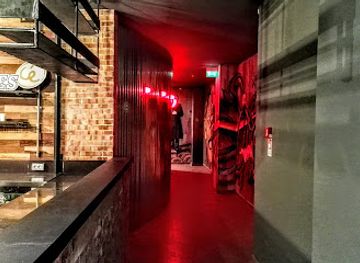
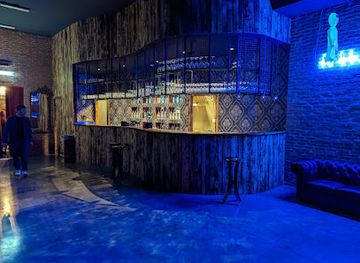
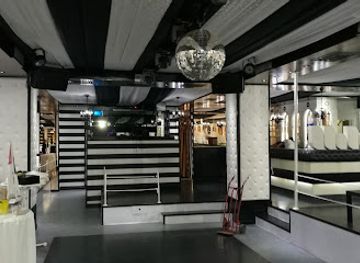
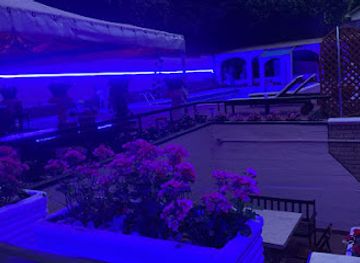
Irpinia's evening life is predominantly social and food-led rather than centred on large nightclubs. Avellino has the widest selection of bars, cafés and restaurants, with activity concentrated around central streets and squares, while towns such as Ariano Irpino and Atripalda offer local evening venues of a more everyday character. In smaller hill communities, the traditional bar or piazza remains more important than a dedicated nightlife district, and evenings may revolve around conversation, coffee, aperitivo, a meal or seasonal village events. Wineries and breweries provide opportunities for tastings where available, but visits are often arranged in advance rather than treated as walk-in nightlife. Live music and festivals can bring temporary energy to town centres, especially in warmer months. Outside the principal towns, check transport before drinking and do not assume that late services or taxis will be readily available.
-
Disco club
35 Millimetri
Dive into the energetic nightlife of Avellino at 35 Millimetri, a stunning disco club with stylish lounges and a vibrant atmosphere for all.
-
Disco club
Inn Club
Discover the vibrant nightlife at Inn Club, Ariano Irpino's premier disco club, where music, dance, and unforgettable memories await.
-
Night club
L'incognita Club privè
Experience the vibrant nightlife at L'incognita Club privè in Manocalzati, where music, dance, and unforgettable memories await.
-
Night club
Pollo 37
Discover the energetic nightlife at Pollo 37, Avellino's premier night club for music, dancing, and unforgettable experiences.
Best shops in Irpinia
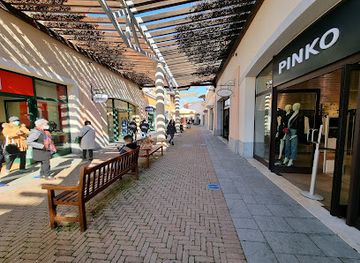
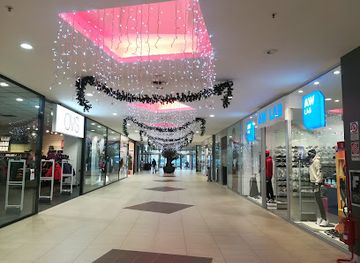
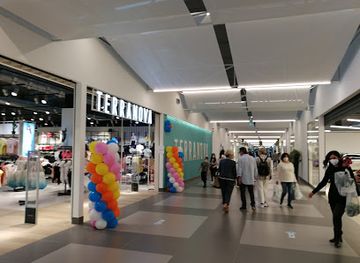
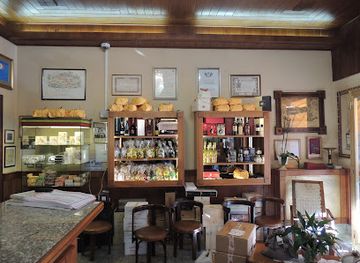
Shopping in Irpinia is focused on practical town centres, independent food shops, weekly markets and products connected with the surrounding countryside rather than large-scale retail tourism. Avellino and Atripalda provide the broadest choice of everyday shops, cafés and services, while smaller towns offer bakeries, delis, butchers and specialist stores with local food. Good regional purchases include bottles from the Taurasi, Fiano di Avellino and Greco di Tufo areas, Montella chestnuts when in season, cured meats, cheeses, preserves, honey and truffle products. Markets and autumn food events can be useful for discovering seasonal produce, but dates and locations vary. Historic towns such as Gesualdo, Nusco and Ariano Irpino also have small independent and craft-oriented businesses, although their retail offer is modest. When buying wine or agricultural products, check transport arrangements and packaging requirements, particularly if flying home.
-
Outlet mall
Designer Outlet La Reggia
Discover amazing deals and exclusive brands at Designer Outlet La Reggia, the ultimate shopping destination in Italy for fashion lovers.
-
Shopping mall
Il Carro - Centro Commerciale
Experience shopping bliss at Il Carro - Centro Commerciale in Mirabella Eclano, where fashion meets local culture in a vibrant setting.
-
Shopping mall
Galleria Commerciale Small
Discover Galleria Commerciale Small in Mirabella Eclano, the ultimate shopping destination for a blend of local charm and modern retail therapy.
-
Candy store
Pantorrone Garofalo
Experience the sweet taste of Italy at Pantorrone Garofalo, where traditional craftsmanship meets delightful confections in Pietradefusi.
Get your free copy of our complete guide to Irpinia, delivered straight to you.
Everything on this page, from attractions and restaurants to essentials and local phrases, in one PDF you can read offline, print or share.
Already have an account? Sign in
Your Irpinia guide is ready.
We'll send it to · Not you? Sign out

Getting your guide ready…
We are putting together a fresh copy of the Irpinia guide. This can take up to a minute.
This can take a few moments. If your browser asks, choose Allow so the download can start. You'll find the guide in your Downloads folder.
Nothing happened? Download it again
Sorry, the guide is taking longer than usual. Please try again in a minute, or get it by email instead.
Irpinia essentials
Currency and Payment
Safety
Emergency Situations
Do's and Don'ts
Local Tips
From Eve
Local phrases worth knowing
You don't need to get them perfect. A few words go a long way, and locals appreciate the effort.
Basics
| English | Local | Say it |
|---|---|---|
| Hello | Ciao | [chow] |
| Goodbye | Addio | [ah-dee-oh] |
| Yes | Sì | [see] |
| No | No | [noh] |
| Please/You're welcome | Per favore | [per fah-voh-reh] |
| Thank you | Grazie | [grah-tsee-eh] |
| Excuse me/Sorry | Scusami | [skoo-zah-mee] |
| How are you? | Come stai? | [koh-meh stah-ee] |
| Fine. And you? | Bene. E tu? | [beh-neh. eh too] |
| Do you speak English? | Parli inglese? | [par-lee een-gleh-zeh] |
| I don't understand | Non capisco | [non kah-pees-koh] |
Eating & Drinking
| English | Local | Say it |
|---|---|---|
| I'd like to see the menu, please | Vorrei vedere il menu, per favore | [vor-ray veh-deh-reh eel meh-noo, per fah-voh-reh] |
| I don't eat meat | Non mangio carne | [non mahn-jo kar-neh] |
| Cheers! | Salute! | [sah-loo-teh] |
| I would like to pay, please | Vorrei pagare, per favore | [vor-ray pah-gah-reh, per fah-voh-reh] |
Emergencies
| English | Local | Say it |
|---|---|---|
| Help! | Aiuto! | [ah-yoo-toh] |
| Go away! | Vai via! | [vy vee-ah] |
| Call the Police! | Chiama la polizia! | [kee-ah-mah lah poh-lee-tsee-ah] |
| Call a doctor! | Chiama un dottore! | [kee-ah-mah oon doht-toh-reh] |
| I'm lost | Mi sono perso | [mee soh-noh pair-soh] |
| I'm ill | Sono malato | [soh-noh mah-lah-toh] |
Shopping
| English | Local | Say it |
|---|---|---|
| I'd like to buy... | Vorrei comprare... | [vor-ray kom-prah-reh] |
| I'm just looking | Sto solo guardando | [stoh soh-loh gwahr-dahn-doh] |
| How much is it? | Quanto costa? | [kwan-toh koh-stah] |
| That's too expensive | È troppo costoso | [eh troh-poh koh-stoh-soh] |
| Can you lower the price? | Puoi abbassare il prezzo? | [pwoy ahb-bah-sah-reh eel pret-soh] |
Time & Numbers
| English | Local | Say it |
|---|---|---|
| What time is it? | Che ore sono? | [keh oh-reh soh-noh] |
| It's one o'clock | È l'una | [eh loo-nah] |
| Half past (10) | Dieci e mezza | [dee-eh-chee eh meh-tsah] |
| Morning | Mattina | [maht-tee-nah] |
| Afternoon | Pomeriggio | [poh-meh-reed-joh] |
| Evening | Sera | [seh-rah] |
| Yesterday | Ieri | [yeh-ree] |
| Today | Oggi | [oh-jjee] |
| Tomorrow | Domani | [doh-mah-nee] |
| 1 | Uno | [oo-noh] |
| 2 | Due | [doo-eh] |
| 3 | Tre | [treh] |
| 4 | Quattro | [kwah-troh] |
| 5 | Cinque | [cheen-kweh] |
| 6 | Sei | [say] |
| 7 | Sette | [seht-teh] |
| 8 | Otto | [oht-toh] |
| 9 | Nove | [noh-veh] |
| 10 | Dieci | [dee-eh-chee] |
Transport & Directions
| English | Local | Say it |
|---|---|---|
| Where's a/the...? | Dove si trova...? | [doh-veh see troh-vah] |
| What's the address? | Qual è l'indirizzo? | [kwahl eh leen-dee-reet-soh] |
| Can you show me (on the map)? | Puoi mostrarmi (sulla mappa)? | [pwoy mohs-trar-mee (soo-lah mahp-pah)] |
| When's the next (bus)? | Quando parte il prossimo (autobus)? | [kwan-doh par-teh eel prohs-see-mo (ow-toh-boos)] |
| A ticket (to ....) | Un biglietto (per....) | [oon bee-lyet-toh (per....)] |
History of Irpinia
Samnite Irpinia before Rome
The name Irpinia derives from the Hirpini, a Samnite people whose territory occupied much of the inland Apennines of present-day Campania. Their communities were organised around fortified settlements and upland routes rather than a single capital, adapting to a landscape of valleys, forests and defensible ridges. Archaeological evidence across the region records pre-Roman occupation, sanctuaries and settlement patterns that reveal connections between the interior and the wider central and southern Italian world. The Samnite Wars brought increasing Roman pressure, and the Hirpini were eventually absorbed into the Roman political order.
Aeclanum and the Roman roads
Roman control reshaped Irpinia through roads, civic institutions and agricultural settlement. Aeclanum, near present-day Mirabella Eclano, became an important town on the Via Appia, the major route linking Rome with southern Italy. Its remains include traces of streets, public buildings, baths and defensive works, showing how an inland settlement participated in imperial administration and commerce. Other routes crossed the mountains and connected Irpinia with Beneventum, Campania and Apulia. The Roman legacy remains visible not only at Aeclanum but also in the enduring importance of the region's passes and valley corridors.
Lombard, Norman and medieval lordships
After the decline of Roman authority, Irpinia became a frontier landscape contested by Lombard principalities, Byzantine interests and later Norman rulers. Avellino and its surrounding settlements developed within a network of castles, churches and monastic foundations, while hilltop positions offered protection and control over routes. The Abbey of Montevergine, founded in the twelfth century by William of Vercelli, became one of the region's most influential religious centres. Medieval lordships established patterns of landholding and settlement that continued through the Angevin and Aragonese periods and remain legible in the historic centres of many Irpinian towns.
The Caracciolo and other aristocratic courts
From the late Middle Ages into the early modern period, powerful families shaped Irpinia's politics, architecture and cultural life. The Caracciolo held extensive influence in parts of the territory, while other noble houses governed towns such as Gesualdo and Nusco. Castles were remodelled as residences, churches acquired artistic commissions and courts became centres of patronage. The composer Carlo Gesualdo, prince of Venosa and lord of Gesualdo, is associated with the town's castle and with a highly individual late-Renaissance musical style. These aristocratic legacies survive in fortified settlements, palaces and ecclesiastical art.
Agriculture, forests and rural commerce
For centuries Irpinia's economy rested on mixed farming, pastoralism, woodland resources and trade between mountain communities and the surrounding plains. Chestnut cultivation became especially important in areas such as Montella, while vineyards occupied the better-drained hills and valley slopes. Seasonal labour, animal husbandry, milling and local markets connected villages that could otherwise be isolated by winter weather. This rural economy produced enduring food traditions, including chestnut dishes, preserved meats, cheeses and wines. Although modern employment has diversified, agriculture and woodland products remain central to Irpinia's regional identity.
From Bourbon rule to unified Italy
Before Italian unification, Irpinia formed part of the Kingdom of the Two Sicilies and was linked administratively and economically with the wider Campanian and southern Italian world. The nineteenth century brought new political institutions, roads and gradual improvements in communication, but the mountainous terrain continued to limit rapid development. After unification, migration became a defining experience as many residents left for cities elsewhere in Italy or for countries overseas. The resulting demographic and social changes affected village life, family networks and the use of agricultural land, while local communities retained strong connections with emigrant populations.
Earthquake, reconstruction and contemporary Irpinia
The earthquake of 23 November 1980 caused extensive destruction and loss of life across Campania and Basilicata, with Irpinia among the worst-affected areas. Towns including Sant'Angelo dei Lombardi and Conza della Campania suffered severe damage, and reconstruction changed streetscapes, public services and patterns of settlement. In the decades since, Irpinia has balanced depopulation and economic pressures with renewed attention to wine, food production, heritage and mountain landscapes. Modern wineries, food businesses and cultural projects now sit alongside older villages and rebuilt communities, providing a contemporary layer to a region shaped by repeated historical change.
Irpinia in Photos
Browse through our photo collection highlighting the charm and character of the destination.
Neighbouring regions of Irpinia
The closest regions to Irpinia, if you have time for more than one.
-

-

-

-
-


Swipe for more regions
Explore more

Explore more of Italy
Discover Italy: A land of ancient history, artistic marvels, and culinary delights; where every corner reveals a new story and every meal is a celebration.
Explore Italy