

Free Basilicata Travel Guide & Mobile App
Explore Basilicata with free travel guides. Discover regional history, expert tips, proposed trips, and audio guides on web or mobile app.


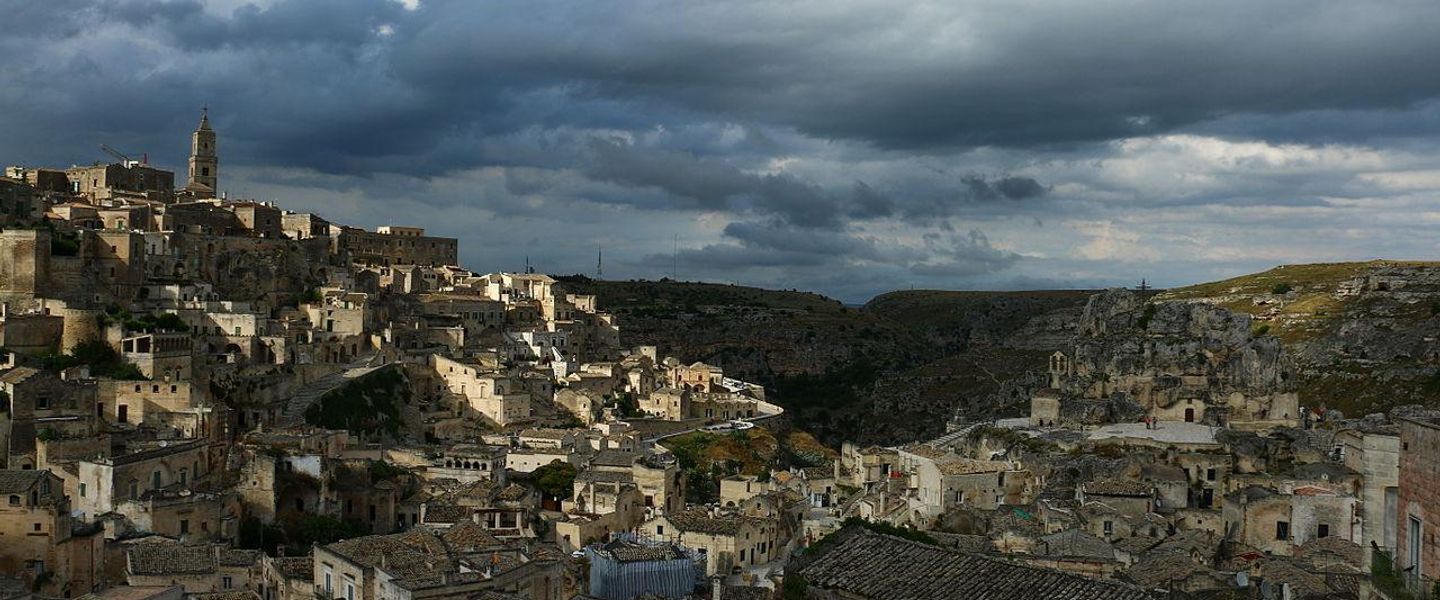


Explore Basilicata for Matera's cave districts, Lucanian mountains, ancient Greek sites, volcanic vineyards and Ionian and Tyrrhenian shores.
Read more about Basilicata
When is the best time to visit Basilicata?
Best: May–June, September · 23–28°C| Month | High (°C) | Rainfall (mm) |
|---|---|---|
| January | 10 | 55 |
| February | 11 | 50 |
| March | 15 | 45 |
| April | 19 | 40 |
| May (best) | 23 | 35 |
| June (best) | 28 | 30 |
| July | 31 | 25 |
| August | 31 | 25 |
| September (best) | 27 | 30 |
| October | 21 | 35 |
| November | 15 | 40 |
| December | 11 | 45 |
Getting to and around Basilicata
How to get there
Transportation
Top city travel guides in Basilicata
The cities of Basilicata, and the easiest places to base yourself.
-

-


Swipe for more cities
Destinations in Basilicata
Resorts, valleys and scenic spots worth a trip of their own.

Swipe for more destinations
Best attractions in Basilicata
Basilicata's attractions range from the extraordinary cave districts of Matera to archaeological parks, mountain landscapes and beaches. In Matera, the Sassi, rock churches and Murgia Materana offer a concentrated encounter with centuries of settlement, while museums and guided walks explain how the city adapted to its ravine setting. The Ionian plain contains the archaeological areas of Metapontum and Heraclea, with temples, sanctuaries and museums set among farmland and coastal wetlands. Inland, the Pollino National Park and the Dolomiti Lucane provide walking, birdwatching and dramatic mountain scenery, with Castelmezzano and Pietrapertosa serving as bases for exploring the latter. Monte Vulture combines forested slopes, volcanic lakes, vineyards and historic towns such as Melfi and Venosa. Maratea provides a contrasting Tyrrhenian landscape of wooded hills, coves and sea views. Basilicata's appeal lies in this variety, but many sites are dispersed and are best approached as part of a planned route rather than a single sightseeing circuit.
-
Sculpture
Statue of Christ the Redeemer
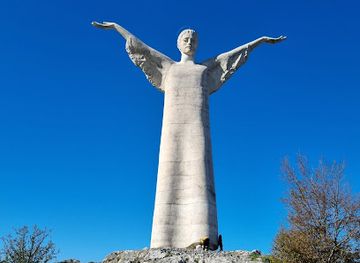
Discover the breathtaking Statue of Christ the Redeemer in Maratea, a stunning landmark offering panoramic views and a deep sense of peace.
-
Tourist attraction
Bridge to the Moon
Discover the breathtaking Bridge to the Moon in Sasso di Castalda, where stunning views and rich culture unite for a memorable adventure.
-
Castle
Melfi Castle
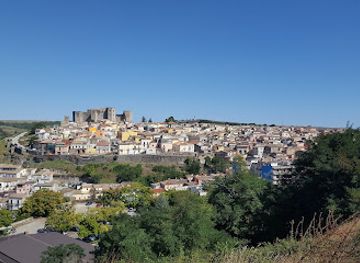
Discover the majestic Melfi Castle, a captivating historical site in Italy that offers breathtaking views and a glimpse into medieval life.
-
Tourist attraction
Cascate di San Fele
Experience nature's beauty at Cascate di San Fele, a stunning waterfall destination in Italy, perfect for adventure and tranquility seekers.
Best landmarks in Basilicata
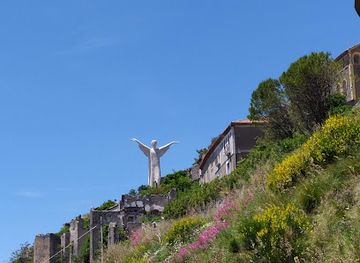
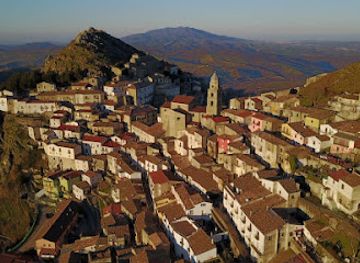
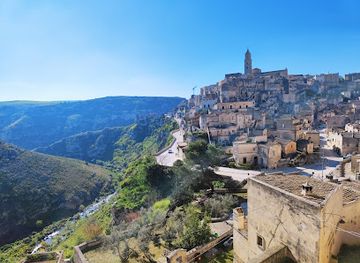
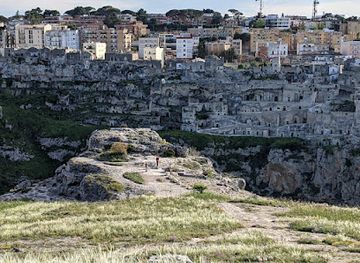
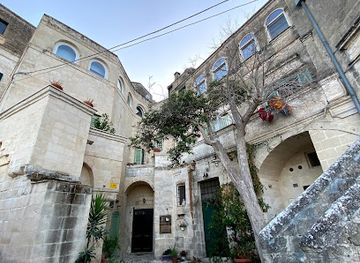
The Sassi of Matera are Basilicata's defining landmark: a vast sequence of limestone dwellings, stairways, courtyards and rock churches arranged above the Gravina ravine. Nearby, the Rupestrian Churches of Matera and the cave sanctuaries of the Murgia preserve religious art and evidence of long-term settlement in the plateau landscape. In the north, Melfi Castle is closely associated with the medieval history of the Norman and Swabian south, while Venosa's archaeological area brings together Roman remains, a medieval abbey and later layers near the ancient city of Venusia. Acerenza's cathedral crowns a high hill and is one of the region's most prominent examples of medieval ecclesiastical architecture. The castle-topped villages of Castelmezzano and Pietrapertosa form a distinctive human landscape among the sharp sandstone peaks of the Dolomiti Lucane. On the coast, Maratea's monumental Christ the Redeemer statue overlooks the Tyrrhenian shore, while the Greek temples and ruins at Metapontum mark the Ionian plain's ancient Mediterranean connections.
-
Historical place
Sassi di Matera
Discover the breathtaking beauty and rich history of Sassi di Matera, a UNESCO World Heritage site featuring ancient cave dwellings and stunning views.
-
Sculpture
Statue of Christ the Redeemer
Discover the breathtaking views and rich history at the Statue of Christ the Redeemer in Maratea, a must-visit landmark in Italy's stunning coastline.
-
Park
Parco Regionale della Murgia Materana
Explore the breathtaking landscapes and rich history at Parco Regionale della Murgia Materana, a UNESCO World Heritage site in Italy.
-
Castle
Melfi Castle
Discover the enchanting Melfi Castle, a historical gem in Italy, where medieval architecture meets captivating tales of the past.
Explore Basilicata on the map
Plan your trip on one map. See where the top cities, national parks and sights are, and book hotels and experiences in a few clicks.
Best hotels in Basilicata
Best restaurants in Basilicata
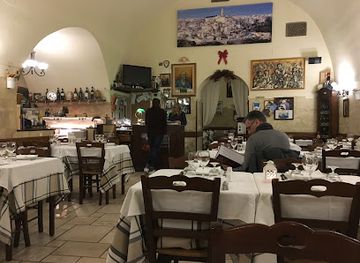
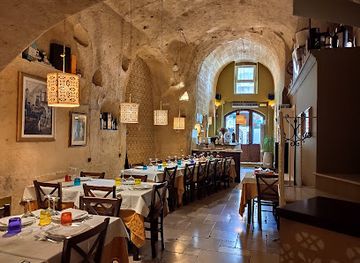
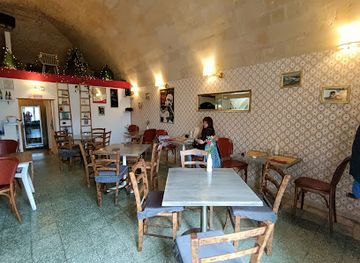
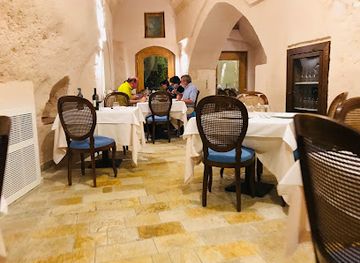
Basilicata's cooking is rooted in hard wheat, legumes, seasonal vegetables, pork, lamb, local cheeses and the produce of its mountain and agricultural districts. Matera is closely associated with pane di Matera, a durable, sculpted loaf with a crisp crust, while peperone crusco, a dried red pepper briefly fried until crisp, appears in dishes throughout the inland region. Handmade pasta such as cavatelli and lagane is served with vegetable, pulse or meat sauces, and rural menus may feature podolica beef, lamb and forest mushrooms. The Ionian coast adds fish and seafood to the regional repertoire, while the Vulture is known for Aglianico del Vulture and vineyard-based food traditions. Look for trattorias, bakeries, farm shops, market stalls, village bars and country restaurants rather than expecting one uniform style of dining; recipes and ingredients vary noticeably between mountain communities, Matera and the coastal plains.
-
Restaurant
Trattoria Lucana
Discover authentic Italian flavors at Trattoria Lucana in Matera - where tradition meets taste in every dish.
-
Italian
Ristorante Soul Kitchen - Cucina per l' Anima
Experience authentic Italian cuisine at Ristorante Soul Kitchen in Matera - where every dish tells a story.
-
Bistro
Giù a Sud | Bistrot nei Sassi
Savor authentic Italian cuisine at Giù a Sud Bistrot in Matera's historic Sassi district, where tradition meets modern culinary art.
-
Italian
Ristorante Baccus
Experience authentic Italian cuisine at Ristorante Baccus in Matera – where tradition meets flavor in an unforgettable dining experience.
Best bars in Basilicata
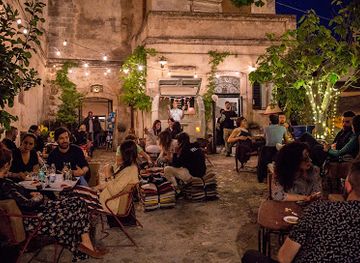
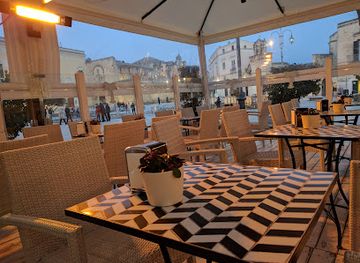
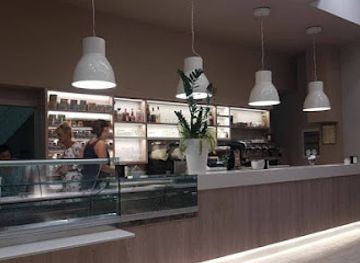
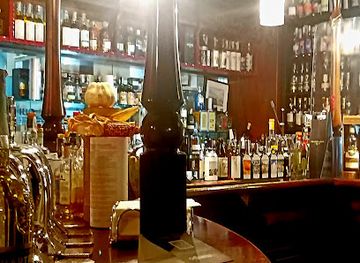
Evening life in Basilicata is generally centred on piazzas, wine bars, cafés, restaurants and traditional pubs rather than a large club circuit. Matera has the broadest visitor-oriented choice, with venues around the modern centre and historic districts offering regional wine, aperitivi and late meals, while Potenza provides a more local urban scene shaped by its student and administrative population. In smaller inland towns, bars often function as social meeting places and may be liveliest during the evening passeggiata, especially in summer. Maratea and the Ionian coast acquire a more seasonal rhythm, with outdoor dining and occasional live entertainment during the warmer months. Rural nightlife is quieter and may involve a long meal, a village festival or a small gathering in a main square, so visitors should not assume that late-night transport or clubs will be available outside the principal towns.
-
Cocktail bar
AREA 8
Experience the vibrant nightlife of Matera at AREA 8, where innovative cocktails and lively atmosphere create unforgettable moments.
-
Bar
Bar Caffè Tripoli
Discover the charm of Bar Caffè Tripoli in Matera, where exquisite coffee and delectable pastries meet a warm Italian atmosphere.
-
Bar
Bar delle Arti
Experience the charm of Bar delle Arti in Matera, where local flavors and warm hospitality come together for a delightful break.
-
Irish pub
Cream Irish Pub Guinness
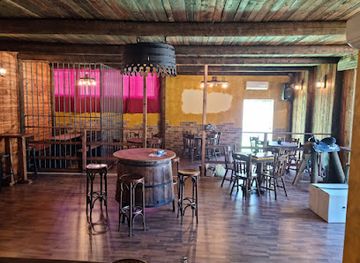
Discover the vibrant spirit of Ireland at Cream Irish Pub in Matera, where hearty dishes and live music create an unforgettable experience.
Best nightclubs in Basilicata
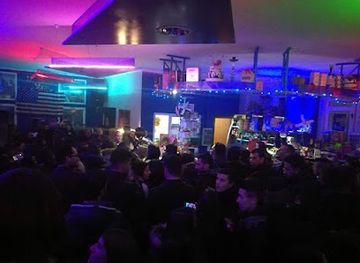
Evening life in Basilicata is generally centred on piazzas, wine bars, cafés, restaurants and traditional pubs rather than a large club circuit. Matera has the broadest visitor-oriented choice, with venues around the modern centre and historic districts offering regional wine, aperitivi and late meals, while Potenza provides a more local urban scene shaped by its student and administrative population. In smaller inland towns, bars often function as social meeting places and may be liveliest during the evening passeggiata, especially in summer. Maratea and the Ionian coast acquire a more seasonal rhythm, with outdoor dining and occasional live entertainment during the warmer months. Rural nightlife is quieter and may involve a long meal, a village festival or a small gathering in a main square, so visitors should not assume that late-night transport or clubs will be available outside the principal towns.
-
Cabaret club
Club New York
Discover the enchanting nightlife of Muro Lucano at Club New York, where thrilling performances and vibrant social scenes await every evening.
-
Night club
River Drink Club
Discover the electric nightlife of Potenza at River Drink Club, where vibrant music and refreshing drinks create unforgettable memories.
-
Night club
CYCAS HAVE FUN
Experience the vibrant nightlife of Tito at CYCAS HAVE FUN, a lively night club where music, dancing, and new friendships come together.
-
Night club
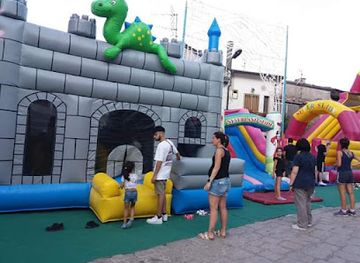
Country Club
Experience the vibrant nightlife at Country Club, Muro Lucano's premier destination for music, dance, and unforgettable moments.
Best shops in Basilicata
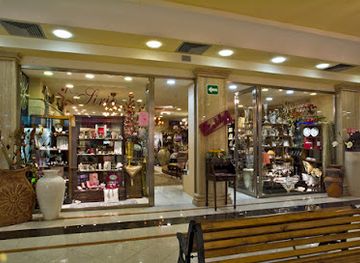
Shopping in Basilicata is strongest in historic centres, market towns, food shops and artisan businesses rather than in large retail districts. Matera offers galleries, bookshops, ceramics, leather goods, textiles and food products inspired by the Sassi and the surrounding countryside, while Potenza has the region's most conventional urban high-street selection. In the Vulture area, visitors can seek out Aglianico del Vulture, olive oil, preserved vegetables, cheeses and other farm products through specialist shops and producers. Bakeries and delicatessens are good places to buy pane di Matera, peperone crusco and dried pasta for travel, provided food regulations and packaging are considered. Village markets vary by locality and day, so confirm arrangements locally rather than assuming a permanent tourist market. Handmade pottery, woven items and small works by regional artists are more useful souvenirs than mass-produced objects when their provenance is clear.
-
Animal park
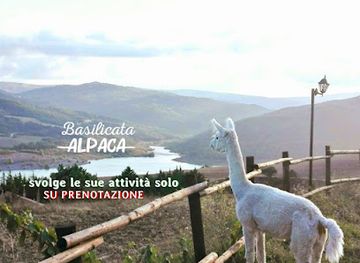
Basilicatalpaca Di Manuela E Canio Caruso Snc
Experience the charm of Basilicatalpaca, a unique animal park in Acerenza, where you can connect with alpacas and embrace nature's beauty.
-
Tourist attraction
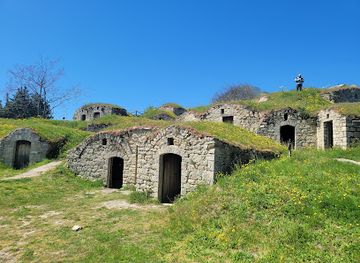
Old Rustic Filled Houses (Palmenti)
Explore the enchanting Old Rustic Filled Houses (Palmenti) in Pietragalla, a hidden gem of Italian architecture and culture.
-
Shopping mall
Centro Commerciale City Iper
Explore the vibrant Centro Commerciale City Iper in Lauria, Italy, where shopping, dining, and entertainment come together for an unforgettable experience.
-
Visitor center
BG ARTE VISITE GUIDATE
Explore Matera's rich cultural heritage at BG ARTE VISITE GUIDATE, a unique visitor center and craft store in the heart of the city.
Get your free copy of our complete guide to Basilicata, delivered straight to you.
Everything on this page, from attractions and restaurants to essentials and local phrases, in one PDF you can read offline, print or share.
Already have an account? Sign in
Your Basilicata guide is ready.
We'll send it to · Not you? Sign out

Getting your guide ready…
We are putting together a fresh copy of the Basilicata guide. This can take up to a minute.
This can take a few moments. If your browser asks, choose Allow so the download can start. You'll find the guide in your Downloads folder.
Nothing happened? Download it again
Sorry, the guide is taking longer than usual. Please try again in a minute, or get it by email instead.
Basilicata essentials
Currency and Payment
Safety
Emergency Situations
Do's and Don'ts
Local Tips
From Eve
Local phrases worth knowing
You don't need to get them perfect. A few words go a long way, and locals appreciate the effort.
Basics
| English | Local | Say it |
|---|---|---|
| Hello | Ciao | [chow] |
| Goodbye | Arrivederci | [ah-ree-veh-DER-chee] |
| Yes | Sì | [see] |
| No | No | [noh] |
| Please/You're welcome | Per favore | [pehr fah-VOH-reh] |
| Thank you | Grazie | [GRAHT-see-eh] |
| Excuse me/Sorry | Mi scusi | [mee SKOO-zee] |
| How are you? | Come stai? | [KOH-meh stah-ee] |
| Fine. And you? | Bene. E tu? | [BEH-neh eh too] |
| Do you speak English? | Parli inglese? | [PAR-lee een-GLEH-seh] |
| I don't understand | Non capisco | [non kah-PEE-skoh] |
Eating & Drinking
| English | Local | Say it |
|---|---|---|
| I'd like to see the menu, please | Vorrei vedere il menù, per favore | [vohr-RAY veh-DEH-reh eel meh-NOO pehr fah-VOH-reh] |
| I don't eat meat | Non mangio carne | [non MAHN-joh KAR-neh] |
| Cheers! | Salute! | [sah-LOO-teh] |
| I would like to pay, please | Vorrei pagare, per favore | [vohr-RAY pah-GAH-reh pehr fah-VOH-reh] |
Emergencies
| English | Local | Say it |
|---|---|---|
| Help! | Aiuto! | [ah-YOO-toh] |
| Go away! | Vai via! | [vye VEE-ah] |
| Call the Police! | Chiama la polizia! | [KYAH-mah lah poh-lee-TSEE-ah] |
| Call a doctor! | Chiama un dottore! | [KYAH-mah oon doht-TOH-reh] |
| I'm lost | Mi sono perso | [mee SOH-noh PEHR-soh] |
| I'm ill | Sono malato | [SOH-noh mah-LAH-toh] |
Shopping
| English | Local | Say it |
|---|---|---|
| I'd like to buy... | Vorrei comprare... | [vohr-RAY kom-PRAH-reh] |
| I'm just looking | Sto solo guardando | [sto SOH-loh gwahr-DAHN-doh] |
| How much is it? | Quanto costa? | [KWAN-toh KOH-stah] |
| That's too expensive | È troppo caro | [eh TROH-poh KAH-roh] |
| Can you lower the price? | Puoi abbassare il prezzo? | [pwoy ahb-BAH-sah-reh eel PRET-soh] |
Time & Numbers
| English | Local | Say it |
|---|---|---|
| What time is it? | Che ore sono? | [keh OH-reh SOH-noh] |
| It's one o'clock | È l'una | [eh LOO-nah] |
| Half past (10) | Dieci e mezzo | [DYEH-chee eh MEH-tsoh] |
| Morning | Mattina | [maht-TEE-nah] |
| Afternoon | Pomeriggio | [poh-meh-REEJ-joh] |
| Evening | Sera | [SEH-rah] |
| Yesterday | Ieri | [YAY-ree] |
| Today | Oggi | [OH-gee] |
| Tomorrow | Domani | [doh-MAH-nee] |
| 1 | Uno | [OO-noh] |
| 2 | Due | [DOO-eh] |
| 3 | Tre | [TREH] |
| 4 | Quattro | [KWAT-troh] |
| 5 | Cinque | [CHEEN-kweh] |
| 6 | Sei | [SEH-ee] |
| 7 | Sette | [SEHT-teh] |
| 8 | Otto | [OT-toh] |
| 9 | Nove | [NOH-veh] |
| 10 | Dieci | [DYEH-chee] |
Transport & Directions
| English | Local | Say it |
|---|---|---|
| Where's a/the...? | Dove si trova...? | [DOH-veh see TROW-vah] |
| What's the address? | Qual è l'indirizzo? | [KWAL eh leen-DEE-reet-soh] |
| Can you show me (on the map)? | Puoi mostrarmi (sulla mappa)? | [pwoy mohs-TRAHR-mee sool-lah MAH-pah] |
| When's the next (bus)? | Quando passa il prossimo (autobus)? | [KWAN-doh PAH-sah eel PROSS-ee-mo (OW-toh-boos)] |
| A ticket (to ....) | Un biglietto (per ....) | [oon bee-LYET-toh pehr] |
History of Basilicata
Prehistoric Settlements and the Murgia Caves
The ravines and limestone uplands around Matera preserve evidence of human occupation reaching back to the Palaeolithic period. Natural caves provided shelter, while later communities adapted the soft rock for homes, cisterns, animal shelters and places of worship. The Sassi developed over centuries rather than being created as a single planned settlement, and the wider Murgia Materana contains rock churches and traces of agricultural life that illuminate this long continuity. These landscapes are important because they show how settlement, water management and subsistence were shaped by a dry plateau environment.
Greek Colonies on the Ionian Plain
From the eighth century BC, Greek settlers established colonies along the Ionian coast of southern Italy. Metapontum, near present-day Metaponto, became a significant agricultural and commercial centre, while Heraclea, near Policoro, was another important Greek settlement. Temples, theatres, sanctuaries, defensive remains and finely made pottery reflect the economic and cultural ties between these communities and the wider Greek world. The colonies later came into contact with the Lucanians and Rome, but their archaeological remains continue to give the Basilicata coast a history distinct from that of the mountain interior.
Lucanians and Roman Basilicata
The Lucanians, an Italic people whose territory covered much of the region, occupied both inland settlements and areas influenced by the Greek cities. Their interactions with Greek colonies and later conflict with Rome formed part of the wider political transformations of southern Italy. After Roman expansion, roads, estates and urban institutions connected the region more closely to the Roman world, although settlement patterns remained uneven. Remains at places such as Venosa, ancient Venusia, include evidence of Roman urban life and later historical layers, illustrating Basilicata's position between the Apennines and the Ionian colonies.
Byzantine, Norman and Medieval Landscapes
Following the decline of Roman authority, Basilicata became a frontier between Byzantine and Latin Christian spheres, with Greek-speaking monastic traditions leaving a visible mark in cave churches and religious art. Norman rule in the eleventh and twelfth centuries brought the region into the political structures of the southern Italian kingdom. Medieval towns, castles and abbeys were established or strengthened on defensible ridges, including Melfi and Acerenza. The later Swabian and Angevin periods continued this pattern of strategic administration, while rural communities remained closely tied to agriculture, pastoralism and local water resources.
Feudal Power and the Southern Kingdom
For centuries Basilicata formed part of the Kingdom of Naples and, later, the Kingdom of the Two Sicilies. Local noble families controlled estates and fortified towns, while bishops and monasteries influenced education, landholding and religious life. The region's difficult terrain limited large-scale urban development but preserved a dense network of hill settlements, churches and castles. Venosa, Melfi, Matera and other centres acquired different political and ecclesiastical roles, and the contrast between fertile coastal plains and isolated mountain communities remained a defining feature of regional society.
The 1857 Earthquake and Nineteenth-Century Change
A major earthquake struck the Basilicata area in December 1857, causing extensive destruction and loss of life across parts of the southern Apennines. The disaster exposed the vulnerability of towns built on steep or unstable terrain and contributed to later discussions about rebuilding, public administration and infrastructure. The unification of Italy in the same period brought new state institutions, but roads, education and economic opportunities remained limited. These circumstances helped shape patterns of seasonal work and emigration that affected Basilicata well into the twentieth century.
Reform, Emigration and the Modernisation of Matera
In the twentieth century, Basilicata became a prominent example in debates about poverty, land reform and rural housing. Matera's Sassi, once home to a large population living in difficult conditions, were progressively emptied from the 1950s as residents moved to planned neighbourhoods. The relocation was controversial and disruptive, but it also preserved much of the historic fabric. Subsequent conservation, research and cultural investment transformed perceptions of the Sassi, leading to their UNESCO World Heritage inscription in 1993 and Matera's role as European Capital of Culture in 2019.
Basilicata in Photos
Browse through our photo collection highlighting the charm and character of the destination.
Neighbouring regions of Basilicata
The closest regions to Basilicata, if you have time for more than one.
-

-

-

-

-


Swipe for more regions
Explore more

Explore more of Italy
Discover Italy: A land of ancient history, artistic marvels, and culinary delights; where every corner reveals a new story and every meal is a celebration.
Explore Italy