

Free Apulia Travel Guide & Mobile App
Explore Apulia with free travel guides. Discover regional history, expert tips, proposed trips, and audio guides on web or mobile app.


Discover Apulia through Baroque Lecce, trulli villages, Adriatic coastlines, ancient ports, olive groves and the flavours of southern Italy.
Read more about Apulia
When is the best time to visit Apulia?
Best: May–June, September · 23–27°C| Month | High (°C) | Rainfall (mm) |
|---|---|---|
| January | 12 | 40 |
| February | 13 | 35 |
| March | 16 | 35 |
| April | 19 | 30 |
| May (best) | 23 | 25 |
| June (best) | 27 | 20 |
| July | 30 | 15 |
| August | 30 | 20 |
| September (best) | 26 | 30 |
| October | 22 | 40 |
| November | 17 | 45 |
| December | 13 | 50 |
Getting to and around Apulia
How to get there
Transportation
Top city travel guides in Apulia
The cities of Apulia, and the easiest places to base yourself.
-

-


Swipe for more cities
Destinations in Apulia
Resorts, valleys and scenic spots worth a trip of their own.

Swipe for more destinations
Best attractions in Apulia
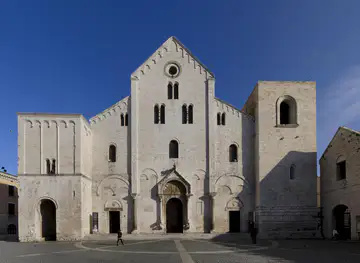
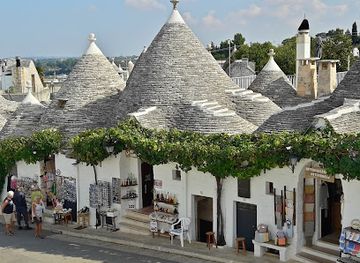
Apulia’s attractions range from major historic cities to landscapes best explored slowly by road, bicycle or on foot. Bari’s old town and Basilica of Saint Nicholas introduce the region’s religious and maritime connections, while Lecce’s churches and palazzi display the elaborate local form of Baroque architecture. The Valle d’Itria is defined by trulli, masserie, dry-stone walls and hill towns such as Locorotondo and Cisternino. Castel del Monte provides a more monumental medieval focus on the Murgia, and Alberobello offers the largest concentration of trulli buildings. In the north, the Gargano National Park combines beech forest, limestone coast and seaside towns, while the Tremiti Islands lie off the Gargano coast within the region. Salento adds sandy beaches, rocky coves, coastal towers and places such as Otranto and Gallipoli. Archaeological museums, cave churches, olive mills, farm estates and food-focused visits broaden the offering beyond conventional sightseeing.
-
Tourist attraction
Grotte di Castellana
Discover the enchanting Grotte di Castellana, a stunning natural cave system in Italy, showcasing nature's beauty and geological wonders.
-
Tourist attraction
Zoosafari Fasanolandia
Experience the thrilling combination of amusement rides and wildlife at Zoosafari Fasanolandia, a must-visit family attraction in Italy.
-
Tourist attraction
Parco Nazionale del Gargano
Explore the breathtaking beauty of Parco Nazionale del Gargano, a stunning natural park in Italy, perfect for outdoor adventures and wildlife encounters.
-
Tourist attraction
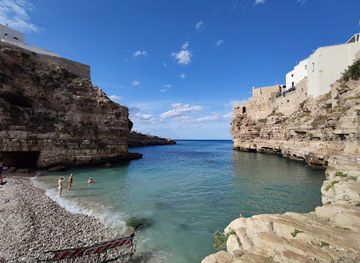
Lama Monachile
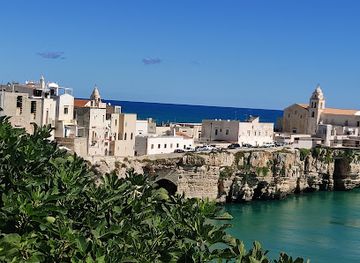
Discover the enchanting beauty of Lama Monachile, a stunning beach in Polignano a Mare, where cliffs meet crystal-clear waters for an unforgettable experience.
Best landmarks in Apulia
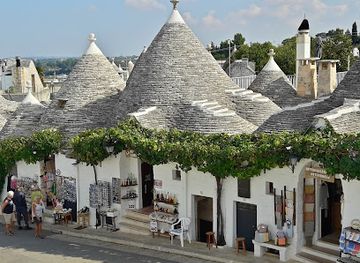
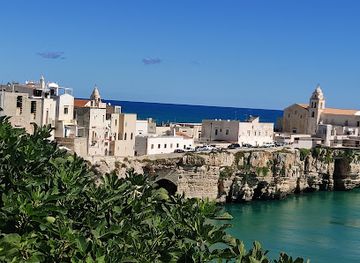
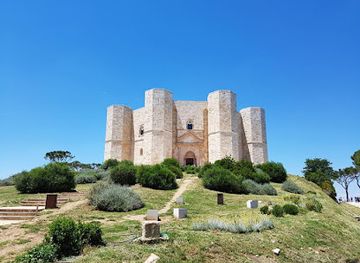
Apulia’s landmarks reflect its position between Europe and the Mediterranean. Bari Vecchia is defined by narrow lanes, stone houses and the Basilica of Saint Nicholas, an important Romanesque church with international pilgrimage connections. Trani Cathedral stands directly beside the sea and is one of the region’s most recognisable examples of Apulian Romanesque architecture. Castel del Monte, the distinctive thirteenth-century octagonal fortress near Andria, is the region’s most celebrated medieval monument. Alberobello’s dense groups of white trulli create a memorable architectural landscape, while the conical roofs of the Valle d’Itria appear in smaller settlements and countryside buildings. Lecce’s Basilica of Santa Croce and Piazza del Duomo display the richly carved local Baroque style. Otranto Cathedral preserves a remarkable medieval mosaic, and the coastal towers of Salento recall the defensive network built along a vulnerable maritime frontier. Further south, Taranto’s historic setting between two seas reflects the city’s ancient Greek foundation and continuing relationship with the water.
-
Tourist attraction
Grotte di Castellana
Discover the enchanting Grotte di Castellana, a natural wonder featuring spectacular stalactite formations and a captivating underground world in Italy.
-
National park
Parco Nazionale del Gargano
Discover the breathtaking landscapes and rich biodiversity of Parco Nazionale del Gargano, a national park in Italy's stunning Apulia region.
-
Castle
Castel del Monte
Explore the breathtaking Castel del Monte, a UNESCO World Heritage site with unique octagonal architecture and stunning Apulian views.
-
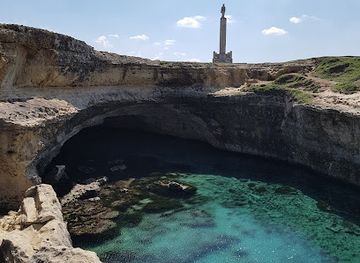
Tourist attraction
Cave of Poetry
Discover the breathtaking Cave of Poetry in Roca Vecchia, a natural wonder blending stunning views, rich history, and cultural significance for an unforgettable experience.
Explore Apulia on the map
Plan your trip on one map. See where the top cities, national parks and sights are, and book hotels and experiences in a few clicks.
Best hotels in Apulia
Best restaurants in Apulia
Apulian cooking is based on wheat, vegetables, olive oil, dairy and the daily catch from both the Adriatic and Ionian coasts. Orecchiette with vegetable sauces is a familiar regional staple, while Bari is associated with dishes such as tiella barese, made with rice, potatoes and mussels, and focaccia barese. Andria is closely linked with burrata, and the Murgia and Valle d’Itria are known for grilled meats including bombette and for rustic breads and legumes. Salento brings its own dishes, including ciceri e tria, while pasticciotti are a prominent sweet of the southern peninsula. Menus vary from seafood restaurants and family-run trattorie to masseria kitchens, bakeries, cafés and more contemporary dining rooms. Market stalls and food shops are good places to find olives, taralli, cheeses and seasonal produce. Apulian wines include Primitivo, Negroamaro, Salice Salentino and Verdeca, alongside increasingly diverse local bottlings.
-
Restaurant
Antò - Cucina tipica pugliese
Experience authentic Puglian cuisine at Antò - a traditional restaurant in Bari known for its warm atmosphere and delicious regional dishes.
-
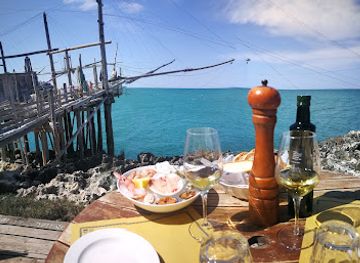
Restaurant
Al Trabucco da Mimì
Discover exquisite seafood dining with breathtaking Adriatic views at Al Trabucco da Mimì in Peschici.
-
 Restaurant
Grotta Palazzese
Experience exquisite dining in a breathtaking sea cave at Grotta Palazzese, where stunning views meet exceptional Italian cuisine.
-
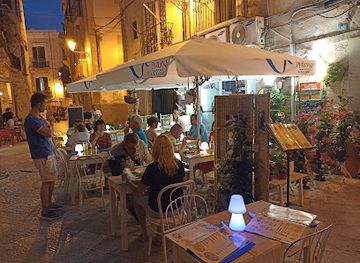
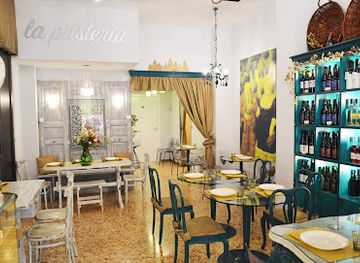
Italian
La Pasteria
Experience authentic Italian cuisine at La Pasteria in Martina Franca - where homemade pasta meets artisanal excellence.
Best bars in Apulia
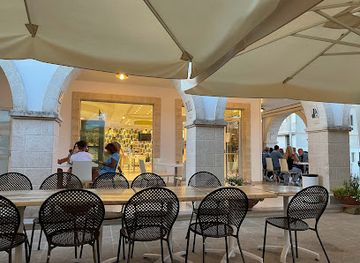
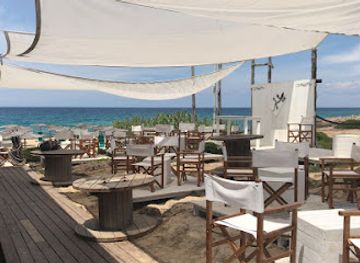
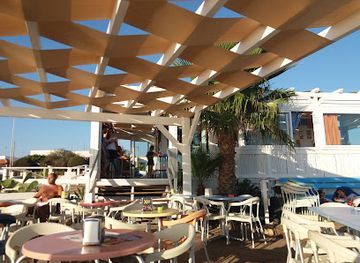
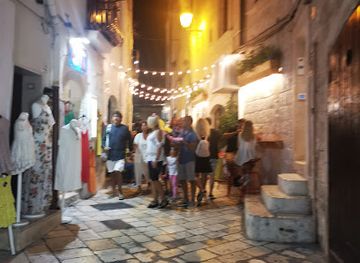
Evening life in Apulia is strongly shaped by outdoor socialising, food and the length of the summer season. Bari has the broadest year-round choice, with bars, wine-led venues, cafés and live music around the old town, centre and waterfront. Lecce attracts a younger evening crowd through its university population, historic-centre bars and cultural programme, while Brindisi, Taranto and the larger coastal towns offer restaurants, harbour cafés and music venues. In the Valle d’Itria, evenings tend to centre on piazzas, wine bars, gelaterie and traditional festivals rather than large clubs. Salento’s coastal resorts develop more seasonal nightlife, including late venues and open-air events, but programmes and opening arrangements change from year to year. In rural districts, a long dinner at a local restaurant or an evening passeggiata is often more characteristic than clubbing.
-
Bar
Tony Bar
Experience the vibrant atmosphere and extensive drink selection at Tony Bar in Speziale, where locals and visitors come together to enjoy Italian nightlife.
-
Lido
Cotriero
Experience the vibrant atmosphere and stunning views at Cotriero, Pizzo's premier lido with delicious food, drinks, and live music.
-
Bar
Sunset Café
Experience the breathtaking sunsets and local flavors at Sunset Café, a must-visit bar in Capilungo for every traveler.
-
Cocktail bar
La Casa Del Mojito
Experience the vibrant cocktail culture at La Casa Del Mojito, where delicious mojitos and a lively atmosphere create unforgettable memories in Polignano a Mare.
Best nightclubs in Apulia
Evening life in Apulia is strongly shaped by outdoor socialising, food and the length of the summer season. Bari has the broadest year-round choice, with bars, wine-led venues, cafés and live music around the old town, centre and waterfront. Lecce attracts a younger evening crowd through its university population, historic-centre bars and cultural programme, while Brindisi, Taranto and the larger coastal towns offer restaurants, harbour cafés and music venues. In the Valle d’Itria, evenings tend to centre on piazzas, wine bars, gelaterie and traditional festivals rather than large clubs. Salento’s coastal resorts develop more seasonal nightlife, including late venues and open-air events, but programmes and opening arrangements change from year to year. In rural districts, a long dinner at a local restaurant or an evening passeggiata is often more characteristic than clubbing.
-
Disco club
Riobo
Discover the electrifying atmosphere of Riobo, Gallipoli's top disco club, where unforgettable nights and vibrant music await.
-
Disco club
Masseria Il Trappeto
Experience the vibrant nightlife at Masseria Il Trappeto in Monopoli, where every night is a celebration of music, dance, and culture.
-
Disco club
Mamanera Beach
Discover Mamanera Beach - A lively disco club in San Foca offering vibrant nightlife, stunning coastal views, and unforgettable dance experiences.
-
Disco club
Guendalina
Discover the vibrant nightlife of Santa Cesarea Terme at Guendalina, a top disco club and live music venue with stunning coastal views.

Best shops in Apulia
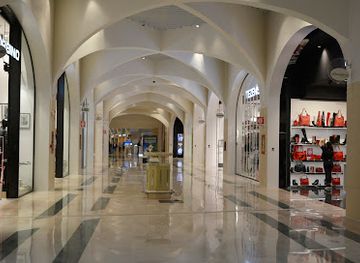
Shopping in Apulia is varied but generally rooted in local production rather than large luxury districts. Bari offers the region’s broadest urban retail choice, combining modern streets with the old town’s bakeries, food shops and small craft businesses. Lecce is known for workshops and galleries connected with carved local stone, ceramics, papier-mâché and contemporary design, while the Valle d’Itria’s towns provide independent boutiques, household goods and artisan products alongside cafés. Market towns such as Ostuni, Martina Franca, Fasano and Andria are useful for seasonal produce, cheeses, olive oil, wine and traditional baked goods, although market days vary by municipality. In smaller villages and rural areas, look for farm shops and masserie selling oil, preserves, almonds, pulses and taralli. Salento adds ceramics, woven goods and regional sweets, while food products are often the most practical souvenirs because they convey the character of the landscape and travel well when properly packed.
-
Shopping mall
Parco Commerciale Casamassima
Discover Parco Commerciale Casamassima, a premier shopping mall in Bari, Italy, offering diverse shopping, dining, and entertainment experiences for all.
-
Outlet store
Puglia Village
Explore Puglia Village - A premier outlet shopping experience in Molfetta, where fashion meets local culture and charm.
-
Shopping mall
Centro Commerciale Porte dello Jonio
Experience the best of shopping and dining at Centro Commerciale Porte dello Jonio, Taranto's premier shopping destination.
-
Shopping mall
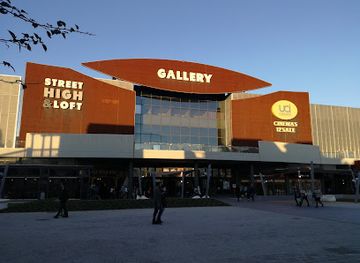
Centro Commerciale GrandApulia
Experience shopping like never before at Centro Commerciale GrandApulia: a vibrant mall with diverse shops, delightful dining, and endless entertainment.
Get your free copy of our complete guide to Apulia, delivered straight to you.
Everything on this page, from attractions and restaurants to essentials and local phrases, in one PDF you can read offline, print or share.
Already have an account? Sign in
Your Apulia guide is ready.
We'll send it to · Not you? Sign out

Getting your guide ready…
We are putting together a fresh copy of the Apulia guide. This can take up to a minute.
This can take a few moments. If your browser asks, choose Allow so the download can start. You'll find the guide in your Downloads folder.
Nothing happened? Download it again
Sorry, the guide is taking longer than usual. Please try again in a minute, or get it by email instead.
Apulia essentials
Currency and Payment
Safety
Emergency Situations
Do's and Don'ts
Local Tips
From Eve
Local phrases worth knowing
You don't need to get them perfect. A few words go a long way, and locals appreciate the effort.
Basics
| English | Local | Say it |
|---|---|---|
| Hello | Ciao | [chow] |
| Goodbye | Arrivederci | [ah-ree-vay-der-chee] |
| Yes | Sì | [see] |
| No | No | [noh] |
| Please/You're welcome | Per favore | [per fah-voh-ray] |
| Thank you | Grazie | [grah-tsyay] |
| Excuse me/Sorry | Mi scusi | [mee skoo-zee] |
| How are you? | Come stai? | [koh-meh stai] |
| Fine. And you? | Bene. E tu? | [beh-neh. eh too] |
| Do you speak English? | Parli inglese? | [par-lee een-glay-zeh] |
| I don't understand | Non capisco | [non kah-pees-koh] |
Eating & Drinking
| English | Local | Say it |
|---|---|---|
| I'd like to see the menu, please | Vorrei vedere il menu, per favore | [vor-ray veh-day-ray eel meh-noo, per fah-voh-ray] |
| I don't eat meat | Non mangio carne | [non man-jo kar-nay] |
| Cheers! | Salute! | [sah-loo-tay] |
| I would like to pay, please | Vorrei pagare, per favore | [vor-ray pah-gah-ray, per fah-voh-ray] |
Emergencies
| English | Local | Say it |
|---|---|---|
| Help! | Aiuto! | [ah-yoo-toh] |
| Go away! | Vai via! | [vai vee-ah] |
| Call the Police! | Chiama la polizia! | [kyah-mah lah poh-leet-zee-ah] |
| Call a doctor! | Chiama un dottore! | [kyah-mah oon doht-toh-ray] |
| I'm lost | Mi sono perso | [mee soh-noh pear-soh] |
| I'm ill | Sono malato | [soh-noh mah-lah-toh] |
Shopping
| English | Local | Say it |
|---|---|---|
| I'd like to buy... | Vorrei comprare... | [vor-ray com-prah-ray] |
| I'm just looking | Sto solo guardando | [sto soh-loh gwahr-dahn-doh] |
| How much is it? | Quanto costa? | [kwahn-toh koh-stah] |
| That's too expensive | È troppo costoso | [eh troh-poh koh-stoh-soh] |
| Can you lower the price? | Puoi abbassare il prezzo? | [pwoi ah-bah-sar-ray eel pret-soh] |
Time & Numbers
| English | Local | Say it |
|---|---|---|
| What time is it? | Che ore sono? | [keh oh-ray soh-noh] |
| It's one o'clock | È l'una | [eh loo-nah] |
| Half past (10) | Dieci e mezzo | [dee-eh-chee eh med-zoh] |
| Morning | Mattina | [maht-tee-nah] |
| Afternoon | Pomeriggio | [poh-meh-ree-joh] |
| Evening | Sera | [seh-rah] |
| Yesterday | Ieri | [yeh-ree] |
| Today | Oggi | [oh-gee] |
| Tomorrow | Domani | [doh-mah-nee] |
| 1 | Uno | [oo-noh] |
| 2 | Due | [doo-eh] |
| 3 | Tre | [treh] |
| 4 | Quattro | [kwah-troh] |
| 5 | Cinque | [cheen-kweh] |
| 6 | Sei | [say] |
| 7 | Sette | [seh-tay] |
| 8 | Otto | [oht-toh] |
| 9 | Nove | [noh-vay] |
| 10 | Dieci | [dee-eh-chee] |
Transport & Directions
| English | Local | Say it |
|---|---|---|
| Where's a/the...? | Dove si trova...? | [doh-vay see troh-vah] |
| What's the address? | Qual è l'indirizzo? | [kwahl eh leen-dee-reet-soh] |
| Can you show me (on the map)? | Puoi mostrarmi (sulla mappa)? | [pwoi mos-trar-mee (sool-lah mahp-pah)] |
| When's the next (bus)? | Quando passa il prossimo (autobus)? | [kwahn-doh pah-sah eel prohs-see-moh (ow-toh-boos)] |
| A ticket (to ....) | Un biglietto (per ....) | [oon bee-lyet-toh (per ....)] |
History of Apulia
Neolithic Settlements and Bronze Age Exchange
Apulia has a substantial prehistoric legacy, visible in settlements, dolmens, cave sites and archaeological collections across the region. Its position between the Adriatic, Ionian and wider Mediterranean worlds encouraged movement of people and goods long before written history. The fertile plains and limestone uplands supported farming communities, while coastal locations connected local societies with maritime networks. The archaeological landscapes around the Murgia and Salento reveal changing settlement patterns, burial practices and technologies, establishing a deep human history beneath today’s olive groves and towns.
Greek Colonies and the Messapian South
From the eighth century BC, Greek settlers established important communities along the Apulian coast, most notably Taras, modern Taranto, which became a major city of Magna Graecia. The indigenous Messapians were prominent in Salento and maintained their own settlements, languages and political traditions while interacting with Greek communities. Archaeological remains, pottery and museum collections in Taranto and other southern centres preserve evidence of these encounters. Greek influence helped connect Apulia to the cultural and commercial world of the eastern Mediterranean.
Roman Roads, Ports and Agriculture
Rome gradually incorporated Apulia during the third century BC, and the region became an important agricultural and strategic zone. Roads such as the Via Appia and Via Traiana linked inland settlements with ports including Brundisium, modern Brindisi, and Tarentum. Roman administrations developed estates, harbours and transport systems, while grain, olive products and wine moved through regional and imperial markets. The remains of roads, farms, ports and urban buildings, together with the archaeological collections of towns such as Brindisi and Taranto, reflect Apulia’s enduring role as a bridge towards the eastern Mediterranean.
Byzantine, Norman and Swabian Apulia
After the fragmentation of Roman authority, Apulia passed through periods of Byzantine, Lombard and later Norman influence. Byzantine religious traditions left a mark in cave churches and southern settlements, while Norman rulers consolidated control during the eleventh century and sponsored castles and churches. The region flourished strategically under the Swabian emperor Frederick II in the thirteenth century. Castel del Monte, his remarkable octagonal stronghold near Andria, expresses the political importance of Apulia and the cultural connections linking the Latin West, the Byzantine world and the Mediterranean.
Ports, Pilgrimage and Mediterranean Rule
Bari became a major pilgrimage centre after the relics attributed to Saint Nicholas were brought there in 1087, strengthening links with Orthodox and Catholic communities across Europe and the Mediterranean. Other ports, including Brindisi, Otranto, Gallipoli and Taranto, supported trade, naval activity and communication with the Balkans and the eastern Mediterranean. From the late Middle Ages through the early modern period, Apulia was governed by wider powers including the Angevin, Aragonese and Spanish monarchies. Coastal towers and fortified towns reflect the insecurity and strategic importance of these maritime frontiers.
Agrarian Society and the Modern Region
For centuries, Apulia’s economy rested on grain, olive cultivation, vineyards, pastoralism and maritime trade, with large estates existing alongside small farming communities. In the nineteenth and twentieth centuries, land reform, agricultural modernisation, new roads and railways, and industrial growth around Bari, Brindisi and Taranto reshaped the region. Emigration also affected many rural communities. Contemporary Apulia combines export agriculture, manufacturing, port activity and tourism, while its masserie, dry-stone walls, trulli, historic centres and food traditions preserve visible connections with its agrarian past.
Apulia in Photos
Browse through our photo collection highlighting the charm and character of the destination.
Neighbouring regions of Apulia
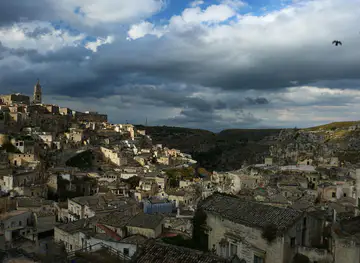
The closest regions to Apulia, if you have time for more than one.
-
-

-

-

-


Swipe for more regions
Explore more

Explore more of Italy
Discover Italy: A land of ancient history, artistic marvels, and culinary delights; where every corner reveals a new story and every meal is a celebration.
Explore Italy