

Free Salento Travel Guide & Mobile App
Explore Salento with free travel guides. Discover regional history, expert tips, proposed trips, and audio guides on web or mobile app.


Discover Salento: Italy's Sun-Kissed Peninsula with Pristine Beaches, Historic Towns, and Culinary Delights in the Heart of Puglia.
Read more about Salento
When is the best time to visit Salento?
Best: May–June, October · 24–29°C| Month | High (°C) | Rainfall (mm) |
|---|---|---|
| January | 12 | 51 |
| February | 13 | 45 |
| March | 16 | 50 |
| April | 19 | 44 |
| May (best) | 24 | 40 |
| June (best) | 29 | 28 |
| July | 32 | 18 |
| August | 32 | 26 |
| September | 29 | 44 |
| October (best) | 24 | 61 |
| November | 19 | 69 |
| December | 14 | 66 |
Getting to and around Salento
How to get there
Transportation
Best attractions in Salento
Salento, a captivating gem in Italy's heel, offers visitors an enchanting blend of history, culture, and natural beauty. Wander through the narrow cobblestone streets of Lecce, often dubbed the 'Florence of the South,' and marvel at its Baroque architecture. Bask on the pristine beaches of Gallipoli and Otranto, where crystal-clear waters beckon. Explore the ancient ruins of Roca Vecchia, a testament to the region's rich past, and savor the local cuisine, from fresh seafood to delectable pasticciotto pastries. The vibrant festivals, traditional music, and warm hospitality of the Salentini will immerse you in a truly unforgettable experience.
-
Historical landmark
Porta Napoli
Discover Porta Napoli, the iconic gateway to Lecce, where history meets stunning Baroque architecture in the heart of Italy's cultural gem.
-
Tourist attraction
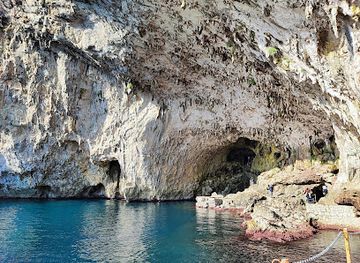
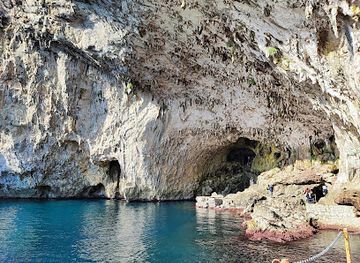
Grotta Zinzulusa
Discover the breathtaking beauty of Grotta Zinzulusa, an enchanting cave system in Castro, Italy, perfect for nature lovers and adventurers alike.
-
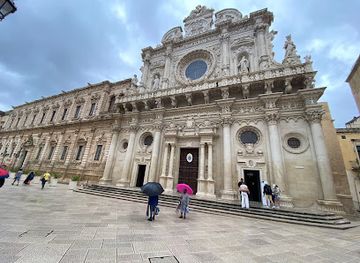
Basilica
Basilica di Santa Croce
Discover the breathtaking Basilica di Santa Croce in Lecce, a Baroque masterpiece showcasing intricate artistry and rich cultural heritage.
-
History museum
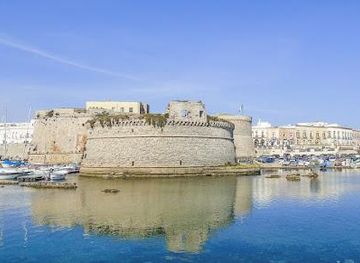
Gallipoli Castle
Discover the historical allure of Gallipoli Castle, where ancient architecture meets breathtaking coastal views in a captivating journey through time.
Best landmarks in Salento
Salento, the sun-drenched heel of Italy's boot, offers a mesmerizing tapestry of landmarks that blend history, culture, and natural beauty. Visitors can explore the baroque splendor of Lecce, often dubbed the 'Florence of the South,' with its ornate churches and palazzi. The ancient port town of Otranto, with its imposing Aragonese Castle and the stunning mosaic floor of the Cathedral of Santa Maria Annunziata, tells tales of Byzantine and Norman conquests. Gallipoli, known as the 'Beautiful City,' enchants with its old town perched on a limestone island, connected to the mainland by a 16th-century bridge. The coastal gem of Santa Maria di Leuca, where the Adriatic and Ionian seas converge, boasts the iconic lighthouse and the Basilica of Santa Maria de Finibus Terrae. Along the coastline, rugged cliffs and pristine beaches await, such as the enchanting Grotta della Poesia, a natural swimming pool carved into the rock. Inland, the megalithic Dolmen and Menhir of Giurdignano whisper secrets of prehistoric times, while the olive groves and vineyards offer a serene backdrop for tasting the region's renowned wines and olive oils.
-
Tourist attraction
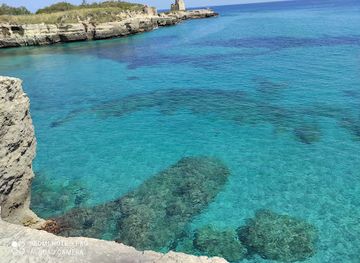
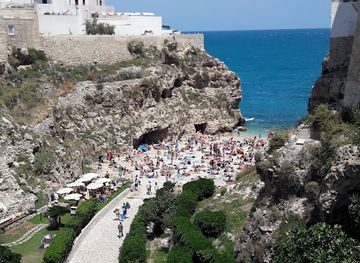
Cave of Poetry
Explore the breathtaking Cave of Poetry in Roca Vecchia, Italy, a stunning natural wonder known for its azure waters and rich cultural heritage.
-
Tourist attraction
Grotta Zinzulusa
Discover the enchanting beauty of Grotta Zinzulusa, a stunning cave system along the Castro coastline, renowned for its unique geological features and crystal-clear waters.
-
Lido
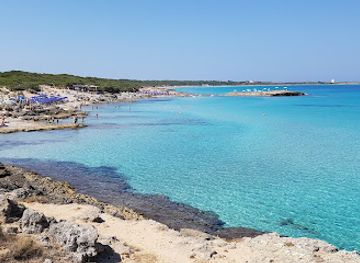
Punta della Suina
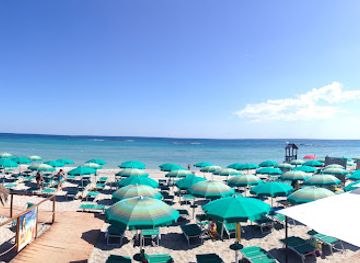
Experience the enchanting beauty of Punta della Suina, a stunning beach destination in Gallipoli, Italy, perfect for relaxation and aquatic adventures.
-
Catholic cathedral
Cathedral of Lecce
Discover the enchanting beauty of the Cathedral of Lecce, a Baroque masterpiece in the heart of Italy's stunning Lecce region.

Explore Salento on the map
Plan your trip on one map. See where the top cities, national parks and sights are, and book hotels and experiences in a few clicks.
Best hotels in Salento
Best restaurants in Salento
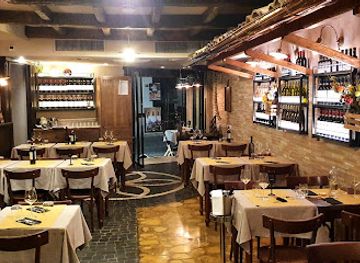
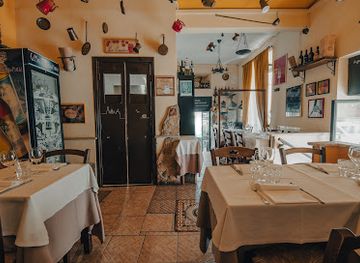
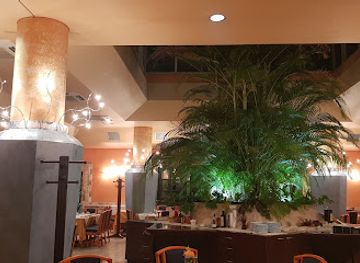
The dining scene in Salento is a feast for the senses, offering a vibrant tapestry of flavors that reflect the region's rich history and coastal heritage. Visitors can indulge in fresh seafood caught daily from the crystal-clear waters of the Ionian and Adriatic Seas, savor traditional dishes like orecchiette pasta with turnip greens, and enjoy locally produced olive oil and wines that are renowned throughout Italy. The charming trattorias and osterias dotting the picturesque towns and countryside provide an authentic taste of Puglian cuisine, often featuring live music and rustic decor that transport diners back in time. Street markets overflow with colorful produce, artisanal cheeses, and cured meats, inviting travelers to sample and savor the bounty of Salento. From bustling Lecce with its Baroque allure to the serene coastal villages, every meal in Salento is a celebration of the region's culinary heritage.
-
Restaurant
Bahia del Sol Porto Cesareo
Discover Bahia del Sol Porto Cesareo - where exquisite Italian cuisine meets breathtaking coastal views in Southern Italy.
-
Roman
Antica Osteria di Pietra
Experience authentic Roman cuisine at Antica Osteria di Pietra, where traditional flavors meet a cozy atmosphere in the heart of Rome.
-
Italian
Taverna dei migliori
Discover authentic Italian flavors at Taverna dei Migliori in Rome – where tradition meets taste.
-
Restaurant
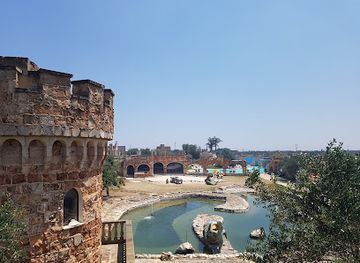
Tenute Al Bano
Experience luxurious dining and wellness at Tenute Al Bano in Cellino San Marco—where Italian tradition meets modern elegance.
Best bars in Salento
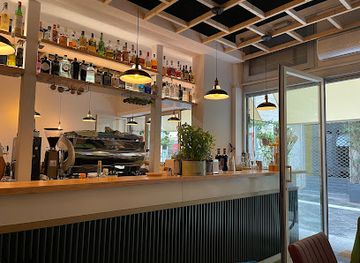
Salento's nightlife scene is a vibrant tapestry of experiences that perfectly blend the region's rich cultural heritage with modern entertainment. As the sun sets, the historic streets of Lecce come alive with the sounds of live music echoing from intimate jazz bars and lively piazzas. Trendy beach clubs in Gallipoli offer DJ sets and dance floors right on the sand, where you can dance the night away under the stars. Meanwhile, hidden in the narrow alleys of Otranto, rustic wine bars serve exquisite local vintages alongside delectable Apulian tapas, providing a more relaxed atmosphere. Whether you're looking for a high-energy night out or a cozy evening sipping cocktails, Salento's nightlife promises an unforgettable experience for every kind of traveler.
-
Bar
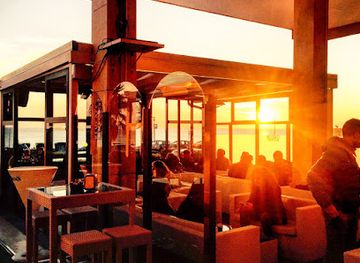
Blucafè Bar Gallipoli
Discover Blucafè Bar Gallipoli: A lively cocktail bar offering exquisite drinks, live music, and delightful small plates in a stunning coastal setting.
-
Lido
Cotriero
Experience the vibrant atmosphere of Cotriero in Pizzo, a lido with great cocktails, live music, and delicious small plates in a stunning coastal setting.
-
Bar
Al Ventuno
Experience the lively nightlife of Lecce at Al Ventuno, a premier cocktail bar offering exquisite drinks and a vibrant atmosphere.
-
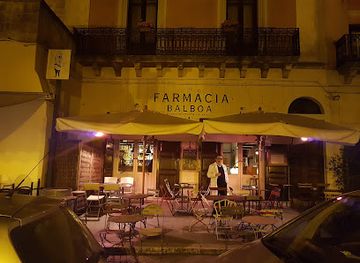
Cocktail bar
Farmacia Balboa
Farmacia Balboa: Where exquisite cocktails and a lively atmosphere come together in the heart of Tricase.

Best nightclubs in Salento
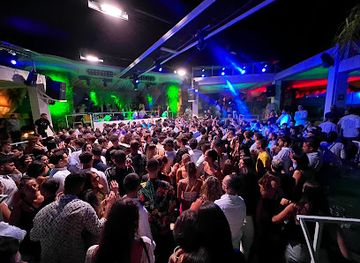
Salento's nightlife scene is a vibrant tapestry of experiences that perfectly blend the region's rich cultural heritage with modern entertainment. As the sun sets, the historic streets of Lecce come alive with the sounds of live music echoing from intimate jazz bars and lively piazzas. Trendy beach clubs in Gallipoli offer DJ sets and dance floors right on the sand, where you can dance the night away under the stars. Meanwhile, hidden in the narrow alleys of Otranto, rustic wine bars serve exquisite local vintages alongside delectable Apulian tapas, providing a more relaxed atmosphere. Whether you're looking for a high-energy night out or a cozy evening sipping cocktails, Salento's nightlife promises an unforgettable experience for every kind of traveler.
-
Disco club
Blubay Club
Discover the electrifying atmosphere of Blubay Club, a premier disco destination in Castro, Italy, perfect for unforgettable nights of dancing and fun.
-
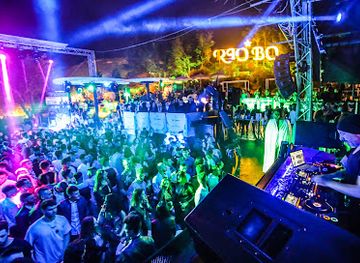
Disco club
Riobo
Experience the vibrant nightlife of Gallipoli at Riobo, the disco club where music and joy come alive under the stars.
-
Disco club
La Clave
Experience the vibrant nightlife at La Clave, Porto Cesareo’s top disco club, where music and dance come alive until dawn.
-
Disco club
Mamanera Beach
Experience the vibrant nightlife at Mamanera Beach, a premier disco club in San Foca, where the Mediterranean meets electrifying entertainment.
Best shops in Salento
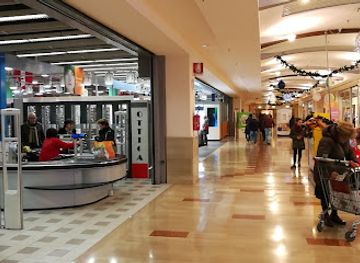
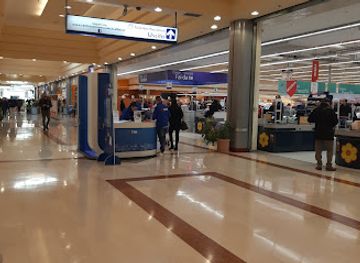
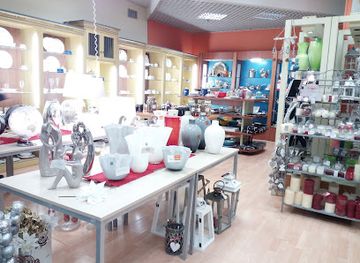
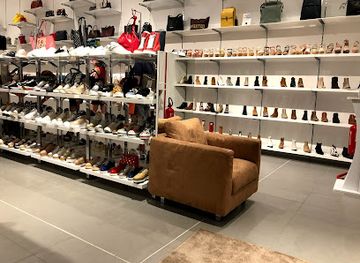
Salento's shopping scene is a delightful blend of traditional craftsmanship and modern allure, where cobblestone streets are lined with charming boutiques, artisanal workshops, and vibrant markets. Visitors can expect to find an array of unique treasures, from hand-embroidered linens and intricate ceramics to luxurious olive oil and locally produced wines. The bustling markets, especially in towns like Lecce and Gallipoli, are perfect for discovering authentic Puglian products, while the elegant stores offer a curated selection of fashion and jewelry inspired by the region's rich cultural heritage. As you wander through the historic centers, you'll be captivated by the blend of old-world charm and contemporary flair that defines Salento's shopping experience.
-
Shopping mall
Centro Commerciale Mongolfiera Lecce
Explore the vibrant Centro Commerciale Mongolfiera Lecce for a complete shopping experience with diverse stores, dining options, and family-friendly entertainment.
-
Shopping mall
Centro Commerciale di Cavallino
Experience shopping, dining, and local culture at the bustling Centro Commerciale di Cavallino, a must-visit destination in the heart of Lecce, Italy.
-
Shopping mall
CENTRUM Centro commerciale
Discover the vibrant Centrum Centro Commerciale in Lecce, offering exceptional shopping, dining, and entertainment experiences for every traveler.
-
Outlet store
Evolution Outlet Lecce
Discover unbeatable deals on designer fashion at Evolution Outlet Lecce, a shopper's paradise in the heart of Italy's stunning Lecce region.
Get your free copy of our complete guide to Salento, delivered straight to you.
Everything on this page, from attractions and restaurants to essentials and local phrases, in one PDF you can read offline, print or share.
Already have an account? Sign in
Your Salento guide is ready.
We'll send it to · Not you? Sign out

Getting your guide ready…
We are putting together a fresh copy of the Salento guide. This can take up to a minute.
This can take a few moments. If your browser asks, choose Allow so the download can start. You'll find the guide in your Downloads folder.
Nothing happened? Download it again
Sorry, the guide is taking longer than usual. Please try again in a minute, or get it by email instead.
Salento essentials
Currency and Payment
Safety
Emergency Situations
Do's and Don'ts
Local Tips
From Eve
Local phrases worth knowing
You don't need to get them perfect. A few words go a long way, and locals appreciate the effort.
Basics
| English | Local | Say it |
|---|---|---|
| Hello | Ciao | [chow] |
| Goodbye | Arrivederci | [ah-ree-vay-DER-chee] |
| Yes | Sì | [see] |
| No | No | [noh] |
| Please/You're welcome | Per favore/Di niente | [per fah-VOH-ray/dee NYEN-tay] |
| Thank you | Grazie | [GRAHT-see-eh] |
| Excuse me/Sorry | Mi scusi | [mee SKOO-zee] |
| How are you? | Come stai? | [KOH-meh stah-ee] |
| Fine. And you? | Bene. E tu? | [BEH-neh. eh too?] |
| Do you speak English? | Parli inglese? | [PAR-lee een-GLEH-zeh?] |
| I don't understand | Non capisco | [non kah-PEE-skoh] |
Eating & Drinking
| English | Local | Say it |
|---|---|---|
| I'd like to see the menu, please | Vorrei vedere il menu, per favore | [vor-RAY veh-DER-ay eel meh-NOO, per fah-VOH-ray] |
| I don't eat meat | Non mangio carne | [non MAHN-joh KAR-nay] |
| Cheers! | Salute! | [sah-LOO-tay] |
| I would like to pay, please | Vorrei pagare, per favore | [vor-RAY pah-GAR-ay, per fah-VOH-ray] |
Emergencies
| English | Local | Say it |
|---|---|---|
| Help! | Aiuto! | [ah-YOO-toh] |
| Go away! | Vattene via! | [VAH-teh-neh VEE-ah] |
| Call the Police! | Chiama la polizia! | [KYAH-mah lah poh-lee-TSEE-ah] |
| Call a doctor! | Chiama un dottore! | [KYAH-mah oon doh-TOH-reh] |
| I'm lost | Mi sono perso | [mee SOH-noh PER-soh] |
| I'm ill | Sono malato | [SOH-noh mah-LAH-toh] |
Shopping
| English | Local | Say it |
|---|---|---|
| I'd like to buy... | Vorrei comprare... | [vor-RAY kom-PRAH-ray] |
| I'm just looking | Sto solo guardando | [sto SOH-loh gwahr-DAN-doh] |
| How much is it? | Quanto costa? | [KWAN-toh KOH-stah?] |
| That's too expensive | È troppo caro | [eh TROH-poh KAH-roh] |
| Can you lower the price? | Puoi abbassare il prezzo? | [pwoi ahb-BAH-sah-ray eel PRET-soh?] |
Time & Numbers
| English | Local | Say it |
|---|---|---|
| What time is it? | Che ore sono? | [keh OH-ray SOH-noh?] |
| It's one o'clock | È l'una | [eh LOO-nah] |
| Half past (10) | Dieci e mezza | [DYEH-chee eh MEH-tzah] |
| Morning | Mattina | [maht-TEE-nah] |
| Afternoon | Pomeriggio | [poh-meh-REE-joh] |
| Evening | Sera | [SEH-rah] |
| Yesterday | Ieri | [YAY-ree] |
| Today | Oggi | [OHJ-ee] |
| Tomorrow | Domani | [doh-MAH-nee] |
| 1 | Uno | [OO-noh] |
| 2 | Due | [DOO-eh] |
| 3 | Tre | [TREH] |
| 4 | Quattro | [KWAHT-troh] |
| 5 | Cinque | [CHEEN-kweh] |
| 6 | Sei | [SAY] |
| 7 | Sette | [SEH-tay] |
| 8 | Otto | [OHT-toh] |
| 9 | Nove | [NOH-vay] |
| 10 | Dieci | [DYEH-chee] |
Transport & Directions
| English | Local | Say it |
|---|---|---|
| Where's a/the...? | Dove si trova...? | [DOH-vay see TROH-vah?] |
| What's the address? | Qual è l'indirizzo? | [KWAL eh leen-DEE-rit-soh?] |
| Can you show me (on the map)? | Puoi mostrarmi (sulla mappa)? | [pwoi mo-STRAR-mee (SOOL-lah MAH-pah)?] |
| When's the next (bus)? | Quando passa il prossimo (autobus)? | [KWAN-doh PAH-sah eel PROH-ssee-mo (OW-toh-boos)?] |
| A ticket (to ....) | Un biglietto (per ...) | [oon bee-LYET-toh (per ...)] |
History of Salento
Ancient Messapian Civilization
The Salento Peninsula was once home to the Messapians, an ancient Italic tribe. They established settlements, built impressive fortifications, and developed a unique culture and language. Archaeological sites such as the ruins of the ancient city of Manduria bear witness to their legacy.
Greek and Roman Influence
Salento was deeply influenced by Greek colonization, particularly through the establishment of the city of Taranto. Later, the area came under Roman rule, becoming an important part of the Roman Empire. The remnants of Roman roads, villas, and amphitheaters can still be found throughout the region.
Byzantine and Norman Rule
After the fall of the Western Roman Empire, Salento became a part of the Byzantine Empire. The Normans conquered the region in the 11th century, leading to a fusion of Byzantine and Norman architectural styles, evident in the many churches and castles that dot the landscape.
The Aragonese and Spanish Period
In the late Middle Ages, Salento became part of the Kingdom of Naples under Aragonese and later Spanish rule. This period saw the construction of impressive fortifications and the flourishing of the Baroque style, especially in the city of Lecce, often referred to as the 'Florence of the South.'
The Baroque Era
The 17th and 18th centuries were marked by the Baroque movement, which left a significant imprint on Salento’s architectural heritage. The city of Lecce, with its ornate churches and palazzi, is a prime example of this artistic and cultural renaissance.
Unification of Italy
Salento played a role in the Risorgimento, the movement for Italian unification. Figures such as Sigismondo Castromediano contributed to the cause. The unification in 1861 brought Salento into the newly formed Kingdom of Italy, leading to significant social and economic changes.
World Wars and Modern Era
Salento, like the rest of Italy, faced upheaval during the World Wars. Post-World War II, the region experienced economic challenges but also a cultural revival. Today, Salento is known for its rich history, vibrant traditions, and stunning landscapes, drawing visitors from around the world.
Salento in Photos
Browse through our photo collection highlighting the charm and character of the destination.
Neighbouring regions of Salento
The closest regions to Salento, if you have time for more than one.
-

-
-

-

-


Swipe for more regions
Explore more

Explore more of Italy
Discover Italy: A land of ancient history, artistic marvels, and culinary delights; where every corner reveals a new story and every meal is a celebration.
Explore Italy