

Free Chianti Travel Guide & Mobile App
Explore Chianti with free travel guides. Discover regional history, expert tips, proposed trips, and audio guides on web or mobile app.


Explore Chianti in Tuscany for vineyard roads, medieval hill towns, renowned Chianti Classico wines, olive groves and historic castles.
Read more about Chianti
When is the best time to visit Chianti?
Best: May–June, September · 23–27°C| Month | High (°C) | Rainfall (mm) |
|---|---|---|
| January | 10 | 60 |
| February | 11 | 55 |
| March | 15 | 65 |
| April | 18 | 70 |
| May (best) | 23 | 75 |
| June (best) | 27 | 55 |
| July | 31 | 45 |
| August | 30 | 55 |
| September (best) | 26 | 65 |
| October | 20 | 80 |
| November | 13 | 90 |
| December | 10 | 85 |
Getting to and around Chianti
How to get there
Transportation
Top city travel guides in Chianti
The cities of Chianti, and the easiest places to base yourself.
-

-

-


Swipe for more cities
Best attractions in Chianti
Chianti's attractions are distributed through a working countryside rather than concentrated in one city. Hill towns such as Greve, Castellina, Radda and Gaiole provide compact centres, churches, local museums, food shops and views across cultivated valleys. Wine estates form a major part of the visitor landscape, offering cellar visits and tastings by arrangement, while olive mills and farm shops reveal the region's agricultural economy. Castles and fortified properties, including Brolio, Meleto and Volpaia, combine architecture with vineyards and wooded approaches. Religious heritage ranges from rural Romanesque parish churches to Badia a Passignano, a historic abbey complex near Tavarnelle. Walking, cycling and scenic driving are equally important attractions, with routes crossing vineyard lanes, oak woods and ridgelines. The region also suits visitors interested in cookery, landscape photography and traditional Tuscan architecture. Rather than treating Chianti as an open-air theme park, it is worth remembering that many attractive lanes lead through active farms, private land and working villages.
-
Cathedral
Cathedral of Santa Maria del Fiore
Experience the awe-inspiring beauty of the Cathedral of Santa Maria del Fiore, Florence's iconic architectural masterpiece and a must-visit tourist attraction.
-
Plaza
Piazza della Signoria
Explore the enchanting Piazza della Signoria, Florence's historical heart, where art, culture, and vibrant life converge in a stunning architectural setting.
-
Art museum
Uffizi Galleries
Explore the Uffizi Galleries in Florence, home to Renaissance masterpieces and a rich cultural heritage that captivates art lovers worldwide.
-
Art museum
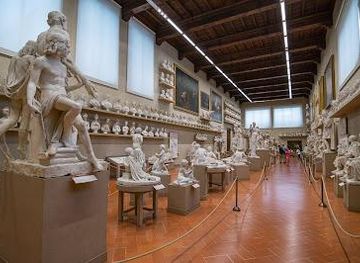
Galleria dell’Accademia di Firenze
Explore the Galleria dell’Accademia di Firenze, home to Michelangelo's David and a stunning collection of Renaissance art.


Best landmarks in Chianti
Chianti's most recognisable landmarks are usually tied to its position as a medieval frontier and a long-established agricultural territory. Castello di Brolio near Gaiole rises above vineyards and wooded slopes and is strongly associated with the Ricasoli family and the development of modern Chianti wine. Castello di Meleto, also near Gaiole, preserves the form of a fortified estate, while the village of Volpaia near Radda retains a compact medieval character within its wine-producing landscape. Castellina's Via delle Volte, a covered passage built into the town's historic defensive circuit, gives an unusually tangible sense of its strategic past. The triangular Piazza Matteotti in Greve, framed by arcades, is a distinctive civic space and a traditional meeting point. Religious landmarks include the Romanesque Pieve di San Leolino near Panzano and Badia a Passignano, whose abbey setting reflects the importance of monastic landholding. Across the region, cypress-lined avenues, stone farmhouses and ridge-top villages are not single monuments but collectively form the visual identity of Chianti.
-
Historical place
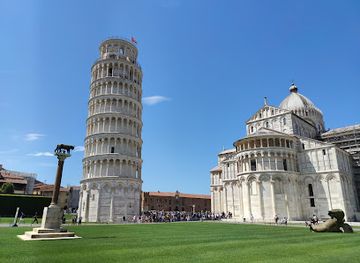
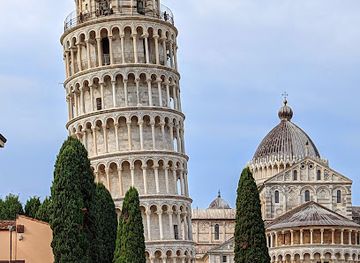
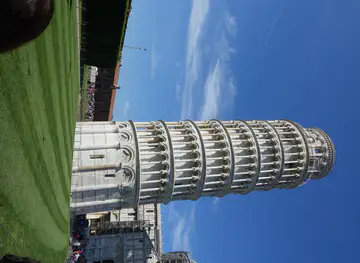
Tower of Pisa
Discover the iconic Leaning Tower of Pisa, a UNESCO World Heritage site and marvel of medieval architecture, offering breathtaking views and rich history.
-
Plaza
Piazza del Duomo
Explore the architectural wonders of Piazza del Duomo in Pisa, home to the Leaning Tower and rich history, offering unforgettable experiences for every traveler.
-
Plaza
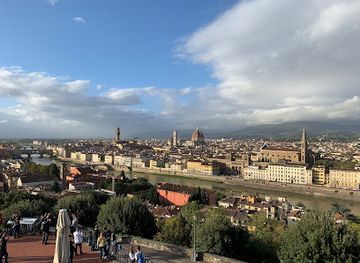
Piazzale Michelangelo
Experience stunning panoramic views of Florence from Piazzale Michelangelo, a must-visit plaza for tourists seeking beauty and tranquility.
-
Museum
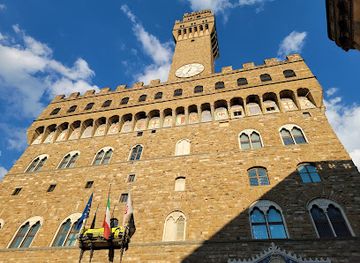
Palazzo Vecchio
Discover the breathtaking history and artistic legacy of Palazzo Vecchio, a must-see museum and historical landmark in the heart of Florence.
Explore Chianti on the map
Plan your trip on one map. See where the top cities, national parks and sights are, and book hotels and experiences in a few clicks.
Best hotels in Chianti
Best restaurants in Chianti
Dining in Chianti is closely connected to Tuscan country cooking and the produce of its hills. Menus commonly draw on local olive oil, seasonal vegetables, beans, wild mushrooms, pecorino, cured meats and handmade pasta, while grilled meats and hearty soups reflect the wider culinary traditions of Tuscany. Ribollita, crostini, panzanella and bistecca alla fiorentina may appear alongside dishes that change with the season; none should be treated as exclusive to Chianti, but they suit the region's agricultural setting. Village trattorie, family-run restaurants, rural inns and estate kitchens often pair food with Chianti Classico, and many wine producers also sell olive oil or other farm products. In larger towns, contemporary Tuscan cooking sits alongside traditional menus, while cafés and bakeries provide simpler options during the day. Reservations are sensible for sought-after rural restaurants, especially at weekends, and visitors should expect meals to follow a leisurely pace rather than a quick dining schedule.
-
Coffee shop
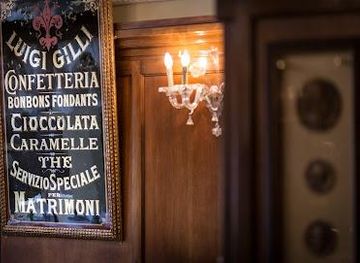
Caffè Gilli
Florence's oldest café since 1733: Art Nouveau elegance, world-class pastries, Negronis, and bistro charm in Piazza della Repubblica's beating heart.
-
Pizza
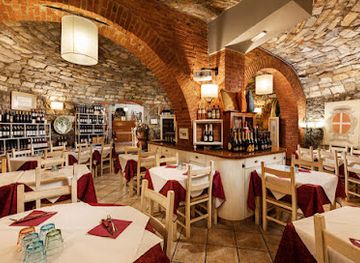
Ristorante Pizzeria La Cantina
Experience authentic Italian cuisine at Ristorante Pizzeria La Cantina in Greve in Chianti—where delicious pizzas meet warm hospitality.
-
Restaurant
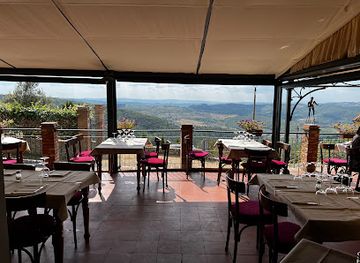
Ristoro Di Lamole
Discover Ristoro Di Lamole: An exquisite Italian restaurant in Chianti offering authentic cuisine and breathtaking views.
-
Restaurant
La Cantinetta Di Rignana
Experience authentic Tuscan cuisine at La Cantinetta Di Rignana in Chianti - where local flavors meet stunning views.
Best bars in Chianti
Chianti's evening life is modest and dispersed, reflecting its villages and rural accommodation rather than a large urban club scene. Bars in Greve, Castellina, Radda, Gaiole and other local centres serve coffee, aperitivi, wine and simple drinks, with activity often focused on the main piazza. Traditional osterie and restaurants provide the principal night-time social setting, while some wine estates offer scheduled tastings or events that should be checked and booked in advance. Summer brings longer evenings and occasional cultural programming in town squares, but arrangements vary by municipality and season. Visitors staying in the countryside should plan transport after dinner, as local taxis and buses may be limited. Florence and Siena, outside Chianti, offer much broader late-night entertainment for those prepared to travel, but within the region the emphasis is on conversation, food, wine and the gradual closing of village streets rather than nightclubs.
-
Irish pub
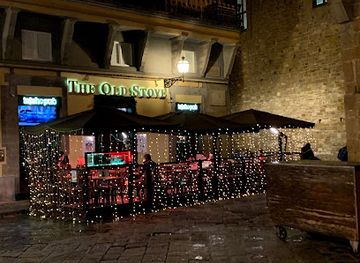
The Old Stove Irish Pub
Experience the lively spirit of Ireland right in Florence at The Old Stove Irish Pub, where delicious food meets vibrant entertainment.
-
Bar
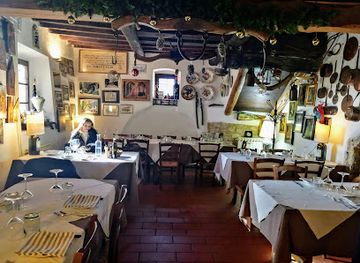
Osteria Antico Travaglio
Discover the authentic taste of Tuscany at Osteria Antico Travaglio, where traditional Italian cuisine meets a charming medieval backdrop.
-
Bar
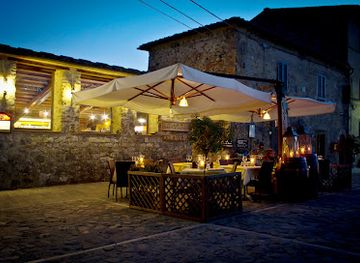
Ristoro Di Lamole
Discover the culinary treasures of Tuscany at Ristoro Di Lamole, a perfect blend of authentic Italian cuisine and stunning Chianti views.
-
Restaurant
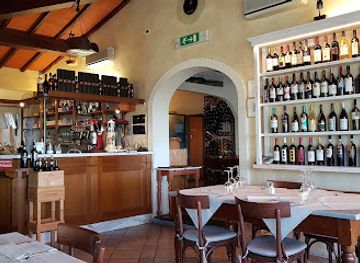
La Cantinetta Di Rignana
Experience authentic Tuscan flavors in a stunning Chianti setting at La Cantinetta Di Rignana, where every meal is a feast for the senses.
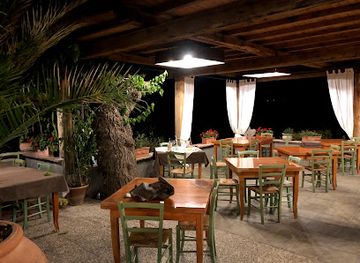
Best nightclubs in Chianti
Chianti's evening life is modest and dispersed, reflecting its villages and rural accommodation rather than a large urban club scene. Bars in Greve, Castellina, Radda, Gaiole and other local centres serve coffee, aperitivi, wine and simple drinks, with activity often focused on the main piazza. Traditional osterie and restaurants provide the principal night-time social setting, while some wine estates offer scheduled tastings or events that should be checked and booked in advance. Summer brings longer evenings and occasional cultural programming in town squares, but arrangements vary by municipality and season. Visitors staying in the countryside should plan transport after dinner, as local taxis and buses may be limited. Florence and Siena, outside Chianti, offer much broader late-night entertainment for those prepared to travel, but within the region the emphasis is on conversation, food, wine and the gradual closing of village streets rather than nightclubs.
-
 Irish pub
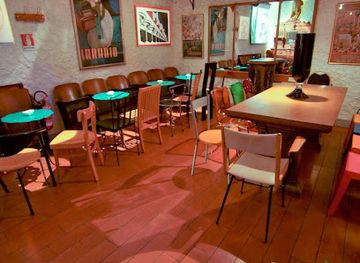
Scholars Lounge Irish Pub
Discover Scholars Lounge Irish Pub in Rome: a lively blend of Irish charm, tasty food, and local entertainment in a cozy atmosphere.
-
Disco club
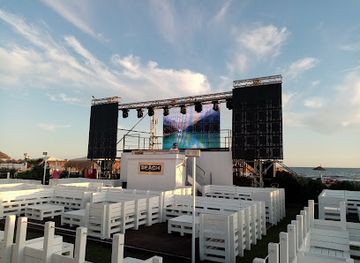
Beach Club Versilia
Discover the ultimate blend of beach relaxation and vibrant nightlife at Beach Club Versilia, your go-to destination in Cinquale.
-
Cocktail bar
Mayday Club
Experience the lively atmosphere at Mayday Club, Florence's premier cocktail bar, where exquisite drinks meet vibrant decor and great music.
-
Disco club
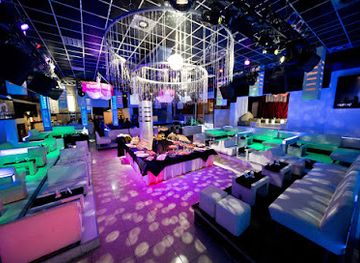
Vanilla Disco Club Siena
Discover the vibrant nightlife of Tuscany at Vanilla Disco Club in Siena, a hotspot for dancing and socializing in a lively atmosphere.
Best shops in Chianti
Shopping in Chianti is centred on village streets, weekly markets, specialist food shops and the farm economy rather than large retail complexes. Greve's central piazza is a practical starting point for local produce, wine and small independent businesses, while Castellina, Radda and Gaiole have shops selling bottles from nearby estates, olive oil, pecorino, cured meats, preserves and regional sweets. Market days vary by town and should be checked locally, but they are useful for seasonal fruit, vegetables, household goods and a glimpse of everyday commerce. Wine estates and agricultural producers may offer labelled Chianti Classico, although transport and customs rules should be considered before buying several bottles. Ceramics, leather goods, linens, prints and small pieces from local artists can make more meaningful souvenirs than generic Tuscan merchandise, but quality and provenance vary. Rural shops often close for part of the afternoon, and smaller businesses may prefer cash even where larger retailers accept cards.
-
Market
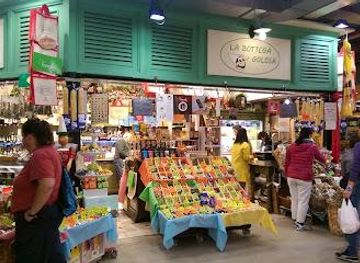
il Mercato Centrale Firenze
Experience the essence of Florence at il Mercato Centrale, Italy's premier market for authentic Tuscan cuisine and local delicacies.
-
Outlet mall
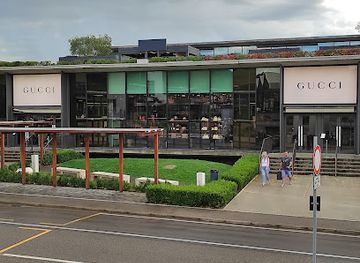
The Mall Firenze
Discover luxury shopping at The Mall Firenze, Tuscany's premier outlet mall, featuring top designer brands at irresistible prices.
-
Pastries
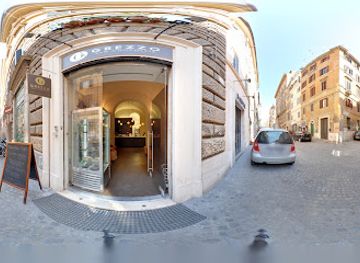
Grezzo Raw Chocolate
Discover the exquisite flavors of Grezzo Raw Chocolate, an artisanal haven for passionate chocolate lovers in the heart of Rome.
-
Women's clothing store
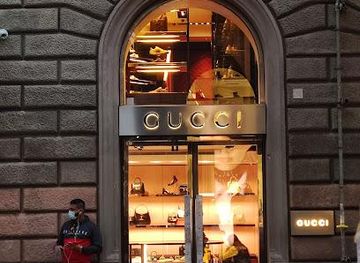
Palazzo Gucci
Explore luxury fashion and exquisite leather goods at Palazzo Gucci, a premier shopping destination in the heart of Florence.
Get your free copy of our complete guide to Chianti, delivered straight to you.
Everything on this page, from attractions and restaurants to essentials and local phrases, in one PDF you can read offline, print or share.
Already have an account? Sign in
Your Chianti guide is ready.
We'll send it to · Not you? Sign out

Getting your guide ready…
We are putting together a fresh copy of the Chianti guide. This can take up to a minute.
This can take a few moments. If your browser asks, choose Allow so the download can start. You'll find the guide in your Downloads folder.
Nothing happened? Download it again
Sorry, the guide is taking longer than usual. Please try again in a minute, or get it by email instead.
Chianti essentials
Currency and Payment
Safety
Emergency Situations
Do's and Don'ts
Local Tips
From Eve
Local phrases worth knowing
You don't need to get them perfect. A few words go a long way, and locals appreciate the effort.
Basics
| English | Local | Say it |
|---|---|---|
| Hello | Ciao | [chow] |
| Goodbye | Arrivederci | [ah-ree-veh-DER-chee] |
| Yes | Sì | [see] |
| No | No | [noh] |
| Please/You're welcome | Per favore/Prego | [per fah-VO-reh/PRAY-go] |
| Thank you | Grazie | [GRAH-tsyeh] |
| Excuse me/Sorry | Scusa | [SKOO-zah] |
| How are you? | Come stai? | [KOH-meh stah-ee] |
| Fine. And you? | Bene. E tu? | [BEH-neh. eh too?] |
| Do you speak English? | Parli inglese? | [PAR-lee een-GLEH-seh?] |
| I don't understand | Non capisco | [non kah-PEE-sko] |
Eating & Drinking
| English | Local | Say it |
|---|---|---|
| I'd like to see the menu, please | Vorrei vedere il menu, per favore | [vor-RAY veh-DEH-reh eel meh-NOO, per fah-VO-reh] |
| I don't eat meat | Non mangio carne | [non MAHN-joh KAR-neh] |
| Cheers! | Salute! | [sah-LOO-teh!] |
| I would like to pay, please | Vorrei pagare, per favore | [vor-RAY pah-GAH-reh, per fah-VO-reh] |
Emergencies
| English | Local | Say it |
|---|---|---|
| Help! | Aiuto! | [ah-YOO-toh!] |
| Go away! | Vai via! | [vy VEE-ah!] |
| Call the Police! | Chiama la polizia! | [KYAH-mah lah poh-LEE-tsyah!] |
| Call a doctor! | Chiama un dottore! | [KYAH-mah oon doht-TOH-reh!] |
| I'm lost | Mi sono perso | [mee SOH-noh PEHR-soh] |
| I'm ill | Sono malato | [SOH-noh mah-LAH-toh] |
Shopping
| English | Local | Say it |
|---|---|---|
| I'd like to buy... | Vorrei comprare... | [vor-RAY kom-PRA-reh...] |
| I'm just looking | Sto solo guardando | [sto SO-loh guar-DAN-doh] |
| How much is it? | Quanto costa? | [KWAN-toh KOH-stah?] |
| That's too expensive | È troppo costoso | [eh TROH-poh koh-STOH-soh] |
| Can you lower the price? | Puoi abbassare il prezzo? | [PWOY ahb-BAH-sah-reh eel PRET-soh?] |
Time & Numbers
| English | Local | Say it |
|---|---|---|
| What time is it? | Che ore sono? | [keh O-reh SOH-noh?] |
| It's one o'clock | È l'una | [eh LOO-nah] |
| Half past (10) | Dieci e mezza | [DYEH-chee eh MEH-tsah] |
| Morning | Mattina | [maht-TEE-nah] |
| Afternoon | Pomeriggio | [poh-meh-REE-joh] |
| Evening | Sera | [SEH-rah] |
| Yesterday | Ieri | [YEH-ree] |
| Today | Oggi | [OHJ-ee] |
| Tomorrow | Domani | [doh-MAH-nee] |
| 1 | Uno | [OO-noh] |
| 2 | Due | [DOO-eh] |
| 3 | Tre | [TREH] |
| 4 | Quattro | [KWAH-troh] |
| 5 | Cinque | [CHEEN-kweh] |
| 6 | Sei | [SAY] |
| 7 | Sette | [SET-teh] |
| 8 | Otto | [OHT-toh] |
| 9 | Nove | [NOH-veh] |
| 10 | Dieci | [DYEH-chee] |
Transport & Directions
| English | Local | Say it |
|---|---|---|
| Where's a/the...? | Dove c'è un/il...? | [DOH-veh cheh oon/eel...?] |
| What's the address? | Qual è l'indirizzo? | [kwahl eh leen-DEE-rit-soh?] |
| Can you show me (on the map)? | Puoi mostrarmi (sulla mappa)? | [PWOY mo-STRAR-mee (SOOL-lah MAH-pah)?] |
| When's the next (bus)? | Quando passa il prossimo (autobus)? | [KWAN-doh PAH-sah eel PROS-si-mo (OW-toh-boos)?] |
| A ticket (to ....) | Un biglietto (per ....) | [oon bee-LYET-toh (per ....)] |
History of Chianti
Etruscan and Roman Foundations
Before the medieval landscape of villas and vineyards emerged, the hills between Florence and Siena were used by Etruscan and Roman communities. Archaeological evidence across the wider Chianti area points to scattered settlement, farming and communication routes rather than a single urban centre. Roman land organisation and roads helped connect the interior of Tuscany to larger towns and markets. Much of the visible landscape has been reshaped since then, but the long continuity of mixed agriculture, woodland management and settlement on defensible or elevated sites has deep roots in these earlier periods.
Medieval Castles and the Florentine-Sienese Frontier
During the Middle Ages, Chianti occupied a strategically important zone between Florence and Siena. Castles, fortified villages and parish churches guarded roads and cultivated valleys, while competing powers sought control of the ridges. Castellina, Radda and Gaiole became important centres within this frontier landscape, and settlements such as Volpaia developed around fortified estates. The division between Florentine and Sienese influence was never merely political: it shaped local administration, defensive architecture and the pattern of roads that still link Chianti's hill towns.
The Lega del Chianti
Florence organised much of the area through the Lega del Chianti, a territorial and administrative arrangement generally associated with the communities of Castellina, Radda and Gaiole. Its officers and castles formed part of the Florentine defensive system during repeated conflicts with Siena. The league was not identical to the modern wine region, but it helped cement Chianti as a recognisable historical territory. Castello di Volpaia and other fortified sites preserve the architectural memory of a period when control of these hills was tied to military security as well as agriculture.
The Medici State and the Tuscan Grand Duchy
Florence's expansion and the eventual defeat of Siena in the sixteenth century brought Chianti into the wider Medici state. As frontier warfare declined, many fortified properties acquired more residential and agricultural functions. Landholding families developed villas, farms and vineyards, while churches and monasteries remained important cultural and economic institutions. The region's later appearance—large estates, farmhouses, cypress-lined approaches and cultivated slopes—owes much to this gradual transition from a militarised borderland to an organised Tuscan countryside.
The Birth of Modern Chianti Wine
Commercial wine production became increasingly important during the nineteenth century, when improved agricultural organisation and international trade gave Tuscan estates wider markets. Bettino Ricasoli, based at Castello di Brolio near Gaiole, played a major role in defining a formula for Chianti wine in the nineteenth century, although later regulations changed substantially. In 1924 producers established the Consorzio del Vino Chianti Classico, and the black-rooster symbol became associated with the historic production zone. Modern Chianti Classico reflects this long evolution of estate agriculture, regulation and regional identity.
Agrarian Reform and Rural Transformation
For centuries, much of the Tuscan countryside operated through sharecropping, known in Italy as mezzadria, in which farming families cultivated land belonging to estates in return for a share of the produce. The system shaped farmhouses, field patterns and local social relationships. Its decline after the Second World War led to depopulation in some rural areas and the consolidation or repurposing of estates. From the late twentieth century, wine tourism, olive oil production, heritage accommodation and landscape conservation helped give many former agricultural properties a new economic role.
Chianti as a Contemporary Wine and Cultural Landscape
Today Chianti combines working agriculture with international tourism while remaining part of Tuscany's ordinary civic and rural life. The Chianti Classico denomination gives the area a strong global identity, but it does not erase differences between its northern, central and southern districts. Small municipalities, historic parishes, family producers and larger estates all contribute to the region's character. Current debates around sustainable farming, water use, traffic, housing and the protection of historic landscapes reflect the continuing challenge of balancing a living countryside with heavy visitor demand.
Chianti in Photos
Browse through our photo collection highlighting the charm and character of the destination.
Neighbouring regions of Chianti
The closest regions to Chianti, if you have time for more than one.
-

-

-
-

-


Swipe for more regions
Explore more

Explore more of Italy
Discover Italy: A land of ancient history, artistic marvels, and culinary delights; where every corner reveals a new story and every meal is a celebration.
Explore Italy