

Free Tuscany Travel Guide & Mobile App
Explore Tuscany with free travel guides. Discover regional history, expert tips, proposed trips, and audio guides on web or mobile app.


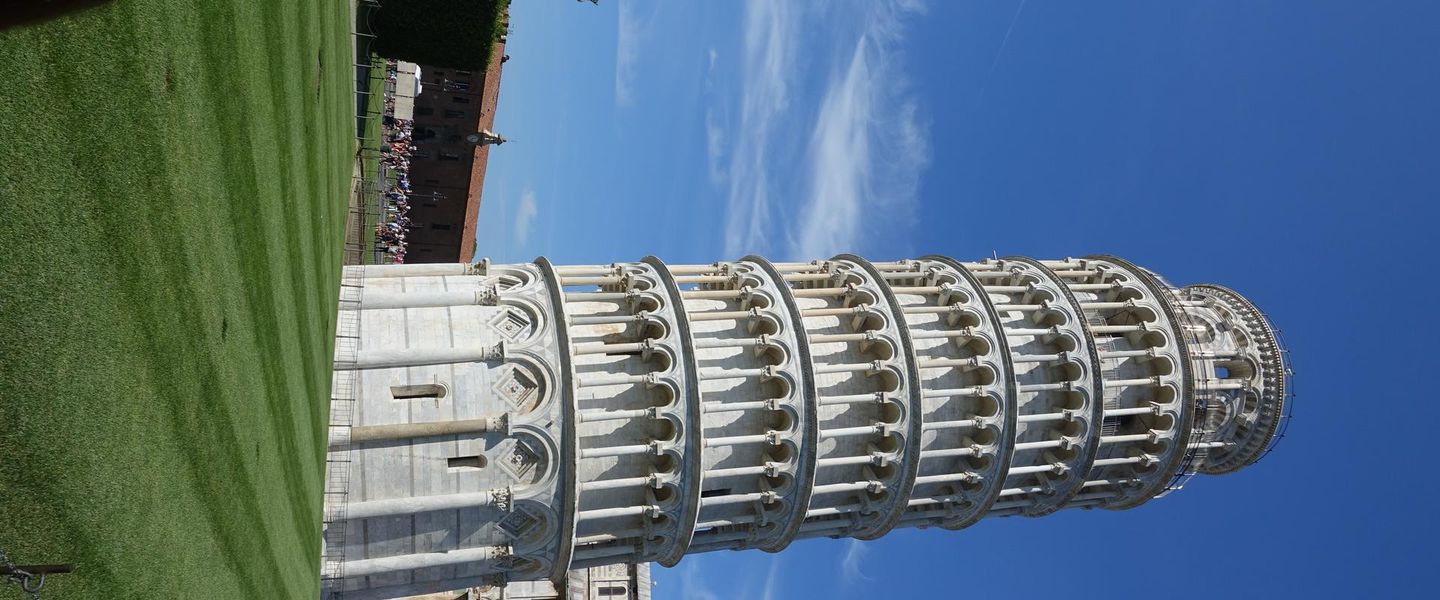


Discover Tuscany: A region where rolling hills, historic cities, and culinary delights come together to create an unforgettable Italian experience.
Read more about Tuscany
When is the best time to visit Tuscany?
Best: May–June, September · 24–28°C| Month | High (°C) | Rainfall (mm) |
|---|---|---|
| January | 10 | 54 |
| February | 12 | 57 |
| March | 15 | 61 |
| April | 19 | 65 |
| May (best) | 24 | 54 |
| June (best) | 28 | 50 |
| July | 31 | 38 |
| August | 30 | 46 |
| September (best) | 27 | 57 |
| October | 21 | 71 |
| November | 15 | 78 |
| December | 11 | 74 |
Getting to and around Tuscany
How to get there
Transportation
Top city travel guides in Tuscany
The cities of Tuscany, and the easiest places to base yourself.
-

-

-

-

-

-


Swipe for more cities
Destinations in Tuscany
Resorts, valleys and scenic spots worth a trip of their own.
-

-


Swipe for more destinations
Best attractions in Tuscany
Tuscany, a timeless marvel in the heart of Italy, beckons visitors with its enchanting blend of cultural treasures and natural beauty. Wander through the cobbled streets of Florence, where the Renaissance comes alive in masterpieces at the Uffizi Gallery and the awe-inspiring architecture of the Duomo. Venture into the rolling hills and vineyards of Chianti, where world-renowned wines await your palate, and picturesque villages like San Gimignano and Montepulciano showcase medieval towers and charming piazzas. The ethereal beauty of the Val d'Orcia, a UNESCO World Heritage site, offers breathtaking landscapes dotted with cypress trees and ancient farmhouses. History enthusiasts will be captivated by the ancient Etruscan city of Volterra and the remarkably preserved towers of Siena, while the coastal allure of the Tyrrhenian Sea invites relaxation on pristine beaches. Each corner of Tuscany unfolds a unique story, from the thermal baths of Saturnia to the culinary delights of Lucca, making it a destination where every moment becomes a cherished memory.
-
Plaza
Piazza del Campo
Experience the enchanting charm and historical significance of Piazza del Campo, a must-visit destination in the heart of Siena, Italy.
-
Cathedral
Siena Cathedral
Discover Siena Cathedral, a masterpiece of Gothic architecture with stunning marble facades, intricate sculptures, and priceless artworks by Italian masters.
-
Science museum
Leonardo Da Vinci Museum
Discover the genius of Leonardo Da Vinci at Florence's interactive museum, where art, science, and innovation come to life.
-
Observation deck
Terrazza Mascagni
Livorno's iconic seafront promenade featuring a dramatic black-and-white chessboard pavement and stunning Tyrrhenian Sea views.


Best landmarks in Tuscany
Tuscany, a sun-drenched haven of rolling hills and cypress trees, beckons visitors with its wealth of iconic landmarks. Wander through the medieval streets of Florence, the cradle of the Renaissance, where the awe-inspiring Duomo and the Uffizi Gallery house masterpieces by Michelangelo and Botticelli. Discover the leaning tower in Pisa, an architectural marvel defying gravity, and stroll through the vibrant Piazza del Campo in Siena, renowned for its thrilling Palio horse race. Explore the enchanting hilltop town of San Gimignano, with its medieval towers piercing the skyline, and immerse yourself in the serene beauty of the Val d'Orcia, a UNESCO World Heritage site dotted with picturesque vineyards and ancient villages. Tuscany's landmarks offer a rich tapestry of history, art, and natural splendor that promises a captivating journey through time.
-
Historical place
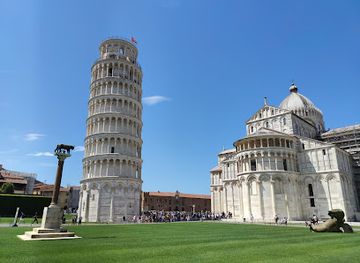
Tower of Pisa
Explore the Leaning Tower of Pisa, a UNESCO World Heritage Site, and marvel at this architectural wonder in the heart of Tuscany.
-
Plaza
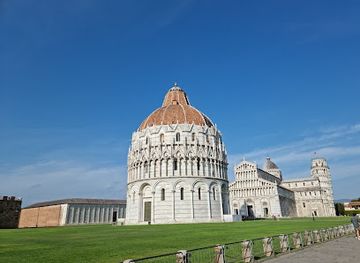
Piazza del Duomo
Explore the breathtaking beauty and historical significance of Piazza del Duomo in Pisa, home to the iconic Leaning Tower and stunning architectural marvels.
-
Cathedral
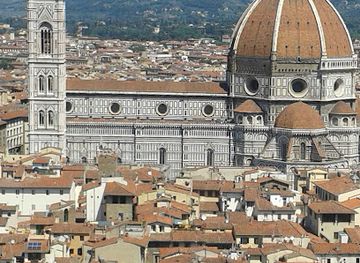
Cathedral of Santa Maria del Fiore
Explore the Cathedral of Santa Maria del Fiore, an architectural masterpiece in Florence, Italy, renowned for its stunning dome and artistic heritage.
-
Plaza
Piazzale Michelangelo
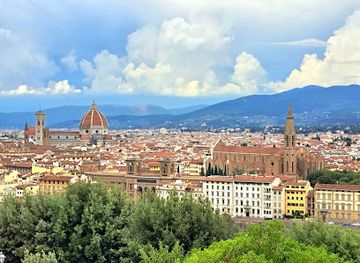
Experience the breathtaking beauty of Florence at Piazzale Michelangelo, a stunning plaza offering panoramic views and iconic landmarks.
Explore Tuscany on the map
Plan your trip on one map. See where the top cities, national parks and sights are, and book hotels and experiences in a few clicks.
Best hotels in Tuscany
Best restaurants in Tuscany
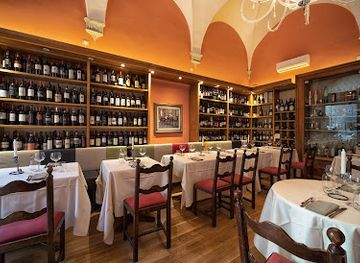
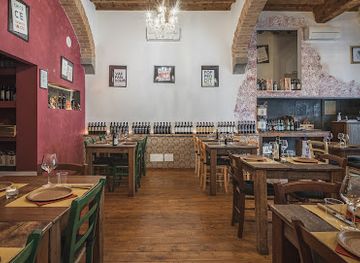
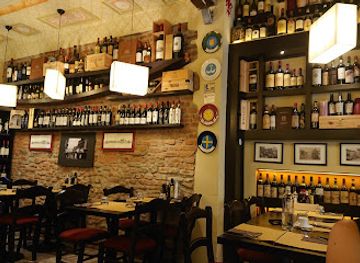
Tuscany's dining scene is a culinary journey through time and tradition, where rustic charm meets gourmet excellence. Visitors can expect to savor the region's famed bistecca alla Fiorentina, a succulent T-bone steak cooked to perfection, alongside hearty ribollita, a robust vegetable and bread soup. Trattorias and osterias offer an authentic taste of Tuscan life with locally sourced ingredients, from earthy truffles and wild boar to the freshest produce from nearby farms. Pair these flavors with world-renowned wines from Chianti, Montepulciano, and Montalcino for an unforgettable gastronomic experience. As you wander through medieval villages and rolling vineyards, each meal becomes a celebration of Tuscany's rich heritage and passion for la dolce vita.
-
Coffee shop
Caffè Gilli
Florence's oldest café since 1733: Art Nouveau elegance, exquisite pastries, artisan chocolates, and masterful cocktails in Piazza della Repubblica's historic heart.
-
Italian
Ristorante Romantico il Paiolo
Experience authentic Tuscan cuisine at Ristorante Romantico il Paiolo in Florence - where every dish tells a story.
-
Steak
I'Tuscani 2
Experience authentic Tuscan steak dishes at I'Tuscani 2 in Florence - where tradition meets culinary excellence.
-
Italian
Le Cappelle Medicee Restorante
Experience authentic Italian cuisine at Le Cappelle Medicee in Florence—where traditional flavors meet modern dining.

Best bars in Tuscany
Tuscany's nightlife scene offers an enchanting blend of historic charm and modern vibrancy, ensuring an unforgettable experience for every visitor. As the sun sets over the rolling hills and ancient vineyards, the region's cities and towns come alive with an eclectic mix of venues. In Florence, the heart of Tuscany, you can sip on craft cocktails in chic rooftop bars while gazing at the illuminated Renaissance architecture, or dance the night away in trendy clubs that attract world-renowned DJs. Siena's medieval streets hide cozy wine bars where you can indulge in local vintages while mingling with friendly locals. For a more laid-back vibe, the coastal towns like Viareggio and Livorno offer beachside lounges where you can enjoy live music and the sound of the waves. Whether you prefer the energetic buzz of a bustling city or the relaxed atmosphere of a seaside retreat, Tuscany's nightlife caters to every taste, promising evenings filled with culture, music, and delicious Tuscan flavors.
-
Bar
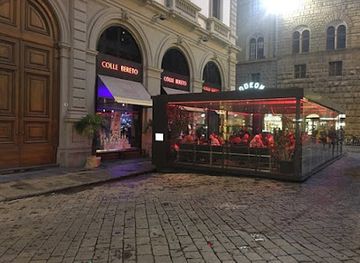
Colle Bereto
Experience the vibrant atmosphere and exquisite flavors at Colle Bereto, Florence's beloved bar and restaurant offering delightful Italian cuisine.
-
Bar
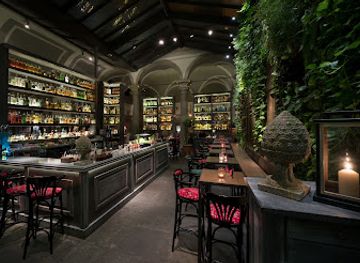
Locale Firenze
Discover the elegance of Locale Firenze, a top-tier bar and restaurant offering exquisite Italian cuisine and crafted cocktails in the heart of Florence.
-
Irish pub
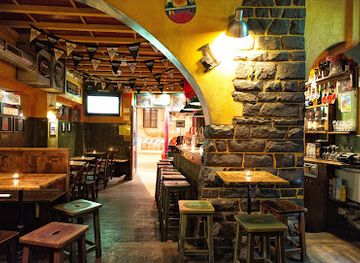
The Joshua Tree Pub
Discover The Joshua Tree Pub in Florence, where Irish charm meets vibrant sports culture in a welcoming atmosphere.
-
Cocktail bar
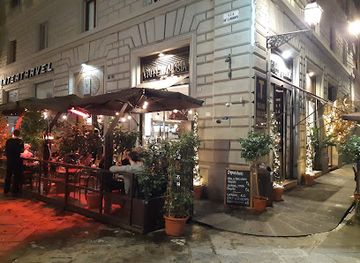
La Petite
Discover the vibrant La Petite in Florence, where exquisite cocktails and authentic Italian cuisine come together for an unforgettable dining experience.
Best nightclubs in Tuscany
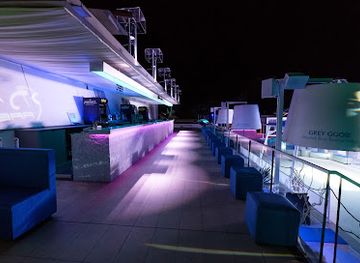
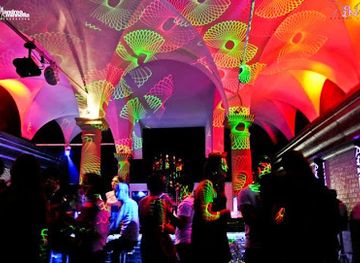
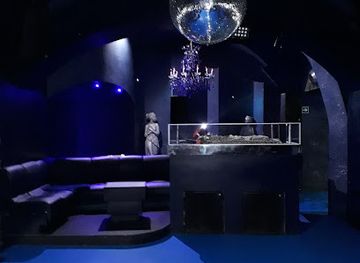
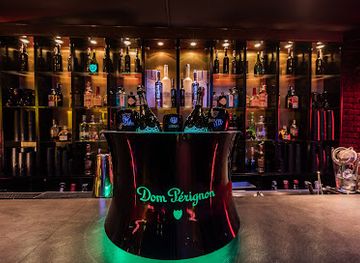
Tuscany's nightlife scene offers an enchanting blend of historic charm and modern vibrancy, ensuring an unforgettable experience for every visitor. As the sun sets over the rolling hills and ancient vineyards, the region's cities and towns come alive with an eclectic mix of venues. In Florence, the heart of Tuscany, you can sip on craft cocktails in chic rooftop bars while gazing at the illuminated Renaissance architecture, or dance the night away in trendy clubs that attract world-renowned DJs. Siena's medieval streets hide cozy wine bars where you can indulge in local vintages while mingling with friendly locals. For a more laid-back vibe, the coastal towns like Viareggio and Livorno offer beachside lounges where you can enjoy live music and the sound of the waves. Whether you prefer the energetic buzz of a bustling city or the relaxed atmosphere of a seaside retreat, Tuscany's nightlife caters to every taste, promising evenings filled with culture, music, and delicious Tuscan flavors.
-
Disco club
Blanco Beach Bar
Discover the heart of Florence's nightlife at Blanco Beach Bar, where dance and music unite in an unforgettable experience.
-
Lounge
Pink Street Club
Dive into the vibrant nightlife of Florence at Pink Street Club, where cocktails and music create unforgettable memories.
-
Disco club
Blue Velvet
Dive into the electrifying nightlife of Florence at Blue Velvet, a disco club where music and dance come alive in a vibrant atmosphere.
-
Disco club
Jaguar Florence Club (Private Lounge)
Discover the electrifying nightlife of Florence at Jaguar Florence Club, the ultimate disco destination for dance lovers and partygoers.
Best shops in Tuscany
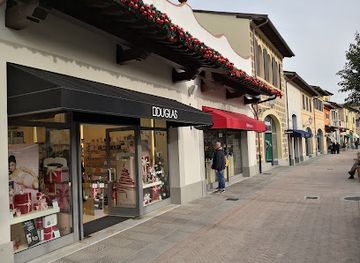
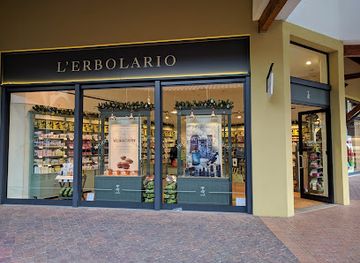
Tuscany offers an enchanting shopping experience that effortlessly blends tradition with modernity, captivating visitors with its array of charming boutiques, bustling markets, and high-end designer stores. Wander through the cobblestone streets of Florence to discover exquisite leather goods, handcrafted jewelry, and bespoke fashion, each piece echoing the region's rich artistic heritage. In Siena and Lucca, vibrant markets brim with local produce, artisanal cheeses, and fine wines, inviting you to savor the authentic flavors of Tuscany. For those seeking something truly unique, the quaint hill towns of San Gimignano and Pienza offer a treasure trove of locally-made ceramics, intricate lacework, and beautifully woven textiles, ensuring that every purchase tells a story of Tuscany's timeless allure.
-
Outlet mall
Outlet Barberino
Explore Outlet Barberino: A Shopping Paradise in the Heart of Tuscany with Amazing Discounts and Dining Options.
-
Outlet mall
Valdichiana Outlet Village
Explore Valdichiana Outlet Village for designer fashion at unbeatable prices in the heart of Tuscany. A shopping paradise awaits you!
-
Outlet mall
The Mall Firenze
Experience luxury shopping at The Mall Firenze, where designer brands meet stunning Tuscan landscapes, all at unbeatable prices.
-
Vintage clothing store
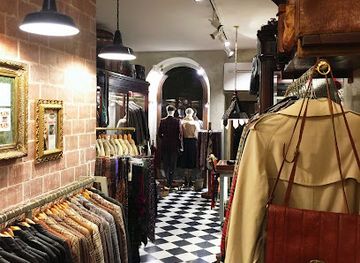
Tartan Vintage
Explore Tartan Vintage in Florence for exquisite vintage clothing, offering unique, high-end pieces that capture the charm of timeless fashion.

Get your free copy of our complete guide to Tuscany, delivered straight to you.
Everything on this page, from attractions and restaurants to essentials and local phrases, in one PDF you can read offline, print or share.
Already have an account? Sign in
Your Tuscany guide is ready.
We'll send it to · Not you? Sign out

Getting your guide ready…
We are putting together a fresh copy of the Tuscany guide. This can take up to a minute.
This can take a few moments. If your browser asks, choose Allow so the download can start. You'll find the guide in your Downloads folder.
Nothing happened? Download it again
Sorry, the guide is taking longer than usual. Please try again in a minute, or get it by email instead.
Tuscany essentials
Currency and Payment
Safety
Emergency Situations
Do's and Don'ts
Local Tips
From Eve
Local phrases worth knowing
You don't need to get them perfect. A few words go a long way, and locals appreciate the effort.
Basics
| English | Local | Say it |
|---|---|---|
| Hello | Ciao | [chow] |
| Goodbye | Arrivederci | [ah-ree-veh-DER-chee] |
| Yes | Sì | [see] |
| No | No | [noh] |
| Please/You're welcome | Per favore | [pehr fah-VOH-reh] |
| Thank you | Grazie | [GRAHTS-ee-eh] |
| Excuse me/Sorry | Scusa | [SKOO-zah] |
| How are you? | Come stai? | [KOH-meh stahy] |
| Fine. And you? | Bene. E tu? | [BEH-neh. eh too] |
| Do you speak English? | Parli inglese? | [PAR-lee een-GLEH-zeh] |
| I don't understand | Non capisco | [non kah-PEE-skoh] |
Eating & Drinking
| English | Local | Say it |
|---|---|---|
| I'd like to see the menu, please | Vorrei vedere il menu, per favore | [vor-RAY veh-DEH-reh eel meh-NOO, pehr fah-VOH-reh] |
| I don't eat meat | Non mangio carne | [non MAHN-joh KAR-neh] |
| Cheers! | Salute! | [sah-LOO-teh] |
| I would like to pay, please | Vorrei pagare, per favore | [vor-RAY pah-GAH-reh, pehr fah-VOH-reh] |
Emergencies
| English | Local | Say it |
|---|---|---|
| Help! | Aiuto! | [ah-YOO-toh] |
| Go away! | Vai via! | [vai VEE-ah] |
| Call the Police! | Chiama la polizia! | [KYAH-mah lah poh-lee-TSEE-ah] |
| Call a doctor! | Chiama un dottore! | [KYAH-mah oon doht-TOH-reh] |
| I'm lost | Mi sono perso | [mee SOH-noh PER-soh] |
| I'm ill | Sono malato | [SOH-noh mah-LAH-toh] |
Shopping
| English | Local | Say it |
|---|---|---|
| I'd like to buy... | Vorrei comprare... | [vor-RAY kom-PRAH-reh] |
| I'm just looking | Sto solo guardando | [stoh SOH-loh guar-DAN-doh] |
| How much is it? | Quanto costa? | [KWAN-toh KOH-stah] |
| That's too expensive | È troppo costoso | [eh TROH-poh koh-STOH-zoh] |
| Can you lower the price? | Puoi abbassare il prezzo? | [pwoy ahb-BAH-sah-reh eel PRET-soh] |
Time & Numbers
| English | Local | Say it |
|---|---|---|
| What time is it? | Che ore sono? | [keh OH-reh SOH-noh] |
| It's one o'clock | È l'una | [eh LOO-nah] |
| Half past (10) | Dieci e mezza | [DEE-eh-chee eh MEH-zah] |
| Morning | Mattina | [maht-TEE-nah] |
| Afternoon | Pomeriggio | [poh-meh-REE-joh] |
| Evening | Sera | [SEH-rah] |
| Yesterday | Ieri | [YEH-ree] |
| Today | Oggi | [OHJ-ee] |
| Tomorrow | Domani | [doh-MAH-nee] |
| 1 | Uno | [OO-noh] |
| 2 | Due | [DOO-eh] |
| 3 | Tre | [TREH] |
| 4 | Quattro | [KWAHT-troh] |
| 5 | Cinque | [CHEEN-kweh] |
| 6 | Sei | [SEH-ee] |
| 7 | Sette | [SET-teh] |
| 8 | Otto | [OHT-toh] |
| 9 | Nove | [NOH-veh] |
| 10 | Dieci | [DEE-eh-chee] |
Transport & Directions
| English | Local | Say it |
|---|---|---|
| Where's a/the...? | Dove c'è...? | [DOH-veh cheh] |
| What's the address? | Qual è l'indirizzo? | [KWAL eh leen-dee-REET-soh] |
| Can you show me (on the map)? | Puoi mostrarmi (sulla mappa)? | [pwoy mohs-TRAR-mee (SOOL-lah MAH-pah)] |
| When's the next (bus)? | Quando passa il prossimo (autobus)? | [KWAN-doh PAH-sah eel PROH-ssee-mo (OW-toh-boos)] |
| A ticket (to ....) | Un biglietto (per ....) | [oon bee-LYEHT-toh (per ....)] |
History of Tuscany
Etruscan Civilization
Before the rise of Rome, Tuscany was home to the Etruscan civilization, which flourished between the 8th and 3rd centuries BCE. The Etruscans established city-states that were rich in culture, art, and trade. They left behind a legacy of intricate tombs, pottery, and jewelry, which can be explored in archaeological sites like Tarquinia and Cerveteri.
Roman Tuscany
With the expansion of the Roman Republic, Tuscany was gradually integrated into the Roman Empire. The region became known as Etruria and saw the construction of roads, aqueducts, and cities. Florence, known as Florentia, and Lucca were established as Roman colonies. Roman influence is evident in the ruins of amphitheaters, baths, and villas scattered across Tuscany.
Medieval Tuscany
The fall of the Roman Empire led to a period of fragmentation and conflict in Tuscany. By the 11th century, powerful city-states like Florence, Siena, and Pisa began to emerge. These cities were often in conflict over territory and power but also thrived as centers of trade, art, and learning. The medieval architecture of walled towns and fortresses, such as San Gimignano and Monteriggioni, offers a glimpse into this turbulent era.
The Renaissance
Tuscany is widely regarded as the birthplace of the Renaissance, a cultural movement that began in the 14th century and reached its peak in the 15th and 16th centuries. Florence was the epicenter of this intellectual and artistic revival, boasting figures such as Leonardo da Vinci, Michelangelo, and Dante Alighieri. The Medici family, powerful patrons of the arts, played a significant role in fostering this creative explosion. Landmarks like the Uffizi Gallery, the Florence Cathedral, and the Palazzo Vecchio are testaments to this golden age.
The Grand Duchy of Tuscany
In the 16th century, Tuscany became a grand duchy under the rule of the Medici family, later succeeded by the House of Lorraine. This period brought relative stability and prosperity to the region. The Grand Duchy fostered advancements in science, agriculture, and infrastructure. The region’s wine and olive oil industries flourished, and architectural marvels like the Pitti Palace and Boboli Gardens were developed.
Unification of Italy
The 19th century saw Tuscany play a crucial role in the unification of Italy. The region was a hotbed of revolutionary ideas and movements. In 1859, Tuscany voted to join the newly formed Kingdom of Italy, marking the end of centuries of regional rule. This period saw the modernization of Tuscany, with improvements in infrastructure, education, and industry.
World War II and Aftermath
During World War II, Tuscany was a significant battleground, suffering from bombings and battles as Allied forces advanced through Italy. The region faced hardship but also demonstrated resilience in rebuilding post-war. Today, Tuscany is a symbol of rebirth and cultural preservation, with its historic centers and landscapes meticulously restored and celebrated.
Modern Tuscany
Today, Tuscany is one of Italy’s most popular tourist destinations, renowned for its cultural heritage, culinary excellence, and picturesque landscapes. The region continues to celebrate its rich history through festivals, museums, and preserved historic sites. From the rolling vineyards of Chianti to the artistic treasures of Florence and the serene beauty of the Val d’Orcia, modern Tuscany offers a harmonious blend of past and present.
Tuscany in Photos
Browse through our photo collection highlighting the charm and character of the destination.
Neighbouring regions of Tuscany
The closest regions to Tuscany, if you have time for more than one.
-

-

-

-

-


Swipe for more regions
Explore more

Explore more of Italy
Discover Italy: A land of ancient history, artistic marvels, and culinary delights; where every corner reveals a new story and every meal is a celebration.
Explore Italy