

Free Chianti Classico Travel Guide & Mobile App
Explore Chianti Classico with free travel guides. Discover regional history, expert tips, proposed trips, and audio guides on web or mobile app.


Chianti Classico pairs Tuscany’s hill towns, vineyards, castles, olive groves and renowned Sangiovese wines between Florence and Siena.
Read more about Chianti Classico
When is the best time to visit Chianti Classico?
Best: June–July, September · 25–28°C| Month | High (°C) | Rainfall (mm) |
|---|---|---|
| January | 9 | 70 |
| February | 10 | 65 |
| March | 14 | 65 |
| April | 17 | 70 |
| May | 21 | 65 |
| June (best) | 25 | 55 |
| July (best) | 28 | 40 |
| August | 28 | 55 |
| September (best) | 25 | 75 |
| October | 20 | 95 |
| November | 14 | 95 |
| December | 9 | 85 |
Getting to and around Chianti Classico
How to get there
Transportation
Top city travel guides in Chianti Classico
The cities of Chianti Classico, and the easiest places to base yourself.
-

-


Swipe for more cities
Best attractions in Chianti Classico
Chianti Classico’s attractions are spread through a working landscape rather than concentrated in one large city. Historic hill towns provide the clearest starting points: Greve’s Piazza Matteotti, Castellina’s medieval Via delle Volte, Radda’s compact centre and Gaiole’s wine-oriented surroundings each offer a different encounter with the region. Around them are castles, fortified estates, parish churches and abbeys, including Castello di Brolio, Castello di Meleto, Castello di Volpaia and Badia a Passignano. Winery visits range from architectural estates to smaller producers, and should generally be booked in advance. Walking and cycling routes pass vineyards, olive groves and oak woodland, with views that change markedly between the higher ridges and the wooded valleys. Food and wine experiences are complemented by museums and archaeological remains such as the Etruscan site at Montecalvario near Castellina. The appeal lies in combining several modest experiences—an old village, a cellar, a church, a country road and a long meal—rather than treating the area as a sequence of major ticketed attractions.
-
Science museum
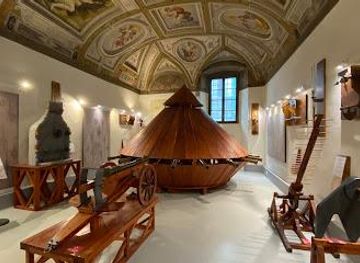
Leonardo Da Vinci Museum
Discover the brilliance of Leonardo Da Vinci at this interactive museum in Florence, where art and science converge in a captivating experience for all ages.
-
Museum
Birthplace of Leonardo da Vinci
Discover the birthplace of Leonardo da Vinci in Vinci, Italy, where art, history, and innovation come together in a stunning Tuscan setting.
-
Fortress
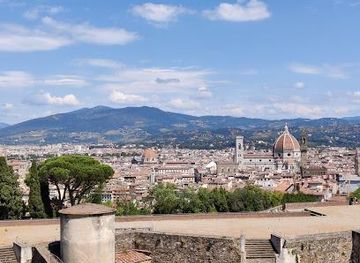
Forte di Belvedere
Explore the historical Forte di Belvedere in Florence, a stunning fortress with breathtaking views and rich cultural heritage.
-
 Castle
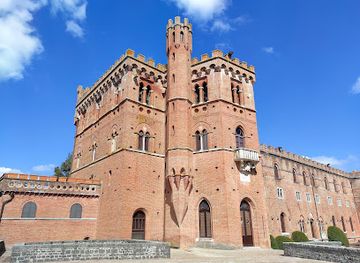
Castello di Brolio
Explore the historic Castello di Brolio in Chianti, a stunning castle offering breathtaking views, rich history, and exquisite wine tastings.
Best landmarks in Chianti Classico
Chianti Classico’s landmarks are closely tied to its position between Florence and Siena. Castello di Brolio near Gaiole is the most prominent symbol of the region’s aristocratic and wine-making history, combining a fortified silhouette with the legacy of Bettino Ricasoli. Castello di Volpaia, a remarkably preserved hill settlement near Radda, shows how defence, religion and agriculture could be integrated within one medieval estate. Castellina’s Via delle Volte, a covered passage built into the town’s defensive structures, reflects the strategic importance of the ridge route. The walled centre of Radda and the rural setting of Badia a Passignano add religious and civic dimensions to the landscape. Montecalvario near Castellina preserves the remains of an important Etruscan complex, reaching further back than the medieval towns. The distinctive vineyards, olive-covered slopes and cypress-lined ridges are themselves a cultural landmark: their appearance is the result of centuries of cultivation, estate planning and adaptation rather than untouched wilderness.
-
Italian
Il Chianti Vineria
Discover authentic Tuscan dining in Rome at Il Chianti Vineria, featuring exquisite wines and traditional Italian dishes in a charming atmosphere.
-
Castle
Castello di Brolio
Experience the rich heritage and exquisite wines of Tuscany at Castello di Brolio, a stunning medieval castle in the Chianti region.
-
Winery
Antinori nel Chianti Classico
Explore the exquisite winery Antinori nel Chianti Classico, where tradition meets innovation amidst the stunning Tuscan landscape.
-
Castle
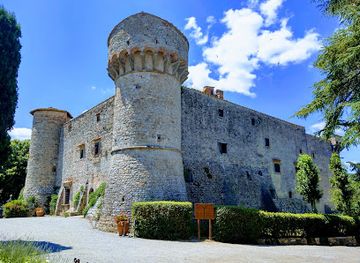
Meleto Castle
Discover the enchanting Meleto Castle in Chianti, a perfect blend of medieval history, breathtaking views, and authentic Tuscan hospitality.
Explore Chianti Classico on the map
Plan your trip on one map. See where the top cities, national parks and sights are, and book hotels and experiences in a few clicks.
Best hotels in Chianti Classico
Best restaurants in Chianti Classico
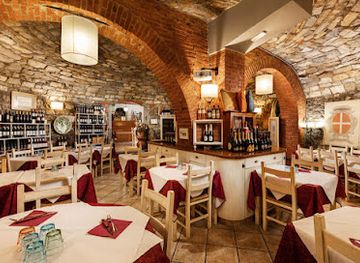
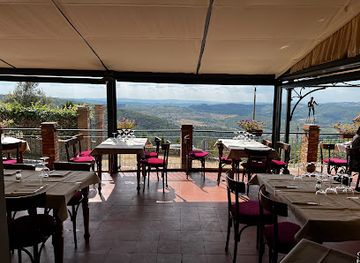
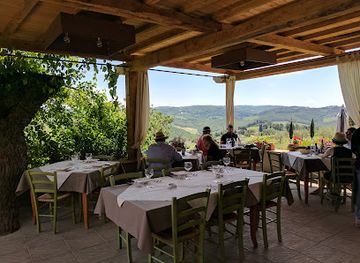
Dining in Chianti Classico reflects the broader Tuscan tradition while drawing strongly on local farming and wine production. Menus commonly feature unsalted bread, ribollita, panzanella, white beans, seasonal vegetables, grilled meats, wild boar, pecorino and handmade pasta, with recipes varying between family trattorie, rural inns and more contemporary restaurants. Florentine-style grilled beef is associated with Tuscany, but the region’s own food culture is equally evident in estate kitchens and village restaurants where wine, olive oil and woodland produce shape the meal. Local olive oil is often available for tasting, and Vin Santo may accompany traditional biscuits or other desserts. Greve, Castellina, Radda and Gaiole provide the broadest choice of cafés, enoteche and restaurants, while countryside establishments can be more dependent on reservations. Farmers’ markets and specialist food shops are useful for bread, cheese, cured meats and bottles to take home, but visitors should distinguish Chianti Classico wine from the wider range of Tuscan wines sold in the area.
-
Coffee shop
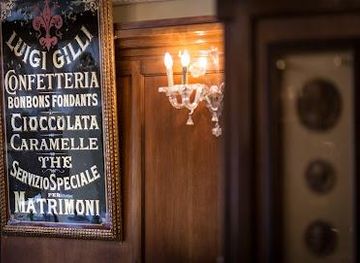
Caffè Gilli
Florence's oldest café since 1733, where Liberty elegance meets exquisite pastries, cocktails, and timeless Tuscan tradition in Piazza della Repubblica.
-
Pizza
Ristorante Pizzeria La Cantina
Experience authentic Italian cuisine at Ristorante Pizzeria La Cantina in Greve in Chianti, where every bite tells a story.
-
Restaurant
Ristoro Di Lamole
Experience authentic Tuscan cuisine at Ristoro Di Lamole - where every dish tells a story.
-
Restaurant
La Cantinetta Di Rignana
Experience authentic Tuscan flavors at La Cantinetta Di Rignana amidst the breathtaking landscapes of Chianti.
Best bars in Chianti Classico
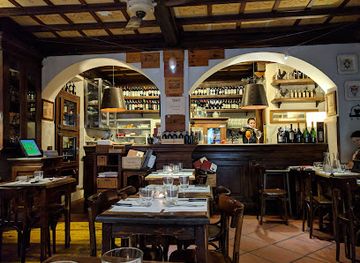
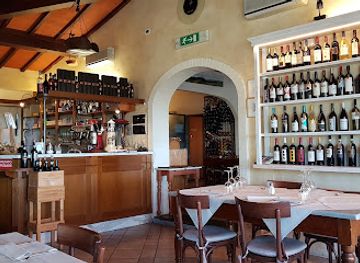
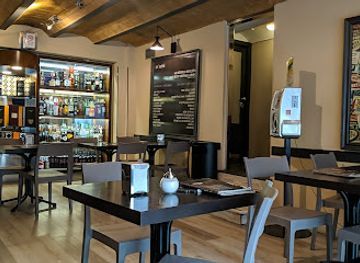
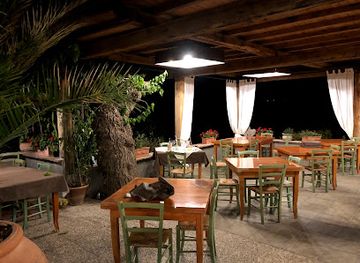
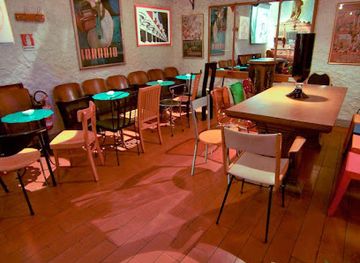
Evening life in Chianti Classico is generally relaxed and village-centred rather than built around large clubs. Enoteche, wine bars, cafés and traditional Italian bars provide places to sample local bottles, order an aperitivo or meet before dinner, particularly in Greve, Castellina, Radda and Gaiole. Restaurants and agriturismi often form the main evening destinations in the countryside, where distances and limited late transport make spontaneous bar-hopping impractical. Some larger towns host occasional live music or cultural events, but schedules are seasonal and should be checked locally. Historic inns and estate hospitality may offer a more atmospheric evening than a dedicated nightlife venue, while younger visitors seeking a substantial nightclub scene will generally need to travel towards Florence or Siena, both outside Chianti Classico. Arrange a taxi or designated driver for tastings and remember that the region’s evening culture is as much about conversation, food and wine as late-night entertainment.
-
Italian
Il Chianti Vineria
Discover authentic Tuscan flavors at Il Chianti Vineria, an Italian restaurant and wine bar in the heart of Rome, perfect for culinary enthusiasts.
-
Bar
Ristoro Di Lamole
Experience the best of Tuscany at Ristoro Di Lamole, where authentic Italian cuisine meets breathtaking Chianti views.
-
Bar
Pepy's Bar
Discover Pepy's Bar, a vibrant bar in Rome offering a delightful selection of drinks and a taste of authentic Italian culture.
-
Restaurant
La Cantinetta Di Rignana
Explore the authentic flavors of Tuscany at La Cantinetta Di Rignana, a premier Italian restaurant in the heart of Chianti, perfect for food lovers.
Best nightclubs in Chianti Classico
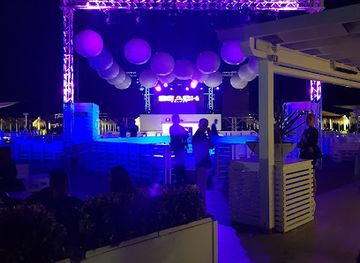
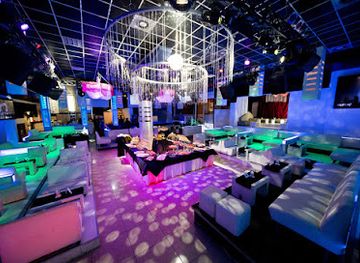
Evening life in Chianti Classico is generally relaxed and village-centred rather than built around large clubs. Enoteche, wine bars, cafés and traditional Italian bars provide places to sample local bottles, order an aperitivo or meet before dinner, particularly in Greve, Castellina, Radda and Gaiole. Restaurants and agriturismi often form the main evening destinations in the countryside, where distances and limited late transport make spontaneous bar-hopping impractical. Some larger towns host occasional live music or cultural events, but schedules are seasonal and should be checked locally. Historic inns and estate hospitality may offer a more atmospheric evening than a dedicated nightlife venue, while younger visitors seeking a substantial nightclub scene will generally need to travel towards Florence or Siena, both outside Chianti Classico. Arrange a taxi or designated driver for tastings and remember that the region’s evening culture is as much about conversation, food and wine as late-night entertainment.
-
Disco club
Beach Club Versilia
Discover the ultimate beach experience at Beach Club Versilia, where relaxation meets vibrant nightlife on the stunning Tuscan coast.
-
Cocktail bar
Mayday Club
Discover the spirited charm of Mayday Club, Florence's premier cocktail bar, where exquisite drinks meet a vibrant atmosphere.
-
Disco club
Vanilla Disco Club Siena
Discover the electrifying nightlife at Vanilla Disco Club Siena, where great music and vibrant energy create unforgettable nights.
-
Disco club
Blanco Beach Bar
Experience the vibrant nightlife of Florence at Blanco Beach Bar, where music, dancing, and unforgettable moments await you.

Best shops in Chianti Classico
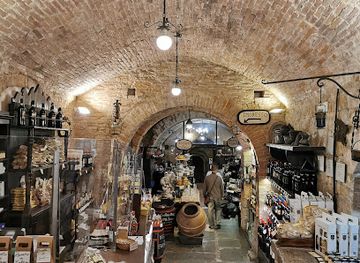
Shopping in Chianti Classico is concentrated in village high streets, small specialist shops, weekly markets and winery cellars rather than large retail centres. Greve offers one of the region’s most convenient places to browse food shops, cafés, wine sellers and traditional town businesses, while Castellina, Radda and Gaiole have smaller selections shaped by local residents and visitors. The most characteristic purchases are Chianti Classico bottles, extra-virgin olive oil, pecorino, cured meats, honey, preserves and other shelf-stable foods, although wine should be packed or shipped according to current transport rules. Ceramic goods, leatherwork, textiles, books and contemporary crafts appear in independent galleries and artisan shops, but availability varies by season. Market stalls can be useful for fresh produce and everyday goods, while estate shops often provide more detailed advice about vintages and storage. Compare labels carefully: the black-rooster emblem identifies Chianti Classico, not every wine marketed simply as Chianti or as a general Tuscan product.
-
Outlet mall
The Mall Firenze
Discover luxury shopping at The Mall Firenze, where designer brands meet stunning Tuscan landscapes and unbeatable discounts.
-
Wine store
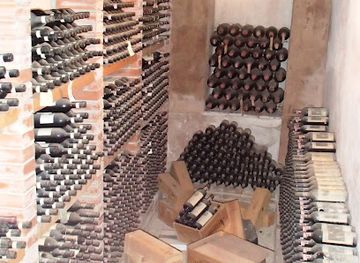
Cantina Ercolani - Città Sotterranea & museo - Cantine storiche a Montepulciano - Azienda agricola
Experience the essence of Tuscany at Cantina Ercolani, the perfect blend of history, culture, and exquisite wines in Montepulciano.
-
Winery
Castello di Verrazzano
Experience the charm of Tuscany at Castello di Verrazzano, where exquisite wines meet rich history in a stunning vineyard setting.
-
Butcher shop deli
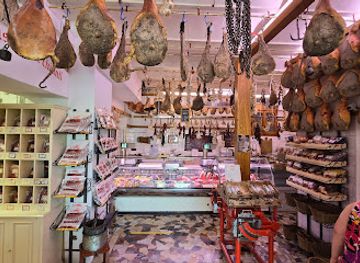
Antica Macelleria Falorni
Discover the authentic flavors of Tuscany at Antica Macelleria Falorni, a premier butcher shop deli and wine bar in Greve in Chianti.
Get your free copy of our complete guide to Chianti Classico, delivered straight to you.
Everything on this page, from attractions and restaurants to essentials and local phrases, in one PDF you can read offline, print or share.
Already have an account? Sign in
Your Chianti Classico guide is ready.
We'll send it to · Not you? Sign out

Getting your guide ready…
We are putting together a fresh copy of the Chianti Classico guide. This can take up to a minute.
This can take a few moments. If your browser asks, choose Allow so the download can start. You'll find the guide in your Downloads folder.
Nothing happened? Download it again
Sorry, the guide is taking longer than usual. Please try again in a minute, or get it by email instead.
Chianti Classico essentials
Currency and Payment
Safety
Emergency Situations
Do's and Don'ts
Local Tips
From Eve
Local phrases worth knowing
You don't need to get them perfect. A few words go a long way, and locals appreciate the effort.
Basics
| English | Local | Say it |
|---|---|---|
| Hello | Ciao | [chow] |
| Goodbye | Arrivederci | [ah-ree-vay-DER-chee] |
| Yes | Sì | [see] |
| No | No | [noh] |
| Please/You're welcome | Per favore/Di niente | [pair fah-VOH-ray/dee NYEN-tay] |
| Thank you | Grazie | [GRAHT-see-ay] |
| Excuse me/Sorry | Scusi/Scusami | [SKOO-zee/SKOO-zah-mee] |
| How are you? | Come stai? | [KOH-may stah-ee] |
| Fine. And you? | Bene. E tu? | [BAY-nay. Eh too?] |
| Do you speak English? | Parli inglese? | [PAR-lee een-GLAY-zay] |
| I don't understand | Non capisco | [nohn kah-PEE-skoh] |
Eating & Drinking
| English | Local | Say it |
|---|---|---|
| I'd like to see the menu, please | Vorrei vedere il menu, per favore | [vor-RAY vay-DAY-ray eel meh-NOO, pair fah-VOH-ray] |
| I don't eat meat | Non mangio carne | [nohn MAHN-joh KAR-nay] |
| Cheers! | Salute! | [sah-LOO-tay] |
| I would like to pay, please | Vorrei pagare, per favore | [vor-RAY pah-GAH-ray, pair fah-VOH-ray] |
Emergencies
| English | Local | Say it |
|---|---|---|
| Help! | Aiuto! | [ah-YOO-toh] |
| Go away! | Vai via! | [vye VEE-ah] |
| Call the Police! | Chiama la Polizia! | [KYAH-mah lah poh-lee-TSEE-ah] |
| Call a doctor! | Chiama un dottore! | [KYAH-mah oon doh-TOR-ay] |
| I'm lost | Mi sono perso | [mee SOH-noh PEHR-soh] |
| I'm ill | Sono malato | [SOH-noh mah-LAH-toh] |
Shopping
| English | Local | Say it |
|---|---|---|
| I'd like to buy... | Vorrei comprare... | [vor-RAY kohm-PRAH-ray...] |
| I'm just looking | Sto solo guardando | [stoh SOH-loh gwahr-DAN-doh] |
| How much is it? | Quanto costa? | [KWAN-toh KOH-stah] |
| That's too expensive | È troppo caro | [eh TROH-poh KAH-roh] |
| Can you lower the price? | Puoi abbassare il prezzo? | [pwoy ahb-BAH-sah-ray eel PRET-soh] |
Time & Numbers
| English | Local | Say it |
|---|---|---|
| What time is it? | Che ore sono? | [keh OH-ray SOH-noh] |
| It's one o'clock | È l'una | [eh LOO-nah] |
| Half past (10) | Dieci e mezza | [DEE-eh-chee eh MEH-zah] |
| Morning | Mattina | [maht-TEE-nah] |
| Afternoon | Pomeriggio | [poh-meh-REE-joh] |
| Evening | Sera | [SEH-rah] |
| Yesterday | Ieri | [YEH-ree] |
| Today | Oggi | [OHJ-ee] |
| Tomorrow | Domani | [doh-MAH-nee] |
| 1 | Uno | [OO-noh] |
| 2 | Due | [DOO-ay] |
| 3 | Tre | [TRAY] |
| 4 | Quattro | [KWAH-troh] |
| 5 | Cinque | [CHEEN-kway] |
| 6 | Sei | [SAY] |
| 7 | Sette | [SET-tay] |
| 8 | Otto | [OHT-toh] |
| 9 | Nove | [NOH-vay] |
| 10 | Dieci | [DEE-eh-chee] |
Transport & Directions
| English | Local | Say it |
|---|---|---|
| Where's a/the...? | Dove c'è un/una...? | [DOH-vay cheh oon/OO-nah...?] |
| What's the address? | Qual è l'indirizzo? | [kwahl eh leen-dee-REET-soh] |
| Can you show me (on the map)? | Puoi mostrarmi (sulla mappa)? | [pwoy mo-STRAR-mee (SOOL-lah MAH-pah)?] |
| When's the next (bus)? | Quando passa il prossimo (autobus)? | [KWAN-doh PAH-sah eel PROH-ssee-mo (OW-toh-boos)?] |
| A ticket (to ....) | Un biglietto (per ....) | [oon bee-LYET-toh (pair ....)] |
History of Chianti Classico
Etruscan and Roman Agricultural Landscapes
Before the medieval villages that define modern Chianti Classico, the hills were occupied and cultivated by Etruscan and Roman communities. Archaeological evidence around sites including Montecalvario near Castellina indicates an important Etruscan presence, while Roman roads, farms and land organisation contributed to the long agricultural history of the area. Vine cultivation was not necessarily identical to the modern wine industry, but the combination of woodland, pasture, cereals, olives and grapes has deep roots. Later settlement patterns developed on a landscape already shaped by farming and movement between the Arno and Elsa valleys and the central Tuscan interior.
Medieval Castles and the Florentine-Sienese Frontier
During the Middle Ages, Chianti formed a contested border zone between Florence and Siena. Fortifications, parish churches and monasteries controlled ridges, roads and productive estates, and many modern landmarks began as defensive or religious foundations. Castles at places such as Castellina, Volpaia and Brolio reveal the strategic importance of the hills. The area’s villages were not isolated rural communities but part of a political landscape in which landholding families, bishops, monasteries and city governments competed for influence and revenue.
The League of Chianti
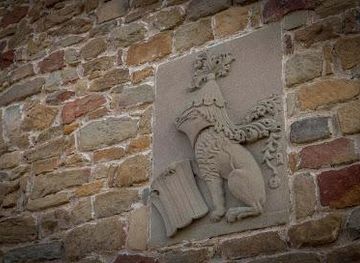
In the late Middle Ages, Florence organised the League of Chianti as an administrative and defensive structure covering much of the territory. It was associated with the local communities of Castellina, Radda and Gaiole, whose podestà and fortified settlements helped protect the Florentine frontier. The black rooster later adopted by the Chianti Classico consortium refers to this historic association. The modern wine appellation should not be treated as an exact continuation of the medieval league, but the emblem and the survival of the hill towns preserve a visible connection with this period.
The Grand Duchy and the Rise of Estate Agriculture
After Florence and Siena came under Medici rule in the sixteenth century, the frontier role of Chianti diminished and estate agriculture became increasingly important. Landowners developed large farms combining vineyards, olive groves, cereals, pasture and woodland, often centred on villas or fortified residences. Sharecropping, known in Tuscany as mezzadria, shaped rural society for centuries: tenant families worked estates in return for a share of the produce. This system influenced building patterns, farming practices and the appearance of the countryside long after political conflict had faded.
The Bettino Ricasoli Wine Reforms
Nineteenth-century statesman and landowner Bettino Ricasoli, based at Castello di Brolio near Gaiole, played a lasting role in the development of modern Chianti wine. His experiments helped establish a formula centred on Sangiovese and other permitted varieties, although the legal rules of the appellation have changed substantially since his time. Ricasoli also represented the transformation of Tuscan estates from feudal or defensive holdings into commercially organised agricultural enterprises. His legacy remains particularly visible around Brolio and in the continuing prominence of Sangiovese within Chianti Classico.
The Chianti Wine Appellation
Chianti became one of Italy’s earliest officially delimited wine areas, and the historic central zone received the Chianti Classico designation to distinguish it from broader Chianti production. The area later achieved DOC status and then DOCG recognition, with regulations governing vineyards, grape composition, ageing and labelling. The appellation has continued to evolve, including the introduction of more detailed geographical references and categories for wines with longer ageing. Its importance lies not only in branding: the rules connect a defined landscape, a grape-growing tradition and a network of producers to one of Italy’s best-known wine identities.
Rural Transformation and Contemporary Chianti
The twentieth century brought mechanisation, the decline of sharecropping and substantial movement from rural estates to towns and cities. Some farms contracted or changed use, while others invested in wine, olive oil, hospitality and landscape conservation. Tourism has since become an important part of the regional economy, but Chianti Classico remains a working agricultural area rather than an open-air museum. Vineyards, olive groves, woodland and historic properties now coexist with tasting rooms, restaurants, walking routes and conservation efforts, creating the mixed rural economy visitors encounter today.
Chianti Classico in Photos
Browse through our photo collection highlighting the charm and character of the destination.
Neighbouring regions of Chianti Classico
The closest regions to Chianti Classico, if you have time for more than one.
-

-

-
-

-


Swipe for more regions
Explore more

Explore more of Italy
Discover Italy: A land of ancient history, artistic marvels, and culinary delights; where every corner reveals a new story and every meal is a celebration.
Explore Italy