

Free Valdarno Travel Guide & Mobile App
Explore Valdarno with free travel guides. Discover regional history, expert tips, proposed trips, and audio guides on web or mobile app.


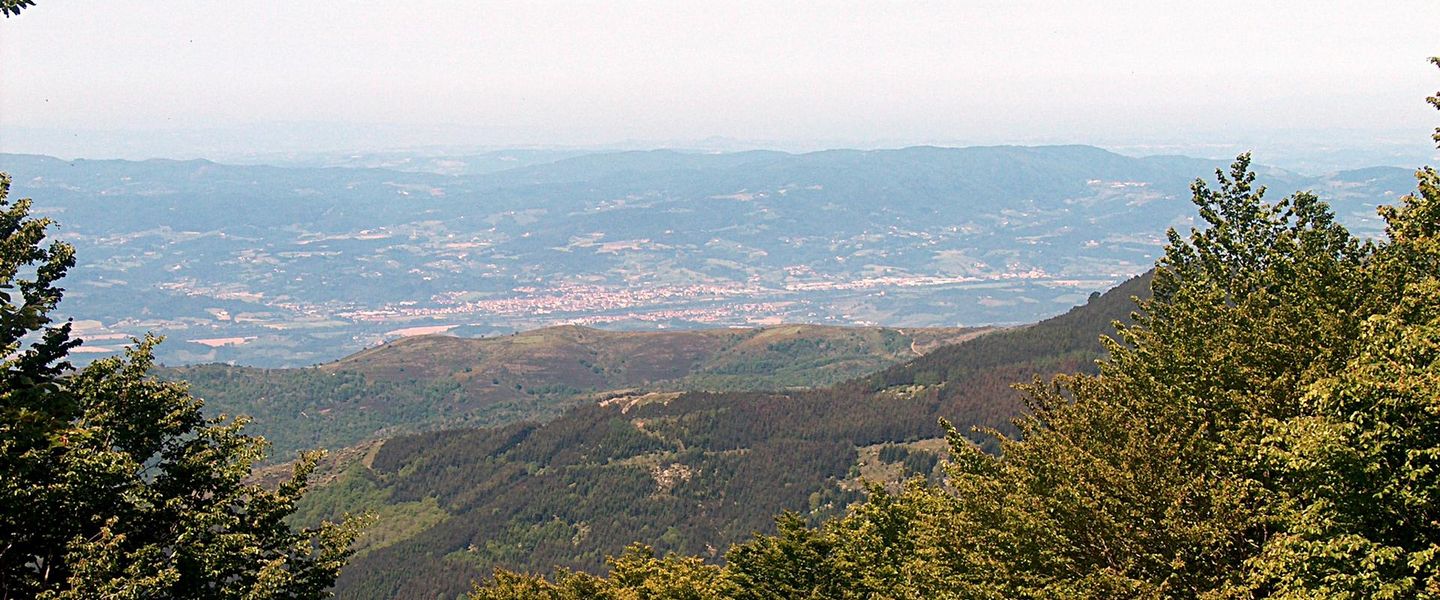


Explore Valdarno in Tuscany for Renaissance towns, Romanesque churches, olive hills, market villages and the wooded slopes of Pratomagno.
Read more about Valdarno
When is the best time to visit Valdarno?
Best: June–July, September · 24–29°C| Month | High (°C) | Rainfall (mm) |
|---|---|---|
| January | 8 | 60 |
| February | 10 | 55 |
| March | 13 | 65 |
| April | 17 | 70 |
| May | 22 | 75 |
| June (best) | 26 | 60 |
| July (best) | 29 | 50 |
| August | 28 | 60 |
| September (best) | 24 | 80 |
| October | 18 | 90 |
| November | 12 | 85 |
| December | 9 | 80 |
Getting to and around Valdarno
How to get there
Transportation
Best attractions in Valdarno
Valdarno’s attractions are distributed across a working Tuscan landscape rather than concentrated in one monumental city. In San Giovanni Valdarno, the planned medieval centre and the Masaccio Museum provide an accessible introduction to the valley’s Florentine and Renaissance connections, while Montevarchi combines civic history, local collections and traditional market-town life. The smaller settlements of Loro Ciuffenna, Castelfranco Piandiscò and Laterina Pergine Valdarno lead into a countryside of parish churches, stone farmhouses and lanes bordered by olives and vines. The Balze, a group of pale, sharply eroded formations near the upper valley, offers one of Valdarno’s most distinctive geological landscapes and can be explored from rural paths. Reggello provides access to the high forests of Vallombrosa and its historic abbey, where cooler woodland replaces the cultivated valley floor. Around Cavriglia and Santa Barbara, former lignite workings reveal the region’s industrial past through a reshaped landscape of lakes, vegetation and energy infrastructure. Walkers and cyclists can use the valley roads and Pratomagno foothills, while food-focused visitors can combine villages with olive-oil producers, wine estates and local markets.
-
Science museum
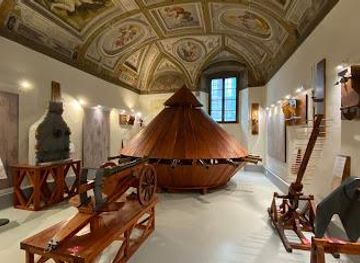
Leonardo Da Vinci Museum
Discover the innovative spirit of Leonardo Da Vinci at Florence's premier science museum, featuring interactive exhibits and fascinating inventions.
-
Museum
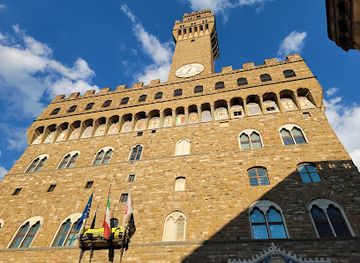
Palazzo Vecchio
Explore the grandeur of Palazzo Vecchio, a historic landmark in Florence filled with art, history, and breathtaking views of the Tuscan landscape.
-
Garden
Giardino Bardini
Explore the enchanting Giardino Bardini in Florence, where lush gardens, stunning views, and rich history come together to create a serene escape.
-
Museum
Birthplace of Leonardo da Vinci
Explore the birthplace of genius at the Birthplace of Leonardo da Vinci in Vinci, Italy, and immerse yourself in the wonders of the Renaissance.

Best landmarks in Valdarno
The most characteristic landmarks of Valdarno combine planned medieval urbanism, Romanesque architecture, geology and industrial history. San Giovanni Valdarno’s regular historic centre reflects its foundation by Florence as a strategic settlement, while the town’s association with Masaccio gives it an important place in the story of Renaissance art. The church of San Pietro a Gropina, near Loro Ciuffenna, is one of the area’s significant Romanesque buildings, known for its sculpted details and substantial stone construction. Castelfranco Piandiscò preserves the legacy of a planned medieval town, and the abbey and forest of Vallombrosa near Reggello mark the wooded mountain edge of the region. The Balze form Valdarno’s most recognisable natural landmark: layers of soft sediment have been carved into ridges and pinnacles above the valley, producing a landscape that has long attracted artists and geologists. Around Santa Barbara and Cavriglia, reshaped mining terrain and lakes provide a different kind of landmark, recording the industrial transformation that followed centuries of agriculture and Florentine administration.
-
Plaza
Piazzale Michelangelo
Discover the breathtaking views and vibrant atmosphere of Piazzale Michelangelo, the iconic plaza that showcases Florence's stunning skyline and historical landmarks.
-
Art museum
Palazzo Pitti
Discover the grandeur of Renaissance art at Palazzo Pitti, a must-visit museum and cultural landmark in the heart of Florence, Italy.
-
Museum
Palazzo Vecchio
Discover the grandeur of Palazzo Vecchio, Florence's historical museum and landmark filled with art, history, and breathtaking views.
-
Garden
Boboli Gardens
Explore the Boboli Gardens in Florence, a beautiful blend of nature, art, and history set in the heart of Tuscany's iconic city.


Explore Valdarno on the map
Plan your trip on one map. See where the top cities, national parks and sights are, and book hotels and experiences in a few clicks.
Best hotels in Valdarno
Best restaurants in Valdarno
Valdarno’s food is firmly Tuscan but has a recognisable valley and agricultural character. Traditional trattorias and family-run restaurants serve unsalted Tuscan bread, beans, seasonal vegetables, crostini, fresh pasta, grilled meats and stews, with local menus changing according to the harvest. Chianina beef is an important regional reference, while pecorino, cured meats, olive oil and rustic cakes appear frequently in food shops and market stalls. Around the hills, visitors may find wines from the wider Valdarno di Sopra area, an official Tuscan appellation with vineyards on both sides of the Arno’s upper valley. San Giovanni Valdarno and Montevarchi offer the broadest choice of cafés, pizzerias and restaurants, while smaller villages are better suited to leisurely lunches at traditional inns. Farmers’ markets and specialist food shops are useful for assembling a picnic of bread, cheese, fruit and cured meats, particularly before exploring the Balze or the Pratomagno foothills. Reservations are sensible for well-known rural restaurants at weekends and during holiday periods.
-
Coffee shop
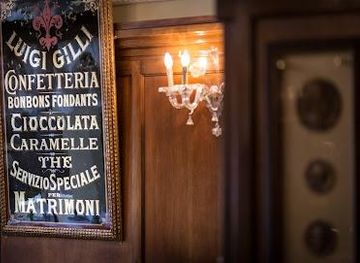
Caffè Gilli
Florence's 1733 icon: Art Nouveau splendor, divine pastries, timeless cocktails in Piazza della Repubblica's beating heart.
-
Restaurant
Osteria De' Giusti
Experience authentic Tuscan flavors at Osteria De' Giusti, where every meal tells a story of Italy's rich culinary heritage.
-
Italian
Osteria De' Medici
Discover the essence of Tuscany at Osteria De' Medici, where authentic Italian flavors meet warm hospitality in Incisa in Val D'Arno.
-
Restaurant
Casa Me' Ma'
Experience the essence of Italy at Casa Me' Ma', where exquisite cuisine meets exceptional wines in a charming setting.


Best bars in Valdarno
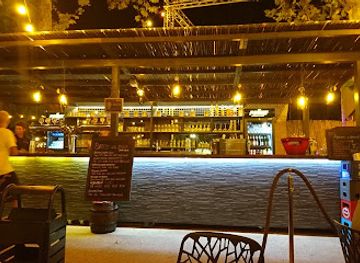
Evening life in Valdarno is rooted more in cafés, wine bars, trattorias and traditional pubs than in a large club scene. San Giovanni Valdarno and Montevarchi have the widest choice of places for an aperitivo, an after-dinner drink or a relaxed evening among local residents, while Figline e Incisa Valdarno provides another useful urban base near the western end of the valley. Historic centres become sociable around their piazzas, with cafés and gelaterias often providing the main late-evening atmosphere in smaller towns. Rural restaurants and agriturismi can offer wine tastings or dinner, although these are usually planned experiences rather than spontaneous nightlife. Occasional concerts, theatre programmes and town festivals add seasonal variety, but dates and venues change from year to year. Visitors staying in hill villages should expect quiet nights and arrange transport in advance rather than assuming that taxis or public transport will be readily available after dinner.
-
Restaurant
Casa Me' Ma'
Discover the flavors of Italy at Casa Me' Ma', a delightful restaurant with a vibrant cocktail bar and an exquisite wine selection in Figline e Incisa Valdarno.
-
Pizza
Ristorante pizzeria drinkeria Las Vegas
Experience authentic Italian cuisine at Ristorante Pizzeria Drinkeria Las Vegas, featuring delicious pizzas, refreshing cocktails, and a lively atmosphere.
-
Restaurant
Perlamora
Discover the authentic taste of Tuscany at Perlamora, where traditional Italian cuisine meets stunning hilltop views.
-
Restaurant
Braceria il Leggendario
Experience the vibrant flavors of American-style cuisine at Braceria il Leggendario in Figline Valdarno, where every meal is a memorable feast.


Best nightclubs in Valdarno
Evening life in Valdarno is rooted more in cafés, wine bars, trattorias and traditional pubs than in a large club scene. San Giovanni Valdarno and Montevarchi have the widest choice of places for an aperitivo, an after-dinner drink or a relaxed evening among local residents, while Figline e Incisa Valdarno provides another useful urban base near the western end of the valley. Historic centres become sociable around their piazzas, with cafés and gelaterias often providing the main late-evening atmosphere in smaller towns. Rural restaurants and agriturismi can offer wine tastings or dinner, although these are usually planned experiences rather than spontaneous nightlife. Occasional concerts, theatre programmes and town festivals add seasonal variety, but dates and venues change from year to year. Visitors staying in hill villages should expect quiet nights and arrange transport in advance rather than assuming that taxis or public transport will be readily available after dinner.
-
Disco club
Illusion Club
Discover the vibrant nightlife of Illusion Club, Florence's premier disco club offering exceptional music, delicious food, and unforgettable experiences.
-
Dance club
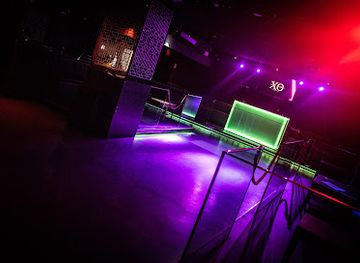
XO CLUB & LOUNGE - DISCOTECA IN CENTRO A FIRENZE
Dive into the vibrant nightlife at XO Club & Lounge, Florence's top destination for unforgettable nights filled with unique cocktails and electrifying dance beats.
-
Night club
Babylon Club
Dive into Florence's nightlife at Babylon Club, where vibrant music and a lively atmosphere create unforgettable memories.
-
Disco club
Jaguar Florence Club (Private Lounge)
Discover the electrifying nightlife at Jaguar Florence Club, a premier disco lounge in the heart of Florence, perfect for unforgettable nights out.


Best shops in Valdarno
Shopping in Valdarno centres on the market towns rather than on a single regional retail district. Montevarchi has the broadest everyday choice of shops, cafés and food retailers, while San Giovanni Valdarno and Figline e Incisa Valdarno combine practical high-street shopping with historic-centre boutiques and seasonal markets. Look for Tuscan olive oil, pecorino, cured meats, dried beans, wine from Valdarno di Sopra and other locally produced foods; packaging and labelling are worth checking when buying directly from small producers. Independent shops and galleries in the smaller towns can offer ceramics, leather goods, textiles, prints and handmade objects, though selection and opening arrangements vary. Leccio, within Reggello, is known for The Mall Firenze outlet, a major designer outlet outside the historic valley towns, so it is best treated as a separate retail stop rather than as a representation of local craft culture. Markets remain useful for inexpensive produce and an immediate sense of town life, but their days differ by municipality and should be confirmed locally.
-
Outlet mall
The Mall Firenze
Experience luxury shopping at The Mall Firenze, the premier outlet destination in Tuscany with top brands and stunning landscapes.
-
 Camping cabin
hu Norcenni Girasole village
Discover the beauty of Tuscany at Norcenni Girasole Village, a family-friendly camping destination with modern amenities and stunning landscapes.
-
Supermarket
Coop
Explore the flavors of Italy at Coop, the supermarket in Figline e Incisa Valdarno, offering fresh local produce and a taste of authentic Italian cuisine.
-
Apartment complex
Hotel Villa Casagrande
Experience luxury and wellness at Hotel Villa Casagrande, a serene getaway in the stunning Tuscan landscape of Figline e Incisa Valdarno.


Get your free copy of our complete guide to Valdarno, delivered straight to you.
Everything on this page, from attractions and restaurants to essentials and local phrases, in one PDF you can read offline, print or share.
Already have an account? Sign in
Your Valdarno guide is ready.
We'll send it to · Not you? Sign out

Getting your guide ready…
We are putting together a fresh copy of the Valdarno guide. This can take up to a minute.
This can take a few moments. If your browser asks, choose Allow so the download can start. You'll find the guide in your Downloads folder.
Nothing happened? Download it again
Sorry, the guide is taking longer than usual. Please try again in a minute, or get it by email instead.
Valdarno essentials
Currency and Payment
Safety
Emergency Situations
Do's and Don'ts
Local Tips
From Eve
Local phrases worth knowing
You don't need to get them perfect. A few words go a long way, and locals appreciate the effort.
Basics
| English | Local | Say it |
|---|---|---|
| Hello | Ciao | [chow] |
| Goodbye | Addio | [ah-dee-oh] |
| Yes | Sì | [see] |
| No | No | [noh] |
| Please/You're welcome | Per favore | [pair fah-voh-ray] |
| Thank you | Grazie | [grah-tsee-eh] |
| Excuse me/Sorry | Scusa | [scoo-zah] |
| How are you? | Come stai? | [koh-meh sty] |
| Fine. And you? | Bene. E tu? | [beh-neh. eh too] |
| Do you speak English? | Parli inglese? | [par-lee een-gleh-seh] |
| I don't understand | Non capisco | [non kah-pees-koh] |
Eating & Drinking
| English | Local | Say it |
|---|---|---|
| I'd like to see the menu, please | Vorrei vedere il menu, per favore | [vor-ray veh-deh-ray eel meh-noo, pair fah-voh-ray] |
| I don't eat meat | Non mangio carne | [non man-jo kar-neh] |
| Cheers! | Salute! | [sah-loo-tay] |
| I would like to pay, please | Vorrei pagare, per favore | [vor-ray pah-gah-ray, pair fah-voh-ray] |
Emergencies
| English | Local | Say it |
|---|---|---|
| Help! | Aiuto! | [ah-yoo-toh] |
| Go away! | Vai via! | [vai vee-ah] |
| Call the Police! | Chiama la polizia! | [kee-ah-mah lah poh-leet-see-ah] |
| Call a doctor! | Chiama un dottore! | [kee-ah-mah oon doht-tor-eh] |
| I'm lost | Mi sono perso | [mee soh-noh pear-soh] |
| I'm ill | Sono malato | [soh-noh mah-lah-toh] |
Shopping
| English | Local | Say it |
|---|---|---|
| I'd like to buy... | Vorrei comprare... | [vor-ray kom-prah-ray] |
| I'm just looking | Sto solo guardando | [sto so-loh guar-dahn-doh] |
| How much is it? | Quanto costa? | [kwan-toh koh-stah] |
| That's too expensive | È troppo costoso | [eh troh-poh koh-stoh-soh] |
| Can you lower the price? | Puoi abbassare il prezzo? | [pwo-ee ah-bah-sah-ray eel pret-soh] |
Time & Numbers
| English | Local | Say it |
|---|---|---|
| What time is it? | Che ore sono? | [keh oh-ray soh-noh] |
| It's one o'clock | È l'una | [eh loo-nah] |
| Half past (10) | Dieci e mezza | [dee-eh-chee eh met-zah] |
| Morning | Mattina | [maht-tee-nah] |
| Afternoon | Pomeriggio | [poh-meh-ree-joh] |
| Evening | Sera | [seh-rah] |
| Yesterday | Ieri | [ee-eh-ree] |
| Today | Oggi | [oh-gee] |
| Tomorrow | Domani | [doh-mah-nee] |
| 1 | Uno | [oo-noh] |
| 2 | Due | [doo-eh] |
| 3 | Tre | [treh] |
| 4 | Quattro | [kwah-troh] |
| 5 | Cinque | [cheen-kweh] |
| 6 | Sei | [say] |
| 7 | Sette | [set-teh] |
| 8 | Otto | [oht-toh] |
| 9 | Nove | [noh-veh] |
| 10 | Dieci | [dee-eh-chee] |
Transport & Directions
| English | Local | Say it |
|---|---|---|
| Where's a/the...? | Dove c'è...? | [doh-veh cheh] |
| What's the address? | Qual è l'indirizzo? | [kwahl eh leen-dee-reet-soh] |
| Can you show me (on the map)? | Puoi mostrarmi (sulla mappa)? | [pwo-ee mohs-trar-mee (sool-lah mahp-pah)] |
| When's the next (bus)? | Quando passa il prossimo (bus)? | [kwan-doh pah-sah eel proh-see-mo (boos)] |
| A ticket (to ....) | Un biglietto (per ....) | [oon bee-lyet-toh (pair ....)] |
History of Valdarno
Etruscan and Roman Valdarno
Before the rise of medieval Florence, the Arno valley formed part of a wider network of Etruscan settlements and routes linking inland Tuscany with the surrounding hills. Roman control brought roads, agricultural organisation and new patterns of settlement, although the modern towns of Valdarno largely developed much later. Archaeological traces and the alignment of routes across the valley indicate the long importance of movement along the Arno corridor. The landscape’s fertile floor and accessible passes continued to make it valuable for farming, communication and political control in subsequent centuries.
Medieval Castles and Monastic Foundations
During the Middle Ages, Valdarno was divided among bishops, feudal families, religious institutions and competing Tuscan powers. Hilltop castles and fortified settlements guarded routes through the valley, while parish churches and abbeys provided religious and administrative centres in the countryside. The Romanesque church of San Pietro a Gropina, near Loro Ciuffenna, reflects the architectural culture of this period, with sculptural details and a substantial stone structure shaped by the religious importance of the area. Many later towns grew from or around these earlier settlements.
Florentine Expansion and Planned Towns
From the late thirteenth century, Florence extended its authority through Valdarno as it sought to secure roads, agriculture and trade towards Arezzo. San Giovanni Valdarno was founded by Florence in 1299 as a planned settlement, and Terranuova followed in the fourteenth century. Their regular urban layouts differ from the irregular forms of older hilltop villages and express the strategic ambitions of the Florentine republic. Castelfranco di Sopra, now part of Castelfranco Piandiscò, belongs to the same wider pattern of planned foundations in the upper valley.
Renaissance Culture and Masaccio
Valdarno participated in the cultural world of Renaissance Florence while retaining its own artistic identity. The painter Masaccio was born in San Giovanni Valdarno in 1401 and became one of the pivotal figures in the development of Renaissance painting, particularly through his use of convincing space, light and human form. The Masaccio Museum in his birthplace town provides local context for this legacy. The wider landscape also appears in the background traditions of Florentine art, where the Arno valley’s hills and unusual geological formations helped shape visual ideas about Tuscany.
Medici Tuscany and Agricultural Development
As Florentine republican institutions gave way to Medici rule and the Tuscan grand duchy, Valdarno became part of a more consolidated territorial state. Roads, estates, churches and market relationships tied the valley more closely to Florence and Arezzo. Agriculture remained central, with grain, vines, olives and livestock occupying the valley floor and surrounding slopes. The resulting settlement pattern—market towns below, parish churches and farmsteads in the hills—still defines much of the region. Later land management and drainage altered parts of the valley, making farming more productive.
Lignite Mining and Industrial Valdarno
Lignite deposits around Cavriglia and Santa Barbara were exploited on an expanding scale from the nineteenth century, and mining became especially important during the twentieth century when Italy’s energy needs increased. Open-cast extraction transformed portions of the landscape and supported related industrial activity, while the valley’s railway and road connections helped move people and materials. As mining declined, former workings were reshaped through lakes, woodland and energy infrastructure. The area therefore preserves a visible record of Valdarno’s passage from an agricultural economy to an industrial and post-industrial one.
Modern Towns and Regional Connections
The railway linking Florence with Arezzo and Rome strengthened the economic role of the valley’s principal towns, especially Figline, San Giovanni Valdarno and Montevarchi. In the twentieth and twenty-first centuries, manufacturing, retail, services and commuting complemented agriculture, while improved roads connected Valdarno with Florence and the wider Tuscan economy. Despite these changes, the region has not become simply a suburban extension: historic centres, rural industries, olive groves and mountain communities remain important parts of its identity. Contemporary Valdarno is consequently both a working region and a varied cultural landscape.
Valdarno in Photos
Browse through our photo collection highlighting the charm and character of the destination.
Neighbouring regions of Valdarno
The closest regions to Valdarno, if you have time for more than one.
-

-

-

-
-


Swipe for more regions
Explore more

Explore more of Italy
Discover Italy: A land of ancient history, artistic marvels, and culinary delights; where every corner reveals a new story and every meal is a celebration.
Explore Italy