

Free Langhe Travel Guide & Mobile App
Explore Langhe with free travel guides. Discover regional history, expert tips, proposed trips, and audio guides on web or mobile app.


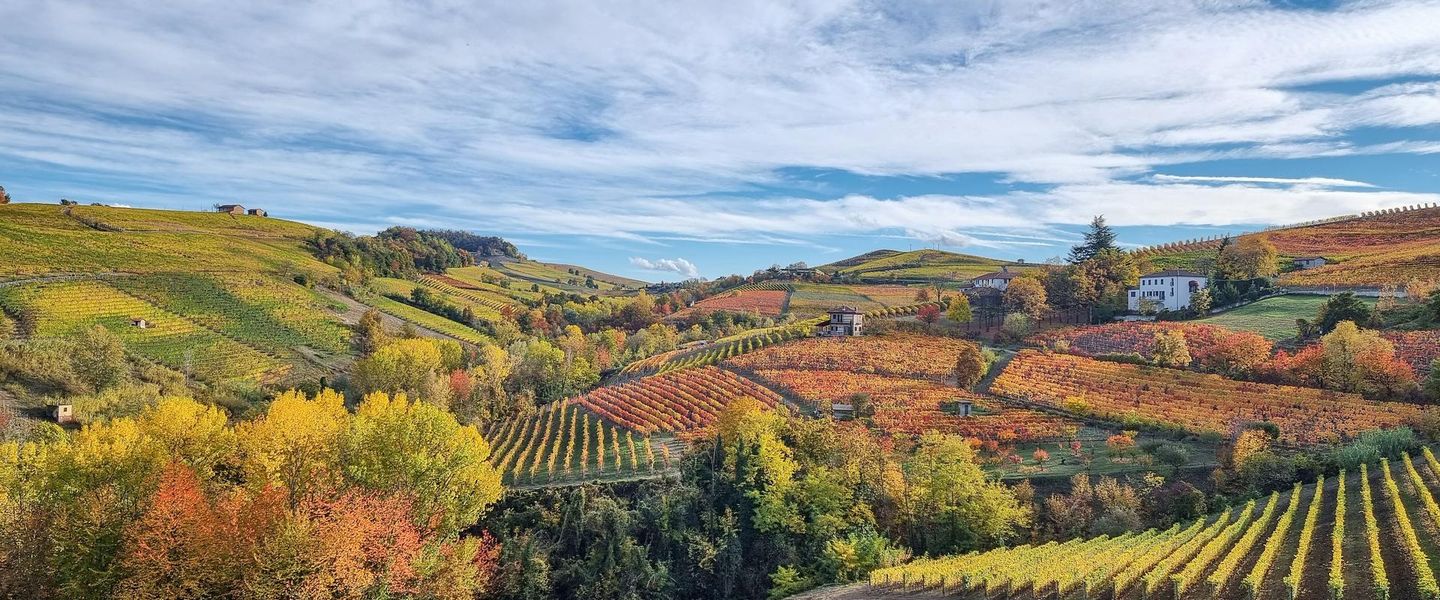


Explore Langhe’s vineyard hills, medieval villages, Barolo and Barbaresco wines, truffles, hazelnuts and Piedmontese cuisine in southern Italy.
Read more about Langhe
When is the best time to visit Langhe?
Best: June–July, September · 25–31°C| Month | High (°C) | Rainfall (mm) |
|---|---|---|
| January | 7 | 60 |
| February | 8 | 50 |
| March | 13 | 70 |
| April | 17 | 80 |
| May | 22 | 90 |
| June (best) | 27 | 70 |
| July (best) | 31 | 60 |
| August | 30 | 70 |
| September (best) | 25 | 90 |
| October | 18 | 100 |
| November | 11 | 90 |
| December | 7 | 80 |
Getting to and around Langhe
How to get there
Transportation
Best attractions in Langhe
Langhe's attractions are distributed through a working rural landscape rather than concentrated in one resort. Alba provides Roman and medieval urban history, museums, churches, food culture and access to the surrounding hills. Around Barolo, visitors can combine wine museums and cellar visits with castles, vineyard walks and panoramic roads through La Morra, Monforte d'Alba, Serralunga d'Alba and nearby villages. Barbaresco and Neive offer another perspective on the north-eastern wine hills, with historic centres and viewpoints over the Tanaro valley. The region's castles, including those at Grinzane Cavour, Serralunga d'Alba and Barolo, help explain the political history of the hill communities. In the Alta Langa, the scenery becomes more wooded and pastoral, with hazelnut groves, small villages and walking and cycling routes. Food-focused experiences range from truffle-related activities and local markets to visits with confectioners, cheesemakers and wine producers. The UNESCO-listed vineyard landscapes are an attraction in their own right, but they are best experienced as cultivated places where farming, settlement and heritage remain connected.
-
Tourist attraction
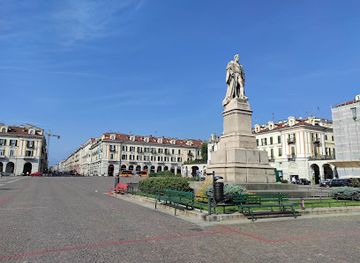
Piazza Galimberti
Discover Piazza Galimberti in Cuneo: a historic square with neoclassical architecture, vibrant markets, and cultural events.
-
Tourist attraction
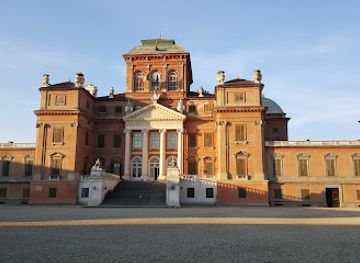
Castle of Racconigi
Explore the Castle of Racconigi: A UNESCO site showcasing the Savoy family's history, art, and stunning Royal Park in Piedmont, Italy.
-
Tourist attraction
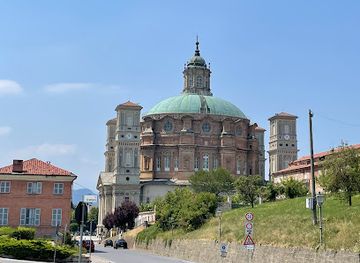
Sanctuary of the Nativity of Mary
Marvel at Europe's largest elliptical dome and stunning Baroque architecture at this sacred sanctuary in Vicoforte, Italy.
-
Tourist attraction
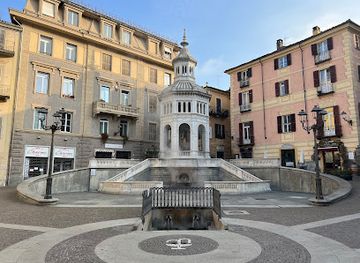
Fontana della Bollente
Experience Acqui Terme's heart at Fontana della Bollente: where ancient thermal traditions meet architectural beauty. A timeless symbol of wellness.
Best landmarks in Langhe
The castles and ridge-top settlements of Langhe give the landscape its recognisable profile. Grinzane Cavour Castle, set among vineyards, is associated with Camillo Benso, Count of Cavour, and the nineteenth-century development of Barolo wine. Serralunga d'Alba Castle is a particularly striking medieval defensive structure, its tall profile rising above the surrounding vineyards, while Barolo's Falletti Castle anchors the village and its wine heritage. In Alba, the cathedral and surviving medieval towers recall the town's long urban history, although the historic centre is also a living commercial district rather than an open-air monument. Neive's carefully preserved historic core and Barbaresco's tower and hilltop position provide architectural and geographical counterpoints to the larger castles. The landscape itself is a defining landmark: steep vineyard slopes, wooded ridges and lines of villages illustrate the long relationship between cultivation and settlement recognised by UNESCO. In the upper hills, hazelnut groves and open ridgelines replace some of the denser vineyard scenery, showing that Langhe's identity extends beyond its most famous wine villages.
-
Castle
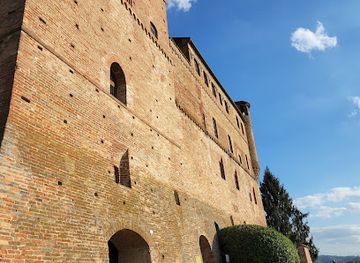
Castle of Grinzane Cavour
Explore the enchanting Castle of Grinzane Cavour, where history, stunning views, and exquisite cuisine come together in the heart of Italy's Langhe region.
-
Observation deck
Belvedere di La Morra
Experience stunning panoramic views of the Langhe region at Belvedere di La Morra, a top scenic spot in Italy for nature lovers and photographers.
-
Castle
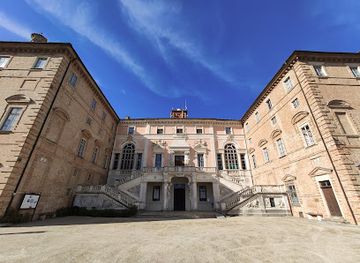
Govone Castle
Experience the grandeur of Govone Castle in Italy's picturesque Piedmont region, where history and stunning landscapes come together in perfect harmony.
-
Castle
Castello di Serralunga d'Alba
Discover the enchanting Castello di Serralunga d'Alba, a medieval gem offering breathtaking views and rich history in the heart of Piedmont.


Explore Langhe on the map
Plan your trip on one map. See where the top cities, national parks and sights are, and book hotels and experiences in a few clicks.
Best hotels in Langhe
Best restaurants in Langhe
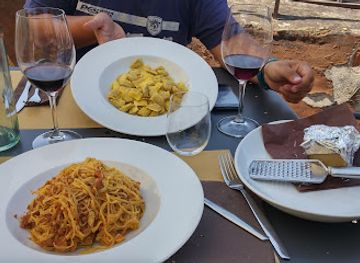
Dining in Langhe is shaped by Piedmontese cooking, seasonal produce and the region's relationship with vineyards and small farms. Alba and the principal wine villages offer everything from traditional trattorie and village osterie to contemporary restaurants, while rural inns often focus on set menus and local ingredients. Typical dishes include tajarin, fine egg pasta often served with rich sauces, agnolotti del plin, risotto, vitello tonnato and slow-cooked meats; recipes vary between households and towns. White truffle is strongly associated with Alba and is most prominent in the autumn season, although menus and availability change from year to year. Hazelnuts from the hills appear in cakes, biscuits and chocolate-based desserts, and local cheeses are particularly important in the higher Langhe. Wine lists naturally feature Barolo, Barbaresco, Barbera and Dolcetto, but regional dining is not limited to prestigious bottles. Markets, bakeries and cafés are useful for simpler tastes of Piedmontese food between longer meals.
-
Piedmontese restaurant
Trattoria Nelle Vigne
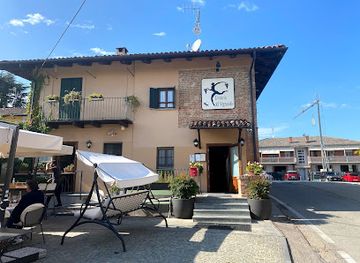
Discover authentic Piedmontese flavors at Trattoria Nelle Vigne - where tradition meets taste in Diano d'Alba.
-
Italian
Osteria More e Macine
Discover authentic Piedmontese cuisine at Osteria More e Macine in La Morra, where traditional dishes meet exquisite local wines.
-
Restaurant
Osteria del Boccondivino
Discover authentic Piedmontese cuisine at Osteria del Boccondivino in Bra - a culinary gem offering delightful flavors and warm hospitality.
-
Restaurant
L'Osteria del Vignaiolo
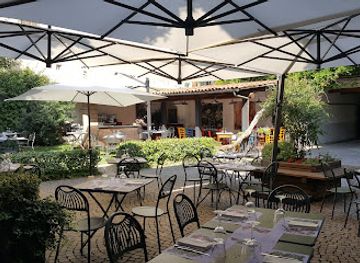
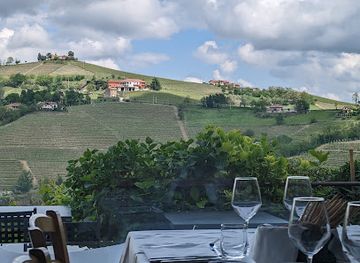
Discover authentic Italian dining at L'Osteria del Vignaiolo in La Morra—where tradition meets taste amidst stunning vineyard views.
Best bars in Langhe
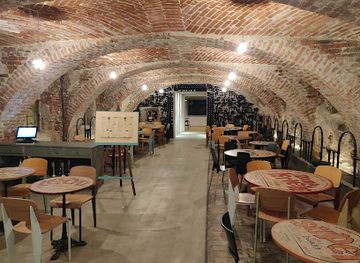
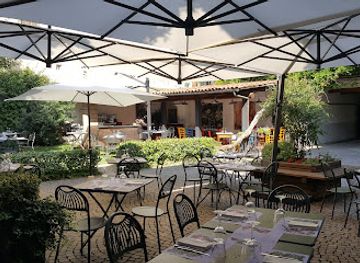
Evening life in Langhe is generally convivial and food-led rather than built around large nightclubs. Alba has the broadest choice of wine bars, cafés, restaurants and occasional live-music or cultural venues, with activity concentrated around its central streets and squares. In Barolo, Barbaresco, La Morra, Neive and other wine villages, evenings tend to centre on enoteche, hotel bars, trattorie and historic inns where local wines can be tasted by the glass. Some producers and hospitality businesses host seasonal events, but arrangements change and should be checked locally. Smaller villages become quiet relatively early, particularly outside the warmer months. The most characteristic evening is a relaxed aperitivo followed by dinner, rather than a late club night, and visitors should arrange transport in advance if their accommodation is on an isolated hillside.
-
Piedmontese restaurant
Trattoria Nelle Vigne
Experience the heart of Piedmontese cuisine at Trattoria Nelle Vigne, where tradition meets taste in a cozy setting.
-
Beer hall
Baladin Open Garden Birreria
Discover the joy of craft beer and gourmet burgers in the enchanting Baladin Open Garden Birreria, a true gem in Piozzo's picturesque landscape.
-
Restaurant
Osteria del Boccondivino
Discover the rich flavors of Piedmont at Osteria del Boccondivino, where authentic Italian cuisine meets a warm, inviting atmosphere.
-
Bar
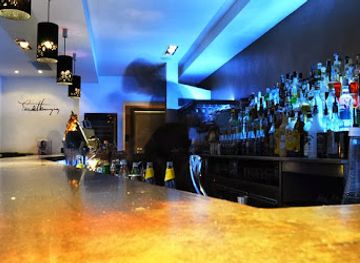
Hemingway
Discover Hemingway in Alba: a vibrant bar offering delightful cocktails, local wines, and a warm atmosphere perfect for unwinding after exploring the city.
Best nightclubs in Langhe
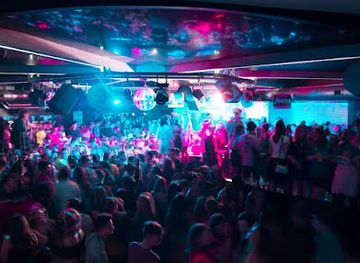
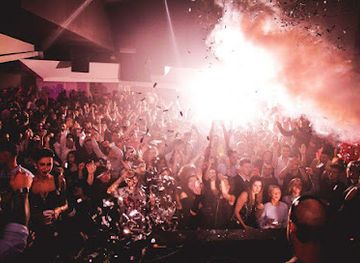
Evening life in Langhe is generally convivial and food-led rather than built around large nightclubs. Alba has the broadest choice of wine bars, cafés, restaurants and occasional live-music or cultural venues, with activity concentrated around its central streets and squares. In Barolo, Barbaresco, La Morra, Neive and other wine villages, evenings tend to centre on enoteche, hotel bars, trattorie and historic inns where local wines can be tasted by the glass. Some producers and hospitality businesses host seasonal events, but arrangements change and should be checked locally. Smaller villages become quiet relatively early, particularly outside the warmer months. The most characteristic evening is a relaxed aperitivo followed by dinner, rather than a late club night, and visitors should arrange transport in advance if their accommodation is on an isolated hillside.
-
Restaurant
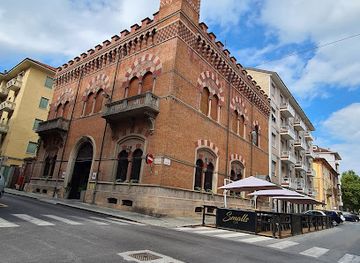
Smalls Club
Experience culinary artistry and vibrant nightlife at Smalls Club, Cuneo's premier restaurant and cocktail bar.
-
Disco club
Caveau CLUB discoteca
Discover the electrifying nightlife at Caveau CLUB, Alba's top disco club, where unforgettable dance experiences await you.
-
Night club
EVITADISCO
Discover the electrifying nightlife at EVITADISCO, Cavallermaggiore's premier night club for an unforgettable dance experience.
-
Bar
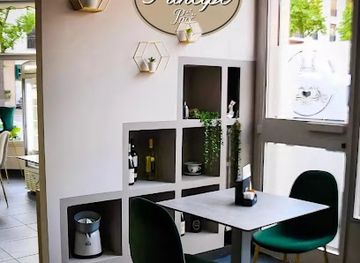
Bar Principe
Discover Bar Principe in Alba: a charming bar offering authentic Italian beverages and a cozy atmosphere, perfect for unwinding after exploring the city.
Best shops in Langhe
Shopping in Langhe is closely linked to food, wine and the region's small-town high streets. Alba has the broadest selection of specialist food shops, bakeries, wine merchants, delicatessens and independent retailers, alongside regular market activity and seasonal displays of local products. The wine villages provide opportunities to buy directly from producers, although visitors should check transport and shipping arrangements before purchasing bottles. Hazelnut biscuits, cakes, preserves, honey, cheeses and chocolate make practical regional gifts, while white-truffle products are widely available even when fresh truffles are out of season. Smaller towns such as Neive, Barolo and Dogliani have independent shops, galleries and craft-oriented businesses rather than extensive retail centres. Market days vary, and local food markets are often more useful for understanding everyday life than for souvenir shopping. Look for labelled regional products and buy from established producers; the most valuable purchases are usually edible, seasonal or directly connected with the area's agricultural economy.
-
Outlet mall
Mondovicino Outlet Village
Explore Mondovicino Outlet Village: a premier shopping destination in Italy with top brands, great dining, and a vibrant atmosphere.
-
Wine bar
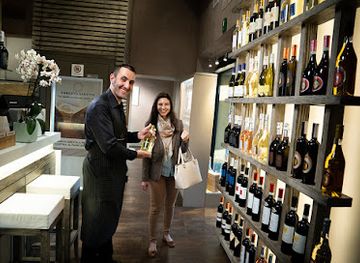
Roberto Sarotto Wine Bar & Shop
Explore the exquisite offerings of Roberto Sarotto Wine Bar & Shop in Alba, where exceptional wines meet a warm, inviting atmosphere.
-
Wine bar
Enoteca La Vite Turchese - Wine tasting - Wine shop
Discover the enchanting world of Piedmont wines at Enoteca La Vite Turchese, your gateway to exquisite tastings and local treasures.
-
Organic farm
Cuor di nocciola delle Langhe
Discover the flavors of the Langhe at Cuor di Nocciola, an organic farm and gourmet grocery store specializing in artisanal hazelnut products.

Get your free copy of our complete guide to Langhe, delivered straight to you.
Everything on this page, from attractions and restaurants to essentials and local phrases, in one PDF you can read offline, print or share.
Already have an account? Sign in
Your Langhe guide is ready.
We'll send it to · Not you? Sign out

Getting your guide ready…
We are putting together a fresh copy of the Langhe guide. This can take up to a minute.
This can take a few moments. If your browser asks, choose Allow so the download can start. You'll find the guide in your Downloads folder.
Nothing happened? Download it again
Sorry, the guide is taking longer than usual. Please try again in a minute, or get it by email instead.
Langhe essentials
Currency and Payment
Safety
Emergency Situations
Do's and Don'ts
Local Tips
From Eve
Local phrases worth knowing
You don't need to get them perfect. A few words go a long way, and locals appreciate the effort.
Basics
| English | Local | Say it |
|---|---|---|
| Hello | Ciao | [chow] |
| Goodbye | Addio | [ah-dee-oh] |
| Yes | Sì | [see] |
| No | No | [noh] |
| Please/You're welcome | Per favore | [per fah-voh-reh] |
| Thank you | Grazie | [grah-tsee-eh] |
| Excuse me/Sorry | Scusa | [skoo-zah] |
| How are you? | Come stai? | [koh-meh stah-ee] |
| Fine. And you? | Bene. E tu? | [beh-neh eh too] |
| Do you speak English? | Parli inglese? | [par-lee een-gleh-zeh] |
| I don't understand | Non capisco | [non kah-pees-koh] |
Eating & Drinking
| English | Local | Say it |
|---|---|---|
| I'd like to see the menu, please | Vorrei vedere il menu, per favore | [vor-ray veh-deh-reh eel meh-noo, per fah-voh-reh] |
| I don't eat meat | Non mangio carne | [non man-joh kar-neh] |
| Cheers! | Salute! | [sah-loo-teh] |
| I would like to pay, please | Vorrei pagare, per favore | [vor-ray pah-gah-reh, per fah-voh-reh] |
Emergencies
| English | Local | Say it |
|---|---|---|
| Help! | Aiuto! | [ah-yoo-toh] |
| Go away! | Vattene via! | [vat-teh-neh vee-ah] |
| Call the Police! | Chiama la polizia! | [kee-ah-mah lah poh-leet-zee-ah] |
| Call a doctor! | Chiama un dottore! | [kee-ah-mah oon dot-toh-reh] |
| I'm lost | Mi sono perso | [mee soh-noh pehr-soh] |
| I'm ill | Sono malato | [soh-noh mah-lah-toh] |
Shopping
| English | Local | Say it |
|---|---|---|
| I'd like to buy... | Vorrei comprare... | [vor-ray kom-prah-reh] |
| I'm just looking | Sto solo guardando | [sto soh-loh guar-dahn-doh] |
| How much is it? | Quanto costa? | [kwan-toh koh-stah] |
| That's too expensive | È troppo costoso | [eh troh-poh koh-stoh-soh] |
| Can you lower the price? | Puoi abbassare il prezzo? | [pwoy ah-bah-sah-reh eel pret-soh] |
Time & Numbers
| English | Local | Say it |
|---|---|---|
| What time is it? | Che ore sono? | [keh oh-reh soh-noh] |
| It's one o'clock | È l'una | [eh loo-nah] |
| Half past (10) | Dieci e mezzo | [dee-eh-chee eh meh-tsoh] |
| Morning | Mattina | [maht-tee-nah] |
| Afternoon | Pomeriggio | [poh-meh-reed-joh] |
| Evening | Sera | [seh-rah] |
| Yesterday | Ieri | [ee-eh-ree] |
| Today | Oggi | [oh-jjee] |
| Tomorrow | Domani | [doh-mah-nee] |
| 1 | Uno | [oo-noh] |
| 2 | Due | [doo-eh] |
| 3 | Tre | [treh] |
| 4 | Quattro | [kwah-troh] |
| 5 | Cinque | [cheen-kweh] |
| 6 | Sei | [say] |
| 7 | Sette | [seht-teh] |
| 8 | Otto | [oht-toh] |
| 9 | Nove | [noh-veh] |
| 10 | Dieci | [dee-eh-chee] |
Transport & Directions
| English | Local | Say it |
|---|---|---|
| Where's a/the...? | Dove si trova...? | [doh-veh see troh-vah] |
| What's the address? | Qual è l'indirizzo? | [kwahl eh leen-dee-reet-soh] |
| Can you show me (on the map)? | Puoi mostrarmi (sulla mappa)? | [pwoy mos-trar-mee soo-lah mahp-pah] |
| When's the next (bus)? | Quando passa il prossimo (autobus)? | [kwahn-doh pah-sah eel proh-ssee-moh] |
| A ticket (to ....) | Un biglietto (per ....) | [oon bee-lyet-toh per] |
History of Langhe
Pre-Roman Communities and Alba Pompeia
Before Roman rule, the hills of Langhe were inhabited by Ligurian communities and connected to wider networks across north-western Italy. Rome established Alba Pompeia in the Tanaro plain, on the site of present-day Alba, during the late Republican period. The settlement benefited from roads, agriculture and trade, linking the surrounding hills with the imperial world. Roman traces are woven into Alba's urban fabric rather than concentrated in one monumental complex, but the ancient foundation helps explain the town's continuing importance as Langhe's principal centre.
Medieval Lordships and Hilltop Settlements
After the Roman period, Langhe became a landscape of small lordships, ecclesiastical estates and fortified settlements. The difficult terrain encouraged communities to occupy ridges and hilltops, while castles controlled routes through the valleys. Alba, Barolo, Serralunga d'Alba, Monforte d'Alba and other towns acquired medieval cores whose towers, churches and defensive forms remain visible today. Power was divided among local dynasties and larger regional authorities, including the marquises of Saluzzo and the Savoyard sphere, creating the layered political history reflected in the area's architecture.
Savoyard Consolidation and the House of Falletti
From the early modern period, the House of Savoy progressively consolidated its influence over much of Piedmont, including Langhe. The Falletti family became especially important in the Barolo area, where their castle and estates helped shape the modern identity of the village. Political integration brought more durable connections between the hill communities and the wider Piedmontese state, while agriculture, local commerce and religious institutions remained the foundations of everyday life.
The Risorgimento and Cavour's Barolo
Langhe was connected to the political and cultural changes that led to Italian unification in the nineteenth century. Camillo Benso, Count of Cavour, was involved in developing wine production at Grinzane Cavour, where he held the position of mayor and managed an estate. The political history of the Risorgimento and the technical improvement of Piedmontese wine became linked in local memory. Barolo's evolution from a regional wine into a product of national and international significance accelerated during this period, supported by improved methods and changing markets.
Wine Modernisation and Agricultural Knowledge
During the nineteenth and twentieth centuries, Langhe's wine economy developed through the gradual standardisation of production, the work of local growers and oenological experimentation. Nebbiolo, Barbera and Dolcetto became the basis of distinct appellations, while village cooperatives and family cellars helped sustain production through difficult economic periods. The hills were never solely devoted to vines: hazelnuts, cereals, livestock and woodland continued to matter, particularly in the higher Langhe. This mixed agricultural history remains visible in the mosaic of vineyards, orchards and pasture.
War, Resistance and the Literature of the Hills
Langhe experienced the upheavals of the First and Second World Wars, the fall of Fascism and the Resistance. The hills became a setting for partisan activity, conflict and displacement, experiences later explored by writers including Beppe Fenoglio, who was born in Alba and drew deeply on the landscapes and communities of the area. His work helped give Langhe a place in modern Italian literature, presenting the countryside not as an idealised backdrop but as a demanding social and moral landscape.
From Rural Economy to UNESCO Vineyard Landscape
In the late twentieth and early twenty-first centuries, Langhe became increasingly known abroad for wine, food and landscape tourism. The designation of the Vineyard Landscape of Piedmont: Langhe-Roero and Monferrato as a UNESCO World Heritage property in 2014 recognised the historic relationship between vineyards, settlements, castles and agricultural practice. Tourism has brought new investment and international attention, while the region continues to confront familiar rural challenges, including seasonal work, road pressure and the need to protect the character of working landscapes.
Langhe in Photos
Browse through our photo collection highlighting the charm and character of the destination.
Neighbouring regions of Langhe
The closest regions to Langhe, if you have time for more than one.
-

-

-

-

-


Swipe for more regions
Explore more

Explore more of Italy
Discover Italy: A land of ancient history, artistic marvels, and culinary delights; where every corner reveals a new story and every meal is a celebration.
Explore Italy