

Free Roero Travel Guide & Mobile App
Explore Roero with free travel guides. Discover regional history, expert tips, proposed trips, and audio guides on web or mobile app.


Explore Roero in Piedmont for Arneis wines, vineyard hills, forested Rocche, Savoy castles and traditional Piemontese food.
Read more about Roero
When is the best time to visit Roero?
Best: June–August · 25–28°C| Month | High (°C) | Rainfall (mm) |
|---|---|---|
| January | 6 | 51 |
| February | 7 | 45 |
| March | 12 | 56 |
| April | 16 | 66 |
| May | 20 | 71 |
| June (best) | 25 | 66 |
| July (best) | 28 | 56 |
| August (best) | 27 | 61 |
| September | 23 | 66 |
| October | 18 | 81 |
| November | 12 | 87 |
| December | 6 | 76 |
Getting to and around Roero
How to get there
Transportation
Best attractions in Roero
Roero's attractions are spread across vineyards, wooded ravines and compact hilltop settlements rather than concentrated in a single urban centre. The Rocche del Roero provide the region's defining outdoor experience, with marked paths and interpretive routes crossing sandstone cliffs, oak woodland and secluded valleys. The Roero Rocche Regional Ecomuseum offers context for the geology and rural culture of this landscape. Historic residences form another major part of the visitor experience: Govone Castle is the most prominent, while Guarene Castle and the castles of Monticello d'Alba and Monteu Roero reveal different aspects of aristocratic and defensive architecture. Canale, Vezza d'Alba and the surrounding villages provide opportunities for wine tasting, local museums and seasonal events. Vineyard roads are especially suited to cycling and scenic driving, while orchards and hazelnut groves show that the countryside is a working agricultural environment. The region's appeal lies in linking these elements together rather than treating any one attraction as an isolated stop.
-
Tourist attraction
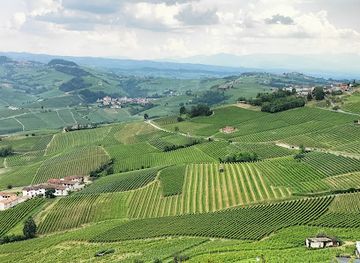
Belvedere di La Morra
Explore the stunning Belvedere di La Morra, a scenic spot offering breathtaking views of the Langhe vineyards and a taste of Italy's rich wine culture.
-
Art gallery
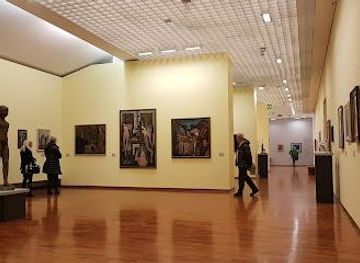
GAM - Galleria Civica d'Arte Moderna e Contemporanea
Explore GAM - Galleria Civica d'Arte Moderna e Contemporanea, a cultural treasure in Turin showcasing modern and contemporary art.
-
Wellness hotel
Ròseo Euroterme Wellness Resort
Discover tranquility at Ròseo Euroterme Wellness Resort with luxurious thermal baths and rejuvenating spa treatments in the heart of Bagno di Romagna.
-
Museum
Lavazza Museum
Explore the Lavazza Museum in Turin, an interactive journey through coffee’s rich history and Lavazza's legacy of quality and innovation.


Best landmarks in Roero
Govone Castle is Roero's most important architectural landmark, a grand Savoy residence set above the village and associated with the historic Vineyard Landscape of Piedmont UNESCO property. Its formal architecture and elevated position illustrate the transformation of a medieval stronghold into an aristocratic residence. Guarene Castle, dramatically placed above the Tanaro valley, is another major landmark, known for its relationship to the village and surrounding vineyards. The castles of Monticello d'Alba and Monteu Roero preserve further evidence of the noble families who controlled the hill country, although each has its own history and architectural character. In the landscape itself, the Rocche del Roero are the region's most recognisable natural formation: narrow sandstone ridges, cliffs and ravines that distinguish Roero from the gentler vineyard slopes across the Tanaro. Village churches, towers and ridge-top streets complete the visual identity of the area, where built landmarks are almost always read together with vineyards, woodland and broad views towards the surrounding Piedmontese hills.
-
Castle
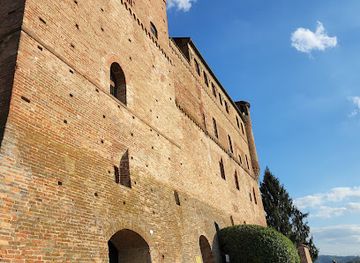
Castle of Grinzane Cavour
Discover the enchanting Castle of Grinzane Cavour, a historical gem nestled in the picturesque Langhe region, where history, culture, and culinary delights await.
-
Castle
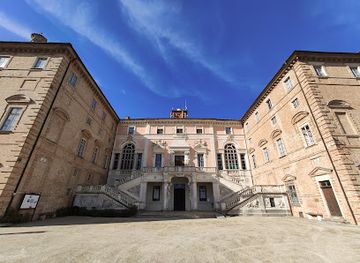
Govone Castle
Discover the enchanting Govone Castle, a historical masterpiece surrounded by the breathtaking landscapes of the Langhe and Roero regions.
-
Tourist attraction
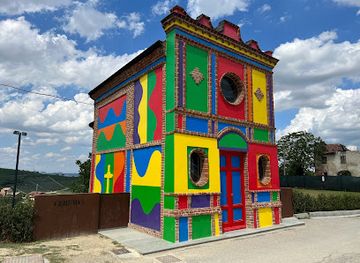
Cappella delle Brunate
Discover the breathtaking Cappella delle Brunate in La Morra, a serene chapel surrounded by picturesque vineyards and stunning landscapes.
-
Tourist attraction
Torre di Barbaresco e Bistrò
Experience the breathtaking views and culinary delights at Torre di Barbaresco e Bistrò, where history and gastronomy meet in the heart of Piedmont.

Explore Roero on the map
Plan your trip on one map. See where the top cities, national parks and sights are, and book hotels and experiences in a few clicks.
Best hotels in Roero
Best restaurants in Roero
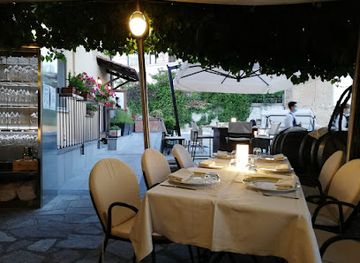
Roero's dining is rooted in the broader Piedmontese tradition but shaped by its own vineyards, orchards and rural kitchens. Menus commonly feature tajarin, agnolotti, seasonal antipasti and slow-cooked meat, with local cheeses, mushrooms and hazelnuts appearing according to the season. Roero Arneis is the characteristic white wine, while Roero and other Nebbiolo-based reds accompany richer dishes. The area offers trattorie, village restaurants, wine-focused dining rooms, cafés and rural inns, with Canale and the larger hill towns providing the broadest choice. Alba's celebrated food culture is close by but geographically outside Roero; within the region, the emphasis is often on direct relationships with growers and producers. Autumn brings particular interest for visitors seeking mushrooms, orchard fruit and the wider area's truffle-related cuisine, although availability and menus vary. Reservations are sensible for smaller establishments, especially at weekends and during harvest or festival periods.
-
Piedmontese restaurant
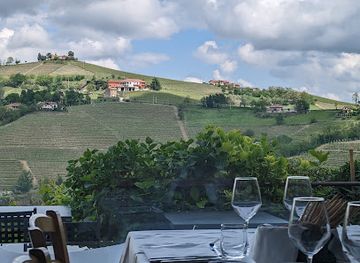
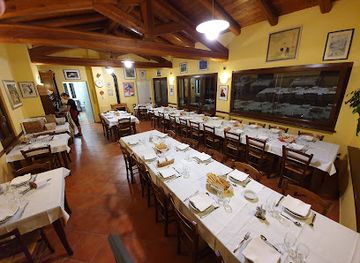
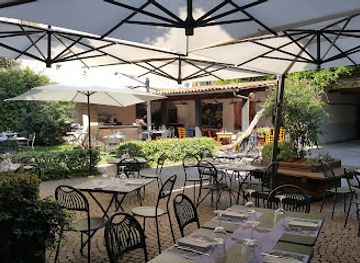
Trattoria Nelle Vigne
Experience authentic Piedmontese flavors at Trattoria Nelle Vigne in Diano d'Alba, where tradition meets creativity in every dish.
-
Italian
Osteria da Gemma
Experience authentic Piedmontese cuisine at Osteria da Gemma in Roddino – where tradition meets taste in a cozy setting.
-
Restaurant
Osteria del Boccondivino
Discover authentic Piedmontese flavors at Osteria del Boccondivino in Bra – a culinary gem for food lovers.
-
Restaurant
L'Osteria del Vignaiolo
Experience authentic Italian cuisine at L'Osteria del Vignaiolo in La Morra—where tradition meets taste amidst stunning landscapes.
Best bars in Roero
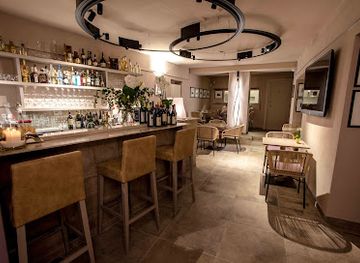
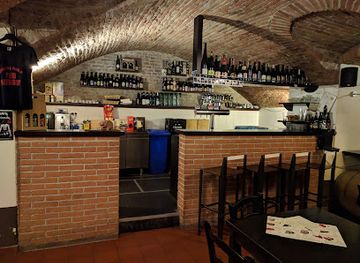
Roero does not have a large nightclub scene; evenings are generally centred on restaurants, enoteche, traditional cafés and village bars. Canale offers the broadest choice of places for an aperitivo or a late meal, while smaller communities tend to become quiet after dinner except during local festivals and summer events. Wine producers sometimes provide tastings or informal cellar experiences by arrangement, but these should not be confused with late-night venues. Historic inns and contemporary wine bars offer opportunities to try Roero Arneis and local red wines responsibly, often alongside regional snacks. Live music and community celebrations may animate village squares at particular times of year, although programmes change seasonally. Visitors staying in the countryside should not expect frequent taxis or extensive public transport after dark, so arranging a return journey is prudent.
-
 Bar
BarVincafe'
Discover the culinary delights of Vincafe', a charming bar and restaurant in Alba, offering exceptional coffee, local cuisine, and a cozy atmosphere.
-
Bar
Hemingway
Experience the vibrant atmosphere of Hemingway Bar in Alba, where delightful drinks and a warm ambiance await visitors seeking relaxation.
-
Bar
UVE - Rooms & Wine Bar
Discover the elegance of UVE - Rooms & Wine Bar in La Morra, where exquisite wines, culinary delights, and cozy accommodations await you.
-
Gastropub
Birrificio Citabiunda
Experience the rich flavors of Italy at Birrificio Citabiunda, the premier gastropub in Neive for craft beer and delicious pizza.

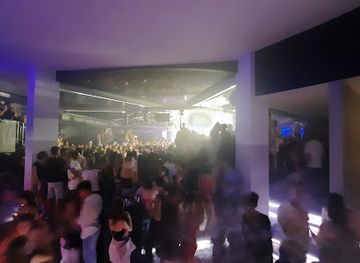
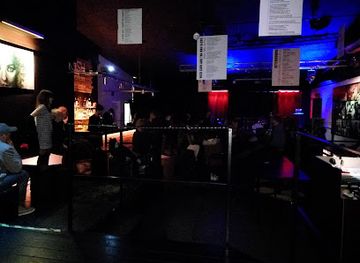
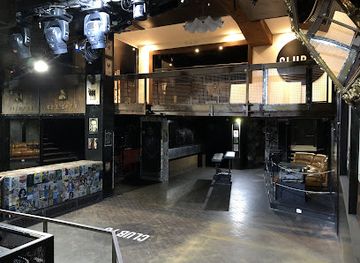
Best nightclubs in Roero
Roero does not have a large nightclub scene; evenings are generally centred on restaurants, enoteche, traditional cafés and village bars. Canale offers the broadest choice of places for an aperitivo or a late meal, while smaller communities tend to become quiet after dinner except during local festivals and summer events. Wine producers sometimes provide tastings or informal cellar experiences by arrangement, but these should not be confused with late-night venues. Historic inns and contemporary wine bars offer opportunities to try Roero Arneis and local red wines responsibly, often alongside regional snacks. Live music and community celebrations may animate village squares at particular times of year, although programmes change seasonally. Visitors staying in the countryside should not expect frequent taxis or extensive public transport after dark, so arranging a return journey is prudent.
-
Disco club
Goa Club
Experience the vibrant nightlife at Goa Club, Rome's premier disco club known for electrifying music and a lively atmosphere.
-
Disco club
Caveau CLUB discoteca
Discover the vibrant nightlife of Alba at Caveau CLUB, where music, dance, and unforgettable memories come alive in a lively atmosphere.
-
Night club
Wishlist Club
Discover the electrifying nightlife at Wishlist Club, one of Rome's premier nightclubs, where music and dance come alive!
-
Disco club
XL Basement Club
Discover the electrifying nightlife at XL Basement Club in Alba, where vibrant music and a lively atmosphere create unforgettable party experiences.
Best shops in Roero
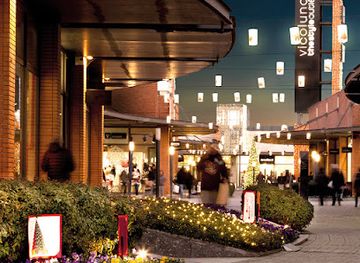
Shopping in Roero is mainly local and food-led rather than centred on large retail complexes. Canale has the region's broadest selection of everyday shops, cafés and specialist food businesses, while smaller villages offer independent outlets, wine sellers and occasional market stalls. Bottles of Roero Arneis and Roero DOCG are the most obvious purchases, alongside Piedmontese hazelnuts, preserves, honey, cheeses, biscuits and seasonal orchard products. Some wineries and producers sell directly from their premises, although opening arrangements can be limited and advance contact is useful. Local fairs and village markets provide opportunities to find textiles, household goods, crafts and regional foods, but their dates vary. Visitors should distinguish genuinely local products from generic Piedmont souvenirs and transport wine or other food purchases securely, particularly when touring by car or continuing to another destination.
-
Outlet mall
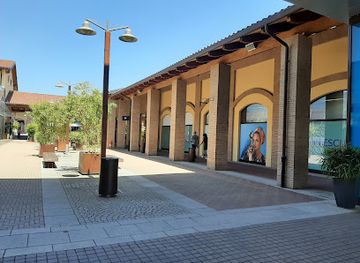
Designer Outlet Serravalle
Explore Designer Outlet Serravalle for luxury brands, delightful dining, and a unique shopping experience in the heart of Italy.
-
Outlet mall
Vicolungo The Style Outlets
Discover the ultimate shopping experience at Vicolungo The Style Outlets, where fashion meets family fun in a picturesque Italian setting.
-
Outlet mall
Mondovicino Outlet Village
Experience the best of Italian shopping at Mondovicino Outlet Village, where designer brands meet delightful dining in a picturesque setting.
-
Hypermarket
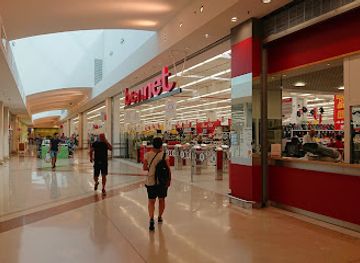
Bennet di Santa Vittoria D'Alba
Explore the vibrant flavors of Italy at Bennet di Santa Vittoria D'Alba, your go-to hypermarket for fresh produce, local delicacies, and organic foods.

Get your free copy of our complete guide to Roero, delivered straight to you.
Everything on this page, from attractions and restaurants to essentials and local phrases, in one PDF you can read offline, print or share.
Already have an account? Sign in
Your Roero guide is ready.
We'll send it to · Not you? Sign out

Getting your guide ready…
We are putting together a fresh copy of the Roero guide. This can take up to a minute.
This can take a few moments. If your browser asks, choose Allow so the download can start. You'll find the guide in your Downloads folder.
Nothing happened? Download it again
Sorry, the guide is taking longer than usual. Please try again in a minute, or get it by email instead.
Roero essentials
Currency and Payment
Safety
Emergency Situations
Do's and Don'ts
Local Tips
From Eve
Local phrases worth knowing
You don't need to get them perfect. A few words go a long way, and locals appreciate the effort.
Basics
| English | Local | Say it |
|---|---|---|
| Hello | Ciao | [chow] |
| Goodbye | Addio | [ahd-dee-oh] |
| Yes | Sì | [see] |
| No | No | [noh] |
| Please/You're welcome | Per favore | [pear fah-voh-reh] |
| Thank you | Grazie | [grah-tsee-eh] |
| Excuse me/Sorry | Mi scusi | [mee skoo-zee] |
| How are you? | Come stai? | [koh-meh stah-ee] |
| Fine. And you? | Bene. E tu? | [beh-neh. eh too] |
| Do you speak English? | Parli inglese? | [par-lee een-gleh-seh] |
| I don't understand | Non capisco | [nohn kah-pees-koh] |
Eating & Drinking
| English | Local | Say it |
|---|---|---|
| I'd like to see the menu, please | Vorrei vedere il menu, per favore | [vor-ray veh-deh-reh eel meh-noo, pear fah-voh-reh] |
| I don't eat meat | Non mangio carne | [nohn mahn-joh kar-neh] |
| Cheers! | Salute! | [sah-loo-teh] |
| I would like to pay, please | Vorrei pagare, per favore | [vor-ray pah-gah-reh, pear fah-voh-reh] |
Emergencies
| English | Local | Say it |
|---|---|---|
| Help! | Aiuto! | [ah-yoo-toh] |
| Go away! | Vai via! | [vai vee-ah] |
| Call the Police! | Chiama la polizia! | [kee-ah-mah lah poh-leet-zee-ah] |
| Call a doctor! | Chiama un dottore! | [kee-ah-mah oon doht-toh-reh] |
| I'm lost | Mi sono perso | [mee soh-noh pehr-soh] |
| I'm ill | Sono malato | [soh-noh mah-lah-toh] |
Shopping
| English | Local | Say it |
|---|---|---|
| I'd like to buy... | Vorrei comprare... | [vor-ray kom-prah-reh] |
| I'm just looking | Sto solo guardando | [stoh soh-loh gwahr-dahn-doh] |
| How much is it? | Quanto costa? | [kwahn-toh koh-stah] |
| That's too expensive | È troppo costoso | [eh troh-poh koh-stoh-soh] |
| Can you lower the price? | Puoi abbassare il prezzo? | [pwoy ahb-bah-sah-reh eel pret-soh] |
Time & Numbers
| English | Local | Say it |
|---|---|---|
| What time is it? | Che ore sono? | [keh oh-reh soh-noh] |
| It's one o'clock | È l'una | [eh loo-nah] |
| Half past (10) | Dieci e mezzo | [dee-eh-chee eh meh-tsoh] |
| Morning | Mattina | [maht-tee-nah] |
| Afternoon | Pomeriggio | [poh-meh-reed-joh] |
| Evening | Sera | [seh-rah] |
| Yesterday | Ieri | [yeh-ree] |
| Today | Oggi | [oh-gee] |
| Tomorrow | Domani | [doh-mah-nee] |
| 1 | Uno | [oo-noh] |
| 2 | Due | [doo-eh] |
| 3 | Tre | [treh] |
| 4 | Quattro | [kwah-troh] |
| 5 | Cinque | [cheen-kweh] |
| 6 | Sei | [say] |
| 7 | Sette | [seht-teh] |
| 8 | Otto | [oht-toh] |
| 9 | Nove | [noh-veh] |
| 10 | Dieci | [dee-eh-chee] |
Transport & Directions
| English | Local | Say it |
|---|---|---|
| Where's a/the...? | Dove si trova un/il...? | [doh-veh see troh-vah oon/eel] |
| What's the address? | Qual è l'indirizzo? | [kwahl eh leen-dee-reet-soh] |
| Can you show me (on the map)? | Puoi mostrarmi (sulla mappa)? | [pwoy mohs-trar-mee (soo-lah mahp-pah)] |
| When's the next (bus)? | Quando passa il prossimo (autobus)? | [kwahn-doh pah-sah eel prohs-see-moh (ow-toh-boos)] |
| A ticket (to ....) | Un biglietto (per ....) | [oon bee-lyet-toh (pair ....)] |
History of Roero
Ancient Settlement and Roman Landscapes
The hills of Roero were inhabited before Roman rule, as indicated by archaeological evidence from the wider Tanaro and Alba area. Roman influence reorganised settlement, agriculture and communications across southern Piedmont, linking the hill country with Alba Pompeia and the plains. Although the region is not defined by a single monumental Roman site, its later network of roads, cultivated slopes and defended settlements developed within this long-established landscape. The fertile valleys and elevated ridges continued to support farming and strategic movement through the centuries.
Medieval Lords and Hilltop Fortifications
During the Middle Ages, the Roero hills were divided among ecclesiastical institutions and noble families, including the powerful Roero lineage whose name became attached to the territory. Castles and fortified settlements occupied prominent ridges overlooking roads and valleys, providing both protection and control over agricultural land. Villages such as Monteu Roero, Guarene and Govone retain elements of this medieval pattern, even where later rebuilding altered the original fortifications. The combination of castles, churches and compact hilltop communities remains one of the region's defining historical features.
The Roero Family and Regional Power
From the later Middle Ages into the early modern period, the Roero family played an important role in the political life of Piedmont. Their interests extended across several castles and estates, and their alliances connected the local nobility with the courts of larger powers in the region. The fortified residences were gradually adapted for more comfortable aristocratic living as military technologies and political conditions changed. This transition can be read in the mixture of towers, defensive walls, landscaped grounds and formal interiors found in Roero's historic residences.
Savoyard Integration and Court Culture
Roero became increasingly connected to the House of Savoy as that dynasty consolidated its authority in Piedmont. Govone Castle was transformed into a prestigious residence and was used by members of the Savoy court, receiving important eighteenth- and nineteenth-century alterations. Guarene and other noble properties likewise reflected the influence of court architecture and estate culture. The region's political importance was not based on a large city, but on its position within the network of estates, roads and communities surrounding Turin and the Tanaro valley.
Agriculture, Vineyards and Rural Society
For centuries, Roero's economy rested on mixed farming rather than vineyards alone. Families cultivated vines alongside cereals, fruit, woodland and livestock, adapting production to the steep hills and sandy soils. Wine was made locally for household and regional consumption before modern appellation systems brought greater commercial recognition. The cultivation of Arneis and Nebbiolo became particularly important, while orchards and hazelnut groves continued to diversify the rural economy. Terraced slopes, farmsteads and small cellars preserve the physical evidence of this agricultural history.
Industrial Change and New Connections
The nineteenth and twentieth centuries brought changes in transport, markets and employment across the Roero. Improved roads and rail connections linked villages with Alba, Turin and the wider Piedmontese economy, while local people increasingly combined farming with work in nearby industrial centres. Traditional agriculture contracted in some places, yet winegrowing and food production remained central. The growth of tourism based on landscape, heritage and gastronomy has added a new economic role without erasing the region's village-based social structure.
The Vineyard Landscapes and UNESCO Recognition
In 2014, the Vineyard Landscape of Piedmont: Langhe-Roero and Monferrato was inscribed on the UNESCO World Heritage List. The designation recognises a cultural landscape shaped by centuries of vine cultivation, settlement and winemaking rather than a single isolated monument. Roero forms one of the named areas within this wider Piedmontese heritage, alongside Langhe and Monferrato. Its value lies in the relationship between vineyards, castles, villages, woodland and working agriculture, all of which continue to define the appearance and economy of the hills.
Roero in Photos
Browse through our photo collection highlighting the charm and character of the destination.
Neighbouring regions of Roero
The closest regions to Roero, if you have time for more than one.
-

-

-

-

-


Swipe for more regions
Explore more

Explore more of Italy
Discover Italy: A land of ancient history, artistic marvels, and culinary delights; where every corner reveals a new story and every meal is a celebration.
Explore Italy