

Free Val di Susa Travel Guide & Mobile App
Explore Val di Susa with free travel guides. Discover regional history, expert tips, proposed trips, and audio guides on web or mobile app.


Explore Val di Susa in Piedmont for Roman heritage, alpine villages, historic abbeys, high passes, skiing and mountain cuisine near Turin.
Read more about Val di Susa
When is the best time to visit Val di Susa?
Best: June–August · 24–26°C| Month | High (°C) | Rainfall (mm) |
|---|---|---|
| January | 5 | 46 |
| February | 7 | 40 |
| March | 11 | 53 |
| April | 15 | 63 |
| May | 19 | 74 |
| June (best) | 24 | 81 |
| July (best) | 26 | 69 |
| August (best) | 26 | 81 |
| September | 22 | 75 |
| October | 17 | 63 |
| November | 10 | 58 |
| December | 6 | 52 |
Getting to and around Val di Susa
How to get there
Transportation
Destinations in Val di Susa
Resorts, valleys and scenic spots worth a trip of their own.

Swipe for more destinations
Best attractions in Val di Susa
Val di Susa's attractions combine Roman archaeology, religious heritage, military architecture and extensive mountain recreation. Susa is the principal historical centre, with the Arch of Augustus, Roman amphitheatre and medieval buildings providing a compact introduction to the valley's past. Above the lower valley, the Sacra di San Michele is the region's most dramatic monument, while Novalesa Abbey offers a quieter encounter with early medieval monastic history. The Fort of Exilles, positioned above the valley route, explains why this corridor was repeatedly fortified. In the upper valley, Bardonecchia, Oulx, Cesana Torinese and surrounding communities provide access to skiing, snowboarding, hiking, mountain biking and climbing. High routes towards Mont Cenis bring open alpine scenery and historic military traces, while lower slopes contain wooded walks, villages and chapels. Attractions are spread along a linear valley, so an itinerary based on railway access will differ from one designed around remote trailheads and mountain passes.
-
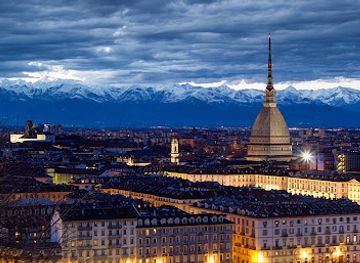
Mole Antonelliana
Explore the majestic Mole Antonelliana, Turin's iconic landmark and home to the National Museum of Cinema, offering breathtaking views and rich cultural experiences.
-
Open air museum
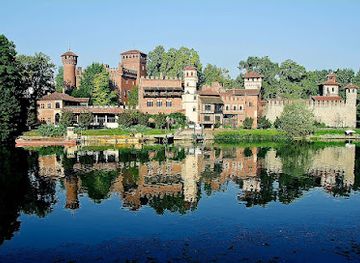
Borgo Medievale
Explore Borgo Medievale, a captivating open-air museum in Turin that brings the Middle Ages to life through stunning architecture and engaging exhibits.
-
National park
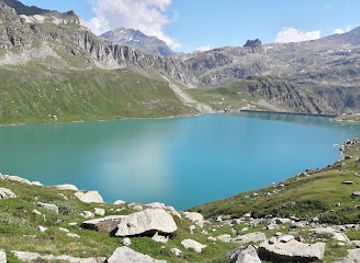
Gran Paradiso National Park
Discover the unparalleled beauty of Gran Paradiso National Park, Italy's first national park, rich in wildlife and breathtaking landscapes.
-
Monastery
Sacra di San Michele
Explore the Sacra di San Michele, a majestic abbey offering breathtaking views, rich history, and a serene spiritual experience in the heart of Piedmont, Italy.

Best landmarks in Val di Susa
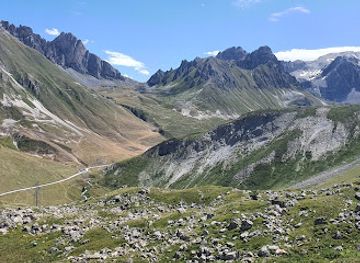
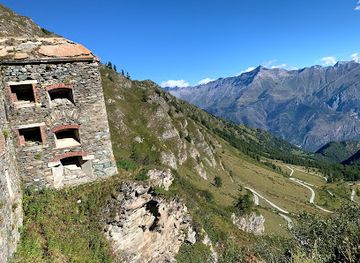
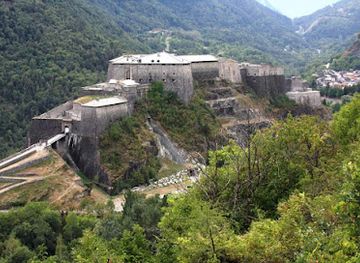
The Arch of Augustus in Susa is Val di Susa's clearest Roman landmark, an elegant monument that records the accommodation reached between Rome and the local ruler Cottius. Nearby Roman remains and the medieval town fabric show how the settlement evolved around the Alpine route. Crowning Monte Pirchiriano above the lower valley, the Sacra di San Michele is an unmistakable silhouette and a major symbol of Piedmontese religious architecture, reached through a steep mountain setting. Novalesa Abbey represents a different landmark tradition: an early medieval monastic complex set in a remote landscape near the Mont Cenis approach. The Fort of Exilles is a formidable military structure above the valley, its walls and position illustrating the importance of controlling movement through the Alps. In the upper valley, the mountain passes and broad alpine landscapes around Mont Cenis are landmarks in their own right, combining natural scale with roads, fortifications and routes shaped by centuries of cross-border travel.
-
Fortress
Fenestrelle
Explore the historic Fenestrelle Fortress in Italy, a majestic 18th-century military stronghold with breathtaking views and rich history.
-
Tourist attraction
The Tibetan Bridge
Experience breathtaking views and exhilarating heights at The Tibetan Bridge in Claviere, a must-visit tourist attraction in the Italian Alps.
-
Hiking area
Parco Naturale Orsiera Rocciavrè
Explore the breathtaking landscapes and rich biodiversity of Parco Naturale Orsiera Rocciavrè, an alpine paradise for nature lovers and outdoor enthusiasts.
-
Fortress
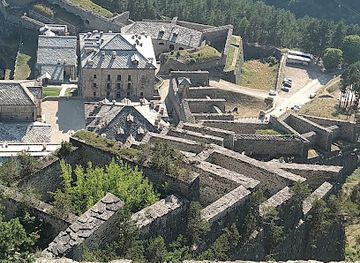
Exilles
Discover the Fortress of Exilles, an iconic historical site in the heart of the Susa Valley, where history meets breathtaking mountain views.
Explore Val di Susa on the map
Plan your trip on one map. See where the top cities, national parks and sights are, and book hotels and experiences in a few clicks.
Best hotels in Val di Susa
Best restaurants in Val di Susa
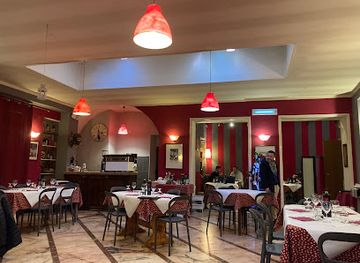
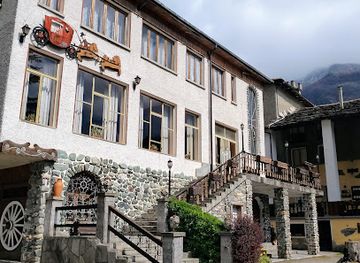
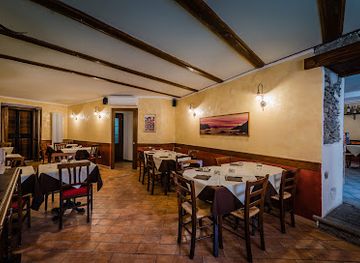
Dining in Val di Susa reflects Piedmont's broader culinary traditions while adapting them to Alpine conditions. Menus commonly include polenta, potato gnocchi, mountain cheeses, cured meats, hearty soups and savoury baked dishes, with mushrooms and seasonal produce appearing when available. Local trattorie and village osterie tend to offer the most traditional cooking, while restaurants in Bardonecchia and the ski communities serve both regional dishes and contemporary Italian food for visitors spending time outdoors. Mountain refuges provide simple meals and hot drinks during the hiking and skiing seasons, although access and opening arrangements vary. In Susa and the larger settlements, cafés and pastry shops are useful for breakfast or an afternoon stop. Piedmontese wines are widely available, even though the high valley itself is better known for alpine foodways than for extensive vineyard landscapes. Farmers' markets and specialist food shops can be good places to find cheeses, preserves, bread and other regional products.
-
Restaurant
Feudo San Giorio
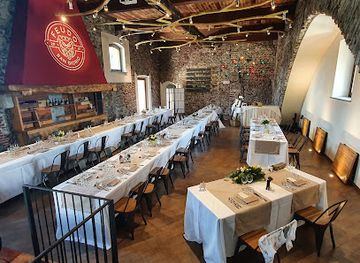
Discover the culinary delights and rich history at Feudo San Giorio in scenic San Giorio di Susa – where every meal tells a story.
-
Restaurant
Cantine Meana
Discover Cantine Meana: A delightful restaurant in Susa offering authentic Italian cuisine and a remarkable selection of local wines.
-
Restaurant
Ristorante della Posta
Discover authentic Piedmontese cuisine at Ristorante della Posta in Novalesa – where tradition meets flavor in every dish.
-
Restaurant
Osteria Ristorante della Marchesa - Susa
Experience authentic Italian dining at Osteria Ristorante della Marchesa in Susa - where every dish tells a story.
Best bars in Val di Susa
Evening life in Val di Susa is generally centred on cafés, traditional bars, restaurants and pubs rather than a large nightclub circuit. Susa offers relaxed places for an aperitivo and a drink after visiting its historic centre, while Bardonecchia develops a livelier après-ski atmosphere during the winter season, with bars and venues catering to visitors and residents. Oulx and other resort communities also have evening restaurants, wine bars and occasional live music, though the character changes outside peak holiday periods. In smaller villages, nightlife may consist of a local bar, an inn or a social gathering rather than late venues. Mountain refuges and seasonal events can add atmosphere, but their access and schedules are variable. Visitors should not assume that resort nightlife continues at the same intensity throughout the year.
-
Restaurant
Feudo San Giorio
Discover the exquisite flavors and rich history of Feudo San Giorio, a premier dining destination in the scenic Italian Alps.
-
Cocktail bar
Green Beach
Discover the enchanting vibe of Green Beach, a cocktail bar in Avigliana, known for its exquisite drinks and lively atmosphere.
-
Beer hall
Excalibur
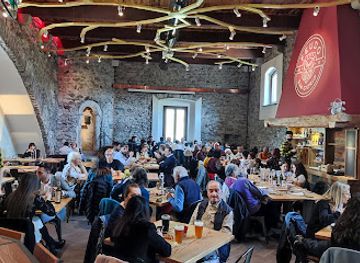
Experience the vibrant atmosphere and local brews at Excalibur, Susa's premier beer hall and social hub.
-
Espresso bar
Bar The Provencal
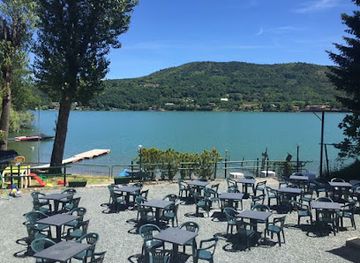
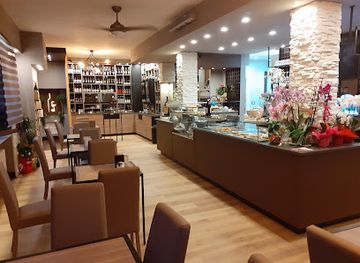
Experience authentic Italian espresso and pastries at Bar The Provencal, a charming café in Sant'Antonino di Susa, perfect for every coffee lover.

Best nightclubs in Val di Susa
Evening life in Val di Susa is generally centred on cafés, traditional bars, restaurants and pubs rather than a large nightclub circuit. Susa offers relaxed places for an aperitivo and a drink after visiting its historic centre, while Bardonecchia develops a livelier après-ski atmosphere during the winter season, with bars and venues catering to visitors and residents. Oulx and other resort communities also have evening restaurants, wine bars and occasional live music, though the character changes outside peak holiday periods. In smaller villages, nightlife may consist of a local bar, an inn or a social gathering rather than late venues. Mountain refuges and seasonal events can add atmosphere, but their access and schedules are variable. Visitors should not assume that resort nightlife continues at the same intensity throughout the year.
-
Cocktail bar
Favola Beach Club
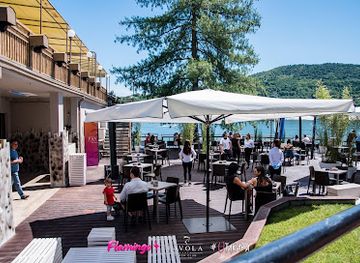
Discover the lively Favola Beach Club in Avigliana, where refreshing cocktails, stunning views, and a vibrant atmosphere await tourists seeking a perfect getaway.
-
Disco club
Kronos The Club
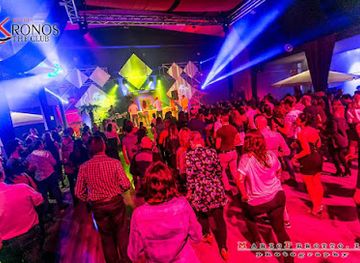
Experience the vibrant nightlife of Alpignano at Kronos The Club, where music, dancing, and unforgettable moments await.
-
Disco club
Discoteca Première Club
Discover the vibrant nightlife at Discoteca Première Club in Poirino, where electrifying music and a lively crowd create unforgettable nights.
-
Night club
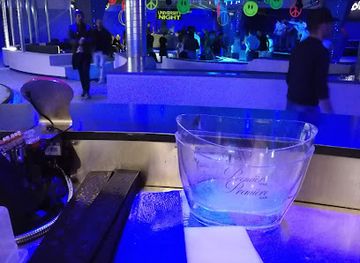
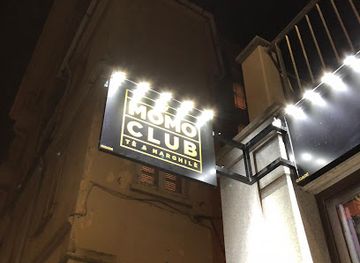
MOMO CLUB - Tè & Narghilè
Experience the vibrant nightlife at MOMO CLUB in Turin, where tea meets shisha in an unforgettable club atmosphere.
Best shops in Val di Susa
Shopping in Val di Susa is concentrated in the market towns and resort centres rather than in one continuous retail district. Susa has everyday shops, cafés, food specialists and small independent businesses around its historic streets, while Bardonecchia and Oulx offer outdoor equipment, winter-sports clothing and practical goods alongside souvenirs. Local markets and farm shops are useful for regional cheeses, cured meats, bread, preserves, honey and other food products, although market days vary by municipality and season. Small craft and gift shops may stock woodwork, textiles, ceramics or alpine-themed items, but visitors should distinguish locally made goods from generic imports. The larger towns provide the most dependable choice of services; high mountain villages have fewer shops and shorter seasonal trading patterns. For a useful memento, regional food products or a well-made item from a local artisan generally reflects the valley more meaningfully than mass-produced mountain souvenirs.
-
Outlet store
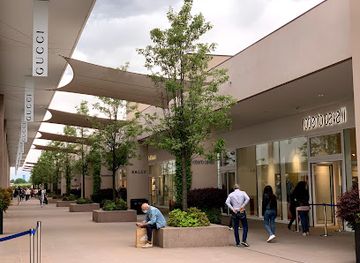
Torino Outlet Village
Explore Torino Outlet Village for an unparalleled shopping experience with designer brands at irresistible prices, set in a charming Italian ambiance.
-
Shopping mall
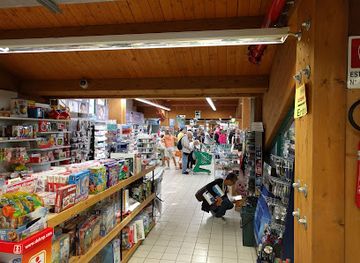
Iper Le Baite
Experience the best of shopping at Iper Le Baite in Oulx, Italy, with diverse stores and local flair for an unforgettable visit.
-
Supermarket
Lidl
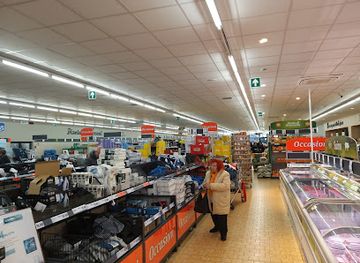
Discover quality and affordability at Lidl, Susa's premier supermarket for fresh local products and international favorites.
-
Cake shop
Pasticceria Pietrini
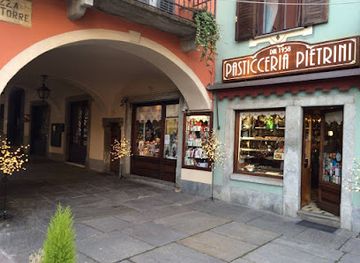
Discover the sweet taste of Italy at Pasticceria Pietrini, where exquisite pastries and local flavors await in the heart of Susa.
Get your free copy of our complete guide to Val di Susa, delivered straight to you.
Everything on this page, from attractions and restaurants to essentials and local phrases, in one PDF you can read offline, print or share.
Already have an account? Sign in
Your Val di Susa guide is ready.
We'll send it to · Not you? Sign out

Getting your guide ready…
We are putting together a fresh copy of the Val di Susa guide. This can take up to a minute.
This can take a few moments. If your browser asks, choose Allow so the download can start. You'll find the guide in your Downloads folder.
Nothing happened? Download it again
Sorry, the guide is taking longer than usual. Please try again in a minute, or get it by email instead.
Val di Susa essentials
Currency and Payment
Safety
Emergency Situations
Do's and Don'ts
Local Tips
From Eve
Local phrases worth knowing
You don't need to get them perfect. A few words go a long way, and locals appreciate the effort.
Basics
| English | Local | Say it |
|---|---|---|
| Hello | Ciao | [chow] |
| Goodbye | Arrivederci | [ah-ree-vay-DER-chee] |
| Yes | Sì | [see] |
| No | No | [noh] |
| Please/You're welcome | Per favore/Prego | [pair fah-VOH-ray/PREH-goh] |
| Thank you | Grazie | [GRAHTS-ee-eh] |
| Excuse me/Sorry | Scusi/Mi dispiace | [SKOO-zee/Mee dee-SPYAH-cheh] |
| How are you? | Come stai? | [KOH-meh stah-ee] |
| Fine. And you? | Bene. E tu? | [BEH-neh. Eh too?] |
| Do you speak English? | Parli inglese? | [PAR-lee een-GLAY-zeh] |
| I don't understand | Non capisco | [Non kah-PEE-skoh] |
Eating & Drinking
| English | Local | Say it |
|---|---|---|
| I'd like to see the menu, please | Vorrei vedere il menù, per favore | [vor-RAY veh-DAY-ray eel meh-NOO, pair fah-VOH-ray] |
| I don't eat meat | Non mangio carne | [Non MAHN-joh KAR-nay] |
| Cheers! | Salute! | [sah-LOO-tay] |
| I would like to pay, please | Vorrei pagare, per favore | [vor-RAY pah-GAH-ray, pair fah-VOH-ray] |
Emergencies
| English | Local | Say it |
|---|---|---|
| Help! | Aiuto! | [ah-YOO-toh] |
| Go away! | Vattene via! | [VAH-tay-nay VEE-ah] |
| Call the Police! | Chiama la Polizia! | [KYAH-mah lah poh-LEE-tsee-ah] |
| Call a doctor! | Chiama un dottore! | [KYAH-mah oon doht-TOH-ray] |
| I'm lost | Mi sono perso | [Mee SOH-noh PER-soh] |
| I'm ill | Sono malato | [SOH-noh mah-LAH-toh] |
Shopping
| English | Local | Say it |
|---|---|---|
| I'd like to buy... | Vorrei comprare... | [vor-RAY-ee kom-PRAR-eh] |
| I'm just looking | Sto solo guardando | [sto SOH-loh gwahr-DAN-doh] |
| How much is it? | Quanto costa? | [KWAN-toh KOH-stah] |
| That's too expensive | È troppo costoso | [eh TROH-poh koh-STOH-zoh] |
| Can you lower the price? | Puoi abbassare il prezzo? | [PWOY ab-BAS-sah-ray eel PRET-soh] |
Time & Numbers
| English | Local | Say it |
|---|---|---|
| What time is it? | Che ore sono? | [keh OH-ray SOH-noh] |
| It's one o'clock | È l'una | [eh LOO-nah] |
| Half past (10) | Dieci e mezzo | [DEE-eh-chee eh MEH-tsoh] |
| Morning | Mattina | [maht-TEE-nah] |
| Afternoon | Pomeriggio | [poh-meh-REE-joh] |
| Evening | Sera | [SEH-rah] |
| Yesterday | Ieri | [YEH-ree] |
| Today | Oggi | [OHJ-ee] |
| Tomorrow | Domani | [doh-MAH-nee] |
| 1 | Uno | [OO-noh] |
| 2 | Due | [DOO-eh] |
| 3 | Tre | [TREH] |
| 4 | Quattro | [KWAHT-troh] |
| 5 | Cinque | [CHEEN-kweh] |
| 6 | Sei | [SAY] |
| 7 | Sette | [SEH-teh] |
| 8 | Otto | [OHT-toh] |
| 9 | Nove | [NOH-vay] |
| 10 | Dieci | [DEE-eh-chee] |
Transport & Directions
| English | Local | Say it |
|---|---|---|
| Where's a/the...? | Dove si trova ...? | [DOH-vay see TROH-vah ...?] |
| What's the address? | Qual è l'indirizzo? | [kwahl eh leen-dee-REET-soh?] |
| Can you show me (on the map)? | Puoi mostrarmi (sulla mappa)? | [PWOY mo-STRAHR-mee (SOOL-lah MAH-pah)?] |
| When's the next (bus)? | Quando passa il prossimo (autobus)? | [KWAN-doh PAH-sah eel PROH-see-mo (OW-toh-boos)?] |
| A ticket (to ....) | Un biglietto (per ...) | [oon bee-LYET-toh (per ...)] |
History of Val di Susa
Pre-Roman Alpine Communities
Before Roman expansion, Val di Susa was inhabited by Alpine peoples whose communities controlled settlements, pasture and routes through the surrounding mountains. Archaeological evidence and later historical references indicate that the valley was already important because it linked the western Po plain with the passes leading towards present-day France. Its geography encouraged both local pastoral economies and contact between communities on opposite sides of the Alps. The Roman conquest did not erase these earlier patterns; instead, it incorporated the valley into a more formal system of roads, administration and military movement.
Roman Segusium and the Alpine Road
The Romans developed Segusium, the settlement corresponding to modern Susa, as a strategic centre on the route across the Alps. Bridges, roads, monuments and public buildings supported movement between Augusta Taurinorum, the Roman city that became Turin, and Gaul. The surviving Arch of Augustus in Susa, erected in 9–8 BC, commemorates an agreement between Rome and the local king Cottius. Other Roman remains, including an amphitheatre and sections of ancient infrastructure, show how deeply the valley was integrated into imperial communications.
The Foundation of Novalesa Abbey
Novalesa Abbey was founded in 726 by Abbot Eldrado under the patronage of Abbo, a powerful Frankish official. Positioned near the route over Mont Cenis, it became an important religious and cultural centre, with monastic communities contributing to hospitality, land management and the preservation of texts. The abbey experienced disruption during the early medieval period, including attacks that led the monks to relocate temporarily, but it remained closely associated with the history of travel across the western Alps. Its surviving church and setting preserve this long connection between faith and mountain passage.
The Medieval March of Susa
During the Middle Ages, control of Val di Susa was contested by bishops, local lords and the rising powers of the House of Savoy. Susa and the surrounding settlements gained importance because whoever controlled the valley could influence access between Piedmont and the Alpine passes. Castles, fortified sites and religious foundations multiplied along the route. The valley's political history was therefore never isolated from wider European affairs: trade, dynastic alliances, pilgrim traffic and military campaigns all depended on the ability to manage movement through its narrow corridors.
Savoyard Rule and the Mont Cenis Route
From the later Middle Ages onwards, the House of Savoy consolidated its authority in the western Alpine region, and Val di Susa became part of the territories that eventually formed the Kingdom of Sardinia and, later, Italy. Mont Cenis was one of the principal Alpine crossings, used by merchants, officials, armies and travellers. Fortifications such as Exilles and other defensive works reflect the strategic value of the valley, particularly during conflicts involving France and the Italian states. The construction of improved roads and the development of organised transport increased its importance during the eighteenth and nineteenth centuries.
Railways, Industry and Modern Mobility
Nineteenth-century transport improvements transformed Val di Susa. The railway reached the valley as part of the Turin–Modane connection, and the Mont Cenis railway tunnel, opened in 1871, greatly facilitated movement beneath the Alps. Industrial activity developed particularly in the lower and middle valley, while towns continued to serve as transport and administrative centres. Roads, tunnels and later motor traffic reduced the isolation of the upper settlements but also altered the valley's economy, balancing manufacturing and logistics with tourism, winter sports and outdoor recreation.
Winter Sports and the 2006 Turin Olympics
Skiing and mountain tourism expanded substantially during the twentieth century, especially around Bardonecchia and the resorts of the upper valley. The 2006 Winter Olympics in Turin brought international attention to Piedmont's Alpine venues, including sites in and around Val di Susa. The event accelerated investment in sporting infrastructure and transport while reinforcing the valley's role as a destination for skiing and snowboarding. Today, tourism operates alongside established communities, forestry, agriculture, industry and cross-border transport rather than replacing them entirely.
Val di Susa in Photos
Browse through our photo collection highlighting the charm and character of the destination.
Neighbouring regions of Val di Susa
The closest regions to Val di Susa, if you have time for more than one.
-

-

-

-

-


Swipe for more regions
Explore more

Explore more of Italy
Discover Italy: A land of ancient history, artistic marvels, and culinary delights; where every corner reveals a new story and every meal is a celebration.
Explore Italy