

Free Monferrato Travel Guide & Mobile App
Explore Monferrato with free travel guides. Discover regional history, expert tips, proposed trips, and audio guides on web or mobile app.


Explore Monferrato in Piedmont for UNESCO-listed vineyards, medieval hill towns, historic castles, Piedmontese food and celebrated wines.
Read more about Monferrato
When is the best time to visit Monferrato?
Best: June–July, September · 24–28°C| Month | High (°C) | Rainfall (mm) |
|---|---|---|
| January | 6 | 40 |
| February | 8 | 35 |
| March | 13 | 45 |
| April | 17 | 55 |
| May | 21 | 60 |
| June (best) | 25 | 55 |
| July (best) | 28 | 40 |
| August | 28 | 50 |
| September (best) | 24 | 60 |
| October | 18 | 70 |
| November | 12 | 65 |
| December | 7 | 50 |
Getting to and around Monferrato
How to get there
Transportation
Best attractions in Monferrato
Monferrato's attractions are distributed through a working hill landscape rather than gathered in one tourism centre. Historic towns provide the strongest urban focus: Asti has Roman and medieval layers, while Casale Monferrato combines the former capital of the marquisate with museums, churches and the Paleologi Castle. Across the countryside, castles, parish churches, noble residences and small civic museums occupy hilltop settlements and vineyard villages. The UNESCO-listed vineyard landscape is experienced through roads, viewpoints, cellar visits and walking routes rather than a single enclosed site. Around Cella Monte, infernot offer an unusual insight into traditional cellar construction, subject to local access arrangements. Wine tourism is especially prominent near Nizza Monferrato and Canelli, with Barbera vineyards, historic cellars and sparkling-wine traditions. The region also suits cycling, gentle hill walking, seasonal truffle and mushroom excursions, and visits to food producers. Acqui Terme, at the southern edge of the Monferrato area, adds Roman and thermal heritage, while the Po-side countryside around Casale offers a flatter contrast to the vineyard hills. Cultural programmes, village festivals and regional museums complete an attraction landscape rooted in history, agriculture and local production.
-
Festival
International Alba White Truffle Fair
Experience the ultimate culinary celebration at the International Alba White Truffle Fair, where exquisite flavors and local traditions merge in a vibrant festival atmosphere.
-
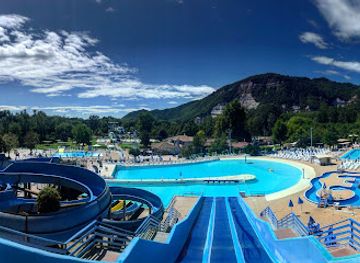
Water park
Water Park Blue Bubbles
Dive into a world of aquatic fun at Water Park Blue Bubbles in Borghetto di Borbera, offering thrilling slides and relaxing pools for all ages!
-
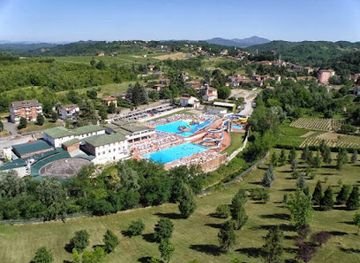
Water park
Parco Acquatico Lavagello
Experience aquatic fun and relaxation at Parco Acquatico Lavagello, the largest water park in lower Piedmont, nestled in the beautiful hills of Castelletto d'Orba.
-
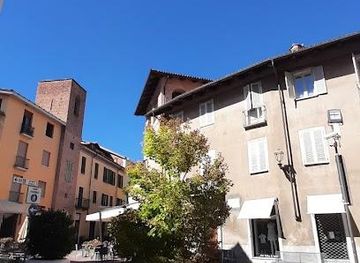
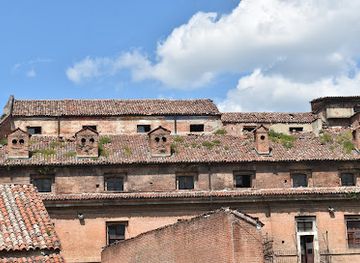
Fortress
Cittadella di Alessandria, Delegazione Fondo per l'Ambiente Italiano
Explore Alessandria's star-shaped fortress, a remarkably preserved 18th-century military masterpiece with a rich history and stunning architecture.
Best landmarks in Monferrato
The Paleologi Castle in Casale Monferrato is one of the clearest reminders that the town was once the political centre of the Marquisate of Montferrat; its imposing walls and strategic position have been reshaped over time but remain central to the city's identity. Asti's historic centre is marked by medieval towers, churches and civic buildings that reflect the wealth and rivalry of a major Piedmontese commune. In the surrounding hills, castles and fortified residences at places such as Moncalvo, Gabiano and Villadeati express the region's fragmented medieval and early modern political history. The vineyard slopes around Nizza Monferrato, Canelli and Cella Monte are landmarks in a broader cultural sense: their geometry, village silhouettes and historic cellar structures form the UNESCO-recognised Vineyard Landscape of Piedmont. Cella Monte's infernot are particularly distinctive, being underground chambers cut into local sandstone for storing wine. The former Jewish quarter and synagogue of Casale Monferrato add an important religious and cultural dimension, while the Po plain north of the hills provides a geographical counterpoint to the elevated vineyard country.
-
Tourist attraction
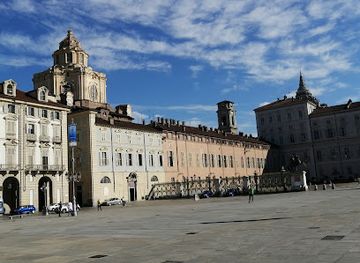
Piazza Castello
Explore the historical elegance of Piazza Castello, Turin's vibrant heart, surrounded by iconic landmarks and delicious local cuisine.
-
Historical place
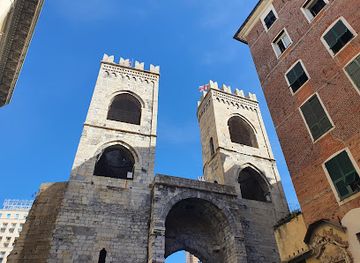
Christopher Columbus' House
Discover the legendary past of Christopher Columbus at his house in Genoa, where history and culture come alive through engaging exhibits and artifacts.
-
Historical landmark
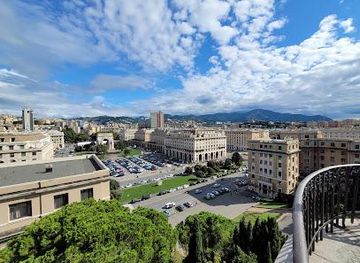
Piazza della Vittoria
Explore the historical elegance of Piazza della Vittoria in Genoa, where stunning monuments and beautiful gardens create an unforgettable experience.
-
Castle
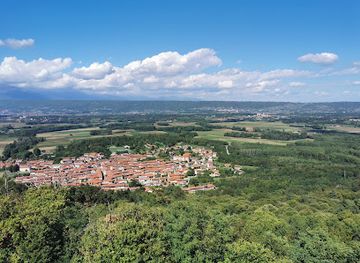
Castello e Parco di Masino
Explore the majestic Castello e Parco di Masino, a historic castle and park in Caravino, offering a perfect blend of culture, nature, and stunning architecture.
Explore Monferrato on the map
Plan your trip on one map. See where the top cities, national parks and sights are, and book hotels and experiences in a few clicks.
Best hotels in Monferrato
Best restaurants in Monferrato
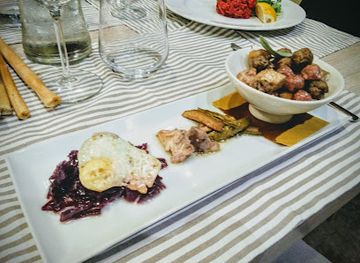
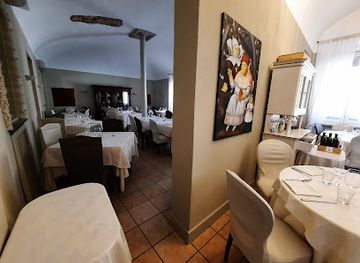
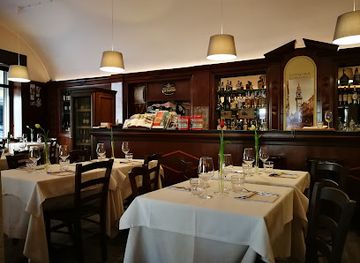
Dining in Monferrato is grounded in Piedmontese cooking and the produce of its hills. Menus commonly feature agnolotti, tajarin, seasonal vegetables, mushrooms, hazelnuts and dishes prepared with the region's wines. Bagna cauda, a warm anchovy and garlic sauce served with vegetables, belongs to the wider Piedmontese tradition rather than Monferrato alone, but is a familiar seasonal choice. Barbera is the best-known local red-wine association, while Asti and Canelli connect the area with aromatic sparkling wines. Trattorie, village restaurants, rural inns and wine-cellar tastings provide the most direct connection with local food culture; larger towns also offer contemporary Piedmontese cooking and cafés. Autumn is an important season for mushrooms, hazelnuts and truffles, although availability depends on weather and local supply. Markets and food festivals can reveal regional cheeses, cured meats, breads and preserves, while menus in the southern hills often reflect the close relationship between vineyard work, family farms and convivial long meals.
-
Restaurant
Terzo Tempo - Osteria Moderna
Experience authentic Piedmontese cuisine at Terzo Tempo - Osteria Moderna in Acqui Terme, where every dish is crafted with passion and tradition.
-
Restaurant
Cicin&Barlichin
Experience authentic Piedmontese cuisine at Cicin&Barlichin in Casale Monferrato—where every meal is a celebration of Italian flavors.
-
Restaurant
Osteria Amarotto
Discover Osteria Amarotto in Casale Monferrato - A culinary haven offering authentic Italian flavors and a cozy atmosphere.
-
Italian
Locanda Rossignoli 1913
Experience authentic Piedmontese cuisine at Locanda Rossignoli 1913 in Casale Monferrato - where tradition meets flavor in every dish.

Best bars in Monferrato
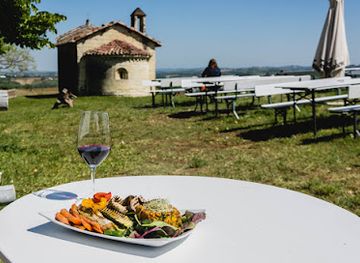
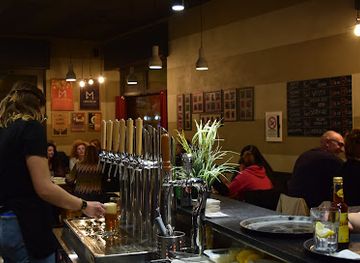
Evening life in Monferrato is generally centred on wine bars, cafés, traditional osterie and village restaurants rather than a large club scene. Asti offers the broadest choice of bars and late-evening meeting places, with a more urban atmosphere around its historic centre. Casale Monferrato also has cafés, bars and cultural venues suited to an evening stroll or aperitivo. In the wine hills, especially around Nizza Monferrato, Canelli and the smaller villages, evenings tend to revolve around cellar tastings, local events and relaxed meals rather than nightclubs. Historic inns and bars may serve regional wines by the glass, while occasional concerts and seasonal festivals bring additional activity. Opening arrangements vary considerably outside the larger towns, so rural visitors should plan dinner and transport in advance. The region's evening culture is best approached as an extension of its food and wine traditions, without assuming that alcohol is required for participation.
-
Live music bar
Barchiuso
Discover Barchiuso, a lively live music bar in the heart of the Province of Alessandria, perfect for enjoying great drinks and unforgettable performances.
-
Restaurant
Cicin&Barlichin
Experience the exquisite flavors of Piedmont at Cicin&Barlichin, where Italian culinary traditions meet a warm and inviting atmosphere.
-
Beer hall
Moonfrà
Discover Moonfrà: A lively beer hall and brewpub in Casale Monferrato, where craft brews and gourmet meals create unforgettable memories.
-
Bar
Hollywood
Discover the vibrant nightlife at Hollywood Bar in Casale Monferrato, where great drinks and good company await!


Best nightclubs in Monferrato
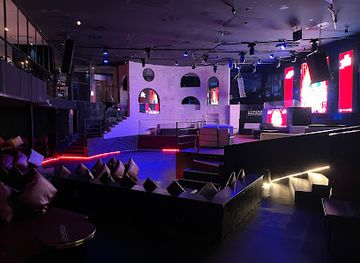
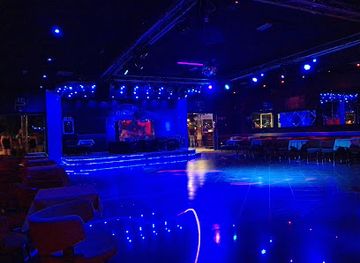
Evening life in Monferrato is generally centred on wine bars, cafés, traditional osterie and village restaurants rather than a large club scene. Asti offers the broadest choice of bars and late-evening meeting places, with a more urban atmosphere around its historic centre. Casale Monferrato also has cafés, bars and cultural venues suited to an evening stroll or aperitivo. In the wine hills, especially around Nizza Monferrato, Canelli and the smaller villages, evenings tend to revolve around cellar tastings, local events and relaxed meals rather than nightclubs. Historic inns and bars may serve regional wines by the glass, while occasional concerts and seasonal festivals bring additional activity. Opening arrangements vary considerably outside the larger towns, so rural visitors should plan dinner and transport in advance. The region's evening culture is best approached as an extension of its food and wine traditions, without assuming that alcohol is required for participation.
-
Disco club
Blanco Summer Club
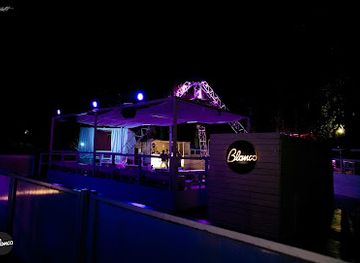
Dive into the electrifying nightlife at Blanco Summer Club, Alessandria's top disco club, where music and fun collide for an unforgettable experience.
-
Disco club
Luna Rossa Club
Luna Rossa Club: Where electrifying dance beats meet delightful dining in Bosco Marengo's nightlife scene.
-
Night club
The Garden
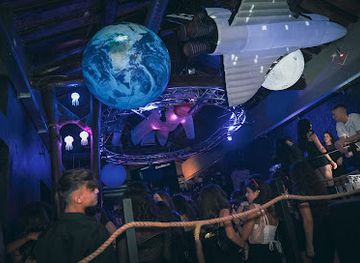
Discover the vibrant nightlife at The Garden in Alessandria, where electrifying music and a lively atmosphere await.
-
Disco club
Mulino Club
Discover the vibrant nightlife at Mulino Club in Borghetto di Borbera, where dancing, music, and excitement come together for an unforgettable experience.
Best shops in Monferrato
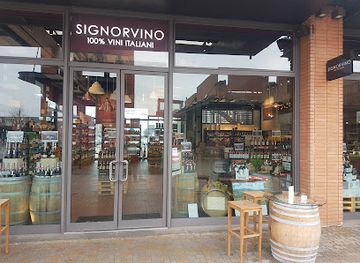
Shopping in Monferrato is strongest in historic town centres and weekly markets rather than in large retail districts. Asti and Casale Monferrato offer the widest range of everyday shops, delicatessens, bookshops and independent retailers, while smaller market towns provide a slower experience focused on food and local commerce. Wine is the most obvious regional purchase: Barbera, Moscato d'Asti and other Piedmontese bottles are available from producers, enoteche and specialist shops, but visitors should check transport and airline rules before buying in quantity. Hazelnuts, preserves, honey, cheeses, salumi and traditional biscuits make practical edible souvenirs. Around the hill villages, cellar doors and farm shops may offer products directly from producers, usually with varying opening arrangements. Casale Monferrato also has a long-established reputation for artisanal craftsmanship, antiques and historic urban shopping, while galleries and small cultural shops can be found in several larger towns. Markets are useful for seeing seasonal produce and local routines, though their days differ by municipality and should be checked locally.
-
Outlet mall
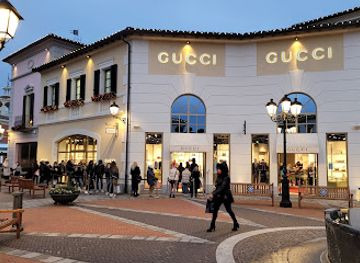
Designer Outlet Serravalle
Explore Designer Outlet Serravalle for unbeatable deals on top designer brands in a beautiful outdoor shopping environment.
-
Outlet mall
Vicolungo The Style Outlets
Discover unbeatable deals on designer brands at Vicolungo The Style Outlets, a premier shopping destination in northern Italy.
-
Outlet mall
Mondovicino Outlet Village
Discover exceptional savings and delightful dining at Mondovicino Outlet Village, your premier shopping destination in the heart of Italy.
-
Variety store
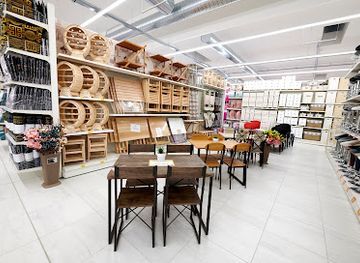
Risparmio Casa
Explore Risparmio Casa in Alessandria for a diverse shopping experience offering local products and unique finds.

Get your free copy of our complete guide to Monferrato, delivered straight to you.
Everything on this page, from attractions and restaurants to essentials and local phrases, in one PDF you can read offline, print or share.
Already have an account? Sign in
Your Monferrato guide is ready.
We'll send it to · Not you? Sign out

Getting your guide ready…
We are putting together a fresh copy of the Monferrato guide. This can take up to a minute.
This can take a few moments. If your browser asks, choose Allow so the download can start. You'll find the guide in your Downloads folder.
Nothing happened? Download it again
Sorry, the guide is taking longer than usual. Please try again in a minute, or get it by email instead.
Monferrato essentials
Currency and Payment
Safety
Emergency Situations
Do's and Don'ts
Local Tips
From Eve
Local phrases worth knowing
You don't need to get them perfect. A few words go a long way, and locals appreciate the effort.
Basics
| English | Local | Say it |
|---|---|---|
| Hello | Ciao | [chow] |
| Goodbye | Addio | [ahd-dee-oh] |
| Yes | Sì | [see] |
| No | No | [noh] |
| Please/You're welcome | Per favore | [per fah-voh-reh] |
| Thank you | Grazie | [grah-tsee-eh] |
| Excuse me/Sorry | Scusa | [skooz-ah] |
| How are you? | Come stai? | [koh-meh stah-ee] |
| Fine. And you? | Bene. E tu? | [beh-neh eh too] |
| Do you speak English? | Parli inglese? | [par-lee een-gleh-zeh] |
| I don't understand | Non capisco | [non kah-pees-koh] |
Eating & Drinking
| English | Local | Say it |
|---|---|---|
| I'd like to see the menu, please | Vorrei vedere il menu, per favore | [vor-ray veh-deh-ray eel meh-noo, per fah-voh-reh] |
| I don't eat meat | Non mangio carne | [non man-joh kar-neh] |
| Cheers! | Salute! | [sah-loo-teh] |
| I would like to pay, please | Vorrei pagare, per favore | [vor-ray pah-gah-ray, per fah-voh-reh] |
Emergencies
| English | Local | Say it |
|---|---|---|
| Help! | Aiuto! | [ah-yoo-toh] |
| Go away! | Vai via! | [vy vee-ah] |
| Call the Police! | Chiama la Polizia! | [kee-ah-mah lah poh-leet-see-ah] |
| Call a doctor! | Chiama un dottore! | [kee-ah-mah oon doht-toh-reh] |
| I'm lost | Mi sono perso | [mee soh-noh pehr-soh] |
| I'm ill | Sono malato | [soh-noh mah-lah-toh] |
Shopping
| English | Local | Say it |
|---|---|---|
| I'd like to buy... | Vorrei comprare... | [vor-ray kom-prah-ray] |
| I'm just looking | Sto solo guardando | [stoh soh-loh gwar-dahn-doh] |
| How much is it? | Quanto costa? | [kwan-toh koh-stah] |
| That's too expensive | È troppo caro | [eh troh-poh kah-roh] |
| Can you lower the price? | Puoi abbassare il prezzo? | [pwoy ab-bah-sah-ray eel pret-soh] |
Time & Numbers
| English | Local | Say it |
|---|---|---|
| What time is it? | Che ore sono? | [keh oh-reh soh-noh] |
| It's one o'clock | È l'una | [eh loo-nah] |
| Half past (10) | Dieci e mezza | [dee-eh-chee eh meh-zah] |
| Morning | Mattina | [maht-tee-nah] |
| Afternoon | Pomeriggio | [poh-meh-ree-joh] |
| Evening | Sera | [seh-rah] |
| Yesterday | Ieri | [yeh-ree] |
| Today | Oggi | [ohj-ee] |
| Tomorrow | Domani | [doh-mah-nee] |
| 1 | Uno | [oo-noh] |
| 2 | Due | [doo-eh] |
| 3 | Tre | [treh] |
| 4 | Quattro | [kwah-troh] |
| 5 | Cinque | [cheen-kweh] |
| 6 | Sei | [say] |
| 7 | Sette | [set-teh] |
| 8 | Otto | [oht-toh] |
| 9 | Nove | [noh-veh] |
| 10 | Dieci | [dee-eh-chee] |
Transport & Directions
| English | Local | Say it |
|---|---|---|
| Where's a/the...? | Dove c'è...? | [doh-veh cheh] |
| What's the address? | Qual è l'indirizzo? | [kwal eh lin-dee-reet-soh] |
| Can you show me (on the map)? | Puoi mostrarmi (sulla mappa)? | [pwoy mos-trar-mee (soo-lah mahp-pah)] |
| When's the next (bus)? | Quando passa il prossimo (autobus)? | [kwan-doh pahs-sah eel pross-ee-mo (ow-toh-boos)] |
| A ticket (to ....) | Un biglietto (per ....) | [oon bee-lyet-toh (per)] |
History of Monferrato
Ancient Settlement and Roman Monferrato
Before Roman control, the hills were inhabited by Celtic-Ligurian communities and connected to wider routes across north-western Italy. Rome incorporated the area into its expanding system of settlements and roads, leaving archaeological traces and helping link the Po plain with routes towards the Apennines. Asti, known in antiquity as Hasta, became an important Roman town, while the wider countryside was cultivated and organised within the economic landscape of northern Italy. Later centuries brought political fragmentation, but the Roman pattern of towns, roads and agricultural exploitation remained an underlying influence.
The Aleramici and the Marquisate
From the tenth century, the Aleramici dynasty established a powerful marquisate across much of Monferrato. Its rulers founded or controlled castles, abbeys and fortified settlements, creating the political framework behind many of the region's hill towns. The marquisate was not a tightly unified modern state, but a patchwork of territories connected by dynastic authority, alliances and military obligations. Its legacy survives in castle sites, medieval churches and the strategic position of settlements overlooking routes through Piedmont.
Casale Monferrato and the Paleologi
In the fourteenth and fifteenth centuries, the Paleologi dynasty made Casale Monferrato an important political and cultural centre. The town became the capital of the Marquisate and was strengthened with substantial fortifications. Its position between the Po Valley, Lombardy and the Alpine approaches gave it considerable strategic value. The castle and urban fabric still reflect this period, although later rebuilding and the transformation of the fortifications have altered the medieval and early modern town.
War of the Mantuan Succession and Savoyard Rule
The extinction of the Gonzaga-Nevers line in the early seventeenth century triggered the War of the Mantuan Succession, bringing Monferrato into the rivalries of France, Spain and the Italian states. The Treaty of Cherasco in 1631 transferred much of the territory to the House of Savoy, while Casale's strategic importance continued. By the eighteenth century, Savoyard influence had become decisive, and Monferrato was increasingly integrated into the political structures that later helped form the Kingdom of Italy.
Jewish Communities and Religious Heritage
Casale Monferrato developed an important Jewish community whose history is visible in the town's former Jewish quarter and synagogue. Jewish life in Monferrato was shaped by commerce, craftsmanship, scholarship and the changing political circumstances of the marquisate and later Savoyard state. The synagogue, associated museum spaces and historic urban setting provide an important counterpoint to the region's aristocratic and ecclesiastical heritage. They also illustrate the multi-layered cultural history of Piedmont's towns.
Wine, Agriculture and Rural Transformation
Viticulture became one of Monferrato's defining economic activities, alongside grain cultivation, livestock and food production. Generations of vineyard farming shaped the slopes, cellar practices and seasonal rhythms of the countryside. In the nineteenth and twentieth centuries, improved roads, railways and commercial wine-making connected local producers with wider markets. The survival of traditional vineyard landscapes, historic cellars and infernot contributed to the inscription of the Vineyard Landscape of Piedmont: Langhe-Roero and Monferrato on the UNESCO World Heritage List in 2014.
Casale Monferrato's Cement Industry
From the nineteenth century, Casale Monferrato became a major centre of cement production, supported by local geological resources and improved industrial connections. The industry brought employment and urban growth, but also left a difficult environmental and public-health legacy, particularly through asbestos exposure associated with the Eternit plant. The former industrial story is now an important part of the city's modern history, showing how Monferrato's economy extended beyond agriculture and how industrial development could have consequences lasting well beyond the closure of factories.
Monferrato in Photos
Browse through our photo collection highlighting the charm and character of the destination.
Neighbouring regions of Monferrato
The closest regions to Monferrato, if you have time for more than one.
-

-

-

-

-


Swipe for more regions
Explore more

Explore more of Italy
Discover Italy: A land of ancient history, artistic marvels, and culinary delights; where every corner reveals a new story and every meal is a celebration.
Explore Italy