

Free Liguria Travel Guide & Mobile App
Explore Liguria with free travel guides. Discover regional history, expert tips, proposed trips, and audio guides on web or mobile app.


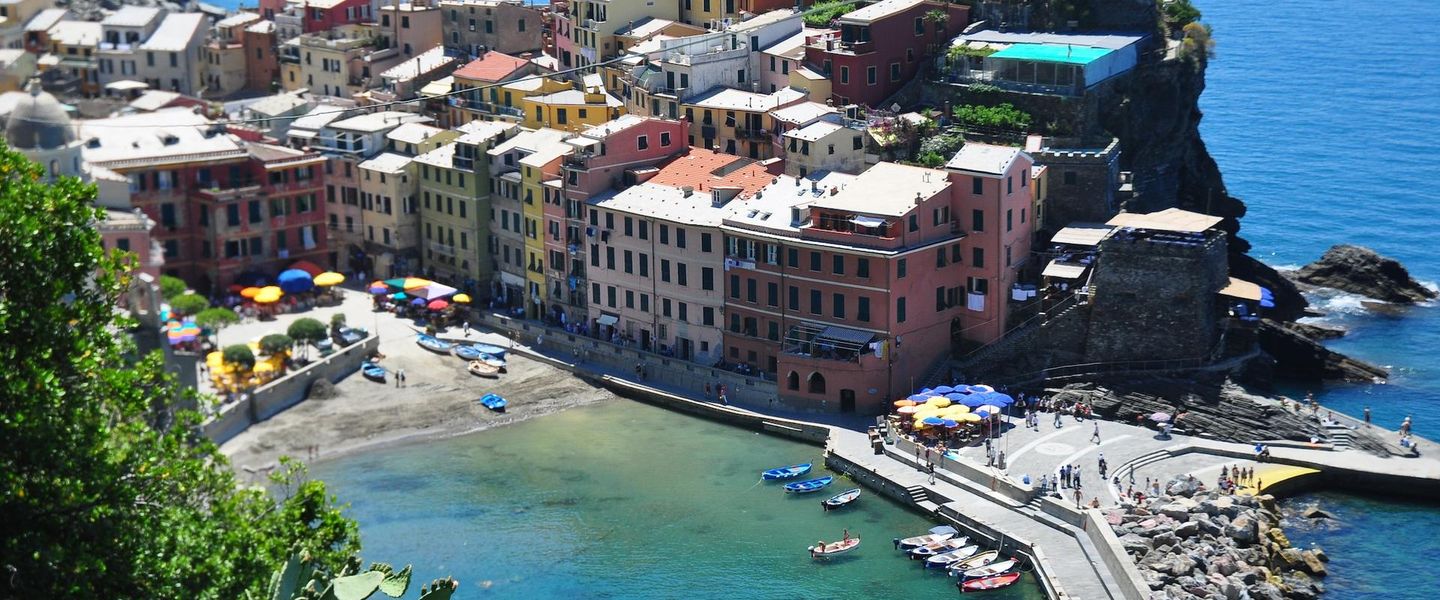


Explore Liguria’s historic Genoa, cliffside villages, Mediterranean coast, mountain trails and distinctive pesto-led cuisine in north-west Italy.
Read more about Liguria
When is the best time to visit Liguria?
Best: June–July, September · 25–29°C| Month | High (°C) | Rainfall (mm) |
|---|---|---|
| January | 12 | 70 |
| February | 13 | 60 |
| March | 15 | 70 |
| April | 17 | 70 |
| May | 21 | 60 |
| June (best) | 25 | 50 |
| July (best) | 29 | 40 |
| August | 29 | 50 |
| September (best) | 25 | 70 |
| October | 21 | 90 |
| November | 17 | 80 |
| December | 13 | 70 |
Getting to and around Liguria
How to get there
Transportation
Top city travel guides in Liguria
The cities of Liguria, and the easiest places to base yourself.
-

-


Swipe for more cities
Destinations in Liguria
Resorts, valleys and scenic spots worth a trip of their own.
-

-


Swipe for more destinations
Best attractions in Liguria
Liguria offers a concentrated variety of attractions between the Mediterranean and the mountains. Genoa combines the Aquarium area and maritime museums with the old city’s churches, palaces and artisan streets, while nearby coastal towns provide promenades, harbours and beaches. East of the regional capital, the Cinque Terre National Park is known for its five historic villages, terraced hillsides and marked paths, although access and trail conditions vary. Portofino Regional Natural Park offers wooded walking routes and sea views around Portofino, Camogli and San Fruttuoso. The western Riviera has the caves and climbing landscapes around Finale Ligure, the Roman and medieval heritage of Albenga, and resort towns extending towards Sanremo and the French border. Inland, the Ligurian Alps and Apennines provide hiking, cycling, villages, castles and agricultural landscapes far removed from the developed waterfront. Museums, historic villas, botanical gardens and small local collections add cultural depth, while beaches, diving, sailing and kayaking provide seasonal outdoor activities. The attraction landscape is best understood as a series of contrasting coastal and inland districts rather than a single resort strip.
-
Fortress
Priamar Fortress
Discover the historic Priamar Fortress in Savona, a captivating blend of architecture, archaeology, and art that showcases Italy's rich cultural heritage.
-
Historical landmark
Piazza della Vittoria
Explore the historical charm of Piazza della Vittoria in Genoa, a stunning monument celebrating Italy's victory in World War I amidst beautiful architecture and lush gardens.
-
Museum
Abbazia di San Fruttuoso
Discover a hidden Benedictine abbey on the Italian Riviera, accessible by boat or foot, featuring stunning architecture and a submerged Christ statue.
-
Cultural landmark
Toirano Cave
Discover prehistoric secrets and stunning geological formations in the heart of Liguria at Toirano Cave.


Best landmarks in Liguria
Genoa’s historic centre is Liguria’s most extensive urban landmark, with medieval lanes, Romanesque churches and the grand Palazzi dei Rolli, aristocratic residences recognised within a UNESCO World Heritage site. The city’s Lanterna lighthouse remains a powerful symbol of its maritime history. Along the eastern Riviera, the clustered villages of the Cinque Terre form a distinctive cultural landscape in which brightly coloured houses, harbours and dry-stone terraces descend towards the sea. Portovenere, at the entrance to the Gulf of La Spezia, is within Liguria and is noted for its waterfront, defensive castle and Church of San Pietro on the rocky promontory. The Abbey of San Fruttuoso, reached by foot or boat within Portofino Regional Natural Park, occupies a secluded cove below the wooded headland. On the western side, Albenga’s medieval towers and historic centre preserve the importance of an older inland-facing town, while the villages and fortifications of Finale Ligure and Noli reflect the region’s layered maritime and feudal history. The Ligurian Alps and terraced hillsides are natural and cultural landmarks in their own right.
-
Historical landmark
Piazza della Vittoria
Discover the historical charm of Piazza della Vittoria in Genoa, where stunning architecture meets rich cultural heritage for an unforgettable experience.
-
Museum
Abbazia di San Fruttuoso
Explore the Abbazia di San Fruttuoso, a stunning historical abbey on the Italian Riviera, rich in culture and breathtaking coastal views.
-
Cultural landmark
Toirano Cave
Explore the captivating Toirano Caves, a stunning natural wonder in Italy showcasing breathtaking geological formations and rich prehistoric history.
-
Nature preserve
Area Marina Protetta di Portofino
Explore the stunning Area Marina Protetta di Portofino, a paradise of natural beauty and rich marine life along the Italian Riviera.


Explore Liguria on the map
Plan your trip on one map. See where the top cities, national parks and sights are, and book hotels and experiences in a few clicks.
Best hotels in Liguria
Best restaurants in Liguria
Ligurian cooking makes effective use of basil, olive oil, vegetables, pulses, herbs and seafood. Pesto alla Genovese is commonly served with pasta such as trenette or trofie, while focaccia is a daily staple in bakeries and cafés, with styles changing from Genoa towards the western coast. Farinata, a savoury chickpea pancake, is associated particularly with coastal Ligurian towns, and vegetable pies, stuffed pasta, rabbits, anchovies and other local fish broaden the regional repertoire. Genoa offers the widest range of traditional restaurants, contemporary dining rooms, markets and international food, while smaller coastal communities often focus on seafood, focaccia and informal cafés. Inland trattorias may feature seasonal vegetables, mushrooms and meat from the valleys. Ligurian olive oils, wines from terraced vineyards and sweet specialities provide useful food souvenirs. At the coast, menus can be more seasonal and tourist-oriented, so consulting local menus away from the busiest waterfronts often reveals a broader range of regional dishes.
-
Restaurant
Trattoria Cucco
Experience authentic Ligurian cuisine at Trattoria Cucco – where fresh seafood meets traditional Italian flavors in a charming coastal setting.
-
Italian
Trattoria La Brinca
Discover authentic Italian flavors at Trattoria La Brinca - where exquisite cuisine meets stunning Ligurian landscapes.
-
Restaurant
Bastian Contrario
Experience authentic Italian and seafood cuisine at Bastian Contrario in beautiful Finale Ligure.
-
Restaurant
Osteria Grotesque
Experience authentic Italian cuisine at Osteria Grotesque in Finale Ligure - where every dish tells a story.


Best bars in Liguria
Evening life in Liguria varies sharply between Genoa, resort towns and inland villages. Genoa has the region’s broadest choice, with wine bars, traditional cafés, pubs, restaurants, live music venues and late-night activity around parts of the historic centre and the port-side districts. In towns such as Sanremo, Alassio, Rapallo and Santa Margherita Ligure, evenings often centre on aperitivo, seafront bars, hotel lounges and restaurants, with a more seasonal rhythm in summer. Smaller coastal villages generally offer intimate bars rather than a substantial club scene, while inland communities tend towards local cafés, restaurants and occasional cultural events. Nightclubs and larger dance venues exist in some resort areas but should not be assumed to operate year-round. Ligurian wine, regional liqueurs and non-alcoholic aperitivo drinks are widely available, and enjoying the evening slowly over food and conversation is as characteristic as seeking a late venue.
-
Pub
Scurreria Beer & Bagel
Experience the best of Genoa at Scurreria Beer & Bagel, where craft beers and gourmet bagels meet in a vibrant atmosphere.
-
Pub
La Goletta Seaside pub
Experience the lively atmosphere, delicious Italian cuisine, and stunning coastal views at La Goletta Seaside Pub in Genoa.
-
Bar
Café Van Gogh
Discover the vibrant charm of Café Van Gogh in Finale Ligure, where exceptional espresso meets a lively atmosphere.
-
Bar
Bar Dai Muagetti
Experience the vibrant atmosphere and exquisite drinks at Bar Dai Muagetti, a true gem in the heart of San Rocco.
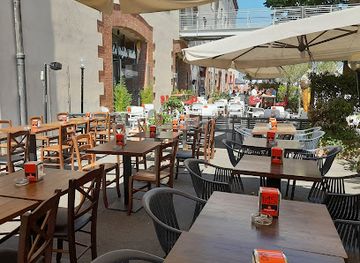


Best nightclubs in Liguria
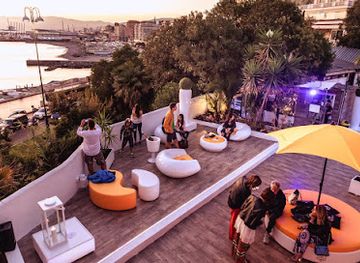
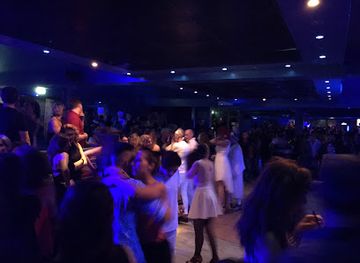
Evening life in Liguria varies sharply between Genoa, resort towns and inland villages. Genoa has the region’s broadest choice, with wine bars, traditional cafés, pubs, restaurants, live music venues and late-night activity around parts of the historic centre and the port-side districts. In towns such as Sanremo, Alassio, Rapallo and Santa Margherita Ligure, evenings often centre on aperitivo, seafront bars, hotel lounges and restaurants, with a more seasonal rhythm in summer. Smaller coastal villages generally offer intimate bars rather than a substantial club scene, while inland communities tend towards local cafés, restaurants and occasional cultural events. Nightclubs and larger dance venues exist in some resort areas but should not be assumed to operate year-round. Ligurian wine, regional liqueurs and non-alcoholic aperitivo drinks are widely available, and enjoying the evening slowly over food and conversation is as characteristic as seeking a late venue.
-
Disco club
Covo di Nord-Est
Experience the vibrant nightlife and exquisite dining at Covo di Nord-Est in Santa Margherita Ligure, where the sea meets unforgettable memories.
-
Disco club
Mako Discotheque
Mako Discotheque: Discover Genoa's electrifying nightlife at this premier disco club featuring cocktails, sushi, and an unforgettable party atmosphere.
-
Lido
Koko Beach
Discover Koko Beach in Imperia: where sun, sea, and nightlife converge for an unforgettable Italian experience.
-
Night club
Time's Club
Dive into Genoa's vibrant nightlife at Time's Club, where music and dance create unforgettable experiences.


Best shops in Liguria
Shopping in Liguria is strongest in Genoa’s historic centre, traditional markets and central streets, where visitors can find food shops, bakeries, bookshops, fashion, ceramics and small specialist retailers. The covered Mercato Orientale is a notable food-market reference in the city, although individual traders and arrangements can change. Coastal resort towns offer a mixture of independent boutiques, beachwear, galleries, jewellery shops and seasonal retail, with a broader concentration in places such as Sanremo and larger Riviera towns. In smaller villages, shopping is usually centred on bakeries, delicatessens, craft outlets and practical local stores rather than large commercial centres. Good regional purchases include jars of pesto, Ligurian olive oil, dried pasta, focaccia-style baking, wine and preserved vegetables, provided food can be transported safely. Ceramics, handmade textiles and artistic work may be found in local galleries and craft shops, while inland communities can offer products associated with mountain agriculture. Check packaging and customs rules before taking fresh food or liquids abroad.
-
Outlet mall
Designer Outlet Serravalle
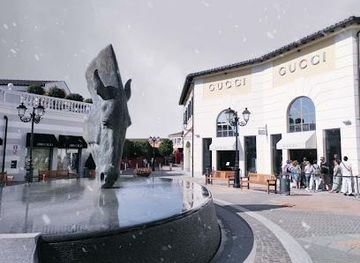
Explore Designer Outlet Serravalle, Italy's premier shopping destination with luxury brands, dining, and a charming Italian ambiance.
-
Shopping mall
Fiumara
Explore Fiumara, Genoa's premier shopping mall with endless stores, dining, and entertainment options for a fantastic day out.
-
Shopping mall
Brugnato 5Terre Outlet Village
Explore a unique shopping experience at Brugnato 5Terre Outlet Village, where luxury meets local charm in the heart of Italy.
-
Shopping mall
Il Gabbiano Shopping Center
Explore Il Gabbiano Shopping Center in Savona - your ultimate destination for shopping, dining, and entertainment in Italy.


Get your free copy of our complete guide to Liguria, delivered straight to you.
Everything on this page, from attractions and restaurants to essentials and local phrases, in one PDF you can read offline, print or share.
Already have an account? Sign in
Your Liguria guide is ready.
We'll send it to · Not you? Sign out

Getting your guide ready…
We are putting together a fresh copy of the Liguria guide. This can take up to a minute.
This can take a few moments. If your browser asks, choose Allow so the download can start. You'll find the guide in your Downloads folder.
Nothing happened? Download it again
Sorry, the guide is taking longer than usual. Please try again in a minute, or get it by email instead.
Liguria essentials
Currency and Payment
Safety
Emergency Situations
Do's and Don'ts
Local Tips
From Eve
Local phrases worth knowing
You don't need to get them perfect. A few words go a long way, and locals appreciate the effort.
Basics
| English | Local | Say it |
|---|---|---|
| Hello | Ciao | [chow] |
| Goodbye | Addio | [a-dee-oh] |
| Yes | Sì | [see] |
| No | No | [noh] |
| Please/You're welcome | Per favore/Prego | [per fa-vore/preh-go] |
| Thank you | Grazie | [grah-tsyeh] |
| Excuse me/Sorry | Scusa | [skoo-zah] |
| How are you? | Come stai? | [koh-meh sty] |
| Fine. And you? | Bene. E tu? | [beh-neh. eh too] |
| Do you speak English? | Parli inglese? | [par-lee een-gleh-zeh] |
| I don't understand | Non capisco | [non kah-pees-koh] |
Eating & Drinking
| English | Local | Say it |
|---|---|---|
| I'd like to see the menu, please | Vorrei vedere il menu, per favore | [vor-ray veh-deh-reh eel meh-noo, per fa-vore] |
| I don't eat meat | Non mangio carne | [non man-joh kar-neh] |
| Cheers! | Salute! | [sah-loo-teh] |
| I would like to pay, please | Vorrei pagare, per favore | [vor-ray pah-gah-reh, per fa-vore] |
Emergencies
| English | Local | Say it |
|---|---|---|
| Help! | Aiuto! | [ah-yoo-toh] |
| Go away! | Vattene! | [vaht-teh-neh] |
| Call the Police! | Chiama la polizia! | [kyah-mah lah poh-leet-see-ah] |
| Call a doctor! | Chiama un dottore! | [kyah-mah oon doht-toh-reh] |
| I'm lost | Mi sono perso | [mee soh-noh pair-soh] |
| I'm ill | Sono malato | [soh-noh mah-lah-toh] |
Shopping
| English | Local | Say it |
|---|---|---|
| I'd like to buy... | Vorrei comprare... | [vor-ray kom-prah-reh] |
| I'm just looking | Sto solo guardando | [sto soh-lo war-dahn-do] |
| How much is it? | Quanto costa? | [kwahn-toh koh-stah] |
| That's too expensive | È troppo caro | [eh troh-poh kah-roh] |
| Can you lower the price? | Puoi abbassare il prezzo? | [pwoy ab-bah-sah-reh eel pret-soh] |
Time & Numbers
| English | Local | Say it |
|---|---|---|
| What time is it? | Che ore sono? | [keh oh-reh soh-noh] |
| It's one o'clock | È l'una | [eh loo-nah] |
| Half past (10) | Dieci e mezzo | [dee-eh-chee eh meh-tsso] |
| Morning | Mattina | [maht-tee-nah] |
| Afternoon | Pomeriggio | [poh-meh-reed-joh] |
| Evening | Sera | [seh-rah] |
| Yesterday | Ieri | [yeh-ree] |
| Today | Oggi | [ohj-gee] |
| Tomorrow | Domani | [doh-mah-nee] |
| 1 | Uno | [oo-noh] |
| 2 | Due | [doo-eh] |
| 3 | Tre | [treh] |
| 4 | Quattro | [kwah-troh] |
| 5 | Cinque | [cheen-kweh] |
| 6 | Sei | [say] |
| 7 | Sette | [seht-teh] |
| 8 | Otto | [oht-toh] |
| 9 | Nove | [noh-veh] |
| 10 | Dieci | [dee-eh-chee] |
Transport & Directions
| English | Local | Say it |
|---|---|---|
| Where's a/the...? | Dove c'è...? | [doh-veh cheh] |
| What's the address? | Qual è l'indirizzo? | [kwahl eh leen-dee-reet-soh] |
| Can you show me (on the map)? | Puoi mostrarmi (sulla mappa)? | [pwoy mohs-trar-mee (soo-lah mahp-pah)] |
| When's the next (bus)? | Quando è il prossimo (autobus)? | [kwahn-doh eh eel proh-ssee-mo (ow-toh-boos)] |
| A ticket (to ....) | Un biglietto (per ....) | [oon bee-lyet-toh (per ....)] |
History of Liguria
Ligurian Peoples and Roman Luni
Before Roman expansion, the region was inhabited by Ligurian communities occupying the coast and rugged interior. Rome gradually brought the area under its control during the second and first centuries BC, developing roads and settlements that connected the Mediterranean shore with northern Italy. The Roman colony of Luna, founded in 177 BC near present-day Luni at the eastern edge of modern Liguria, became important for trade and for the marble quarried nearby in the Apuan region. Roman influence also shaped routes, agriculture and port activity, although the mountains continued to divide local communities.
Medieval Genoa and the Maritime Republic
After the fragmentation of Roman authority, Liguria was ruled in turn by regional and foreign powers, including the Lombards, Franks and the marquises who controlled parts of the inland valleys. From the eleventh century, Genoa developed into a powerful maritime republic, competing with Pisa and later Venice for Mediterranean trade. Its merchants, fleets and colonies connected the city with ports across the western Mediterranean, the Black Sea and the Levant. Genoese power left a lasting mark on the region through churches, fortifications, commercial buildings and the political influence of leading families.
The Republic of Genoa and Coastal Rivalries
The Republic of Genoa survived for centuries as a merchant state whose authority varied across Liguria. Rival lordships and towns retained local privileges, while Genoese families such as the Doria and Fieschi played major roles in regional and European politics. Coastal settlements were defended against raids and maritime rivals, and inland valleys supplied food, timber and agricultural products. The old centres of Noli, Albenga, Savona and Genoa preserve different traces of this period, from towers and medieval street plans to churches and fortified positions.
Napoleonic Rule and the End of the Republic
French revolutionary armies entered Liguria in the 1790s, and the old Republic of Genoa was replaced by the Ligurian Republic, which was later absorbed into Napoleon’s imperial system. The period brought administrative change, military occupation and the remodelling of political institutions. In 1815, after Napoleon’s defeat, the Congress of Vienna assigned Genoa and Liguria to the Kingdom of Sardinia, ruled by the House of Savoy. The transition ended the region’s centuries as an independent maritime republic and tied its future more closely to the Italian mainland.
Risorgimento and Italian Unification
Liguria contributed significantly to the nineteenth-century movement for Italian unification. Genoa was the birthplace of Giuseppe Mazzini, a central republican thinker and founder of Young Italy, while the port provided ships, workers and political networks to the wider Risorgimento. Giuseppe Garibaldi’s 1860 Expedition of the Thousand, which helped bring southern Italy into the unification process, also drew support from maritime and commercial circles in the north-west. In 1861, Liguria became part of the Kingdom of Italy, with Genoa remaining a major port and industrial city.
Ports, Railways and Industrial Growth
During the nineteenth and twentieth centuries, railways and expanding port facilities transformed Liguria’s economy. Genoa became one of Italy’s principal commercial and industrial centres, while shipbuilding, engineering, steel and port-related employment developed around the coast. Railways also made the Riviera more accessible to visitors from northern Europe, accelerating the growth of seaside tourism in towns such as Sanremo, Alassio, Rapallo and Santa Margherita Ligure. The same infrastructure that supported industry and tourism linked coastal settlements closely, although the steep terrain continued to limit development inland.
War, Reconstruction and the Modern Riviera
Liguria suffered bombing, occupation and disruption during the Second World War because of its ports, industrial facilities and strategic coastal position. Post-war reconstruction encouraged new housing, roads, manufacturing and mass tourism, reshaping parts of the shoreline. At the same time, many inland agricultural terraces and villages faced depopulation, while older coastal centres increasingly turned towards heritage, hospitality and maritime recreation. Today Liguria combines a major working port in Genoa, established resort economies, protected landscapes such as the Cinque Terre and extensive rural areas whose historic terraces and villages remain central to the region’s identity.
Liguria in Photos
Browse through our photo collection highlighting the charm and character of the destination.
Neighbouring regions of Liguria
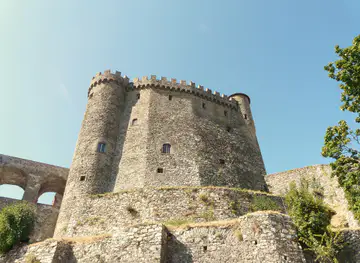
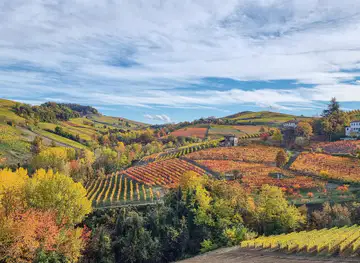
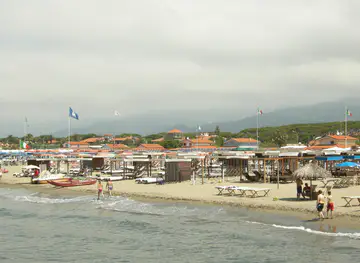
The closest regions to Liguria, if you have time for more than one.
-
-
-

-

-


Swipe for more regions
Explore more

Explore more of Italy
Discover Italy: A land of ancient history, artistic marvels, and culinary delights; where every corner reveals a new story and every meal is a celebration.
Explore Italy