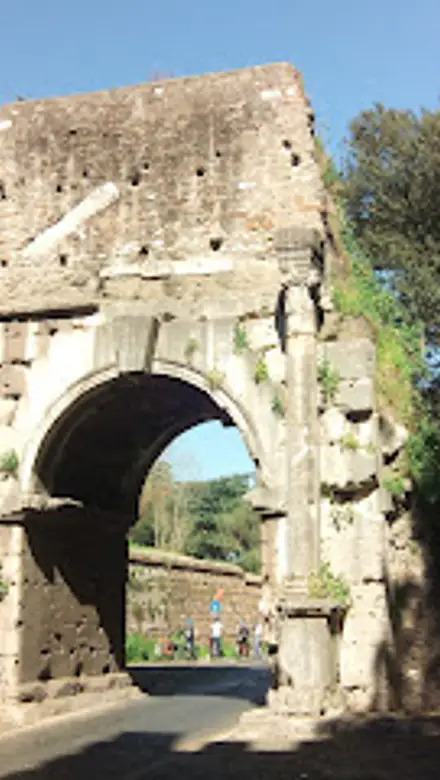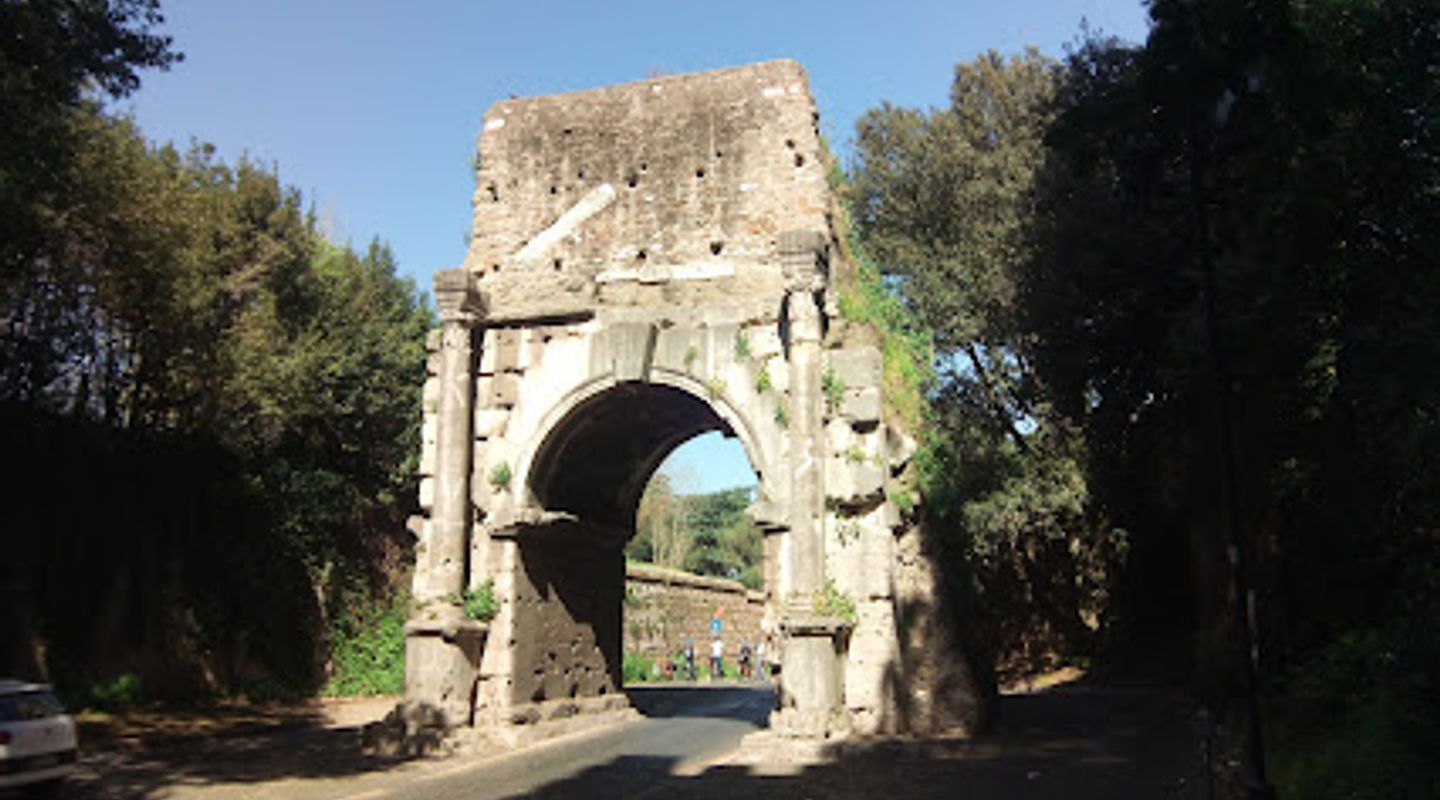
Aurelian Walls, Lazio Travel Guide
Explore the ancient Aurelian Walls, a testament to Roman engineering and a defining landmark of Rome's historic center.
The Aurelian Walls, built in the late 3rd century AD, are a remarkably well-preserved circuit of ancient Roman city walls. Constructed by Emperor Aurelian to protect Rome from barbarian invasions, they stand as a testament to Roman engineering and military strategy. Today, they define the boundaries of central Rome and offer a glimpse into the city's rich history.
A brief summary to Aurelian Walls
- Rome, Metropolitan City of Rome Capital, 00179, IT

Know before you go
Hi, I'm Eve. Here are a few practical things to know before exploring Aurelian Walls.
- Visit the Museo delle Mura near the Porta San Sebastiano to learn about the history and construction of the Aurelian Walls.
- Walk along the perimeter of the walls to appreciate their scale and integration with the city.
- Note that the Aurelian Walls define the boundaries used by taxi drivers for fare calculations within central Rome.
- Combine your visit with a walk along the Appian Way, which begins at the Porta San Sebastiano.
Do you manage this location?
Take control to get all the benefits, like improved information, better appearance, and stronger visibility across AI-powered discovery. Learn more about listing your business on Evendo
Activate your presenceOther nearby places you may find interesting
The closest places of the same kind, if this one is not quite what you had in mind.
Explore Aurelian Walls on the Map
A handpicked selection of must-see spots near Aurelian Walls, mapped for you.
Unlock the Best of Aurelian Walls
Buy tickets
-
No tickets available
Book tours with entry


Getting There
-
Public Transport
Several bus lines and metro stops provide access to different sections of the Aurelian Walls. For example, to reach the Porta San Sebastiano and the Museo delle Mura, take bus line 714 and disembark a short walk from the museum. Metro Line C also has several stops near the walls. A single metro/bus ticket costs €1.50 and is valid for 100 minutes.
-
Walking
The Aurelian Walls can be accessed and viewed from various points throughout Rome's city center. From the Colosseum, it is possible to walk to the Porta San Sebastiano in approximately 30-40 minutes. Follow the main roads, taking in the sights along the way. No costs involved.
-
Taxi/Ride-Share
Taxis and ride-sharing services are readily available throughout Rome. A short trip within the city center, such as from Termini Station to a point along the Aurelian Walls, typically costs between €10-€15. Note that taxis within the Aurelian Walls from Fiumicino Airport have a fixed rate of 48 euros.
-
Parking
If driving, parking is available in the vicinity of the Aurelian Walls, though it can be limited and subject to fees. Street parking is often available for a fee of €1.20 per hour within the ZTL (Limited Traffic Zone). Several parking garages are also located near major attractions and gates in the wall. Check for blue lines which indicate paid parking.
Discover more about Aurelian Walls













Your all‑in‑one travel companion app
Explore expert travel guides, compare and book tours, experiences, hotels, and more—all from the palm of your hand. Download now for seamless trip planning wherever your wanderlust takes you.


Explore More of Lazio
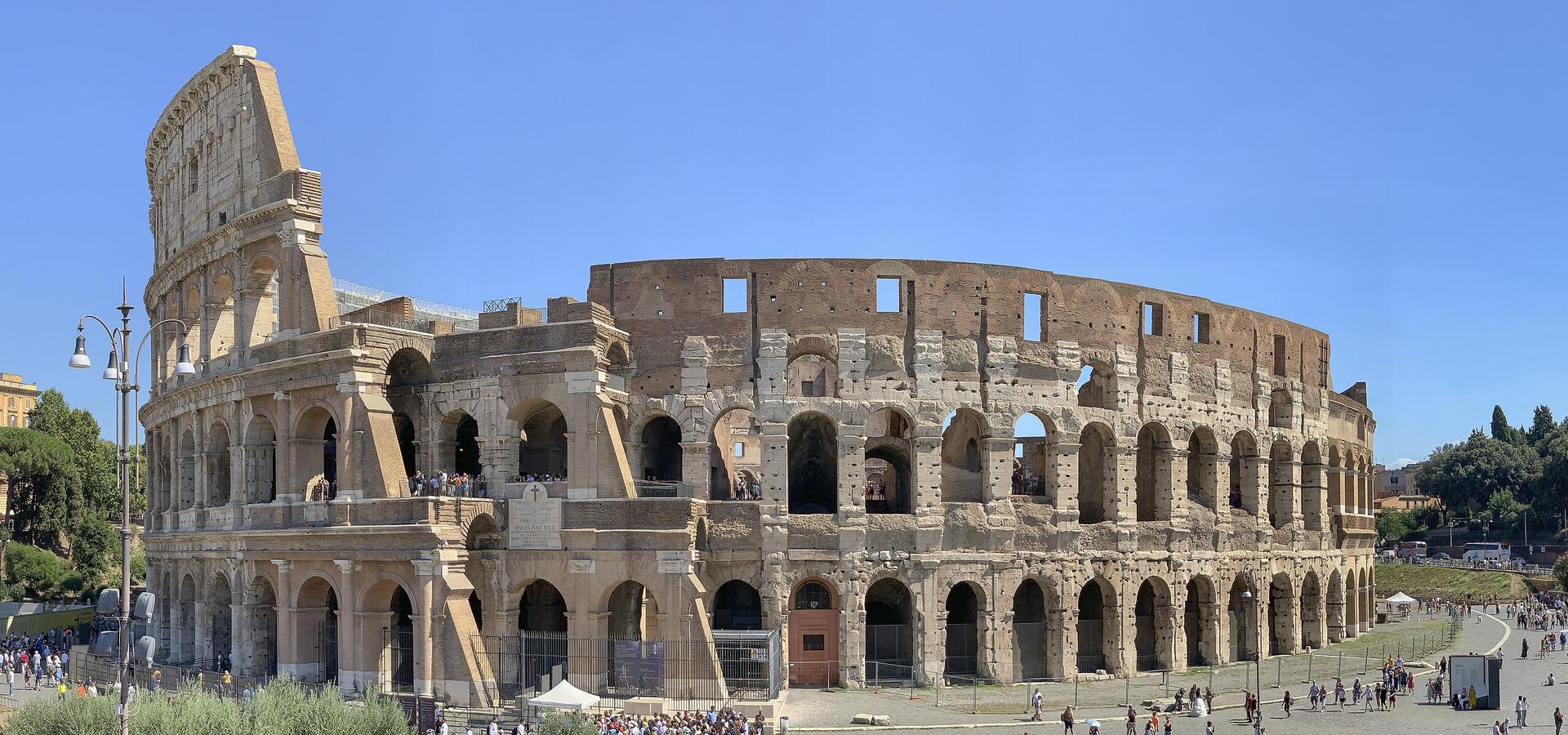
Looking beyond Aurelian Walls? Discover Lazio for broader travel guides, local hot-spots, and regional highlights.
Explore Lazio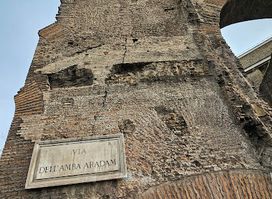
Uncover Rome's hidden layers: Explore the fascinating ruins beneath the Basilica di San Giovanni in Laterano, revealing ancient houses and imperial barracks.
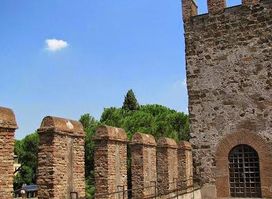
Discover the ancient fortifications of Rome at Museo delle Mura, a testament to the city's rich history and architectural prowess.