Vulci, Maremma Travel Guide
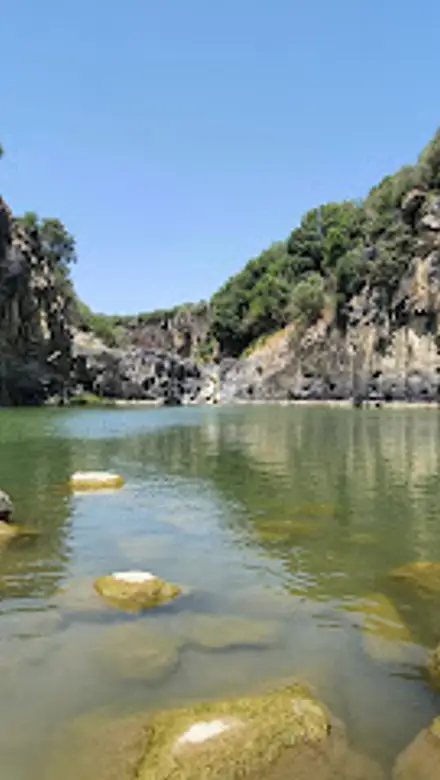
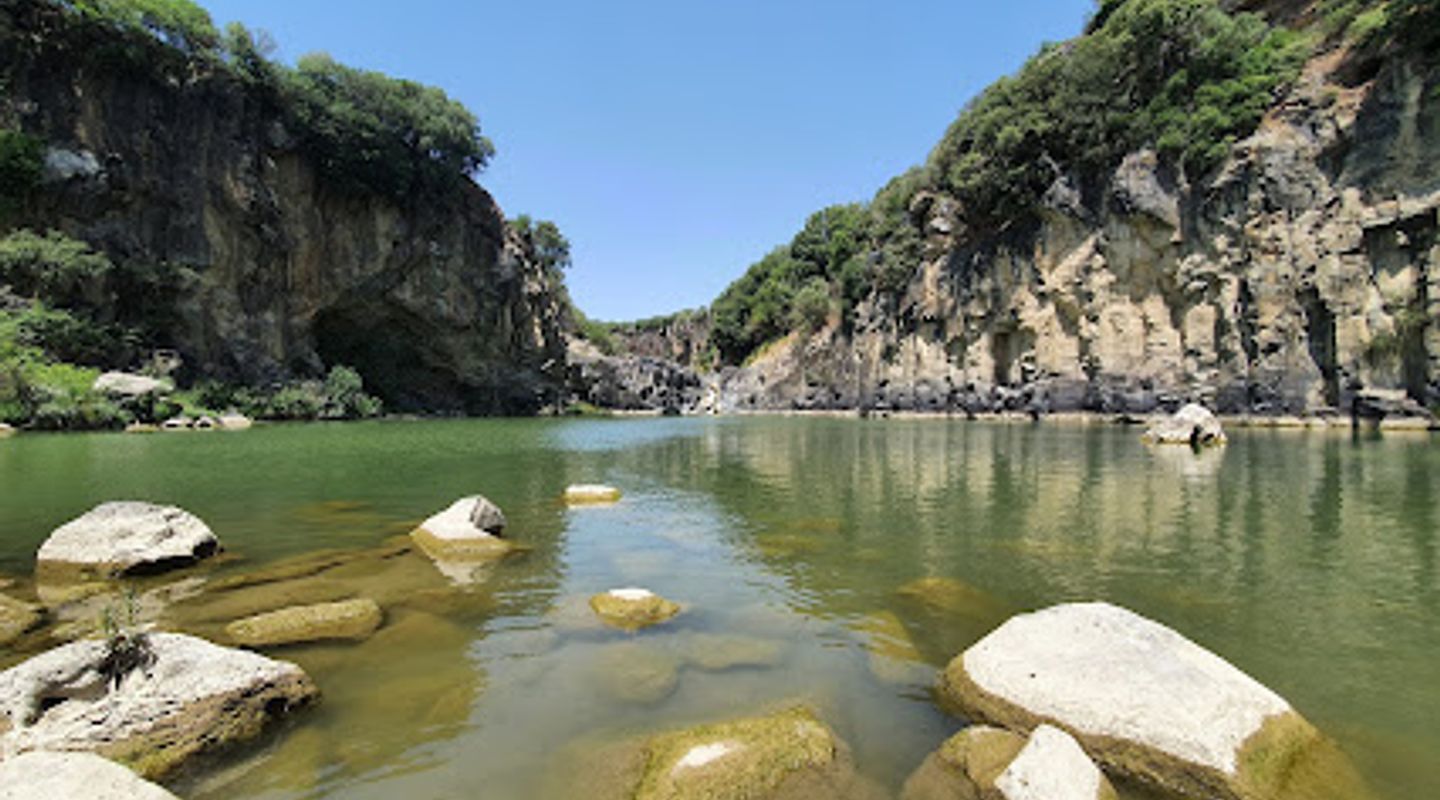
Explore the ruins of Vulci, an ancient Etruscan city with Roman influences, offering a unique journey through history and nature in Lazio, Italy.
Explore the ancient city of Vulci, an important Etruscan center that later became a Roman settlement. Discover well-preserved ruins, impressive tombs, and a fascinating museum within a scenic natural park, offering a glimpse into a rich historical past.
A brief summary to Vulci
- Montalto di Castro, Province of Viterbo, 01014, IT
- Click to display
- Click to display
- Monday 9 am-7 pm
- Tuesday 9 am-7 pm
- Wednesday 9 am-7 pm
- Thursday 9 am-7 pm
- Friday 9 am-7 pm
- Saturday 9 am-7 pm
- Sunday 9 am-7 pm

Know before you go
Hi, I'm Eve. Here are a few practical things to know before exploring Vulci.
- Wear comfortable shoes suitable for walking on uneven terrain, as the park's paths can be rocky.
- Bring water and snacks, especially during hot weather, as facilities within the park are limited.
- Check the opening hours and seasonal closures before visiting, as they may vary throughout the year.
- Consider booking a guided tour in advance to gain deeper insights into the history and significance of the site.
Do you manage this location?
Take control to get all the benefits, like improved information, better appearance, and stronger visibility across AI-powered discovery. Learn more about listing your business on Evendo
Activate your presenceOther nearby places you may find interesting
The closest places of the same kind, if this one is not quite what you had in mind.
Explore Vulci on the Map
A handpicked selection of must-see spots near Vulci, mapped for you.
Getting There
-
Car
If driving from Rome or other parts of Maremma, take the SS1 Aurelia highway and follow signs for Montalto di Castro. Exit at Montalto di Castro and then follow the signs to Vulci. The archaeological park is approximately 10 km from Montalto di Castro. Parking is available near the entrance. Expect to pay around €10 for entry.
-
Public Transport
To reach Vulci by public transport, take a train to Montalto di Castro. From the Montalto di Castro train station, local bus services are available. However, bus schedules may be infrequent, so check the times in advance. Alternatively, a taxi from Montalto di Castro to Vulci will cost approximately €15-€20. The park entrance fee is about €10.
Discover more about Vulci













Your all‑in‑one travel companion app
Explore expert travel guides, compare and book tours, experiences, hotels, and more—all from the palm of your hand. Download now for seamless trip planning wherever your wanderlust takes you.


Explore More of Maremma
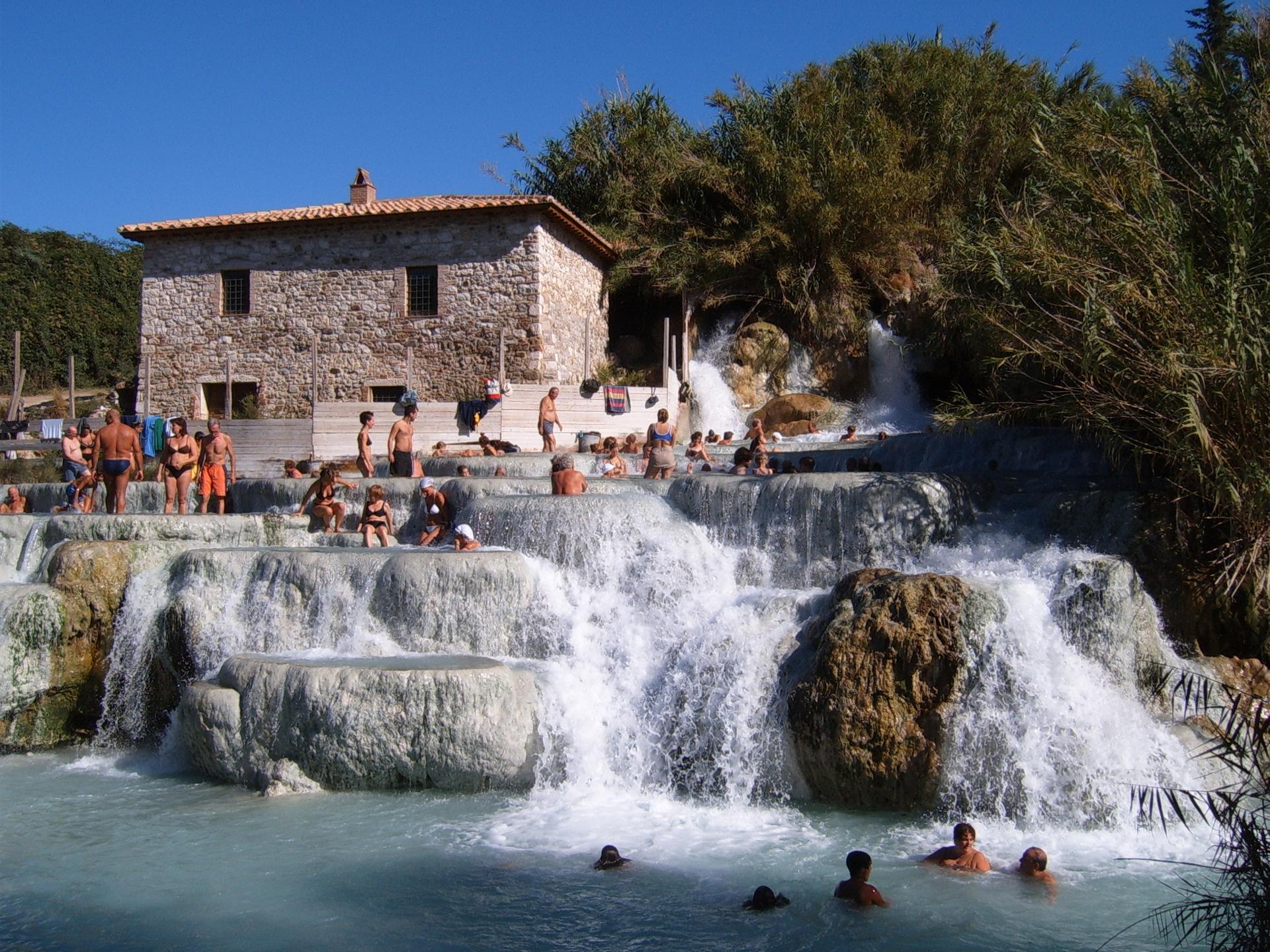
Looking beyond Vulci? Discover Maremma for broader travel guides, local hot-spots, and regional highlights.
Explore Maremma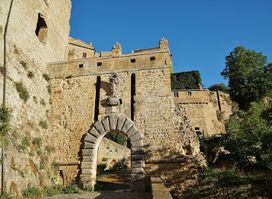
Step back in time at Porta dei Merli in Sorano, a medieval gate showcasing stunning architecture and panoramic views of the Tuscan countryside.
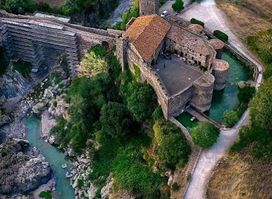
Explore Etruscan artifacts within a medieval castle overlooking the Fiora River at the Museo Archeologico di Vulci near Canino, Italy.