

Maremma, Italy Travel Guide
Discover Maremma, Italy's hidden gem in Tuscany, offering breathtaking landscapes, rich history, and authentic Italian charm with pristine beaches and medieval villages.
Nestled in the southern part of Tuscany, Maremma is a captivating region that offers a blend of natural beauty, rich history, and authentic Italian culture. This unspoiled paradise is known for its rolling hills, pristine beaches, and charming medieval villages. Visitors can explore ancient Etruscan ruins, wander through lush vineyards, and indulge in the local cuisine that features fresh seafood, olive oil, and wines. Maremma's coastline, known as the Maremma Riviera, boasts some of Italy's most stunning beaches. Punta Ala, Castiglione della Pescaia, and Marina di Grosseto are popular spots where you can relax on golden sands and swim in crystal-clear waters. The region is also home to the Maremma Regional Park, a haven for nature lovers who can hike, bike, or horseback ride through its diverse landscapes. History buffs will appreciate the medieval towns of Pitigliano, Sorano, and Sovana, where narrow streets and stone houses tell tales of the past. The thermal baths of Saturnia offer a unique experience with their natural hot springs that have been used since Roman times. Whether you are looking to unwind, explore, or savor the flavors of Tuscany, Maremma provides a unique and unforgettable experience.

Know before you go
Hi, I'm Eve. Here are a few practical things to know before exploring Maremma.
- Visit in spring or early autumn to enjoy pleasant weather and fewer crowds.
- Rent a car to explore the region's remote villages and scenic countryside.
- Don't miss the thermal baths of Saturnia for a relaxing experience.
- Try the local wines, especially the red Morellino di Scansano.
- Pack comfortable shoes for walking through medieval towns and nature trails.
Top City Travel Guides in Maremma
The cities of Maremma, and the easiest places to base yourself.

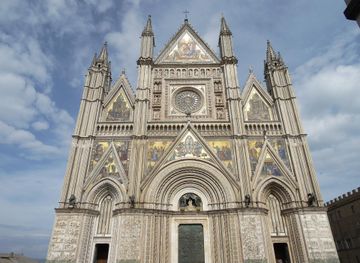
Explore Maremma: Things to Do, Places to Eat, Hotels & More
Handpicked recommendations for top attractions, local dining, accommodations, and more

Top Attractions & Sightseeing in Maremma
Top-rated picks
Best Attractions

Aldobrandesca Fortress
Discover the rich history and breathtaking views at Aldobrandesca Fortress, a medieval gem in the heart of Tuscany's stunning landscape.

Cala dal Barbiere
Discover the natural beauty and tranquility of Cala dal Barbiere, a pristine beach in Punta Ala, perfect for relaxation and adventure.

Etruscan Road San Rocco in Sorano
Discover the ancient Etruscan Road San Rocco in Sorano, a captivating journey through Italy's rich historical landscape.

Museo Archeologico Alberto Manzi
Explore the rich heritage of the Etruscans at Museo Archeologico Alberto Manzi in Pitigliano, where history comes alive amidst stunning landscapes.

Best landmarks in Maremma
Top-rated picks
Best Landmarks

Parco Regionale della Maremma
Explore the stunning landscapes and diverse wildlife of Parco Regionale della Maremma, a hidden gem along Tuscany's breathtaking coastline.

Vulci
Explore the ancient Etruscan ruins and stunning landscapes of Vulci, an unforgettable archaeological park in Italy's scenic Maremma region.

La Peschiera (Santa Fiora)
Explore La Peschiera in Santa Fiora: A tranquil Tuscan oasis with stunning landscapes and rich cultural heritage, perfect for nature lovers and history enthusiasts.
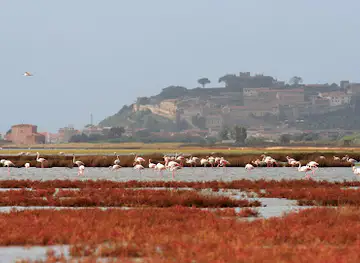
Riserva Naturale Diaccia Botrona - Maremma
Explore Riserva Naturale Diaccia Botrona, a stunning nature preserve in Maremma, perfect for birdwatching, hiking, and nature exploration.

Best restaurants in Maremma
Top-rated picks
Best Restaurants

Ristorante da Guido
Experience authentic Italian flavors at Ristorante da Guido in Magliano in Toscana - where every meal is a delightful journey through Tuscany.

Fidalma
Discover Fidalma: An Authentic Italian Restaurant in Sorano Offering Delectable Cuisine and Warm Hospitality.

Osteria Passaparola Nell'Antico Frantoio
Experience authentic Tuscan flavors at Osteria Passaparola Nell'Antico Frantoio in scenic Montemerano, where tradition meets taste.

Ristorante Leccio Moro
Discover authentic Italian flavors at Ristorante Leccio Moro in Tirli – where every meal is crafted with passion and tradition.

Best bars in Maremma
Top-rated picks
Best Bars

Bar Tavola Calda Il Girasole
Discover the inviting Bar Tavola Calda Il Girasole, your perfect rest stop in Capalbio for drinks, snacks, and local charm along Via Aurelia.

Il Covo dei Briganti a Manciano
Discover the heart of Tuscany at Il Covo dei Briganti, where authentic Italian cuisine meets a cozy atmosphere in Manciano.
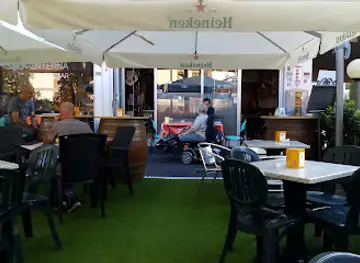
Barracuda Caffe'
Discover the inviting atmosphere of Barracuda Caffe' in Grosseto, where delightful Italian flavors and warm hospitality await every visitor.

Tuscany Bay Beach
Experience the vibrant blend of dining, dancing, and stunning coastal views at Tuscany Bay Beach, the ultimate destination for beach lovers.

Best nightclubs in Maremma
Top-rated picks
Best Nightclubs

Tartana
Experience the electrifying nightlife at Tartana, a top disco club in Puntone di Scarlino, where vibrant music and dancing await you.

Toy RoOm Rome
Discover the electrifying nightlife at Toy RoOm Rome, where vibrant beats and stunning ambiance create unforgettable memories.

Radio Londra
Immerse yourself in the vibrant nightlife of Rome at Radio Londra, where electrifying music and endless dancing await.

Discoteca Capannina
Immerse yourself in the lively atmosphere of Discoteca Capannina, a premier disco club in Castiglione della Pescaia, where unforgettable nights await.

Best shops in Maremma
Top-rated picks
Best Shops

Outlet Barberino
Discover incredible deals and delightful dining experiences at Outlet Barberino, your ultimate shopping destination in Barberino di Mugello.

Valdichiana Outlet Village
Experience the charm of Tuscany while shopping at Valdichiana Outlet Village, where top brands meet incredible discounts in a delightful open-air setting.

Centro commerciale Maremà
Explore Centro Commerciale Maremà: Grosseto's premier shopping and entertainment destination, perfect for tourists seeking local culture and vibrant experiences.

Aurelia Antica
Aurelia Antica in Grosseto: Discover unbeatable deals and a vibrant shopping atmosphere in this premier outlet mall.

Explore Maremma on the Map
A handpicked selection of must-see spots in Maremma, mapped for you.
Maremma Essentials
-
Maremma is located in the Tuscany region of Italy. The nearest major airport is Rome Fiumicino Airport (FCO), approximately 150 kilometers away. From Rome, you can take a train to Grosseto, the main city in Maremma, which takes about 2 hours. Alternatively, you can fly into Pisa International Airport (PSA) and take a train or rent a car for a scenic 2-hour drive to Maremma. If you prefer driving, Maremma is well-connected via the A12 and SS1 highways.
-
Within Maremma, public transportation includes buses and trains that connect major towns and cities. Grosseto serves as a central hub for both. Taxis are available but can be expensive. Renting a car is highly recommended for exploring the countryside and smaller villages at your own pace. Biking is also a popular way to experience the region's natural beauty.
-
Italy uses the Euro (EUR) as its currency. Credit cards are widely accepted in hotels, restaurants, and larger shops. However, it's advisable to carry cash for smaller establishments and rural areas. ATMs are readily available in towns and cities throughout Maremma. Notify your bank of your travel plans to avoid any issues with card transactions.
-
Maremma is generally a safe destination. However, standard precautions should be taken. Avoid walking alone at night in unfamiliar areas and keep your belongings secure, especially in crowded places like markets and train stations. While Maremma does not have specific high-crime areas targeting tourists, staying vigilant is always wise.
-
In case of an emergency, dial 112 for immediate assistance. Grosseto has a well-equipped hospital and medical facilities. Pharmacies are available in all major towns for minor health issues. It is recommended to have travel insurance that covers medical emergencies and to keep a copy of your insurance details handy.
-
Fashion: Do dress elegantly, especially when dining out. Avoid overly casual attire such as flip-flops and shorts in upscale settings. Religion: Do show respect when visiting churches and religious sites. Cover your shoulders and knees. Public Transport: Do validate your ticket before boarding trains or buses to avoid fines. Don't speak loudly. Greetings: Do greet people with a 'Buongiorno' (Good morning) or 'Buonasera' (Good evening). A handshake is common. Eating & Drinking: Do try local foods and wines. Don't rush meals; dining is a leisurely activity. Avoid asking for modifications to traditional dishes.
-
To experience Maremma like a local, visit the weekly markets in towns such as Grosseto and Orbetello to buy fresh produce and artisanal products. Engage with locals, who are often friendly and eager to share stories about their region. Don't miss the natural parks like Parco della Maremma for hiking and wildlife spotting. For a unique experience, visit the thermal baths in Saturnia.
When is the best time to visit Maremma?
Useful Local Phrases for Maremma
You don't need to speak the language perfectly. Even learning a few simple words can make conversations warmer—and locals usually appreciate the effort.
— Eve

Here are the phrases I use most often in Maremma. Try a few—you'll be surprised how far they go! 😊
❤️
-
- HelloCiao
[chow] - GoodbyeArrivederci
[ah-ree-vay-DER-chee] - YesSì
[see] - NoNo
[noh] - Please/You're welcomePer favore
[pair fah-VOH-ray] - Thank youGrazie
[GRAHT-see-eh] - Excuse me/SorryScusi
[SKOO-zee] - How are you?Come stai?
[KOH-meh stah-ee] - Fine. And you?Bene. E tu?
[BEH-neh. Eh too?] - Do you speak English?Parli inglese?
[PAR-lee een-GLEH-zeh?] - I don't understandNon capisco
[Nohn kah-PEE-skoh]
- HelloCiao
-
- I'd like to see the menu, pleaseVorrei vedere il menu, per favore
[vor-RAY veh-DER-ay eel meh-NOO, pair fah-VOH-ray] - I don't eat meatNon mangio carne
[Nohn MAN-joh KAR-nay] - Cheers!Salute!
[sah-LOO-tay] - I would like to pay, pleaseVorrei pagare, per favore
[vor-RAY pah-GAR-ay, pair fah-VOH-ray]
- I'd like to see the menu, pleaseVorrei vedere il menu, per favore
-
- Help!Aiuto!
[ah-YOO-toh] - Go away!Vai via!
[VAI VEE-ah] - Call the Police!Chiama la polizia!
[KYAH-mah lah POL-it-SEE-ah] - Call a doctor!Chiama un dottore!
[KYAH-mah oon doht-TOH-ray] - I'm lostMi sono perso
[Mee SOH-noh PER-soh] - I'm illSono malato
[SOH-noh mah-LAH-toh]
- Help!Aiuto!
-
- I'd like to buy...Vorrei comprare...
[vor-RAY kom-PRAH-ray...] - I'm just lookingSto solo guardando
[STO SOH-loh gwahr-DAN-doh] - How much is it?Quanto costa?
[KWAN-toh KOH-stah?] - That's too expensiveÈ troppo caro
[eh TROH-poh KAH-roh] - Can you lower the price?Puoi abbassare il prezzo?
[PWOH-ee ahb-BAS-sah-ray eel PRET-so?]
- I'd like to buy...Vorrei comprare...
-
- What time is it?Che ore sono?
[Keh OH-ray SOH-noh?] - It's one o'clockÈ l'una
[eh LOO-nah] - Half past (10)Dieci e mezzo
[DEE-eh-chee eh MEH-tso] - MorningMattina
[maht-TEE-nah] - AfternoonPomeriggio
[poh-meh-REE-joh] - EveningSera
[SEH-rah] - YesterdayIeri
[YAY-ree] - TodayOggi
[OH-gee] - TomorrowDomani
[doh-MAH-nee] - 1Uno
[OO-noh] - 2Due
[DOO-eh] - 3Tre
[TREH] - 4Quattro
[KWAHT-troh] - 5Cinque
[CHEEN-kweh] - 6Sei
[SAY] - 7Sette
[SEH-tay] - 8Otto
[OHT-toh] - 9Nove
[NOH-vay] - 10Dieci
[DEE-eh-chee]
- What time is it?Che ore sono?
-
- Where's a/the...?Dove c'è un...?
[DOH-vay cheh oon...?] - What's the address?Qual è l'indirizzo?
[KWAL eh leen-dee-REET-so?] - Can you show me (on the map)?Puoi mostrarmi (sulla mappa)?
[PWOH-ee mohs-TRAR-mee (SOOL-lah MAH-pah)?] - When's the next (bus)?Quando parte il prossimo (autobus)?
[KWAN-doh PAR-tay eel PROS-see-mo (OW-toh-boos)?] - A ticket (to ....)Un biglietto (per....)
[OON bee-LYEHT-toh (pair....)]
- Where's a/the...?Dove c'è un...?
History of Maremma
-
The history of Maremma dates back to the ancient Etruscan civilization, which thrived in this area from the 8th to the 3rd centuries BCE. The Etruscans established several settlements, most notably the city of Vetulonia, which was a major center of trade and culture. Evidence of their advanced engineering skills is still visible in the form of necropolises, roads, and hydraulic systems.
-
In the 3rd century BCE, the Romans began their conquest of Etruria, incorporating Maremma into the burgeoning Roman Republic. The region became known for its agricultural productivity and its role in the Roman road network, particularly the Via Aurelia, which facilitated trade and military movements. Roman villas and archaeological sites such as Roselle provide insights into this era.
-
During the medieval period, Maremma experienced significant upheaval. The fall of the Roman Empire led to a period of instability marked by invasions and power struggles. The region came under the control of various powers, including the Lombards, the Byzantines, and eventually the Holy Roman Empire. This era saw the rise of fortified towns and castles, such as the impressive Castello di Montemassi.
-
In the 16th century, Maremma became part of the Grand Duchy of Tuscany under the rule of the Medici family. This period saw efforts to reclaim and develop the marshy lands that characterized much of the region. Despite these efforts, Maremma remained largely rural and underdeveloped, plagued by malaria and difficult living conditions.
-
The 19th century brought significant changes to Maremma with the large-scale land reclamation projects initiated by the Grand Duchy of Tuscany and later the Italian government. These efforts aimed to drain the marshes, improve agriculture, and combat malaria. The landscape of Maremma was transformed, leading to increased settlement and agricultural productivity.
-
Maremma, like much of Italy, was affected by the events of World War II. The region witnessed resistance activities and suffered from the impacts of military operations. In the post-war period, Maremma underwent rapid modernization and development. Today, it is known for its natural beauty, protected areas like the Maremma Regional Park, and its blend of historical heritage and contemporary culture.
Neighbouring Regions of Maremma
The closest regions to Maremma, if you have time for more than one.




Your all‑in‑one travel companion app
Explore expert travel guides, compare and book tours, experiences, hotels, and more—all from the palm of your hand. Download now for seamless trip planning wherever your wanderlust takes you.


Explore More of Italy

Looking beyond Maremma? Discover Italy for broader travel guides, local hot-spots, and regional highlights.
Explore ItalyMaremma in Photos
Browse through our photo collection highlighting the charm and character of the destination.


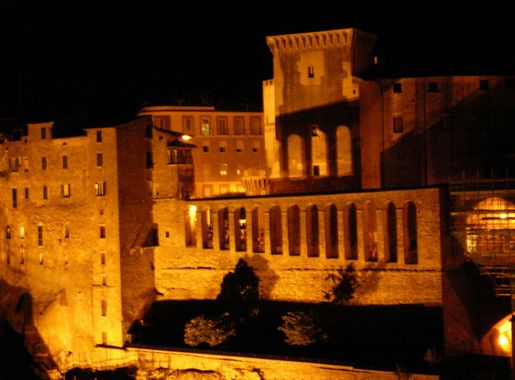


Enchanting Maremma: Tuscany's Hidden Gem
Nestled in the southern part of Tuscany, Maremma is a captivating region that offers a blend of natural beauty, rich history, and authentic Italian culture. This unspoiled paradise is known for its rolling hills, pristine beaches, and charming medieval villages. Visitors can explore ancient Etruscan ruins, wander through lush vineyards, and indulge in the local cuisine that features fresh seafood, olive oil, and wines. Maremma's coastline, known as the Maremma Riviera, boasts some of Italy's most stunning beaches. Punta Ala, Castiglione della Pescaia, and Marina di Grosseto are popular spots where you can relax on golden sands and swim in crystal-clear waters. The region is also home to the Maremma Regional Park, a haven for nature lovers who can hike, bike, or horseback ride through its diverse landscapes. History buffs will appreciate the medieval towns of Pitigliano, Sorano, and Sovana, where narrow streets and stone houses tell tales of the past. The thermal baths of Saturnia offer a unique experience with their natural hot springs that have been used since Roman times. Whether you are looking to unwind, explore, or savor the flavors of Tuscany, Maremma provides a unique and unforgettable experience.