Acquedotto Romano Travel Guide
Free Guide: Explore the impressive ruins of the Roman aqueduct in Acqui Terme, a symbol of ancient engineering and the town's rich Roman heritage.


A brief summary of Acquedotto Romano
Explore the impressive ruins of the Roman aqueduct in Acqui Terme, a symbol of ancient engineering and the town's rich Roman heritage.
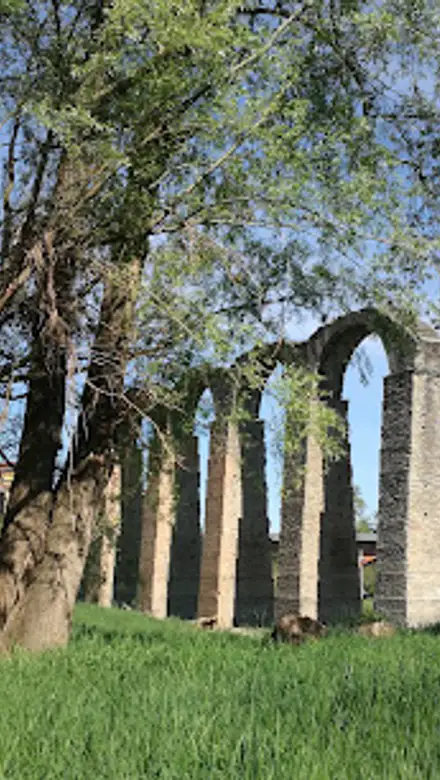
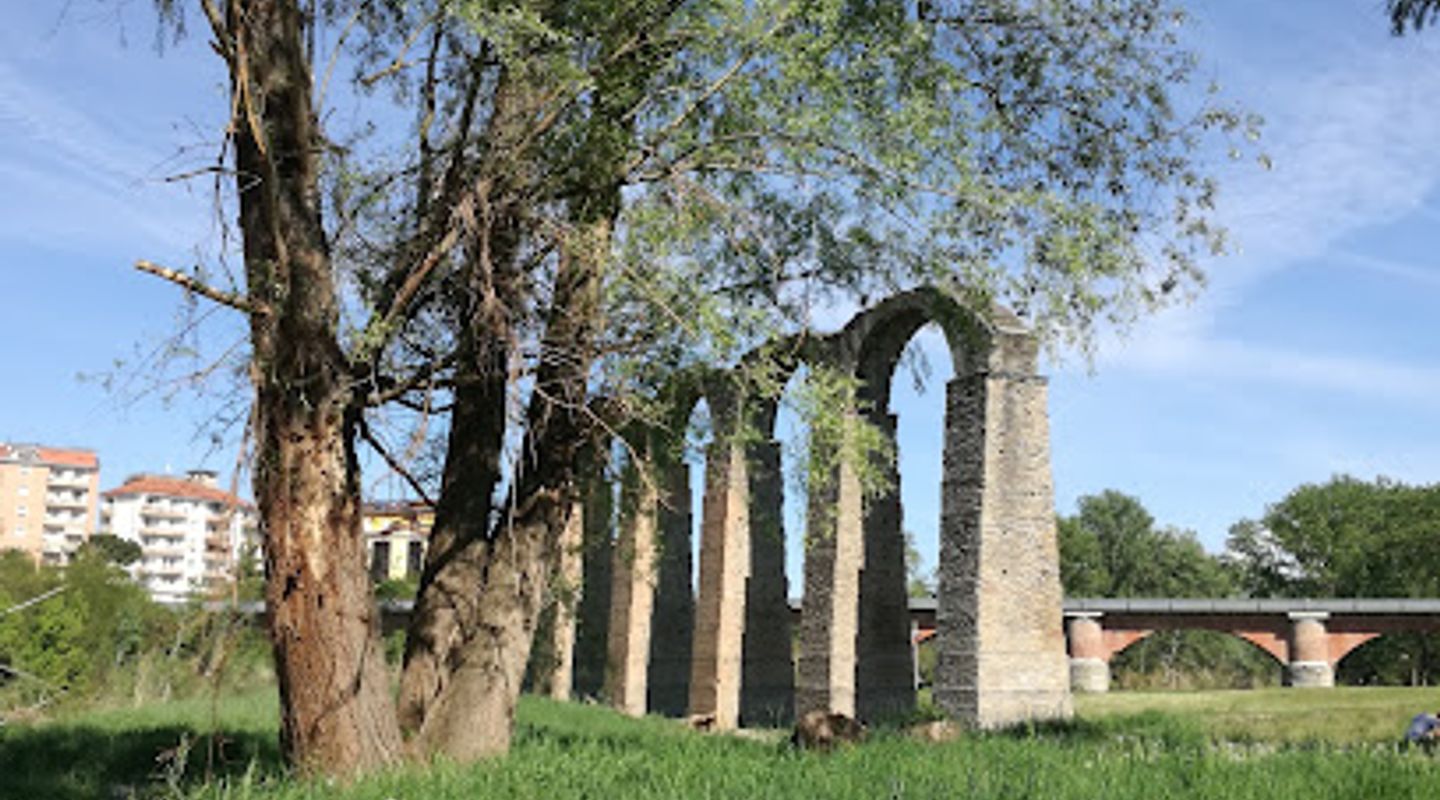
Marvel at the imposing remains of the Roman aqueduct in Acqui Terme, a remarkable feat of ancient engineering dating back to the 1st century AD. These well-preserved arches stand as a testament to the Roman's ability to harness and manage water resources, providing a glimpse into the town's rich history.
Opening hours
- Every dayOpen 24 hours
Opening hours as listed on the venue’s Google Business Profile. Hours can change for services and special events, so check with the venue before you go.
- Address
- Archi romani, 15011 Acqui Terme AL
- Phone
- Website
Getting there
Walking
Public Transport
Taxi
Discover more about Acquedotto Romano
Overview
The Roman Aqueduct of Acqui Terme, dating back to the 1st century AD, stands as one of the most significant remnants of ancient hydraulic infrastructure in Northern Italy. Constructed during the early Imperial period, possibly even the Augustan era, this aqueduct once stretched approximately 12 km from its water source in Lagoscuro (now Cartosio) through the Erro Valley. The above-ground structure was necessitated to cross the Bormida River, with the original design comprising around forty pillars. Today, two sections remain on the Bormida's right bank, featuring seven and eight pillars respectively. These pillars, constructed with a cement core and local sandstone, supported lowered arches, over which the water channel flowed. Visiting the aqueduct offers a unique opportunity to witness Roman engineering prowess and appreciate the historical importance of Acqui Terme, known in Roman times as Aquae Statiellae. The site is freely accessible, allowing visitors to explore these ancient ruins at their leisure.
Evendo Review Centre
 Google
Guest reviews
Explore Acquedotto Romano on the map
A handpicked selection of must-see spots near Acquedotto Romano, mapped for you.
Get your free copy of our complete guide to Acquedotto Romano, delivered straight to you.
Everything on this page, from opening hours and how to get there to Eve’s tips and the best time to go, in one PDF you can read offline, print or share.
Already have an account? Sign in
Your Acquedotto Romano guide is ready.
We'll send it to · Not you? Sign out

Getting your guide ready…
We are putting together a fresh copy of the Acquedotto Romano guide. This can take up to a minute.
This can take a few moments. If your browser asks, choose Allow so the download can start. You'll find the guide in your Downloads folder.
Nothing happened? Download it again
Sorry, the guide is taking longer than usual. Please try again in a minute, or get it by email instead.
Other nearby places you may find interesting
The closest places of the same kind, if this one is not quite what you had in mind.
-
Paleologi Castle Explore the medieval Paleologi Castle in Casale Monferrato: history, architecture, and cultural events await!
-
Casale Monferrato Cathedral Discover the historic Casale Monferrato Cathedral: a stunning blend of Romanesque and Gothic architecture in the heart of Piedmont, Italy.
-
Parco Fluviale del Po e dell'Orba Discover nature's tranquility at Parco Fluviale del Po e dell'Orba in Casale Monferrato, a perfect escape for outdoor activities and relaxation.
-
Parco Naturale delle Capanne di Marcarolo Explore Piedmont's Parco Naturale delle Capanne di Marcarolo: Hike scenic trails, discover diverse wildlife, and uncover historical treasures near the Ligurian coast.
-
Il Giardino di Villa Genova Discover a serene botanical garden in San Salvatore Monferrato, showcasing diverse flora and tranquil landscapes.
Swipe for more places
More to explore near Acquedotto Romano

 Best experiences near Acquedotto Romano
 Best hotels near Acquedotto Romano
 Best landmarks near Acquedotto Romano
 Best attractions near Acquedotto Romano
 Best shops near Acquedotto Romano
 Best restaurants near Acquedotto Romano
 Best bars near Acquedotto Romano
Do you manage this location?
Take control to get all the benefits, like improved information, better appearance, and stronger visibility across AI-powered discovery.
Explore more

Explore more of Monferrato
Discover Monferrato: Explore Italy's enchanting vineyards, historic castles, and culinary delights in the heart of Piedmont's scenic landscape.
Explore Monferrato
Explore more of Italy
Discover Italy: A land of ancient history, artistic marvels, and culinary delights; where every corner reveals a new story and every meal is a celebration.
Explore Italy