National Archaeological Museum of Umbria: A Journey Through Time
Explore Umbria's ancient past through Etruscan and Roman artifacts at Perugia's National Archaeological Museum.
Housed in the former Dominican convent of San Domenico, the National Archaeological Museum of Umbria in Perugia showcases a rich collection of artifacts from the Paleolithic, Bronze, and Iron Ages, offering a glimpse into the region's ancient past. Explore Umbrian and Etruscan civilizations through a variety of exhibits, including the famous Cippo di Perugia and the Cai Cutu tomb reconstruction.
A brief summary to National Archaeological Museum of Umbria
- Piazza Giordano Bruno, 10, Perugia, Province of Perugia, IT
- +390755727141
- Visit website
- Tuesday 8:30 am-7:30 pm
- Wednesday 8:30 am-7:30 pm
- Thursday 8:30 am-7:30 pm
- Friday 8:30 am-7:30 pm
- Saturday 8:30 am-7:30 pm
- Sunday 8:30 am-7:30 pm
Local tips
- Allocate at least 2 hours to fully explore the museum's extensive collection.
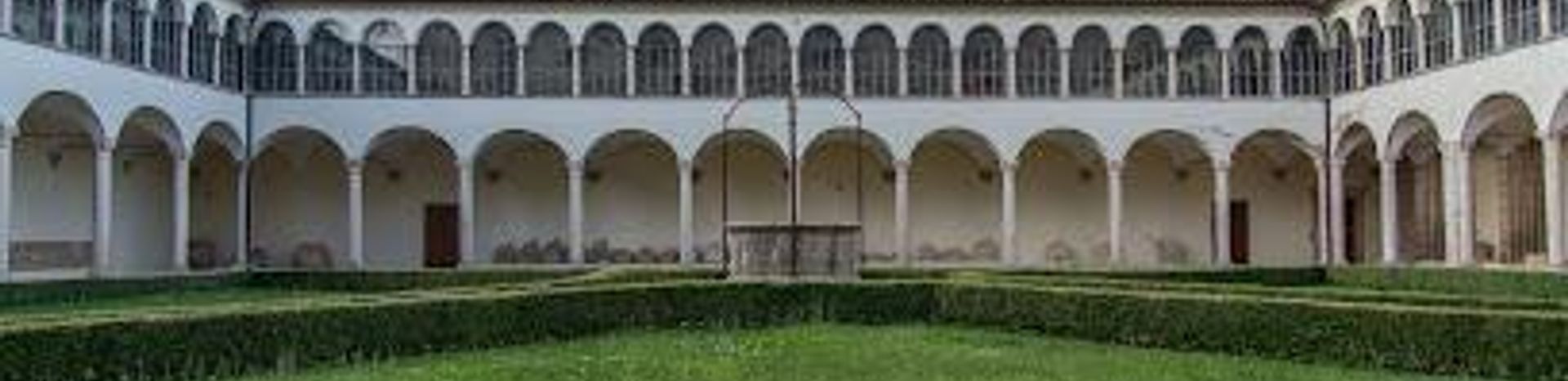
- Visit the former cloister to view Hellenistic funerary urns; this area is accessible without a ticket.
- Descriptions are primarily in Italian, so consider using a translation app.
- Check out the museum's official website for temporary exhibitions and events.

Getting There
-
Walking
The National Archaeological Museum of Umbria is located in the old town center. From Piazza IV Novembre, walk along Corso Vannucci, then turn right onto Piazza Giordano Bruno. The museum will be on your right. Walking from Piazza IV Novembre takes approximately 5 minutes.
-
Public Transport
The National Archaeological Museum of Umbria can be reached by bus. The nearest bus stop is Tre Archi, about 200 meters from the museum on Corso Cavour. Bus lines 4, 6, 7, 9, 10, 11, 12, 13s, 13d, 15, 81, 82, 83, 87, bis28, bis31, bis33, bis34, bis39, bis41, bis44, and bis50 stop at Tre Archi. A single ticket costs €1.50 and is valid for 70 minutes.
-
Taxi
Taxis are available throughout Perugia for direct transport to the museum. A taxi ride from Perugia Station to the museum, approximately 3.4 km, costs about €7-€9. The base fare is €4.00, plus €1.10 per kilometer.
-
Parking
Several parking options are available near the National Archaeological Museum of Umbria. Car parks equipped with pedestrian routes or escalators are Mercato Coperto, Briglie di Braccio, Piazza Partigiani, Viale Pellini and Piazzale Europa. Parking Saba Mercato Coperto is the closest to the historic center and charges €2.40 per hour. Parking Saba Piazzale Europa charges €1.40 per hour. Upon advance notice, it is possible to drive to the cloister with your own car and park there for the duration of the visit.
Discover more about National Archaeological Museum of Umbria
Iconic landmarks you can’t miss

Belvedere Giardini Carducci
0.3 km
Discover breathtaking views of Perugia and the Umbrian countryside at Belvedere Giardini Carducci, the ultimate observation deck experience.
Porta Marzia
0.3 km
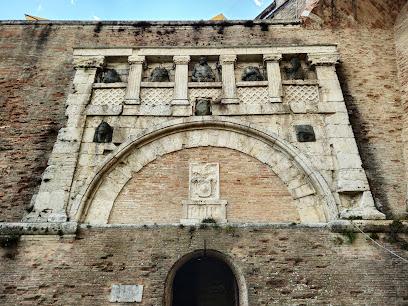
Discover the historical beauty of Porta Marzia, a stunning gateway in Perugia, Italy, showcasing ancient architecture and rich cultural heritage.
Centro Storico - Posizione Fantastica
0.3 km
Experience the allure of Perugia with a stay at Centro Storico - Posizione Fantastica, your gateway to Italy's rich history and vibrant culture.
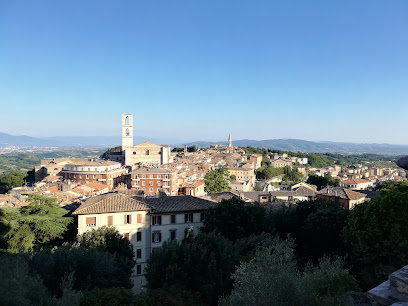
Saint Pietro Gate
0.3 km
Explore the rich history and stunning architecture at Saint Pietro Gate, a must-visit landmark in Perugia, Italy.
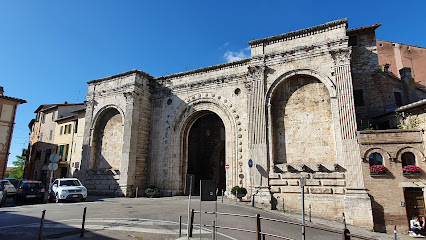
Piazza Italia
0.3 km
Experience the vibrant culture and historic charm of Piazza Italia, the lively heart of Perugia, where Italian heritage comes alive.
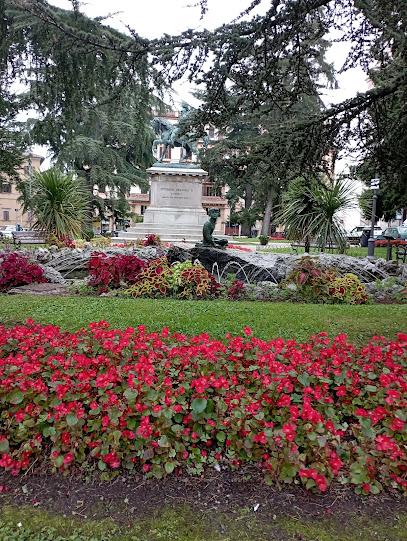
Piazza Partigiani
0.3 km
Explore the historic charm of Piazza Partigiani in Perugia, a vibrant square filled with culture, cuisine, and captivating architecture.
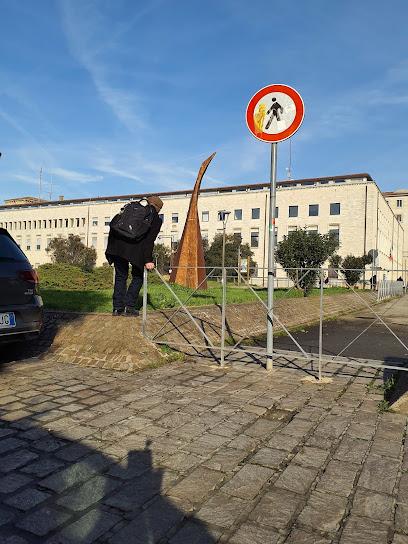
Studio Moretti Caselli
0.4 km
Explore contemporary artistry at Studio Moretti Caselli, an enchanting art museum in Perugia, where creativity meets history in every exhibit.
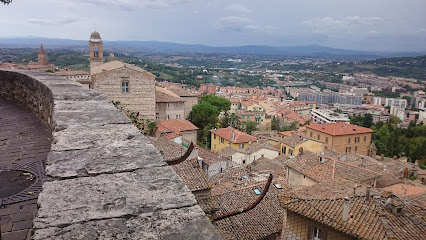
Исторический центр города Перуджа, Умбрия, Италия
0.4 km
Discover the rich history, art, and breathtaking landscapes of Perugia, the enchanting capital of Umbria, Italy.
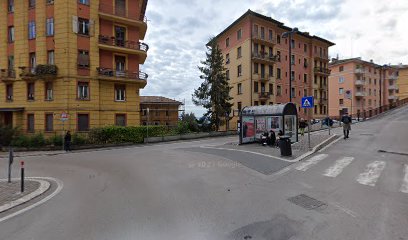
Palazzo dei Priori
0.6 km
Discover the architectural grandeur and artistic treasures of Palazzo dei Priori, a historical landmark in Perugia that reflects the city's rich cultural heritage.
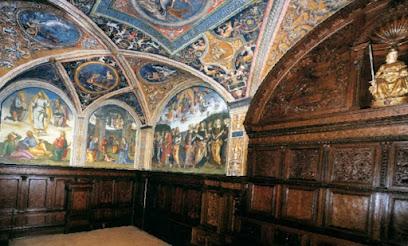
Hall of Notaries
0.6 km
Explore the Hall of Notaries in Perugia, a stunning Gothic masterpiece steeped in history and architectural beauty, at the heart of Italy's cultural heritage.
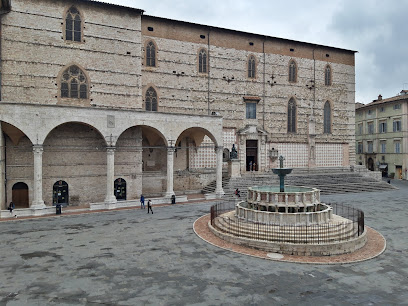
P.za Ignazio Danti
0.6 km
Explore P.za Ignazio Danti in Perugia – a historic square perfect for immersing in local culture and enjoying the beauty of Italy.
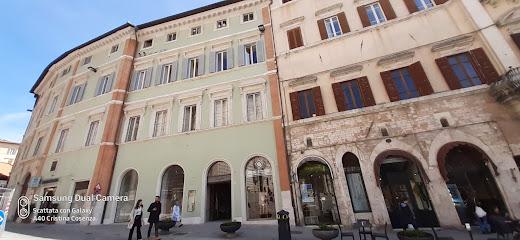
Chapel San Severo
0.6 km
Explore the breathtaking Chapel San Severo in Perugia, home to stunning Renaissance frescoes by Raphael and Perugino, a true gem of artistic heritage.
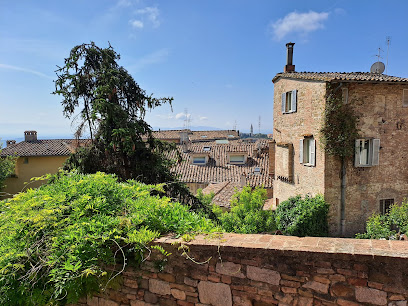
Perugia Sotterranea Accesso
0.7 km
Explore the captivating Perugia Sotterranea, where ancient Roman history comes to life beneath the charming streets of Perugia, Italy.
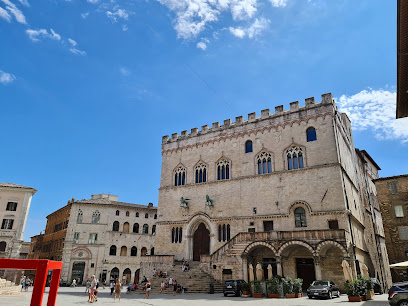
Acquedotto medievale di Perugia
0.8 km
Explore the historic Acquedotto Medievale di Perugia, an architectural marvel and a testament to medieval engineering in the heart of Italy.
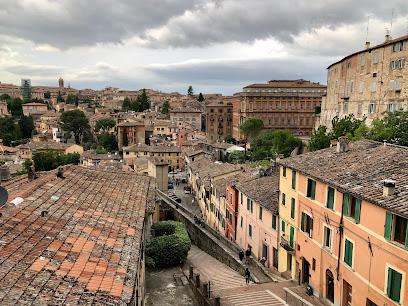
POST
0.8 km
Explore POST in Perugia: An engaging science museum that combines education and entertainment for visitors of all ages in Italy's historic city.
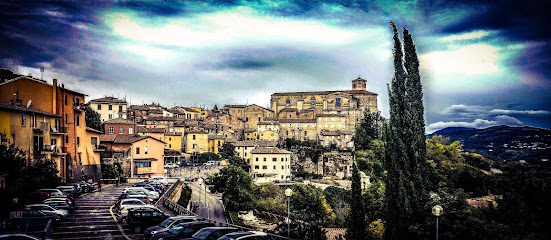
Unmissable attractions to see

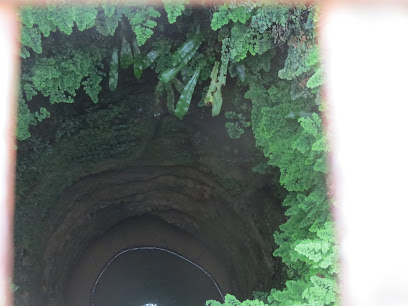
Pozzo Rinascimentale
0.0 km
Explore Pozzo Rinascimentale, a Renaissance well in Perugia, where history meets beauty in the vibrant Piazza Giordano Bruno.
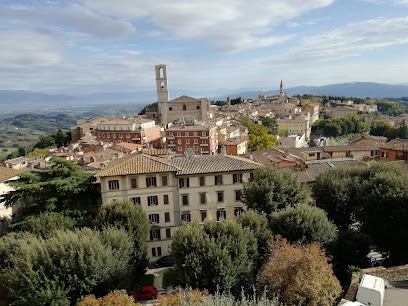
Civic Museum of Palazzo della Penna
0.2 km
Explore the Civic Museum of Palazzo della Penna, a cultural gem in Perugia showcasing a rich collection of art and history.
Scalinata di S.Ercolano
0.2 km
Explore the historic Scalinata di S.Ercolano in Perugia, a stunning staircase showcasing the city's rich cultural heritage and breathtaking views.
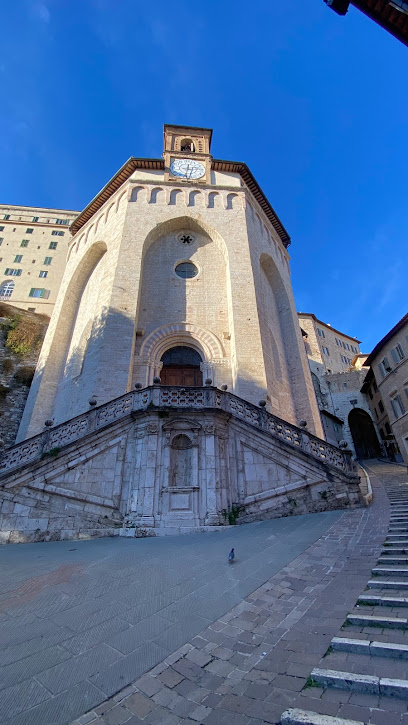
Church of Sant'Ercolano
0.2 km
Discover the historical beauty of the Church of Sant'Ercolano in Perugia, a serene haven filled with art and spiritual heritage.

Arco di Sant'Ercolano
0.3 km
Discover the historic charm of Arco di Sant'Ercolano, a stunning archway in Perugia that bridges the past with the present.
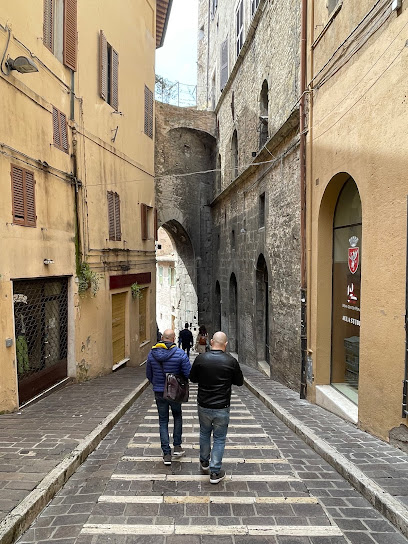
Rocca Paolina
0.3 km
Explore the historic Rocca Paolina, a cultural gem in Perugia offering stunning architecture, art, and breathtaking views of the Umbrian landscape.
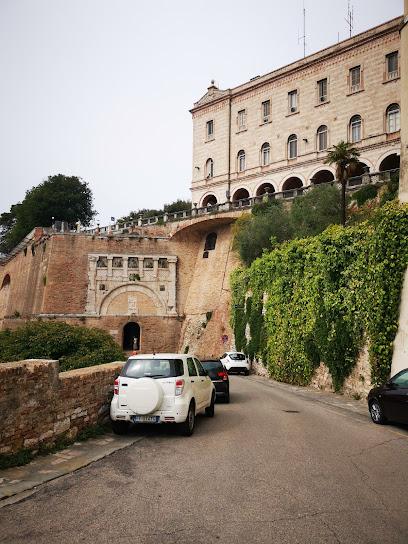
Carducci Gardens
0.3 km
Experience the enchanting beauty of Carducci Gardens in Perugia, where lush landscapes and vibrant flowers create a peaceful retreat.
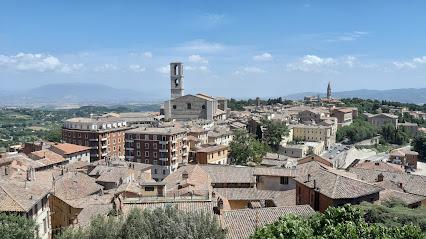
Belvedere alla Via delle Rupe
0.4 km
Discover stunning panoramic views and tranquil surroundings at Belvedere alla Via delle Rupe in Perugia, the perfect spot for relaxation and photography.
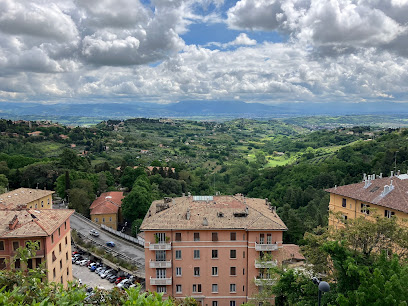
Palazzo Donini
0.4 km
Explore the architectural elegance and rich history of Palazzo Donini, a stunning 17th-century gem in the heart of Perugia.
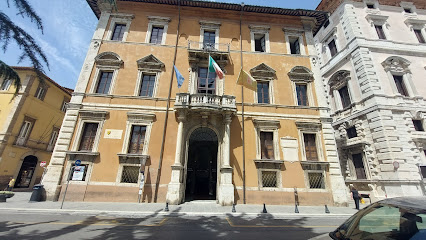
Palazzo Lippi Alessandri
0.5 km
Explore the stunning art and rich history at Palazzo Lippi Alessandri, a must-visit cultural gem in the heart of Perugia, Italy.
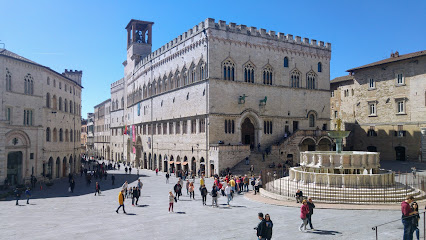
Corso Vannucci
0.5 km
Explore Corso Vannucci, the vibrant heart of Perugia, where history, shopping, and culinary delights await in every corner.
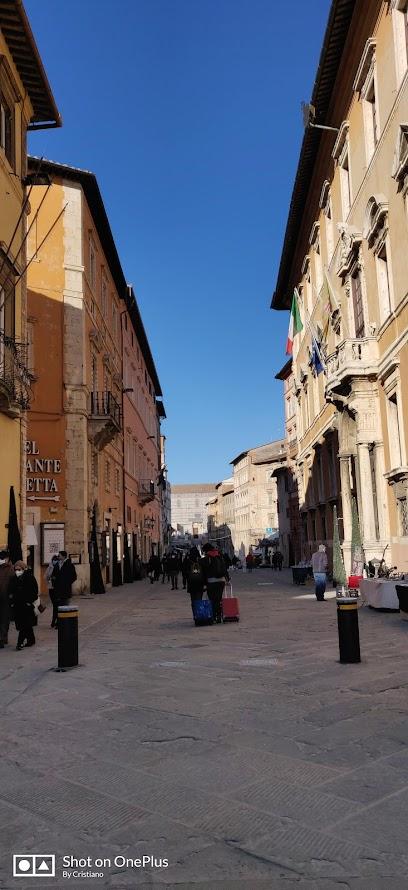
Mandorla Arch
0.5 km
Explore the Mandorla Arch in Perugia - a stunning architectural marvel steeped in history and surrounded by vibrant culture.
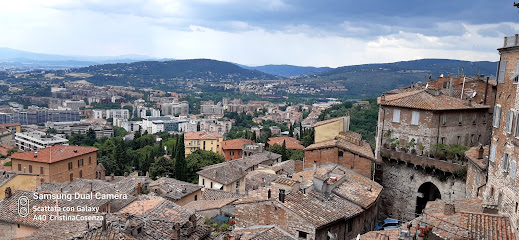
Nobile Collegio del Cambio
0.5 km
Uncover the rich artistic legacy of Perugia at Nobile Collegio del Cambio, a Renaissance treasure showcasing stunning frescoes and historical artifacts.
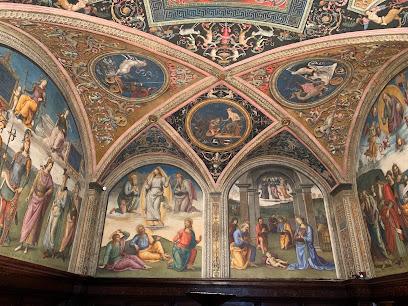
National Gallery
0.6 km
Explore the rich heritage of Umbrian art at the National Gallery in Perugia, showcasing masterpieces from the 13th to 19th centuries.
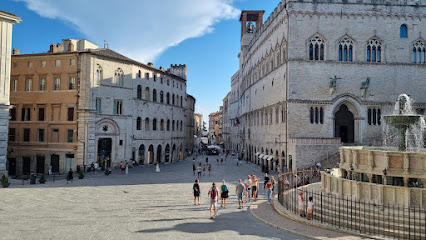
Collegio della Mercanzia
0.6 km
Explore the Collegio della Mercanzia in Perugia, a stunning museum showcasing the rich history and vibrant art of the region.
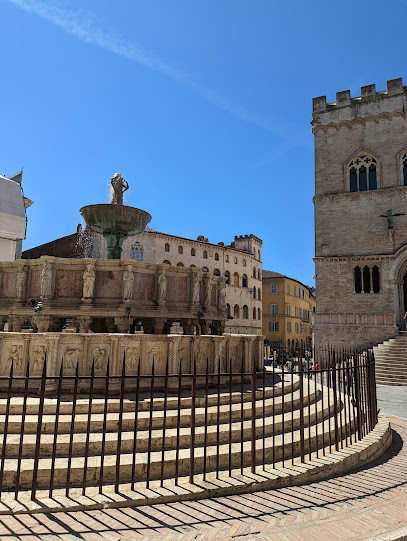
Essential places to dine

Ristorante Dalla Bianca
0.1 km
Experience authentic Italian cuisine at Ristorante Dalla Bianca in Perugia - where every meal is a celebration of local flavors.
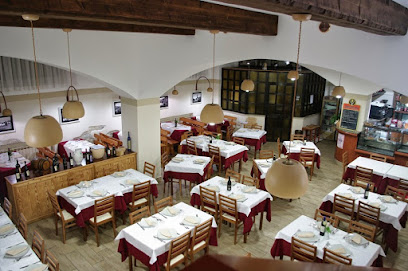
Locanda Do Pazzi
0.1 km
Experience authentic Venetian cuisine at Locanda Do Pazzi in Perugia – where tradition meets taste in every dish.
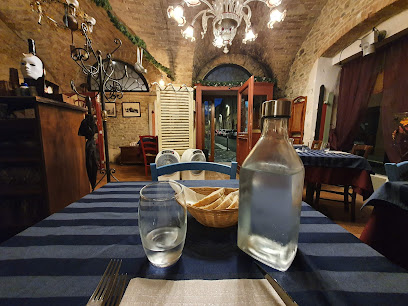
Storie Perugine
0.1 km
Experience authentic Italian cuisine at Storie Perugine in Perugia - where tradition meets flavor in every dish.
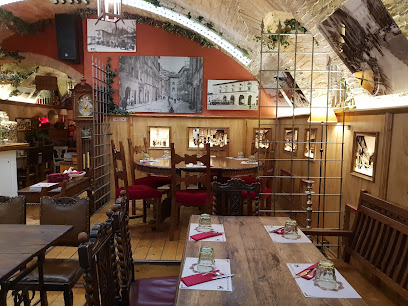
Ada Ristorante | Ada Gourmet ristorante in centro storico Perugia | Stella Michelin 2024
0.2 km
Experience Michelin-starred fine dining at Ada Ristorante in historic Perugia—where exquisite Italian cuisine meets unforgettable ambiance.
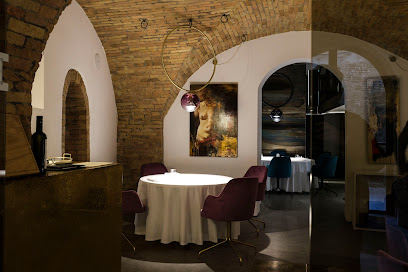
Trattoria Oberdan Perugia
0.3 km
Experience authentic Italian cuisine at Trattoria Oberdan in Perugia – where tradition meets flavor in every dish.
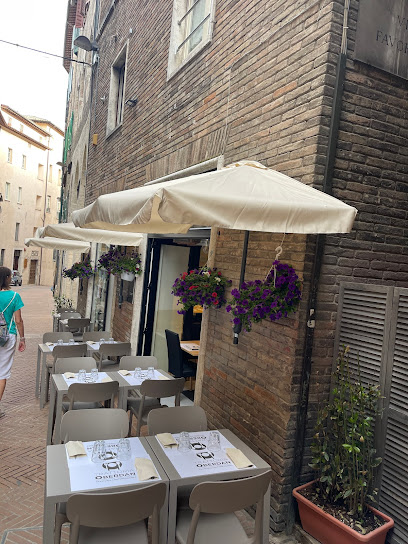
Ristorante del Sole
0.4 km
Experience authentic Italian cuisine at Ristorante del Sole in Perugia—where every dish tells a story of flavor and tradition.
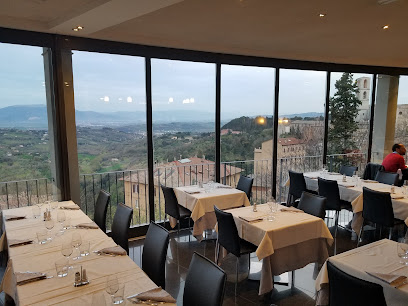
Ristorante Collins'
0.4 km
Experience authentic Italian flavors at Ristorante Collins', where tradition meets taste in the heart of Perugia.
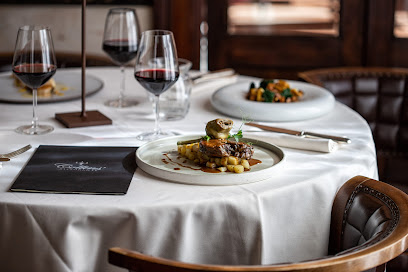
Locanda Del Bartoccio
0.4 km
Experience authentic Italian cuisine at Locanda Del Bartoccio in Perugia - where tradition meets flavor in every dish.
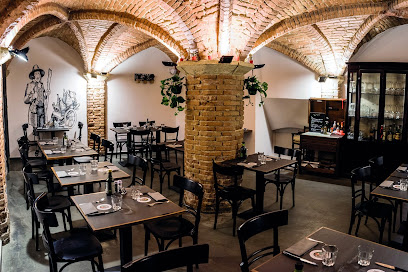
L'Officina
0.4 km
Discover the heart of Italian cuisine at L'Officina—an exquisite fine dining experience in the beautiful city of Perugia.
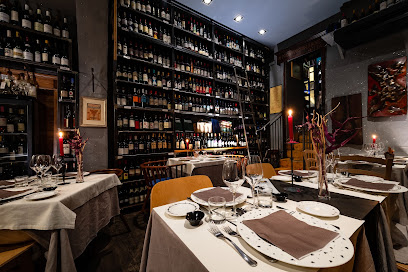
La Prosciutteria Perugia
0.4 km
Discover authentic Umbrian flavors at La Prosciutteria Perugia – your destination for exquisite cheeses, cold cuts, and fine wines.
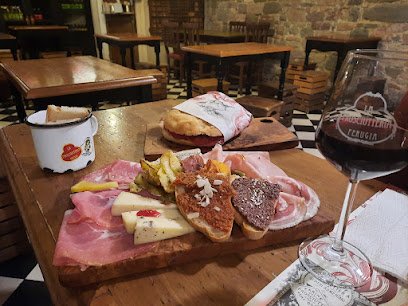
Osteria Pappabona
0.4 km
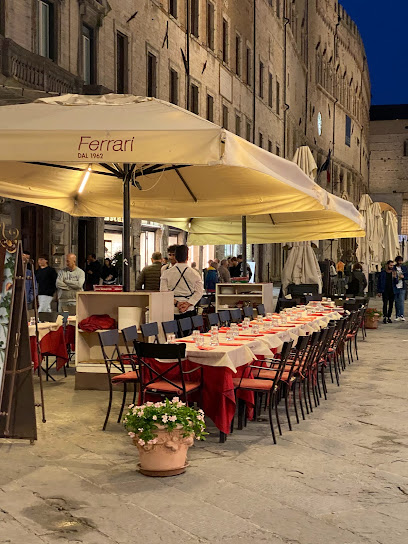
Experience authentic Italian cuisine at Osteria Pappabona in Perugia - where every dish tells a story.
Altromondo
0.4 km
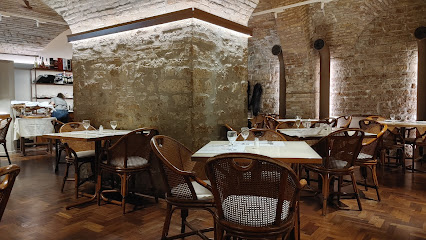
Discover Altromondo in Perugia for healthy Italian cuisine that delights the senses with fresh ingredients and authentic flavors.
La Taverna
0.5 km
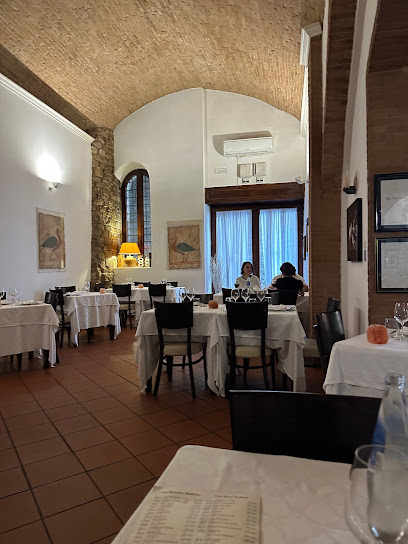
Experience authentic Italian cuisine at La Taverna in Perugia - where tradition meets flavor in every dish.
Al Mangiar Bene
0.5 km
Experience authentic Italian cuisine at Al Mangiar Bene in Perugia - where tradition meets flavor in every dish.
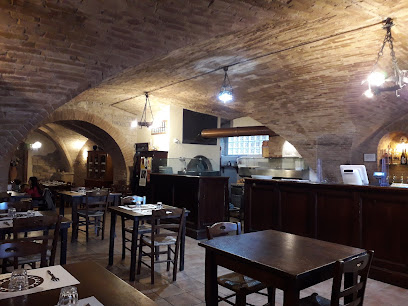
Osteria Il Gufo
0.6 km
Discover authentic Italian flavors at Osteria Il Gufo in Perugia - a must-visit restaurant for food lovers seeking local culinary delights.
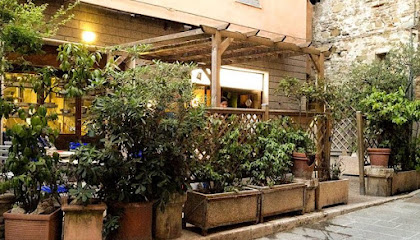
Markets, malls and hidden boutiques

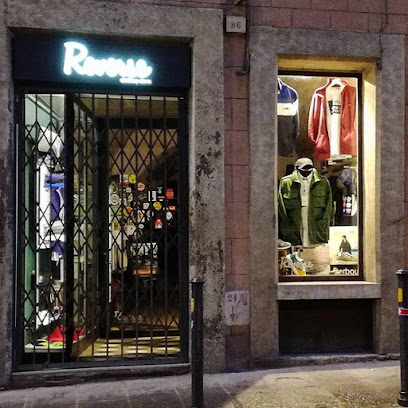
Reverse Clothing Store
0.1 km
Discover the vibrant fashion scene at Reverse Clothing Store in Perugia, where unique styles and local craftsmanship come together.
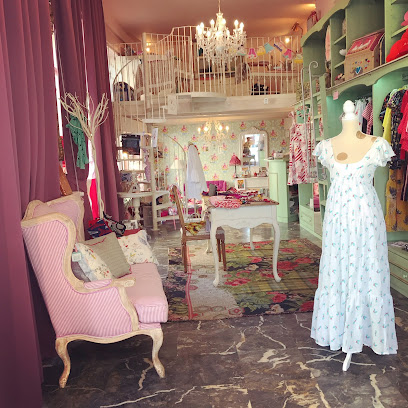
Madame Dorè Boutique
0.1 km
Shop elegance and style at Madame Dorè Boutique in Perugia, featuring the finest dresses, unique accessories, and a delightful shopping atmosphere.
Lemmi Perugia
0.3 km
Discover the elegance of Italian fashion at Lemmi Perugia, a boutique offering women's and men's clothing, costume jewelry, and custom tailoring.
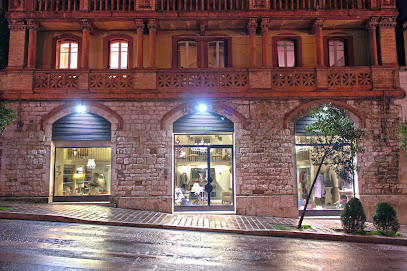
Telos Vintage
0.3 km
Explore the charm of Telos Vintage, a unique dress store in Perugia, where timeless fashion meets personal style.
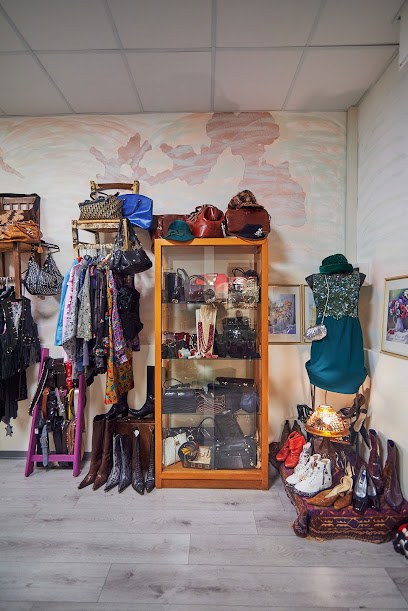
Smooth Kicks
0.3 km
Discover the ultimate youth fashion experience at Smooth Kicks in Perugia, where style meets local flair in a vibrant shopping atmosphere.
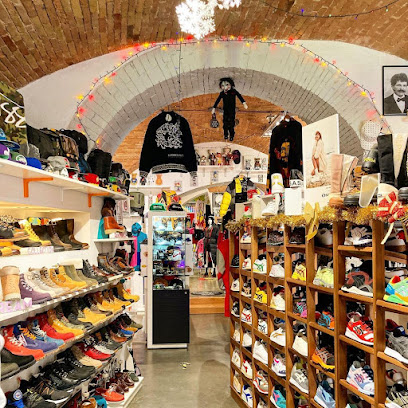
Blueside Cult Store
0.3 km
Explore exquisite Italian glassware at Blueside Cult Store in Perugia, where craftsmanship meets creativity.
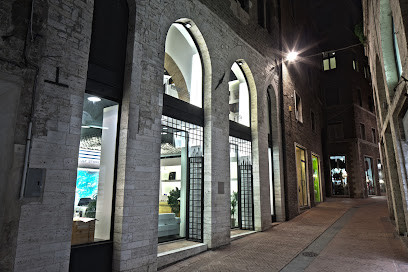
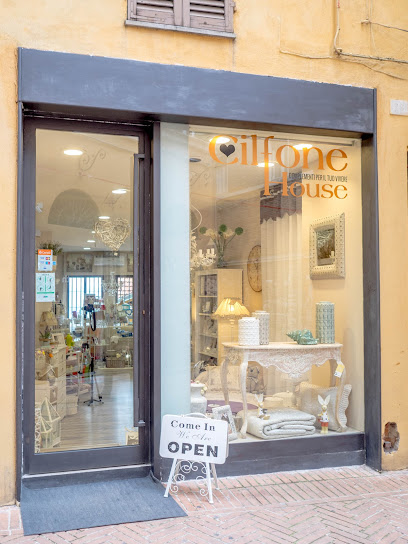
Oggettistica Perugia Cilfone House
0.4 km
Explore Oggettistica Perugia Cilfone House for unique collectibles, furniture, and linens in the heart of Perugia, Italy.
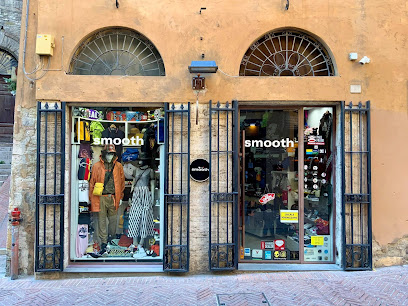
Smooth Centro Storico
0.4 km
Discover a wide range of stylish apparel for all ages at Smooth Centro Storico in Perugia, where quality meets variety in the heart of Italy.
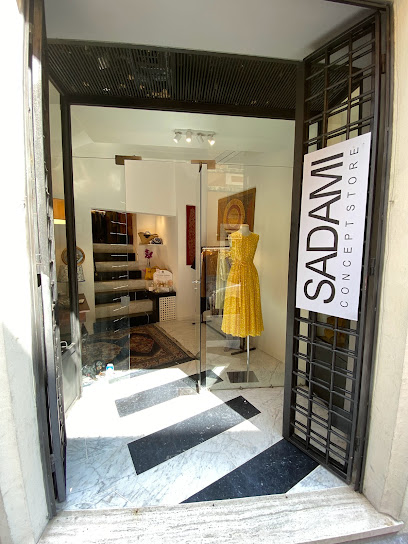
Sadami concept store
0.4 km
Discover eclectic fashion and local artistry at Sadami Concept Store, a boutique haven for stylish shoppers in Perugia, Italy.
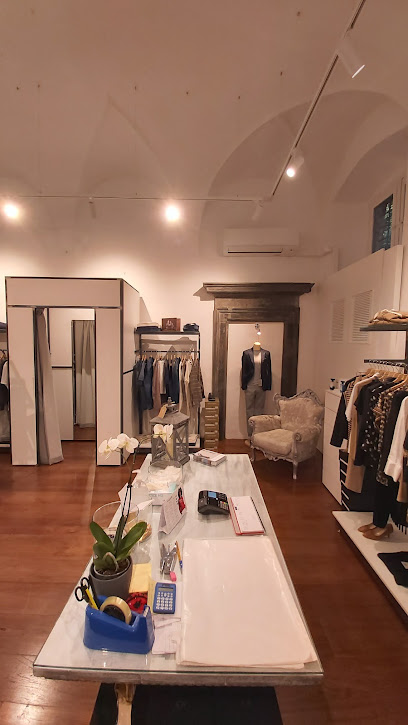
Christy Perugia
0.4 km
Discover timeless fashion at Christy Perugia, where elegance meets contemporary style in the heart of Italy's enchanting Perugia.
Bavicchi
0.4 km
Discover the rich flavors of Perugia at Bavicchi, your go-to store for authentic Italian delicacies and culinary experiences.
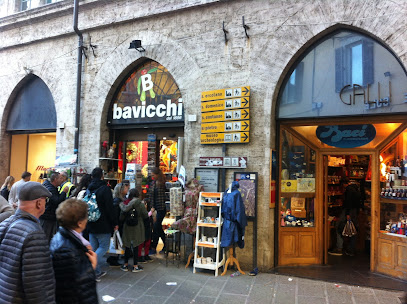
Swarovski Boutique Perugia Centro
0.4 km
Explore the exquisite Swarovski Boutique in Perugia for stunning jewelry and unique collectibles in a historic setting.
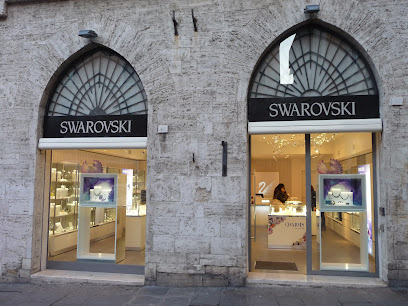
Altromercato Perugia Bottega
0.4 km
Explore Altromercato Perugia Bottega, a unique gift shop offering organic products, handcrafted crafts, and beauty supplies in the heart of Perugia.
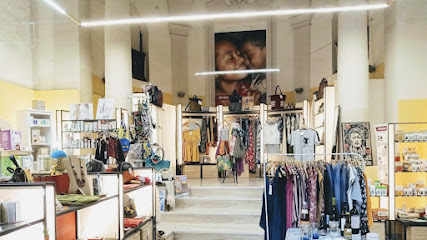
La vita
0.4 km
Explore La Vita in Perugia, where unique gifts and Italian craftsmanship come together to create memorable souvenirs.
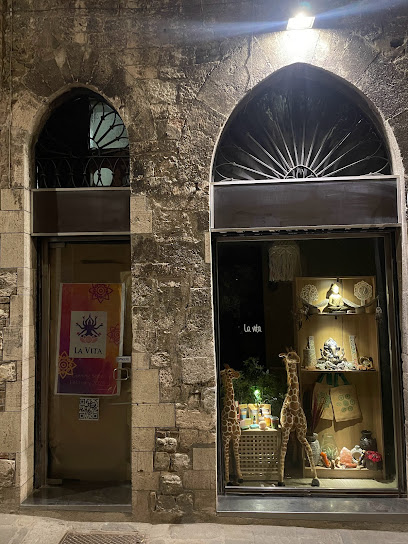
PANDA
0.4 km
Explore PANDA in Perugia for unique gifts, fashion accessories, and exquisite stationery that capture the essence of Italian craftsmanship.
Essential bars & hidden hideouts

Quei Bravi Ragazzi
0.1 km
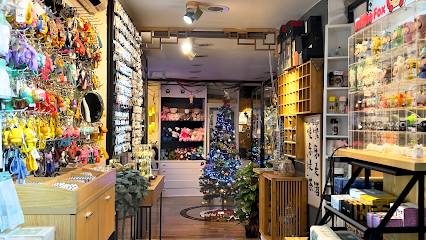
Experience the vibrant nightlife at Quei Bravi Ragazzi, a beloved pub in Perugia known for its lively atmosphere and extensive drink selection.
Punto di Vista
0.3 km
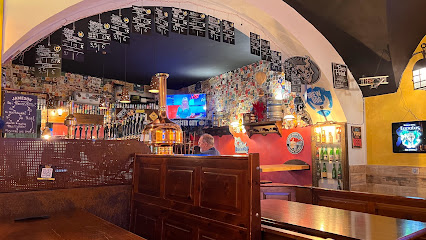
Discover the vibrant atmosphere and exquisite cocktails at Punto di Vista, the perfect spot for nightlife in Perugia, Italy.
Umbrò
0.3 km
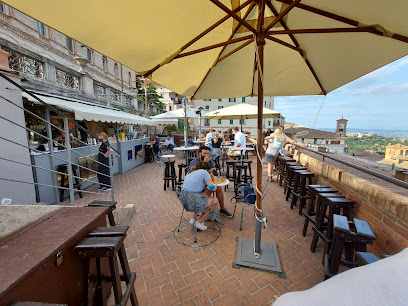
Umbrò in Perugia: Where Culinary Delight Meets a Cozy Study Retreat.
Il Quarto Coffee & Cocktail Bite
0.4 km
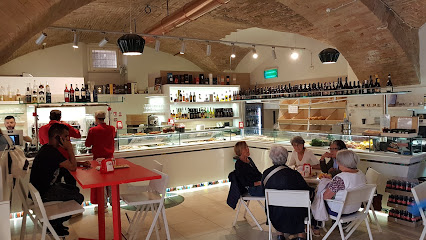
Discover the charm of Perugia at Il Quarto Coffee & Cocktail Bite, where artisanal coffee meets innovative cocktails in a cozy setting.
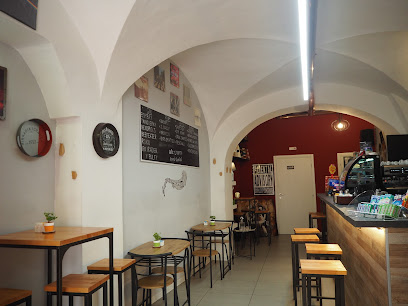
Il Birrino
0.4 km
Discover the vibrant atmosphere of Il Birrino, a cozy bar in Perugia, perfect for unwinding with drinks and local charm.
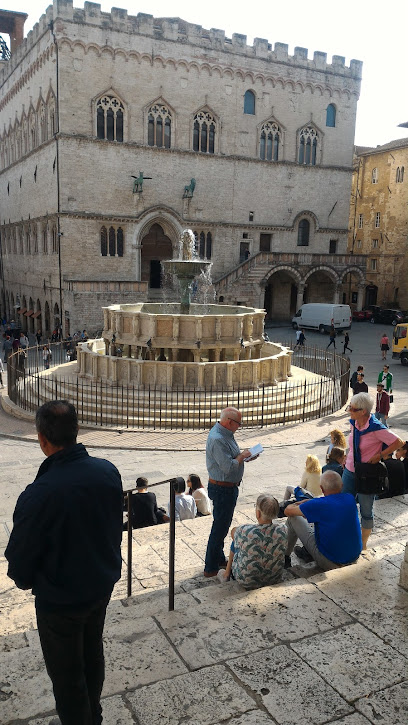
Caffè Bonazzi
0.4 km
Experience the heart of Perugia at Caffè Bonazzi, where delightful wines and a warm atmosphere await every traveler.
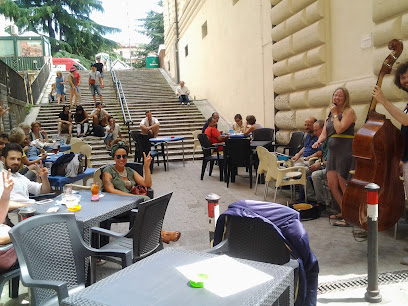
Snack Bar
0.5 km
Experience the vibrant atmosphere of Snack Bar in Perugia, where delicious cocktails, fresh espresso, and tasty sandwiches await you.
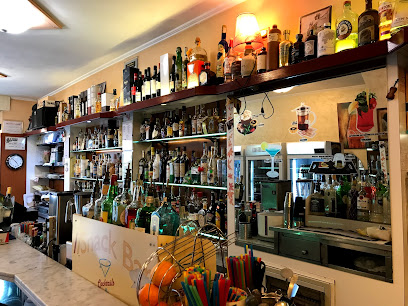
Botanica - Concept Bar
0.6 km
Discover Botanica - Concept Bar in Perugia, where bistro elegance meets bar vibrancy for a unique culinary experience.
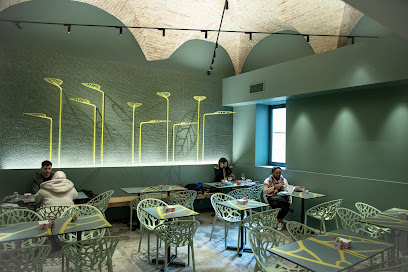
Artygù Perugia - Bistrot, Wine e Cocktail Bar
0.6 km
Savor the essence of Italy at Artygù Perugia, a bistro offering exquisite small plates and an inviting cocktail bar experience.
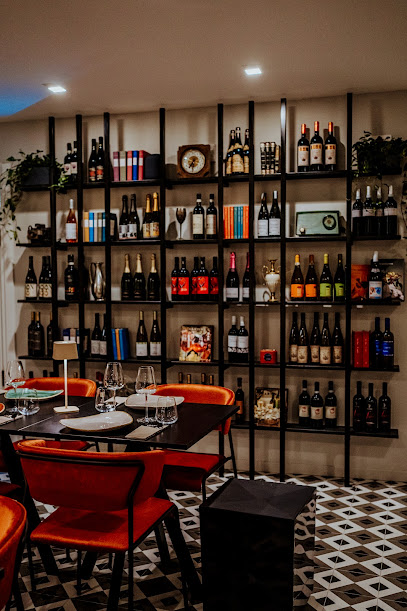
Gold Bar
0.6 km
Discover Gold Bar in Perugia: A lively pub offering a taste of local culture, delicious drinks, and a vibrant atmosphere perfect for every traveler.
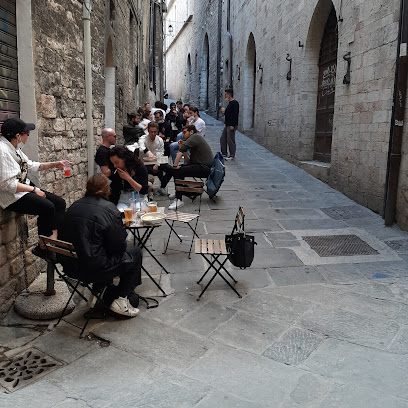
Agricola
0.6 km
Experience the essence of Perugia at Agricola, where craft beer and a vibrant atmosphere bring locals and tourists together in a cozy pub setting.
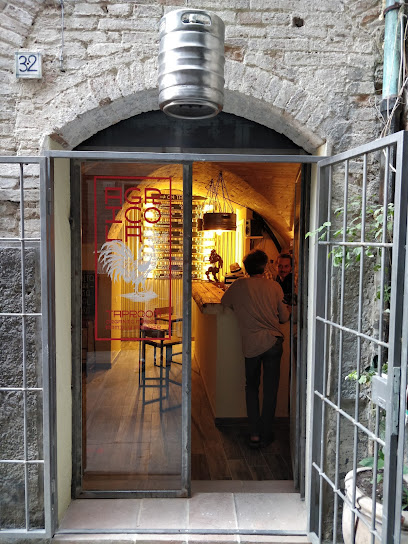
C'era Una Vodka
0.6 km
Experience the vibrant atmosphere of C'era Una Vodka, a top pub in Perugia known for its extensive vodka selection and delicious snacks.
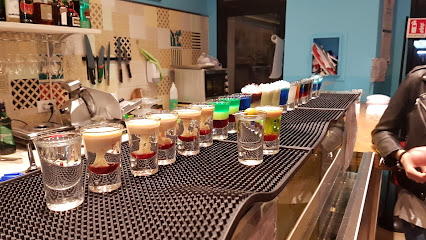
Elfo Pub
0.6 km
Discover Elfo Pub in Perugia – a lively spot with a vast selection of beers, perfect for relaxing and soaking in the local nightlife.
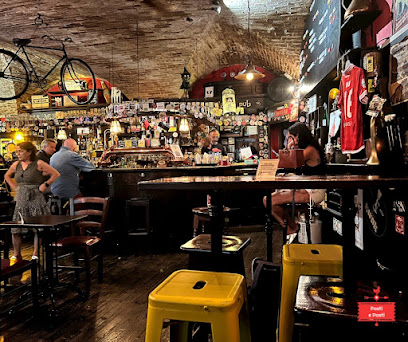
Dempsey's Perugia
0.6 km
Experience the best cocktails in Perugia at Dempsey's, where local flavors meet a vibrant nightlife ambiance.
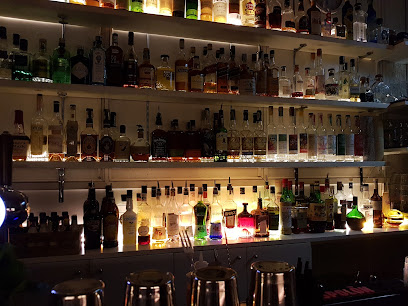
Vipere
0.7 km
Discover Vipere, a top cocktail bar in Perugia, where exquisite drinks meet a vibrant atmosphere, perfect for unwinding after exploring the city.
Nightclubs & after hour spots

Barbone
0.4 km
Discover the pulse of Perugia's nightlife at Barbone, where unforgettable nights and vibrant celebrations await.
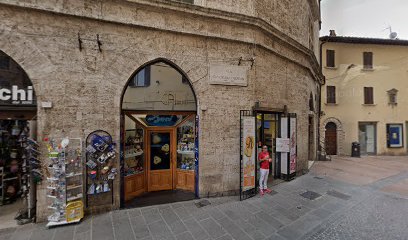
Love girls
1.5 km
Discover Perugia's nightlife at Love Girls, a lively night club offering music, dancing, and a vibrant atmosphere for an unforgettable night out.
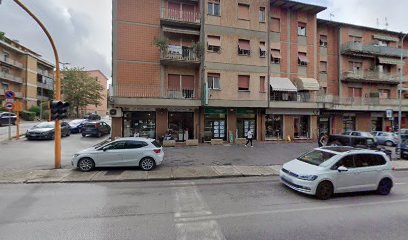
Le Pantere Night Club
3.5 km
Dive into the vibrant nightlife of Perugia at Le Pantere Night Club, where music, dancing, and fun await every party enthusiast.
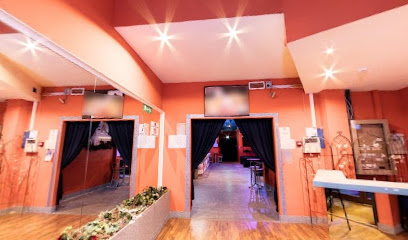
Blue Moon Night Club
3.5 km
Discover the vibrant nightlife of Ponte San Giovanni at Blue Moon Night Club, where music, dance, and unforgettable experiences await.
Opium Club
4.2 km
Experience the vibrant nightlife of Perugia at Opium Club, where music, drinks, and unforgettable moments come together.
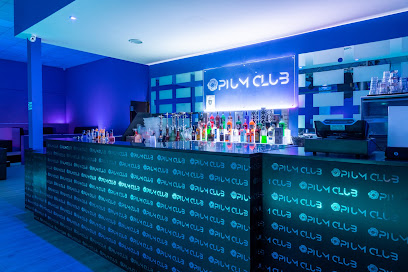
cafertyui
4.5 km
Experience the electrifying atmosphere of Cafertyui, Perugia's premier nightclub, where music and dance come alive in a vibrant setting.
Afterlife Live Club
5.0 km
Discover electrifying nightlife at Afterlife Live Club in Ponte San Giovanni, where the music never stops and the dance floor awaits.
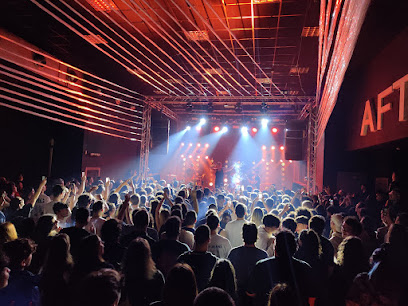
PRESTIGE AFRO CLUB
5.3 km
Discover the vibrant nightlife of Perugia at Prestige Afro Club, where music, dance, and culture converge for unforgettable experiences.
Gradisca Club / Brooklyn Dancing
5.6 km
Discover the vibrant nightlife at Gradisca Club, Perugia's premier disco destination for dancing, music, and unforgettable experiences.
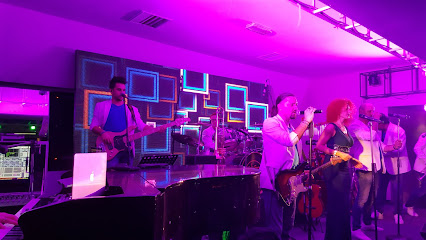
Sonora Club - Different Pleasure
5.7 km
Discover the vibrant nightlife of Perugia at Sonora Club, where music, dance, and unforgettable memories await you.
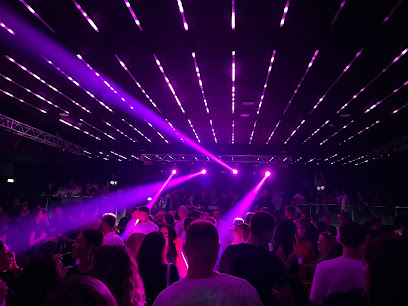
The Garden
6.1 km
Experience the electrifying nightlife at The Garden in Perugia, where music and energy come alive until dawn.

HERMITAGE
18.2 km
Discover the vibrant nightlife of Assisi at Hermitage Night Club, where pulsating rhythms and captivating ambiance create unforgettable memories.
DISCOTECA FRANCESCANA
18.5 km
Immerse yourself in the vibrant nightlife of Assisi at Discoteca Francescana, where dancing and lively music create unforgettable memories.
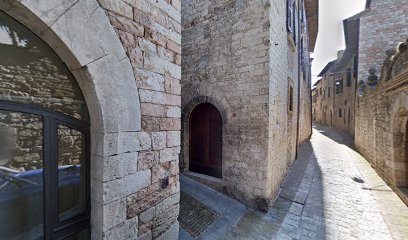
Fabrik Club
28.8 km
Experience the vibrant nightlife at Fabrik Club in Castiglione del Lago, where music, dance, and fun come alive in a stylish setting.
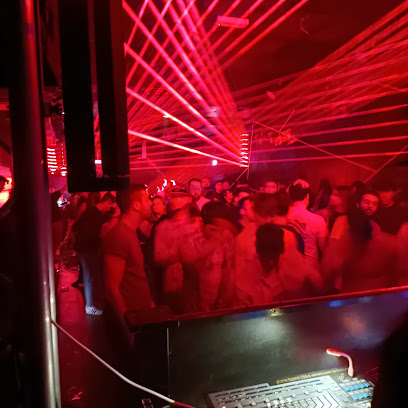
Le Grotte di Giano
35.8 km
Experience vibrant nightlife and captivating art at Le Grotte di Giano, a unique venue blending live music, art exhibitions, and fine wines.