

Sestriere Travel Guide - Free Web & App
Your ultimate guide to Sestriere. Discover top landmarks, proposed trips, and local tips. Free on the web or via the Evendo companion app.


Sestriere, Italy: alpine skiing, Via Lattea slopes, Olympic heritage, summer hiking and mountain scenery in a high-altitude Piedmont resort near France.
Mountain Setting and Character
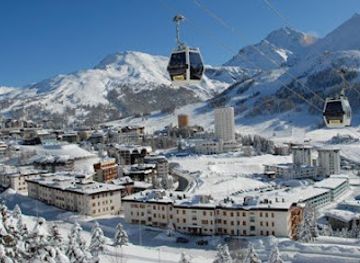
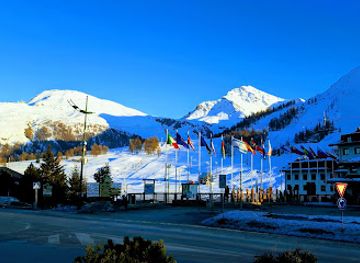
Sestriere stands at about 2,035 metres in the upper Chisone Valley of Piedmont, close to the French border and surrounded by the broad, snow-prone mountains of the Cottian Alps. Rather than growing organically as an old Alpine village, it was planned in the 1930s as a purpose-built mountain resort. Its distinctive circular towers and modernist buildings remain central to its identity, while the surrounding slopes form part of the extensive Via Lattea, or Milky Way, ski area.Read more about Sestriere
Winter and Summer Landscapes
Sporting Heritage and Local Life
When is the best time to visit Sestriere?
Best: June–August · 20–23°C| Month | High (°C) | Rainfall (mm) |
|---|---|---|
| January | -1 | 92 |
| February | 0 | 77 |
| March | 3 | 80 |
| April | 8 | 69 |
| May | 14 | 57 |
| June (best) | 20 | 44 |
| July (best) | 23 | 39 |
| August (best) | 23 | 43 |
| September | 17 | 53 |
| October | 11 | 68 |
| November | 5 | 81 |
| December | 0 | 92 |
Getting to and around Sestriere
How to get there
Transportation
Best attractions in Sestriere
Sestriere’s principal attraction is the Via Lattea ski domain, whose linked sectors extend through the upper Chisone and Susa valleys towards Claviere and Montgenèvre in France. Within and around the resort, broad alpine pistes, high bowls and open ridgelines provide the setting for winter skiing and snowboarding, while summer brings hiking and mountain-biking routes across grassland, larch woods and rocky uplands. The resort’s modernist circular towers and Olympic sporting facilities offer a sharp contrast with the older villages of Cesana Torinese, Sauze di Cesana and nearby Borgata. Road excursions lead towards the historic upper valleys, where visitors encounter mountain churches, traditional settlements and passes shaped by centuries of movement across the Alps. The area’s appeal lies less in a concentration of museums or monuments than in the relationship between a purpose-built resort, a cross-border ski landscape and the high-altitude scenery surrounding it.
-
Tourist attraction
Via Lattea
Discover the breathtaking beauty of Via Lattea, the ultimate ski resort in the Italian Alps, perfect for winter sports enthusiasts and nature lovers alike.
-
Tourist attraction
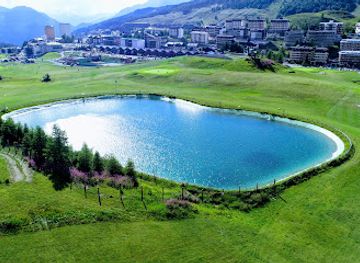
Diga Del Chisonetto (mt. 2210)
Explore Diga Del Chisonetto in Sestriere, an alpine gem with breathtaking views and outdoor adventures awaiting every visitor.
-
Adventure sports
The Husky Experience Sestriere
Discover the excitement of dog sledding in Sestriere, Italy, with The Husky Experience, where adventure meets breathtaking alpine beauty.
-
Hiking area
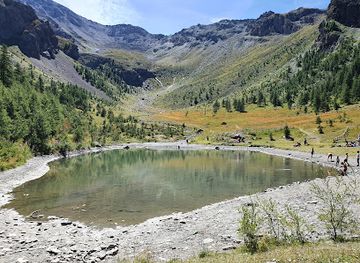
Fontana degli Alpini
Explore the stunning Fontana degli Alpini in Sestriere, a breathtaking hiking area nestled in the heart of the Italian Alps, perfect for nature lovers.


Best landmarks in Sestriere
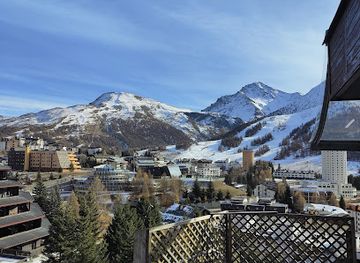
The most recognisable landmark in Sestriere is its pair of circular modernist towers, built as part of the planned resort developed in the 1930s and still emblematic of its twentieth-century architectural identity. The high saddle itself is a defining natural feature, separating the upper Val Chisone from the Val di Susa and providing expansive views towards the Cottian Alps. The surrounding ridges, broad ski bowls and high passes form a landscape landmark shaped by both glacial processes and modern winter-sports infrastructure. Olympic sporting venues and pistes recall Sestriere’s role in the 2006 Winter Games, while older settlements such as Cesana Torinese and Sauze di Cesana preserve the architectural and religious character of the mountain valleys. Across the wider Via Lattea, the French frontier near Claviere adds a cross-border dimension to the area’s geography and history.
-
Ski resort
Via Lattea
Experience the breathtaking beauty and exhilarating slopes of Via Lattea, the ultimate ski resort destination in the heart of the Italian Alps.
-
 Extended stay hotel
Olympic Village in Sestriere
Experience the perfect blend of adventure and relaxation at the Olympic Village in Sestriere, your ideal alpine getaway in the heart of the Italian Alps.
-
Tourist attraction
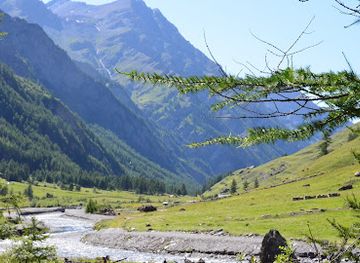
Valle Argentera
Explore Valle Argentera: A breathtaking alpine valley offering stunning landscapes, outdoor adventures, and a taste of authentic Italian culture.
-
Ski resort
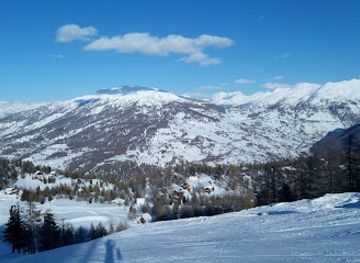
Sestriere Skiing Hill
Experience the thrill of skiing at Sestriere Skiing Hill, a premier resort in the Italian Alps with breathtaking views and diverse slopes for all levels.
Explore Sestriere on the map
Plan your trip on one map. See where the top attractions, landmarks, restaurants and hotels are, and book hotels and experiences in a few clicks.
Best hotels in Sestriere
Best restaurants in Sestriere
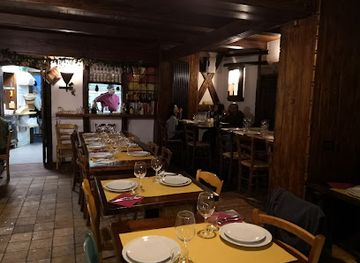
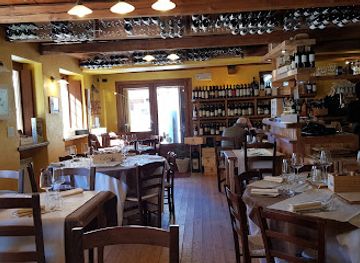
Dining in Sestriere is centred on hotel restaurants, pizzerias, cafés and informal mountain-oriented establishments serving visitors throughout the ski season, with further choice in Cesana Torinese and Oulx. Piedmontese influences appear in dishes such as agnolotti, risotto, polenta and rich meat preparations, while mountain cheeses, cured meats, mushrooms and other seasonal ingredients reflect the upland setting. Menus may also include fondue-style Alpine dishes and food associated with neighbouring French valleys, particularly in the cross-border Via Lattea area. Traditional inns and family-run restaurants in the surrounding villages provide a more local setting than the resort’s purpose-built centre, while cafés are useful for breakfast, lunch and après-ski refreshments. In smaller settlements and at high-altitude facilities, choice can be limited or seasonal, so visitors following dietary requirements should check menus and reservation arrangements ahead of time.
-
Italian
La Cioca
Experience the rich flavors of Northern Italy at La Cioca - your go-to destination for fondue and authentic Italian cuisine.
-
Restaurant
Trattoria La Rognosa
Discover authentic Italian flavors at Trattoria La Rognosa in Sestriere – where delicious food meets stunning alpine views.
-
Piedmontese restaurant
Ristorante Misun La Font
Experience authentic Piedmontese cuisine at Ristorante Misun La Font in Sestriere - a must-visit culinary destination for every tourist.
-
Restaurant
Chalet Raggio di Sole
Discover Chalet Raggio di Sole: where exquisite Italian cuisine meets breathtaking alpine views in Sestriere.
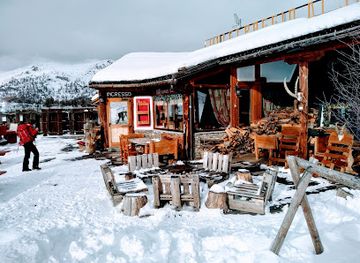
Best bars in Sestriere
Sestriere has a livelier evening scene than many small Alpine villages because it is a purpose-built ski resort, with hotel bars, cafés and après-ski venues concentrated around the central accommodation and lift areas. Evening habits tend to follow the sporting calendar: visitors gather after skiing for drinks, then move to restaurants or informal bars, while busier periods may bring live entertainment and late-night events. The atmosphere is generally seasonal rather than that of a large city nightlife district, and individual venues may change their schedules between winter, summer and quieter shoulder periods. Cesana Torinese and Oulx offer additional pubs and bars, but they are separate valley settlements rather than neighbourhoods of Sestriere. In all areas, the choice becomes more limited outside peak holiday periods, when evenings are better suited to relaxed meals, mountain views and hotel-based hospitality.
-
Italian
La Cioca
Experience the authentic flavors of Northern Italy at La Cioca, where fondue and chophouse delights await in a cozy setting.
-
Bar
Bar Ristorante Alpette
Experience authentic Italian cuisine in the heart of the Alps at Bar Ristorante Alpette, where every meal is a celebration of local flavors and stunning views.
-
Bar
I.GLOO Sky Bar and Food
Discover I.GLOO Sky Bar and Food in Sestriere, where breathtaking views meet delightful cuisine in an unforgettable alpine atmosphere.
-
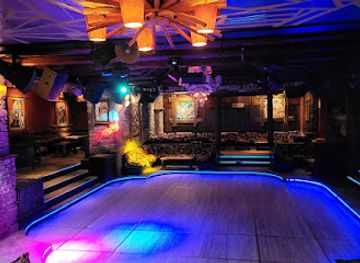
Disco club
Tabata
Experience the vibrant nightlife at Tabata, Sestriere's premier disco club, known for its electrifying atmosphere and unforgettable music.

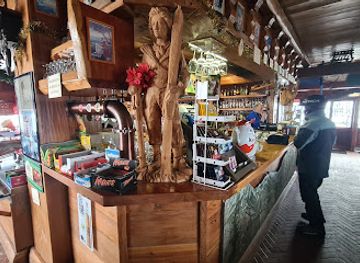

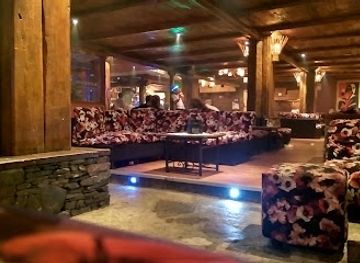
Best nightclubs in Sestriere
Sestriere has a livelier evening scene than many small Alpine villages because it is a purpose-built ski resort, with hotel bars, cafés and après-ski venues concentrated around the central accommodation and lift areas. Evening habits tend to follow the sporting calendar: visitors gather after skiing for drinks, then move to restaurants or informal bars, while busier periods may bring live entertainment and late-night events. The atmosphere is generally seasonal rather than that of a large city nightlife district, and individual venues may change their schedules between winter, summer and quieter shoulder periods. Cesana Torinese and Oulx offer additional pubs and bars, but they are separate valley settlements rather than neighbourhoods of Sestriere. In all areas, the choice becomes more limited outside peak holiday periods, when evenings are better suited to relaxed meals, mountain views and hotel-based hospitality.
-
Restaurant
I.GLOO Sky Bar and Food
Discover I.GLOO Sky Bar and Food in Sestriere: Where gourmet burgers meet breathtaking alpine views in a vibrant atmosphere.
-
Disco club
Tabata
Discover the ultimate nightlife experience at Tabata, Sestriere's premier disco club, where music and mountain vibes collide.
-
Bar
#QB#Drink#Food#Coffee
Experience warm hospitality and delicious cuisine at QB Drink Food Coffee in Sestriere, the perfect spot to unwind after exploring the Italian Alps.
-
Bar
Baraldo
Experience the charm of Baraldo in Sestriere, where cozy ambiance meets delightful drinks and stunning alpine views.
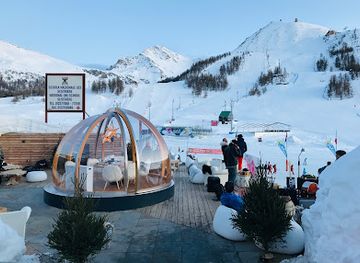
Best shops in Sestriere
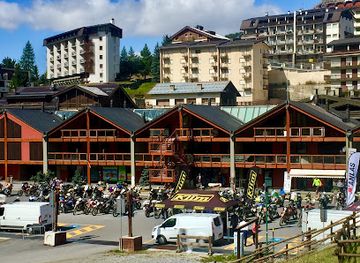
Shopping in Sestriere is practical and closely tied to mountain tourism. The resort has shops selling ski and snowboard equipment, clothing, accessories and technical outdoor goods, alongside small food retailers, souvenir outlets and businesses serving visitors staying in apartments and hotels. Regional products may include Piedmontese cheeses, cured meats, confectionery, wine and other specialities found through local food shops or markets in the wider valleys, although the range varies with season and settlement. For a broader choice of everyday provisions and independent businesses, visitors can travel to Cesana Torinese or Oulx, which function as valley service centres rather than parts of Sestriere itself. Traditional craft and gift shopping is modest compared with larger Piedmontese towns; the strongest local retail identity comes from alpine equipment, edible regional products and items associated with the resort’s sporting culture.
-
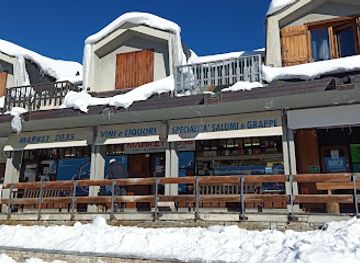
Grocery store
Market 2035
Discover authentic Italian flavors at Market 2035, a charming grocery store in the heart of Sestriere with local products and delightful culinary offerings.
-
Sporting goods store
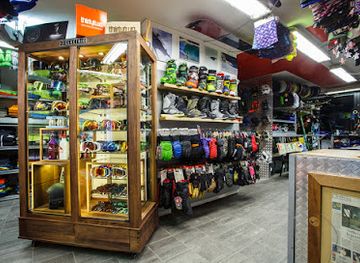
Surf Shoppe Sestriere
Explore the Italian Alps with Surf Shoppe Sestriere—your one-stop destination for ski, snowboard, and bicycle rentals.
-
Souvenir store
La Bottega Di Bressan Irma E C. Snc
Explore La Bottega Di Bressan Irma E C. Snc for unique souvenirs and perfumes that capture the alpine charm of Sestriere.
-
Pastries
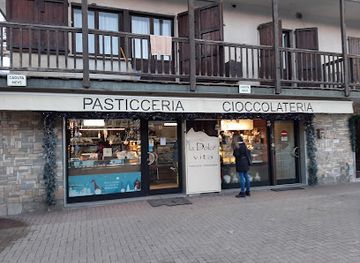
La Dolce Vita
Discover the sweet side of Sestriere at La Dolce Vita, where traditional Italian pastries meet alpine charm.

Get your free copy of our complete guide to Sestriere, delivered straight to you.
Everything on this page, from attractions and restaurants to essentials and local phrases, in one PDF you can read offline, print or share.
Already have an account? Sign in
Your Sestriere guide is ready.
We'll send it to · Not you? Sign out

Getting your guide ready…
We are putting together a fresh copy of the Sestriere guide. This can take up to a minute.
This can take a few moments. If your browser asks, choose Allow so the download can start. You'll find the guide in your Downloads folder.
Nothing happened? Download it again
Sorry, the guide is taking longer than usual. Please try again in a minute, or get it by email instead.
Sestriere essentials
Currency and Payment
Safety
Emergency Situations
Do's and Don'ts
Local Tips
From Eve
Local phrases worth knowing
You don't need to get them perfect. A few words go a long way, and locals appreciate the effort.
Basics
| English | Local | Say it |
|---|---|---|
| Hello | Ciao | [chow] |
| Goodbye | Arrivederci | [ah-ree-veh-dehr-chee] |
| Yes | Sì | [see] |
| No | No | [noh] |
| Please/You're welcome | Per favore/Prego | [pehr fah-voh-reh/preh-goh] |
| Thank you | Grazie | [graht-zee-eh] |
| Excuse me/Sorry | Mi scusi/Scusa | [mee skoo-zee/skoo-sah] |
| How are you? | Come stai? | [koh-meh stah-ee] |
| Fine. And you? | Bene. E tu? | [beh-neh. eh too] |
| Do you speak English? | Parli inglese? | [pahr-lee een-gleh-zeh] |
| I don't understand | Non capisco | [non kah-pee-skoh] |
Eating & Drinking
| English | Local | Say it |
|---|---|---|
| I'd like to see the menu, please | Vorrei vedere il menù, per favore | [vohr-ray veh-deh-reh eel meh-noo pehr fah-voh-reh] |
| I don't eat meat | Non mangio carne | [non mahn-joh kahr-neh] |
| Cheers! | Salute! | [sah-loo-teh] |
| I would like to pay, please | Vorrei pagare, per favore | [vohr-ray pah-gah-reh pehr fah-voh-reh] |
Emergencies
| English | Local | Say it |
|---|---|---|
| Help! | Aiuto! | [ah-yoo-toh] |
| Go away! | Vai via! | [vah-ee vee-ah] |
| Call the Police! | Chiama la polizia! | [kee-ah-mah lah poh-lee-tsee-ah] |
| Call a doctor! | Chiama un dottore! | [kee-ah-mah oon doh-toh-reh] |
| I'm lost | Mi sono perso | [mee soh-noh pehr-soh] |
| I'm ill | Sto male | [stoh mah-leh] |
Shopping
| English | Local | Say it |
|---|---|---|
| I'd like to buy... | Vorrei comprare... | [vohr-ray kohm-prah-reh] |
| I'm just looking | Sto solo guardando | [stoh soh-loh gwahr-dahn-doh] |
| How much is it? | Quanto costa? | [kwahn-toh koh-stah] |
| That's too expensive | È troppo caro | [eh troh-poh kahr-oh] |
| Can you lower the price? | Puoi abbassare il prezzo? | [pwah-ee ahb-bahs-sah-reh eel preht-soh] |
Time & Numbers
| English | Local | Say it |
|---|---|---|
| What time is it? | Che ora è? | [keh oh-rah eh] |
| It's one o'clock | È l'una in punto | [eh loo-nah een poon-toh] |
| Half past (10) | Sono le dieci e mezza | [soh-noh leh dee-eh-chee eh meh-tzah] |
| Morning | Mattina | [maht-tee-nah] |
| Afternoon | Pomeriggio | [poh-meh-ree-joh] |
| Evening | Sera | [seh-rah] |
| Yesterday | Ieri | [yeh-ree] |
| Today | Oggi | [oh-jee] |
| Tomorrow | Domani | [doh-mah-nee] |
| 1 | Uno | [oo-noh] |
| 2 | Due | [doo-eh] |
| 3 | Tre | [treh] |
| 4 | Quattro | [kwah-troh] |
| 5 | Cinque | [cheen-kweh] |
| 6 | Sei | [say] |
| 7 | Sette | [seh-tay] |
| 8 | Otto | [oh-toh] |
| 9 | Nove | [noh-veh] |
| 10 | Dieci | [dee-eh-chee] |
Transport & Directions
| English | Local | Say it |
|---|---|---|
| Where's a/the...? | Dov'è un/il...? | [doh-veh oon/eel] |
| What's the address? | Qual è l'indirizzo? | [kwahl eh leen-dee-ree-tsoh] |
| Can you show me (on the map)? | Puoi mostrarmi (sulla mappa)? | [pwah-ee mohs-trahr-mee soo-lah mahp-pah] |
| When's the next (bus)? | Quando passa il prossimo (autobus)? | [kwahn-doh pahs-sah eel prohss-see-moh ow-toh-boos] |
| A ticket (to ....) | Un biglietto (per ....) | [oon beel-yet-toh pehr] |
History of Sestriere
The Alpine Landscape
Sestriere occupies a high saddle between the Val Chisone and Val di Susa, a landscape shaped by glacial erosion and later by the movement of water, ice and rock through the Cottian Alps. For centuries, the pass connected communities on either side of the mountain divide, while the surrounding uplands were used for seasonal grazing and movement between valley settlements. The setting also placed Sestriere within the wider historical borderland between Piedmont and the Dauphiné, an area where routes, political boundaries and local economies were closely linked to mountain passes.
Passes, Villages and Pastoral Land
Before the modern resort was built, the high ground around Sestriere was associated mainly with trans-Alpine travel, pastoral activity and the settlements of the upper Chisone and Susa valleys. Nearby villages such as Cesana Torinese and Sauze di Cesana retain the more traditional settlement pattern of the area, with stone and masonry buildings adapted to severe winters and a seasonal mountain economy. The high plateau was not a major urban centre, but formed part of a wider network of Alpine communities whose livelihoods depended on livestock, forestry, small-scale agriculture and access across the passes.
The Agnelli Resort
Sestriere’s modern identity began in the 1930s, when Giovanni Agnelli, the industrialist associated with Fiat, supported the creation of a purpose-built ski resort on the high saddle. Hotels, accommodation blocks, sporting facilities and the resort’s characteristic cylindrical towers were developed as a modern Alpine destination rather than as an old village expanded for tourism. The project reflected the interwar enthusiasm for winter sports and the growing use of the Alps for organised leisure. Its architecture and planned layout still distinguish Sestriere from the older settlements in the surrounding valleys.
From Ski Resort to Via Lattea
After the Second World War, improvements in lifts, roads and accommodation helped establish Sestriere as an important international ski centre. The expansion and interconnection of neighbouring ski areas gradually created the Via Lattea, linking slopes in the upper Chisone and Susa valleys with Montgenèvre across the French frontier. Tourism became the dominant economic force, complementing rather than replacing the older valley communities and their agricultural traditions. The resort’s development also brought sustained attention to the management of high-altitude infrastructure, winter conditions and the environmental pressures associated with mountain tourism.
Olympic and Contemporary Heritage
Sestriere hosted alpine skiing and snowboarding competitions during the 2006 Winter Olympic Games in Turin, placing the resort and the wider Via Lattea on a global sporting stage. Olympic-related investment reinforced its facilities and international profile, while the resort continued to serve recreational skiers, elite athletes and summer visitors. Contemporary Sestriere is therefore a layered landscape: a historic mountain pass, a planned twentieth-century resort, an international ski domain and a year-round base for exploring the high valleys of Piedmont.
Sestriere in Photos
Browse through our photo collection highlighting the charm and character of the destination.
Neighbouring destination travel guides
The closest destinations to Sestriere, if you have time for more than one.
-

-

-
-

-


Swipe for more destinations
Explore more

Explore more of Val di Susa
Val di Susa: A blend of natural beauty, historical treasures, and vibrant local culture in the heart of the Italian Alps.
Explore Val di Susa
Explore more of Italy
Discover Italy: A land of ancient history, artistic marvels, and culinary delights; where every corner reveals a new story and every meal is a celebration.
Explore Italy