

Ecrins National Park, France Travel Guide
Discover the wild beauty and rich culture of Ecrins National Park, a stunning natural sanctuary in southeastern France perfect for outdoor adventures and serene escapades.
Ecrins National Park, located in the southeastern region of France, is a haven for nature lovers and adventure seekers alike. Covering over 918 square kilometers, the park boasts stunning landscapes that range from rugged mountains and glaciers to lush valleys and alpine meadows. The park is home to a variety of flora and fauna, making it a paradise for wildlife enthusiasts. Here, you can spot golden eagles soaring through the skies, ibexes scaling rocky cliffs, and marmots playing in the meadows. The park offers a plethora of activities to suit all tastes. Hiking is one of the most popular pursuits, with over 700 kilometers of marked trails that cater to both novice and experienced hikers. For those looking for a more challenging adventure, the park provides opportunities for mountaineering and rock climbing. In the winter months, Ecrins transforms into a snowy wonderland, perfect for skiing and snowshoeing. Cultural heritage is also a significant aspect of Ecrins National Park. Scattered throughout the park are charming villages and hamlets that offer a glimpse into the traditional Alpine way of life. Visitors can explore ancient churches, rustic farmhouses, and local museums that showcase the region's rich history and culture. The park is also known for its traditional festivals and events, which provide a unique opportunity to experience local customs and traditions.

Know before you go
Hi, I'm Eve. Here are a few practical things to know before exploring Ecrins National Park.
- Visit in late spring or early autumn to enjoy mild weather and fewer crowds.
- Bring sturdy hiking boots and layered clothing as weather conditions can change rapidly.
- Check local regulations and obtain permits if planning to camp or engage in mountaineering activities.
- Respect wildlife by maintaining a safe distance and not feeding animals.
- Take advantage of local guides for a more enriching and safe experience, especially for challenging treks.
Explore Ecrins National Park: Things to Do, Places to Eat, Hotels & More
Handpicked recommendations for top attractions, local dining, accommodations, and more

Best attractions in Ecrins National Park
Top-rated picks
Best Attractions

La Schappe
Experience the serene beauty and adventure of La Schappe Park in Briançon, a perfect destination for nature lovers and outdoor enthusiasts.

Glacier cable car of Meije
Discover the breathtaking heights of the Glacier Cable Car of Meije, where adventure and stunning views of the French Alps await.

La Grotte de Glace
Discover the enchanting beauty of La Grotte de Glace, nature's stunning ice cave masterpiece in Saint-Christophe-en-Oisans, France.

Fontaine Pétrifiante De Réotier
Explore the mesmerizing Fontaine Pétrifiante De Réotier, a stunning natural wonder with breathtaking waterfalls and hiking trails in the French Alps.

Best landmarks in Ecrins National Park
Top-rated picks
Best Landmarks

Parc national des Écrins
Discover the wild beauty of Écrins National Park: hike amidst towering peaks, glaciers, and diverse alpine flora and fauna.

House Ecrins Park
Discover the Écrins National Park at this informative visitor center in Vallouise-Pelvoux, offering insights into the park's natural and cultural heritage.

Siège du Parc national des Écrins
Discover the gateway to Écrins National Park at its headquarters in Domaine de Charance, Gap: nature, history, and alpine beauty await.

Best restaurants in Ecrins National Park
Top-rated picks
Best Restaurants

Chalet-Hôtel du Gioberney
Discover tranquility and adventure at Chalet-Hôtel du Gioberney in the heart of the French Alps, where breathtaking views meet exceptional hospitality.

Refuge du Pré de Madame Carle
Discover the serene beauty of Refuge du Pré de Madame Carle: A perfect mountain cabin retreat with exquisite dining amidst breathtaking alpine scenery.
Le relais des écrins
Experience unparalleled hospitality at Le Relais des Écrins—where comfort meets adventure in the heart of the French Alps.

Restaurant les Ecrins
Experience exquisite French cuisine at Restaurant les Ecrins in Briançon, where tradition meets taste amidst stunning alpine views.

Best bars in Ecrins National Park
Top-rated picks
Best Bars

Pano Bar
Experience the best of mountain dining at Pano Bar in Les Deux Alpes, where exquisite grills meet stunning alpine views.

Le Diable au Cœur
Experience exquisite French cuisine and stunning mountain views at Le Diable au Cœur, a culinary haven in Les Deux Alpes.

Polar Bear Pub
Discover the Polar Bear Pub in Les Deux Alpes: a cozy retreat with great food, drinks, and entertainment for every visitor.

The Red Frog
Experience the warmth of Irish hospitality at The Red Frog, a must-visit pub in Les Deux Alpes for food, drinks, and lively atmosphere.

Best nightclubs in Ecrins National Park
Top-rated picks
Best Nightclubs

Pano Bar
Discover the perfect blend of gourmet grilling and stunning mountain views at Pano Bar in Les Deux Alpes.

Polar Bear Pub
Discover the Polar Bear Pub in Les Deux Alpes - a lively pub with great drinks, live music, and a warm ambiance in the heart of the French Alps.

L'Avalanche Club
Dive into the vibrant nightlife of Les Deux Alpes at L'Avalanche Club, where the dance floor awaits your moves all night long.

The People - Les 2 Alpes
Experience the lively spirit of The People Hostel & Bar in Les Deux Alpes, where adventure meets camaraderie in the heart of the French Alps.

Best shops in Ecrins National Park
Top-rated picks
Best Shops

Centre Commercial Grand'Boucle
Discover the vibrant shopping experience at Centre Commercial Grand'Boucle, Briançon's premier destination for unique finds and local flavors.

Country House - Producers Valgaudemar
Experience the best of organic produce and local flavors at Country House - Producers Valgaudemar in the stunning Valgaudemar Valley.

Casa Cosy
Discover unique home goods and souvenirs at Casa Cosy, a charming gift shop in Briançon that captures the essence of local artistry.

Epicerie Le Panier du Valgo
Experience the local flavors and charm of Epicerie Le Panier du Valgo, a grocery store offering organic foods and unique gifts in Saint-Firmin.

Explore Ecrins National Park on the Map
A handpicked selection of must-see spots in Ecrins National Park, mapped for you.
Ecrins National Park Essentials
-
Ecrins National Park is located in the southeastern region of France, in the Alps. The nearest major city is Grenoble, which has an international airport (Grenoble Alpes-Isère Airport) approximately 100 kilometers away. From Grenoble, you can take a train or bus to the town of Bourg d'Oisans, which serves as a gateway to the park. Another option is to fly into Lyon-Saint Exupéry Airport, about 150 kilometers from the park, and then take a train or rent a car for the drive to Ecrins.
-
Within Ecrins National Park, transportation options are limited due to the rugged terrain. Renting a car is the most convenient way to explore the area. There are also local buses that connect some of the towns and villages within the park. For those who prefer eco-friendly options, cycling and hiking are popular ways to get around. Be prepared for narrow and winding roads if you choose to drive.
-
The official currency in France is the Euro (EUR). Credit and debit cards are widely accepted in most hotels, restaurants, and shops in and around Ecrins National Park. However, it is advisable to carry some cash for smaller establishments and rural areas where card payments might not be accepted. ATMs are available in the larger towns such as Bourg d'Oisans and La Grave.
-
Ecrins National Park is generally a safe destination for tourists. However, as with any travel destination, it is important to take standard precautions. Avoid leaving valuables unattended and be cautious when hiking or engaging in outdoor activities, as the terrain can be challenging. There are no specific high-crime areas targeting tourists, but always stay vigilant and aware of your surroundings.
-
In case of emergency, dial 112 for immediate assistance, which is the emergency number for all of Europe. The park has several ranger stations where you can seek help in case of accidents or emergencies. It is highly recommended to have travel insurance that covers medical emergencies and outdoor activities. For minor health issues, pharmacies can be found in nearby towns such as Bourg d'Oisans and La Grave.
-
Fashion: Do wear comfortable and weather-appropriate clothing, especially when hiking. Avoid wearing flip-flops or sandals on trails. Religion: Do respect local customs and traditions, especially when visiting religious sites in nearby villages. Public Transport: Do be respectful of other passengers and keep noise levels down. Don't eat or drink on public transport. Greetings: Do greet people with a friendly 'Bonjour' (Good day) and a handshake. Eating & Drinking: Do try local delicacies and regional specialties. Don't leave a large tip; a service charge is usually included in the bill.
-
To experience Ecrins National Park like a local, consider visiting during the off-peak seasons of spring and autumn when the weather is still pleasant but the park is less crowded. Engage with locals in the towns and villages to learn more about the area's history and culture. Don't miss the opportunity to try local cheeses and wines, which are renowned in this region. For a unique experience, participate in guided wildlife tours to spot the park's diverse flora and fauna.
When is the best time to visit Ecrins National Park?
Useful Local Phrases for Ecrins National Park
You don't need to speak the language perfectly. Even learning a few simple words can make conversations warmer—and locals usually appreciate the effort.
— Eve

Here are the phrases I use most often in Ecrins National Park. Try a few—you'll be surprised how far they go! 😊
❤️
-
- HelloBonjour
[bohn-zhoor] - GoodbyeAu revoir
[oh ruh-vwahr] - YesOui
[wee] - NoNon
[nohn] - Please/You're welcomeS'il vous plaît/De rien
[seel voo pleh/duh ryen] - Thank youMerci
[mehr-see] - Excuse me/SorryExcusez-moi/Désolé
[ex-kew-zay mwa/day-zoh-lay] - How are you?Comment ça va?
[koh-mohn sah vah] - Fine. And you?Bien. Et vous?
[byen. ay voo] - Do you speak English?Parlez-vous anglais?
[par-lay voo ahn-glay] - I don't understandJe ne comprends pas
[zhuh nuh kohm-prahnd pah]
- HelloBonjour
-
- I'd like to see the menu, pleaseJe voudrais voir le menu, s'il vous plaît
[zhuh voo-dray vwar luh meh-nyoo, seel voo pleh] - I don't eat meatJe ne mange pas de viande
[zhuh nuh mahnj pah duh vyand] - Cheers!Santé!
[sahn-tay] - I would like to pay, pleaseJe voudrais payer, s'il vous plaît
[zhuh voo-dray pay-ay, seel voo pleh]
- I'd like to see the menu, pleaseJe voudrais voir le menu, s'il vous plaît
-
- Help!Au secours!
[oh suh-koor] - Go away!Allez-vous en!
[ahl-lay vooz ahn] - Call the Police!Appelez la police!
[ah-peh-lay lah poh-lees] - Call a doctor!Appelez un médecin!
[ah-peh-lay uh meh-duh-sahn] - I'm lostJe suis perdu
[zhuh swee pair-doo] - I'm illJe suis malade
[zhuh swee mah-lahd]
- Help!Au secours!
-
- I'd like to buy...Je voudrais acheter...
[zhuh voo-dray zah-shay...] - I'm just lookingJe regarde juste
[zhuh ruh-gard zheust] - How much is it?Combien ça coûte?
[kohm-byen sah koot] - That's too expensiveC'est trop cher
[say troh shair] - Can you lower the price?Pouvez-vous baisser le prix?
[poo-veh voo beh-say luh pree]
- I'd like to buy...Je voudrais acheter...
-
- What time is it?Quelle heure est-il?
[kehl uhr eh-teel] - It's one o'clockIl est une heure
[eel eh tewn uhr] - Half past (10)Dix et demi
[dees ay duh-mee] - MorningMatin
[mah-tahn] - AfternoonAprès-midi
[ah-pray mee-dee] - EveningSoir
[swahr] - YesterdayHier
[yehr] - TodayAujourd'hui
[oh-zhoor-dwee] - TomorrowDemain
[duh-mahn] - 1Un
[uhn] - 2Deux
[duh] - 3Trois
[trwah] - 4Quatre
[kat] - 5Cinq
[sank] - 6Six
[sees] - 7Sept
[set] - 8Huit
[weet] - 9Neuf
[nurf] - 10Dix
[dees]
- What time is it?Quelle heure est-il?
-
- Where's a/the...?Où est un/le...?
[oo eh uh/luh] - What's the address?Quelle est l'adresse?
[kehl eh la-dress] - Can you show me (on the map)?Pouvez-vous me montrer (sur la carte)?
[poo-veh voo muh mohn-tray (surr lah kart)] - When's the next (bus)?Quand est le prochain (bus)?
[kahnd eh luh proh-shahn (bus)] - A ticket (to ....)Un billet (pour ....)
[uhn bee-yay (poor)]
- Where's a/the...?Où est un/le...?
History of Ecrins National Park
-
Ecrins National Park, nestled in the French Alps, has a history that stretches back to prehistoric times. Archaeological findings suggest that early human communities settled in this region thousands of years ago, drawn by the abundant natural resources and strategic location. Ancient tools and remnants of settlements provide a glimpse into the lives of these early inhabitants.
-
During the Roman era, the area now known as Ecrins National Park was traversed by Roman legions and settlers. The strategic Alpine passes were essential routes for trade and military movements. Roman artifacts, including coins and pottery, have been discovered in the park, indicating the presence and influence of Roman civilization.
-
In the medieval period, small alpine communities began to form within the Ecrins region. These communities were primarily engaged in agriculture, animal husbandry, and trade. The rugged terrain and isolation fostered a unique culture, with traditions and practices that have endured through the centuries.
-
By the 19th century, Ecrins National Park became a focal point for explorers and naturalists. The rugged, pristine landscapes attracted scientists and adventurers eager to document the flora, fauna, and geological features of the area. This period marked the beginning of scientific exploration and documentation, contributing to the broader understanding of the Alps.
-
Ecrins National Park was officially established in 1973, following a growing awareness of the need to protect the unique natural and cultural heritage of the region. The park's creation marked a significant milestone in environmental conservation in France, ensuring the preservation of its diverse ecosystems, wildlife, and historical sites for future generations.
-
The cultural heritage of Ecrins National Park is deeply rooted in its alpine traditions. Festivals, folk music, and traditional crafts are an integral part of the local culture. Visitors can experience this rich heritage through various cultural events and by interacting with the local communities, who are proud to share their history and way of life.
Neighbouring destination travel guides
Browse our curated selection of top destinations, scenic points, and must-visit spots in the area.




Your all‑in‑one travel companion app
Explore expert travel guides, compare and book tours, experiences, hotels, and more—all from the palm of your hand. Download now for seamless trip planning wherever your wanderlust takes you.


Explore More of Rhône-Alpes

Looking beyond Ecrins National Park? Discover Rhône-Alpes for broader travel guides, local hot-spots, and regional highlights.
Explore Rhône-AlpesExplore More of France

Looking beyond Ecrins National Park? Discover France for broader travel guides, local hot-spots, and regional highlights.
Explore FranceEcrins National Park in Photos
Browse through our photo collection highlighting the charm and character of the destination.




The Untamed Beauty of Ecrins National Park
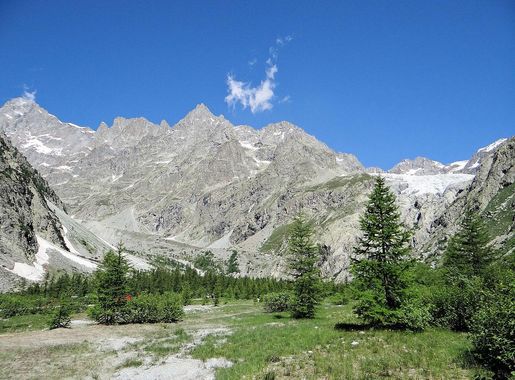
Ecrins National Park, located in the southeastern region of France, is a haven for nature lovers and adventure seekers alike. Covering over 918 square kilometers, the park boasts stunning landscapes that range from rugged mountains and glaciers to lush valleys and alpine meadows. The park is home to a variety of flora and fauna, making it a paradise for wildlife enthusiasts. Here, you can spot golden eagles soaring through the skies, ibexes scaling rocky cliffs, and marmots playing in the meadows. The park offers a plethora of activities to suit all tastes. Hiking is one of the most popular pursuits, with over 700 kilometers of marked trails that cater to both novice and experienced hikers. For those looking for a more challenging adventure, the park provides opportunities for mountaineering and rock climbing. In the winter months, Ecrins transforms into a snowy wonderland, perfect for skiing and snowshoeing. Cultural heritage is also a significant aspect of Ecrins National Park. Scattered throughout the park are charming villages and hamlets that offer a glimpse into the traditional Alpine way of life. Visitors can explore ancient churches, rustic farmhouses, and local museums that showcase the region's rich history and culture. The park is also known for its traditional festivals and events, which provide a unique opportunity to experience local customs and traditions.