

Crocetta (Turin) Travel Guide - Free
Explore Crocetta in Turin with Evendo's free guide. Find the best shops, historic streets, restaurants, and gems on web or mobile.


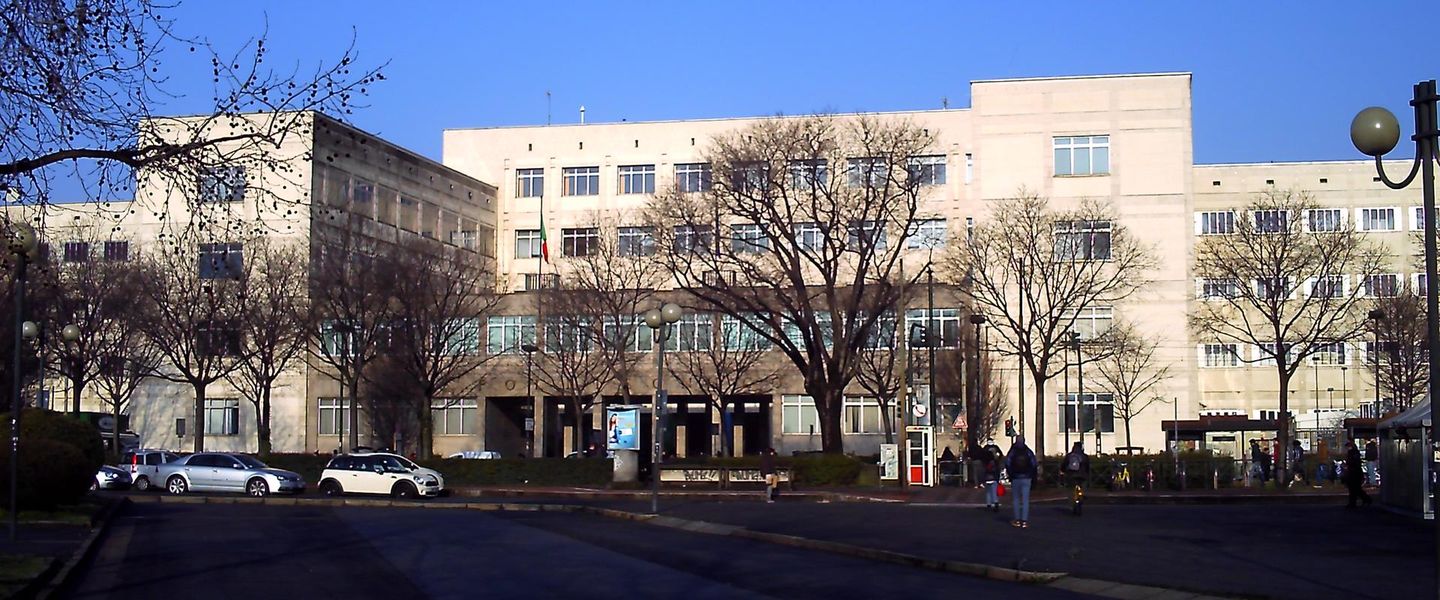


Crocetta, Turin: explore Liberty villas, elegant boulevards, GAM, the Crocetta market and refined cafés near Italy’s historic royal centre.
A Refined Residential Quarter
Crocetta lies just south-west of Turin’s historic centre, forming a polished urban district of broad avenues, apartment buildings and quieter residential streets. Its name comes from the cross associated with the Chiesa della Beata Vergine delle Grazie, usually known simply as the Crocetta church. The area developed substantially during Turin’s late nineteenth- and early twentieth-century expansion, when elegant apartment blocks and detached villas replaced much of the former suburban landscape.Read more about Crocetta
Architecture and Public Spaces
Markets, Cafés and Everyday Turin
Best attractions in Crocetta
Crocetta’s attractions are found in a compact sequence of cultural institutions, market streets and architectural details rather than in a single monumental complex. The Galleria Civica d’Arte Moderna e Contemporanea, or GAM, presents modern and contemporary art in a substantial museum setting and is the district’s principal cultural draw. The Chiesa della Beata Vergine delle Grazie provides the neighbourhood’s historic name and a point of reference amid the later residential fabric. Around Corso Galileo Ferraris, Corso Re Umberto and Via Marco Polo, visitors can explore Turin’s Liberty architecture, with decorative balconies, ironwork and carefully designed façades appearing along otherwise ordinary streets. The Mercato della Crocetta offers a more everyday attraction, combining shopping with the observation of local routines. The Politecnico di Torino, near the district’s southern side, adds an academic atmosphere, while the broad avenues create an easy route towards the centre and nearby Porta Nuova.
-
Tourist attraction
Piazza Castello
Explore the historical grandeur of Piazza Castello, a stunning square in Turin, surrounded by captivating architecture and rich Italian culture.
6 min drive · 2.0 km from neighbourhood centre
-
Market
Market Crocetta Torino
Explore the flavors of Turin at Market Crocetta, where local produce and artisanal goods come together in a vibrant atmosphere.
5 min walk · 0.4 km from neighbourhood centre
-
Museum
Palazzo Carignano
Explore Palazzo Carignano, a stunning Baroque museum in Turin, showcasing Italy's royal history and exquisite architecture in a captivating setting.
5 min drive · 1.8 km from neighbourhood centre
-
Tourist attraction
Monument to Vittorio Emanuele II
Experience the grandeur of the Monument to Vittorio Emanuele II in Turin, a stunning tribute to Italy's unification and rich cultural heritage.
8 min walk · 0.7 km from neighbourhood centre


Best landmarks in Crocetta
Crocetta’s principal landmarks express the district’s religious, cultural and residential history. The Chiesa della Beata Vergine delle Grazie, known as the Crocetta church, is the building most directly tied to the neighbourhood’s name and remains an important local point of reference. GAM, the Galleria Civica d’Arte Moderna e Contemporanea on Via Magenta, is a major modern art institution housed within a prominent urban setting and connects Crocetta with Turin’s wider cultural life. The Politecnico di Torino campus on Corso Duca degli Abruzzi represents the area’s academic importance, particularly for students and researchers. Elsewhere, the landmark character is dispersed through Liberty villas, early twentieth-century apartment buildings, wrought-iron balconies and broad avenues such as Corso Galileo Ferraris and Corso Re Umberto, whose scale reflects the district’s planned bourgeois expansion.
-
Castle
Palazzo Madama
Explore the rich history and stunning art collections at Palazzo Madama, a remarkable castle and museum in the heart of Turin.
6 min drive · 1.9 km from neighbourhood centre
-
Market
Market Crocetta Torino
Explore Market Crocetta in Turin, a vibrant market offering fresh produce, local delicacies, and an authentic Italian atmosphere.
5 min walk · 0.4 km from neighbourhood centre
-
Monument
Monumento al Fante d'Italia
Explore the Monument to the Italian Soldier in Turin, a stunning tribute set in a beautiful park, perfect for history lovers and nature enthusiasts alike.
1 min walk · 0.1 km from neighbourhood centre
-
Monument
Monument to the Green Count
Explore the Monument to the Green Count in Turin, a stunning tribute to heritage amidst the vibrant city square, perfect for photography and relaxation.
5 min drive · 1.8 km from neighbourhood centre


Explore Crocetta on the map
A handpicked selection of must-see spots in Crocetta, mapped for you.
Best hotels in Crocetta
Best restaurants in Crocetta
Crocetta’s dining scene reflects its role as a prosperous residential and university-adjacent quarter rather than a concentrated restaurant district. Cafés, pastry shops, bakeries and neighbourhood trattorie appear along the main avenues and quieter commercial streets, serving residents, office workers and students from the Politecnico di Torino. Visitors can look for Piedmontese cooking, including seasonal produce, fresh pasta and the region’s wine culture, alongside pizzerias, contemporary Italian restaurants and international options. The streets approaching Porta Nuova offer a broader choice, while the area around the market is useful for observing everyday food shopping even when the stalls themselves focus more on clothing and household goods than on a dedicated gourmet offer. Aperitivo is part of Turin’s wider café culture, and Crocetta’s polished but relatively calm atmosphere suits an early evening drink or an unhurried meal rather than a late-night dining crawl.
-
Italian
Taverna delle Rose
Discover authentic Piedmontese cuisine at Taverna delle Rose in Turin – where tradition meets taste in every dish.
8 min walk · 0.7 km from neighbourhood centre
-
Restaurant
A Casa Ponte di Cinzia&Andy
Discover exquisite seafood dining at A Casa Ponte in Turin - where tradition meets innovation in Italian cuisine.
7 min walk · 0.6 km from neighbourhood centre
-
Italian
La Conca
Discover authentic Italian cuisine at La Conca in Turin, where every dish tells a story of tradition and flavor.
11 min walk · 0.9 km from neighbourhood centre
-
Restaurant
Crocetta
Discover Crocetta: Turin's premier seafood restaurant offering fresh flavors and an unforgettable dining experience.
5 min walk · 0.4 km from neighbourhood centre


Best bars in Crocetta
Crocetta has a restrained evening character, with nightlife centred on cafés, wine bars, aperitivo venues and restaurants rather than a dense concentration of clubs. The streets around the main boulevards and the routes towards Porta Nuova provide the greatest choice, while the area near the Politecnico brings a student presence without transforming the neighbourhood into a dedicated entertainment district. Bars tend to function as social meeting places before or after dinner, and some cultural evenings may be associated with the district’s institutions, but visitors should not expect the continuous late-night activity found in San Salvario or the central entertainment streets. After dark, the architectural streets are pleasant for a measured walk, although residential buildings call for consideration over noise, especially near apartment entrances and smaller side roads.
-
Gastropub
The Duke of Wellington
Discover The Duke of Wellington, a vibrant gastropub in Turin offering quality food, a great beer selection, and an inviting atmosphere for every visitor.
9 min walk · 0.7 km from neighbourhood centre
-
Gastropub
The Overbridge Pub
Experience the best of Turin's culinary scene at The Overbridge Pub, a lively gastropub offering local flavors and a welcoming atmosphere.
12 min walk · 1.0 km from neighbourhood centre
-
Bar
Torrefazione della Crocetta
Discover the rich flavors of artisanal coffee at Torrefazione della Crocetta, a must-visit coffee bar in the heart of Turin.
4 min walk · 0.3 km from neighbourhood centre
-
Cocktail bar
Bobo's cocktail bar
Discover Bobo's Cocktail Bar in Turin for exquisite drinks and a vibrant nightlife experience, perfect for cocktail lovers.
10 min walk · 0.8 km from neighbourhood centre


Best nightclubs in Crocetta
Crocetta has a restrained evening character, with nightlife centred on cafés, wine bars, aperitivo venues and restaurants rather than a dense concentration of clubs. The streets around the main boulevards and the routes towards Porta Nuova provide the greatest choice, while the area near the Politecnico brings a student presence without transforming the neighbourhood into a dedicated entertainment district. Bars tend to function as social meeting places before or after dinner, and some cultural evenings may be associated with the district’s institutions, but visitors should not expect the continuous late-night activity found in San Salvario or the central entertainment streets. After dark, the architectural streets are pleasant for a measured walk, although residential buildings call for consideration over noise, especially near apartment entrances and smaller side roads.
-
Disco club
Milk Torino
Experience the vibrant nightlife of Turin at Milk Torino, where electrifying beats and a lively atmosphere await every party enthusiast.
12 min walk · 0.9 km from neighbourhood centre
-
Disco club
Joy & Joy
Dance the night away at Joy & Joy, Turin's top disco club, featuring vibrant music, great drinks, and an electric atmosphere for an unforgettable nightlife experience.
11 min walk · 0.9 km from neighbourhood centre
-
Night club
White Moon
Experience the vibrant nightlife at White Moon, a premier night club in Turin offering electrifying music and an unforgettable party atmosphere.
7 min drive · 2.4 km from neighbourhood centre
-
Night club
Samara Torino Night Club
Dive into the pulsating nightlife of Turin at Samara Torino Night Club – where music, dance, and unforgettable moments await.
11 min walk · 0.9 km from neighbourhood centre


Best shops in Crocetta
Shopping in Crocetta is anchored by the Mercato della Crocetta, a long-established local market associated with the streets around Via Marco Polo and nearby avenues. Its stalls are particularly known for clothing and everyday goods, making it as much a portrait of local commerce as a conventional visitor attraction. Independent food shops, bakeries, cafés and practical retailers are distributed through the residential streets, while more specialised and fashion-oriented shopping is available towards the centre and Porta Nuova. The district does not offer the concentrated luxury retail of Turin’s central streets, but its appeal lies in the contrast between market stalls, small neighbourhood businesses and the elegant architecture in which they operate. Walking between the market and Corso Galileo Ferraris gives visitors a useful sense of Crocetta’s commercial scale and daily rhythm.
-
Women's clothing store
Charme Abbigliamento Donna Torino
Explore the elegance of Italian fashion at Charme Abbigliamento Donna in Turin, where quality meets contemporary style.
9 min walk · 0.7 km from neighbourhood centre
-
Men's clothing store
Alla Città Di Torino
Explore Alla Città Di Torino for an exquisite selection of men's clothing, blending style, quality, and personalized service in the heart of Turin.
8 min walk · 0.6 km from neighbourhood centre
-
Gift shop
Verdelilla Torino
Discover Verdelilla Torino, where unique gifts, stylish women's clothing, and artisan leather goods come together to create an unforgettable shopping experience.
9 min walk · 0.7 km from neighbourhood centre
-
Women's clothing store
CRAZY ART
Experience the vibrant world of women's fashion and handcrafted accessories at CRAZY ART in the heart of Turin, a haven for stylish shoppers.
11 min walk · 0.9 km from neighbourhood centre


Crocetta essentials
Getting There
Getting Around
Safety
Emergency Situations
Do's and Don'ts
Local Tips

From Eve
Local phrases worth knowing
You don't need to get them perfect. A few words go a long way, and locals appreciate the effort.
Basics
| English | Local | Say it |
|---|---|---|
| Hello | Ciao | [chow] |
| Goodbye | Arrivederci | [ar-ree-veh-dehr-chee] |
| Yes | Sì | [see] |
| No | No | [noh] |
| Please/You're welcome | Per favore/Prego | [pehr fah-voh-reh/preh-goh] |
| Thank you | Grazie | [grah-tsyeh] |
| Excuse me/Sorry | Scusi/Mi dispiace | [skoo-zee/mee dee-spyah-cheh] |
| How are you? | Come stai? | [koh-meh stah-ee] |
| Fine. And you? | Bene. E tu? | [beh-neh/eh too] |
| Do you speak English? | Parli inglese? | [pahr-lee een-gleh-zeh] |
| I don't understand | Non capisco | [nohn kah-pee-skoh] |
Eating & Drinking
| English | Local | Say it |
|---|---|---|
| I'd like to see the menu, please | Vorrei vedere il menù, per favore | [vohr-ray veh-deh-reh eel meh-noo, pehr fah-voh-reh] |
| I don't eat meat | Non mangio carne | [nohn mahn-joh kahr-neh] |
| Cheers! | Salute! | [sah-loo-teh] |
| I would like to pay, please | Vorrei pagare, per favore | [vohr-ray pah-gah-reh, pehr fah-voh-reh] |
Emergencies
| English | Local | Say it |
|---|---|---|
| Help! | Aiuto! | [ah-yoo-toh] |
| Go away! | Vai via! | [vah-ee vee-ah] |
| Call the Police! | Chiamate la polizia! | [kyah-mah-teh lah poh-lee-tsya] |
| Call a doctor! | Chiamate un medico! | [kyah-mah-teh oon meh-dee-koh] |
| I'm lost | Mi sono perso/a | [mee soh-noh pehr-soh/ah] |
| I'm ill | Sto male | [stoh mah-leh] |
Shopping
| English | Local | Say it |
|---|---|---|
| I'd like to buy... | Vorrei comprare... | [vohr-ray kohm-prah-reh] |
| I'm just looking | Sto solo guardando | [stoh soh-loh gwar-dahn-doh] |
| How much is it? | Quanto costa? | [kwahn-toh koh-stah] |
| That's too expensive | È troppo caro | [eh troh-poh kah-roh] |
| Can you lower the price? | Può abbassare il prezzo? | [pwoh ahb-bahs-sah-reh eel preh-tsoh] |
Time & Numbers
| English | Local | Say it |
|---|---|---|
| What time is it? | Che ora è? | [keh oh-rah eh] |
| It's one o'clock | È l'una | [eh loo-nah] |
| Half past (10) | Sono le dieci e mezza | [soh-noh leh dyeh-chee eh meh-tsah] |
| Morning | Mattina | [maht-tee-nah] |
| Afternoon | Pomeriggio | [poh-meh-ree-joh] |
| Evening | Sera | [seh-rah] |
| Yesterday | Ieri | [yeh-ree] |
| Today | Oggi | [oh-jee] |
| Tomorrow | Domani | [doh-mah-nee] |
| 1 | Uno | [oo-noh] |
| 2 | Due | [doo-eh] |
| 3 | Tre | [treh] |
| 4 | Quattro | [kwah-troh] |
| 5 | Cinque | [cheen-kweh] |
| 6 | Sei | [seh-ee] |
| 7 | Sette | [seht-teh] |
| 8 | Otto | [oht-toh] |
| 9 | Nove | [noh-veh] |
| 10 | Dieci | [dyeh-chee] |
Transport & Directions
| English | Local | Say it |
|---|---|---|
| Where's a/the...? | Dov'è un/il...? | [doh-veh oon/eel] |
| What's the address? | Qual è l'indirizzo? | [kwahl eh leen-dee-ree-tsoh] |
| Can you show me (on the map)? | Puoi mostrarmi (sulla mappa)? | [pwah-ee mohs-trar-mee/suhl-lah mahp-pah] |
| When's the next (bus)? | Quando passa il prossimo (autobus)? | [kwahn-doh pahs-sah eel prohs-see-moh/ow-toh-boos] |
| A ticket (to ....) | Un biglietto (per ....) | [oon beel-lyet-toh/pehr] |
History of Crocetta
The Church Behind the Name
Crocetta takes its name from the cross, or crocetta, associated with the Chiesa della Beata Vergine delle Grazie. The church gave its name to the surrounding area as Turin gradually expanded beyond its older central districts. Its presence remains one of the clearest reminders that this quarter predates the dense bourgeois development that later defined its streets. Rather than beginning as a fully planned nineteenth-century neighbourhood, the area grew through the gradual incorporation and urbanisation of land beyond the historic core, with religious buildings and established roads helping to provide points of orientation.
Expansion Beyond the Historic Centre
During the nineteenth century, Turin’s population and administrative importance encouraged expansion beyond the compact baroque centre. Crocetta became increasingly urbanised as roads were widened or extended and new residential blocks were built for the city’s growing professional and commercial classes. The resulting street pattern combined broad avenues with quieter side roads, creating the spacious character still associated with the district. Public transport and improved connections to the centre made the area practical for residents who wanted proximity to Turin’s institutions without living inside the older city.
Liberty Architecture and Urban Elegance
Around the turn of the twentieth century, Crocetta acquired much of its present architectural identity. Turin’s architects and builders adopted Liberty, the local form of Art Nouveau, alongside more sober historicist and bourgeois styles. Apartment houses and villas gained decorative ironwork, projecting balconies, floral details and carefully composed entrances, particularly along the principal avenues and their adjoining streets. This was not an isolated artistic enclave but part of a wider period of urban modernisation in Turin, whose prosperous neighbourhoods were being reshaped for new patterns of domestic life and metropolitan mobility.
A Quarter of Institutions and Daily Commerce
In the twentieth century Crocetta consolidated its role as a residential and institutional district. The presence of the Politecnico di Torino brought students, researchers and academic activity to the area, while local markets and shops maintained its everyday commercial life. The Galleria Civica d’Arte Moderna e Contemporanea added a significant cultural institution beside the established residential fabric. These uses helped Crocetta avoid becoming solely a showcase of historic buildings: its identity developed through the coexistence of education, art, housing, small commerce and the continuing life of the church and market.
Crocetta in Photos
Browse through our photo collection highlighting the charm and character of the destination.
Neighbourhoods near Crocetta
The closest neighbourhoods to Crocetta, if you have time for more than one stop.
-

-

-


Swipe for more neighbourhoods
Explore more

Explore more of Turin
Turin blends Savoy palaces, Egyptian treasures, Piedmontese cuisine and Alpine views, with elegant piazzas, museums and historic cafés to explore in northern Italy.
Explore Turin