

Free Brianza Travel Guide & Mobile App
Explore Brianza with free travel guides. Discover regional history, expert tips, proposed trips, and audio guides on web or mobile app.


Explore Brianza in northern Italy for Monza’s royal heritage, Lambro valley landscapes, design towns, historic villas and Lombard cuisine.
Read more about Brianza
When is the best time to visit Brianza?
Best: June–July, September · 25–29°C| Month | High (°C) | Rainfall (mm) |
|---|---|---|
| January | 8 | 50 |
| February | 10 | 48 |
| March | 15 | 52 |
| April | 18 | 67 |
| May | 23 | 90 |
| June (best) | 27 | 74 |
| July (best) | 29 | 60 |
| August | 28 | 70 |
| September (best) | 25 | 80 |
| October | 19 | 95 |
| November | 13 | 85 |
| December | 8 | 69 |
Getting to and around Brianza
How to get there
Transportation
Top city travel guides in Brianza
The cities of Brianza, and the easiest places to base yourself.
-
-


Swipe for more cities
Destinations in Brianza
Resorts, valleys and scenic spots worth a trip of their own.

Swipe for more destinations
Best attractions in Brianza
Brianza's attractions combine royal heritage, urban museums, working design culture and accessible countryside. Monza provides the strongest concentration, with the Royal Villa, its formal gardens and the vast surrounding park forming the region's principal historic landscape. The park also contains the Monza National Autodrome, whose racing calendar adds a modern industrial dimension to the royal setting. In the town centre, the cathedral treasury and civic museums illuminate Monza's Lombard and later history. Vimercate offers archaeological remains and cultural collections, while Lissone is associated with contemporary art and the furniture industry. Beyond the main towns, the Lambro valley and the Parco Regionale della Valle del Lambro provide opportunities for walking, cycling and observing a river landscape threaded between settlements. The northern part of the wider Brianza area becomes hillier and greener, with routes towards the smaller lakes and wooded country around Alserio and Pusiano. Villas, parish churches, market towns and historic farm complexes appear throughout the region, although many are best appreciated through planned visits rather than spontaneous touring. Brianza is less a destination of spectacular isolated monuments than a layered landscape in which design workshops, royal estates, waterways and suburban communities stand close together.
-
Catholic church
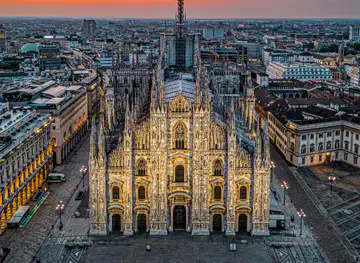
Duomo di Milano
Discover the stunning beauty of Duomo di Milano, an iconic Gothic cathedral in the heart of Milan, offering breathtaking architecture and panoramic views.
-
Shopping mall
Galleria Vittorio Emanuele II
Experience Milan's architectural gem, the Galleria Vittorio Emanuele II, a blend of luxury shopping, rich history, and stunning design.
-
Castle
Sforzesco Castle
Explore the historic Sforzesco Castle in Milan, where art, architecture, and history converge in a captivating experience.
-
Parco Sempione
Explore Parco Sempione, Milan's lush urban park featuring historical landmarks, cultural attractions, and serene spots for relaxation amidst the city's hustle.


Best landmarks in Brianza
The Duomo of Monza is Brianza's most symbolically important landmark, its richly decorated facade and long association with the Iron Crown reflecting the city's Lombard and medieval status. Beside it, the cathedral museum and treasury preserve objects connected with the royal and ecclesiastical history of Monza. The Royal Villa of Monza is a major neoclassical complex built for the Habsburg archduke Ferdinand, later used by the House of Savoy; its setting within Monza Park makes the palace inseparable from the region's political and landscape history. The park's walls, avenues, bridges and river scenery form a landmark on a metropolitan scale, while the National Autodrome introduces a conspicuous twentieth-century engineering monument within the historic enclosure. In Vimercate, the Devil's Bridge is a recognisable medieval crossing over the River Molgora and a reminder of the town's role on historic routes. Further north, the rolling woods and river corridors around the Lambro valley are less monumental but define Brianza visually: they provide the landscape counterpart to the villas, churches and industrial towns that have shaped the region.
-
Shopping mall
Galleria Vittorio Emanuele II
Explore the grandeur of Galleria Vittorio Emanuele II, a historic Milanese shopping arcade featuring luxury brands, exquisite dining, and stunning architecture.
-
Park
Parco di Monza
Explore the lush landscapes and rich history of Parco di Monza, a serene escape in the heart of Italy that captivates visitors with its beauty.
-
Historical landmark
Arco della Pace
Discover the grandeur of Arco della Pace, a stunning triumphal arch in Milan, surrounded by the lush Sempione Park and rich history.
-
Theme park
Leolandia
Discover the wonders of Leolandia, Italy's enchanting theme park filled with thrilling rides, animal encounters, and cultural experiences for the whole family.


Explore Brianza on the map
Plan your trip on one map. See where the top cities, national parks and sights are, and book hotels and experiences in a few clicks.
Best hotels in Brianza
Best restaurants in Brianza
Dining in Brianza belongs to the broader culinary culture of Lombardy but retains a practical, northern Italian character shaped by farms, rice-growing plains and Alpine influences. Traditional trattorias and osterie may serve risotto, polenta, braised meats, freshwater fish, cured meats, seasonal vegetables and cheeses from Lombardy, alongside pasta dishes that vary from town to town. Monza and the larger centres offer a wider range of contemporary Italian cooking, cafés and international restaurants, while rural inns and village establishments tend to emphasise hearty portions and local ingredients. The area around the Lambro valley and northern Brianza is suited to relaxed meals after walking or cycling, although opening days and booking arrangements can vary. Market stalls, bakeries and specialist food shops are useful for regional cheeses, salumi, bread and cakes. Wine lists commonly draw from Lombardy and the wider Italian regions rather than from a single Brianza appellation, and craft beer has a modest presence among the area's modern food-and-drink businesses.
-
Deli
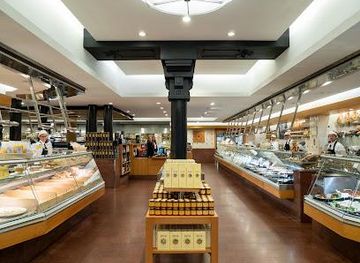
Peck
Milan's temple of gastronomic excellence since 1883, where Central European tradition meets Italian artisanal mastery.
-
Italian
Acqua e Farina
Experience authentic Italian flavors at Acqua e Farina in Agrate Brianza – from wood-fired pizzas to exquisite seafood delights.
-
Cheese shop
Da Carozzi - Formaggeria con cucina
Artisanal cheese haven in Valsassina: savor Taleggio DOP and Lombard classics amid Grigne vistas, family play areas, and bike paths in Pasturo's green embrace.
-
Restaurant
LùBar
Experience the vibrant culinary scene at LùBar in Milan - where tradition meets modern flair in every dish.


Best bars in Brianza
Evening life in Brianza is concentrated in Monza and the larger towns rather than organised around a single regional nightlife district. Monza offers wine bars, cafés, aperitivo venues, pizzerias, restaurants and a selection of places for live music, with activity generally strongest around the historic centre. In Seregno, Lissone, Vimercate and other urban communities, evenings are often centred on bars, gelaterie, restaurants and informal social venues rather than large clubs. Traditional bars and cafés remain important meeting places, while breweries and contemporary cocktail venues provide a more modern choice in the main towns. Nightclubs and late venues exist but are more dispersed and change over time, so current local listings should be checked. Rural Brianza is quieter after dinner, with evening entertainment more likely to involve an inn, restaurant or village festival than a dedicated club scene. Race weekends can temporarily alter the atmosphere around Monza, bringing large crowds and later activity near the Autodrome.
-
Cocktail bar
Zero3nove Cocktail Bar Monza
Experience the best of Monza's nightlife at Zero3nove Cocktail Bar, where cocktails and pizzas create the perfect evening vibe.
-
Bar
Alle Terrazze Como
Discover Alle Terrazze Como, where culinary delights meet breathtaking views of Lake Como for an unforgettable dining experience.
-
Bar
Terrazza Mata
Discover Terrazza Mata: a delightful bar and restaurant in Macherio offering exquisite Italian cuisine and a stunning venue for events.
-
Bar
Bar Al Cavriga
Experience the warmth and charm of Bar Al Cavriga in Villasanta, where delightful beverages and a cozy atmosphere await every visitor.


Best nightclubs in Brianza
Evening life in Brianza is concentrated in Monza and the larger towns rather than organised around a single regional nightlife district. Monza offers wine bars, cafés, aperitivo venues, pizzerias, restaurants and a selection of places for live music, with activity generally strongest around the historic centre. In Seregno, Lissone, Vimercate and other urban communities, evenings are often centred on bars, gelaterie, restaurants and informal social venues rather than large clubs. Traditional bars and cafés remain important meeting places, while breweries and contemporary cocktail venues provide a more modern choice in the main towns. Nightclubs and late venues exist but are more dispersed and change over time, so current local listings should be checked. Rural Brianza is quieter after dinner, with evening entertainment more likely to involve an inn, restaurant or village festival than a dedicated club scene. Race weekends can temporarily alter the atmosphere around Monza, bringing large crowds and later activity near the Autodrome.
-
Night club
Polaris Indian Cafe
Discover an electrifying fusion of nightlife and Indian cuisine at Polaris Indian Cafe in Carate Brianza, a must-visit for vibrant experiences.
-
Disco club
Noir Club & Restaurant
Discover the vibrant nightlife and culinary delights at Noir Club & Restaurant, the ultimate destination in Lissone for unforgettable evenings.
-
Disco club
Molto Club & Restaurant
Discover the electrifying nightlife of Carate Brianza at Molto Club & Restaurant, where music, dance, and culinary delights await.
-
Disco club
Le Le Bahia
Experience the vibrant nightlife of Lissone at Le Le Bahia, a premier disco club where music and dance come alive.


Best shops in Brianza
Shopping in Brianza is closely linked to its furniture and design economy. Lissone, Meda, Seregno and Cantù are known for showrooms, workshops and companies associated with cabinetry, interiors and contemporary furnishings, although many operate as trade-oriented businesses and may require appointments rather than functioning like conventional tourist shops. Monza provides the broadest everyday retail choice, with pedestrian streets, independent boutiques, cafés, bookshops and Italian fashion alongside familiar national chains. Smaller market towns offer weekly markets, bakeries, delicatessens and practical local shopping rather than large-scale luxury retail. Visitors looking for regional gifts can seek Lombard cheeses, cured meats, confectionery, wine, books on design and small craft objects, while galleries and design outlets may provide more distinctive purchases in the principal towns. Check transport and opening arrangements before visiting a particular showroom, especially outside Monza, and do not assume that an industrial district has a continuous public-facing shopping street.
-
Shopping mall
Galleria Vittorio Emanuele II
Explore the historic Galleria Vittorio Emanuele II in Milan, a luxurious shopping mall and cultural landmark that embodies Italian elegance.
-
Shopping mall
Il Centro Arese
Discover the ultimate shopping experience at Il Centro Arese, Italy's largest shopping mall with diverse stores and delicious dining options.
-
Park
Parco di Monza
Explore Parco di Monza, a vast and enchanting park in Italy, perfect for nature lovers and cultural enthusiasts alike.
-
Shopping mall
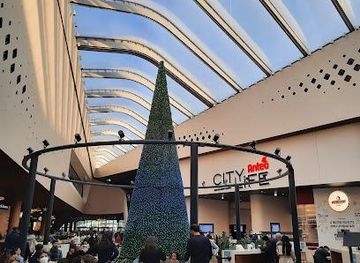
CityLife Shopping District
Discover Milan's modern shopping experience at CityLife Shopping District, where luxury meets lifestyle amidst stunning architecture.


Get your free copy of our complete guide to Brianza, delivered straight to you.
Everything on this page, from attractions and restaurants to essentials and local phrases, in one PDF you can read offline, print or share.
Already have an account? Sign in
Your Brianza guide is ready.
We'll send it to · Not you? Sign out

Getting your guide ready…
We are putting together a fresh copy of the Brianza guide. This can take up to a minute.
This can take a few moments. If your browser asks, choose Allow so the download can start. You'll find the guide in your Downloads folder.
Nothing happened? Download it again
Sorry, the guide is taking longer than usual. Please try again in a minute, or get it by email instead.
Brianza essentials
Currency and Payment
Safety
Emergency Situations
Do's and Don'ts
Local Tips
From Eve
Local phrases worth knowing
You don't need to get them perfect. A few words go a long way, and locals appreciate the effort.
Basics
| English | Local | Say it |
|---|---|---|
| Hello | Ciao | [chow] |
| Goodbye | Arrivederci | [ah-ree-veh-DER-chee] |
| Yes | Sì | [see] |
| No | No | [noh] |
| Please/You're welcome | Per favore/Prego | [per fah-VOH-ray/PRAY-go] |
| Thank you | Grazie | [GRAHT-see-eh] |
| Excuse me/Sorry | Scusa | [SKOO-zah] |
| How are you? | Come stai? | [KOH-meh stah-ee] |
| Fine. And you? | Bene. E tu? | [BEH-neh. Eh too?] |
| Do you speak English? | Parli inglese? | [PAR-lee een-GLEH-zeh] |
| I don't understand | Non capisco | [non kah-PEE-skoh] |
Eating & Drinking
| English | Local | Say it |
|---|---|---|
| I'd like to see the menu, please | Vorrei vedere il menu, per favore | [vor-RAY veh-DAY-ray eel meh-NOO, per fah-VOH-ray] |
| I don't eat meat | Non mangio carne | [non MAHN-joh KAR-neh] |
| Cheers! | Salute! | [sah-LOO-teh] |
| I would like to pay, please | Vorrei pagare, per favore | [vor-RAY pah-GAH-ray, per fah-VOH-ray] |
Emergencies
| English | Local | Say it |
|---|---|---|
| Help! | Aiuto! | [ah-YOO-toh] |
| Go away! | Vai via! | [vye VEE-ah] |
| Call the Police! | Chiama la polizia! | [KYAH-mah lah poh-lee-TSEE-ah] |
| Call a doctor! | Chiama un dottore! | [KYAH-mah oon doh-TOH-reh] |
| I'm lost | Mi sono perso | [mee SOH-noh PER-soh] |
| I'm ill | Sono malato | [SOH-noh mah-LAH-toh] |
Shopping
| English | Local | Say it |
|---|---|---|
| I'd like to buy... | Vorrei comprare... | [vor-RAY kom-PRAH-ray...] |
| I'm just looking | Sto solo guardando | [sto SOH-loh gwar-DAN-doh] |
| How much is it? | Quanto costa? | [KWAN-toh KOH-stah] |
| That's too expensive | È troppo costoso | [eh TROH-poh koh-STOH-zoh] |
| Can you lower the price? | Puoi abbassare il prezzo? | [pwoi ab-BAS-sah-ray eel PRET-soh] |
Time & Numbers
| English | Local | Say it |
|---|---|---|
| What time is it? | Che ore sono? | [keh OH-ray SOH-noh] |
| It's one o'clock | È l'una | [eh LOO-nah] |
| Half past (10) | Dieci e mezzo | [DEE-eh-chee eh MEH-tso] |
| Morning | Mattina | [maht-TEE-nah] |
| Afternoon | Pomeriggio | [poh-meh-REEJ-joh] |
| Evening | Sera | [SEH-rah] |
| Yesterday | Ieri | [YAY-ree] |
| Today | Oggi | [OHG-gee] |
| Tomorrow | Domani | [doh-MAH-nee] |
| 1 | 1 | [uno] |
| 2 | 2 | [due] |
| 3 | 3 | [tre] |
| 4 | 4 | [quattro] |
| 5 | 5 | [cinque] |
| 6 | 6 | [sei] |
| 7 | 7 | [sette] |
| 8 | 8 | [otto] |
| 9 | 9 | [nove] |
| 10 | 10 | [dieci] |
Transport & Directions
| English | Local | Say it |
|---|---|---|
| Where's a/the...? | Dove c'è...? | [DOH-veh cheh...?] |
| What's the address? | Qual è l'indirizzo? | [kwahl eh lin-DEE-rit-soh] |
| Can you show me (on the map)? | Puoi mostrarmi (sulla mappa)? | [pwoi mo-STRAHR-mee (SOOL-lah MAHP-pah)?] |
| When's the next (bus)? | Quando passa il prossimo (autobus)? | [KWAN-doh PAH-sah eel PROS-si-mo (OW-toh-boos)?] |
| A ticket (to ....) | Un biglietto (per ....) | [oon bee-LYEH-toh (per ....)] |
History of Brianza
Roman Roads and Rural Settlements
Before the Roman conquest, the territory north of Mediolanum was occupied by communities connected to the wider Celtic and Golasecca cultural world. Roman rule brought roads, agricultural estates and more formal links between the Milanese plain and the Alpine approaches. Much of the modern urban fabric has replaced ancient settlement, but archaeological finds and the survival of old route lines show that Brianza was already a managed, connected landscape rather than untouched countryside.
Monza and the Lombard Court
Monza became especially important under the Lombards, whose queen Theodelinda established a royal residence and commissioned religious foundations in the late sixth and early seventh centuries. The cathedral's treasury and the Iron Crown preserve the memory of this period, even though the present building is the result of later rebuilding. Monza's position near Milan and the Lambro helped it remain a significant political and ecclesiastical centre through the medieval centuries.
Medieval Communes, Monasteries and Noble Families
During the Middle Ages, Brianza was divided among rural communities, monasteries, ecclesiastical institutions and powerful families linked to Milan and Como. Monza developed as a walled town with an important cathedral chapter, while settlements such as Vimercate grew around roads, markets and river crossings. Castles and fortified residences were repeatedly contested during the struggles between Milanese powers and neighbouring lords; many have disappeared, but medieval churches, street plans and surviving towers retain traces of this political landscape.
Visconti and Habsburg Influence
From the late Middle Ages, Brianza was increasingly drawn into the orbit of the Visconti and Sforza rulers of Milan and later into the Spanish and Austrian Habsburg possessions. Noble estates, country residences and religious foundations expanded in the fertile countryside. The most visible expression of later Habsburg power is Monza's Royal Villa, built for the Austrian archduke Ferdinand in the eighteenth century and enlarged as a court residence. Its park transformed a large tract of land into an ordered royal landscape.
The Royal Villa and Napoleonic and Italian Monza
The arrival of Napoleon altered the political status of Milan and its surrounding territories, and Monza's palace acquired new importance as an official residence. After the creation of the Kingdom of Italy, the Royal Villa served the House of Savoy. The assassination of King Umberto I in Monza in 1900 gave the city a lasting place in national history. The palace, gardens and park consequently embody several successive layers of imperial, Napoleonic and Italian state power.
Craft Industries and the Furniture District
During the nineteenth and twentieth centuries, Brianza moved from an agricultural economy towards a dense network of workshops and small factories. Woodworking, cabinet-making, upholstery and furniture manufacture became particularly important in towns including Lissone, Meda, Seregno and Cantù. These skills later connected with architects, designers and Milan's wider creative economy, helping establish the area as one of Italy's best-known furniture and interior-design districts. Industrial expansion also brought roads, railways, migration and rapid suburban growth.
Motoring and the Monza National Autodrome
The Monza National Autodrome opened in 1922 within Monza Park and became one of Europe's historic motor-racing circuits. Its development reflected Italy's interest in engineering, speed and modern industry during the early twentieth century. Racing has brought international attention to Monza, but the circuit is also part of the park's complex history, sharing space with royal avenues, woodlands and public recreation. Race meetings continue to influence the city's calendar, transport patterns and international profile.
Brianza in Photos
Browse through our photo collection highlighting the charm and character of the destination.
Neighbouring regions of Brianza
The closest regions to Brianza, if you have time for more than one.
-

-

-

-

-


Swipe for more regions
Explore more

Explore more of Italy
Discover Italy: A land of ancient history, artistic marvels, and culinary delights; where every corner reveals a new story and every meal is a celebration.
Explore Italy