

Free Lombardy Travel Guide & Mobile App
Explore Lombardy with free travel guides. Discover regional history, expert tips, proposed trips, and audio guides on web or mobile app.


Explore Lombardy for Milanese design, Renaissance cities, Alpine valleys, celebrated lakes, regional cuisine and Franciacorta sparkling wine.
Read more about Lombardy
When is the best time to visit Lombardy?
Best: June, August–September · 24–28°C| Month | High (°C) | Rainfall (mm) |
|---|---|---|
| January | 5 | 40 |
| February | 8 | 45 |
| March | 12 | 55 |
| April | 16 | 65 |
| May | 22 | 75 |
| June (best) | 26 | 70 |
| July | 29 | 65 |
| August (best) | 28 | 65 |
| September (best) | 24 | 80 |
| October | 19 | 95 |
| November | 12 | 90 |
| December | 6 | 60 |
Getting to and around Lombardy
How to get there
Transportation
Top city travel guides in Lombardy
The cities of Lombardy, and the easiest places to base yourself.
-
-

-

-

-
-


Swipe for more cities
Destinations in Lombardy
Resorts, valleys and scenic spots worth a trip of their own.
-
-

-

-
-

-


Swipe for more destinations
Best attractions in Lombardy
Lombardy offers an unusually broad range of attractions, from Milan’s museums, galleries, design institutions and historic churches to archaeological areas and Roman remains in Brescia. Bergamo’s Città Alta, the Gonzaga heritage of Mantua and Pavia’s churches provide substantial cultural itineraries beyond the regional capital. The lakes bring a different rhythm: visitors can combine ferries, gardens, villas, promenades and mountain viewpoints around Como, Garda, Iseo and the Varese lake district. Alpine Lombardy is suited to hiking, skiing, cycling and scenic drives, particularly in Valtellina and the valleys north of Bergamo and Brescia. Franciacorta offers vineyard visits, while the Po plain contains abbeys, agricultural landscapes, river paths and smaller historic towns. Families may find suitable activities around the lakes and larger cities, although individual attractions vary considerably by season. The region’s former industrial landscape also contributes museums, engineering heritage and contemporary design, making Lombardy as relevant to modern Italy as to its medieval and Renaissance past.
-
Castle
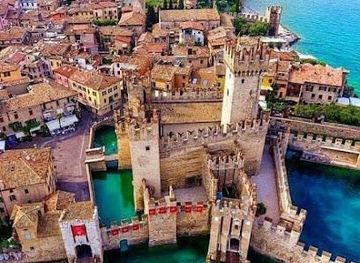
Castello Scaligero di Sirmione
Explore the enchanting Castello Scaligero di Sirmione, a medieval fortress offering breathtaking views and rich history on the shores of Lake Garda.
-
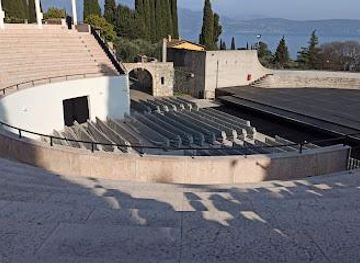
Vittoriale degli Italiani
Explore the enchanting Vittoriale degli Italiani, a historic estate in Gardone Riviera that celebrates Italy's literary heritage and artistic beauty amidst stunning landscapes.
-
Castle
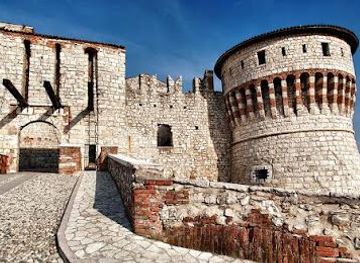
Castello di Brescia
Discover the enchanting Castello di Brescia, a historic fortress offering stunning views, rich history, and cultural experiences in the heart of Italy.
-
Lake
Lake Garda
Discover the captivating beauty and vibrant culture of Lake Garda, Italy's largest lake, a perfect getaway for adventure and relaxation.

Best landmarks in Lombardy
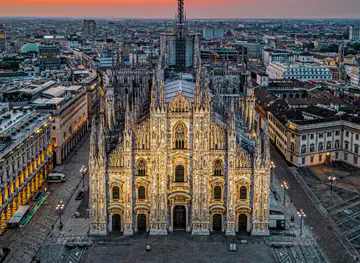
Milan Cathedral is Lombardy’s most recognisable architectural landmark, its marble Gothic structure dominating the central piazza, while the adjoining Galleria Vittorio Emanuele II represents nineteenth-century civic and commercial ambition. Sforza Castle marks the former centre of Milanese ducal power, and the refectory of Santa Maria delle Grazie houses Leonardo’s Last Supper, requiring separately managed timed entry. In Bergamo, the Venetian Walls encircle the elevated Città Alta and reflect the city’s former strategic role; Brescia’s Capitolium preserves an important Roman civic complex. Mantua’s Palazzo Ducale and Palazzo Te express the political and artistic world of the Gonzaga court, while Pavia’s covered Ponte Coperto spans the Ticino beside a historic urban centre. Outside the cities, Lake Como’s mountain-framed shoreline, Lake Iseo’s Monte Isola and the Alpine terraces of Valtellina are geographical landmarks as well as travel destinations. The Camonica Valley rock-art areas add a prehistoric dimension to the region’s landmark heritage.
-
Catholic church
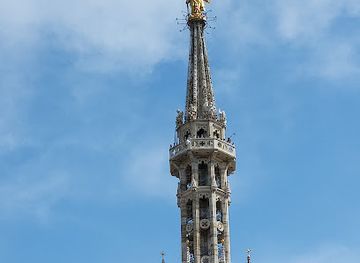
Duomo di Milano
Explore the stunning Duomo di Milano, a Gothic architectural masterpiece that captures the essence of Milan's rich history and vibrant culture.
-
Shopping mall
Galleria Vittorio Emanuele II
Discover the Galleria Vittorio Emanuele II, Milan's iconic shopping mall blending luxury and history in a breathtaking architectural setting.
-
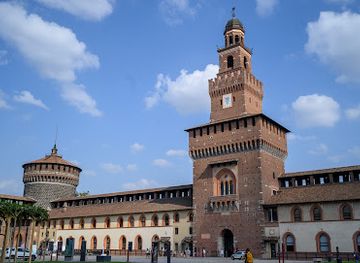
Castle
Sforzesco Castle
Discover the historical and artistic treasure of Sforzesco Castle in Milan, where history meets beauty in an enchanting setting.
-
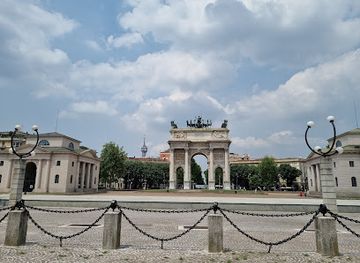
Historical landmark
Arco della Pace
Discover the rich history and stunning architecture of Arco della Pace, a celebrated landmark in Milan that embodies the spirit of peace and cultural heritage.

Explore Lombardy on the map
Plan your trip on one map. See where the top cities, national parks and sights are, and book hotels and experiences in a few clicks.
Best hotels in Lombardy
Best restaurants in Lombardy
Lombard cooking is shaped by northern climates, dairy farming, rice cultivation and Alpine preservation traditions. In Milan, risotto alla milanese and osso buco are classic dishes, while cotoletta alla milanese is a familiar veal speciality. Across the region, expect polenta, freshwater fish from the lakes, pumpkin-based dishes, filled pasta and rice preparations. Valtellina is known for pizzocheri, a buckwheat pasta served with vegetables and cheese, as well as bresaola and substantial mountain cooking. Local cheeses include varieties from the Alpine valleys and lowland dairies, while panettone remains closely associated with Milan even though it is now eaten throughout Italy. Franciacorta accompanies contemporary dining and vineyard-based meals near Lake Iseo. Restaurants range from coffee bars and neighbourhood trattorie to rural agriturismi, historic inns, lakeside establishments and sophisticated city dining rooms; menus often change with local produce and the season.
-
Italian
Taverna dei migliori
Experience authentic Italian cuisine at Taverna dei Migliori in Rome – where tradition meets flavor in every dish.
-
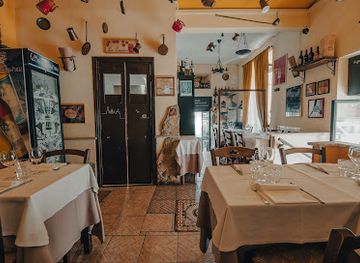
Restaurant
Alessandro Borghese - Il lusso della semplicità
Discover Italian fine dining at Alessandro Borghese in Milan – where tradition meets modernity in every exquisite dish.
-
Fine Dining
Da Vittorio
Experience culinary artistry at Da Vittorio, where every dish tells a story of Italian tradition and innovation.
-
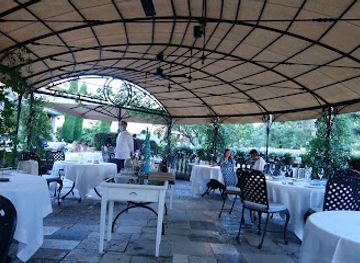
Restaurant
Lido delle Bionde
Sirmione's beachfront oasis where crystal Lake Garda waters meet authentic Italian seafood, pizzas, and panoramic relaxation near ancient Roman ruins.

Best bars in Lombardy
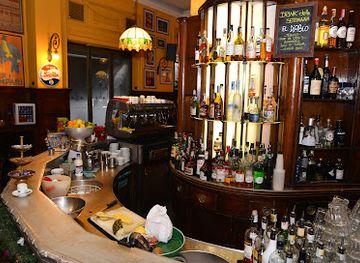
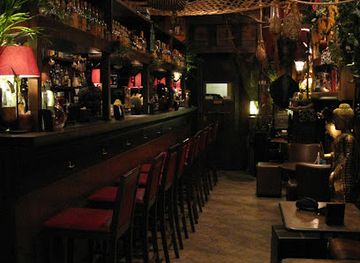
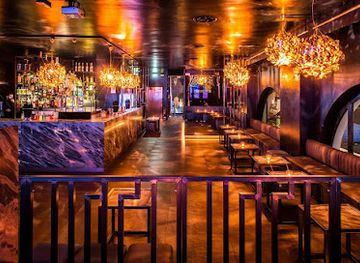
Milan has Lombardy’s most varied evening scene, extending from traditional bars and aperitivo venues to cocktail lounges, live music, theatres and late-night clubs. Neighbourhoods such as Navigli are known for canalside dining and evening social life, although the district can be busy and commercial. In Bergamo, Brescia, Como, Pavia and Mantua, nightlife is more concentrated around central squares, university populations, wine bars, pubs and restaurants than around large clubs. Lakeside resorts may offer seasonal bars and music, particularly in summer, while Alpine towns generally favour hotel bars, après-ski venues and relaxed restaurants. Provincial evenings often begin with an aperitivo and continue over dinner rather than late-night dancing. Craft breweries, enoteche and small live-music venues provide alternatives to club culture, and visitors should check current arrangements locally because opening patterns are especially seasonal outside Milan.
-
Gastropub
Bar Magenta
Discover the vibrant flavors and musical spirit of Milan at Bar Magenta, a gastropub offering delightful dishes and live entertainment.
-
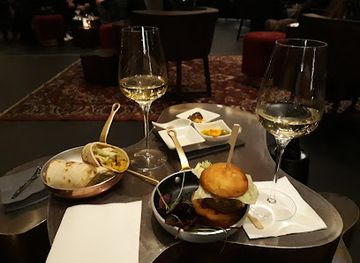
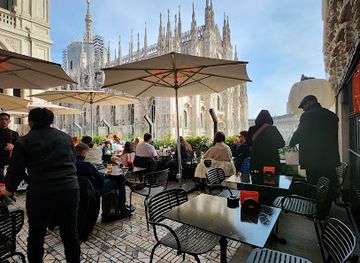
Bar
Terrazza Aperol
Discover the vibrant atmosphere and stunning views at Terrazza Aperol, a premier bar and restaurant in the heart of Milan's Galleria.
-
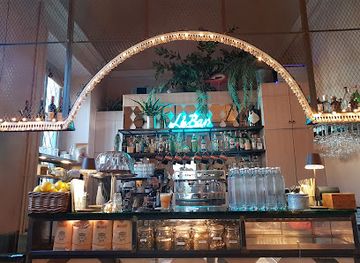
Bar
LùBar
Experience the vibrant flavors of Milan at LùBar, where fine dining meets a cozy bar atmosphere in a culturally rich setting.
-
Cocktail bar
Nottingham Forest
Discover Nottingham Forest, Milan's enchanting cocktail bar where creativity meets mixology in a whimsical setting.
Best nightclubs in Lombardy
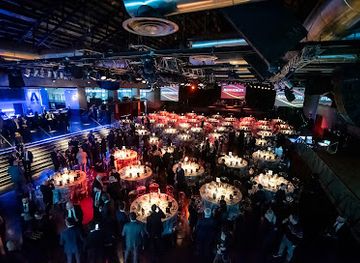
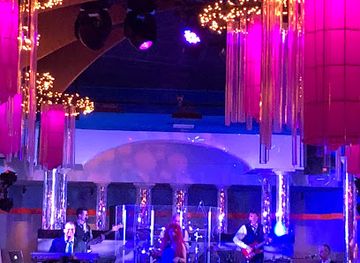
Milan has Lombardy’s most varied evening scene, extending from traditional bars and aperitivo venues to cocktail lounges, live music, theatres and late-night clubs. Neighbourhoods such as Navigli are known for canalside dining and evening social life, although the district can be busy and commercial. In Bergamo, Brescia, Como, Pavia and Mantua, nightlife is more concentrated around central squares, university populations, wine bars, pubs and restaurants than around large clubs. Lakeside resorts may offer seasonal bars and music, particularly in summer, while Alpine towns generally favour hotel bars, après-ski venues and relaxed restaurants. Provincial evenings often begin with an aperitivo and continue over dinner rather than late-night dancing. Craft breweries, enoteche and small live-music venues provide alternatives to club culture, and visitors should check current arrangements locally because opening patterns are especially seasonal outside Milan.
-
Disco club
Alcatraz
Discover Alcatraz, Milan's ultimate disco club and live music venue, where unforgettable nights and electrifying performances await.
-
Disco club
Magika Disco Club
Discover the electrifying atmosphere of Magika Disco Club in Bagnolo Cremasco, where unforgettable nights and vibrant music await.
-
Night club
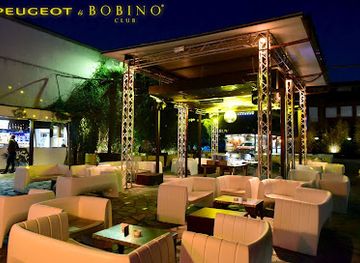
Bobino Milano
Discover the vibrant nightlife of Milan at Bobino Milano, a trendy night club and cocktail bar offering immersive experiences and exquisite drinks.
-
Disco club
11Clubroom
Discover the electrifying nightlife at 11Clubroom in Milan, where vibrant music and a stylish ambiance create unforgettable dance experiences.
Best shops in Lombardy
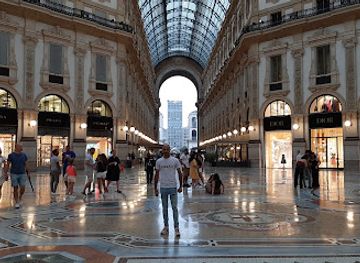
Milan is Lombardy’s principal shopping centre, with international fashion and design concentrated in the Quadrilatero della moda, major department stores, independent boutiques and creative districts with changing retail identities. Elsewhere, historic city centres such as Bergamo, Como, Brescia, Mantua and Cremona combine regular high-street shopping with independent bookshops, food specialists, antique dealers and craft businesses. Lake towns tend to offer ceramics, textiles, leather goods, jewellery and locally themed souvenirs, while rural areas are better suited to buying regional produce directly from farms, wineries and specialist food shops. Valtellina provides opportunities to purchase bresaola, cheeses, wines and mountain products, and Franciacorta is a natural source of sparkling wine for travellers who can transport bottles safely. Farmers’ markets and weekly town markets vary by municipality, so confirm days locally; they are often more useful for food, household goods and everyday regional character than for luxury retail.
-
Shopping mall
Galleria Vittorio Emanuele II
Experience the elegance of Milan at Galleria Vittorio Emanuele II, a historic shopping mall blending luxury with breathtaking architecture.
-
Shopping mall
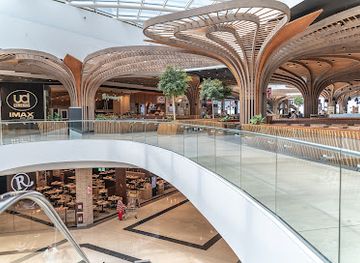
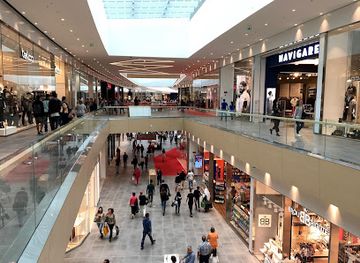
Oriocenter
Explore Oriocenter in Orio al Serio: Italy's premier shopping mall with diverse shops, delicious dining, and family-friendly entertainment.
-
Outlet mall
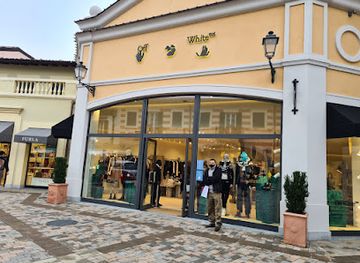
Designer Outlet Serravalle
Discover unbeatable deals on designer brands at Designer Outlet Serravalle, Italy's largest shopping destination for fashion enthusiasts.
-
Shopping mall
ELNÒS SHOPPING
Experience the best of shopping, dining, and entertainment at ELNÒS SHOPPING in Roncadelle, a perfect destination for tourists.
Get your free copy of our complete guide to Lombardy, delivered straight to you.
Everything on this page, from attractions and restaurants to essentials and local phrases, in one PDF you can read offline, print or share.
Already have an account? Sign in
Your Lombardy guide is ready.
We'll send it to · Not you? Sign out

Getting your guide ready…
We are putting together a fresh copy of the Lombardy guide. This can take up to a minute.
This can take a few moments. If your browser asks, choose Allow so the download can start. You'll find the guide in your Downloads folder.
Nothing happened? Download it again
Sorry, the guide is taking longer than usual. Please try again in a minute, or get it by email instead.
Lombardy essentials
Currency and Payment
Safety
Emergency Situations
Do's and Don'ts
Local Tips
From Eve
Local phrases worth knowing
You don't need to get them perfect. A few words go a long way, and locals appreciate the effort.
Basics
| English | Local | Say it |
|---|---|---|
| Hello | Ciao | [chow] |
| Goodbye | Arrivederci | [ah-ree-veh-der-chee] |
| Yes | Sì | [see] |
| No | No | [noh] |
| Please/You're welcome | Per favore/Prego | [per fah-voh-ray/preh-goh] |
| Thank you | Grazie | [grah-tsee-eh] |
| Excuse me/Sorry | Scusi/Mi dispiace | [skoo-zee/mee dee-spyah-cheh] |
| How are you? | Come stai? | [koh-meh stah-ee] |
| Fine. And you? | Bene. E tu? | [beh-neh. eh too?] |
| Do you speak English? | Parli inglese? | [par-lee een-gleh-zeh] |
| I don't understand | Non capisco | [non kah-pees-koh] |
Eating & Drinking
| English | Local | Say it |
|---|---|---|
| I'd like to see the menu, please | Vorrei vedere il menu, per favore | [vor-ray veh-deh-ray eel meh-noo, per fah-voh-ray] |
| I don't eat meat | Non mangio carne | [non mahn-joh kar-neh] |
| Cheers! | Salute! | [sah-loo-teh] |
| I would like to pay, please | Vorrei pagare, per favore | [vor-ray pah-gah-ray, per fah-voh-ray] |
Emergencies
| English | Local | Say it |
|---|---|---|
| Help! | Aiuto! | [ah-yoo-toh] |
| Go away! | Vai via! | [vai vee-ah] |
| Call the Police! | Chiama la polizia! | [kyah-mah lah poh-lee-tsee-ah] |
| Call a doctor! | Chiama un dottore! | [kyah-mah oon doht-toh-reh] |
| I'm lost | Mi sono perso | [mee soh-noh pehr-soh] |
| I'm ill | Sono malato | [soh-noh mah-lah-toh] |
Shopping
| English | Local | Say it |
|---|---|---|
| I'd like to buy... | Vorrei comprare... | [vor-ray kom-prah-ray] |
| I'm just looking | Sto solo guardando | [stoh soh-loh gwahr-dahn-doh] |
| How much is it? | Quanto costa? | [kwahn-toh koh-stah] |
| That's too expensive | È troppo costoso | [eh troh-poh koh-stoh-soh] |
| Can you lower the price? | Puoi abbassare il prezzo? | [pwoy ah-bah-sah-ray eel preht-soh] |
Time & Numbers
| English | Local | Say it |
|---|---|---|
| What time is it? | Che ore sono? | [keh oh-reh soh-noh] |
| It's one o'clock | È l'una | [eh loo-nah] |
| Half past (10) | Dieci e mezzo | [dee-eh-chee eh meh-tsoh] |
| Morning | Mattina | [maht-tee-nah] |
| Afternoon | Pomeriggio | [poh-meh-ree-joh] |
| Evening | Sera | [seh-rah] |
| Yesterday | Ieri | [ee-eh-ree] |
| Today | Oggi | [oh-jjee] |
| Tomorrow | Domani | [doh-mah-nee] |
| 1 | 1 | [uno] |
| 2 | 2 | [due] |
| 3 | 3 | [tre] |
| 4 | 4 | [quattro] |
| 5 | 5 | [cinque] |
| 6 | 6 | [sei] |
| 7 | 7 | [sette] |
| 8 | 8 | [otto] |
| 9 | 9 | [nove] |
| 10 | 10 | [dieci] |
Transport & Directions
| English | Local | Say it |
|---|---|---|
| Where's a/the...? | Dove si trova...? | [doh-veh see troh-vah] |
| What's the address? | Qual è l'indirizzo? | [kwahl eh leen-dee-reet-soh] |
| Can you show me (on the map)? | Puoi mostrarmi (sulla mappa)? | [pwoy mohs-trar-mee (soo-lah mahp-pah)] |
| When's the next (bus)? | Quando passa il prossimo (autobus)? | [kwahn-doh pah-sah eel prohs-see-mo (ow-toh-boos)] |
| A ticket (to ....) | Un biglietto (per ....) | [oon bee-lyet-toh (per ....)] |
History of Lombardy
Prehistoric Communities and Early Iron Age Culture
Lombardy has some of Italy’s most important prehistoric evidence, including rock art in the Camonica Valley, where generations of people recorded animals, weapons, figures and symbols on exposed rock surfaces. The area’s long sequence of images provides evidence of changing communities from prehistory through the Iron Age. Elsewhere, settlements around the lakes and the Po plain benefited from fertile land and Alpine routes. These early connections helped establish Lombardy as a meeting ground between central Europe and the Italian peninsula long before the rise of Rome.
Romanisation and the Growth of Mediolanum
Rome gradually incorporated the region during the later Republican period, developing roads, settlements and agricultural systems across the Po Valley. Mediolanum, modern Milan, became a major commercial and administrative centre because of its position between the Alps and northern Italian routes. Roman influence remains visible in archaeological remains at Brescia, including the Capitolium and Roman theatre, and in traces preserved at Milan, Pavia and other towns. The region’s road network and urban foundations shaped the locations and importance of many later Lombard cities.
The Lombards and Medieval Political Power
The Lombards entered northern Italy in the sixth century and established a kingdom centred broadly on the territories that later took their name. Pavia became the royal capital, while monasteries and fortified settlements expanded under Lombard and subsequent Carolingian rule. Medieval Lombardy was politically divided but economically active, with growing communes, episcopal centres and merchant networks. Romanesque churches, monastic complexes and surviving urban layouts in places such as Pavia and Como reflect the period’s religious and civic development.
Communes, Visconti and Sforza Milan
From the later Middle Ages, Milan became the centre of the Visconti dynasty and then the Sforza court. The duchy extended its influence across much of Lombardy, although rival powers remained important in Brescia, Bergamo, Mantua and other cities. Milan’s cathedral project, Sforza Castle and the court’s patronage of artists and engineers testify to the wealth and ambition of Renaissance Lombardy. Leonardo da Vinci worked in Milan during this period, producing The Last Supper and contributing to the intellectual and artistic life of the court.
Venetian, Spanish and Austrian Rule
The region’s strategic position made it a frequent object of competition among European powers. Bergamo and Brescia came under the Republic of Venice, whose rule left distinctive defensive architecture and civic buildings, while Milan and much of western Lombardy passed through periods of French, Spanish and Austrian control. Mantua was shaped by the Gonzaga dynasty before becoming part of the Habsburg sphere. These political changes influenced fortifications, administration, artistic patronage and the movement of goods across the Alpine passes and Po Valley.
Napoleonic Reform and the Risorgimento
Napoleon reorganised northern Italy and made Milan a capital of the Kingdom of Italy established under French influence. Administrative reform, legal change and new political ideas altered the region, although Austrian power returned after Napoleon’s defeat. Lombardy became central to the nineteenth-century Risorgimento: the Five Days of Milan in 1848 symbolised opposition to Austrian rule, and the region joined the Kingdom of Sardinia in 1859 before Italian unification was completed. Milan subsequently emerged as one of the new nation’s principal political and economic centres.
Industrialisation, Migration and Modern Lombardy
From the late nineteenth century, Lombardy developed dense manufacturing, engineering, textile, chemical and transport industries, especially around Milan, Monza, Brescia, Varese and the northern urban belt. Hydroelectricity and Alpine water resources supported industrial growth, while railways connected factories and markets across the region. The twentieth century brought major internal and international migration, post-war expansion and rapid urbanisation. Today, former industrial districts coexist with fashion, finance, design, universities, advanced manufacturing, agriculture and tourism around the lakes and mountains.
Lombardy in Photos
Browse through our photo collection highlighting the charm and character of the destination.
Neighbouring regions of Lombardy
The closest regions to Lombardy, if you have time for more than one.
-

-

-

-

-


Swipe for more regions
Explore more

Explore more of Italy
Discover Italy: A land of ancient history, artistic marvels, and culinary delights; where every corner reveals a new story and every meal is a celebration.
Explore Italy