
Versilia, Italy Travel Guide
Explore Versilia: A Tuscan Gem with Stunning Beaches, Rich Culture, and Vibrant Nightlife. Perfect for Sunseekers, Art Lovers, and Food Enthusiasts.
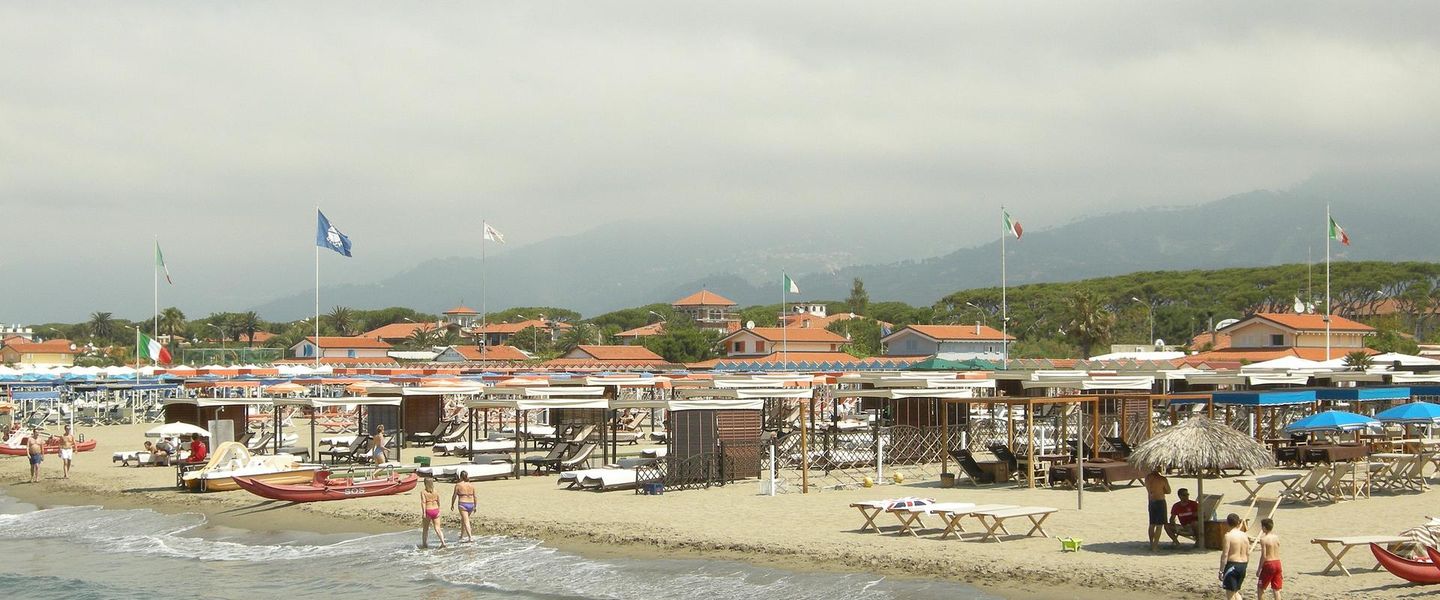
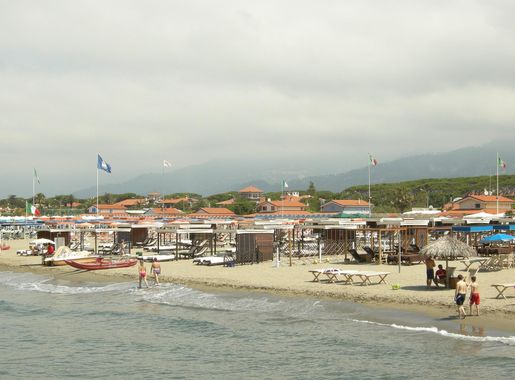
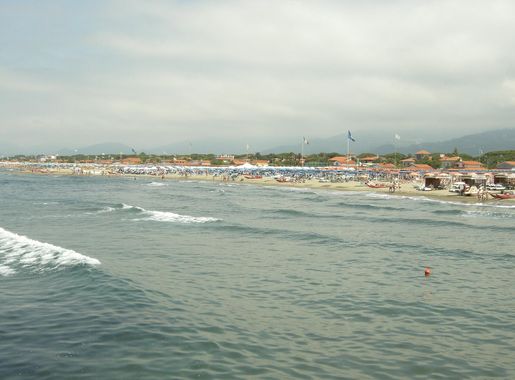
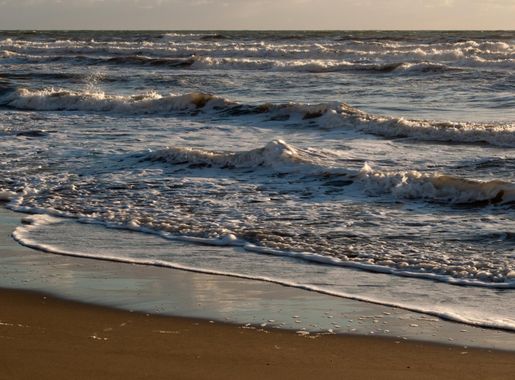
Nestled on the Tuscan coastline, Versilia is a vibrant and enchanting region known for its stunning beaches, lively nightlife, and rich cultural heritage. Visitors will find an inviting mix of old-world charm and modern amenities, making it an ideal destination for both relaxation and adventure. Versilia's coastline stretches for miles, offering pristine sandy beaches and crystal-clear waters. The seaside towns of Viareggio, Forte dei Marmi, and Marina di Pietrasanta are popular spots for sunbathers and swimmers alike. Each town has its own unique character, from the elegant resorts of Forte dei Marmi to the artistic vibe of Pietrasanta. Beyond the beaches, Versilia is also a hub for art and culture. The region is home to numerous art galleries, museums, and historic sites. The town of Pietrasanta, in particular, is renowned for its art scene, with numerous sculptures and galleries lining its charming streets. For history enthusiasts, a visit to the medieval town of Camaiore or the ancient Roman ruins in Massaciuccoli is a must. Versilia is also famous for its cuisine, offering a delectable array of Tuscan dishes. Fresh seafood, homemade pasta, and local wines are just a few of the culinary delights awaiting visitors. The vibrant nightlife in Viareggio and Forte dei Marmi, with their trendy bars and nightclubs, adds to the region's allure. Whether you're looking to relax on the beach, explore cultural treasures, or indulge in delicious food and exciting nightlife, Versilia offers an unforgettable experience for every traveler.

Know before you go
Hi, I'm Eve. Here are a few practical things to know before exploring Versilia.
- Visit during the summer months to enjoy the best of Versilia's beach life and festivals.
- Rent a bike to explore the coastal towns and countryside at your own pace.
- Try the local seafood dishes, especially the 'cacciucco,' a traditional fish stew.
- Visit the weekly markets in Forte dei Marmi for unique shopping experiences.
- Check out the art galleries and sculptures in Pietrasanta for a dose of local culture.
Explore Versilia: Things to Do, Places to Eat, Hotels & More
Handpicked recommendations for top attractions, local dining, accommodations, and more

Top Attractions & Sightseeing in Versilia
Top-rated picks
Best Attractions

Parco Regionale Migliarino, San Rossore, Massaciuccoli
Discover the breathtaking landscapes and unique wildlife at Parco Regionale Migliarino, San Rossore, Massaciuccoli, a true natural gem in Tuscany.

Mura di Lucca
Discover the historical charm and stunning vistas of Mura di Lucca, a must-visit tourist attraction in the heart of Tuscany.

Villa Puccini Museum
Explore the Villa Puccini Museum, a heritage gem in Torre del Lago that celebrates the life and legacy of Italy's iconic composer, Giacomo Puccini.
LIPU Massaciuccoli
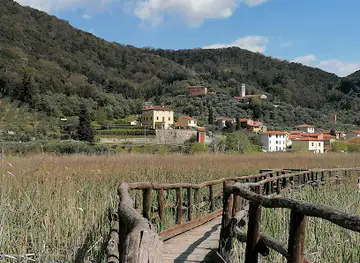
Explore LIPU Massaciuccoli, a serene nature preserve in Italy, where vibrant ecosystems and breathtaking landscapes await every visitor.

Best landmarks in Versilia
Top-rated picks
Best Landmarks

Parco Alpi Apuane
Discover the breathtaking landscapes and rich biodiversity of Parco Alpi Apuane, a nature preserve perfect for hiking and wildlife observation in Italy.

Grand Hotel Principe di Piemonte
Experience the luxurious charm of Grand Hotel Principe di Piemonte, a premier destination in Viareggio, offering stunning sea views and exceptional service.

Porto di Livorno
Discover the bustling Porto di Livorno, a vibrant seaport rich in maritime history, fresh seafood, and stunning Mediterranean views.

Festival La Versiliana
Discover the captivating performances at Festival La Versiliana, where art and nature blend in a stunning park setting in Marina di Pietrasanta.

Best restaurants in Versilia
Top-rated picks
Best Restaurants

Trattoria Il Gabbiano
Experience authentic Italian flavors at Trattoria Il Gabbiano in Viareggio - where culinary traditions come alive.

Bar Trattoria Nostromo
Discover authentic Italian seafood dishes at Bar Trattoria Nostromo in beautiful Viareggio - where every meal is a taste of coastal Italy.
Antica Locanda da Luca
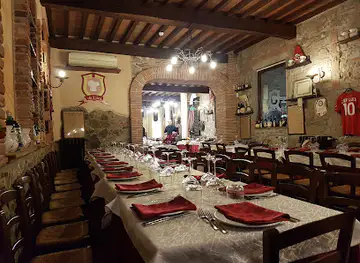
Experience authentic Italian dining with fresh seafood at Antica Locanda da Luca in beautiful Viareggio.

Amaro Braceria
Discover the heart of Tuscan cuisine at Amaro Braceria, where grilled specialties and fresh seafood create unforgettable dining experiences in Viareggio.

Best bars in Versilia
Top-rated picks
Best Bars

Fanatiko
Experience the best of Italian cuisine and cocktails at Fanatiko in Viareggio, a vibrant spot for food lovers and tourists alike.

Il Pinolo
Discover Il Pinolo, a charming bar in Camaiore offering a delightful selection of drinks and a warm, inviting atmosphere for tourists.

Il Corsaro Rosso
Discover the vibrant nightlife of Viareggio at Il Corsaro Rosso, where good drinks and great company await you.

Mojito bar
Discover the vibrant Mojito Bar in Lido di Camaiore, where refreshing cocktails and a lively atmosphere create the perfect night out.

Best nightclubs in Versilia
Top-rated picks
Best Nightclubs

Beach Club Versilia
Discover Beach Club Versilia: The ultimate destination for sun, dining, and nightlife on the stunning Tuscan coast.

Seven Apples
Unleash your energy at Seven Apples, the ultimate disco club in Marina di Pietrasanta, Italy, where unforgettable nights await.

Twiga Beach Club
Experience luxury at Twiga Beach Club, a stylish beach destination in Marina di Pietrasanta offering gourmet Italian cuisine, vibrant nightlife, and stunning views.

Bussola Versilia
Discover Bussola Versilia: A dynamic disco club and restaurant in Marina di Pietrasanta, blending exquisite dining with an electrifying nightlife experience.

Best shops in Versilia
Top-rated picks
Best Shops

Flying Tiger Copenhagen
Explore the vibrant Flying Tiger Copenhagen in Viareggio for unique gifts, quirky home goods, and delightful toys that capture the essence of fun.

Scarpamondo
Discover the best in footwear and fashion at Scarpamondo, Viareggio's premier destination for stylish shoes and accessories.

Parco Commerciale Burlamacca
Discover Parco Commerciale Burlamacca, a shopping haven in Viareggio with diverse stores, dining options, and a taste of local culture.

Mercatone Hao Li Lai
Explore Mercatone Hao Li Lai in Viareggio, Italy, for a unique shopping experience with diverse stores and delicious dining options.

Explore Versilia on the Map
A handpicked selection of must-see spots in Versilia, mapped for you.
Versilia Essentials
-
Versilia is located in the Tuscany region of Italy, along the Tyrrhenian Sea. The nearest international airport is Pisa International Airport (Galileo Galilei), approximately 30-40 kilometers away. From Pisa, you can take a train directly to Versilia, with stops in Viareggio, Forte dei Marmi, and other towns. Alternatively, you can fly into Florence's Amerigo Vespucci Airport, which is around 90 kilometers away, and take a train or rent a car to reach Versilia.
-
Versilia is well-connected by public transportation. The local train service is efficient and connects the main towns along the coast. Buses are also available for shorter distances and to reach inland areas. Taxis and car rentals are additional options for more flexibility. Bicycles are popular for getting around, especially in flat areas like Viareggio and Forte dei Marmi. If you plan to explore the region extensively, renting a car might be the most convenient option.
-
Italy uses the Euro (EUR). Credit and debit cards are widely accepted in hotels, restaurants, and shops, but it's advisable to carry some cash for smaller establishments, markets, and rural areas. ATMs are readily available throughout Versilia, and you can easily withdraw euros with an international bank card.
-
Versilia is generally a safe destination for tourists. However, it's always wise to take standard precautions. Avoid leaving personal belongings unattended, especially on the beach or in crowded areas. While there are no specific high-crime areas targeting tourists, it's best to stay vigilant in busy spots like Viareggio's boardwalk or during large events. Keep an eye on your belongings and avoid walking alone late at night in poorly lit areas.
-
In case of an emergency, dial 112, the European emergency number, for immediate assistance. Hospitals and medical facilities are available in major towns like Viareggio. It's advisable to have travel insurance that covers medical emergencies. Pharmacies are found in most towns and can provide over-the-counter medications for minor health issues.
-
Fashion: Do dress stylishly but comfortably. Italians appreciate good fashion, even in casual settings. Avoid overly casual attire, especially in fine dining establishments. Religion: Do respect religious sites by dressing modestly. Cover your shoulders and knees when entering churches. Public Transport: Do validate your train and bus tickets before boarding. Don't forget to check the schedule, as services may be less frequent on weekends and holidays. Greetings: Do greet people with a 'Buongiorno' (good morning) or 'Buonasera' (good evening) and a handshake. Avoid overly familiar greetings with strangers. Eating & Drinking: Do try local dishes and wines. Don't rush through meals, as dining is considered a leisurely activity.
-
To experience Versilia like a local, visit the weekly open-air markets where you can find fresh produce, local cheeses, and other specialties. Spend time at the beach clubs (bagni) that line the coast, where you can rent a sunbed and umbrella for the day. Join the locals for an evening passeggiata (stroll) along the promenade in places like Viareggio or Forte dei Marmi. Don't miss the seasonal festivals and events, which offer a glimpse into the local culture and traditions.
When is the best time to visit Versilia?
Useful Local Phrases for Versilia
You don't need to speak the language perfectly. Even learning a few simple words can make conversations warmer—and locals usually appreciate the effort.
— Eve

Here are the phrases I use most often in Versilia. Try a few—you'll be surprised how far they go! 😊
❤️
-
- HelloCiao
[chow] - GoodbyeAddio
[ahd-dee-oh] - YesSì
[see] - NoNo
[noh] - Please/You're welcomePer favore/Prego
[per fah-voh-reh/preh-go] - Thank youGrazie
[grah-tsee-eh] - Excuse me/SorryScusa
[skoo-zah] - How are you?Come stai?
[koh-meh stah-ee] - Fine. And you?Bene. E tu?
[beh-neh. eh too] - Do you speak English?Parli inglese?
[par-lee een-gleh-seh] - I don't understandNon capisco
[non kah-pees-koh]
- HelloCiao
-
- I'd like to see the menu, pleaseVorrei vedere il menu, per favore
[vor-ray veh-deh-reh eel meh-noo, per fah-voh-reh] - I don't eat meatNon mangio carne
[non man-jo kar-neh] - Cheers!Salute!
[sah-loo-teh] - I would like to pay, pleaseVorrei pagare, per favore
[vor-ray pah-gah-reh, per fah-voh-reh]
- I'd like to see the menu, pleaseVorrei vedere il menu, per favore
-
- Help!Aiuto!
[ah-yoo-toh] - Go away!Vai via!
[vai vee-ah] - Call the Police!Chiama la polizia!
[kee-ah-mah lah poh-leet-see-ah] - Call a doctor!Chiama un dottore!
[kee-ah-mah oon doht-toh-reh] - I'm lostSono perso
[soh-noh pehr-soh] - I'm illSono malato
[soh-noh mah-lah-toh]
- Help!Aiuto!
-
- I'd like to buy...Vorrei comprare...
[vor-ray kom-prah-reh] - I'm just lookingSto solo guardando
[sto soh-loh guar-dahn-do] - How much is it?Quanto costa?
[kwan-toh koh-stah] - That's too expensiveÈ troppo costoso
[eh troh-poh koh-stoh-soh] - Can you lower the price?Puoi abbassare il prezzo?
[pwo-ee ahb-bah-sah-reh eel pret-soh]
- I'd like to buy...Vorrei comprare...
-
- What time is it?Che ore sono?
[keh oh-reh soh-noh] - It's one o'clockÈ l'una
[eh loo-nah] - Half past (10)Dieci e mezza
[dee-eh-chee eh meh-tsah] - MorningMattina
[maht-tee-nah] - AfternoonPomeriggio
[poh-meh-ree-joh] - EveningSera
[seh-rah] - YesterdayIeri
[yee-eh-ree] - TodayOggi
[oh-jee] - TomorrowDomani
[doh-mah-nee] - 11
[uno] - 22
[due] - 33
[tre] - 44
[quattro] - 55
[cinque] - 66
[sei] - 77
[sette] - 88
[otto] - 99
[nove] - 1010
[dieci]
- What time is it?Che ore sono?
-
- Where's a/the...?Dove si trova...?
[doh-veh see troh-vah] - What's the address?Qual è l'indirizzo?
[kwahl eh leen-dee-reet-soh] - Can you show me (on the map)?Puoi mostrarmi (sulla mappa)?
[pwo-ee mos-trar-mee (sool-lah mahp-pah)] - When's the next (bus)?Quando passa il prossimo (autobus)?
[kwan-doh pah-sah eel proh-see-mo (ow-toh-boos)] - A ticket (to ....)Un biglietto (per ....)
[oon bee-lyet-toh (per ....)]
- Where's a/the...?Dove si trova...?
History of Versilia
-
Versilia, located in the Tuscan region of Italy, boasts a rich history that dates back to the Etruscan era. The Etruscans were an ancient civilization that flourished in central Italy before the rise of the Roman Empire. Archaeological findings, including tombs and artifacts, reveal that the Versilia coast was an important settlement and trading hub during this time.
-
Following the decline of the Etruscans, the Romans expanded their influence into the Versilia region. The area became part of the Roman Empire, and evidence of this period can be seen in the remains of Roman villas, roads, and aqueducts. The strategic coastal location made it a valuable asset for trade and military purposes.
-
During the Middle Ages, Versilia was influenced by neighboring cities such as Lucca, Pisa, and Florence. The region was often contested due to its strategic importance. Notably, Lucca's control over Versilia led to the construction of fortifications and castles that still stand today, reflecting the turbulent times and the need for defense.
-
The Renaissance period brought a cultural and artistic revival to Versilia, much like the rest of Tuscany. The region became known for its marble quarries in Carrara, which provided material for some of the most famous sculptures and buildings of the era. Artists such as Michelangelo sourced marble from this area, further cementing Versilia's place in art history.
-
In the 18th and 19th centuries, Versilia became a popular destination for wealthy Europeans undertaking the Grand Tour. This period saw an influx of artists, writers, and aristocrats who were drawn to the region's natural beauty, mild climate, and rich cultural heritage. This era significantly boosted the local economy and helped shape the modern tourist industry.
-
Versilia, like much of Italy, experienced significant upheaval during World War II. The region saw battles and occupations, which left a lasting impact on its towns and villages. Post-war, Versilia transformed rapidly, with increased development and modernization. The establishment of beach resorts and the growth of the tourism industry helped the region to recover and thrive.
Neighbouring Regions of Versilia
The closest regions to Versilia, if you have time for more than one.



Your all‑in‑one travel companion app
Explore expert travel guides, compare and book tours, experiences, hotels, and more—all from the palm of your hand. Download now for seamless trip planning wherever your wanderlust takes you.


Explore More of Italy

Looking beyond Versilia? Discover Italy for broader travel guides, local hot-spots, and regional highlights.
Explore ItalyVersilia in Photos
Browse through our photo collection highlighting the charm and character of the destination.




The Alluring Charm of Versilia
Nestled on the Tuscan coastline, Versilia is a vibrant and enchanting region known for its stunning beaches, lively nightlife, and rich cultural heritage. Visitors will find an inviting mix of old-world charm and modern amenities, making it an ideal destination for both relaxation and adventure. Versilia's coastline stretches for miles, offering pristine sandy beaches and crystal-clear waters. The seaside towns of Viareggio, Forte dei Marmi, and Marina di Pietrasanta are popular spots for sunbathers and swimmers alike. Each town has its own unique character, from the elegant resorts of Forte dei Marmi to the artistic vibe of Pietrasanta. Beyond the beaches, Versilia is also a hub for art and culture. The region is home to numerous art galleries, museums, and historic sites. The town of Pietrasanta, in particular, is renowned for its art scene, with numerous sculptures and galleries lining its charming streets. For history enthusiasts, a visit to the medieval town of Camaiore or the ancient Roman ruins in Massaciuccoli is a must. Versilia is also famous for its cuisine, offering a delectable array of Tuscan dishes. Fresh seafood, homemade pasta, and local wines are just a few of the culinary delights awaiting visitors. The vibrant nightlife in Viareggio and Forte dei Marmi, with their trendy bars and nightclubs, adds to the region's allure. Whether you're looking to relax on the beach, explore cultural treasures, or indulge in delicious food and exciting nightlife, Versilia offers an unforgettable experience for every traveler.