

Free Emilia-Romagna Travel Guide & Mobile App
Explore Emilia-Romagna with free travel guides. Discover regional history, expert tips, proposed trips, and audio guides on web or mobile app.


Explore Emilia-Romagna for arcaded cities, Renaissance art, celebrated food, motor heritage, Apennine landscapes and Adriatic beaches.
Read more about Emilia-Romagna
When is the best time to visit Emilia-Romagna?
Best: May–June, September · 24–29°C| Month | High (°C) | Rainfall (mm) |
|---|---|---|
| January | 8 | 50 |
| February | 11 | 45 |
| March | 15 | 60 |
| April | 19 | 70 |
| May (best) | 24 | 65 |
| June (best) | 29 | 55 |
| July | 32 | 45 |
| August | 31 | 50 |
| September (best) | 27 | 70 |
| October | 20 | 80 |
| November | 14 | 70 |
| December | 9 | 60 |
Getting to and around Emilia-Romagna
How to get there
Transportation
Top city travel guides in Emilia-Romagna
The cities of Emilia-Romagna, and the easiest places to base yourself.
-

-

-

-

-

-


Swipe for more cities
Destinations in Emilia-Romagna
Resorts, valleys and scenic spots worth a trip of their own.
-

-

-

-


Swipe for more destinations
Best attractions in Emilia-Romagna
Emilia-Romagna's attractions range from major art cities to working landscapes and the Adriatic coast. Bologna offers medieval arcades, university history, museums and civic architecture, while Parma and Modena combine cathedral complexes, theatres, galleries and food-related experiences. Ferrara's historic centre reflects the planning of the Este court, and Ravenna's early Christian and Byzantine monuments are among Italy's most important cultural sites. Smaller towns along the Via Emilia add Roman remains, castles, parish churches and local museums without the scale of the principal cities. In the countryside, visitors can explore dairies, vineyards, traditional balsamic-vinegar producers and cycling routes across the plains. The Apennines provide woodland walks, hilltop settlements, winter sports in selected areas and viewpoints over the Po Valley. Eastwards, the Po Delta's wetlands support birdwatching, boat excursions and nature study, while the coast offers long sandy beaches and purpose-built seaside facilities from the Ravenna area to Rimini. Motor enthusiasts can visit museums and collections connected with the region's automotive heritage, although advance planning is sensible for sites with timed access.
-
Plaza
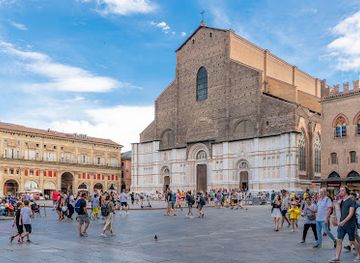
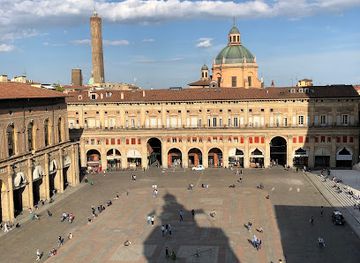
Piazza Maggiore
Explore the vibrant Piazza Maggiore in Bologna, where history meets culture in the heart of Italy's culinary capital.
-
Tourist attraction
Two Towers
Explore the Two Towers of Bologna, a historic landmark offering breathtaking views and a glimpse into the city's rich medieval heritage.
-
Museum
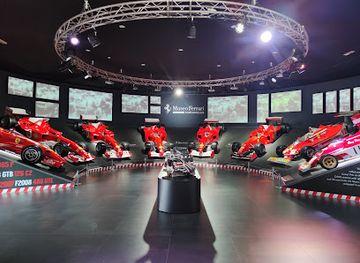
Museum Ferrari Maranello
Explore the captivating legacy of Ferrari at the Museum Ferrari Maranello, where passion for speed and engineering excellence intersect.
-
Castle
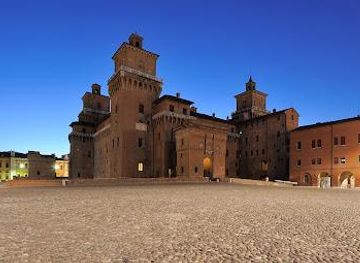
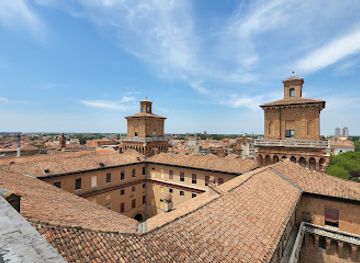
Estense Castle
Experience the rich history and stunning architecture of Estense Castle, a must-see tourist attraction in Ferrara, Italy.
Best landmarks in Emilia-Romagna
The region's most recognisable landmarks reflect Roman, medieval, Renaissance and modern histories. Bologna's Two Towers, dominated by the leaning Torre degli Asinelli, define the medieval cityscape, while the long porticoes express the city's distinctive urban form. Modena Cathedral, its Ghirlandina bell tower and Piazza Grande form a celebrated Romanesque ensemble, and Parma Cathedral and its baptistery are important monuments of northern Italian art. Ferrara's Castello Estense, surrounded by a moat, remains the clearest symbol of Este power and the city's courtly past. Ravenna is marked by the domes, brick exteriors and luminous mosaics of San Vitale, Sant'Apollinare Nuovo and other late antique buildings. On the coast, Cesenatico's historic canal harbour, designed in the tradition associated with Leonardo da Vinci, connects maritime heritage with modern tourism. Inland, hilltop castles and towers in the Apennine foothills show how local powers defended routes between the Po Valley and the mountains, while Rimini's Arch of Augustus and Tiberius Bridge preserve striking evidence of its Roman importance.
-
Plaza
Piazza Maggiore
Discover the vibrant atmosphere of Piazza Maggiore, Bologna’s historic plaza, surrounded by stunning architecture and lively cafés.
-
Museum
Museum Ferrari Maranello
Discover the legacy of Ferrari at the Museum Ferrari Maranello, a must-visit destination for car lovers and tourists exploring Italy's automotive history.
-
Castle
Este Castle
Discover the majestic Este Castle in Ferrara, a historical landmark offering rich heritage, stunning architecture, and immersive cultural experiences.
-
Tourist attraction
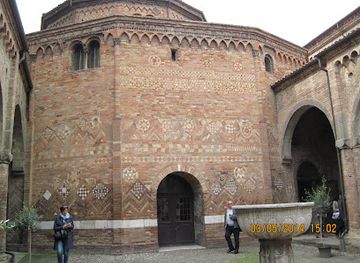
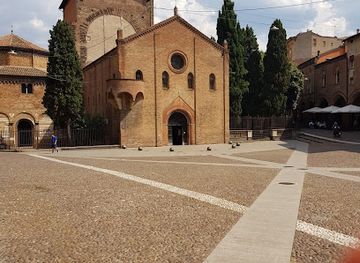
Piazza Santo Stefano
Discover the historic charm of Piazza Santo Stefano in Bologna, a stunning square surrounded by ancient churches and vibrant local culture.

Explore Emilia-Romagna on the map
Plan your trip on one map. See where the top cities, national parks and sights are, and book hotels and experiences in a few clicks.
Best hotels in Emilia-Romagna
Best restaurants in Emilia-Romagna
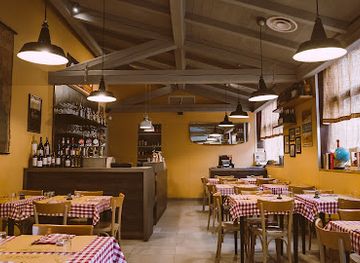
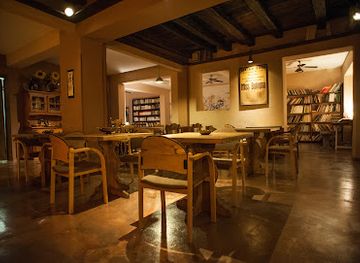
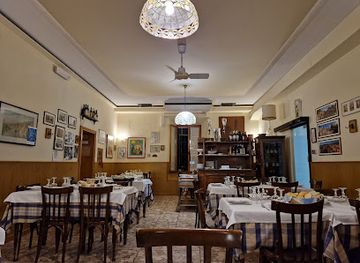
Dining in Emilia-Romagna is closely tied to its geography and agricultural economy. Bologna is associated with fresh pasta traditions including tortellini and tagliatelle, while Parma's food culture is linked to Prosciutto di Parma and Parmigiano Reggiano. Modena is known for traditional balsamic vinegar, and the wider plains support cured meats, filled pasta, seasonal vegetables and rich broths. Across Romagna, piadina is a familiar flatbread served with cheeses, cured meats or vegetables, while the Adriatic coast adds fish and seafood to the menu. Trattorias, osterias, cafés, rural inns and family-run producers offer more representative experiences than a single regional style can provide. Markets and specialist food shops are useful for tasting local products, and many towns have contemporary restaurants that reinterpret established ingredients. Wine varies by subregion, with Lambrusco especially associated with parts of Emilia and Sangiovese important in Romagna; local menus often provide the clearest guide to what is produced nearby.
-
Italian
La Sangiovesa
Discover authentic Italian cuisine at La Sangiovesa in Santarcangelo di Romagna, where every dish tells a story.
-
Italian
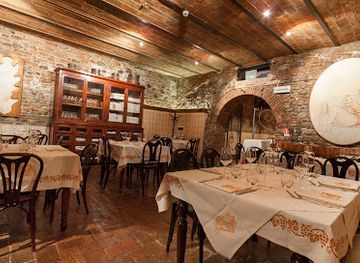
Trattoria del Tempo Buono
Experience authentic Italian flavors at Trattoria del Tempo Buono in Bologna – where tradition meets culinary excellence.
-
Italian
Va Mo Là
Experience authentic Italian cuisine at Va Mo Là, where tradition meets contemporary flair in the heart of Bologna.
-
Restaurant
Antica Trattoria Del Pontelungo
Experience authentic Bolognese flavors at Antica Trattoria Del Pontelungo—where tradition meets taste in every dish.
Best bars in Emilia-Romagna
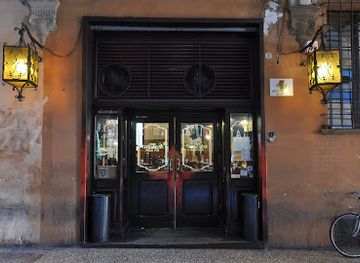
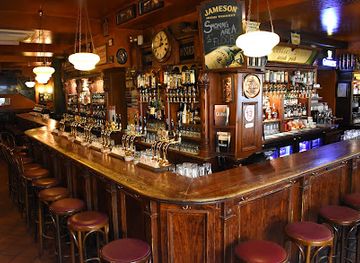
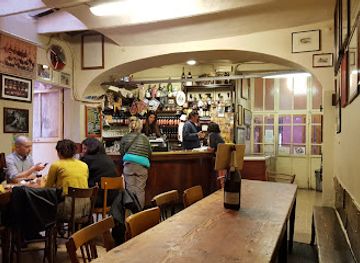
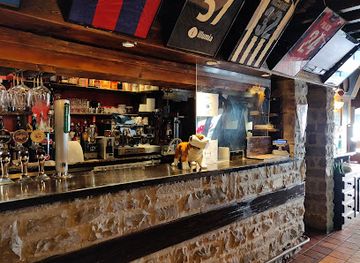
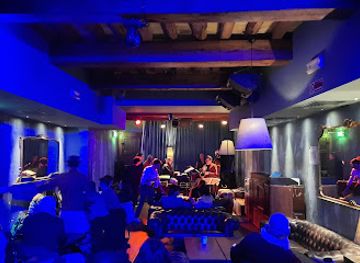
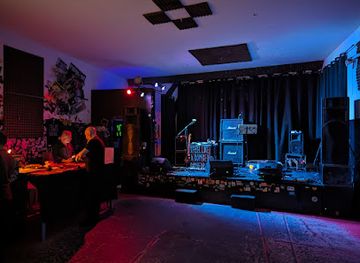
Evening life varies sharply between Emilia-Romagna's university cities, provincial centres and coastal resorts. Bologna has the broadest choice of wine bars, traditional osterie, cafés, live-music venues and late-night student areas, while Parma, Modena, Ferrara and Rimini provide their own mixes of restaurants, pubs, cultural venues and cocktail bars. In smaller towns, the social evening often centres on a piazza, café, bar or seasonal festival rather than a large club scene. Along the Adriatic, Rimini and nearby resort areas become considerably busier in summer, with seafront bars, music venues and clubs serving a holiday audience. In the Apennines, evenings are generally quieter and may focus on local restaurants, village festivals or hotel bars. Visitors should check current arrangements locally, as opening patterns and seasonal programming change frequently.
-
Irish pub
Cluricaune Irish Pub
Discover the heart and soul of Ireland at Cluricaune Irish Pub, a lively destination in Bologna for food, drinks, and unforgettable experiences.
-
Irish pub
Celtic Druid Irish Pub
Discover the authentic taste of Ireland at Celtic Druid Irish Pub in Bologna, where great food and lively atmosphere await every tourist.
-
Wine bar
Osteria del Sole
Discover the heart of Bologna at Osteria del Sole, where exceptional wines and authentic Italian hospitality come together.
-
Pub
Dragon Pub
Discover the lively Dragon Pub in Bologna, where craft beers and a friendly atmosphere await every visitor.
Best nightclubs in Emilia-Romagna
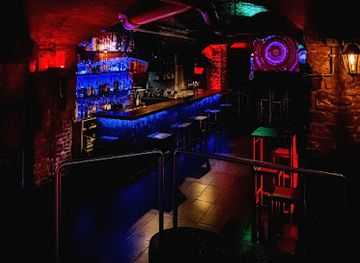
Evening life varies sharply between Emilia-Romagna's university cities, provincial centres and coastal resorts. Bologna has the broadest choice of wine bars, traditional osterie, cafés, live-music venues and late-night student areas, while Parma, Modena, Ferrara and Rimini provide their own mixes of restaurants, pubs, cultural venues and cocktail bars. In smaller towns, the social evening often centres on a piazza, café, bar or seasonal festival rather than a large club scene. Along the Adriatic, Rimini and nearby resort areas become considerably busier in summer, with seafront bars, music venues and clubs serving a holiday audience. In the Apennines, evenings are generally quieter and may focus on local restaurants, village festivals or hotel bars. Visitors should check current arrangements locally, as opening patterns and seasonal programming change frequently.
-
Disco club
Villapapeete Discoteca
Discover the vibrant nightlife at Villapapeete Discoteca in Savio, Italy, where music and dancing create unforgettable experiences.
-
Night club
Soda Pops
Experience Bologna's vibrant nightlife at Soda Pops, where locals and travelers unite for unforgettable evenings filled with music, drinks, and fun.
-
Disco club
iGinGini
Discover Ravenna's nightlife at iGinGini - a lively disco club and bar with creative cocktails and a vibrant atmosphere.
-
Night club
Freakout Club
Discover the vibrant nightlife of Bologna at Freakout Club, where unforgettable music and electric atmosphere await every night.

Best shops in Emilia-Romagna
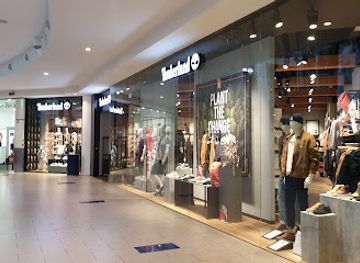
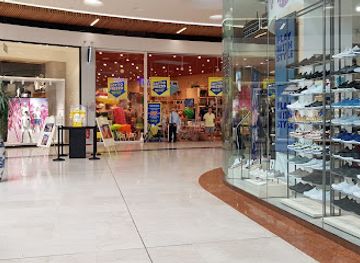
Shopping in Emilia-Romagna is strongest in historic city centres, market towns and specialist food districts rather than in one dominant retail area. Bologna offers arcaded streets with bookshops, independent boutiques, food shops and covered markets, while Parma and Modena are particularly useful for regional delicatessen products, kitchenware and locally produced specialities. Ferrara and Ravenna combine independent shops with galleries, ceramics, decorative arts and books connected to their cultural heritage. Farmers' markets and food halls are good places to find Parmigiano Reggiano, cured meats, filled pasta, traditional balsamic vinegar and regional wines, provided products are labelled with their provenance. Smaller towns may offer antiques, craft workshops and seasonal markets, while ceramic traditions are especially associated with parts of Romagna. The Motor Valley contributes a different retail dimension through model cars, branded memorabilia and engineering-related collections. Along the coast, shopping is more seasonal and geared towards beachwear, souvenirs and holiday goods than towards distinctive regional crafts.
-
Outlet mall
Designer Outlet Serravalle
Discover unbeatable deals and a vibrant shopping experience at Designer Outlet Serravalle, Italy's premier outlet mall.
-
Shopping mall
Le Befane Centro Commerciale
Experience the vibrant shopping scene at Le Befane Centro Commerciale in Rimini, featuring a variety of stores, dining options, and family-friendly entertainment.
-
Shopping mall
Romagna Shopping Valley
Discover Romagna Shopping Valley: A Shopping Haven with Fashion, Electronics, Dining, and Entertainment in Savignano sul Rubicone.
-
Shopping mall
Grandemilia
Discover the ultimate shopping experience at Grandemilia in Modena, featuring a diverse selection of stores, delightful dining, and a welcoming atmosphere.

Get your free copy of our complete guide to Emilia-Romagna, delivered straight to you.
Everything on this page, from attractions and restaurants to essentials and local phrases, in one PDF you can read offline, print or share.
Already have an account? Sign in
Your Emilia-Romagna guide is ready.
We'll send it to · Not you? Sign out

Getting your guide ready…
We are putting together a fresh copy of the Emilia-Romagna guide. This can take up to a minute.
This can take a few moments. If your browser asks, choose Allow so the download can start. You'll find the guide in your Downloads folder.
Nothing happened? Download it again
Sorry, the guide is taking longer than usual. Please try again in a minute, or get it by email instead.
Emilia-Romagna essentials
Currency and Payment
Safety
Emergency Situations
Do's and Don'ts
Local Tips
From Eve
Local phrases worth knowing
You don't need to get them perfect. A few words go a long way, and locals appreciate the effort.
Basics
| English | Local | Say it |
|---|---|---|
| Hello | Ciao | [chow] |
| Goodbye | Arrivederci | [ah-ree-vay-DER-chee] |
| Yes | Sì | [see] |
| No | No | [noh] |
| Please/You're welcome | Per favore/Prego | [per fah-VOH-ray/PREG-oh] |
| Thank you | Grazie | [GRAHT-zee-eh] |
| Excuse me/Sorry | Scusa/Mi dispiace | [SKOO-zah/Mee dee-SPYAH-cheh] |
| How are you? | Come stai? | [KOH-meh stah-ee] |
| Fine. And you? | Bene. E tu? | [BEH-neh. Eh too?] |
| Do you speak English? | Parli inglese? | [PAR-lee een-GLEH-zeh] |
| I don't understand | Non capisco | [non kah-PEE-skoh] |
Eating & Drinking
| English | Local | Say it |
|---|---|---|
| I'd like to see the menu, please | Vorrei vedere il menù, per favore | [vor-RAY veh-DEH-ray eel meh-NOO, per fah-VOH-ray] |
| I don't eat meat | Non mangio carne | [non MAN-joh KAR-neh] |
| Cheers! | Salute! | [sah-LOO-teh] |
| I would like to pay, please | Vorrei pagare, per favore | [vor-RAY pah-GAH-ray, per fah-VOH-ray] |
Emergencies
| English | Local | Say it |
|---|---|---|
| Help! | Aiuto! | [ah-YOO-toh] |
| Go away! | Vai via! | [vye VEE-ah] |
| Call the Police! | Chiama la polizia! | [KYAH-mah lah poh-lee-TSEE-ah] |
| Call a doctor! | Chiama un dottore! | [KYAH-mah oon doh-TTOH-reh] |
| I'm lost | Mi sono perso | [mee SOH-noh PER-soh] |
| I'm ill | Sono malato | [SOH-noh mah-LAH-toh] |
Shopping
| English | Local | Say it |
|---|---|---|
| I'd like to buy... | Vorrei comprare... | [vor-RAY kom-PRAR-eh] |
| I'm just looking | Sto solo guardando | [stoh SOH-loh gwahr-DAN-doh] |
| How much is it? | Quanto costa? | [KWAN-toh KOH-stah] |
| That's too expensive | È troppo costoso | [eh TROH-poh koh-STOH-zoh] |
| Can you lower the price? | Puoi abbassare il prezzo? | [pwoy ahb-BAH-sah-ray eel PRET-soh] |
Time & Numbers
| English | Local | Say it |
|---|---|---|
| What time is it? | Che ore sono? | [keh OH-ray SOH-noh] |
| It's one o'clock | È l'una | [eh LOO-nah] |
| Half past (10) | Alle dieci e mezza | [AHL-leh DYAY-chee eh MEH-tsah] |
| Morning | Mattina | [mah-TEE-nah] |
| Afternoon | Pomeriggio | [poh-meh-REE-joh] |
| Evening | Sera | [SEH-rah] |
| Yesterday | Ieri | [YAY-ree] |
| Today | Oggi | [OH-jjee] |
| Tomorrow | Domani | [doh-MAH-nee] |
| 1 | Uno | [OO-noh] |
| 2 | Due | [DOO-eh] |
| 3 | Tre | [TREH] |
| 4 | Quattro | [KWAT-troh] |
| 5 | Cinque | [CHEEN-kweh] |
| 6 | Sei | [SAY] |
| 7 | Sette | [SET-teh] |
| 8 | Otto | [OT-toh] |
| 9 | Nove | [NOH-veh] |
| 10 | Dieci | [DYAY-chee] |
Transport & Directions
| English | Local | Say it |
|---|---|---|
| Where's a/the...? | Dove c'è un...? | [DOH-vay cheh oon...?] |
| What's the address? | Qual è l'indirizzo? | [KWAL eh leen-DEE-rit-soh] |
| Can you show me (on the map)? | Puoi mostrarmi (sulla mappa)? | [pwoy mo-STRAR-mee (SOOL-lah MAH-pah)?] |
| When's the next (bus)? | Quando passa il prossimo (autobus)? | [KWAN-doh PAS-sah eel PROS-simo (OW-toh-boos)?] |
| A ticket (to ....) | Un biglietto (per ...) | [oon bee-LYET-toh (per ...)] |
History of Emilia-Romagna
Villanovan and Etruscan Beginnings
Long before Roman expansion, communities in present-day Emilia-Romagna cultivated the Po Valley and traded across northern Italy. Villanovan sites, particularly around Bologna, reveal an early Iron Age culture associated with cremation burials, metalworking and wide commercial contacts. Etruscan influence later became particularly important in the area of Bologna, ancient Felsina, where organised settlement, agriculture and trade developed before the Roman conquest. Archaeological museums and excavated remains across the region preserve evidence of these societies, although much of the modern landscape has been transformed by intensive farming and urban growth.
The Roman Via Aemilia
Roman control expanded through the construction of the Via Aemilia in the second century BC, traditionally dated to 187 BC. The road ran from Ariminum, modern Rimini, towards Placentia, modern Piacenza, establishing the structural axis that still links many of Emilia-Romagna's principal cities. Roman colonies and municipia flourished along it, supporting agriculture, trade and administration. Rimini's Arch of Augustus, bridges and archaeological remains, together with surviving Roman traces in cities such as Parma, Modena and Piacenza, illustrate how decisively Roman infrastructure shaped the region's settlement pattern.
Ravenna and the Late Roman World
Ravenna became capital of the Western Roman Empire in 402 under Emperor Honorius, benefiting from its defensible position and access to waterways. After the fall of the Western Empire, it remained a political centre under Ostrogothic and Byzantine rule. The churches and mausoleums built between the fifth and sixth centuries preserve extraordinary mosaics, combining Roman, Christian and eastern Mediterranean artistic traditions. Ravenna's monuments, including San Vitale, Sant'Apollinare Nuovo and the Mausoleum of Galla Placidia, form one of the region's most important historical legacies and are recognised as a UNESCO World Heritage site.
Medieval Communes and Lordships
During the Middle Ages, Emilia-Romagna was divided among powerful communes, bishops, monasteries and ruling families. Bologna developed as a major centre of law and learning through its university, while cities along the Via Emilia competed for political and commercial influence. The Este family shaped Ferrara and nearby territories; the Farnese later became central to Parma and Piacenza; and the Malatesta were prominent in Rimini and parts of Romagna. Castles, civic palaces, cathedral complexes and fortified towns reflect this period of rivalry, shifting alliances and local state-building.
Renaissance Courts and Artistic Culture
From the fifteenth to the seventeenth centuries, several courts made Emilia-Romagna an important centre of Renaissance and early modern culture. Ferrara's Este court supported architecture, painting, music and literature, while Parma developed under ducal rule and acquired significant churches, theatres and collections. Bologna maintained a strong artistic tradition, producing painters such as the Carracci and later influencing European art through its academies. The region's historic centres retain the results of court patronage in urban planning, palaces, churches and theatres, even though political control frequently shifted between local dynasties, the papacy and larger European powers.
Risorgimento and Unification
The territories of Emilia and Romagna played an important role in the nineteenth-century movement for Italian unification. Much of the region was incorporated into the Kingdom of Italy in 1860, following political upheaval and plebiscites that ended longstanding papal or ducal rule. Cities such as Bologna, Modena, Parma and Ferrara became part of a new national administrative system while retaining strong civic identities. The period also encouraged railway construction, modern political organisation and industrial development, linking the established Via Emilia corridor more closely to northern Italy.
Industrial Growth and the Motor Valley
After the Second World War, Emilia-Romagna experienced rapid economic transformation through manufacturing, engineering, food production and cooperative enterprise. The area between Bologna, Modena and Reggio Emilia became associated with automotive and motorsport companies including Ferrari, Lamborghini, Maserati and Ducati, creating the modern idea of the Motor Valley. At the same time, mechanised agriculture and food processing expanded across the plains, while coastal tourism grew strongly along the Adriatic. Contemporary Emilia-Romagna therefore combines historic urban culture with globally recognised industrial and culinary production.
Emilia-Romagna in Photos
Browse through our photo collection highlighting the charm and character of the destination.
Neighbouring regions of Emilia-Romagna
The closest regions to Emilia-Romagna, if you have time for more than one.
-

-

-

-

-


Swipe for more regions
Explore more

Explore more of Italy
Discover Italy: A land of ancient history, artistic marvels, and culinary delights; where every corner reveals a new story and every meal is a celebration.
Explore Italy