

Free Black River Great Morass Travel Guide & Mobile App
Explore Black River Great Morass with free travel guides. Discover regional history, expert tips, proposed trips, and audio guides on web or mobile app.


Explore Jamaica’s Black River Great Morass for wildlife cruises, crocodile habitat, birdlife and the historic south-coast town of Black River.
Read more about Black River Great Morass
When is the best time to visit Black River Great Morass?
Best: January–March · 29–30°C| Month | High (°C) | Rainfall (mm) |
|---|---|---|
| January (best) | 29 | 50 |
| February (best) | 29 | 45 |
| March (best) | 30 | 40 |
| April | 31 | 55 |
| May | 31 | 60 |
| June | 32 | 66 |
| July | 32 | 70 |
| August | 32 | 76 |
| September | 32 | 80 |
| October | 31 | 75 |
| November | 30 | 71 |
| December | 29 | 66 |
Getting to and around Black River Great Morass
How to get there
Transportation
Best attractions in Black River Great Morass
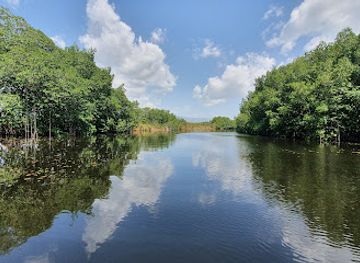
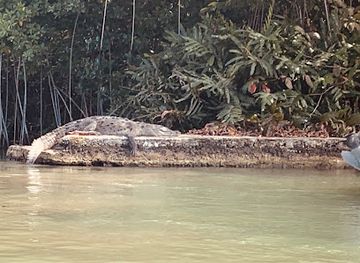
The defining attraction is the Black River Great Morass itself, explored principally by boat through channels bordered by reeds, wet woodland and open water. Guided excursions focus on the American crocodile, wetland birds, fish and the changing relationship between river, marsh and coast. Black River town adds a cultural dimension through its historic riverfront, colonial-era buildings and local interpretation of the district’s maritime and agricultural past. The wider surroundings offer quiet rural scenery, sugar-growing landscapes and access to the south coast, while inland Saint Elizabeth provides separate countryside and waterfall experiences that can be added by car. Birdwatchers and photographers should expect observation rather than formal exhibits: there are few marked trails or large visitor complexes within the morass. The most rewarding activities are therefore boat-based wildlife watching, environmental education, landscape photography and conversations with local guides. Conditions vary with rainfall, water levels and seasonal heat, so an adaptable itinerary is more useful than a tightly packed schedule.
-
Tourist attraction
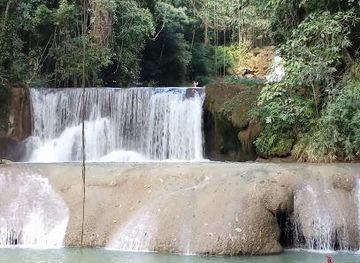
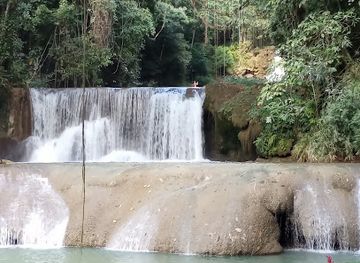
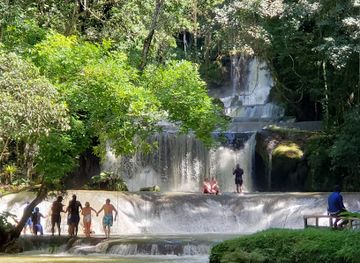
YS Falls
Experience the breathtaking beauty of YS Falls in Jamaica, where cascading waterfalls and adventure await in a tropical paradise.
-
Tourist attraction
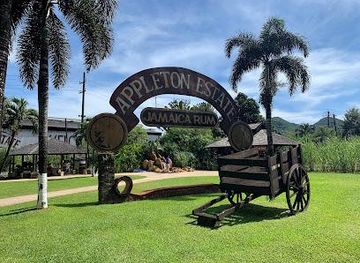
Appleton Estate Rum Tour
Experience the rich tradition of rum-making at Appleton Estate, a premier distillery in the heart of Jamaica, offering unforgettable tours and tastings.
-
Wildlife and safari park
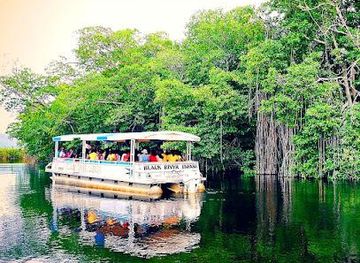
J. Charles Swaby's Black River Safari
Explore the enchanting Black River Safari in Jamaica, where extraordinary wildlife encounters and breathtaking landscapes await every traveler.
-
Zoo
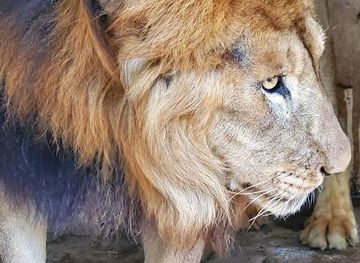
Jamaica Zoo
Discover the vibrant wildlife and engaging experiences at Jamaica Zoo, a top tourist attraction in Lacovia, Jamaica.
Best landmarks in Black River Great Morass
The Black River Great Morass is the region’s principal natural landmark, a broad wetland whose dark waterways, reed beds and low horizons define south-western Saint Elizabeth. The Black River itself is equally important as a geographical and historical feature, linking inland wetlands with the coast and explaining the location of the town that bears its name. In Black River, the historic riverfront and surviving colonial-era buildings recall the town’s former role as a port for timber, agricultural produce and river transport. The town’s early commercial architecture is modest rather than monumental, but its scale and setting help visitors read the landscape as a working historic settlement. Within the wider wetland, crocodile habitat and the maze of channels are landmarks of ecological significance rather than built monuments. The most meaningful way to encounter them is from a properly operated boat, which makes the relationship between water, settlement and agriculture visible without disturbing the fragile environment.
-
 Park
ParkThe World Famous Dunn's River Falls & Park
Explore the enchanting beauty of Dunn's River Falls & Park in Ocho Rios, a stunning natural attraction perfect for adventurers and nature lovers alike.
-
Tourist attraction
YS Falls
Experience the breathtaking cascades and serene waters of YS Falls, a tropical paradise in Jamaica's lush countryside, perfect for adventure and relaxation.
-
Tourist attraction
Appleton Estate Rum Tour
Discover the art of rum-making at Appleton Estate, Jamaica's historic distillery nestled in the scenic Santa Cruz hills.
-
Wildlife and safari park
J. Charles Swaby's Black River Safari
Discover Jamaica's natural beauty at J. Charles Swaby's Black River Safari, where adventure meets serene wildlife exploration.
Explore Black River Great Morass on the map
Plan your trip on one map. See where the top cities, national parks and sights are, and book hotels and experiences in a few clicks.
Best hotels in Black River Great Morass
Best restaurants in Black River Great Morass
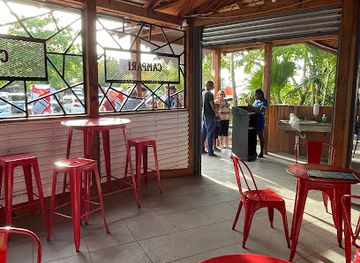
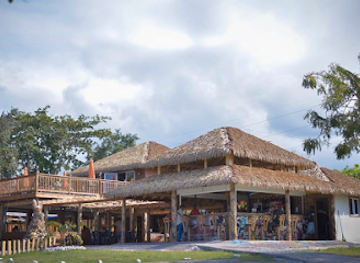
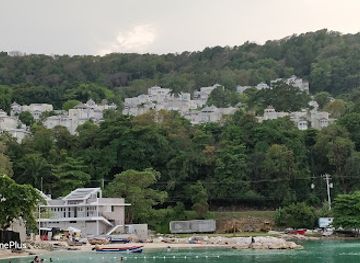
Dining around the Black River Great Morass is centred on Black River town, nearby villages and roadside establishments rather than a concentrated restaurant district. Menus commonly reflect Jamaican home cooking and south-coast produce, with options such as rice and peas, seasoned chicken, curried dishes, fried or grilled fish, soups, patties and fresh juices. Seafood is a natural feature of the coastal setting, although availability varies with the day’s catch and individual business. Small restaurants, cookshops and cafés provide a more useful introduction to local food than expecting a formal dining scene inside the wetland itself. Visitors may also encounter jerk preparations and seasonal fruit alongside familiar Jamaican staples, while hotel restaurants and larger properties offer broader menus. Ask about portion sizes, preparation time and payment methods, and carry water for excursions; food and drink services are limited once a boat leaves Black River.
-
Caribbean
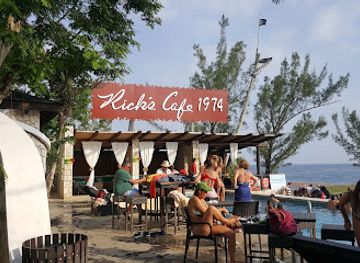
Rick's Cafe
Discover the breathtaking beauty of Negril at Rick's Cafe—where cliff diving meets Caribbean cuisine in an unforgettable setting.
-
Restaurant
Sharkies Seafood Restaurant
Experience authentic Jamaican seafood at Sharkies Seafood Restaurant in Runaway Bay – where fresh flavors meet stunning ocean views.
-
Restaurant
Plantation Smokehouse
Experience authentic Jamaican flavors at Plantation Smokehouse in Priory Saint Anns Bay—where smoky barbecues meet vibrant island culture.
-
Grill
Ocean's 11
Experience the vibrant flavors and lively atmosphere at Ocean's 11 in Ocho Rios – where Caribbean cuisine meets breathtaking ocean views.
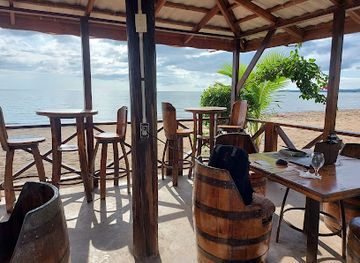
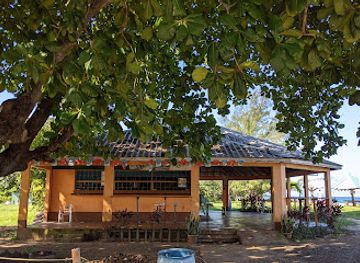
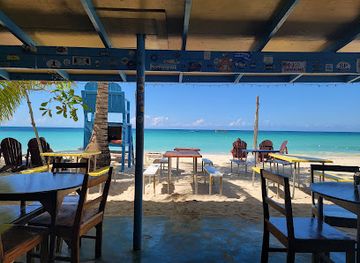
Best bars in Black River Great Morass
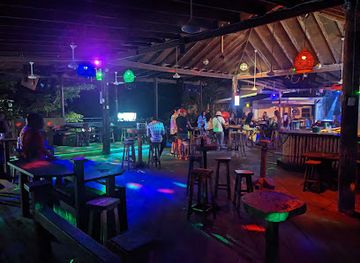
Evening life around the Black River Great Morass is modest and local in character. Black River and the surrounding south-coast communities are more likely to offer rum bars, neighbourhood pubs, casual restaurants and small venues with music than a large nightclub circuit. Some accommodation properties organise drinks, live entertainment or occasional evening events, but arrangements and operating days can change. The most characteristic evening may be a relaxed meal or drink after a river excursion, with conversation and Jamaican music taking precedence over a formal club itinerary. Visitors should ask locally about current venues rather than relying on old listings, and should arrange transport in advance if staying outside town. Alcohol is not necessary to enjoy the area, and quiet rural roads are best avoided on foot late at night.
-
Grill
Floyd's Pelican Bar
Experience the best of Jamaican grilled seafood at Floyd's Pelican Bar, a tropical oasis with stunning views and laid-back vibes.
-
Seafood
Las Vegas Cafe
Experience the best of Jamaican seafood at Las Vegas Cafe in Black River, where fresh flavors and a cozy atmosphere await every visitor.
-
Jamaican
Flavours Beach Bar and Restaurant
Discover the vibrant flavors of Jamaica at Flavours Beach Bar and Restaurant, where local cuisine meets stunning ocean views for an unforgettable dining experience.
-
Bar
Alfred's Negril (Alfred's Ocean Palace)
Experience the vibrant culture and stunning ocean views at Alfred's Negril, your go-to spot for seafood, live music, and relaxation in Jamaica.
Best nightclubs in Black River Great Morass
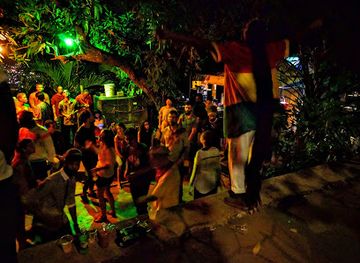
Evening life around the Black River Great Morass is modest and local in character. Black River and the surrounding south-coast communities are more likely to offer rum bars, neighbourhood pubs, casual restaurants and small venues with music than a large nightclub circuit. Some accommodation properties organise drinks, live entertainment or occasional evening events, but arrangements and operating days can change. The most characteristic evening may be a relaxed meal or drink after a river excursion, with conversation and Jamaican music taking precedence over a formal club itinerary. Visitors should ask locally about current venues rather than relying on old listings, and should arrange transport in advance if staying outside town. Alcohol is not necessary to enjoy the area, and quiet rural roads are best avoided on foot late at night.
-
Cultural center
Kingston Dub Club
Discover Kingston's vibrant reggae scene at Kingston Dub Club, a cultural hotspot for music lovers and tourists seeking authentic Jamaican vibes.
-
Night club
The Jungle
Experience the ultimate nightlife at The Jungle in Negril - a lively night club and bar with energetic music and refreshing drinks.
-
Night club
Go Go Club
Experience the vibrant nightlife of Portmore at Go Go Club, where music and culture collide for an unforgettable night out.
-
Bar
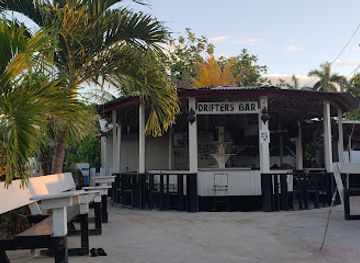
Drifter's Bar
Discover Drifter's Bar in Negril, where vibrant Caribbean vibes meet affordable drinks in a tropical paradise.
Best shops in Black River Great Morass
Shopping is limited but useful in Black River and nearby communities, with small groceries, convenience shops, market stalls and roadside sellers serving local residents as well as visitors. Look for Jamaican coffee, spices, sauces, rum-based products, preserved foods and packaged produce where properly labelled and permitted for travel. Craft items, woodwork, woven goods and locally made souvenirs may appear through small traders or accommodation properties, although selection and opening arrangements vary. Black River is better suited to practical purchases and locally sourced gifts than to large-scale retail or designer shopping. Visitors should carry cash in Jamaican dollars for informal stalls and confirm prices before buying. Fresh produce is often seasonal, and a roadside purchase can offer a more direct connection with Saint Elizabeth’s agricultural economy than a standard souvenir shop. Avoid buying products made from protected wildlife, shells or plants, and choose items that can be transported legally through customs.
-
Shopping mall
Island Village Jamaica
Experience the ultimate shopping and dining destination in Ocho Rios, where Jamaican culture meets international brands at Island Village Jamaica.
-
Shopping mall
Blue Diamond Shopping Mall
Explore Blue Diamond Shopping Mall in Montego Bay: Shop, dine, and enjoy vibrant local culture in a premier shopping destination.
-
Shopping mall
Main Street Rose Hall
Discover the vibrant shopping and culinary delights at Main Street Rose Hall, a lively hub of Jamaican culture and craftsmanship.
-
Resort hotel
Sandals Dunn's River
Experience the ultimate Caribbean escape at Sandals Dunn's River, where luxury meets adventure in beautiful Ocho Rios, Jamaica.

Get your free copy of our complete guide to Black River Great Morass, delivered straight to you.
Everything on this page, from attractions and restaurants to essentials and local phrases, in one PDF you can read offline, print or share.
Already have an account? Sign in
Your Black River Great Morass guide is ready.
We'll send it to · Not you? Sign out

Getting your guide ready…
We are putting together a fresh copy of the Black River Great Morass guide. This can take up to a minute.
This can take a few moments. If your browser asks, choose Allow so the download can start. You'll find the guide in your Downloads folder.
Nothing happened? Download it again
Sorry, the guide is taking longer than usual. Please try again in a minute, or get it by email instead.
Black River Great Morass essentials
Currency and Payment
Safety
Emergency Situations
Do's and Don'ts
Local Tips
From Eve
Local phrases worth knowing
You don't need to get them perfect. A few words go a long way, and locals appreciate the effort.
Basics
| English | Local | Say it |
|---|---|---|
| Hello | Wah gwaan | [Wah gwahn] |
| Goodbye | Likkle more | [Likkle mohr] |
| Yes | Yea | [Yea] |
| No | Nuh | [Nuh] |
| Please/You're welcome | Pleez/No problem | [Pleez/No prob-lum] |
| Thank you | Tank yuh | [Tank yuh] |
| Excuse me/Sorry | Scuse mi/Sorry | [Skewz mi/Saw-ree] |
| How are you? | How yuh do? | [How yuh do?] |
| Fine. And you? | Good. An yuh? | [Good. An yuh?] |
| Do you speak English? | Yuh speak English? | [Yuh speak In-glish?] |
| I don't understand | Mi nuh undastand | [Mi nuh un-der-stand] |
Eating & Drinking
| English | Local | Say it |
|---|---|---|
| I'd like to see the menu, please | Mi wud like fi si di menu, pleez | [Mi wud like fi see di men-yu, pleez] |
| I don't eat meat | Mi nuh eat meat | [Mi nuh eat meat] |
| Cheers! | Cheers! | [Cheers!] |
| I would like to pay, please | Mi wud like fi pay, pleez | [Mi wud like fi pay, pleez] |
Emergencies
| English | Local | Say it |
|---|---|---|
| Help! | Help! | [Help!] |
| Go away! | Gweh! | [Gweh!] |
| Call the Police! | Call di Police! | [Call di Po-lees!] |
| Call a doctor! | Call a doctor! | [Call a doctor!] |
| I'm lost | Mi lost | [Mi lost] |
| I'm ill | Mi sick | [Mi sick] |
Shopping
| English | Local | Say it |
|---|---|---|
| I'd like to buy... | Mi wud like fi buy... | [Mi wud like fi buy...] |
| I'm just looking | Mi jus a look | [Mi jus a look] |
| How much is it? | How much fi dis? | [How much fi dis?] |
| That's too expensive | Dat too expensive | [Dat too ex-pen-sive] |
| Can you lower the price? | Yuh can lower di price? | [Yuh can low-er di price?] |
Time & Numbers
| English | Local | Say it |
|---|---|---|
| What time is it? | Wah time it? | [Wah time it?] |
| It's one o'clock | A one o'clock | [A one o'clock] |
| Half past (10) | Half past ten | [Half past ten] |
| Morning | Mornin' | [Mornin'] |
| Afternoon | Afternoon | [Afternoon] |
| Evening | Evenin' | [Evenin'] |
| Yesterday | Yestaday | [Yes-ta-day] |
| Today | Todai | [To-day] |
| Tomorrow | Tomo'row | [To-mo-row] |
| 1 | One | [One] |
| 2 | Two | [Two] |
| 3 | Three | [Three] |
| 4 | Four | [Four] |
| 5 | Five | [Five] |
| 6 | Six | [Six] |
| 7 | Seven | [Seven] |
| 8 | Eight | [Eight] |
| 9 | Nine | [Nine] |
| 10 | Ten | [Ten] |
Transport & Directions
| English | Local | Say it |
|---|---|---|
| Where's a/the...? | Whey di...? | [Whey di...?] |
| What's the address? | Wah di address? | [Wah di ad-dress?] |
| Can you show me (on the map)? | Yuh can show mi (pon di map)? | [Yuh can show mi (pon di map)?] |
| When's the next (bus)? | Wen di next (bus)? | [Wen di next (bus)?] |
| A ticket (to ....) | A ticket (to ....) | [A ticket (to ....)] |
History of Black River Great Morass
Taíno Jamaica and the Wetland Landscape
Before European colonisation, Jamaica was inhabited by Taíno communities whose settlements and activities were distributed around the island’s coasts, rivers and interior valleys. The Black River system would have provided access to fish, freshwater and wetland resources, although the morass’s waterlogged conditions leave fewer visible archaeological traces than Jamaica’s limestone caves and dryland sites. Taíno place names and surviving archaeological evidence form part of the wider cultural background to Saint Elizabeth, but the modern wetland is primarily experienced as a natural landscape rather than as an excavated archaeological attraction.
Spanish and British Colonial Rule
Jamaica became a Spanish colony after the arrival of Europeans in the sixteenth century and was taken by England in 1655, becoming a British colony. In the south-west, rivers and coastal inlets influenced settlement, agriculture and transport. The Black River area later developed around commerce connected to the waterway and the surrounding plantations. Colonial rule brought profound changes through land ownership, forced African labour and the integration of Jamaica into Atlantic trading networks, legacies that remain central to understanding the region’s historic buildings, rural economy and communities.
Black River’s Port and Timber Economy
Black River grew as a south-coast port serving the lower river and the agricultural districts of western Saint Elizabeth. Timber, particularly logwood and other forest products, was historically significant, while sugar and rum connected the district to Jamaica’s wider plantation economy. The river offered a practical route between inland production areas and the coast before modern roads reduced the importance of water transport. Surviving historic structures in Black River and the town’s riverfront setting provide reminders of this commercial period, even though the port no longer functions as a major international harbour.
Plantations, Emancipation and Rural Change
Plantation agriculture shaped the countryside around the morass, especially through sugar production and the use of surrounding land for pasture and farming. Slavery was abolished in the British Empire in the 1830s, but emancipation did not immediately remove the economic inequalities or estate structures created under colonial rule. During the nineteenth and twentieth centuries, land use around the wetland shifted in response to agricultural markets, drainage, transport improvements and changing patterns of settlement. The contrast between cultivated land and relatively undeveloped wetland is part of the region’s modern character.
The Development of Jamaica’s South-Coast Roads
Road improvements gradually changed the relationship between Black River, inland Saint Elizabeth and neighbouring south-coast communities. Goods and people could travel more reliably by road, reducing the river’s former role as a commercial artery while making the wetland more accessible to visitors. The development of road links also tied the district to Jamaica’s wider tourism economy without turning the morass into a heavily built-up resort area. Today, access is still concentrated around Black River and the main roads, with much of the wetland remaining reachable only by boat.
Wetland Conservation and Crocodile Protection
During the twentieth century, concern grew over the effects of hunting, habitat alteration, pollution and drainage on Jamaica’s southern wetlands and wildlife. The American crocodile, found in the Black River system, became an important focus of conservation and environmental education. Protection of wetland habitat now supports crocodiles, waterbirds, fish and other species while also sustaining local wildlife tourism. Conservation remains a practical challenge: boat traffic, litter, shoreline changes and development must be managed carefully so that the morass can support both communities and biodiversity.
Black River Great Morass in Photos
Browse through our photo collection highlighting the charm and character of the destination.
Neighbouring regions of Black River Great Morass
The closest regions to Black River Great Morass, if you have time for more than one.
-

-

-
-

-


Swipe for more regions
Explore more
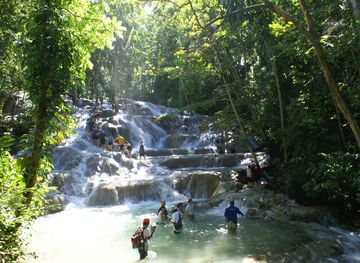
Explore more of Jamaica
Discover Jamaica: A Caribbean paradise with stunning beaches, rich culture, and thrilling adventures. Experience the island's vibrant music, delicious cuisine, and warm hospitality.
Explore Jamaica