

Free Treasure Beach Area Travel Guide & Mobile App
Explore Treasure Beach Area with free travel guides. Discover regional history, expert tips, proposed trips, and audio guides on web or mobile app.


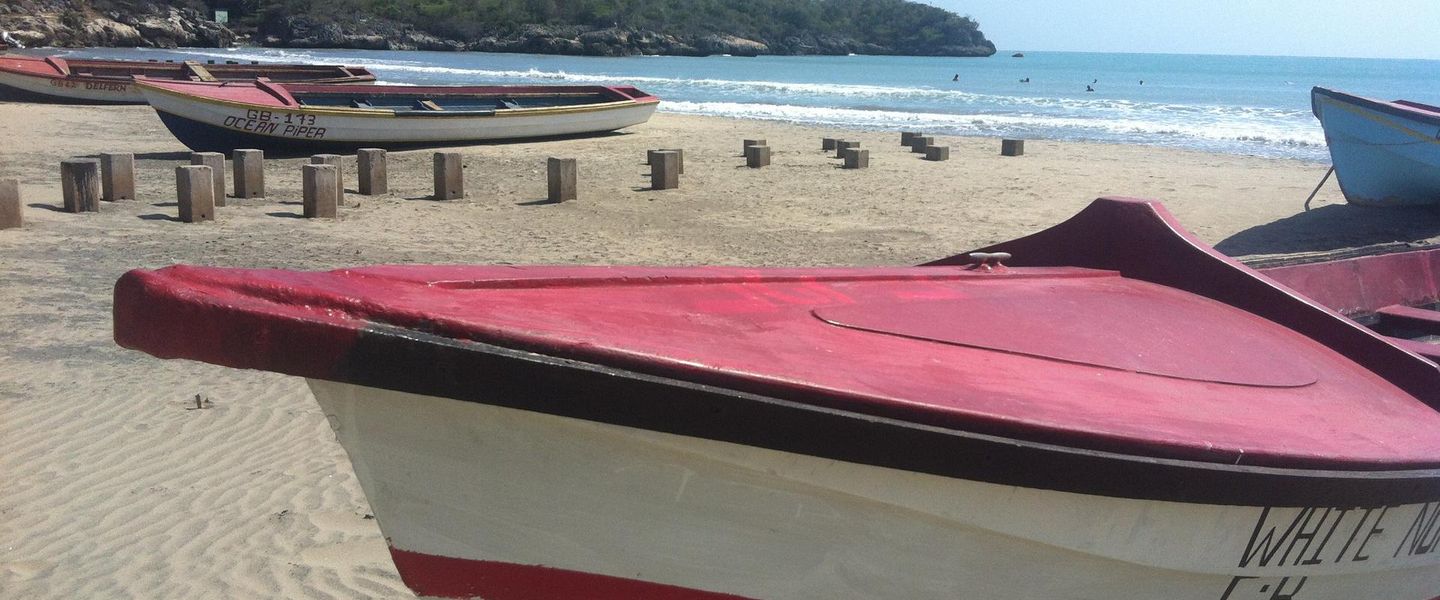


Treasure Beach in southern Jamaica combines fishing villages, quiet bays, locally rooted food and easy access to the island’s rural south coast.
Read more about Treasure Beach Area
When is the best time to visit Treasure Beach Area?
Best: January–March · 27–28°C| Month | High (°C) | Rainfall (mm) |
|---|---|---|
| January (best) | 27 | 20 |
| February (best) | 27 | 15 |
| March (best) | 28 | 25 |
| April | 29 | 40 |
| May | 29 | 60 |
| June | 30 | 70 |
| July | 30 | 80 |
| August | 30 | 90 |
| September | 30 | 100 |
| October | 29 | 110 |
| November | 28 | 60 |
| December | 28 | 30 |
Getting to and around Treasure Beach Area
How to get there
Transportation
Top city travel guides in Treasure Beach Area
The cities of Treasure Beach Area, and the easiest places to base yourself.

Swipe for more cities
Best attractions in Treasure Beach Area
Treasure Beach’s attractions are primarily coastal, environmental and community-based rather than built around large theme parks or monumental complexes. The four principal bays—Calabash Bay, Frenchman’s Bay, Billy’s Bay and Great Bay—offer different settings for swimming, walking, boating and observing local fishing life, although sea conditions and beach facilities vary. Small guesthouses and local operators can arrange fishing trips, coastal boat rides, snorkelling where conditions permit, cycling and guided outings through the surrounding countryside. The area’s low-density landscape also suits birdwatching and quiet walks among scrub, palms, fields and lanes. Outside the immediate bays, day trips can reach the Black River wetlands and river excursions to the west, or inland Saint Elizabeth around Santa Cruz; these are wider-parish outings rather than attractions within Treasure Beach itself. The famous Pelican Bar is reached by boat from the Parottee area near Black River and should be treated as a nearby excursion, not as a Treasure Beach landmark. Families and independent travellers will find more value in combining beach time with food, fishing heritage and nature than in expecting a concentrated collection of formal attractions.
-
Grill
Floyd's Pelican Bar
Experience the vibrant culture and breathtaking views at Floyd's Pelican Bar, where fresh seafood meets Caribbean charm.
-
Organic farm
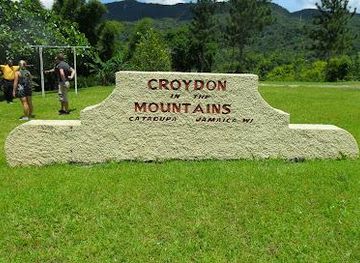
Croydon In The Mountains
Experience the beauty of Croydon In The Mountains - a captivating blend of organic farming, botanical gardens, and rich Jamaican history.
-
Landmark
Top Hill
Experience breathtaking views and rich cultural heritage at Top Hill, Jamaica's must-visit landmark and tourist attraction.
-
Tourist attraction
Treasure Beach Womens Group
Experience the vibrant culture and community spirit at the Treasure Beach Women's Group, where local craftsmanship and culinary delights await.



Best landmarks in Treasure Beach Area
Treasure Beach’s most recognisable landmarks are geographical and communal rather than grand architectural monuments. The sequence of Calabash Bay, Frenchman’s Bay, Billy’s Bay and Great Bay defines the area’s identity, with each bay framed by low coastal vegetation, fishing activity and open Caribbean views. Billy’s Bay is particularly associated with the visible working life of a fishing community, while the small roads and waterfront spaces around the bays show how tourism and local livelihoods occupy the same landscape. The shoreline itself is an important natural reference point, but it is not a single continuous bathing beach: reefs, rocks, sand and changing surf create different conditions from one cove to another. Farther west, the Black River estuary and wetlands form a major natural landmark of the wider south coast, while Lovers Leap provides a dramatic Saint Elizabeth viewpoint inland and east of the immediate Treasure Beach area. These nearby places are useful context and excursions, but the distinctive landmark character of Treasure Beach lies in its linked bays and lived-in coastal setting.
-
Tourist attraction
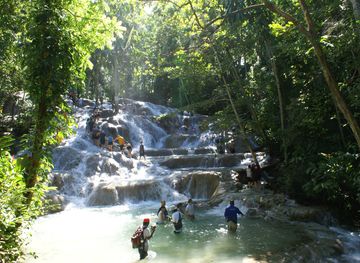
YS Falls
Discover the natural beauty of YS Falls: cascading waterfalls, lush gardens, and refreshing natural pools in Jamaica's St. Elizabeth.
-
Tourist attraction
Appleton Estate Rum Tour
Discover the legacy of Jamaican rum at Appleton Estate, where centuries of tradition meet innovative spirit craftsmanship in the heart of Nassau Valley.
-
Tourist attraction
Rose Hall Great House
Explore Jamaica's legendary Rose Hall Great House: history, mystery, and stunning Georgian architecture await in Montego Bay.
-
Jamaican
Jack Sprat Restaurant & Bar
Experience the flavors of Jamaica at Jack Sprat in Treasure Beach. Fresh seafood, pizza, and a vibrant beachfront atmosphere await!


Explore Treasure Beach Area on the map
Plan your trip on one map. See where the top cities, national parks and sights are, and book hotels and experiences in a few clicks.
Best hotels in Treasure Beach Area
Best restaurants in Treasure Beach Area
Dining in Treasure Beach is informal, locally rooted and closely connected to the coast. Fresh fish, escovitch fish, grilled seafood, lobster when legally and seasonally available, and fried fish with bammy or festival are common south-coast choices, while jerk chicken, pork, rice and peas, callaloo, fried plantain and patties reflect Jamaica’s wider food culture. Small restaurants, beach cafés, cookshops, guesthouse kitchens and simple bars provide most of the region’s eating places, with menus and opening arrangements changing according to season and supply. Fresh fruit, coconut, ginger drinks and Jamaican rum are widely encountered, and vegetarian dishes are often available but best requested clearly. Some establishments cater to international tastes, yet the most distinctive meals are usually those using locally landed fish and produce from Saint Elizabeth. Bring patience to rural dining: service may be unhurried, and it is sensible to check what is available before settling on a dish.
-
Jamaican
Little Ochie Seafood Restaurant & Bar
Experience authentic Jamaican seafood at Little Ochie Seafood Restaurant & Bar - a must-visit culinary destination in Alligator Pond.
-
Jamaican
Jack Sprat Restaurant & Bar
Experience authentic Jamaican flavors at Jack Sprat Restaurant & Bar - where fresh seafood meets stunning beach views.
-
Restaurant
Frenchman's Bay
Discover the flavors of Jamaica at Frenchman's Bay - where delicious food meets breathtaking views.
-
Seafood
Lobster Pot Restuarant
Experience authentic Jamaican seafood at Lobster Pot Restaurant in Treasure Beach – where every bite takes you on a flavorful journey.



Best bars in Treasure Beach Area
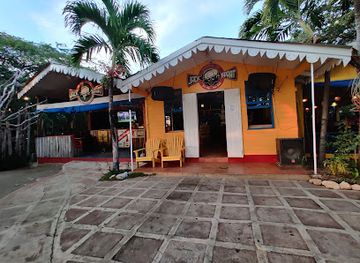
Nightlife in Treasure Beach is relaxed and spread between the bays. Village bars, rum shops, hotel terraces and small restaurants provide places for conversation, music and evening meals, while occasional live music or community events may bring people together without forming a permanent club circuit. Calabash Bay and Frenchman’s Bay have the greatest concentration of visitor-oriented evening venues, but the atmosphere remains quieter than Jamaica’s principal resort towns. Billy’s Bay and Great Bay are better suited to a low-key drink, a meal or an early night than to late dancing. Opening arrangements and entertainment can be seasonal, so ask locally rather than relying on old listings. Visitors should use a taxi or arranged lift after dark on unfamiliar roads and should remember that a respectful, measured approach is appropriate in community bars and fishing villages.
-
Bar
Eggy's Bar
Experience the vibrant atmosphere and friendly service at Eggy's Bar, the perfect spot to unwind in Treasure Beach, Jamaica.
-
Grill
Wild Onion
Experience a delectable fusion of Jamaican and North American cuisine at Wild Onion in Treasure Beach for a taste of the Caribbean.
-
Bar
Fisherman's Bar
Discover the vibrant charm of Fisherman's Bar in Treasure Beach, Jamaica, where local flavors and stunning ocean views create an unforgettable experience.
-
Grill
Ki's on di Beach
Experience the best of Jamaican cuisine at Ki's on di Beach, a hidden gem offering fresh seafood and breathtaking Caribbean views.


Best nightclubs in Treasure Beach Area
Nightlife in Treasure Beach is relaxed and spread between the bays. Village bars, rum shops, hotel terraces and small restaurants provide places for conversation, music and evening meals, while occasional live music or community events may bring people together without forming a permanent club circuit. Calabash Bay and Frenchman’s Bay have the greatest concentration of visitor-oriented evening venues, but the atmosphere remains quieter than Jamaica’s principal resort towns. Billy’s Bay and Great Bay are better suited to a low-key drink, a meal or an early night than to late dancing. Opening arrangements and entertainment can be seasonal, so ask locally rather than relying on old listings. Visitors should use a taxi or arranged lift after dark on unfamiliar roads and should remember that a respectful, measured approach is appropriate in community bars and fishing villages.
-
Restaurant
The Ultimate Dining Nightclub and Lounge
Experience the vibrant blend of exquisite cuisine and electrifying nightlife at The Ultimate Dining Nightclub and Lounge in Mandeville.
-
Bar
Eggy's Bar
Experience the vibrant spirit of Jamaica at Eggy's Bar in Treasure Beach - the perfect blend of great food, drinks, and local culture.
-
Bar
Fisherman's Bar
Fisherman's Bar in Treasure Beach: A vibrant beachfront bar offering affordable drinks and a taste of local culture amidst stunning Caribbean views.
-
Night club
Cloud 9 Night Club & Lounge
Unleash your nightlife spirit at Cloud 9 Night Club & Lounge in Mandeville, Jamaica, where music, dance, and fun unite for an unforgettable experience.


Best shops in Treasure Beach Area
Shopping in Treasure Beach is small-scale and practical rather than centred on a large retail district. Independent shops, roadside stalls, guesthouse boutiques and village businesses sell drinks, snacks, beach necessities, Jamaican rum, spices, coffee, sauces, preserves and locally made crafts. Visitors may find paintings, woodwork, jewellery, woven items and other handmade goods, although selection varies and purchases are best made directly from established local sellers. Fresh produce and fish reflect the agricultural and maritime economy of Saint Elizabeth, while small markets and shops in nearby Black River or Santa Cruz offer a broader range of everyday provisions. Treasure Beach is a good place to buy edible gifts and modest locally produced souvenirs, but not a destination for extensive designer or luxury shopping. Carry reusable bags and ask permission before photographing craft workers, fishing equipment or market activity.
-
Restaurant
Frenchman's Bay
Experience the vibrant flavors of the Caribbean at Frenchman's Bay, a must-visit restaurant in Treasure Beach, Jamaica.
-
Souvenir store
Tropical Treasures Gift Shop
Explore the vibrant Tropical Treasures Gift Shop for unique souvenirs, local crafts, and a taste of Jamaica's rich culture in Montego Bay.
-
Restaurant
Smurf's cafe
Discover the true taste of Jamaica at Smurf's Cafe in Treasure Beach, offering delicious local dishes and a warm, welcoming atmosphere.
-
Cafe
Hold A Vibz Cafe
Experience the vibrant flavors of Jamaica at Hold A Vibz Cafe, where delicious food meets a welcoming atmosphere in Treasure Beach.


Get your free copy of our complete guide to Treasure Beach Area, delivered straight to you.
Everything on this page, from attractions and restaurants to essentials and local phrases, in one PDF you can read offline, print or share.
Already have an account? Sign in
Your Treasure Beach Area guide is ready.
We'll send it to · Not you? Sign out

Getting your guide ready…
We are putting together a fresh copy of the Treasure Beach Area guide. This can take up to a minute.
This can take a few moments. If your browser asks, choose Allow so the download can start. You'll find the guide in your Downloads folder.
Nothing happened? Download it again
Sorry, the guide is taking longer than usual. Please try again in a minute, or get it by email instead.
Treasure Beach Area essentials
Currency and Payment
Safety
Emergency Situations
Do's and Don'ts
Local Tips
From Eve
Local phrases worth knowing
You don't need to get them perfect. A few words go a long way, and locals appreciate the effort.
Basics
| English | Local | Say it |
|---|---|---|
| Hello | Wah gwaan | [Wah gwahn] |
| Goodbye | Likkle more | [Likkle mo'] |
| Yes | Yea | [Yea] |
| No | Nuh | [Nuh] |
| Please/You're welcome | Please | [Please] |
| Thank you | Tanks | [Tanks] |
| Excuse me/Sorry | Scuse me | [Skewz mi] |
| How are you? | How yuh stay? | [How yuh stey?] |
| Fine. And you? | Mi deh yah. An yuh? | [Mi deh yah. An yuh?] |
| Do you speak English? | Yuh speak English? | [Yuh speek English?] |
| I don't understand | Mi nuh undastand | [Mi nuh undastand] |
Eating & Drinking
| English | Local | Say it |
|---|---|---|
| I'd like to see the menu, please | Mi wud like fi si di menu, please | [Mi wud laik fi si di menu, please] |
| I don't eat meat | Mi nuh eat meat | [Mi nuh eet meat] |
| Cheers! | Cheers! | [Cheers!] |
| I would like to pay, please | Mi wud like fi pay, please | [Mi wud laik fi pay, please] |
Emergencies
| English | Local | Say it |
|---|---|---|
| Help! | Help! | [Help!] |
| Go away! | Guh weh! | [Guh weh!] |
| Call the Police! | Call di police! | [Call di police!] |
| Call a doctor! | Call a doctor! | [Call a doctor!] |
| I'm lost | Mi lost | [Mi lost] |
| I'm ill | Mi sick | [Mi sick] |
Shopping
| English | Local | Say it |
|---|---|---|
| I'd like to buy... | Mi wud like fi buy... | [Mi wud laik fi bai...] |
| I'm just looking | Mi a jus a look | [Mi a jus a luk] |
| How much is it? | How much dat? | [How much dat?] |
| That's too expensive | Dat too expensive | [Dat too expensive] |
| Can you lower the price? | Can yuh lower di price? | [Can yuh lower di prais?] |
Time & Numbers
| English | Local | Say it |
|---|---|---|
| What time is it? | Wah time it? | [Wah taim it?] |
| It's one o'clock | It one o'clock | [It one o'clock] |
| Half past (10) | Half past ten | [Half past ten] |
| Morning | Mornin' | [Mornin'] |
| Afternoon | Afternoon | [Afternoon] |
| Evening | Evenin' | [Evenin'] |
| Yesterday | Yesterday | [Yesterday] |
| Today | Today | [Today] |
| Tomorrow | Tomorrow | [Tomorrow] |
| 1 | One | [One] |
| 2 | Two | [Two] |
| 3 | Three | [Three] |
| 4 | Four | [Four] |
| 5 | Five | [Five] |
| 6 | Six | [Six] |
| 7 | Seven | [Seven] |
| 8 | Eight | [Eight] |
| 9 | Nine | [Nine] |
| 10 | Ten | [Ten] |
Transport & Directions
| English | Local | Say it |
|---|---|---|
| Where's a/the...? | Whey di...? | [Whey di...?] |
| What's the address? | Wah di address? | [Wah di address?] |
| Can you show me (on the map)? | Can yuh show mi (pon di map)? | [Can yuh sho mi (pon di map)?] |
| When's the next (bus)? | When di next (bus)? | [When di next (bus)?] |
| A ticket (to ....) | A ticket (to ....) | [A tiket (to ....)] |
History of Treasure Beach Area
Taíno Jamaica before European colonisation
Before European arrival, Jamaica was inhabited by Taíno communities whose settlements and economies were linked to fishing, farming and coastal exchange. The south coast’s bays, rivers and fertile interior supported movement between shoreline and inland areas, although many archaeological traces are subtle and not always accessible as visitor sites. Taíno people cultivated crops including cassava and developed forms of dugout canoe travel. Their population was severely reduced after Spanish colonisation through disease, forced labour and violence, but Taíno words, foods and material traditions remain part of Jamaica’s wider cultural inheritance.
Spanish and British rule, from the sixteenth century
Spain claimed Jamaica after Christopher Columbus’s arrival in 1494 and established settlements elsewhere on the island, before England seized the colony in 1655. British rule reshaped the south coast through plantation agriculture, shipping and the forced transportation of enslaved Africans. Saint Elizabeth’s coastline and inland plains became connected to estates, livestock production and ports, while communities of African descent formed the demographic and cultural foundation of modern Jamaica. The period’s legacy is visible less through a single Treasure Beach monument than through land patterns, foodways, place names and the parish’s enduring rural economy.
Plantations, slavery and emancipation
During the eighteenth and early nineteenth centuries, sugar estates and other agricultural holdings dominated much of Jamaica’s economy. Enslaved Africans performed the majority of plantation labour under a coercive system that generated wealth for colonial owners and merchants. Enslavement was abolished in the British Empire in 1834, with full freedom following the apprenticeship period in 1838. Formerly enslaved people established and expanded independent communities, small farms and fishing livelihoods across Saint Elizabeth. The social history of Treasure Beach is therefore inseparable from Jamaica’s wider struggle for freedom, land and economic autonomy.
Black River, trade and the rural south
The Black River district, west of Treasure Beach, became an important centre for timber, livestock, agricultural trade and coastal transport. The river and surrounding wetlands linked inland production with the sea, while schooners and smaller craft served southern Jamaican communities before modern roads transformed travel. Saint Elizabeth developed a reputation for farming as well as fishing, producing crops such as pimento, also known as allspice, and supporting cattle country in its interior. These overlapping agricultural and maritime traditions help explain the practical, work-oriented character still apparent around the south coast.
Roads, independence and changing mobility
Improved roads and motor transport gradually connected the isolated south coast more closely with Santa Cruz, Black River and Jamaica’s major urban centres. Jamaica became independent from the United Kingdom in 1962, and local communities continued to combine farming, fishing, small commerce and public-sector employment. For Treasure Beach, better road access brought visitors without producing the large-scale resort development found in parts of the north coast. The area’s present identity grew from this balance: tourism became significant, but it developed alongside established villages rather than replacing them entirely.
Community-based tourism and the modern Treasure Beach
From the late twentieth century, Treasure Beach evolved into a small-scale destination associated with guesthouses, villas, locally owned restaurants, environmental awareness and community initiatives. Accommodation expanded around the bays while fishing and village life remained visible in the landscape. Sports, youth programmes and charitable projects have also contributed to the area’s public identity. Contemporary Treasure Beach is not a separate administrative unit or autonomous community; it is a visitor-defined coastal area within Saint Elizabeth Parish whose appeal rests on modest development, outdoor activity and contact with the southern Jamaican setting.
Treasure Beach Area in Photos
Browse through our photo collection highlighting the charm and character of the destination.
Neighbouring regions of Treasure Beach Area
The closest regions to Treasure Beach Area, if you have time for more than one.
-

-

-

-

-


Swipe for more regions
Explore more
Explore more of Jamaica
Discover Jamaica: A Caribbean paradise with stunning beaches, rich culture, and thrilling adventures. Experience the island's vibrant music, delicious cuisine, and warm hospitality.
Explore Jamaica