Free Pedro Plains Travel Guide & Mobile App
Explore Pedro Plains with free travel guides. Discover regional history, expert tips, proposed trips, and audio guides on web or mobile app.


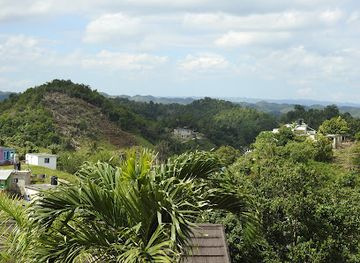
Pedro Plains offers rural Jamaica at an unhurried pace, with limestone landscapes, farming communities and access to Saint Elizabeth’s south-west.
Read more about Pedro Plains
When is the best time to visit Pedro Plains?
Best: January–March · 30°C| Month | High (°C) | Rainfall (mm) |
|---|---|---|
| January (best) | 30 | 30 |
| February (best) | 30 | 25 |
| March (best) | 30 | 35 |
| April | 31 | 55 |
| May | 31 | 120 |
| June | 32 | 100 |
| July | 32 | 80 |
| August | 32 | 110 |
| September | 32 | 170 |
| October | 31 | 150 |
| November | 31 | 110 |
| December | 30 | 70 |
Getting to and around Pedro Plains
How to get there
Transportation
Top city travel guides in Pedro Plains
The cities of Pedro Plains, and the easiest places to base yourself.

Swipe for more cities
Best attractions in Pedro Plains
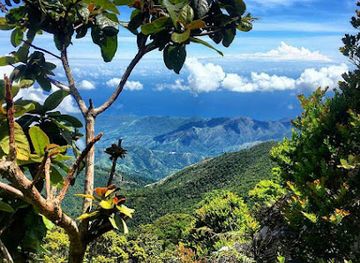
Pedro Plains has a modest, largely informal attraction base centred on rural landscapes rather than ticketed sights. Visitors can observe the limestone plateau, cultivated fields, pasture, seasonal watercourses and dispersed settlements that characterise this part of inland Saint Elizabeth. Short drives through the district provide insight into small-scale farming and the relationship between country roads, homes and agricultural plots, while locally arranged walks can explain plants, crops and community history. There are no major resort complexes or dense museum precincts within Pedro Plains, and access to private farmland must be agreed in advance. The district works best as part of a wider itinerary: Black River, outside Pedro Plains, offers access to the Lower Morass and river-based nature experiences; Treasure Beach, also outside the district, provides a coastal contrast; and YS Falls and Appleton Estate are separate Saint Elizabeth destinations requiring their own journeys. These nearby places should not be confused with attractions within Pedro Plains itself. The area’s principal attraction is the opportunity to experience an agricultural interior that remains largely outside Jamaica’s main tourism circuits.

Best landmarks in Pedro Plains
Pedro Plains is not known for a large collection of monumental architecture; its most representative landmarks are landscape features and community places. The open limestone country, farm plots, roadside churches and scattered settlements express the district’s agricultural identity more clearly than a single castle, mansion or civic building. Local road junctions and village centres are useful reference points, but they are working parts of the community rather than formal tourist monuments. The wider Saint Elizabeth landscape provides stronger architectural and historical landmarks, including sites in Black River and other parish districts, but these lie outside Pedro Plains and should be visited as separate destinations. Likewise, the parish’s famous waterfalls and estate attractions do not belong within the boundaries of this rural district. The significance of Pedro Plains lies in its continuing vernacular landscape: modest homes, cultivated ground, field boundaries, churches, shops and roads shaped by generations of rural life. Visitors should approach these places respectfully, since many are private or active community spaces rather than preserved heritage sites.
-
Park
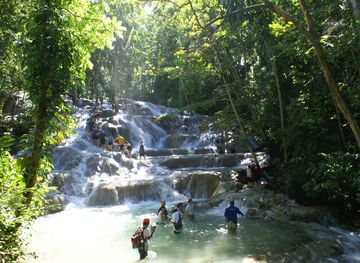
The World Famous Dunn's River Falls & Park
Climb the cascading terraces of Dunn's River Falls, a natural wonder where freshwater meets the Caribbean Sea near Ocho Rios, Jamaica.
-
Park
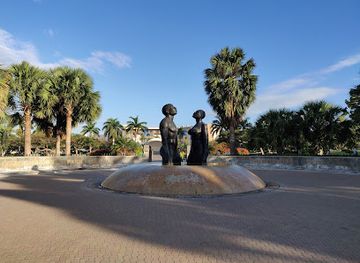
Emancipation Park
A symbol of freedom and cultural pride in the heart of Kingston, offering a serene escape and a tribute to Jamaican history.
-
Museum
Bob Marley Museum
Explore the life and legacy of the King of Reggae at his former home, now a vibrant museum showcasing his personal treasures and iconic music.
-
Tourist attraction
YS Falls
Discover Jamaica's hidden gem: cascading waterfalls, natural pools, and lush scenery await at YS Falls in St. Elizabeth.
Explore Pedro Plains on the map
Plan your trip on one map. See where the top cities, national parks and sights are, and book hotels and experiences in a few clicks.
Best hotels in Pedro Plains
Best restaurants in Pedro Plains
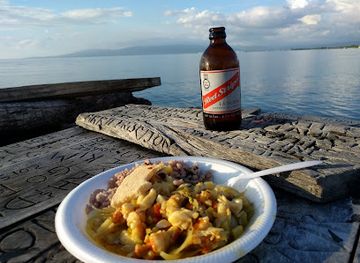
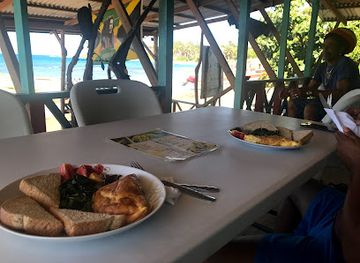
Dining in Pedro Plains is primarily local and practical, with small shops, roadside vendors, cookshops and home-based food businesses providing the most likely options rather than a concentration of destination restaurants. Jamaican staples such as rice and peas, plain rice, stewed chicken, fish, vegetables, soups, patties and provisions may appear according to the day’s supply and the individual cook. Saint Elizabeth’s farming economy makes fresh produce an important part of the regional food culture, although availability is seasonal and menus vary. Travellers should not expect extensive evening service or a wide choice of international cuisine inside the district. Stocking up in a larger nearby town is sensible, particularly for breakfast items, drinking water and special dietary needs. Black River and Treasure Beach, both outside Pedro Plains, offer a broader selection of cafés, guesthouse kitchens and coastal restaurants, while rural inns and family cooking provide a more personal alternative when arranged respectfully. Ask about ingredients and prices before ordering from informal vendors.
-
Jamaican
Little Ochie Seafood Restaurant & Bar
Discover the essence of Jamaica at Little Ochie Seafood Restaurant & Bar - where fresh seafood meets stunning seaside views.
-
Grill
Peppa's Cool Spot
Discover delicious grill cuisine at Peppa's Cool Spot in Montego Bay – where flavor meets vibrant Jamaican culture.
-
Jamaican
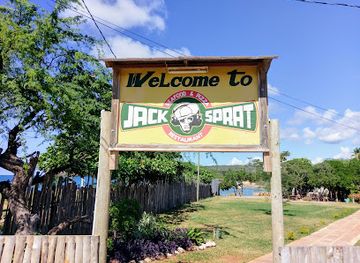
Jack Sprat Restaurant & Bar
Experience authentic Jamaican cuisine and fresh seafood at Jack Sprat Restaurant & Bar in beautiful Treasure Beach.
-
Grill
Floyd's Pelican Bar
Experience delicious seafood and stunning ocean views at Floyd's Pelican Bar in Jamaica - an unforgettable tropical escape.
Best bars in Pedro Plains
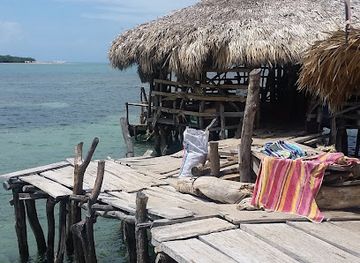
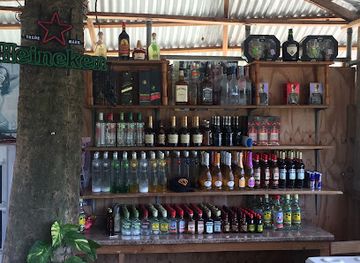
Pedro Plains does not have a developed nightclub district or a concentrated late-night entertainment scene. Evening social life is more likely to centre on small local bars, shops serving drinks, community gatherings, churches and conversations among residents, with activity varying by location and day. Visitors should not assume that a rural bar operates to a fixed tourist schedule, and transport should be arranged before drinking or travelling after dark. For a broader choice of restaurants, seafront bars and occasional live entertainment, travellers generally head to Treasure Beach or Black River, both outside Pedro Plains. The area’s evening character is quiet and community-based rather than club-oriented, making it important to respect local privacy, keep noise down near homes and ask before taking photographs. Seasonal events and private celebrations may occur, but they should be treated as local occasions rather than assumed visitor attractions.
-
Grill
Floyd's Pelican Bar
Discover the vibrant flavors and stunning views at Floyd's Pelican Bar, a must-visit grill in Jamaica's beautiful Parottee District.
-
Restaurant
The Ultimate Dining Nightclub and Lounge
Discover Mandeville's finest culinary and nightlife experience at The Ultimate Dining Nightclub and Lounge, where every moment is a celebration.
-
Bar
Eggy's Bar
Experience the vibrant culture and delightful flavors at Eggy's Bar in Treasure Beach, where local charm meets Caribbean relaxation.
-
Grill
Dymond Lawn Bar & Grill
Discover the vibrant flavors of Jamaica at Dymond Lawn Bar & Grill, where every dish is a celebration of local culinary traditions.
Best nightclubs in Pedro Plains
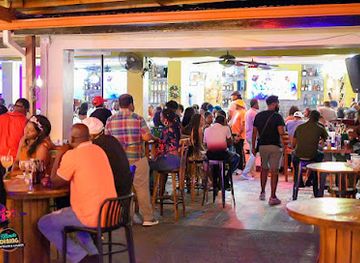
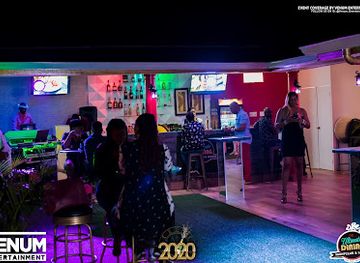
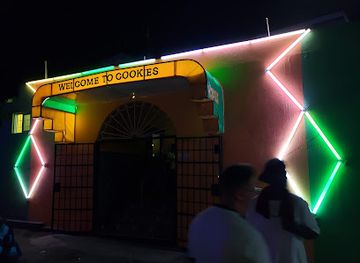
Pedro Plains does not have a developed nightclub district or a concentrated late-night entertainment scene. Evening social life is more likely to centre on small local bars, shops serving drinks, community gatherings, churches and conversations among residents, with activity varying by location and day. Visitors should not assume that a rural bar operates to a fixed tourist schedule, and transport should be arranged before drinking or travelling after dark. For a broader choice of restaurants, seafront bars and occasional live entertainment, travellers generally head to Treasure Beach or Black River, both outside Pedro Plains. The area’s evening character is quiet and community-based rather than club-oriented, making it important to respect local privacy, keep noise down near homes and ask before taking photographs. Seasonal events and private celebrations may occur, but they should be treated as local occasions rather than assumed visitor attractions.
-
Restaurant
The Ultimate Dining Nightclub and Lounge
Discover the vibrant nightlife and exquisite dining at The Ultimate Dining Nightclub and Lounge in Mandeville, where every evening is a celebration.
-
Night club
Go Go Club
Discover the pulse of Portmore nightlife at Go Go Club, where the beats of Jamaica come alive in an unforgettable dance experience.
-
Night club
Taboo Montego Bay
Discover the electrifying nightlife of Taboo Montego Bay, a premier night club offering vibrant music, dance, and unforgettable entertainment.
-
Night club
Cloud 9 Night Club & Lounge
Immerse yourself in Mandeville's vibrant nightlife at Cloud 9 Night Club & Lounge, where music and dancing unite for an unforgettable experience.

Best shops in Pedro Plains
Shopping in Pedro Plains is limited to everyday rural commerce, including small groceries, roadside stalls, agricultural produce and practical supplies rather than dedicated souvenir retail. Fresh fruit, vegetables and provisions may be available from local growers or vendors, although selection and trading times vary. Visitors interested in regional products should ask permission and agree prices clearly, particularly when buying directly from farms or informal sellers. Larger purchases, medicines, specialist food and reliable cash supplies are better arranged in nearby market centres such as Santa Cruz or Black River, outside Pedro Plains. Treasure Beach, also outside the district, has more visitor-oriented craft and gift options, while markets across Saint Elizabeth may offer produce, clothing, household goods and handmade items. Shopping here is therefore less about a branded retail experience and more about understanding the agricultural economy and buying what local businesses actually provide. Carry reusable bags and avoid removing plants, stones or farm materials from private land.
-
Shopping mall
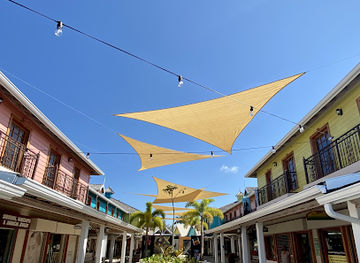
Main Street Rose Hall
Experience the vibrant shopping and cultural scene at Main Street Rose Hall, Jamaica's premier shopping mall.
-
Supermarket
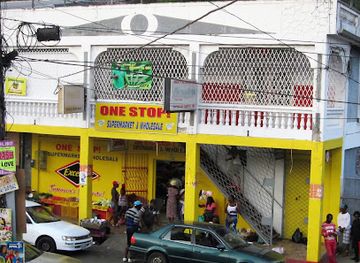
One stop supermarket
Experience the heart of Jamaican culture at One Stop Supermarket in Frankfield – your go-to destination for local flavors and essentials.
-
Shopping mall
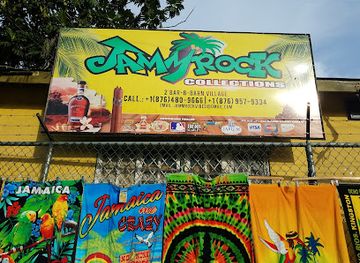
JammRock Collections
Experience the heart of Jamaican culture at JammRock Collections, Negril's vibrant shopping mall offering unique crafts and local artistry.
-
Home improvement store
Unique Living
Discover Unique Living in Kingston for all your home improvement needs, featuring quality products and expert advice to enhance your living space.
Get your free copy of our complete guide to Pedro Plains, delivered straight to you.
Everything on this page, from attractions and restaurants to essentials and local phrases, in one PDF you can read offline, print or share.
Already have an account? Sign in
Your Pedro Plains guide is ready.
We'll send it to · Not you? Sign out

Getting your guide ready…
We are putting together a fresh copy of the Pedro Plains guide. This can take up to a minute.
This can take a few moments. If your browser asks, choose Allow so the download can start. You'll find the guide in your Downloads folder.
Nothing happened? Download it again
Sorry, the guide is taking longer than usual. Please try again in a minute, or get it by email instead.
Pedro Plains essentials
Currency and Payment
Safety
Emergency Situations
Do's and Don'ts
Local Tips
From Eve
Local phrases worth knowing
You don't need to get them perfect. A few words go a long way, and locals appreciate the effort.
Basics
| English | Local | Say it |
|---|---|---|
| Hello | Wah gwan | [Wah gwan] |
| Goodbye | Likkle more | [Likkle more] |
| Yes | Yea | [Yea] |
| No | Nuh | [Nuh] |
| Please/You're welcome | Mi a beg yuh | [Mi a beg yuh] |
| Thank you | Tank yuh | [Tank yuh] |
| Excuse me/Sorry | Scuse mi | [Scuse mi] |
| How are you? | How yuh stay? | [How yuh stay?] |
| Fine. And you? | Mi deh yah. An yuh? | [Mi deh yah. An yuh?] |
| Do you speak English? | Yuh speak English? | [Yuh speak English?] |
| I don't understand | Mi nuh undastand | [Mi nuh undastand] |
Eating & Drinking
| English | Local | Say it |
|---|---|---|
| I'd like to see the menu, please | Mi wud like fi si di menu, please | [Mi wud like fi si di menu, please] |
| I don't eat meat | Mi nuh eat meat | [Mi nuh eat meat] |
| Cheers! | Cheers! | [Cheers!] |
| I would like to pay, please | Mi wud like fi pay, please | [Mi wud like fi pay, please] |
Emergencies
| English | Local | Say it |
|---|---|---|
| Help! | Help! | [Help!] |
| Go away! | Geh weh! | [Geh weh!] |
| Call the Police! | Call di police! | [Call di police!] |
| Call a doctor! | Call a doctor! | [Call a doctor!] |
| I'm lost | Mi lost | [Mi lost] |
| I'm ill | Mi sick | [Mi sick] |
Shopping
| English | Local | Say it |
|---|---|---|
| I'd like to buy... | Mi wud like fi buy... | [Mi wud like fi buy...] |
| I'm just looking | Mi a just look | [Mi a just look] |
| How much is it? | How much fi dis? | [How much fi dis?] |
| That's too expensive | Dat too expensive | [Dat too expensive] |
| Can you lower the price? | Yuh can lower di price? | [Yuh can lower di price?] |
Time & Numbers
| English | Local | Say it |
|---|---|---|
| What time is it? | Wah time it deh? | [Wah time it deh?] |
| It's one o'clock | It one o'clock | [It one o'clock] |
| Half past (10) | Half past ten | [Half past ten] |
| Morning | Mornin' | [Mornin'] |
| Afternoon | Afternoon | [Afternoon] |
| Evening | Evenin' | [Evenin'] |
| Yesterday | Yesterday | [Yesterday] |
| Today | Today | [Today] |
| Tomorrow | Tomorrow | [Tomorrow] |
| 1 | One | [One] |
| 2 | Two | [Two] |
| 3 | Three | [Three] |
| 4 | Four | [Four] |
| 5 | Five | [Five] |
| 6 | Six | [Six] |
| 7 | Seven | [Seven] |
| 8 | Eight | [Eight] |
| 9 | Nine | [Nine] |
| 10 | Ten | [Ten] |
Transport & Directions
| English | Local | Say it |
|---|---|---|
| Where's a/the...? | Whe di...? | [Whe di...?] |
| What's the address? | Wah di address? | [Wah di address?] |
| Can you show me (on the map)? | Yuh can show mi (pon di map)? | [Yuh can show mi (pon di map)?] |
| When's the next (bus)? | Wen di next (bus)? | [Wen di next (bus)?] |
| A ticket (to ....) | A ticket (to ...) | [A ticket (to ...)] |
History of Pedro Plains
Taíno Jamaica and the Saint Elizabeth Interior
Before European colonisation, Jamaica was inhabited by Taíno communities whose settlements and movement routes extended through the island’s interior and coastal plains. The limestone terrain around modern Saint Elizabeth supported access to caves, freshwater sources, forest resources and cultivable land. Much of the archaeological record is less visible than the island’s later plantation architecture, but the Taíno period forms the earliest layer of human history in the Pedro Plains area. Visitors should be cautious about assigning particular sites or traditions to Pedro Plains without local archaeological evidence; the wider parish, however, belongs to Jamaica’s long pre-European history.
Spanish and British Colonial Control
Spain established colonial control over Jamaica after the late fifteenth-century arrival of Europeans, before England captured the island in 1655. Under British rule, Jamaica’s parishes and landholding systems developed around plantations, estates and port connections. Saint Elizabeth became an important agricultural parish, although its settlement pattern was never exclusively coastal. The interior districts that include Pedro Plains were shaped by the colonial allocation and cultivation of land, the forced labour of enslaved Africans and the roads linking farms with market and shipping centres.
Plantation Agriculture and Enslavement
During the eighteenth and early nineteenth centuries, Jamaica’s economy depended heavily on plantation production and enslaved African labour. In Saint Elizabeth, sugar and other agricultural estates contributed to the parish’s prosperity, while livestock and provisions were also important in districts away from the coast. Pedro Plains belongs to this broader rural history rather than being defined by a single surviving plantation complex. The landscape’s fields, lanes and dispersed settlements should be understood in the context of plantation landholding, resistance, family formation and the skills carried by African Jamaicans under profoundly coercive conditions.
Emancipation and the Growth of Free Rural Communities
The abolition of slavery in the British Empire began with emancipation in the 1830s, followed by the end of the apprenticeship system in Jamaica in 1838. Freedom transformed land use and social relations across Saint Elizabeth. Formerly enslaved people sought independent livelihoods through small farming, wage work, craft and trade, while established estates continued to influence access to land. The dispersed rural pattern associated with places such as Pedro Plains reflects this longer transition towards free communities, household cultivation and local institutions including churches, schools and small markets.
Agricultural Diversification in the Nineteenth and Early Twentieth Centuries
After emancipation, Saint Elizabeth’s economy became increasingly diverse. Sugar remained important in some parts of the parish, but cattle, smallholder crops, fruit, ground provisions and local commerce supported many rural households. Roads and improved links to market towns gradually connected interior districts more closely with the coast and the parish capital. Pedro Plains developed within this agricultural environment, where rainfall patterns, limestone soils and access to transport influenced what could be grown and sold. The area’s contemporary farming character is therefore part of a long process rather than a recent invention.
Modern Rural Jamaica and Community Agriculture
In the twentieth and twenty-first centuries, Pedro Plains has remained primarily a farming community within Saint Elizabeth, while Jamaica’s economy has shifted towards services, tourism, remittances and larger-scale commercial agriculture. Rural residents have continued to combine cultivation with employment, trade and family networks linking the interior to towns and the coast. Better roads and mobile communications have made the district more accessible, but services and visitor infrastructure remain limited. Contemporary Pedro Plains is best understood as a living agricultural landscape, not as a preserved historical settlement or a resort development.
Pedro Plains in Photos
Browse through our photo collection highlighting the charm and character of the destination.
Neighbouring regions of Pedro Plains
The closest regions to Pedro Plains, if you have time for more than one.
-
-

-

-

-


Swipe for more regions