

Free Cornwall County Travel Guide & Mobile App
Explore Cornwall County with free travel guides. Discover regional history, expert tips, proposed trips, and audio guides on web or mobile app.


Explore Cornwall County in western Jamaica for Montego Bay, Negril, Georgian heritage, reggae culture, waterfalls and varied coastal landscapes.
Read more about Cornwall County
When is the best time to visit Cornwall County?
Best: January–March · 28–29°C| Month | High (°C) | Rainfall (mm) |
|---|---|---|
| January (best) | 28 | 75 |
| February (best) | 29 | 70 |
| March (best) | 29 | 65 |
| April | 30 | 75 |
| May | 30 | 85 |
| June | 31 | 95 |
| July | 31 | 105 |
| August | 31 | 115 |
| September | 31 | 125 |
| October | 30 | 115 |
| November | 30 | 105 |
| December | 29 | 95 |
Getting to and around Cornwall County
How to get there
Transportation
Top city travel guides in Cornwall County
The cities of Cornwall County, and the easiest places to base yourself.
-

-
-

-

-


Swipe for more cities
Best attractions in Cornwall County
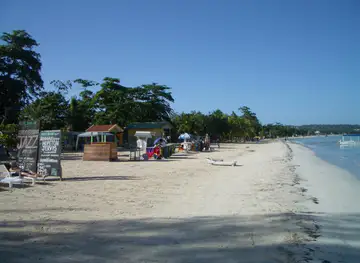
Cornwall County offers a notably varied set of attractions across western Jamaica. Montego Bay combines beaches, golf, marine activities and the Montego Bay Marine Park with heritage houses such as Rose Hall and Greenwood. Falmouth provides Georgian architecture and access to the Martha Brae River, while nearby Trelawny landscapes include river excursions and the limestone scenery associated with the Cockpit Country. Negril is known for Seven Mile Beach, sunset-facing western shores and the cliffs of West End, although visitors should treat cliff jumping as a serious physical risk. Westmoreland’s Mayfield Falls and the Great Morass introduce freshwater pools, forest and wetland habitats, while Savanna-la-Mar offers a more local urban perspective. Saint Elizabeth brings a quieter south coast, Black River wetlands, fishing communities, YS Falls and access to Appleton Estate’s rum-producing landscape. Inland journeys reveal farming districts, caves and Maroon heritage at Accompong. Activities range from snorkelling and kayaking to birdwatching, hiking, river bathing and heritage interpretation, with the character of the experience changing markedly between resort coast, working town and rural interior.
-
Resort hotel
Secrets St. James Montego Bay
Discover the luxurious Secrets St. James Montego Bay, where stunning beachfront views and all-inclusive services create a perfect tropical getaway for adults.
-
Tourist attraction
Harmony Beach Park
Experience the natural beauty and tranquility of Harmony Beach Park in Montego Bay, Jamaica, where relaxation meets recreation in a stunning coastal setting.
-
Resort hotel
Secrets Wild Orchid Montego Bay
Experience luxury and tranquility at Secrets Wild Orchid Montego Bay, an adults-only paradise of stunning beaches and exquisite amenities.
-
Live Music
Coral Cliff
Experience the vibrant nightlife of Montego Bay at Coral Cliff, where live music, gaming, and dining create unforgettable memories.


Best landmarks in Cornwall County
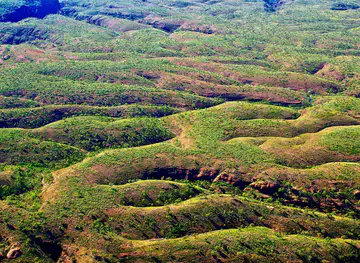
The county’s most recognisable landmarks range from formal colonial buildings to dramatic natural features. Falmouth’s Georgian townscape, including its historic public buildings and surviving houses, records the port’s role in plantation-era commerce and is one of the region’s most coherent architectural ensembles. Rose Hall Great House and Greenwood Great House represent different surviving expressions of the colonial estate landscape near Montego Bay, though their histories must be understood alongside slavery and emancipation. In Negril, the western cliffs form a natural landmark shaped by limestone shorelines, sea caves and wide views towards the setting sun; access requires care because the edges can be hazardous. The Martha Brae is a defining river landscape in Trelawny, while the Black River estuary and Great Morass mark the watery lowlands of the south-west. Inland, the Cockpit Country’s steep-sided limestone depressions and forested ridges create one of Jamaica’s most distinctive terrains. Accompong’s hill settlement is a landmark of Maroon history, and YS Falls provides a prominent natural feature in Saint Elizabeth’s agricultural interior.
-
 Hotel
Bahia Principe Luxury Runaway Bay
Discover the ultimate luxury retreat at Bahia Principe Luxury Runaway Bay, where stunning beaches and exceptional service create an unforgettable Jamaican experience.
-
Park
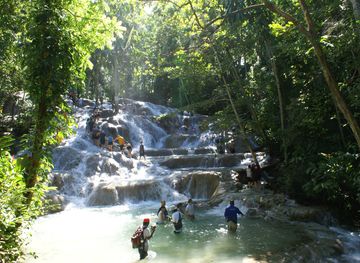
The World Famous Dunn's River Falls & Park
Experience the breathtaking beauty of Dunn's River Falls & Park, a stunning natural wonder in Jamaica perfect for adventure and relaxation.
-
Museum
Bob Marley Museum
Experience the essence of reggae at the Bob Marley Museum, where music, culture, and history come together in vibrant harmony.
-
Resort hotel
Couples Tower Isle
Experience the ultimate romantic getaway at Couples Tower Isle, a luxurious resort in Ocho Rios, Jamaica, designed exclusively for couples.


Explore Cornwall County on the map
Plan your trip on one map. See where the top cities, national parks and sights are, and book hotels and experiences in a few clicks.
Best hotels in Cornwall County
Best restaurants in Cornwall County
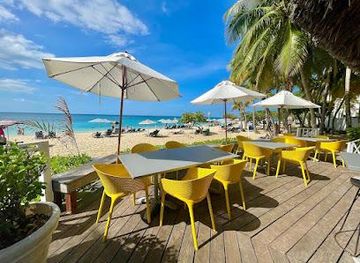
Dining in Cornwall County reflects Jamaica’s coastal waters, fertile hills and strong roadside food culture. Jerk chicken and pork are widely associated with the island and appear throughout the region, while western and southern communities also serve escovitch fish, steamed fish, pepper shrimp, curry preparations, rice and peas, bammy and festival. Montego Bay, Negril and Falmouth have the broadest range of restaurants, from hotel dining and contemporary Jamaican kitchens to cafés, seafood restaurants and informal cookshops. In Saint Elizabeth and Westmoreland, seasonal fruit, vegetables, fresh fish and locally grown crops are prominent in home-style cooking and market stalls. Patties, porridge, roasted corn and soup are practical choices for travellers on the road. Jamaican rum is produced in the wider region, and fruit juices, sorrel and ginger drinks are common non-alcoholic choices. Resort menus can be international, so visitors seeking regional flavours should ask about the day’s local dishes and buy food from clean, busy establishments with good turnover.
-
Caribbean
Rick's Cafe
Iconic clifftop bar where Caribbean sunsets, thrilling cliff dives, and reggae vibes create unforgettable island memories.
-
Restaurant
Pier One
Montego Bay's iconic waterfront haven where fresh seafood meets electrifying nightlife, sunsets over the harbor, and authentic Jamaican rhythms create unforgettable evenings.
-
Restaurant
Margaritaville Montego Bay
Dive into Caribbean fun at Margaritaville Montego Bay: epic waterslides, jerk feasts, frosty margaritas, and reggae nights on the Hip Strip's lively waterfront.
-
Jamaican
Little Ochie Seafood Restaurant & Bar
Experience authentic Jamaican seafood at Little Ochie Seafood Restaurant & Bar – where every bite tells a story of island flavors.



Best bars in Cornwall County
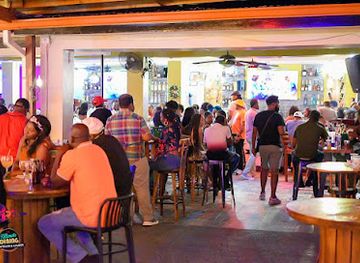
Evening life varies considerably across Cornwall County. Montego Bay has the widest selection of bars, hotel lounges, live-music settings and late-night entertainment, while Negril is known for informal beachfront drinking, sunset venues and music-led evenings along the developed resort coast and West End. Falmouth and Savanna-la-Mar have a more local rhythm, centred on rum bars, restaurants, community events and occasional live music rather than a large club circuit. In rural Saint Elizabeth, Hanover and inland Trelawny, evenings generally revolve around small bars, cookshops, sound systems and social gatherings, with activity often concentrated at weekends. Reggae and dancehall are important parts of Jamaica’s cultural life, but visitors should follow event-specific advice and avoid photographing people without permission. Check current arrangements locally because venues, seasonal events and late-night transport can change, and plan a reliable taxi journey back to accommodation.
-
Restaurant
Margaritaville Montego Bay
Discover the essence of Caribbean living at Margaritaville Montego Bay, where delicious food meets vibrant entertainment in a stunning oceanfront setting.
-
Grill
Floyd's Pelican Bar
Discover the essence of Jamaica at Floyd's Pelican Bar – where great food meets stunning ocean views in a vibrant atmosphere.
-
Grill
Sky Beach Bar and Seafood Grill
Experience the vibrant flavors of the Caribbean at Sky Beach Bar and Seafood Grill, where fresh seafood meets stunning ocean views.
-
Restaurant
The Ultimate Dining Nightclub and Lounge
Experience the vibrant fusion of dining and nightlife at The Ultimate Dining Nightclub and Lounge in Mandeville, where exquisite cuisine meets lively entertainment.


Best nightclubs in Cornwall County
Evening life varies considerably across Cornwall County. Montego Bay has the widest selection of bars, hotel lounges, live-music settings and late-night entertainment, while Negril is known for informal beachfront drinking, sunset venues and music-led evenings along the developed resort coast and West End. Falmouth and Savanna-la-Mar have a more local rhythm, centred on rum bars, restaurants, community events and occasional live music rather than a large club circuit. In rural Saint Elizabeth, Hanover and inland Trelawny, evenings generally revolve around small bars, cookshops, sound systems and social gatherings, with activity often concentrated at weekends. Reggae and dancehall are important parts of Jamaica’s cultural life, but visitors should follow event-specific advice and avoid photographing people without permission. Check current arrangements locally because venues, seasonal events and late-night transport can change, and plan a reliable taxi journey back to accommodation.
-
Lounge
Elevate Lounge
Experience the vibrant atmosphere and exquisite cocktails at Elevate Lounge, Reading's premier destination for relaxation and entertainment.
-
Restaurant
The Ultimate Dining Nightclub and Lounge
Discover the lively blend of dining and nightlife at The Ultimate Dining Nightclub and Lounge in Mandeville, where unforgettable experiences await.
-
Night club
The Jungle
Discover the vibrant nightlife of Negril at The Jungle, a premier night club and bar with electrifying music and a lively atmosphere.
-
Night club
Taboo Montego Bay
Discover the excitement of Taboo Montego Bay, where vibrant nightlife meets electrifying performances in the heart of Jamaica.


Best shops in Cornwall County
Shopping in Cornwall County ranges from resort-oriented craft stalls to the everyday markets and high streets of Montego Bay, Falmouth, Savanna-la-Mar and Savanna-la-Mar’s surrounding communities. Montego Bay offers the broadest selection of boutiques, galleries, craft markets and retail centres, while Negril is useful for beachwear, carved objects, artwork, music and small Jamaican-made gifts. Falmouth combines visitor shopping with local food stalls and historic-town businesses. In rural and southern districts, look for seasonal fruit, spices, pepper sauces, coffee, rum products, woven goods and handmade wood items, buying directly from reputable producers where possible. Jamaican art, batik, ceramics, jewellery and reggae-related memorabilia are more meaningful purchases than generic imported souvenirs. Bargaining may be expected at some informal craft stalls but not in established shops; agree prices clearly and inspect products before paying. All vendors should be treated respectfully, and protected shells, coral, wildlife products and antiquities should not be purchased or taken from the coast.
-
Shopping mall
Baywest Shopping Centre
Discover the vibrant Baywest Shopping Centre in Montego Bay, a shopping paradise with diverse stores, dining, and entertainment options for every traveler.
-
Shopping mall
Fairview shopping center
Discover shopping, dining, and entertainment at Fairview Shopping Center, the ultimate destination in Montego Bay for a taste of Jamaican culture.
-
Shopping mall
Blue Diamond Shopping Mall
Discover shopping, dining, and entertainment at the Blue Diamond Shopping Mall in Montego Bay, a vibrant hub for tourists and locals.
-
Shopping mall
Main Street Rose Hall
Explore Main Street Rose Hall, where upscale shopping meets vibrant Jamaican culture in a lively atmosphere perfect for tourists.



Get your free copy of our complete guide to Cornwall County, delivered straight to you.
Everything on this page, from attractions and restaurants to essentials and local phrases, in one PDF you can read offline, print or share.
Already have an account? Sign in
Your Cornwall County guide is ready.
We'll send it to · Not you? Sign out

Getting your guide ready…
We are putting together a fresh copy of the Cornwall County guide. This can take up to a minute.
This can take a few moments. If your browser asks, choose Allow so the download can start. You'll find the guide in your Downloads folder.
Nothing happened? Download it again
Sorry, the guide is taking longer than usual. Please try again in a minute, or get it by email instead.
Cornwall County essentials
Currency and Payment
Safety
Emergency Situations
Do's and Don'ts
Local Tips
From Eve
Local phrases worth knowing
You don't need to get them perfect. A few words go a long way, and locals appreciate the effort.
Basics
| English | Local | Say it |
|---|---|---|
| Hello | Wah gwan | [Wah gwan] |
| Goodbye | Likkle more | [Likkle more] |
| Yes | Yea | [Yea] |
| No | Nuh | [Nuh] |
| Please/You're welcome | Mi a beg yuh | [Mi a beg yuh] |
| Thank you | Tenk yuh | [Tenk yuh] |
| Excuse me/Sorry | Excuse mi | [Excuse mi] |
| How are you? | How yuh stay? | [How yuh stay?] |
| Fine. And you? | Mi deh yah. An yuh? | [Mi deh yah. An yuh?] |
| Do you speak English? | Yuh speak English? | [Yuh speak English?] |
| I don't understand | Mi nuh undastand | [Mi nuh undastand] |
Eating & Drinking
| English | Local | Say it |
|---|---|---|
| I'd like to see the menu, please | Mi wud like fi si di menu, please | [Mi wud like fi si di menu, please] |
| I don't eat meat | Mi nuh eat meat | [Mi nuh eat meat] |
| Cheers! | Cheers! | [Cheers!] |
| I would like to pay, please | Mi wud like fi pay, please | [Mi wud like fi pay, please] |
Emergencies
| English | Local | Say it |
|---|---|---|
| Help! | Help! | [Help!] |
| Go away! | Guh way! | [Guh way!] |
| Call the Police! | Call di Police! | [Call di Police!] |
| Call a doctor! | Call a doctor! | [Call a doctor!] |
| I'm lost | Mi lost | [Mi lost] |
| I'm ill | Mi sick | [Mi sick] |
Shopping
| English | Local | Say it |
|---|---|---|
| I'd like to buy... | Mi wud like fi buy... | [Mi wud like fi buy...] |
| I'm just looking | Mi just a look | [Mi just a look] |
| How much is it? | How much dat? | [How much dat?] |
| That's too expensive | Dat too expensive | [Dat too expensive] |
| Can you lower the price? | Yuh can lower di price? | [Yuh can lower di price?] |
Time & Numbers
| English | Local | Say it |
|---|---|---|
| What time is it? | Wha time it? | [Wha time it?] |
| It's one o'clock | It one o'clock | [It one o'clock] |
| Half past (10) | Half past ten | [Half past ten] |
| Morning | Mornin' | [Mornin'] |
| Afternoon | Afternoon | [Afternoon] |
| Evening | Evenin' | [Evenin'] |
| Yesterday | Yesterday | [Yesterday] |
| Today | Today | [Today] |
| Tomorrow | Tomorrow | [Tomorrow] |
| 1 | One | [One] |
| 2 | Two | [Two] |
| 3 | Three | [Three] |
| 4 | Four | [Four] |
| 5 | Five | [Five] |
| 6 | Six | [Six] |
| 7 | Seven | [Seven] |
| 8 | Eight | [Eight] |
| 9 | Nine | [Nine] |
| 10 | Ten | [Ten] |
Transport & Directions
| English | Local | Say it |
|---|---|---|
| Where's a/the...? | Whe di...? | [Whe di...?] |
| What's the address? | Wha di address? | [Wha di address?] |
| Can you show me (on the map)? | Yuh can show mi (pon di map)? | [Yuh can show mi (pon di map)?] |
| When's the next (bus)? | When di next (bus)? | [When di next (bus)?] |
| A ticket (to ....) | A ticket (to....) | [A ticket (to....)] |
History of Cornwall County
Taíno Settlement Before European Rule
Before European colonisation, western Jamaica was inhabited by Taíno communities who farmed, fished and travelled along the coast and rivers. Archaeological evidence across Jamaica points to settlements, shell middens, pottery and cultivated landscapes, although many individual sites are not arranged for casual visitation. The island’s original inhabitants called it Xaymaca, and their knowledge of tropical plants, coastal waters and local routes influenced later colonial survival. Much of the Taíno population was devastated by disease, violence and forced labour after European arrival, yet Taíno words, foods and agricultural practices remain part of Jamaica’s wider cultural inheritance.
Spanish and British Conquest, Seventeenth Century
Spain established colonial control over Jamaica after the arrival of Christopher Columbus in 1494, with settlements and cattle-raising activity developing in parts of the island. English forces captured Jamaica in 1655, and British rule reshaped western Jamaica through new ports, plantations and military settlements. The transition brought conflict and displacement, while Africans were transported to the island as enslaved labourers. Western harbours, including those around present-day Montego Bay and the south coast, became linked to Atlantic trade and the expanding plantation economy.
Plantation Slavery and the Sugar Economy
From the late seventeenth century through the nineteenth century, sugar, rum and related plantation production transformed Cornwall County. Estates depended on the forced labour of enslaved Africans, whose work created the wealth represented by great houses, warehouses, mills and port infrastructure. Rose Hall and Greenwood near Montego Bay, as well as historic buildings in Falmouth and other districts, provide material reminders of this period, although surviving architecture cannot convey the full human cost of slavery. African cultural practices, religious traditions, music, language and foodways endured and became central to Jamaica’s later national culture.
Maroons and the First Maroon War
Escaped enslaved Africans established independent Maroon communities in Jamaica’s mountainous interior. In western Jamaica, the community at Accompong in Saint Elizabeth traces its formal political history to the treaty signed with the British in 1739 after the First Maroon War. The settlement remains associated with Maroon history, communal identity and resistance to colonial authority. Visits should be approached respectfully and, where appropriate, arranged through local cultural guides. The story is important not only as military history but also as evidence of African political organisation and the determination to preserve autonomy in difficult terrain.
Falmouth and Georgian Maritime Commerce
Founded in the 1760s and named after the English port, Falmouth grew as a centre of plantation commerce and shipping on Jamaica’s north coast. Its regular street plan, public buildings, churches and timber-and-masonry houses reflect the Georgian period, when the town served estates producing sugar and other goods. The prosperity of the port rested on slavery, and the elegant surviving architecture must be read alongside that history. Falmouth’s built environment is among the clearest places in Cornwall County to examine how colonial trade shaped Jamaican towns.
Emancipation and Post-Slavery Change
The abolition of slavery in the British Empire was implemented in Jamaica through apprenticeship from 1834, followed by full emancipation in 1838. Freedom brought profound social and economic change, though former plantation owners retained land and influence while many formerly enslaved people created independent settlements, small farms and new livelihoods. In Cornwall County, plantation agriculture continued in altered forms, while fishing, craft production, market trading and migration strengthened local communities. Churches, schools and village landscapes from the nineteenth century reflect the long process of building life after slavery.
Twentieth-Century Transport, Tourism and Popular Culture
Road improvements, coastal shipping, aviation and changing agricultural markets gradually connected western Jamaica more closely with Kingston and overseas visitors. Montego Bay expanded as a major tourist centre, while Negril developed from a small coastal community into an internationally known beach destination during the later twentieth century. Tourism brought hotels, restaurants and employment but also uneven development and pressure on beaches and marine environments. At the same time, Jamaican music, especially reggae and later dancehall, carried western parish voices and rhythms to audiences around the world, reinforcing the county’s cultural importance.
Cornwall County in Photos
Browse through our photo collection highlighting the charm and character of the destination.
Neighbouring regions of Cornwall County
The closest regions to Cornwall County, if you have time for more than one.
-

-

-
-

-


Swipe for more regions
Explore more
Explore more of Jamaica
Discover Jamaica: A Caribbean paradise with stunning beaches, rich culture, and thrilling adventures. Experience the island's vibrant music, delicious cuisine, and warm hospitality.
Explore Jamaica