

Free Great Morass Travel Guide & Mobile App
Explore Great Morass with free travel guides. Discover regional history, expert tips, proposed trips, and audio guides on web or mobile app.


Explore Jamaica’s Great Morass near Negril for royal palms, wetland wildlife, birdwatching and a quieter view of the island’s western ecology.
Read more about Great Morass
When is the best time to visit Great Morass?
Best: January–March · 29–30°C| Month | High (°C) | Rainfall (mm) |
|---|---|---|
| January (best) | 29 | 60 |
| February (best) | 29 | 56 |
| March (best) | 30 | 50 |
| April | 30 | 61 |
| May | 31 | 81 |
| June | 31 | 120 |
| July | 31 | 131 |
| August | 31 | 141 |
| September | 31 | 151 |
| October | 30 | 141 |
| November | 29 | 120 |
| December | 29 | 81 |
Getting to and around Great Morass
How to get there
Transportation
Best attractions in Great Morass
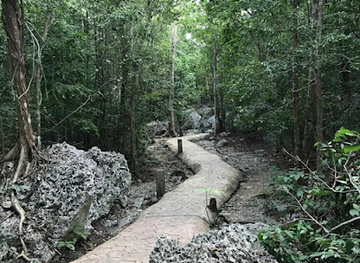
The Great Morass is primarily a nature and conservation destination rather than a concentration of conventional attractions. The Royal Palm Reserve provides the most structured access, with elevated paths and observation areas through wetland vegetation where royal palms, birds and changing water levels shape the experience. Birdwatching is a central activity, especially for visitors who appreciate patient observation rather than rapid sightseeing. The marsh’s plant communities, open water and seasonal flooding also offer an introduction to how wetlands support wildlife and protect surrounding landscapes. Guided visits can add useful interpretation about habitat, conservation and the relationship between the morass and Negril’s coast. The nearby Negril area, outside the wetland, supplies beaches, restaurants and accommodation, but these should not be confused with attractions within the Great Morass itself. There are no dense museum or historic-house circuits inside the marsh, and facilities are intentionally limited. Visitors should come prepared for a warm, humid environment and treat the wetland as a living protected landscape, where the value lies in habitat, quiet observation and ecological understanding rather than in a long list of built attractions.
-
Organic farm
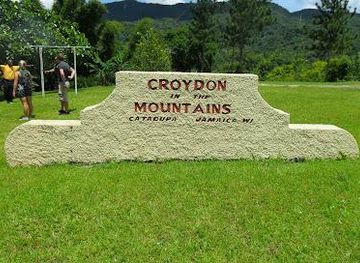
Croydon In The Mountains
Discover the organic beauty and historical charm of Croydon In The Mountains in Catadupa, Jamaica – a unique blend of nature and culture.
-
Tourist attraction
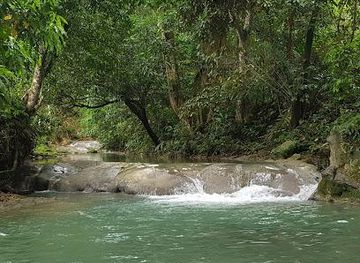
Reggae Style Mayfield Falls
Experience the vibrant culture and breathtaking beauty of Reggae Style Mayfield Falls in Jamaica—a perfect blend of nature and rhythm.
-
Transportation service
SNL Jamaican Tours Ltd.
Experience the best of Jamaica with SNL Jamaican Tours Ltd. – your premier travel partner for unforgettable adventures in Montego Bay.
Best landmarks in Great Morass
The defining landmark of the Great Morass is the wetland itself: a wide, low-lying expanse whose royal palms, open marsh and seasonal waters create a distinctive inland landscape behind Negril. The Royal Palm Reserve is the principal named landmark associated with this environment, offering a managed route through representative wetland habitat and making the ecological character of the area accessible to visitors. Its significance is not monumental in the architectural sense; it stands for the protection of a habitat that supports wildlife and helps regulate water across western Jamaica. The marsh’s relationship with Negril’s coast is another important geographical feature, although the town, beaches and developed shoreline lie outside the Great Morass. Unlike Jamaica’s historic forts, churches and plantation houses, this region is marked by natural processes rather than masonry. Its broad horizon, palms, waterlogged ground and changing birdlife are the visual signatures that distinguish it from the resort landscape nearby.
-
 Park
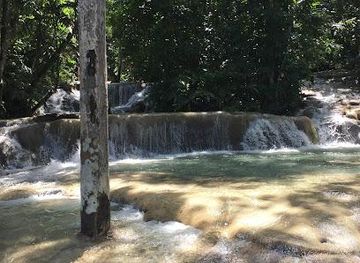
ParkThe World Famous Dunn's River Falls & Park
Experience the breathtaking beauty of Dunn's River Falls & Park, a natural wonder in Ocho Rios, Jamaica, where adventure meets tranquility.
-
Museum
Bob Marley Museum
Discover the Bob Marley Museum in Kingston, a vibrant tribute to the reggae icon's life, music, and cultural legacy.
-
Tourist attraction
Green Grotto Caves
Explore the enchanting Green Grotto Caves in Discovery Bay, Jamaica - a stunning blend of natural beauty and rich history awaits you.
-
Tourist attraction
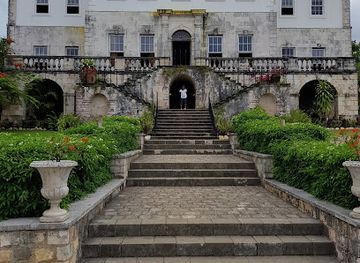
Rose Hall Great House
Discover the enchanting Rose Hall Great House, a historic landmark in Jamaica filled with captivating tales, stunning architecture, and breathtaking views.
Explore Great Morass on the map
Plan your trip on one map. See where the top cities, national parks and sights are, and book hotels and experiences in a few clicks.
Best hotels in Great Morass
Best restaurants in Great Morass
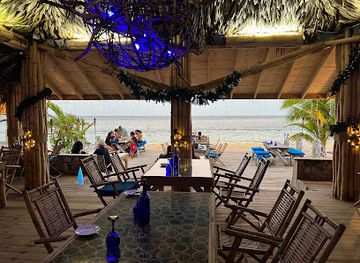
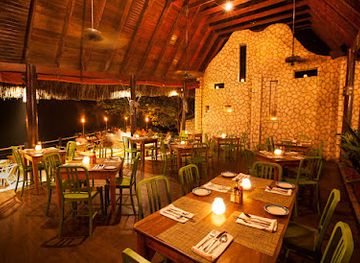
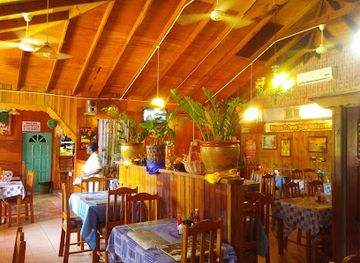
There is little dining infrastructure within the Great Morass itself, so meals are usually taken in nearby Negril or along the roads serving western Jamaica. Negril’s food scene ranges from Jamaican cookshops and roadside stands to hotel restaurants, cafés and more formal coastal dining. Look for familiar island staples such as jerk-seasoned meats, rice and peas, curry dishes, fried fish, festival and patties, while seafood is widely available in the wider coastal area. Fresh juices, tropical fruit and Jamaican Blue Mountain coffee are common parts of the national food landscape, though not exclusive to the Great Morass. Rural stops may offer simpler menus and limited payment options than resort establishments. Visitors joining a wetland excursion should arrange food and water beforehand rather than expecting refreshment facilities inside the reserve. Dining choices in Negril are geographically outside the marsh, but they provide the practical base for exploring it without turning the protected wetland into a commercial venue.
-
Caribbean
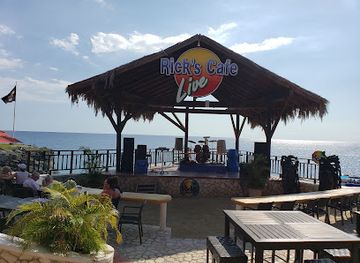
Rick's Cafe
Discover Negril's iconic Rick's Cafe - a blend of adventure and relaxation with stunning views and vibrant Caribbean culture.
-
Restaurant
Bamboo Blu
Discover authentic Jamaican flavors at Bamboo Blu - where every meal is a journey into paradise.
-
Restaurant
Rockhouse Restaurant
Discover exquisite Caribbean cuisine at Rockhouse Restaurant in Negril, where breathtaking views meet authentic Jamaican flavors.
-
Jamaican
Sweet Spice Restaurant
Discover authentic Jamaican flavors at Sweet Spice Restaurant in Negril - a true taste of paradise awaits you!
Best bars in Great Morass
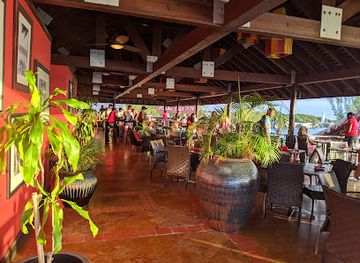
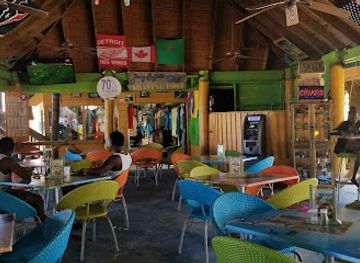
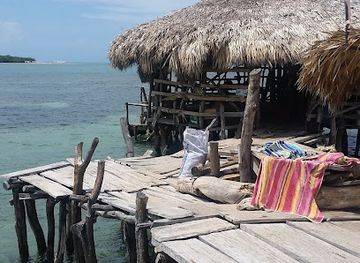
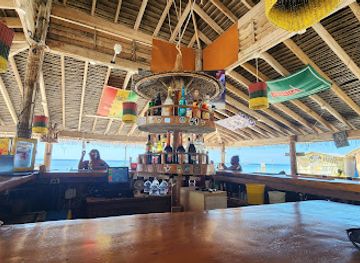
The Great Morass has no nightlife district and is not a destination for late-night entertainment. Evening activity begins in nearby Negril, outside the wetland, where visitors can find hotel bars, casual Jamaican rum bars, restaurants with music and venues centred on live performances. The atmosphere ranges from relaxed sunset drinks to busier seasonal entertainment, while smaller rural communities generally rely on local bars and informal social spaces rather than clubs. Some establishments feature reggae, dancehall or acoustic music, but programmes and opening arrangements change, so current information should be checked locally. It is sensible to complete wetland visits during daylight and arrange transport back to accommodation in advance. The marsh itself is a quiet ecological area, and its character is better understood through early morning birdwatching and landscape observation than through evening recreation.
-
Caribbean
Rick's Cafe
Experience the vibrant energy of Jamaica at Rick's Cafe, where stunning sunsets, delicious Caribbean cuisine, and unforgettable memories await.
-
Restaurant
Margaritaville Negril
Discover the vibrant atmosphere and delicious flavors of Margaritaville Negril, a must-visit Caribbean restaurant offering stunning ocean views.
-
Grill
Floyd's Pelican Bar
Experience the essence of Jamaica at Floyd's Pelican Bar, where fresh seafood meets stunning ocean views in a vibrant atmosphere.
-
Grill
Woodstock Bar And Grill
Discover the vibrant flavors of Jamaica at Woodstock Bar And Grill, where delicious food meets live music in an unforgettable atmosphere.
Best nightclubs in Great Morass
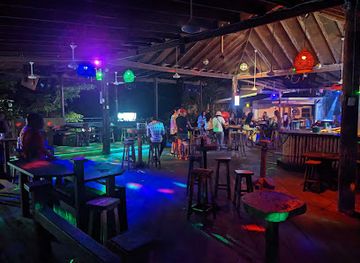
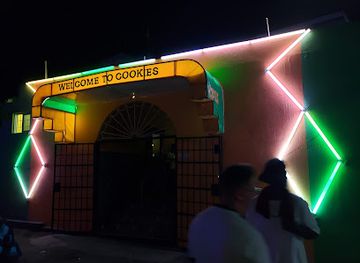
The Great Morass has no nightlife district and is not a destination for late-night entertainment. Evening activity begins in nearby Negril, outside the wetland, where visitors can find hotel bars, casual Jamaican rum bars, restaurants with music and venues centred on live performances. The atmosphere ranges from relaxed sunset drinks to busier seasonal entertainment, while smaller rural communities generally rely on local bars and informal social spaces rather than clubs. Some establishments feature reggae, dancehall or acoustic music, but programmes and opening arrangements change, so current information should be checked locally. It is sensible to complete wetland visits during daylight and arrange transport back to accommodation in advance. The marsh itself is a quiet ecological area, and its character is better understood through early morning birdwatching and landscape observation than through evening recreation.
-
Night club
The Jungle
Experience the vibrant nightlife at The Jungle in Negril, where music, dancing, and tropical vibes come together for an unforgettable evening.
-
Night club
Go Go Club
Discover authentic Jamaican nightlife at Go Go Club in Portmore, where music, dancing, and local culture come alive.
-
Lounge
Pure Ultra Lounge
Experience the vibrant nightlife and stunning atmosphere of Pure Ultra Lounge in Montego Bay - a perfect blend of relaxation and entertainment.
-
Night club
Moods Night Club
Discover the pulse of Montego Bay's nightlife at Moods Night Club, where vibrant music and an electric atmosphere await.

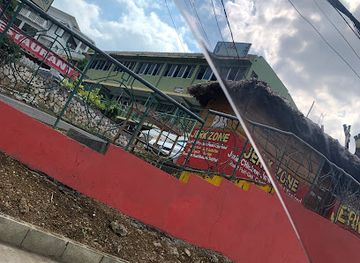
Best shops in Great Morass
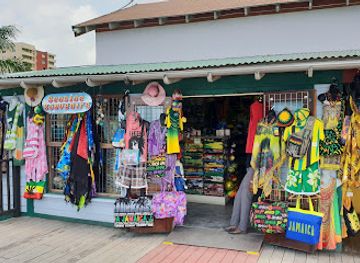
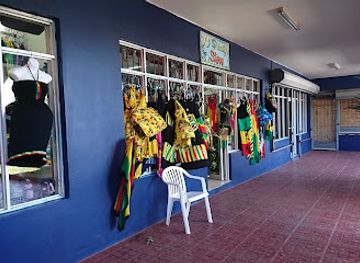
Shopping within the Great Morass is effectively limited to what may be available through occasional conservation or visitor facilities, so the wetland should not be approached as a retail destination. Most visitors shop in nearby Negril, outside the marsh, where craft stalls, hotel shops, small boutiques, supermarkets and informal vendors serve the tourism economy. Jamaican-made souvenirs may include woodcarving, woven items, artwork, jewellery, coffee, spices, sauces and packaged foods, although quality and provenance vary. Ask whether a product was made locally and agree prices before purchasing from informal vendors. Food supplies, insect repellent, water and practical outdoor items are best obtained in Negril before setting out. The wider western Jamaican region also has market and roadside produce traditions, but facilities and trading days are not fixed enough to assume a particular market will be operating. Responsible shopping means avoiding products made from protected wildlife, coral or illegally collected plants.
-
Shopping mall
Island Village Jamaica
Explore Island Village Jamaica, a vibrant shopping mall in Ocho Rios, blending shopping, dining, and authentic Jamaican culture.
-
Shopping mall
Blue Diamond Shopping Mall
Explore the vibrant Blue Diamond Shopping Mall in Montego Bay for an unforgettable shopping and dining experience that captures the essence of Jamaican culture.
-
Shopping mall
Main Street Rose Hall
Discover the essence of Jamaican culture at Main Street Rose Hall, a premier shopping destination blending local charm and modern retail.
-
Shopping mall
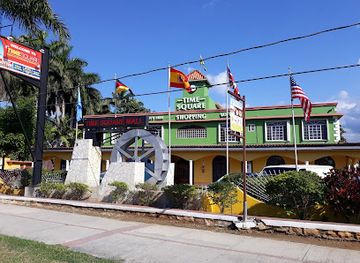
Time Square Shopping Mall
Experience the heart of Negril at Time Square Shopping Mall, where shopping, dining, and culture blend seamlessly.

Get your free copy of our complete guide to Great Morass, delivered straight to you.
Everything on this page, from attractions and restaurants to essentials and local phrases, in one PDF you can read offline, print or share.
Already have an account? Sign in
Your Great Morass guide is ready.
We'll send it to · Not you? Sign out

Getting your guide ready…
We are putting together a fresh copy of the Great Morass guide. This can take up to a minute.
This can take a few moments. If your browser asks, choose Allow so the download can start. You'll find the guide in your Downloads folder.
Nothing happened? Download it again
Sorry, the guide is taking longer than usual. Please try again in a minute, or get it by email instead.
Great Morass essentials
Currency and Payment
Safety
Emergency Situations
Do's and Don'ts
Local Tips
From Eve
Local phrases worth knowing
You don't need to get them perfect. A few words go a long way, and locals appreciate the effort.
Basics
| English | Local | Say it |
|---|---|---|
| Hello | Wah Gwaan | [Wah Gwaan] |
| Goodbye | Likkle more | [Likkle more] |
| Yes | Yea | [Yea] |
| No | Nuh | [Nuh] |
| Please/You're welcome | No problem | [No problem] |
| Thank you | Tanks | [Tanks] |
| Excuse me/Sorry | Mi sorry | [Mi sorry] |
| How are you? | How yuh do? | [How yuh do?] |
| Fine. And you? | Mi good. An yuh? | [Mi good. An yuh?] |
| Do you speak English? | Yuh speak English? | [Yuh speak English?] |
| I don't understand | Mi nuh understand | [Mi nuh understand] |
Eating & Drinking
| English | Local | Say it |
|---|---|---|
| I'd like to see the menu, please | Mi wud like fi si di menu, please | [Mi wud like fi si di menu, please] |
| I don't eat meat | Mi nuh eat meat | [Mi nuh eat meat] |
| Cheers! | Cheers! | [Cheers!] |
| I would like to pay, please | Mi wud like fi pay, please | [Mi wud like fi pay, please] |
Emergencies
| English | Local | Say it |
|---|---|---|
| Help! | Help! | [Help!] |
| Go away! | Go weh! | [Go weh!] |
| Call the Police! | Call di Police! | [Call di Police!] |
| Call a doctor! | Call a doctor! | [Call a doctor!] |
| I'm lost | Mi lost | [Mi lost] |
| I'm ill | Mi sick | [Mi sick] |
Shopping
| English | Local | Say it |
|---|---|---|
| I'd like to buy... | Mi wud like fi buy... | [Mi wud like fi buy...] |
| I'm just looking | Mi jus a look | [Mi jus a look] |
| How much is it? | Ow much dat? | [Ow much dat?] |
| That's too expensive | Dat too pricey | [Dat too pricey] |
| Can you lower the price? | Yuh can lower di price? | [Yuh can lower di price?] |
Time & Numbers
| English | Local | Say it |
|---|---|---|
| What time is it? | Wah time it? | [Wah time it?] |
| It's one o'clock | It one o'clock | [It one o'clock] |
| Half past (10) | Half past ten | [Half past ten] |
| Morning | Mornin' | [Mornin'] |
| Afternoon | Afternoon | [Afternoon] |
| Evening | Evenin' | [Evenin'] |
| Yesterday | Yestuhday | [Yestuhday] |
| Today | Today | [Today] |
| Tomorrow | Tomorrow | [Tomorrow] |
| 1 | One | [One] |
| 2 | Two | [Two] |
| 3 | Three | [Three] |
| 4 | Four | [Four] |
| 5 | Five | [Five] |
| 6 | Six | [Six] |
| 7 | Seven | [Seven] |
| 8 | Eight | [Eight] |
| 9 | Nine | [Nine] |
| 10 | Ten | [Ten] |
Transport & Directions
| English | Local | Say it |
|---|---|---|
| Where's a/the...? | Wheh di...? | [Wheh di...?] |
| What's the address? | Wah di address? | [Wah di address?] |
| Can you show me (on the map)? | Yuh can show mi (pon di map)? | [Yuh can show mi (pon di map)?] |
| When's the next (bus)? | When di next (bus)? | [When di next (bus)?] |
| A ticket (to ....) | A ticket (to ....) | [A ticket (to ....)] |
History of Great Morass
Indigenous Settlement and Wetland Resources
Before European colonisation, Jamaica’s Taíno communities used the island’s varied coastal and inland environments for fishing, gathering, cultivation and travel. The Great Morass was not an urban centre, but wetlands such as this would have formed part of the wider environmental landscape supporting communities in western Jamaica. Freshwater, fish, birds, palms and other plants made marshes valuable while also demanding detailed knowledge of seasonal water levels. Much of the early human history of the wetland is therefore connected to the broader history of western Jamaica rather than to a single surviving monument within the marsh.
Spanish and British Colonial Transformation
Spanish settlement in Jamaica began in the sixteenth century, followed by British rule from 1655. Colonial land use reshaped western Jamaica through plantations, livestock rearing, timber extraction and trade, while enslaved Africans formed the labour force and communities that sustained the colonial economy. Wetlands were often viewed as obstacles to be drained or crossed, although they also provided fish, grazing margins and natural resources. The Great Morass remained largely open and waterlogged, even as surrounding districts were transformed by plantation agriculture and later commercial development.
Emancipation and Rural Western Jamaica
The abolition of slavery in the British Caribbean, completed in Jamaica in 1838, changed patterns of landholding and labour across the west. Freed communities developed independent livelihoods alongside estates, cultivating provisions, keeping livestock and participating in local trade. The Great Morass continued to influence movement and settlement because its wet ground was difficult to build on and cultivate intensively. Its surrounding landscape consequently retained a strong rural character, with the marsh acting as both a natural boundary and a resource within the economies of western Jamaica.
Negril’s Tourism Development
During the twentieth century, Negril changed from a relatively small coastal community into one of Jamaica’s best-known holiday areas. Hotels, guesthouses, roads and recreational businesses concentrated along the coast, bringing new employment and infrastructure. This growth also increased pressure on the connected beaches, reefs, mangroves and wetlands. The Great Morass became increasingly important as a reminder that Negril’s appeal depends on more than its shoreline: inland habitats help regulate water and support species linked to the coastal environment.
Environmental Protection and Ramsar Recognition
Growing concern about wetlands and coastal development led to stronger conservation attention in the Negril area. The Negril Great Morass was recognised under the Ramsar Convention as a wetland of international importance in 1997. This designation acknowledges the marsh’s ecological functions and value for biodiversity, including habitat for waterbirds and other wetland species. Conservation work has had to balance ecological protection with local livelihoods, tourism and access. The Royal Palm Reserve provides one of the clearest visitor-facing expressions of that conservation story.
The Great Morass Today
Today the Great Morass remains a living wetland rather than a preserved historical artefact. Seasonal water levels, vegetation growth, rainfall and surrounding land use continue to shape its appearance. Its significance lies in the relationship between habitat, communities and the tourism economy of western Jamaica. Visitors encounter a landscape whose importance is often quiet and atmospheric: it stores water, supports wildlife and forms part of the ecological infrastructure of Negril’s wider coastal region. Conservation depends on maintaining that function while allowing carefully managed public access.
Great Morass in Photos
Browse through our photo collection highlighting the charm and character of the destination.
Neighbouring regions of Great Morass
The closest regions to Great Morass, if you have time for more than one.
-

-

-
-

-


Swipe for more regions
Explore more
Explore more of Jamaica
Discover Jamaica: A Caribbean paradise with stunning beaches, rich culture, and thrilling adventures. Experience the island's vibrant music, delicious cuisine, and warm hospitality.
Explore Jamaica