

Free Cockpit Country Travel Guide & Mobile App
Explore Cockpit Country with free travel guides. Discover regional history, expert tips, proposed trips, and audio guides on web or mobile app.


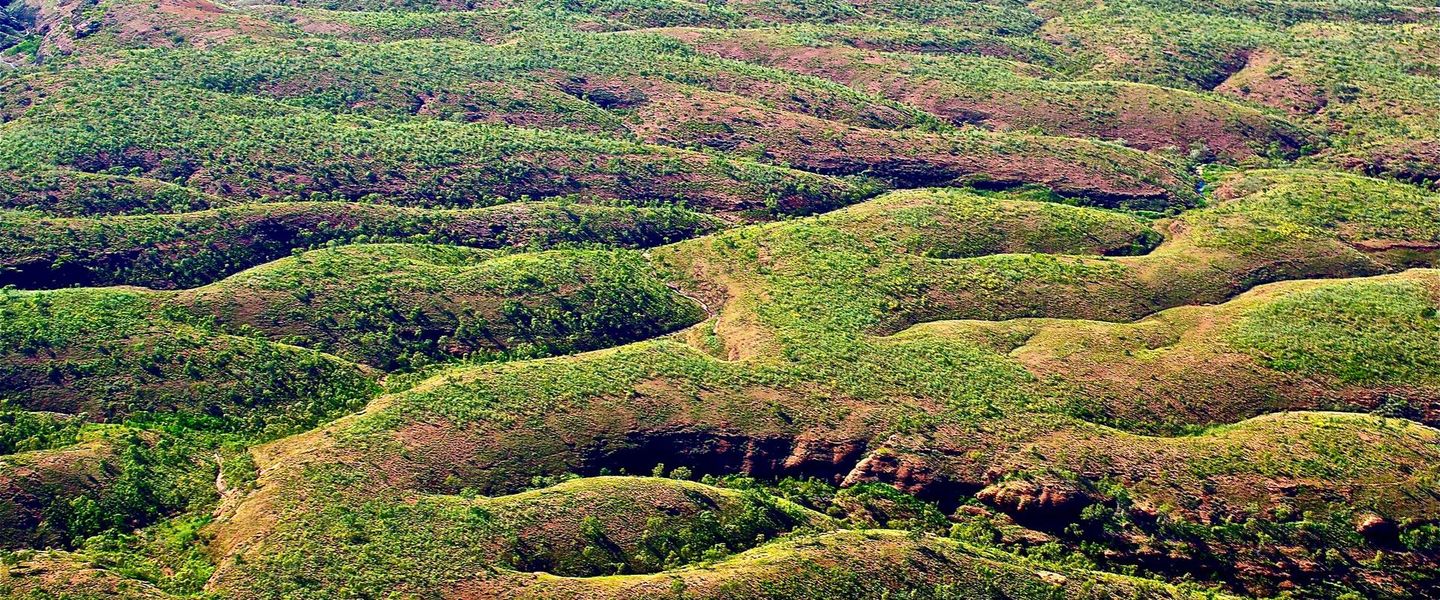


Explore Cockpit Country in Jamaica for limestone karst, forest trails, caves, Maroon heritage, endemic wildlife and rural community experiences.
Read more about Cockpit Country
When is the best time to visit Cockpit Country?
Best: January–March · 28–29°C| Month | High (°C) | Rainfall (mm) |
|---|---|---|
| January (best) | 28 | 100 |
| February (best) | 29 | 90 |
| March (best) | 29 | 110 |
| April | 30 | 120 |
| May | 31 | 130 |
| June | 32 | 140 |
| July | 32 | 150 |
| August | 32 | 160 |
| September | 32 | 170 |
| October | 31 | 180 |
| November | 30 | 120 |
| December | 29 | 110 |
Getting to and around Cockpit Country
How to get there
Transportation
Best attractions in Cockpit Country
Cockpit Country’s attractions are primarily ecological, geological and cultural rather than heavily built. Guided forest walks reveal the characteristic cockpit karst, with rounded limestone hills, deep hollows, sinkholes and vegetation adapted to a moist interior climate. Cave visits can introduce the region’s underground drainage and geological history, although access, safety and conservation rules vary and should be confirmed locally. Birdwatchers come for Jamaica’s endemic species and forest habitats, while walkers may follow rural tracks through communities, farms and woodland with an experienced guide. The northern villages around Albert Town and Wait-a-Bit provide access to parts of the landscape, while Accompong offers an important route into Maroon history and living cultural heritage in the south-western Cockpit Country area. Community-based excursions may combine natural interpretation with food, storytelling or demonstrations of rural life. The region is also valuable for visitors interested in water catchments, karst ecology and conservation debates. Facilities are limited, and the quality of a visit depends heavily on preparation, weather and local knowledge rather than on a dense concentration of formal attractions.
-
Organic farm
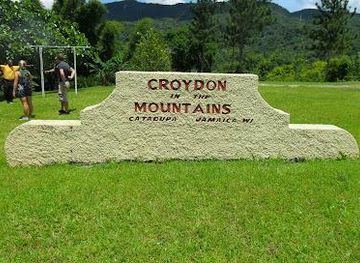
Croydon In The Mountains
Explore the lush landscapes and rich history of Croydon in the Mountains, Jamaica's premier organic farm and botanical paradise.
-
Recreation center
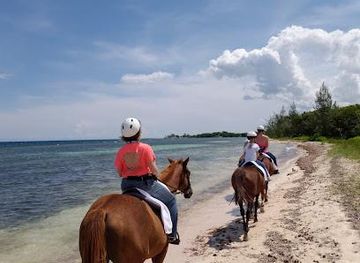
Braco Stables
Experience the beauty of Jamaica at Braco Stables, where adventure, culture, and scenic horseback riding await every traveler.
-
Tourist attraction
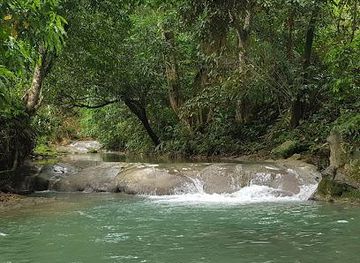
Reggae Style Mayfield Falls
Experience the beauty of Jamaican nature at Reggae Style Mayfield Falls, where waterfalls meet vibrant culture and reggae rhythms fill the air.
-
Transportation service
SNL Jamaican Tours Ltd.
Discover the beauty of Jamaica with SNL Jamaican Tours Ltd., offering tailor-made sightseeing tours and unforgettable adventures in Montego Bay.

Best landmarks in Cockpit Country
The defining landmark of Cockpit Country is not a single monument but the extensive cockpit karst itself: a field of forested limestone hills and enclosed depressions that gives the region its name and creates its distinctive visual identity. Cave systems and sinkholes are important geological features, while springs and underground drainage help make the area one of Jamaica’s significant water-producing landscapes. Accompong is the region’s most important cultural landmark, associated with Maroon history, the 1739 treaty and the annual 6 January commemoration of peace between the Maroons and the British. Its significance lies in continuing community identity as much as in any individual structure. Rural roads, forest ridges and elevated viewpoints around the northern Cockpits offer changing perspectives on the terrain, but many are not formal monuments or consistently developed viewpoints. The landscape’s value is therefore best understood through a guide who can explain its geology, water systems, ecology and history while ensuring that visitors do not damage fragile cave formations or enter hazardous areas without suitable preparation.
-
Tourist attraction
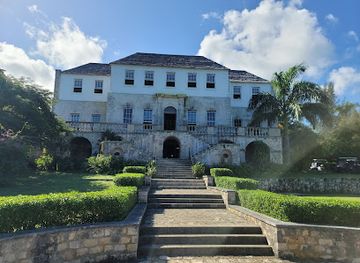
Rose Hall Great House
Experience the rich history and enchanting beauty of Rose Hall Great House, a must-visit destination in Montego Bay, Jamaica.
-
Tourist attraction
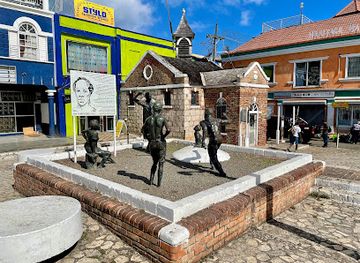
Sam Sharpe Square
Discover the heart of Montego Bay at Sam Sharpe Square, where history, culture, and community come alive in a vibrant Jamaican setting.
-
Museum
Greenwood Great House
Explore the rich history of Jamaica at Greenwood Great House, a beautifully preserved 18th-century museum showcasing colonial heritage and breathtaking views.
-
Organic farm
Croydon In The Mountains
Explore Croydon In The Mountains: A beautiful organic farm and botanical garden in Jamaica, offering immersive experiences in nature and local culture.
Explore Cockpit Country on the map
Plan your trip on one map. See where the top cities, national parks and sights are, and book hotels and experiences in a few clicks.
Best hotels in Cockpit Country
Best restaurants in Cockpit Country
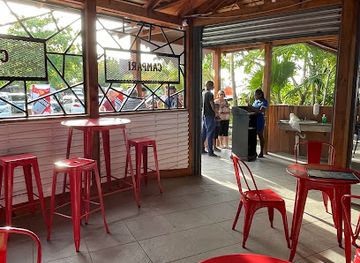
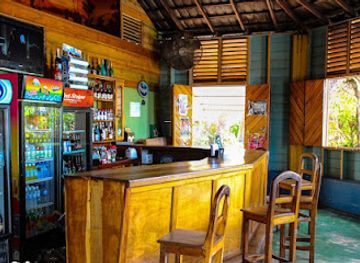
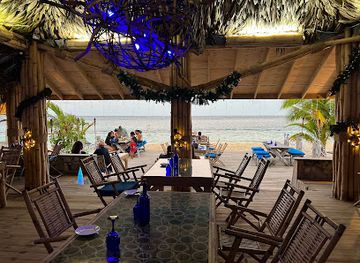
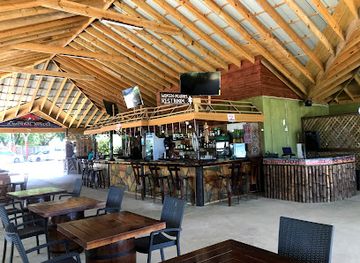
Dining in Cockpit Country is predominantly rural, informal and community-based, with the widest choice found in surrounding towns rather than deep inside the protected landscape. Roadside cookshops, small restaurants and village establishments may serve Jamaican staples including rice and peas, jerk-seasoned chicken or pork, stewed meats, fish, ground provisions, fried plantain and seasonal vegetables. Goat dishes and locally grown fruit may appear, although menus change according to supply. In Maroon communities, food can form part of a wider cultural visit, but visitors should book or arrange this through local contacts rather than expecting a walk-in restaurant service. Breakfasts and packed lunches are sensible for longer excursions because cafés and shops are widely spaced. Jamaica’s national drinks and refreshments are available in some settlements, while farm produce and homemade preparations reflect the agricultural character of the interior. Larger dining scenes, resort restaurants and international menus are found outside the region in places such as Montego Bay and along the north coast.
-
Restaurant
Sharkies Seafood Restaurant
Experience authentic Jamaican seafood at Sharkies Restaurant in Runaway Bay – where every meal is a celebration of flavor and culture.
-
Jamaican
Little Ochie Seafood Restaurant & Bar
Discover authentic Jamaican flavors at Little Ochie Seafood Restaurant & Bar, where fresh seafood meets stunning ocean views.
-
Restaurant
Bamboo Blu
Discover authentic Jamaican flavors at Bamboo Blu, where stunning ocean views meet delicious cuisine in an unforgettable dining experience.
-
Restaurant
Glistening Waters Restaurant and Marina
Discover exquisite Jamaican cuisine with breathtaking views at Glistening Waters Restaurant and Marina in Falmouth.
Best bars in Cockpit Country
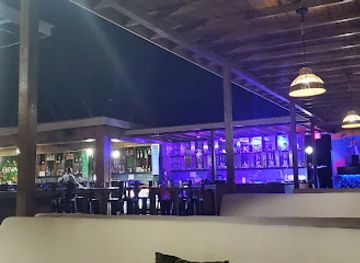
Cockpit Country does not have a concentrated nightclub scene or a purpose-built nightlife district. Evening life is centred on small village bars, informal gatherings, music, community events and conversation, with activity varying considerably between settlements and days of the week. Some rural establishments may offer Jamaican beer, rum, soft drinks and simple food, but opening arrangements and entertainment are local and changeable rather than designed around tourism. Visitors staying in the interior should arrange transport before drinking and should not expect reliable late-night taxis on remote roads. Live music, dances and cultural events may occur in communities around the region, particularly during commemorations or festivals, but dates and access should be confirmed locally. Larger bars, clubs and organised evening entertainment are found outside Cockpit Country in Montego Bay, Falmouth and other Jamaican tourism centres.
-
Restaurant
Margaritaville Montego Bay
Experience the ultimate Caribbean getaway at Margaritaville Montego Bay with delicious food, vibrant entertainment, and stunning ocean views.
-
Grill
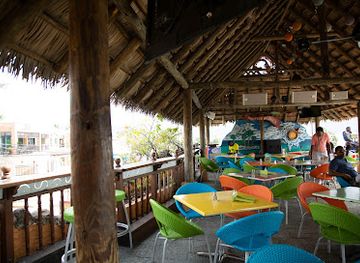
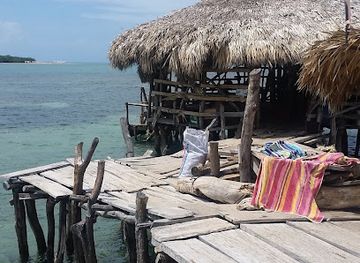
Floyd's Pelican Bar
Experience the best of Jamaican cuisine and stunning Caribbean views at Floyd's Pelican Bar, a must-visit gem in the Parottee District.
-
Jamaican
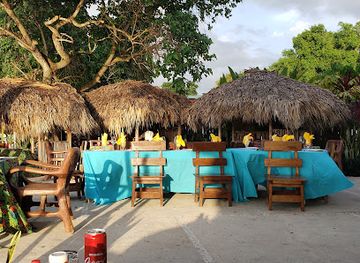
Flavours Beach Bar and Restaurant
Experience the heart of Jamaican cuisine at Flavours Beach Bar and Restaurant, where ocean views meet authentic flavors in a vibrant setting.
-
Grill
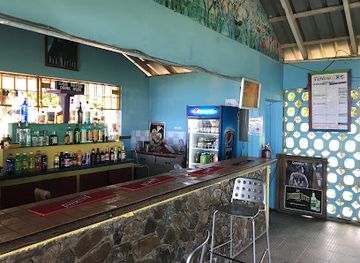
Sky Beach Bar and Seafood Grill
Discover the flavors of Jamaica at Sky Beach Bar and Seafood Grill, where delicious food meets breathtaking ocean views.
Best nightclubs in Cockpit Country
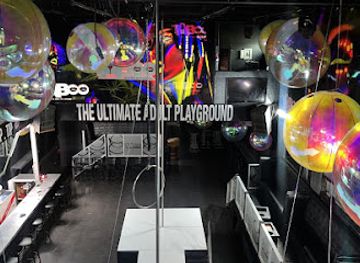
Cockpit Country does not have a concentrated nightclub scene or a purpose-built nightlife district. Evening life is centred on small village bars, informal gatherings, music, community events and conversation, with activity varying considerably between settlements and days of the week. Some rural establishments may offer Jamaican beer, rum, soft drinks and simple food, but opening arrangements and entertainment are local and changeable rather than designed around tourism. Visitors staying in the interior should arrange transport before drinking and should not expect reliable late-night taxis on remote roads. Live music, dances and cultural events may occur in communities around the region, particularly during commemorations or festivals, but dates and access should be confirmed locally. Larger bars, clubs and organised evening entertainment are found outside Cockpit Country in Montego Bay, Falmouth and other Jamaican tourism centres.
-
Lounge
Elevate Lounge
Discover Elevate Lounge in Reading, where stunning views and exquisite cocktails create the perfect atmosphere for relaxation and socialization.
-
Night club
Taboo Montego Bay
Dive into the exhilarating nightlife of Taboo Montego Bay, where music, dance, and vibrant entertainment come together for an unforgettable experience.
-
Night club
Moods Night Club
Dive into the lively nightlife of Montego Bay at Moods Night Club, where music, dance, and unforgettable moments await.
-
Night club
Sailors Night Club
Experience the vibrant nightlife of Jamaica at Sailors Night Club, where electrifying music meets refreshing drinks and unforgettable memories.


Best shops in Cockpit Country
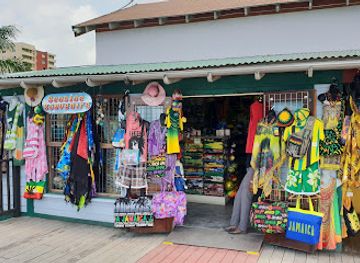
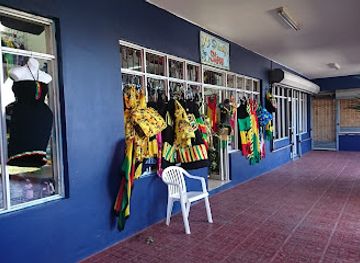
Shopping in Cockpit Country is limited and local in character, with small village shops, roadside stalls and community-based sellers rather than large commercial centres. Visitors may find seasonal fruit, ground provisions, spices, prepared foods, Jamaican drinks and simple household goods, while craft and cultural purchases are best made through established community contacts. Accompong and surrounding communities may offer locally produced items connected with Maroon heritage, although availability varies and visitors should buy respectfully rather than treating cultural symbols as mass-market souvenirs. Small farmers’ stalls can provide a direct connection with the region’s agricultural life, but market days and stock are not uniform across the area. For a wider choice of Jamaican crafts, art, books, clothing and packaged food products, use larger towns outside Cockpit Country or the established shopping areas of Montego Bay and other tourism centres. Carry Jamaican dollars, check prices before purchasing and avoid buying archaeological objects, wildlife products, protected plants or material taken from caves.
-
Shopping mall
Island Village Jamaica
Discover Island Village Jamaica, a bustling shopping mall in Ocho Rios offering local crafts, global brands, and authentic Jamaican dining experiences.
-
Shopping mall
Blue Diamond Shopping Mall
Explore the Blue Diamond Shopping Mall in Montego Bay for a unique shopping and cultural experience filled with local flavors and vibrant entertainment.
-
Shopping mall
Main Street Rose Hall
Explore Main Street Rose Hall, Jamaica's premier shopping mall offering upscale stores, local crafts, and a taste of vibrant culture.
-
Clothing store
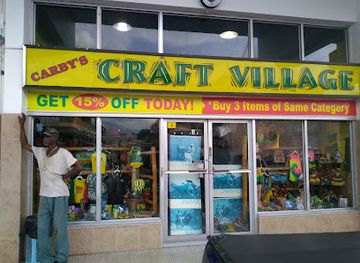
CARBY'S SOUVENIR DISCOUNT CENTRE & CRAFT VILLAGE
Discover unique Jamaican crafts and souvenirs at Carby's Souvenir Discount Centre & Craft Village, the heart of Kingston's local artistry and culture.

Get your free copy of our complete guide to Cockpit Country, delivered straight to you.
Everything on this page, from attractions and restaurants to essentials and local phrases, in one PDF you can read offline, print or share.
Already have an account? Sign in
Your Cockpit Country guide is ready.
We'll send it to · Not you? Sign out

Getting your guide ready…
We are putting together a fresh copy of the Cockpit Country guide. This can take up to a minute.
This can take a few moments. If your browser asks, choose Allow so the download can start. You'll find the guide in your Downloads folder.
Nothing happened? Download it again
Sorry, the guide is taking longer than usual. Please try again in a minute, or get it by email instead.
Cockpit Country essentials
Currency and Payment
Safety
Emergency Situations
Do's and Don'ts
Local Tips
From Eve
Local phrases worth knowing
You don't need to get them perfect. A few words go a long way, and locals appreciate the effort.
Basics
| English | Local | Say it |
|---|---|---|
| Hello | Wah gwan | [Wah gwan] |
| Goodbye | Likkle more | [Likkle more] |
| Yes | Yah | [Yah] |
| No | No | [No] |
| Please/You're welcome | Mi beg yuh | [Mi beg yuh] |
| Thank you | Tank yuh | [Tank yuh] |
| Excuse me/Sorry | Scuse mi | [Scuse mi] |
| How are you? | How yuh stay? | [How yuh stay?] |
| Fine. And you? | Mi deh yah. An yuh? | [Mi deh yah. An yuh?] |
| Do you speak English? | Yuh speak English? | [Yuh speak English?] |
| I don't understand | Mi nuh understand | [Mi nuh understand] |
Eating & Drinking
| English | Local | Say it |
|---|---|---|
| I'd like to see the menu, please | Mi wahn si di menu, please | [Mi wahn si di menu, please] |
| I don't eat meat | Mi nuh eat meat | [Mi nuh eat meat] |
| Cheers! | Cheers! | [Cheers!] |
| I would like to pay, please | Mi wahn fi pay, please | [Mi wahn fi pay, please] |
Emergencies
| English | Local | Say it |
|---|---|---|
| Help! | Help! | [Help!] |
| Go away! | Go weh! | [Go weh!] |
| Call the Police! | Call di police! | [Call di police!] |
| Call a doctor! | Call a doctor! | [Call a doctor!] |
| I'm lost | Mi lost | [Mi lost] |
| I'm ill | Mi sick | [Mi sick] |
Shopping
| English | Local | Say it |
|---|---|---|
| I'd like to buy... | Mi wahn buy... | [Mi wahn buy...] |
| I'm just looking | Mi jus a look | [Mi jus a look] |
| How much is it? | How much dat? | [How much dat?] |
| That's too expensive | Dat too expensive | [Dat too expensive] |
| Can you lower the price? | Yuh can lower di price? | [Yuh can lower di price?] |
Time & Numbers
| English | Local | Say it |
|---|---|---|
| What time is it? | Wah time it? | [Wah time it?] |
| It's one o'clock | It one o'clock | [It one o'clock] |
| Half past (10) | Half past ten | [Half past ten] |
| Morning | Mornin' | [Mornin'] |
| Afternoon | Afternoon | [Afternoon] |
| Evening | Evening | [Evening] |
| Yesterday | Yesterday | [Yesterday] |
| Today | Today | [Today] |
| Tomorrow | Tomorrow | [Tomorrow] |
| 1 | One | [One] |
| 2 | Two | [Two] |
| 3 | Three | [Three] |
| 4 | Four | [Four] |
| 5 | Five | [Five] |
| 6 | Six | [Six] |
| 7 | Seven | [Seven] |
| 8 | Eight | [Eight] |
| 9 | Nine | [Nine] |
| 10 | Ten | [Ten] |
Transport & Directions
| English | Local | Say it |
|---|---|---|
| Where's a/the...? | Whe di...? | [Whe di...?] |
| What's the address? | Wah di address? | [Wah di address?] |
| Can you show me (on the map)? | Yuh can show mi (pon di map)? | [Yuh can show mi (pon di map)?] |
| When's the next (bus)? | When di next (bus)? | [When di next (bus)?] |
| A ticket (to ....) | A ticket (to ....) | [A ticket (to ....)] |
History of Cockpit Country
Taíno Jamaica and the Interior Landscape
Before European colonisation, Taíno communities occupied Jamaica and used the island’s forests, valleys and caves for settlement, travel and resource gathering. The Cockpit Country’s broken limestone terrain made the interior less accessible than the coastal plains, but it was not an untouched wilderness. Caves, springs and forest routes formed part of a wider island environment shaped by human movement. Archaeological evidence across Jamaica records Taíno life before the arrival of the Spanish, while the Cockpit landscape later became particularly important because its difficult geography limited the reach of colonial authorities.
Spanish and British Colonial Expansion
Spanish colonisation began in Jamaica after 1494, followed by British rule from 1655. Under the British, plantation agriculture expanded across more accessible lowlands, while sugar estates and slavery transformed the island’s economy and population. The Cockpit Country was less suitable for large-scale plantation development than flatter districts, but it bordered plantation areas and became a place of refuge for Africans who escaped enslavement. Its dense forest, caves and steep-sided hollows offered concealment and made military pursuit difficult.
The First Maroon War, 1728–1739
The First Maroon War was a major struggle between British colonial forces and self-governing communities of formerly enslaved Africans in Jamaica’s mountainous interior. Cockpit Country terrain was central to Maroon defensive strategy: narrow paths, concealed routes and intimate knowledge of the landscape reduced the advantages of colonial troops. The conflict ended with treaties in 1739 and 1740 that recognised Maroon communities while imposing territorial and political conditions. The legacy remains visible in the cultural identity, oral traditions and commemorative life of communities such as Accompong.
Plantation Jamaica and Rural Change
During the eighteenth and nineteenth centuries, the Cockpit Country remained surrounded by districts shaped by sugar, rum production and plantation commerce. After emancipation in 1834–1838, formerly enslaved people and their descendants created new settlements and smallholdings, while free villages and provision farming altered the rural economy. The interior’s forests supplied timber and other resources, but its karst geology continued to restrict large-scale cultivation in many areas. The contrast between plantation lowlands and forested uplands helped preserve the Cockpits as a distinct cultural and ecological zone.
Accompong and Continuing Maroon Heritage
Accompong, in the St Elizabeth part of the Cockpit Country area, developed as a major Maroon community associated with the 1739 treaty and the leadership of Kojo, also known as Cudjoe. Its annual observance on 6 January commemorates the signing of the peace agreement and expresses the community’s historical identity through ceremony, music, food and storytelling. Maroon heritage is not simply a historical attraction; it belongs to living communities with their own institutions and traditions. Visitors should therefore approach cultural visits with respect and follow local guidance.
Conservation and the Modern Protected Area
In the twentieth and early twenty-first centuries, scientists, communities and conservation organisations increasingly emphasised Cockpit Country’s importance for endemic species, forest habitats and Jamaica’s water supply. The region has also been the subject of long-running public debate over mining, land use and the protection of its boundaries. Jamaica formally established the Cockpit Country Protected Area in 2017, creating a major framework for conserving the landscape. Management remains connected to local livelihoods, access, cultural rights and the need to balance national development with environmental protection.
Cockpit Country in Photos
Browse through our photo collection highlighting the charm and character of the destination.
Neighbouring regions of Cockpit Country
The closest regions to Cockpit Country, if you have time for more than one.
-

-

-

-

-


Swipe for more regions
Explore more
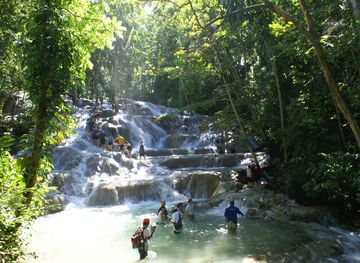
Explore more of Jamaica
Discover Jamaica: A Caribbean paradise with stunning beaches, rich culture, and thrilling adventures. Experience the island's vibrant music, delicious cuisine, and warm hospitality.
Explore Jamaica