

Free Martha Brae River Valley Travel Guide & Mobile App
Explore Martha Brae River Valley with free travel guides. Discover regional history, expert tips, proposed trips, and audio guides on web or mobile app.


Explore Jamaica’s Martha Brae River Valley for bamboo rafting, Georgian Falmouth, sugar-estate history, limestone landscapes and glowing lagoon waters.
Read more about Martha Brae River Valley
When is the best time to visit Martha Brae River Valley?
Best: January–March · 28–29°C| Month | High (°C) | Rainfall (mm) |
|---|---|---|
| January (best) | 28 | 50 |
| February (best) | 29 | 45 |
| March (best) | 29 | 50 |
| April | 30 | 70 |
| May | 30 | 100 |
| June | 31 | 120 |
| July | 31 | 130 |
| August | 31 | 130 |
| September | 31 | 150 |
| October | 30 | 140 |
| November | 30 | 100 |
| December | 29 | 70 |
Getting to and around Martha Brae River Valley
How to get there
Transportation
Top city travel guides in Martha Brae River Valley
The cities of Martha Brae River Valley, and the easiest places to base yourself.

Swipe for more cities
Best attractions in Martha Brae River Valley
The Martha Brae River is the region’s defining attraction, with guided bamboo rafting offering a quiet journey through lush banks rather than a high-speed adventure. The rafting area is also a useful introduction to the river’s ecology and to the craft tradition associated with Jamaica’s inland waterways. Falmouth provides a contrasting experience: visitors can explore its Georgian streets, public buildings, churches, market area and waterfront while learning how the port served the plantation economy. Inland, Good Hope Estate combines a former sugar estate and great house with landscaped grounds, river scenery and heritage interpretation, although the historical context of slavery should be taken seriously. Around the lower river and coast, the Luminous Lagoon offers guided night boat trips to observe bioluminescent water, with visibility dependent on darkness and natural conditions. The wider valley also supports birdwatching, countryside drives, small-scale farm landscapes and excursions towards limestone terrain. The Cockpit Country lies nearby in the broader geographic area but is a separate protected landscape, so visits there require their own planning and should not be treated as part of a simple Martha Brae itinerary.
-
 Resort hotel
Royalton Blue Waters, An Autograph Collection All-Inclusive Resort
Experience a luxurious all-inclusive retreat at Royalton Blue Waters, where relaxation meets adventure amidst Jamaica's stunning landscapes.
-
Tourist attraction
Rose Hall Great House
Explore the historic Rose Hall Great House in Montego Bay, where enchanting tales and stunning views await every visitor.
-
Tourist attraction
Chukka Eco-Adventure Outpost at Good Hope
Explore the thrilling adventures and rich history at Good Hope Estate, a premier eco-adventure destination in Falmouth, Jamaica.
-
Tourist attraction
Falmouth Mystic Lagoon Tours
Experience the magic of Falmouth's bioluminescent lagoons with Falmouth Mystic Lagoon Tours - an unforgettable adventure in Jamaica's stunning waters.


Best landmarks in Martha Brae River Valley
Falmouth’s Georgian townscape is the valley’s most concentrated collection of historic landmarks. The Falmouth Courthouse, with its early nineteenth-century civic architecture, reflects the port’s former importance, while the town’s surviving merchants’ buildings and street plan reveal the wealth generated by surrounding sugar estates. St Peter’s Anglican Church, commonly known as the historic parish church at Falmouth, adds an important religious presence to the townscape. Inland, Good Hope Great House is a prominent reminder of the plantation landscape that once dominated Trelawny; its architectural setting is inseparable from the history of enslaved labour and estate production. The Martha Brae River itself is the region’s principal natural landmark, winding from limestone country towards the lower valley and coast. Near Falmouth, the Luminous Lagoon is a distinctive aquatic landmark whose glowing appearance results from naturally occurring bioluminescent organisms under suitable conditions. These places matter not simply for their visual appeal but because they connect Jamaica’s natural geography with the port, plantation and post-emancipation histories that shaped the valley.
-
Tourist attraction
YS Falls
Discover the breathtaking beauty of YS Falls, a must-visit natural attraction in Jamaica offering adventure, relaxation, and stunning views.
-
Tourist attraction
Martha Brae Rafting Village
Discover the tranquil beauty of Martha Brae Rafting Village, where nature meets culture in a serene Jamaican adventure.
-
Tourist attraction
Rose Hall Great House
Explore the rich heritage and enchanting stories of Rose Hall Great House, a historic gem in Montego Bay, Jamaica, perfect for culture seekers and adventurers alike.
-
Beach volleyball club
Burwood Beach
Experience the vibrant energy of Burwood Beach, Jamaica, where beach volleyball meets stunning tropical scenery for an unforgettable day by the sea.
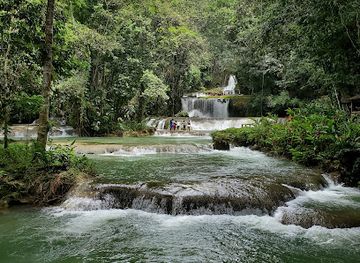


Explore Martha Brae River Valley on the map
Plan your trip on one map. See where the top cities, national parks and sights are, and book hotels and experiences in a few clicks.
Best hotels in Martha Brae River Valley
Best restaurants in Martha Brae River Valley
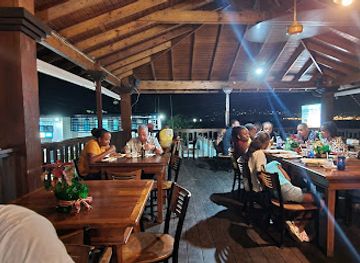
Dining in the Martha Brae River Valley is grounded in Jamaican cooking, with jerk chicken and pork, escovitch fish, rice and peas, fried plantain, patties, festival dumplings and seasonal fruit widely encountered around Falmouth and the north-coast communities. Small eateries and roadside cooks can offer direct contact with local flavours, while hotels and established restaurants provide more predictable service and a broader range of international dishes. Fresh fish and seafood are particularly associated with coastal Trelawny, though availability varies by season and location. Falmouth’s market and food stalls are useful places to observe everyday commerce, while rural stops may focus on simple plates, soups, roasted food and drinks made with tropical produce. Jamaican rum, sorrel and ginger-based refreshments are common, but visitors should distinguish locally produced drinks from imported hotel products. Menus and preparation times can be flexible outside major tourist properties, making patience and asking what is freshly available part of the experience.
-
Restaurant
Margaritaville Ocho Rios
Experience vibrant Caribbean flavors at Margaritaville Ocho Rios, where stunning views meet unforgettable dining and entertainment.
-
Restaurant
Pier One
Discover Pier One: A Culinary Gem in Montego Bay Blending Exquisite Dining with Lively Nightlife Amidst Stunning Ocean Views.
-
Seafood
Gloria's
Experience authentic Caribbean seafood at Gloria's in Port Royal - where every dish tells a story of Jamaica's rich culinary heritage.
-
Restaurant
Margaritaville Montego Bay
Experience vibrant Caribbean dining and exhilarating fun at Margaritaville Montego Bay - where every visit is filled with flavor and adventure.



Best bars in Martha Brae River Valley
Evening life in the Martha Brae River Valley is centred more on rum bars, hotel lounges, restaurants, music and community gatherings than on a dense nightclub district. Falmouth has the broadest choice of places for a drink or an evening meal, with informal bars and small venues providing a more local setting than the large resort compounds elsewhere on Jamaica’s north coast. Around the river and rural estates, evenings are generally quiet once organised excursions end. The Luminous Lagoon is a principal after-dark activity, but it is a guided nature outing rather than nightlife. Live reggae, dancehall and sound-system events may occur locally, though dates and venues change, so current information should be obtained from accommodation providers or residents. Visitors should arrange return transport in advance when staying outside Falmouth and should not assume that rural bars or attractions operate late every night.
-
Resort hotel
Excellence Oyster Bay
Discover the ultimate luxury escape at Excellence Oyster Bay, a stunning resort hotel in Jamaica offering breathtaking views and unparalleled service.
-
Restaurant
Margaritaville Montego Bay
Discover the vibrant flavors and lively atmosphere of Margaritaville Montego Bay, where Caribbean cuisine meets stunning ocean views.
-
Grill
Peppa's Cool Spot
Experience authentic Jamaican flavors and stunning views at Peppa's Cool Spot, a must-visit grill in Montego Bay.
-
Resort hotel
Breathless Montego Bay Resort & Spa
Experience the vibrant culture and luxury of Breathless Montego Bay Resort & Spa, where relaxation meets adventure in the heart of Jamaica.


Best nightclubs in Martha Brae River Valley
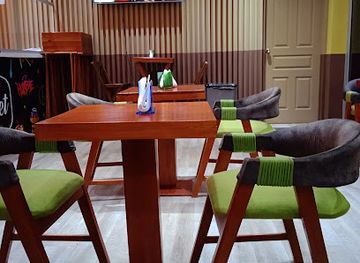
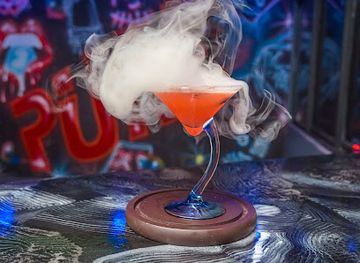
Evening life in the Martha Brae River Valley is centred more on rum bars, hotel lounges, restaurants, music and community gatherings than on a dense nightclub district. Falmouth has the broadest choice of places for a drink or an evening meal, with informal bars and small venues providing a more local setting than the large resort compounds elsewhere on Jamaica’s north coast. Around the river and rural estates, evenings are generally quiet once organised excursions end. The Luminous Lagoon is a principal after-dark activity, but it is a guided nature outing rather than nightlife. Live reggae, dancehall and sound-system events may occur locally, though dates and venues change, so current information should be obtained from accommodation providers or residents. Visitors should arrange return transport in advance when staying outside Falmouth and should not assume that rural bars or attractions operate late every night.
-
Restaurant
Margaritaville Montego Bay
Dive into the vibrant atmosphere of Margaritaville Montego Bay, where Caribbean flavors meet thrilling entertainment and breathtaking ocean views.
-
Night club
8Rivaz Ultra Lounge
Discover Ocho Rios' vibrant nightlife at 8Rivaz Ultra Lounge, where great music, delicious cocktails, and unforgettable moments await!
-
Lounge
Pure Ultra Lounge
Experience the vibrant nightlife at Pure Ultra Lounge in Montego Bay, where exquisite cocktails and electrifying music create unforgettable memories.
-
Night club
Taboo Montego Bay
Discover the energetic nightlife at Taboo Montego Bay, where music and dance meet the vibrant culture of Jamaica.

Best shops in Martha Brae River Valley
Shopping in the Martha Brae River Valley is modest in scale and concentrated in Falmouth, roadside communities and visitor facilities rather than in large retail centres. Falmouth’s market area is useful for seeing everyday Jamaican commerce, including produce, spices, snacks and household goods, while small shops and stalls sell clothing, craft items, carved objects, paintings and souvenirs. At rafting and heritage attractions, visitors may find locally themed gifts and handmade products, although range and quality vary. Jamaican coffee, rum, jerk seasonings, sauces, sweets and packaged fruit products are practical purchases when bought from reputable retailers. Small farmers and roadside vendors may offer bananas, mangoes, coconuts and other seasonal produce, but availability changes throughout the year. Bargaining is not appropriate everywhere, and visitors should ask before assuming that a quoted price is negotiable. Those seeking extensive branded or luxury shopping will find more choice outside the valley in Jamaica’s larger resort and urban centres.
-
Shopping mall
Whitter Village
Experience the vibrant shopping, dining, and entertainment at Whitter Village in Montego Bay, Jamaica, a perfect destination for tourists.
-
Shopping mall
Baywest Shopping Centre
Experience the vibrant shopping and dining scene at Baywest Shopping Centre, Montego Bay's go-to destination for tourists and locals alike.
-
Tourist attraction
Martha Brae Rafting Village
Experience the tranquility of Jamaica at Martha Brae Rafting Village - a serene escape with breathtaking scenery and cultural richness.
-
Shopping mall
Blue Diamond Shopping Mall
Discover the Blue Diamond Shopping Mall in Montego Bay – a dynamic shopping experience blending local culture, delicious cuisine, and diverse retail options.


Get your free copy of our complete guide to Martha Brae River Valley, delivered straight to you.
Everything on this page, from attractions and restaurants to essentials and local phrases, in one PDF you can read offline, print or share.
Already have an account? Sign in
Your Martha Brae River Valley guide is ready.
We'll send it to · Not you? Sign out

Getting your guide ready…
We are putting together a fresh copy of the Martha Brae River Valley guide. This can take up to a minute.
This can take a few moments. If your browser asks, choose Allow so the download can start. You'll find the guide in your Downloads folder.
Nothing happened? Download it again
Sorry, the guide is taking longer than usual. Please try again in a minute, or get it by email instead.
Martha Brae River Valley essentials
Currency and Payment
Safety
Emergency Situations
Do's and Don'ts
Local Tips
From Eve
Local phrases worth knowing
You don't need to get them perfect. A few words go a long way, and locals appreciate the effort.
Basics
| English | Local | Say it |
|---|---|---|
| Hello | Wah gwan | [Wah gwan] |
| Goodbye | Likkle more | [Likkle more] |
| Yes | Yea | [Yea] |
| No | No | [No] |
| Please/You're welcome | Please | [Please] |
| Thank you | Tank yuh | [Tank yuh] |
| Excuse me/Sorry | Excuse mi | [Excuse mi] |
| How are you? | How yuh do? | [How yuh do?] |
| Fine. And you? | Mi good. An yuh? | [Mi good. An yuh?] |
| Do you speak English? | Yuh speak English? | [Yuh speak English?] |
| I don't understand | Mi nuh understand | [Mi nuh understand] |
Eating & Drinking
| English | Local | Say it |
|---|---|---|
| I'd like to see the menu, please | Mi waan si di menu, please | [Mi waan si di menu, please] |
| I don't eat meat | Mi nuh eat meat | [Mi nuh eat meat] |
| Cheers! | Cheers! | [Cheers!] |
| I would like to pay, please | Mi waan pay, please | [Mi waan pay, please] |
Emergencies
| English | Local | Say it |
|---|---|---|
| Help! | Help! | [Help!] |
| Go away! | Gweh! | [Gweh!] |
| Call the Police! | Call di police! | [Call di police!] |
| Call a doctor! | Call a doctor! | [Call a doctor!] |
| I'm lost | Mi lost | [Mi lost] |
| I'm ill | Mi sick | [Mi sick] |
Shopping
| English | Local | Say it |
|---|---|---|
| I'd like to buy... | Mi waan buy... | [Mi waan buy...] |
| I'm just looking | Mi jus a look | [Mi jus a look] |
| How much is it? | How much dat? | [How much dat?] |
| That's too expensive | Dat too expensive | [Dat too expensive] |
| Can you lower the price? | Yuh can lower di price? | [Yuh can lower di price?] |
Time & Numbers
| English | Local | Say it |
|---|---|---|
| What time is it? | Wah time it? | [Wah time it?] |
| It's one o'clock | It one o'clock | [It one o'clock] |
| Half past (10) | Half past ten | [Half past ten] |
| Morning | Mornin' | [Mornin'] |
| Afternoon | Afternoon | [Afternoon] |
| Evening | Evenin' | [Evenin'] |
| Yesterday | Yesterday | [Yesterday] |
| Today | Today | [Today] |
| Tomorrow | Tomorrow | [Tomorrow] |
| 1 | One | [One] |
| 2 | Two | [Two] |
| 3 | Three | [Three] |
| 4 | Four | [Four] |
| 5 | Five | [Five] |
| 6 | Six | [Six] |
| 7 | Seven | [Seven] |
| 8 | Eight | [Eight] |
| 9 | Nine | [Nine] |
| 10 | Ten | [Ten] |
Transport & Directions
| English | Local | Say it |
|---|---|---|
| Where's a/the...? | Whe di...? | [Whe di...?] |
| What's the address? | Wah di address? | [Wah di address?] |
| Can you show me (on the map)? | Yuh can show mi (pon di map)? | [Yuh can show mi (pon di map)?] |
| When's the next (bus)? | When di next (bus)? | [When di next (bus)?] |
| A ticket (to ....) | A ticket (to....) | [A ticket (to....)] |
History of Martha Brae River Valley
Taíno Jamaica and the limestone interior
Before European colonisation, Jamaica was inhabited by Taíno communities whose settlements, agriculture and trading networks formed part of the island’s wider Caribbean world. The Martha Brae valley’s river, wetlands and fertile lowlands would have provided access to water and useful agricultural ground, while the surrounding limestone terrain created caves and difficult inland routes. Much archaeological evidence is fragmentary, and visitors should be cautious about treating every cave or landscape feature as a confirmed Taíno site. Nevertheless, the region’s geography long supported human movement before the arrival of Spanish and later British colonial powers.
Spanish conquest and the origin of Martha Brae
Spain established colonial control over Jamaica after 1494, bringing forced labour, new crops, livestock and severe disruption to Taíno society. The river’s English name is associated with the colonial period; accounts connect Martha Brae with a Spanish woman who was compelled to reveal the location of gold, although the story survives partly as local legend and should not be confused with securely documented history. Spanish influence in the valley was eventually displaced by the English conquest of Jamaica in 1655, after which plantation agriculture and port development reshaped western Trelawny.
Sugar plantations and Falmouth’s Georgian port
During the eighteenth and early nineteenth centuries, sugar production dominated the economy around the Martha Brae valley. Enslaved Africans performed the agricultural and industrial labour on estates, while Falmouth developed as a port and commercial centre serving plantations in Trelawny. The town’s orderly Georgian streets, merchants’ buildings and public structures reflect this period of wealth, but they also embody an economy founded on slavery. The surviving architecture is therefore historically valuable and ethically complex, offering evidence of Jamaica’s colonial commercial system rather than a picturesque story detached from exploitation.
Baptist activism, emancipation and William Knibb
Falmouth became an important centre of Baptist religious activity and anti-slavery campaigning. William Knibb, a Baptist missionary based in the town, publicly opposed slavery and supported full emancipation, making Falmouth part of the political and religious movement that challenged Jamaica’s plantation order. Apprenticeship ended in 1838, although freedom did not immediately produce economic equality. The region’s churches, burial grounds and surviving townscape help explain the transition from a plantation society to one in which formerly enslaved people sought land, family stability, education and independent livelihoods.
Post-emancipation agriculture and changing river communities
After emancipation, sugar remained important but the social and economic landscape became more varied. Small farming, provision grounds, livestock keeping, fishing near the coast and local commerce supplemented plantation agriculture. The Martha Brae River continued to shape settlement and transport, while roads and later motor vehicles reduced the importance of waterborne movement. Communities in the valley developed within Jamaica’s wider process of African cultural continuity, religious life, migration and political change, rather than remaining simply as extensions of the old estate system.
Heritage tourism and the modern valley
In the twentieth and twenty-first centuries, Jamaica’s tourism economy brought new attention to Falmouth, the Martha Brae River and former plantation properties. Bamboo rafting became a signature visitor activity, while Good Hope and other heritage landscapes adapted elements of estate history for tourism. Modern development has also expanded around the north coast, although the river corridor remains more rural than Jamaica’s major resort strips. Contemporary travel to the region therefore brings the attractions and tensions of heritage tourism: local employment and conservation opportunities exist alongside the need to present slavery, colonial power and Jamaican community life with historical honesty.
Martha Brae River Valley in Photos
Browse through our photo collection highlighting the charm and character of the destination.
Neighbouring regions of Martha Brae River Valley
The closest regions to Martha Brae River Valley, if you have time for more than one.
-
-

-

-

-


Swipe for more regions
Explore more
Explore more of Jamaica
Discover Jamaica: A Caribbean paradise with stunning beaches, rich culture, and thrilling adventures. Experience the island's vibrant music, delicious cuisine, and warm hospitality.
Explore Jamaica