

Dry Harbour Mountains, Jamaica Travel Guide
Discover the Dry Harbour Mountains in Jamaica: A paradise for hikers, birdwatchers, and culture enthusiasts, offering breathtaking views, diverse wildlife, and rich history.
Nestled in the heart of Jamaica, the Dry Harbour Mountains offer an unforgettable experience for nature lovers and adventurers alike. This mountain range, located on the island's northern coast, is characterized by its unique limestone formations and rich biodiversity. Visitors will be greeted by lush forests, hidden caves, and spectacular viewpoints that provide panoramic views of the Caribbean Sea. The Dry Harbour Mountains are a haven for outdoor enthusiasts. Hiking trails lead through dense forests, offering opportunities to encounter rare plant species and exotic wildlife. Birdwatchers will be thrilled by the variety of endemic birds that call this region home, while spelunkers can explore the numerous caves scattered throughout the mountains. In addition to its natural beauty, the Dry Harbour Mountains are steeped in history and culture. The area is dotted with small villages where visitors can experience the warm hospitality of the local people and learn about traditional Jamaican customs. Local guides are available to share their knowledge of the region's history, including its significance in the Maroon Wars and its role in the island's colonial past. Whether you're seeking adventure, relaxation, or a deeper understanding of Jamaica's heritage, the Dry Harbour Mountains are an ideal destination.

Know before you go
Hi, I'm Eve. Here are a few practical things to know before exploring Dry Harbour Mountains.
- Pack comfortable hiking shoes for exploring the trails and caves.
- Hire a local guide to enhance your experience and learn about the area's history.
- Bring binoculars for birdwatching to spot rare and endemic species.
- Visit the small villages to experience authentic Jamaican culture and cuisine.
- Carry sufficient water and snacks, as amenities can be sparse in remote areas.
Top City Travel Guides in Dry Harbour Mountains
The cities of Dry Harbour Mountains, and the easiest places to base yourself.

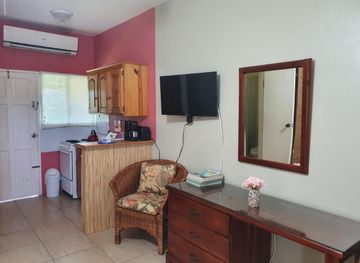
Explore Dry Harbour Mountains: Things to Do, Places to Eat, Hotels & More
Handpicked recommendations for top attractions, local dining, accommodations, and more

Top Attractions & Sightseeing in Dry Harbour Mountains
Top-rated picks
Best Attractions

Braco Stables
Explore the beauty of Jamaica through horseback riding at Braco Stables, where adventure and nature come together for an unforgettable experience.
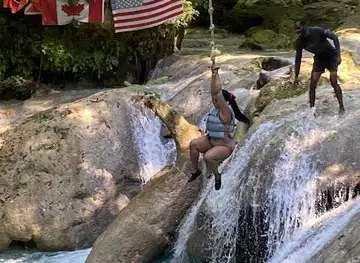
Marvyn's Paradise Tours
Discover the breathtaking beauty and vibrant culture with Marvyn's Paradise Tours, your go-to for unforgettable travel experiences.

Nine Mile
Experience the vibrant culture and rich heritage of Nine Mile, birthplace of Bob Marley, in the heart of Jamaica's lush landscapes.

Best landmarks in Dry Harbour Mountains
Top-rated picks
Best Landmarks

Green Grotto Caves
Discover the enchanting Green Grotto Caves in Jamaica, a natural wonder with stunning formations and rich historical significance.

Jamaicaexperience.tours
Seamless transportation services in Jamaica: airport shuttles, cruise transfers, and fishing charters for an unforgettable island experience.

Best restaurants in Dry Harbour Mountains
Top-rated picks
Best Restaurants
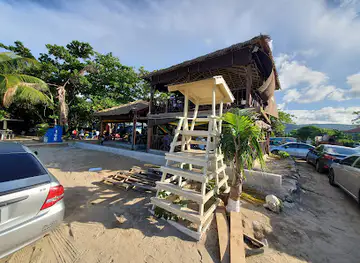
Sharkies Seafood Restaurant
Experience authentic Jamaican seafood at Sharkies Seafood Restaurant in Runaway Bay—where fresh flavors meet stunning coastal views.

Little Ochie Seafood Restaurant & Bar
Discover authentic Jamaican cuisine at Little Ochie Seafood Restaurant & Bar—where fresh seafood meets stunning Caribbean views.

Bamboo Blu
Discover culinary delights at Bamboo Blu - where Jamaican flavors meet breathtaking ocean views for an unforgettable dining experience.

Flavours Beach Bar and Restaurant
Experience authentic Jamaican cuisine with breathtaking beach views at Flavours Beach Bar and Restaurant in Runaway Bay.

Best bars in Dry Harbour Mountains
Top-rated picks
Best Bars

Floyd's Pelican Bar
Experience the enchanting Floyd's Pelican Bar, where fresh seafood and stunning Caribbean views create unforgettable dining moments.

Flavours Beach Bar and Restaurant
Experience the vibrant flavors of Jamaica at Flavours Beach Bar and Restaurant, where stunning views meet delightful local cuisine.
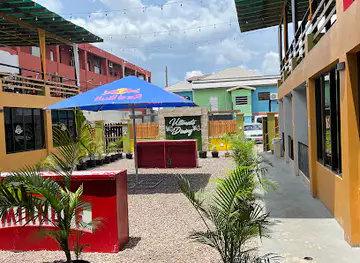
The Ultimate Dining Nightclub and Lounge
Discover the vibrant nightlife and exquisite dining at The Ultimate Dining Nightclub and Lounge in Mandeville, Jamaica.

Discovery Bay Beach
Experience the tranquility of Discovery Bay Beach, where golden sands meet crystal-clear waters in a tropical paradise.

Best nightclubs in Dry Harbour Mountains
Top-rated picks
Best Nightclubs

8Rivaz Ultra Lounge
Discover the pulsating nightlife of 8Rivaz Ultra Lounge in Ocho Rios, where great music and vibrant energy create unforgettable nights.

Taboo Montego Bay
Discover the vibrant nightlife at Taboo Montego Bay, where unforgettable entertainment meets the pulse of Jamaican culture.

Club Royalty
Dive into the electrifying nightlife of Club Royalty in Ocho Rios, where music and entertainment create unforgettable memories.

Taboo Ocho Rios
Discover the electrifying nightlife of Taboo Ocho Rios, where music and dance come alive in a vibrant Jamaican atmosphere.

Best shops in Dry Harbour Mountains
Top-rated picks
Best Shops

Island Village Jamaica
Discover the vibrant Island Village Jamaica, a shopping and dining oasis in Ocho Rios, where local culture meets Caribbean charm.

Blue Diamond Shopping Mall
Explore the Blue Diamond Shopping Mall in Montego Bay for a unique blend of shopping, dining, and vibrant Caribbean culture.

Main Street Rose Hall
Experience shopping and dining in a vibrant atmosphere at Main Street Rose Hall, Jamaica's premier shopping destination.

Cuban Cigar Shop At Taj Mahal Plaza Duty Free Tax Free
Explore premium Cuban cigars at the Cuban Cigar Shop in Ocho Rios' Taj Mahal Plaza - a duty-free haven for cigar lovers.

Explore Dry Harbour Mountains on the Map
A handpicked selection of must-see spots in Dry Harbour Mountains, mapped for you.
Dry Harbour Mountains Essentials
-
The Dry Harbour Mountains are located in the central north region of Jamaica. The nearest international airport is Sangster International Airport in Montego Bay, approximately 80 kilometers away. From Montego Bay, you can rent a car, take a taxi, or use a shuttle service to reach the Dry Harbour Mountains. The journey typically takes around 1.5 to 2 hours by road. Alternatively, you can fly into Norman Manley International Airport in Kingston, which is about 130 kilometers away, and then take a similar route.
-
Within the Dry Harbour Mountains, the most convenient mode of transportation is by car. Car rental services are available at the airports and in major towns. Local taxis are also an option, but make sure to agree on a fare before starting your journey. For a more immersive experience, you can explore some areas on foot or by bicycle. Public buses are infrequent and may not reach all parts of the mountains, so they are less reliable for tourists.
-
The official currency in Jamaica is the Jamaican Dollar (JMD). Credit cards are widely accepted in hotels, restaurants, and larger shops, but it is advisable to carry cash for smaller establishments and rural areas. ATMs are available in nearby towns like Ocho Rios and Montego Bay. It's a good idea to withdraw sufficient cash before heading into the mountains to ensure you have enough funds for your stay.
-
The Dry Harbour Mountains are generally safe for tourists, but it is important to take standard precautions. Avoid walking alone at night in unfamiliar areas and keep an eye on your belongings. Some areas in nearby towns like Ocho Rios and Montego Bay have higher crime rates, particularly for crimes targeting tourists, so stay vigilant. Stick to well-known tourist areas and avoid isolated places, especially after dark.
-
In case of emergency, dial 119 for police assistance or 110 for medical emergencies. The nearest medical facilities are located in the towns of Ocho Rios and Montego Bay, which have hospitals and clinics. It is highly recommended to have travel insurance that covers medical emergencies. For minor health issues, there are pharmacies in the nearby towns where you can purchase over-the-counter medications.
-
Fashion: Do dress comfortably and modestly, especially when visiting local communities. Avoid wearing overly revealing clothing. Religion: Do respect local religious customs. If you visit a church or religious site, dress appropriately and act respectfully. Public Transport: Do be courteous and patient when using public transportation. Public transport can be infrequent and crowded. Greetings: Do greet locals with a friendly 'hello' or 'good morning'. Jamaicans are known for their hospitality and friendliness. Eating & Drinking: Do try local dishes and beverages. Accept food and drink offerings graciously. Don't refuse hospitality, as it can be seen as impolite.
-
To experience the Dry Harbour Mountains like a local, visit the local markets where you can buy fresh produce and traditional Jamaican goods. Engage with locals, as they are often friendly and willing to share stories about the area's history and culture. Don't miss the opportunity to explore the numerous hiking trails and hidden waterfalls. For a unique experience, visit during local festivals or community events to get a true taste of Jamaican culture and hospitality.
When is the best time to visit Dry Harbour Mountains?
Useful Local Phrases for Dry Harbour Mountains
You don't need to speak the language perfectly. Even learning a few simple words can make conversations warmer—and locals usually appreciate the effort.
— Eve

Here are the phrases I use most often in Dry Harbour Mountains. Try a few—you'll be surprised how far they go! 😊
❤️
-
- HelloWah Gwaan
[Wah Gwaan] - GoodbyeLikkle more
[Likkle more] - YesYea
[Yea] - NoNo
[No] - Please/You're welcomePlease
[Please] - Thank youNuff respect
[Nuff respect] - Excuse me/SorryMi sorry
[Mi sorry] - How are you?How yuh stay?
[How yuh stay?] - Fine. And you?Mi deh yah. An yuh?
[Mi deh yah. An yuh?] - Do you speak English?Yuh speak English?
[Yuh speak English?] - I don't understandMi nuh understand
[Mi nuh understand]
- HelloWah Gwaan
-
- I'd like to see the menu, pleaseMi wud like fi si di menu, please
[Mi wud like fi si di menu, please] - I don't eat meatMi nuh eat meat
[Mi nuh eat meat] - Cheers!Cheers!
[Cheers!] - I would like to pay, pleaseMi wud like fi pay, please
[Mi wud like fi pay, please]
- I'd like to see the menu, pleaseMi wud like fi si di menu, please
-
- Help!Help!
[Help!] - Go away!Gweh!
[Gweh!] - Call the Police!Call di police!
[Call di police!] - Call a doctor!Call a doctor!
[Call a doctor!] - I'm lostMi lost
[Mi lost] - I'm illMi sick
[Mi sick]
- Help!Help!
-
- I'd like to buy...Mi wud like fi buy...
[Mi wud like fi buy...] - I'm just lookingMi just a look
[Mi just a look] - How much is it?How much dat?
[How much dat?] - That's too expensiveDat too pricey
[Dat too pricey] - Can you lower the price?Yuh can lower di price?
[Yuh can lower di price?]
- I'd like to buy...Mi wud like fi buy...
-
- What time is it?Wah time it?
[Wah time it?] - It's one o'clockA one o'clock
[A one o'clock] - Half past (10)Half past ten
[Half past ten] - MorningMornin'
[Mornin'] - AfternoonAfternoon
[Afternoon] - EveningEvening
[Evening] - YesterdayYesterday
[Yesterday] - TodayToday
[Today] - TomorrowTomorrow
[Tomorrow] - 1One
[One] - 2Two
[Two] - 3Three
[Three] - 4Four
[Four] - 5Five
[Five] - 6Six
[Six] - 7Seven
[Seven] - 8Eight
[Eight] - 9Nine
[Nine] - 10Ten
[Ten]
- What time is it?Wah time it?
-
- Where's a/the...?Whe di...?
[Whe di...?] - What's the address?Wah di address?
[Wah di address?] - Can you show me (on the map)?Yuh can show mi (pon di map)?
[Yuh can show mi (pon di map)?] - When's the next (bus)?When di next (bus)?
[When di next (bus)?] - A ticket (to ....)A ticket (to....)
[A ticket (to....)]
- Where's a/the...?Whe di...?
History of Dry Harbour Mountains
-
Long before European contact, the Dry Harbour Mountains were home to the Tainos, the indigenous people of Jamaica. The Tainos were skilled agriculturalists, growing crops like cassava and maize. They also practiced fishing and hunting in the surrounding forests. The area was dotted with Taino settlements, where they lived in harmony with nature, utilizing the mountainous terrain for both sustenance and protection.
-
In 1494, during his second voyage to the New World, Christopher Columbus and his crew made landfall along the north coast of Jamaica. The Dry Harbour Mountains provided a dramatic backdrop as Columbus explored the area. This event marked the beginning of European encounters with the island, setting the stage for significant cultural and demographic changes.
-
Following Columbus' arrival, the Spanish established settlements across Jamaica, including the regions surrounding the Dry Harbour Mountains. The Spanish influence introduced new agricultural practices and crops, such as sugarcane and livestock farming. However, the harsh colonial rule and diseases brought by the Europeans led to the decline of the Taino population.
-
During the 17th century, escaped African slaves formed independent communities known as Maroons in the rugged terrain of the Dry Harbour Mountains. These Maroon communities, adept at guerrilla warfare and knowledge of the terrain, were able to resist British colonial forces for many years. The Maroons played a crucial role in the fight for freedom and maintained a distinct cultural heritage that persists to this day.
-
After the British took control of Jamaica from the Spanish in 1655, the Dry Harbour Mountains became part of a larger network of plantations. The British introduced a plantation economy that relied heavily on enslaved African labor to cultivate sugar and other cash crops. The mountainous region provided a challenging environment for plantation agriculture, but it also served as a refuge for those escaping slavery.
-
The Dry Harbour Mountains are renowned for their rich biodiversity. The region is home to unique flora and fauna, some of which are endemic to Jamaica. The limestone karst topography also features numerous caves, which have been used by various cultures throughout history for shelter and rituals. This natural heritage continues to draw researchers and nature enthusiasts to the area.
-
Today, the Dry Harbour Mountains are a symbol of Jamaica's diverse cultural legacy. The region attracts tourists and historians alike, drawn by its historical significance and natural beauty. Local communities in the area continue to celebrate their heritage through festivals, music, and traditional crafts, keeping the spirit of the Dry Harbour Mountains alive for future generations.
Neighbouring Regions of Dry Harbour Mountains
The closest regions to Dry Harbour Mountains, if you have time for more than one.


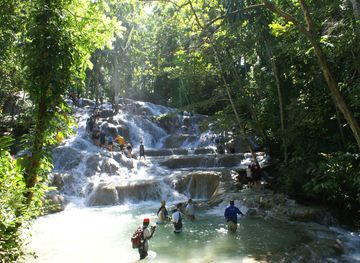
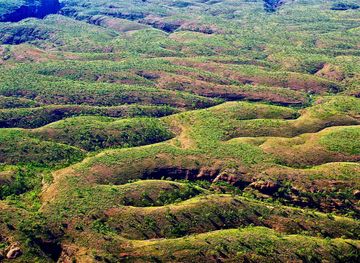


Your all‑in‑one travel companion app
Explore expert travel guides, compare and book tours, experiences, hotels, and more—all from the palm of your hand. Download now for seamless trip planning wherever your wanderlust takes you.


Explore More of Jamaica
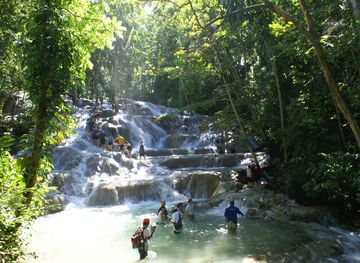
Looking beyond Dry Harbour Mountains? Discover Jamaica for broader travel guides, local hot-spots, and regional highlights.
Explore JamaicaDry Harbour Mountains in Photos
Browse through our photo collection highlighting the charm and character of the destination.


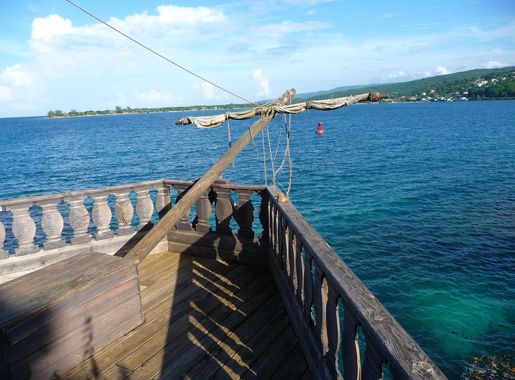


Exploring the Hidden Gem: Dry Harbour Mountains
Nestled in the heart of Jamaica, the Dry Harbour Mountains offer an unforgettable experience for nature lovers and adventurers alike. This mountain range, located on the island's northern coast, is characterized by its unique limestone formations and rich biodiversity. Visitors will be greeted by lush forests, hidden caves, and spectacular viewpoints that provide panoramic views of the Caribbean Sea. The Dry Harbour Mountains are a haven for outdoor enthusiasts. Hiking trails lead through dense forests, offering opportunities to encounter rare plant species and exotic wildlife. Birdwatchers will be thrilled by the variety of endemic birds that call this region home, while spelunkers can explore the numerous caves scattered throughout the mountains. In addition to its natural beauty, the Dry Harbour Mountains are steeped in history and culture. The area is dotted with small villages where visitors can experience the warm hospitality of the local people and learn about traditional Jamaican customs. Local guides are available to share their knowledge of the region's history, including its significance in the Maroon Wars and its role in the island's colonial past. Whether you're seeking adventure, relaxation, or a deeper understanding of Jamaica's heritage, the Dry Harbour Mountains are an ideal destination.