

North Coast, Jamaica Travel Guide
Experience the magical blend of natural beauty, rich culture, and thrilling adventures on Jamaica's enchanting North Coast.
The North Coast of Jamaica is a captivating blend of lush landscapes and vibrant culture, making it a top choice for travelers seeking both relaxation and adventure. This stunning region is home to some of the island’s most famous tourist spots, including the bustling town of Ocho Rios, the historic Falmouth, and the scenic Runaway Bay. Each location offers unique experiences, from the cascading Dunn's River Falls to the bioluminescent wonders of the Luminous Lagoon. Visitors can indulge in an array of activities such as snorkeling in crystal-clear waters, exploring verdant rainforests, and enjoying reggae beats at local festivals. The North Coast is also renowned for its delicious cuisine, with numerous seaside restaurants serving up fresh seafood and Jamaican specialties like jerk chicken and ackee with saltfish. Whether you're lounging on pristine beaches or exploring the cultural tapestry of local markets, the North Coast promises an unforgettable Jamaican experience. For those interested in history and culture, the North Coast provides a window into Jamaica’s vibrant past. Visit the historic Great Houses, former plantation estates that now serve as museums, offering insights into the island's colonial heritage. Adventure seekers can take part in thrilling activities like zip-lining through tropical canopies or horseback riding along the beach, ensuring that every moment spent on the North Coast is filled with excitement and wonder.

Know before you go
Hi, I'm Eve. Here are a few practical things to know before exploring North Coast.
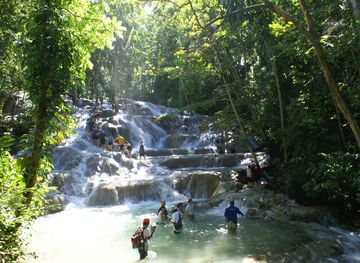
- Dunn's River Falls is a must-visit. Wear water shoes for better grip on the slippery rocks.
- For an unforgettable evening, take a boat ride on the Luminous Lagoon. The best time to go is after dusk.
- Local markets in Ocho Rios are great for authentic souvenirs. Practice your bargaining skills!
- Try the local street food, especially jerk chicken from roadside stands for an authentic taste.
- Plan your visit around local festivals to experience the vibrant culture and music of Jamaica.
Top City Travel Guides in North Coast
The cities of North Coast, and the easiest places to base yourself.

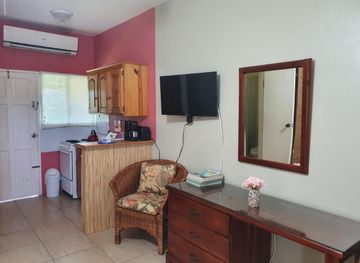
Explore North Coast: Things to Do, Places to Eat, Hotels & More
Handpicked recommendations for top attractions, local dining, accommodations, and more

Top Attractions & Sightseeing in North Coast
Top-rated picks
Best Attractions

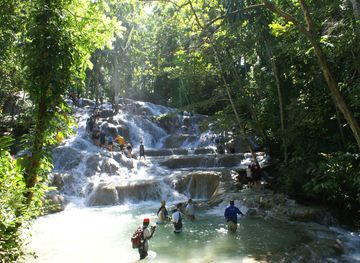
The World Famous Dunn's River Falls & Park
Experience the breathtaking beauty and adventure of Dunn's River Falls & Park in Ocho Rios, Jamaica, where nature and thrill meet.

Turtle River Park
Explore the natural beauty and tranquility of Turtle River Park in Ocho Rios, a perfect retreat for nature enthusiasts and tourists alike.

Rose Hall Great House
Explore the historical Rose Hall Great House in Montego Bay, a stunning plantation rich in history and breathtaking Caribbean views.

Puerto Seco beach park
Explore the stunning Puerto Seco Beach Park in Discovery Bay, Jamaica, a perfect blend of relaxation, adventure, and local culture.

Best landmarks in North Coast
Top-rated picks
Best Landmarks
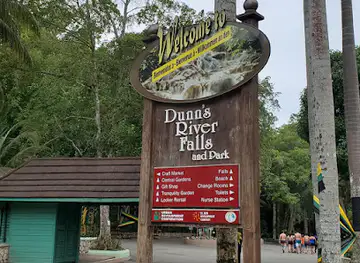
The World Famous Dunn's River Falls & Park
Experience the natural beauty and historical significance of Dunn's River Falls, where cascading waters meet the Caribbean Sea in Ocho Rios, Jamaica.

Ocean Coral Spring
Experience Jamaican paradise at Ocean Coral Spring: all-inclusive luxury, stunning beaches, and endless activities in beautiful Trelawny.

Ocean Eden Bay - Adults Only
Experience luxurious, adults-only relaxation at Ocean Eden Bay in Trelawny, Jamaica, with stunning beaches, diverse dining, and access to resort amenities.

Emancipation Park
A serene urban park in Kingston, Jamaica, commemorating emancipation with art, gardens, and a tranquil atmosphere for all to enjoy.

Best restaurants in North Coast
Top-rated picks
Best Restaurants
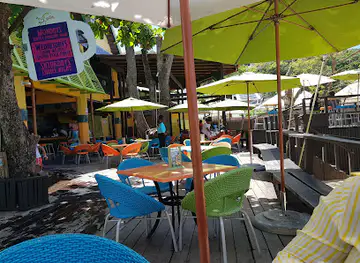
Margaritaville Ocho Rios
Experience Caribbean flavors and vibrant entertainment at Margaritaville Ocho Rios—a must-visit restaurant for tourists seeking fun and relaxation.

Pier One
Discover Pier One in Montego Bay – where exquisite dining meets lively nightlife amidst stunning ocean views.

Gloria's
Experience authentic Caribbean seafood at Gloria's in Port Royal – a culinary treasure with stunning waterfront views.

Murray's Fish and Jerk Hut
Experience authentic Jamaican cuisine at Murray's Fish and Jerk Hut—home to flavorful jerk chicken and fresh seafood in a lively atmosphere.

Best bars in North Coast
Top-rated picks
Best Bars

Margaritaville Ocho Rios
Experience the vibrant atmosphere of Margaritaville Ocho Rios, where delicious food and stunning ocean views create the perfect Caribbean getaway.

Plantation Smokehouse
Experience the vibrant flavors of Jamaica at Plantation Smokehouse, where mouthwatering barbecue meets lively atmosphere in Priory Saint Anns Bay.

Ocean's 11
Experience the vibrant flavors of Jamaica at Ocean's 11, where delicious grilled cuisine meets refreshing cocktails in a stunning seaside setting.

Floyd's Pelican Bar
Discover the essence of Jamaica at Floyd's Pelican Bar, where fresh seafood meets stunning ocean views in the heart of Parottee District.

Best nightclubs in North Coast
Top-rated picks
Best Nightclubs

The Ultimate Dining Nightclub and Lounge
Experience the vibrant nightlife and exquisite cuisine of The Ultimate Dining Nightclub and Lounge in Mandeville, Jamaica.

8Rivaz Ultra Lounge
Discover the electrifying atmosphere of 8Rivaz Ultra Lounge, Ocho Rios’ premier night club, where unforgettable nights and vibrant music come together.

Taboo Montego Bay
Discover the electrifying nightlife of Taboo Montego Bay, the ultimate destination for unforgettable parties and vibrant entertainment in Jamaica.

Club Royalty
Unleash your spirit at Club Royalty, Ocho Rios’ top nightlife destination with electrifying music and a vibrant atmosphere for all.

Best shops in North Coast
Top-rated picks
Best Shops

Island Village Jamaica
Discover the vibrant Island Village Jamaica, where shopping meets Caribbean culture and stunning ocean views for an unforgettable experience.

CARBY'S SOUVENIR DISCOUNT CENTRE & CRAFT VILLAGE
Explore Carby's Souvenir Discount Centre & Craft Village for authentic Jamaican crafts and unique souvenirs that capture the island's vibrant culture.

Tropical Treasures Gift Shop
Explore a treasure trove of unique gifts and souvenirs at Tropical Treasures Gift Shop in Montego Bay, a must-visit for every traveler.

MK Fashion & Gift
Explore MK Fashion & Gift in Ocho Rios for vibrant clothing, unique souvenirs, and a taste of Jamaican culture.

Explore North Coast on the Map
A handpicked selection of must-see spots in North Coast, mapped for you.
North Coast Essentials
-
The North Coast of Jamaica is accessible via two primary airports: Sangster International Airport in Montego Bay and Norman Manley International Airport in Kingston. Montego Bay is more convenient for most North Coast destinations. Direct flights are available from major cities in the USA, Canada, and Europe. From the airport, you can take a taxi, rent a car, or use shuttle services to reach your destination along the North Coast.
-
Transportation options on the North Coast include taxis, rental cars, and public minibuses (known locally as 'route taxis'). Taxis are widely available but ensure they are licensed. Renting a car gives you more flexibility to explore at your own pace. Route taxis are a budget-friendly option but can be crowded and may not adhere to strict schedules.
-
The official currency of Jamaica is the Jamaican Dollar (JMD). Credit cards are widely accepted in hotels, restaurants, and larger stores. However, smaller vendors and local markets may only accept cash. ATMs are available in major towns, but it’s advisable to carry some cash for emergencies or small purchases.
-
While the North Coast is generally safe for tourists, it’s important to stay vigilant. Avoid walking alone at night, especially in isolated areas. High-crime areas include parts of Montego Bay and Ocho Rios. Stick to well-populated, tourist-friendly zones and avoid displaying valuables. Always use reputable transportation services.
-
In case of emergency, dial 119 for police, fire, or medical assistance. Major hospitals are located in Montego Bay and Ocho Rios. Ensure you have travel insurance that covers medical emergencies. Pharmacies are available in larger towns for minor health issues. Keep emergency contact numbers handy and inform someone of your whereabouts.
-
Fashion: Do dress modestly, especially when visiting religious sites. Avoid overly revealing clothing. Religion: Do respect local customs and traditions. Public Transport: Do be courteous and respectful on public transport. Don’t eat or drink on public buses. Greetings: Do greet people with a friendly 'hello' or 'good morning.' Eating & Drinking: Do try local dishes and accept food offerings graciously. Don’t refuse hospitality, as it can be considered impolite.
-
To experience the North Coast like a local, visit local markets such as the Ocho Rios Craft Market for handmade goods and fresh produce. Engage with locals, who are generally friendly and willing to share insights. Don't miss trying local dishes like jerk chicken and ackee and saltfish. Exploring lesser-known beaches can offer a more tranquil experience away from the tourist crowds.
When is the best time to visit North Coast?
Useful Local Phrases for North Coast
You don't need to speak the language perfectly. Even learning a few simple words can make conversations warmer—and locals usually appreciate the effort.
— Eve

Here are the phrases I use most often in North Coast. Try a few—you'll be surprised how far they go! 😊
❤️
-
- HelloWah Gwaan
[Wah Gwaan] - GoodbyeLikkle more
[Likkle more] - YesYea
[Yea] - NoNuh
[Nuh] - Please/You're welcomePleez/No problem
[Pleez/No problem] - Thank youTank yuh
[Tank yuh] - Excuse me/SorryScuse me/Sorry
[Scuse me/Sorry] - How are you?How yuh do?
[How yuh do?] - Fine. And you?Mi deh yah. An yuh?
[Mi deh yah. An yuh?] - Do you speak English?Yuh speak English?
[Yuh speak English?] - I don't understandMi nuh undastand
[Mi nuh undastand]
- HelloWah Gwaan
-
- I'd like to see the menu, pleaseMi wud like fi si di menu, pleez
[Mi wud like fi si di menu, pleez] - I don't eat meatMi nuh eat meat
[Mi nuh eat meat] - Cheers!Cheers!
[Cheers!] - I would like to pay, pleaseMi wud like fi pay, pleez
[Mi wud like fi pay, pleez]
- I'd like to see the menu, pleaseMi wud like fi si di menu, pleez
-
- Help!Help!
[Help!] - Go away!Guh weh!
[Guh weh!] - Call the Police!Call di police!
[Call di police!] - Call a doctor!Call a doctor!
[Call a doctor!] - I'm lostMi lost
[Mi lost] - I'm illMi sick
[Mi sick]
- Help!Help!
-
- I'd like to buy...Mi wud like fi buy...
[Mi wud like fi buy...] - I'm just lookingMi jus a look
[Mi jus a look] - How much is it?How much dat?
[How much dat?] - That's too expensiveDat too expensive
[Dat too expensive] - Can you lower the price?Yuh can lower di price?
[Yuh can lower di price?]
- I'd like to buy...Mi wud like fi buy...
-
- What time is it?Wah time it?
[Wah time it?] - It's one o'clockA one o'clock
[A one o'clock] - Half past (10)Half-past (10)
[Half-past (10)] - MorningMornin'
[Mornin'] - AfternoonAfternoon
[Afternoon] - EveningEvenin'
[Evenin'] - YesterdayYesterday
[Yesterday] - TodayToday
[Today] - TomorrowTomorrow
[Tomorrow] - 1One
[One] - 2Two
[Two] - 3Three
[Three] - 4Four
[Four] - 5Five
[Five] - 6Six
[Six] - 7Seven
[Seven] - 8Eight
[Eight] - 9Nine
[Nine] - 10Ten
[Ten]
- What time is it?Wah time it?
-
- Where's a/the...?Whey di...?
[Whey di...?] - What's the address?Wah di address?
[Wah di address?] - Can you show me (on the map)?Yuh can show mi (pon di map)?
[Yuh can show mi (pon di map)?] - When's the next (bus)?When di next (bus)?
[When di next (bus)?] - A ticket (to ....)A ticket (to ....)
[A ticket (to ....)]
- Where's a/the...?Whey di...?
History of North Coast
-
Before the arrival of Europeans, the North Coast of Jamaica was inhabited by the Taino people. These indigenous inhabitants lived in harmony with nature, practicing agriculture, fishing, and crafting intricate pottery. The Tainos left behind a legacy of petroglyphs and artifacts that provide a glimpse into their rich culture and social structure.
-
In 1494, Christopher Columbus arrived on Jamaica’s North Coast during his second voyage to the New World. He landed at what is now known as Discovery Bay. This event marked the beginning of European interest in Jamaica, which ultimately led to Spanish colonization. The bay is now a historical site, commemorating Columbus’s arrival and the subsequent European impact on the island.
-
The Spanish established settlements along the North Coast, including the town of Sevilla la Nueva (New Seville) near present-day St. Ann’s Bay. Founded in 1509, it was the first capital of Jamaica. The Spaniards introduced European crops, livestock, and enforced labor systems on the Taino population, which significantly altered the region’s demographic and cultural landscape. Ruins of Sevilla la Nueva can still be explored, offering a window into Jamaica’s early colonial history.
-
During the 17th century, escaped African slaves, known as Maroons, established free communities in the rugged interior of the North Coast. These Maroon communities fiercely resisted British colonization and maintained their independence through guerrilla warfare. Their legacy is celebrated in places like Accompong, where annual festivals commemorate their resilience and cultural heritage.
-
In 1655, the British captured Jamaica from the Spanish, marking the beginning of British colonial rule. The North Coast became a focal point for the sugar economy, with numerous plantations established along its fertile lands. Enslaved Africans were brought in large numbers to work on these plantations, profoundly shaping the region's demographics and culture. Historic sites like the Green Grotto Caves served as hideouts for runaway slaves and are now popular tourist attractions.
-
The abolition of slavery in 1834 marked a significant turning point for the North Coast. Freed African Jamaicans began to establish their own communities and livelihoods. The region saw the rise of a peasant economy, with former slaves cultivating small plots of land. This period also witnessed the development of important cultural and religious expressions, such as the revivalist movements, which blend African and European traditions.
-
In the early 20th century, the North Coast began to emerge as a premier tourist destination. With its stunning beaches, lush landscapes, and vibrant culture, areas like Ocho Rios and Montego Bay attracted visitors from around the world. The construction of luxury hotels and resorts transformed the coastline, making tourism a critical component of the local economy. Sites like Dunn’s River Falls became iconic attractions, drawing thousands of tourists annually.
-
The North Coast is renowned for its vibrant cultural festivals and events that celebrate Jamaica’s rich heritage. The Ocho Rios Jazz Festival, Montego Bay Reggae Sumfest, and the Maroon Festival in Accompong are just a few examples. These events showcase the region’s musical talent, culinary delights, and traditional practices, offering visitors a deep dive into the local culture.
Neighbouring Regions of North Coast
The closest regions to North Coast, if you have time for more than one.




Your all‑in‑one travel companion app
Explore expert travel guides, compare and book tours, experiences, hotels, and more—all from the palm of your hand. Download now for seamless trip planning wherever your wanderlust takes you.


Explore More of Jamaica
Looking beyond North Coast? Discover Jamaica for broader travel guides, local hot-spots, and regional highlights.
Explore JamaicaNorth Coast in Photos
Browse through our photo collection highlighting the charm and character of the destination.




Discover the Allure of Jamaica's North Coast
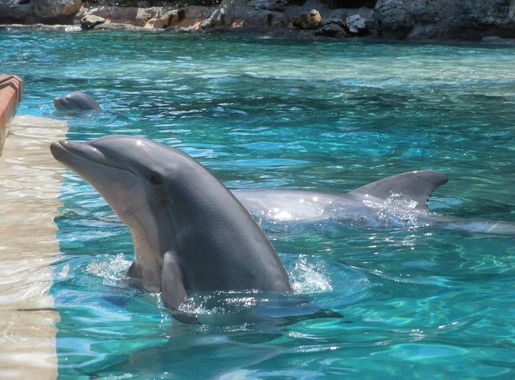
The North Coast of Jamaica is a captivating blend of lush landscapes and vibrant culture, making it a top choice for travelers seeking both relaxation and adventure. This stunning region is home to some of the island’s most famous tourist spots, including the bustling town of Ocho Rios, the historic Falmouth, and the scenic Runaway Bay. Each location offers unique experiences, from the cascading Dunn's River Falls to the bioluminescent wonders of the Luminous Lagoon. Visitors can indulge in an array of activities such as snorkeling in crystal-clear waters, exploring verdant rainforests, and enjoying reggae beats at local festivals. The North Coast is also renowned for its delicious cuisine, with numerous seaside restaurants serving up fresh seafood and Jamaican specialties like jerk chicken and ackee with saltfish. Whether you're lounging on pristine beaches or exploring the cultural tapestry of local markets, the North Coast promises an unforgettable Jamaican experience. For those interested in history and culture, the North Coast provides a window into Jamaica’s vibrant past. Visit the historic Great Houses, former plantation estates that now serve as museums, offering insights into the island's colonial heritage. Adventure seekers can take part in thrilling activities like zip-lining through tropical canopies or horseback riding along the beach, ensuring that every moment spent on the North Coast is filled with excitement and wonder.