

Free East End Travel Guide & Mobile App
Explore East End with free travel guides. Discover regional history, expert tips, proposed trips, and audio guides on web or mobile app.


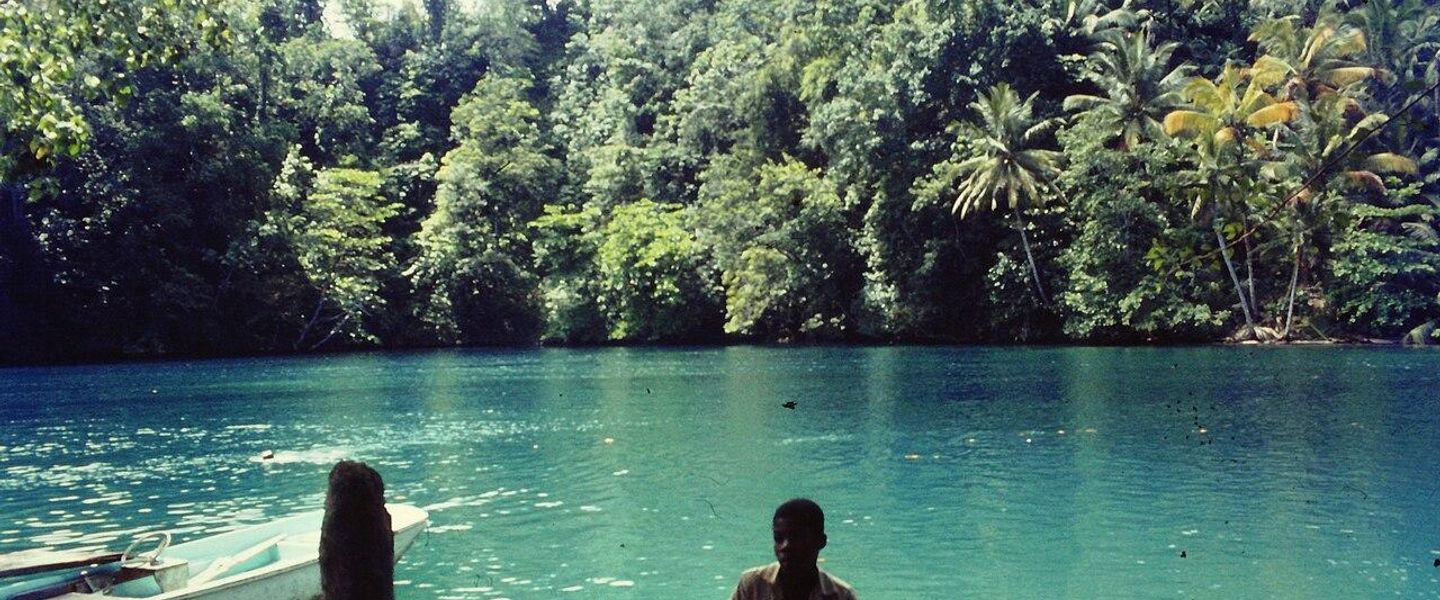


Discover the hidden beauty of Jamaica's East End, where lush landscapes, pristine beaches, and vibrant culture await your exploration.
Read more about East End
When is the best time to visit East End?
Best: January–March · 29°C| Month | High (°C) | Rainfall (mm) |
|---|---|---|
| January (best) | 29 | 41 |
| February (best) | 29 | 30 |
| March (best) | 29 | 31 |
| April | 30 | 40 |
| May | 30 | 61 |
| June | 31 | 71 |
| July | 31 | 80 |
| August | 31 | 91 |
| September | 31 | 100 |
| October | 30 | 91 |
| November | 29 | 70 |
| December | 29 | 51 |
Getting to and around East End
How to get there
Transportation
Best attractions in East End
Nestled on the eastern tip of Jamaica, East End is a treasure trove of natural beauty, historical intrigue, and vibrant culture. Visitors can explore the stunning Blue Lagoon, renowned for its azure waters and rumored to be bottomless, or take a boat trip to the nearby Monkey Island, a secluded paradise for snorkeling and picnicking. History enthusiasts will revel in the stories of Port Antonio, a historic town that once thrived on banana trade and now offers a charming mix of colonial architecture and bustling markets. For the adventurous, the Rio Grande River invites you to experience bamboo rafting, a serene journey through lush tropical landscapes. The nearby Reach Falls, with its cascading waters and hidden caves, provides a picturesque spot for hiking and swimming in crystal-clear pools. The East End also boasts the stunning Frenchman's Cove, where a freshwater river meets the Caribbean Sea, creating a serene beach setting perfect for relaxation. Culinary explorers can savor authentic Jamaican flavors at local eateries, from jerk chicken to fresh seafood, while soaking in the island's reggae rhythms and warm hospitality.
-
Park
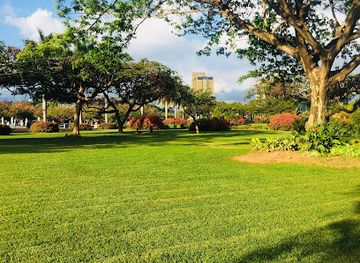
Emancipation Park
Discover the beauty and historical significance of Emancipation Park, a serene escape in the heart of Kingston, Jamaica, perfect for relaxation and cultural immersion.
-
Tourist attraction
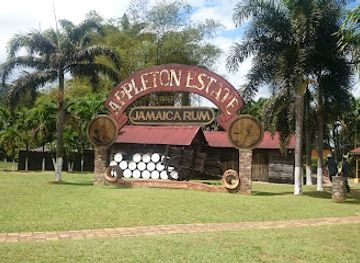
Appleton Estate Rum Tour
Explore the heritage of Appleton Estate Rum in Jamaica, where tradition meets exquisite craftsmanship in a lush, tropical setting.
-
Stadium
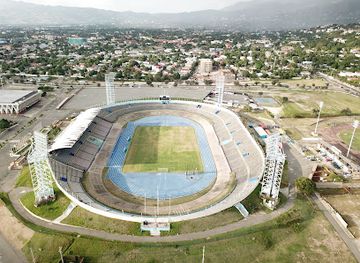
Independence Park
Experience the heart of Jamaican culture at Independence Park, a vibrant stadium in Kingston showcasing sports, music, and local festivities.
-
Park
Saint William Grant Park
Experience the charm of Saint William Grant Park, a tranquil green space in Kingston, rich in history and vibrant local culture, perfect for relaxation and exploration.
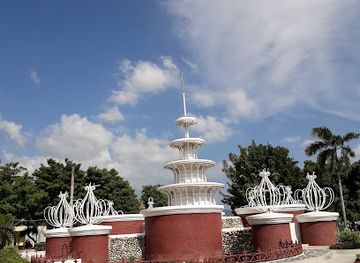
Best landmarks in East End
East End in Jamaica is a treasure trove of natural and historical wonders waiting to be explored. Visitors can start their journey at the famous Blue Hole Mineral Spring, where they can take a refreshing dip in crystal-clear waters surrounded by lush foliage. History enthusiasts will be captivated by the centuries-old ruins of Fort Haldane, offering panoramic views of the coastline and a glimpse into Jamaica's colonial past. For a touch of local culture, the bustling East End Market is a must-visit, brimming with vibrant crafts, aromatic spices, and friendly vendors eager to share stories. Nature lovers will be enchanted by the serene beauty of the East End Cliffs, perfect for a scenic hike or a peaceful moment of reflection. With its blend of history, culture, and natural beauty, East End is an unforgettable destination for any traveler.
-
Park
The World Famous Dunn's River Falls & Park
Experience the breathtaking beauty of Dunn's River Falls & Park, a stunning natural wonder in Ocho Rios, Jamaica, where adventure meets relaxation.
-
Park
Emancipation Park
Discover the beauty and history of Emancipation Park, a serene garden and historical landmark in the heart of Kingston, Jamaica.
-
Museum
Bob Marley Museum
Discover the spirit of reggae at the Bob Marley Museum in Kingston, Jamaica—a vibrant tribute to the life and legacy of the music legend.
-
Resort hotel
Couples Tower Isle
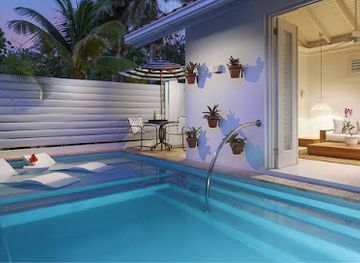
Discover the ultimate romantic getaway at Couples Tower Isle, a luxurious resort in Ocho Rios, Jamaica, perfect for couples seeking relaxation and adventure.
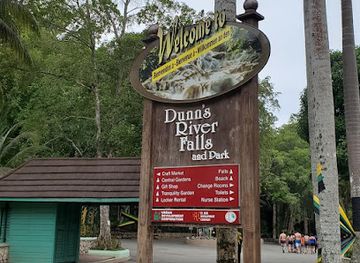
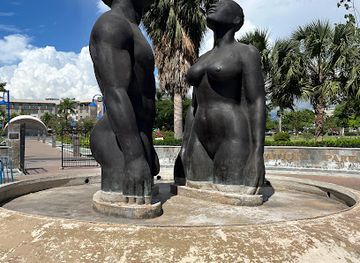
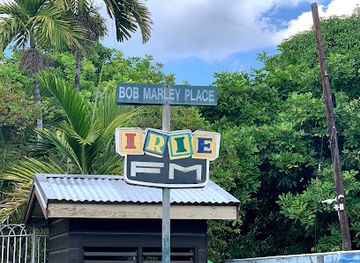
Explore East End on the map
Plan your trip on one map. See where the top cities, national parks and sights are, and book hotels and experiences in a few clicks.
Best hotels in East End
Best restaurants in East End
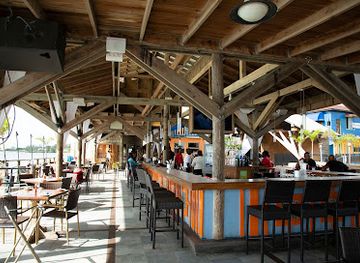
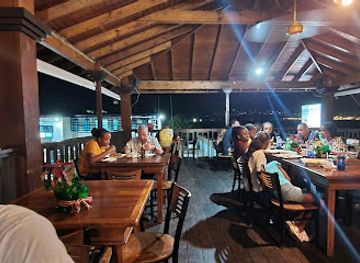
In East End, Jamaica, visitors are treated to a vibrant and eclectic dining scene that is a feast for the senses. Imagine savoring freshly caught seafood at seaside shacks, where the aroma of grilled fish mingles with the salty sea breeze. Wander through bustling local markets and find stalls offering traditional Jamaican fare like jerk chicken, curried goat, and festival, all bursting with rich, spicy flavors. For a more upscale experience, enjoy fine dining with a Caribbean twist at elegant beachfront restaurants, where innovative chefs blend local ingredients with international techniques. Don't miss the opportunity to sip on refreshing tropical cocktails or locally brewed Red Stripe beer while watching the sunset over the turquoise waters. Whether you're a foodie looking for gourmet experiences or a traveler eager to taste authentic local dishes, East End's diverse culinary landscape promises an unforgettable gastronomic adventure.
-
Restaurant
Pier One
Discover Pier One in Montego Bay: A lively restaurant and nightlife destination offering stunning sea views and delicious Jamaican cuisine.
-
Seafood
Gloria's
Experience authentic Caribbean seafood at Gloria's in Port Royal - where every bite tells a story.
-
Jamaican
Murray's Fish and Jerk Hut
Experience authentic Jamaican cuisine at Murray's Fish and Jerk Hut - where every bite tells a story of flavor and tradition.
-
Restaurant
Usain Bolt's Tracks & Records
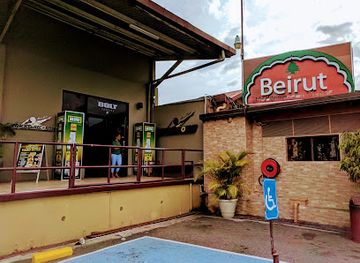
Discover authentic Jamaican cuisine at Usain Bolt's Tracks & Records in Kingston - where flavor meets legendary speed.

Best bars in East End
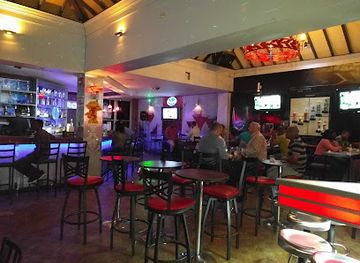
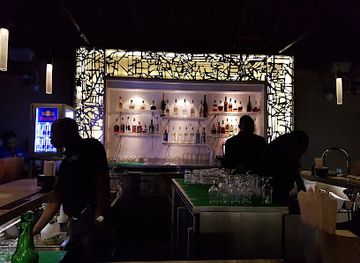
In the vibrant East End of Jamaica, the nightlife scene is a pulsating blend of reggae rhythms, mouth-watering street food, and colorful beach bars that invite you to dance the night away under the stars. As the sun sets, the area transforms into a lively hotspot with local bands and international DJs setting the tone at open-air venues and intimate clubs. Rooftop lounges offer stunning views of the ocean, while beach bonfires create a laid-back atmosphere perfect for mingling with both locals and fellow travelers. Whether you're sipping on a signature rum punch or indulging in freshly caught seafood, the East End promises an unforgettable night filled with the warmth and spirit of Jamaican culture.
-
Bar
Macau Gaming Lounge & Bar
Unleash the fun at Macau Gaming Lounge & Bar in Kingston—where exquisite dining meets exhilarating gaming in a vibrant atmosphere.
-
Grill
Ribbiz UltraLounge
Experience the lively ambiance and delicious grill offerings at Ribbiz UltraLounge, the heart of Kingston's nightlife!
-
Grill
CRU Bar and Kitchen
Experience the vibrant flavors of Jamaica at CRU Bar and Kitchen, where delicious food and lively atmosphere meet in Kingston.
-
Grill
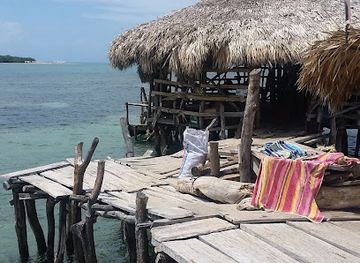
Floyd's Pelican Bar
Discover the flavors of Jamaica at Floyd's Pelican Bar, a beachfront grill known for fresh seafood and stunning ocean views.

Best nightclubs in East End
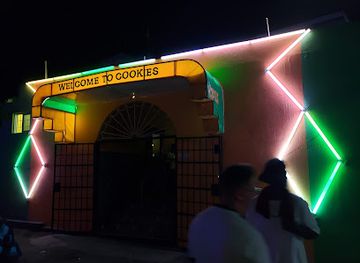
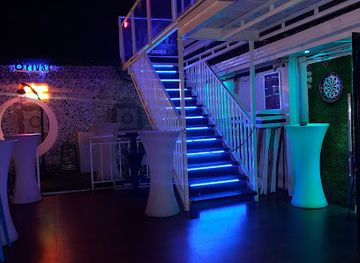
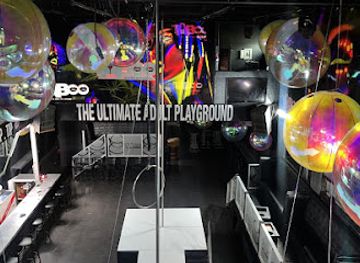
In the vibrant East End of Jamaica, the nightlife scene is a pulsating blend of reggae rhythms, mouth-watering street food, and colorful beach bars that invite you to dance the night away under the stars. As the sun sets, the area transforms into a lively hotspot with local bands and international DJs setting the tone at open-air venues and intimate clubs. Rooftop lounges offer stunning views of the ocean, while beach bonfires create a laid-back atmosphere perfect for mingling with both locals and fellow travelers. Whether you're sipping on a signature rum punch or indulging in freshly caught seafood, the East End promises an unforgettable night filled with the warmth and spirit of Jamaican culture.
-
Night club
Go Go Club
Discover the vibrant nightlife of Portmore at Go Go Club, a lively night club where music, culture, and fun come together.
-
Night club
8Rivaz Ultra Lounge
Discover the electric atmosphere of 8Rivaz Ultra Lounge in Ocho Rios—where the Caribbean nightlife pulsates with vibrant energy and unforgettable experiences.
-
Night club
Taboo Kingston
Discover the vibrant nightlife of Kingston at Taboo, the ultimate destination for music, dance, and excitement in Jamaica.
-
Night club
Taboo Montego Bay
Discover the electrifying nightlife at Taboo Montego Bay, where vibrant music, dance, and a lively atmosphere await you for an unforgettable night out.

Best shops in East End
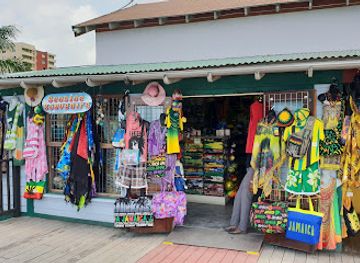
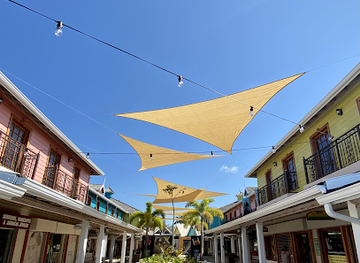
East End in Jamaica offers a vibrant and eclectic shopping experience that caters to all tastes and interests. Visitors can explore bustling local markets brimming with colorful stalls selling handmade crafts, traditional clothing, and unique souvenirs that capture the essence of Jamaican culture. The area also features chic boutiques and storefronts where you can find everything from high-end fashion and jewelry to locally produced art and gourmet food items. Don't miss the chance to sample fresh produce and spices at the farmers' markets, where the aromas of tropical fruits and island herbs fill the air. Street vendors with charismatic charm sell everything from handcrafted wood carvings to intricate beadwork, making every shopping trip an adventure in itself.
-
Shopping mall
Island Village Jamaica
Explore Island Village Jamaica, a vibrant shopping mall in Ocho Rios offering local crafts, delicious dining, and a lively atmosphere for tourists.
-
Shopping mall
Main Street Rose Hall
Discover upscale shopping, vibrant culture, and authentic Jamaican cuisine at the lively Main Street Rose Hall.
-
Shopping mall
York Plaza
Discover the best shopping experience in Kingston at York Plaza, where local culture meets a variety of retail and dining options.
-
Clothing store
CARBY'S SOUVENIR DISCOUNT CENTRE & CRAFT VILLAGE
Experience the essence of Jamaica at Carby's Souvenir Discount Centre, where unique crafts and local culture come together in Kingston.

Get your free copy of our complete guide to East End, delivered straight to you.
Everything on this page, from attractions and restaurants to essentials and local phrases, in one PDF you can read offline, print or share.
Already have an account? Sign in
Your East End guide is ready.
We'll send it to · Not you? Sign out

Getting your guide ready…
We are putting together a fresh copy of the East End guide. This can take up to a minute.
This can take a few moments. If your browser asks, choose Allow so the download can start. You'll find the guide in your Downloads folder.
Nothing happened? Download it again
Sorry, the guide is taking longer than usual. Please try again in a minute, or get it by email instead.
East End essentials
Currency and Payment
Safety
Emergency Situations
Do's and Don'ts
Local Tips
From Eve
Local phrases worth knowing
You don't need to get them perfect. A few words go a long way, and locals appreciate the effort.
Basics
| English | Local | Say it |
|---|---|---|
| Hello | Wah Gwaan | [Wah Gwaan] |
| Goodbye | Likkle more | [Likkle more] |
| Yes | Yea | [Yea] |
| No | Nuh | [Nuh] |
| Please/You're welcome | Please | [Please] |
| Thank you | Tank yuh | [Tank yuh] |
| Excuse me/Sorry | Mi a beg yuh pardon | [Mi a beg yuh pardon] |
| How are you? | How yuh do? | [How yuh do?] |
| Fine. And you? | Mi good. An yuh? | [Mi good. An yuh?] |
| Do you speak English? | Yuh speak English? | [Yuh speak English?] |
| I don't understand | Mi nuh understand | [Mi nuh understand] |
Eating & Drinking
| English | Local | Say it |
|---|---|---|
| I'd like to see the menu, please | Mi wud like fi si di menu, please | [Mi wud like fi si di menu, please] |
| I don't eat meat | Mi nuh eat meat | [Mi nuh eat meat] |
| Cheers! | Cheers! | [Cheers!] |
| I would like to pay, please | Mi wud like fi pay, please | [Mi wud like fi pay, please] |
Emergencies
| English | Local | Say it |
|---|---|---|
| Help! | Help! | [Help!] |
| Go away! | Gweh! | [Gweh!] |
| Call the Police! | Call di police! | [Call di police!] |
| Call a doctor! | Call a doctor! | [Call a doctor!] |
| I'm lost | Mi lost | [Mi lost] |
| I'm ill | Mi sick | [Mi sick] |
Shopping
| English | Local | Say it |
|---|---|---|
| I'd like to buy... | Mi wud like fi buy... | [Mi wud like fi buy...] |
| I'm just looking | Mi just a look | [Mi just a look] |
| How much is it? | How much fi dis? | [How much fi dis?] |
| That's too expensive | Dat too expensive | [Dat too expensive] |
| Can you lower the price? | Yuh can lower di price? | [Yuh can lower di price?] |
Time & Numbers
| English | Local | Say it |
|---|---|---|
| What time is it? | Wah time it? | [Wah time it?] |
| It's one o'clock | It one o'clock | [It one o'clock] |
| Half past (10) | Half past ten | [Half past ten] |
| Morning | Mawnin' | [Mawnin'] |
| Afternoon | Afternoon | [Afternoon] |
| Evening | Evenin' | [Evenin'] |
| Yesterday | Yestaday | [Yestaday] |
| Today | Today | [Today] |
| Tomorrow | Tomorrow | [Tomorrow] |
| 1 | One | [One] |
| 2 | Two | [Two] |
| 3 | Three | [Three] |
| 4 | Four | [Four] |
| 5 | Five | [Five] |
| 6 | Six | [Six] |
| 7 | Seven | [Seven] |
| 8 | Eight | [Eight] |
| 9 | Nine | [Nine] |
| 10 | Ten | [Ten] |
Transport & Directions
| English | Local | Say it |
|---|---|---|
| Where's a/the...? | Whe di...? | [Whe di...?] |
| What's the address? | Wah di address? | [Wah di address?] |
| Can you show me (on the map)? | Yuh can show mi (pon di map)? | [Yuh can show mi (pon di map)?] |
| When's the next (bus)? | When di next (bus)? | [When di next (bus)?] |
| A ticket (to ....) | A ticket (to ...) | [A ticket (to ...)] |
History of East End
The Indigenous Taino People
Before the arrival of Europeans, the East End of Jamaica was inhabited by the Taino people. They were a peaceful indigenous group who lived off the land through fishing, hunting, and agriculture. The Tainos left behind a rich legacy of artifacts, including pottery, tools, and carvings that tell the story of their sophisticated society.
The Arrival of the Spanish
In 1494, Christopher Columbus arrived in Jamaica during his second voyage to the New World. The Spanish claimed the island and began to exploit its resources. During this period, the indigenous Taino population suffered greatly due to disease and harsh labor conditions imposed by the colonizers.
British Colonization
In 1655, the British captured Jamaica from the Spanish. The East End, like the rest of the island, saw significant changes under British rule. Plantations were established, and the economy became heavily reliant on sugar, coffee, and cocoa production, all of which were labor-intensive and reliant on enslaved Africans.
The Maroon Communities
The Maroons were African slaves who escaped from plantations and established independent communities in the mountainous regions of Jamaica. The East End was home to several Maroon settlements, which played a crucial role in resisting British authority. The Maroons fought two major wars against the British, leading to treaties that granted them autonomy.
The Abolition of Slavery
The abolition of slavery in 1834 marked a significant turning point for Jamaica. The East End, like the rest of the island, transitioned from a plantation-based economy to one where former slaves sought to establish their own communities and livelihoods. This period was marked by social and economic upheaval but also by newfound freedom and resilience.
Post-Emancipation Struggles
After emancipation, the East End faced numerous challenges, including economic instability and social inequality. Many former slaves became small farmers, but they often struggled with poor land quality and lack of resources. Despite these hardships, the people of the East End developed a strong sense of community and cultural identity.
The Birth of Reggae
The East End of Jamaica has been influential in the development of reggae music, a genre that emerged in the late 1960s. Artists from this region, including legendary figures like Peter Tosh and Bunny Wailer, contributed to the global spread of reggae, which became a powerful voice for social change and cultural expression.
Modern-Day East End
Today, the East End of Jamaica is a vibrant area that blends its rich historical heritage with modern influences. Visitors can explore historical sites, enjoy local cuisine, and experience the unique culture that has evolved over centuries. The resilience and creativity of the people continue to shape the East End's identity, making it a fascinating destination for travelers.
East End in Photos
Browse through our photo collection highlighting the charm and character of the destination.
Neighbouring regions of East End
The closest regions to East End, if you have time for more than one.
-

-

-

-
-


Swipe for more regions
Explore more
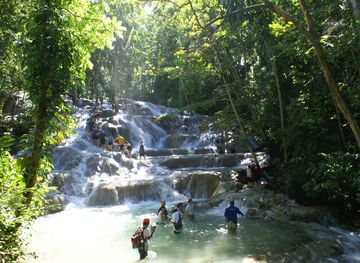
Explore more of Jamaica
Discover Jamaica: A Caribbean paradise with stunning beaches, rich culture, and thrilling adventures. Experience the island's vibrant music, delicious cuisine, and warm hospitality.
Explore Jamaica