

Free St. Thomas Lowlands Travel Guide & Mobile App
Explore St. Thomas Lowlands with free travel guides. Discover regional history, expert tips, proposed trips, and audio guides on web or mobile app.


Explore St Thomas Lowlands in eastern Jamaica for Morant Bay history, coastal villages, beaches, river landscapes and a quieter Jamaican rhythm.
Read more about St. Thomas Lowlands
When is the best time to visit St. Thomas Lowlands?
Best: January–March · 29°C| Month | High (°C) | Rainfall (mm) |
|---|---|---|
| January (best) | 29 | 41 |
| February (best) | 29 | 35 |
| March (best) | 29 | 46 |
| April | 30 | 55 |
| May | 30 | 66 |
| June | 31 | 76 |
| July | 31 | 80 |
| August | 31 | 86 |
| September | 31 | 80 |
| October | 30 | 75 |
| November | 29 | 65 |
| December | 29 | 55 |
Getting to and around St. Thomas Lowlands
How to get there
Transportation
Top city travel guides in St. Thomas Lowlands
The cities of St. Thomas Lowlands, and the easiest places to base yourself.

Swipe for more cities
Best attractions in St. Thomas Lowlands
St Thomas Lowlands offers a compact but varied collection of historical, coastal and community-based attractions. Morant Bay is the essential starting point, with the courthouse area and memorial sites explaining the events of 1865 and their importance to Jamaica’s constitutional history. Along the coast, Lyssons Beach provides a more conventional seaside stop, while Port Morant and smaller fishing communities offer glimpses of the region’s maritime economy. Morant Point Lighthouse, near Jamaica’s eastern tip, is a significant destination for travellers interested in navigation and coastal heritage, although access and facilities should be checked locally. The Yallahs area combines river landscapes, cultivated lowlands and busy local commerce, and the roads inland reveal a more agricultural side of the parish. Visitors can also seek out churches, old public buildings, roadside food culture and views across the coastal plain. The attraction landscape is less about a concentration of ticketed sites than about connecting several modest places through a coastal journey, with historical interpretation and everyday Jamaican life sharing the same setting.
-
Travel lounge
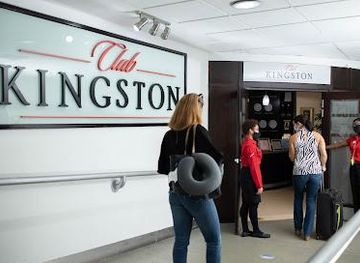
Club Kingston - VIP Airport Lounge / VIP Attractions
Discover the luxury of Club Kingston - your ultimate VIP airport lounge experience at Norman Manley International Airport in Kingston, Jamaica.
Best landmarks in St. Thomas Lowlands
The Morant Bay Courthouse is the defining historic landmark of St Thomas Lowlands. Its association with the Morant Bay Rebellion gives the building and surrounding civic area significance far beyond their architectural scale, linking the region to Jamaica’s struggles over representation, justice and colonial rule. Memorials connected with Paul Bogle and the rebellion reinforce Morant Bay’s role as a place of national remembrance. At the eastern end of the lowlands, Morant Point Lighthouse is a prominent maritime landmark and an important marker of Jamaica’s exposed southeastern coast. The coastal settlements of Port Morant and the Yallahs area contribute a different kind of landmark character through their harbours, river approaches and long-established transport routes. Churches, public buildings and surviving traces of plantation-era settlement appear across the lowlands, although they are often dispersed and modest rather than preserved as a single historic quarter. Together these places express the region’s central themes: colonial power, African Jamaican resistance, agriculture, seafaring and the continuing importance of the coast.
-
Botanical garden
Castleton Botanical Gardens
Escape to tranquility at Castleton Botanical Gardens: a historic Jamaican paradise of lush greenery, exotic plants, and the soothing Wag Water River.
-
Tourist attraction
Reggae Falls Travel & Tours
Discover Reggae Falls in St. Thomas: Where Jamaican history meets natural beauty in a refreshing, cascading waterfall experience.
-
 Hotel
HotelThe Liguanea Club
Experience Jamaican hospitality at The Liguanea Club in Kingston: sports, recreation, dining, and a rich historical heritage await!
-
Tourist attraction
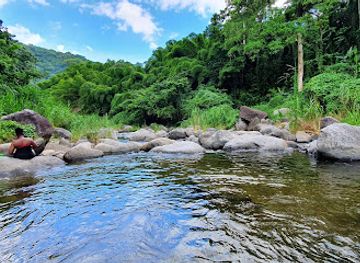
Roaring River and Cave
Explore the natural beauty and rich history of Roaring River and Cave in Jamaica, a mesmerizing blend of pristine river and ancient caves.
Explore St. Thomas Lowlands on the map
Plan your trip on one map. See where the top cities, national parks and sights are, and book hotels and experiences in a few clicks.
Best hotels in St. Thomas Lowlands
Best restaurants in St. Thomas Lowlands
Dining in St Thomas Lowlands is rooted in Jamaican home-style cooking, roadside stalls, small restaurants and the food served by guesthouses rather than in a large formal restaurant scene. Expect rice and peas, curried chicken or goat, brown-stew dishes, fried fish, escovitch-style fish, soups, patties and festival, with jerk-seasoned meat available in some locations. Coastal settlements may offer freshly prepared fish and seafood, while peppered shrimp is associated with Jamaica’s eastern coastal food culture, particularly around the wider St Thomas and Portland area. Fruit, coconut, ground provisions and seasonal produce reflect the agricultural hinterland. Morant Bay and Yallahs have the greatest choice of everyday cafés, cookshops and takeaway counters, while dining options become more limited in smaller communities. Carry cash and expect service to be informal and unhurried. Food markets and roadside vendors can be rewarding, but choose busy stalls with good turnover and food that is cooked or reheated thoroughly.
-
Seafood
Gloria's
Experience authentic Caribbean flavors at Gloria's Seafood in Port Royal - where fresh catches meet local culture.
-
Restaurant
Plantation Smokehouse
Experience authentic Caribbean cuisine at Plantation Smokehouse in Priory Saint Anns Bay – where every bite tells a story.
-
Restaurant
South Avenue Grill
Discover authentic Caribbean cuisine at South Avenue Grill in Kingston - where every meal is a celebration of flavor!
-
Jamaican
Little Ochie Seafood Restaurant & Bar
Experience authentic Jamaican seafood at Little Ochie Seafood Restaurant & Bar – where flavor meets ocean views!

Best bars in St. Thomas Lowlands
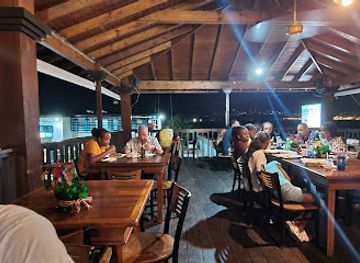
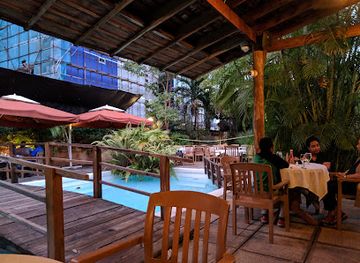
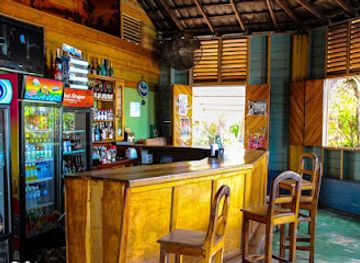
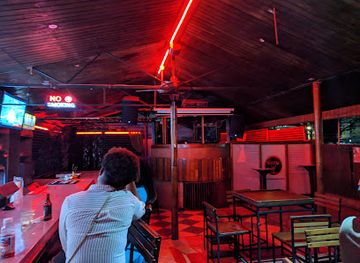
Evening life in St Thomas Lowlands is generally centred on rum bars, neighbourhood pubs, small restaurants, sound-system events and social gatherings rather than a concentrated nightclub district. Morant Bay and Yallahs offer the broadest choice of places to meet locally, while Port Morant and coastal communities have a quieter evening atmosphere shaped by fishing, family life and small-scale commerce. Live music and dance events may occur at particular times, but they are often locally organised and should not be treated as fixed tourist attractions. Accommodation providers can advise on current events and suitable transport home. Visitors should avoid assuming that a brightly lit bar represents a formal nightlife venue, and should arrange a return journey when staying outside the main towns. Jamaican beer, rum-based drinks and soft drinks are widely available, but alcohol is not necessary to appreciate the region’s evening culture.
-
Caribbean
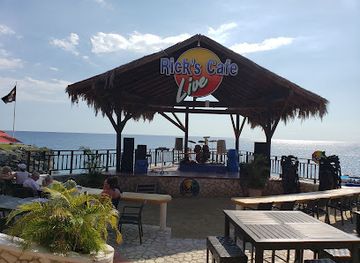
Rick's Cafe
Discover the vibrant atmosphere of Rick's Cafe in Negril, where delicious Caribbean cuisine meets breathtaking ocean views and thrilling cliff diving.
-
Restaurant
Margaritaville Montego Bay
Discover the vibrant flavors and lively atmosphere at Margaritaville Montego Bay – a perfect blend of Caribbean cuisine and entertainment.
-
Travel lounge
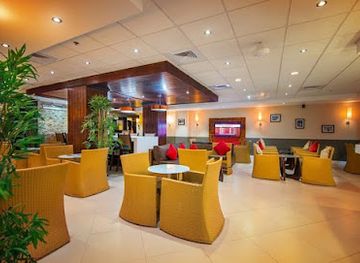
Club Mobay
Experience ultimate comfort and relaxation at Club Mobay, the premier travel lounge at Sangster International Airport in Montego Bay, Jamaica.
-
Grill
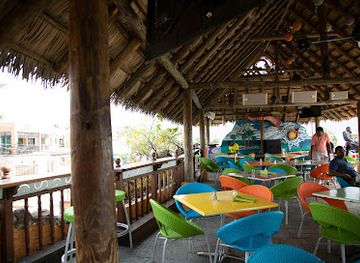
Floyd's Pelican Bar
Experience the best of Jamaican culture with fresh seafood, tropical drinks, and stunning ocean views at Floyd's Pelican Bar.
Best nightclubs in St. Thomas Lowlands
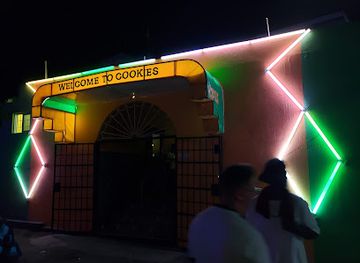
Evening life in St Thomas Lowlands is generally centred on rum bars, neighbourhood pubs, small restaurants, sound-system events and social gatherings rather than a concentrated nightclub district. Morant Bay and Yallahs offer the broadest choice of places to meet locally, while Port Morant and coastal communities have a quieter evening atmosphere shaped by fishing, family life and small-scale commerce. Live music and dance events may occur at particular times, but they are often locally organised and should not be treated as fixed tourist attractions. Accommodation providers can advise on current events and suitable transport home. Visitors should avoid assuming that a brightly lit bar represents a formal nightlife venue, and should arrange a return journey when staying outside the main towns. Jamaican beer, rum-based drinks and soft drinks are widely available, but alcohol is not necessary to appreciate the region’s evening culture.
-
Grill
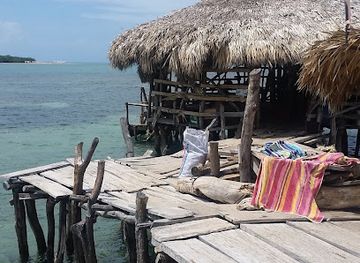
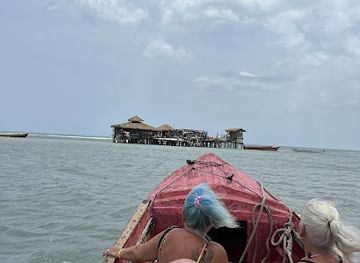
Floyd's Pelican Bar
Experience the best of Jamaican cuisine at Floyd's Pelican Bar, a beachfront grill known for fresh seafood and stunning Caribbean views.
-
Bar
Escape 24\7 Bar & Grill
Experience the vibrant atmosphere at Escape 24/7 Bar & Grill in Kingston, where local flavors meet lively nightlife and unforgettable moments.
-
Bar
Kingston Dub Club
Immerse yourself in Kingston's vibrant reggae scene at the Kingston Dub Club, a cultural center that celebrates music, community, and unforgettable views.
-
Night club
Go Go Club
Discover the heartbeat of Portmore nightlife at Go Go Club, where vibrant music and an energetic crowd create unforgettable nights.

Best shops in St. Thomas Lowlands
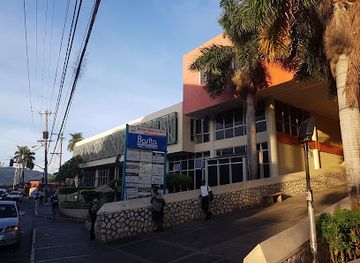
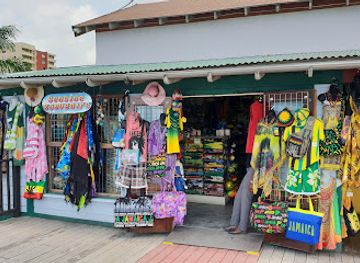
Shopping in St Thomas Lowlands is practical and local, with Morant Bay and Yallahs providing the main concentrations of supermarkets, pharmacies, clothing shops, small malls, market stalls and everyday services. Visitors will find better opportunities for browsing local produce and prepared foods than for dedicated souvenir shopping. Seasonal fruit, vegetables, coconut products, baked goods, Jamaican sauces, spices and snacks can be purchased from markets and small vendors, while craft items may appear through informal sales rather than permanent galleries. Port Morant and coastal communities are useful places to look for locally caught fish, although visitors should buy only through legitimate sellers and observe any restrictions on taking seafood away. Independent shops and roadside stalls vary in opening arrangements, so carry cash and avoid planning an itinerary around a single vendor. For a more polished selection of Jamaican gifts and branded goods, Kingston is a larger nearby retail centre outside the region; within St Thomas Lowlands, the strongest shopping experience lies in observing and supporting ordinary community commerce.
-
Shopping mall
Baywest Shopping Centre
Explore the vibrant Baywest Shopping Centre in Montego Bay, where shopping, dining, and entertainment come together for an unforgettable experience.
-
Shopping mall
Island Village Jamaica
Explore Island Village Jamaica, where shopping meets local culture in the heart of Ocho Rios, offering unique crafts, delicious cuisine, and vibrant entertainment.
-
Resort hotel
Beaches Ocho Rios
Experience the ultimate luxury at Beaches Ocho Rios, where breathtaking beaches and endless family fun await in Jamaica's paradise.
-
Resort hotel
Beaches Negril
Experience the ultimate family-friendly luxury at Beaches Negril, Jamaica's premier all-inclusive resort with stunning beaches and endless activities.
Get your free copy of our complete guide to St. Thomas Lowlands, delivered straight to you.
Everything on this page, from attractions and restaurants to essentials and local phrases, in one PDF you can read offline, print or share.
Already have an account? Sign in
Your St. Thomas Lowlands guide is ready.
We'll send it to · Not you? Sign out

Getting your guide ready…
We are putting together a fresh copy of the St. Thomas Lowlands guide. This can take up to a minute.
This can take a few moments. If your browser asks, choose Allow so the download can start. You'll find the guide in your Downloads folder.
Nothing happened? Download it again
Sorry, the guide is taking longer than usual. Please try again in a minute, or get it by email instead.
St. Thomas Lowlands essentials
Currency and Payment
Safety
Emergency Situations
Do's and Don'ts
Local Tips
From Eve
Local phrases worth knowing
You don't need to get them perfect. A few words go a long way, and locals appreciate the effort.
Basics
| English | Local | Say it |
|---|---|---|
| Hello | Wah gwaan | [Wah gwaan] |
| Goodbye | Likkle more | [Likkle more] |
| Yes | Yea | [Yea] |
| No | No | [No] |
| Please/You're welcome | Pleas/No problem | [Pleas/No problem] |
| Thank you | Tanks | [Tanks] |
| Excuse me/Sorry | Scuse mi/Sorry | [Scuse mi/Sorry] |
| How are you? | How yuh stay? | [How yuh stay?] |
| Fine. And you? | Mi deh yah. An yuh? | [Mi deh yah. An yuh?] |
| Do you speak English? | Yuh speak English? | [Yuh speak English?] |
| I don't understand | Mi nuh understand | [Mi nuh understand] |
Eating & Drinking
| English | Local | Say it |
|---|---|---|
| I'd like to see the menu, please | Mi wud like fi si di menu, please | [Mi wud like fi si di menu, please] |
| I don't eat meat | Mi nuh eat meat | [Mi nuh eat meat] |
| Cheers! | Cheers! | [Cheers!] |
| I would like to pay, please | Mi wud like fi pay, please | [Mi wud like fi pay, please] |
Emergencies
| English | Local | Say it |
|---|---|---|
| Help! | Help! | [Help!] |
| Go away! | Guh weh! | [Guh weh!] |
| Call the Police! | Call di Police! | [Call di Police!] |
| Call a doctor! | Call a doctor! | [Call a doctor!] |
| I'm lost | Mi lost | [Mi lost] |
| I'm ill | Mi sick | [Mi sick] |
Shopping
| English | Local | Say it |
|---|---|---|
| I'd like to buy... | Mi wud like fi buy... | [Mi wud like fi buy...] |
| I'm just looking | Mi a just a look | [Mi a just a look] |
| How much is it? | Ow much dat? | [Ow much dat?] |
| That's too expensive | Dat too expensive | [Dat too expensive] |
| Can you lower the price? | Yuh can lower di price? | [Yuh can lower di price?] |
Time & Numbers
| English | Local | Say it |
|---|---|---|
| What time is it? | Wah time it? | [Wah time it?] |
| It's one o'clock | A one o'clock | [A one o'clock] |
| Half past (10) | Half past ten | [Half past ten] |
| Morning | Mornin' | [Mornin'] |
| Afternoon | Afternoon | [Afternoon] |
| Evening | Evenin' | [Evenin'] |
| Yesterday | Yesterday | [Yesterday] |
| Today | Today | [Today] |
| Tomorrow | Tomorrow | [Tomorrow] |
| 1 | One | [One] |
| 2 | Two | [Two] |
| 3 | Three | [Three] |
| 4 | Four | [Four] |
| 5 | Five | [Five] |
| 6 | Six | [Six] |
| 7 | Seven | [Seven] |
| 8 | Eight | [Eight] |
| 9 | Nine | [Nine] |
| 10 | Ten | [Ten] |
Transport & Directions
| English | Local | Say it |
|---|---|---|
| Where's a/the...? | Whey di...? | [Whey di...?] |
| What's the address? | Wah di address? | [Wah di address?] |
| Can you show me (on the map)? | Yuh can show mi (pon di map)? | [Yuh can show mi (pon di map)?] |
| When's the next (bus)? | When di next (bus)? | [When di next (bus)?] |
| A ticket (to ....) | A ticket (to ....) | [A ticket (to ....)] |
History of St. Thomas Lowlands
Taíno Settlement and the Pre-Colonial Coast
Before European colonisation, Jamaica was inhabited by Taíno communities whose settlements and movements were connected to the island’s rivers, coastal plains and marine resources. The lowlands of present-day St Thomas offered access to fishing grounds, fertile soils and routes between the coast and the interior. Much of the visible landscape was later reshaped by colonial agriculture, but the region forms part of Jamaica’s wider Taíno archaeological heritage. Visitors should distinguish surviving evidence and documented archaeology from later folklore, since many early sites have been altered by settlement, farming and coastal development.
Spanish and English Colonial Expansion
Spanish control of Jamaica began in the sixteenth century, followed by English conquest in 1655. Under English rule, the coastal plain and river valleys of St Thomas became part of a plantation economy dependent on enslaved African labour. Port Morant developed as an important harbour for local trade and agricultural exports, while roads and settlements connected estates with the coast. The colonial landscape introduced churches, estate boundaries and commercial networks that continued to influence the parish long after emancipation, although many plantation structures have not survived intact.
Plantation Agriculture and Emancipation
Sugar, cattle, pimento and other agricultural activities shaped the economy of the St Thomas lowlands during the eighteenth and nineteenth centuries. Enslaved people created much of the wealth of the plantation system, while their cultural knowledge and resistance helped shape Jamaican society. Emancipation in 1834, followed by full freedom in 1838, transformed labour relations but did not remove economic inequality. Small farming, wage labour and coastal trading remained central to communities around Morant Bay, Port Morant and the surrounding lowlands.
The Morant Bay Rebellion, 1865
Morant Bay was the setting for one of the defining events in Jamaica’s modern political history. In October 1865, a protest led by Paul Bogle and supported by residents from St Thomas was met with violence, followed by the declaration of martial law and the execution of many people, including Bogle. The response provoked intense debate in Britain and contributed to the end of Jamaica’s elected Assembly and the establishment of Crown Colony government. The courthouse and memorial landscape at Morant Bay preserve the region’s connection to this turning point.
Agriculture, Harbours and the Eastern Railway Era
During the late nineteenth and early twentieth centuries, eastern Jamaica’s economy continued to depend on agriculture, coastal shipping and connections with larger Jamaican markets. Banana cultivation, sugar production and other crops influenced settlement patterns, while harbours such as Port Morant supported the movement of produce and supplies. Railway development elsewhere in Jamaica strengthened the island’s internal commercial links, even though the lowlands remained more dependent on roads and coastal routes than the major urban centres. The region’s present mixture of farms, villages and transport corridors reflects these long economic transitions.
Modern Parish Development and Cultural Memory
After Jamaica’s independence in 1962, St Thomas Lowlands remained primarily a rural and small-town region, with Morant Bay serving as the parish capital and Yallahs connecting the area to Kingston. Roads, schools, public institutions and communications have expanded, but agriculture, fishing and informal commerce continue to shape daily life. The memory of the Morant Bay Rebellion has become increasingly important to national discussions of freedom, justice and political representation. Contemporary visitors encounter that history alongside living communities rather than in an isolated heritage landscape.
St. Thomas Lowlands in Photos
Browse through our photo collection highlighting the charm and character of the destination.
Neighbouring regions of St. Thomas Lowlands
The closest regions to St. Thomas Lowlands, if you have time for more than one.
-

-

-

-

-


Swipe for more regions
Explore more
Explore more of Jamaica
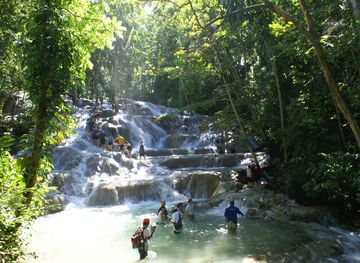
Discover Jamaica: A Caribbean paradise with stunning beaches, rich culture, and thrilling adventures. Experience the island's vibrant music, delicious cuisine, and warm hospitality.
Explore Jamaica