

Free Port Antonio Area Travel Guide & Mobile App
Explore Port Antonio Area with free travel guides. Discover regional history, expert tips, proposed trips, and audio guides on web or mobile app.


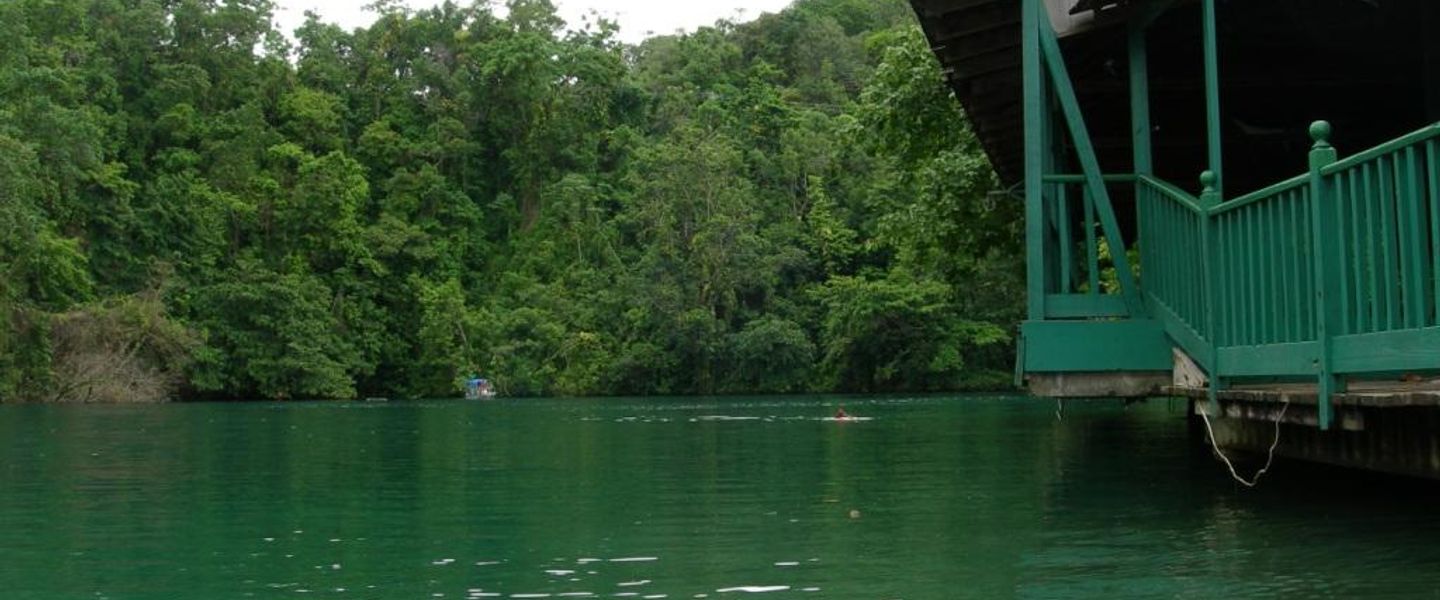


Explore Port Antonio’s rainforest valleys, river trips, beaches, jerk cooking and historic harbour on Jamaica’s north-east coast.
Read more about Port Antonio Area
When is the best time to visit Port Antonio Area?
Best: January–March · 28–29°C| Month | High (°C) | Rainfall (mm) |
|---|---|---|
| January (best) | 28 | 75 |
| February (best) | 28 | 65 |
| March (best) | 29 | 75 |
| April | 29 | 80 |
| May | 30 | 115 |
| June | 31 | 120 |
| July | 31 | 110 |
| August | 31 | 120 |
| September | 31 | 130 |
| October | 30 | 145 |
| November | 29 | 130 |
| December | 28 | 110 |
Getting to and around Port Antonio Area
How to get there
Transportation
Top city travel guides in Port Antonio Area
The cities of Port Antonio Area, and the easiest places to base yourself.
-

-


Swipe for more cities
Best attractions in Port Antonio Area
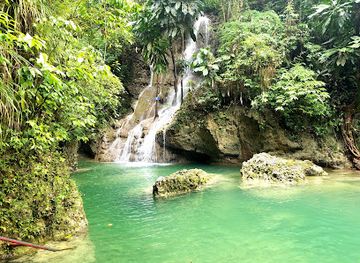
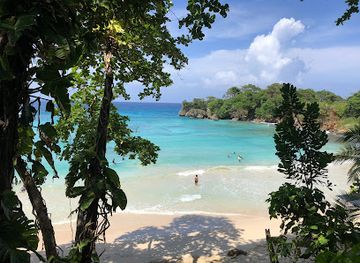
The Port Antonio Area offers a varied collection of coastal, river and countryside experiences rather than a concentrated resort strip. Sheltered waters around the Blue Lagoon, Frenchman’s Cove and San San attract visitors for swimming, boating and scenery, while Winnifred Beach provides a more community-oriented beach setting and Boston Bay is associated with surfing and jerk cooking. Inland, Reach Falls presents a series of river cascades in a forested setting, and the Rio Grande valley is best explored by traditional bamboo raft. Nature-focused visitors can arrange walks, birdwatching and countryside excursions in the Portland hills, where cultivation and forest alternate along winding roads. Moore Town provides an important cultural dimension through its Maroon history and community heritage. Port Antonio itself offers harbour views, local markets, waterfront activity and access to Navy Island when arrangements and conditions permit. The area also rewards slower exploration of small settlements, roadside produce stalls, coves and viewpoints that are part of the landscape rather than formal attractions.
-
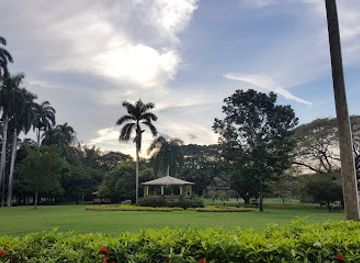
Botanical garden
Hope Botanical Gardens
Explore the lush landscapes and diverse flora of Hope Botanical Gardens, a tranquil oasis in Kingston, Jamaica, perfect for nature lovers and travelers alike.
-
Tourist attraction
Somerset Falls
Explore Somerset Falls, a stunning natural wonder in Hope Bay, Jamaica, featuring cascading waterfalls, swimming pools, and local cuisine in a tropical paradise.
-
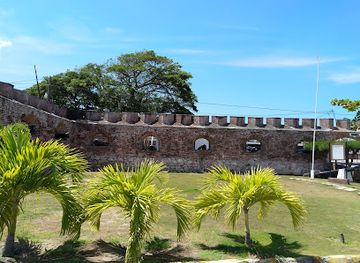
Fortress
Fort Charles
Explore Fort Charles, a historic fortress in Port Royal, Jamaica, rich in maritime history and stunning coastal views, perfect for every traveler.
-
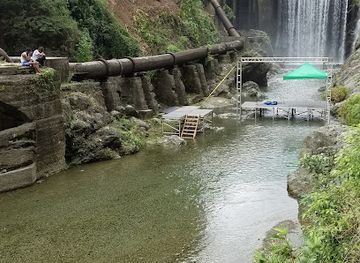
Tourist attraction
Reggae Falls Travel & Tours
Experience the beauty of Reggae Falls in Morant Bay, Jamaica, where nature meets vibrant culture amidst picturesque scenery.

Best landmarks in Port Antonio Area
Port Antonio’s most recognisable landmarks are closely tied to water, trade and the surrounding landscape. The town’s two harbours define its geography and explain its historical importance as a port, while the Errol Flynn Marina reflects the area’s twentieth-century association with yachting and film celebrity. Inland and east along the coast, the Blue Lagoon is a distinctive deep-water inlet framed by dense vegetation, although swimming and boat conditions should be assessed locally. Reach Falls is both a natural landmark and a visible expression of Portland’s river-cut terrain, with cascades descending through forest near the eastern parish coast. The Rio Grande is another defining geographical feature, linking the mountains to the sea and shaping the valley’s agricultural and rafting traditions. Boston Bay’s curving shoreline and surf make it one of the area’s best-known coastal scenes. Moore Town’s cultural significance lies less in monumental architecture than in its continuing connection with Maroon history, while the surrounding hills and valleys provide the broader setting that distinguishes Portland from Jamaica’s more developed resort coasts.
-
Tourist attraction
Somerset Falls
Discover the beauty and tranquility of Somerset Falls in Portland, Jamaica, a historic site with cascading waterfalls and lush tropical gardens.
-
 Resort hotel
Great Huts Resort
Experience Jamaica's soul at Great Huts Resort: Where African heritage meets Caribbean paradise on the cliffs of Boston Bay. A unique eco-cultural escape.
-
Beach
Boston Beach
Experience Jamaica's surf culture and savor authentic jerk cuisine at Boston Beach, a unique destination on the island's northeastern coast.
-
Historical place
Folly Ruins
Discover the historic Folly Ruins in Port Antonio: a beautiful, haunting reminder of Jamaica's opulent past set against stunning Caribbean views.

Explore Port Antonio Area on the map
Plan your trip on one map. See where the top cities, national parks and sights are, and book hotels and experiences in a few clicks.
Best hotels in Port Antonio Area
Best restaurants in Port Antonio Area
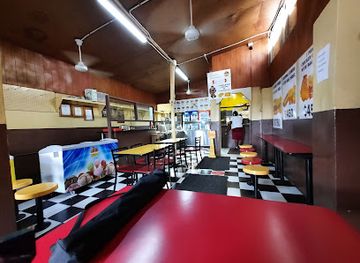
Dining in the Port Antonio Area is closely connected to Jamaica’s produce, fishing communities and roadside food culture. Jerk cooking is particularly associated with Portland and is widely encountered around Boston Bay and elsewhere, with pork, chicken, fish and other ingredients seasoned, smoked or grilled according to each cook’s method. Menus commonly include rice and peas, festival, fried or steamed fish, roast breadfruit, bammy, plantain and seasonal fruit. Port Antonio has a mixture of casual eateries, cafés, hotel restaurants and places specialising in seafood, while smaller coastal and rural communities tend to rely on modest cookshops and roadside vendors. Ask what is freshly available, as dishes may depend on the day’s catch or harvest. Local drinks and fruit preparations complement meals, and Jamaican Blue Mountain coffee is grown in the wider mountainous region, though not every cup served locally is necessarily produced nearby. Dining is generally relaxed, but advance arrangements are sensible for meals in smaller accommodation properties.
-
Tourist attraction
Somerset Falls
Experience the enchanting beauty of Somerset Falls - a hidden gem with cascading waterfalls and lush surroundings perfect for relaxation and adventure.
-
Restaurant
Roots 21 Bar & Kitchen
Experience authentic Jamaican flavors at Roots 21 Bar & Kitchen, where culinary excellence meets warm hospitality in Port Antonio.
-
Jamaican
Portland Jerk Centre
Discover the vibrant tastes of Jamaica at Portland Jerk Centre—where authentic flavors meet local charm in Port Antonio.
-
Restaurant
Di Hip Strip Ultra Lounge
Savor authentic Jamaican cuisine at Di Hip Strip Ultra Lounge – where culinary excellence meets vibrant nightlife in Port Antonio.
Best bars in Port Antonio Area
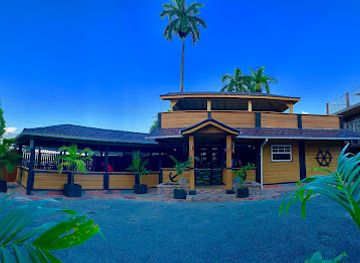
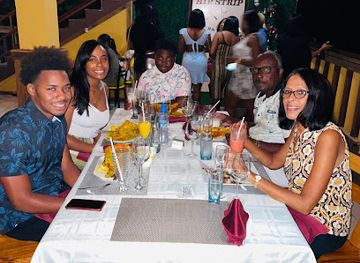
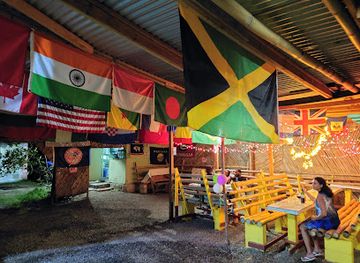
Evening life in the Port Antonio Area is relatively low-key and centres on local bars, hotel lounges, restaurants, waterfront venues and occasional live music rather than a large club circuit. Port Antonio provides the widest choice, with places near the harbour and main commercial streets offering drinks, conversation and an informal view of local social life. Along the coast, some accommodation and dining venues create a quieter evening atmosphere, while outdoor music and community events may be seasonal or arranged at short notice. Boston Bay and the beach communities can feel livelier at weekends or during holidays, but visitors should not expect a permanently active seafront nightlife district. Rural evenings are generally centred on small bars, family gatherings and food rather than late-night entertainment. Confirm transport before going out, particularly if staying beyond the town, and drink responsibly without treating alcohol as the main way to engage with Portland’s culture.
-
Restaurant
Roots 21 Bar & Kitchen
Discover authentic Jamaican cuisine at Roots 21 Bar & Kitchen, where vibrant flavors and local culture come together in Port Antonio.
-
Restaurant
Di Hip Strip Ultra Lounge
Discover the vibrant atmosphere and mouth-watering Caribbean cuisine at Di Hip Strip Ultra Lounge in Port Antonio, Jamaica.
-
Restaurant
Soldier Camp Bar& Grill
Discover the flavors of Jamaica at Soldier Camp Bar & Grill, a lively spot in Port Antonio offering authentic cuisine and a vibrant atmosphere.
-
Restaurant
658 Plates Restaurant
Discover the authentic taste of Jamaica at 658 Plates Restaurant, where every meal is a vibrant celebration of island flavors.
Best nightclubs in Port Antonio Area
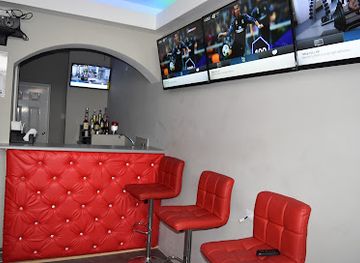
Evening life in the Port Antonio Area is relatively low-key and centres on local bars, hotel lounges, restaurants, waterfront venues and occasional live music rather than a large club circuit. Port Antonio provides the widest choice, with places near the harbour and main commercial streets offering drinks, conversation and an informal view of local social life. Along the coast, some accommodation and dining venues create a quieter evening atmosphere, while outdoor music and community events may be seasonal or arranged at short notice. Boston Bay and the beach communities can feel livelier at weekends or during holidays, but visitors should not expect a permanently active seafront nightlife district. Rural evenings are generally centred on small bars, family gatherings and food rather than late-night entertainment. Confirm transport before going out, particularly if staying beyond the town, and drink responsibly without treating alcohol as the main way to engage with Portland’s culture.
-
Bar
Oasis Sports Bar
Oasis Sports Bar in Hope Bay: An engaging sports bar experience with delicious food and a vibrant atmosphere, perfect for fans and friends alike.
-
Sports bar
Irie Vibes Sports Bar
Experience the vibrant atmosphere of Irie Vibes Sports Bar, where Caribbean flavors meet thrilling sports action in Port Antonio.
-
Bar
Purple Haze Bar
Experience the vibrant nightlife of Port Antonio at Purple Haze Bar, where great drinks and lively entertainment await.
-
Bar
TheZone Bar & Lounge
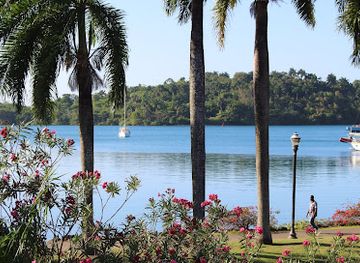
Experience the lively atmosphere and exceptional drinks at TheZone Bar & Lounge in Port Antonio, a perfect retreat for travelers seeking vibrant nightlife.
Best shops in Port Antonio Area
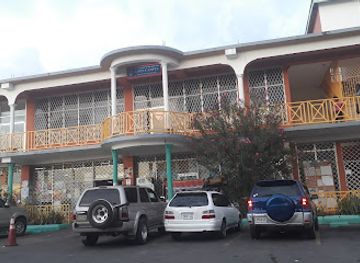
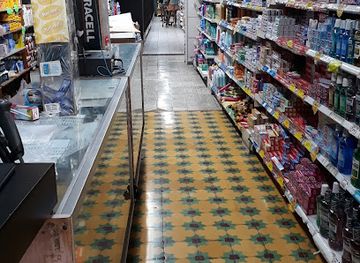
Shopping in the Port Antonio Area is primarily local and practical, with opportunities to browse produce stalls, small markets, independent shops and roadside craft sellers rather than large retail complexes. Port Antonio is the main commercial centre for groceries, clothing, household goods and everyday supplies, while smaller communities along the coast offer fruit, snacks and locally prepared food. Visitors may find carved wood, woven items, paintings, jewellery and other crafts, but stock and quality vary, so buy directly from makers where possible and ask about materials and provenance. Packaged jerk seasoning, coffee, rum, fruit preserves and other Jamaican food products make useful gifts, subject to airline and customs rules. Markets are best approached as places to observe everyday commerce as well as to shop, and polite bargaining may be possible for some crafts but is not appropriate everywhere. Rural roadside stands often sell seasonal produce such as bananas, plantains, pineapples and coconuts, giving visitors a direct connection with Portland’s agricultural economy.
-
Shopping mall
Ramtulla Supercentre/ Hardware
Explore Ramtulla Supercentre in Port Antonio for a unique shopping experience filled with local crafts and essential goods in a vibrant atmosphere.
-
Grocery store
Kamal's Supermarket & Cambio
Explore local flavors and convenient services at Kamal's Supermarket & Cambio in Port Antonio, your go-to spot for groceries and currency exchange.
-
Shopping mall
Royal Mall
Explore Port Antonio's Royal Mall for a unique shopping and dining experience, blending local culture with modern retail delights.
-
Shopping mall
City Centre Plaza
Discover the bustling City Centre Plaza in Port Antonio, a shopping haven with diverse stores, delicious dining options, and a vibrant local atmosphere.
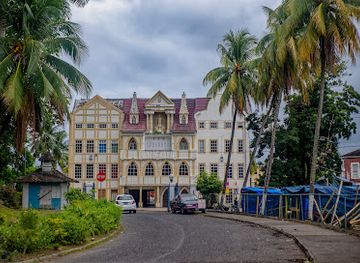
Get your free copy of our complete guide to Port Antonio Area, delivered straight to you.
Everything on this page, from attractions and restaurants to essentials and local phrases, in one PDF you can read offline, print or share.
Already have an account? Sign in
Your Port Antonio Area guide is ready.
We'll send it to · Not you? Sign out

Getting your guide ready…
We are putting together a fresh copy of the Port Antonio Area guide. This can take up to a minute.
This can take a few moments. If your browser asks, choose Allow so the download can start. You'll find the guide in your Downloads folder.
Nothing happened? Download it again
Sorry, the guide is taking longer than usual. Please try again in a minute, or get it by email instead.
Port Antonio Area essentials
Currency and Payment
Safety
Emergency Situations
Do's and Don'ts
Local Tips
From Eve
Local phrases worth knowing
You don't need to get them perfect. A few words go a long way, and locals appreciate the effort.
Basics
| English | Local | Say it |
|---|---|---|
| Hello | Wah Gwan | [Wah Gwan] |
| Goodbye | Likkle more | [Likkle more] |
| Yes | Yea | [Yea] |
| No | Nuh | [Nuh] |
| Please/You're welcome | No problem | [No problam] |
| Thank you | Thanks | [Tanks] |
| Excuse me/Sorry | Mi sorry | [Mi sorry] |
| How are you? | How yuh do? | [How yuh do?] |
| Fine. And you? | Mi deh yah. An yuh? | [Mi deh yah. An yuh?] |
| Do you speak English? | Yuh speak English? | [Yuh speak English?] |
| I don't understand | Mi nuh undastand | [Mi nuh undastand] |
Eating & Drinking
| English | Local | Say it |
|---|---|---|
| I'd like to see the menu, please | Mi wuda si di menu, please | [Mi wuda si di menu, please] |
| I don't eat meat | Mi nuh eat meat | [Mi nuh eat meat] |
| Cheers! | Skal! | [Skal!] |
| I would like to pay, please | Mi wuda like fi pay, please | [Mi wuda like fi pay, please] |
Emergencies
| English | Local | Say it |
|---|---|---|
| Help! | Help! | [Help!] |
| Go away! | Go weh! | [Go weh!] |
| Call the Police! | Call di police! | [Call di police!] |
| Call a doctor! | Call a doctor! | [Call a doctor!] |
| I'm lost | Mi lost | [Mi lost] |
| I'm ill | Mi sick | [Mi sick] |
Shopping
| English | Local | Say it |
|---|---|---|
| I'd like to buy... | Mi wuda buy... | [Mi wuda buy...] |
| I'm just looking | Mi just a look | [Mi just a look] |
| How much is it? | How much dat? | [How much dat?] |
| That's too expensive | Dat too pricey | [Dat too pricey] |
| Can you lower the price? | Yuh can lower di price? | [Yuh can lower di price?] |
Time & Numbers
| English | Local | Say it |
|---|---|---|
| What time is it? | Wah time it? | [Wah time it?] |
| It's one o'clock | A one o'clock | [A one o'clock] |
| Half past (10) | Half past ten | [Half past ten] |
| Morning | Mornin' | [Mornin'] |
| Afternoon | Afternoon | [Afternoon] |
| Evening | Evenin' | [Evenin'] |
| Yesterday | Yesterday | [Yesterday] |
| Today | Today | [Today] |
| Tomorrow | Tomorrow | [Tomorrow] |
| 1 | One | [One] |
| 2 | Two | [Two] |
| 3 | Three | [Three] |
| 4 | Four | [Four] |
| 5 | Five | [Five] |
| 6 | Six | [Six] |
| 7 | Seven | [Seven] |
| 8 | Eight | [Eight] |
| 9 | Nine | [Nine] |
| 10 | Ten | [Ten] |
Transport & Directions
| English | Local | Say it |
|---|---|---|
| Where's a/the...? | Whey di...? | [Whey di...?] |
| What's the address? | Wah di address? | [Wah di address?] |
| Can you show me (on the map)? | Yuh can show mi (pan di map)? | [Yuh can show mi (pan di map)?] |
| When's the next (bus)? | When di next (bus)? | [When di next (bus)?] |
| A ticket (to....) | A ticket (to....) | [A ticket (to....)] |
History of Port Antonio Area
Taíno Settlement Before European Colonisation
Before European arrival, Jamaica was inhabited by Taíno communities whose economy combined cultivation, fishing and trade. Portland’s rivers, sheltered bays and fertile coastal valleys provided suitable conditions for settlement, although much of the archaeological evidence is less visible to visitors than later colonial architecture. Place names and aspects of Jamaica’s food and material culture preserve Indigenous influences alongside those introduced by later populations. The area’s natural geography, especially its productive waters and river corridors, has continued to shape settlement and local livelihoods.
Spanish and English Rule in Jamaica
Spain claimed Jamaica after 1494, but England seized the island in 1655 and consolidated colonial control during the later seventeenth century. Portland’s north-eastern position placed it within the wider plantation and maritime economy of colonial Jamaica, though its mountainous terrain limited development in comparison with flatter districts. European rule brought profound disruption to Indigenous communities and expanded the forced migration and enslavement of Africans, whose descendants became central to the island’s society, agriculture and culture.
Maroons and the Eastern Mountains
Escaped enslaved Africans formed independent Maroon communities in Jamaica’s mountainous interior. Moore Town, in the Portland area, is one of the principal historic Maroon communities and remains an important centre of Maroon cultural identity. The formal recognition of Maroon autonomy after the treaties of the 1730s shaped the political history of eastern Jamaica. Music, oral traditions, ceremonies and knowledge of the mountain environment continue to carry this history, which should be approached as living heritage rather than simply as a colonial-era story.
The Development of Port Antonio
Port Antonio grew as a harbour serving the plantations and farms of Portland. Its sheltered waters offered an outlet for agricultural products and connected the district to coastal shipping. Roads, wharves and other infrastructure gradually strengthened the town’s role as a regional centre, while the surrounding terrain continued to keep settlement relatively dispersed. The harbour remains one of the clearest physical reminders that Port Antonio developed as a working port before becoming known internationally for coastal tourism.
Banana Trade and Industrial Change
From the nineteenth century into the early twentieth century, bananas became particularly important to Portland’s economy. Produce from inland farms was moved towards Port Antonio for export, helping to create commercial links between rural communities, the harbour and overseas markets. American business interests, including the United Fruit Company, played a major role in Jamaica’s banana industry and in the development of transport and port infrastructure. The trade later declined, but agriculture and food production remain important parts of Portland’s regional identity.
Port Antonio, Film and Errol Flynn
During the twentieth century Port Antonio acquired an international reputation through tourism, yachting and film connections. Actor Errol Flynn became closely associated with the area after visiting and acquiring property in Jamaica, helping to popularise its image among overseas visitors. The association is commemorated in names such as the Errol Flynn Marina, although it forms only one layer of the town’s history. The continuing importance of farming, fishing and local communities provides a broader context for understanding the region beyond its celebrity era.
Modern Portland: Tourism, Culture and Conservation
Contemporary Portland combines small-scale tourism with agriculture, fishing, community life and environmental stewardship. Rivers, forests, beaches and coastal wetlands support recreation while also requiring careful management. Cultural tourism connected with Maroon heritage, locally prepared food and community-based experiences has become increasingly significant, alongside established activities such as rafting and beach visits. The region’s modern character is therefore shaped by an ongoing balance between welcoming visitors, protecting sensitive landscapes and maintaining the livelihoods and traditions of its communities.
Port Antonio Area in Photos
Browse through our photo collection highlighting the charm and character of the destination.
Neighbouring regions of Port Antonio Area
The closest regions to Port Antonio Area, if you have time for more than one.
-

-

-

-

-


Swipe for more regions
Explore more
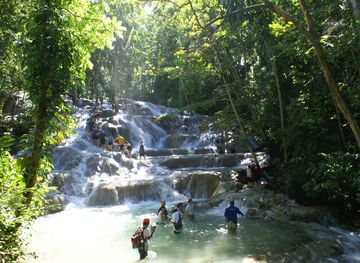
Explore more of Jamaica
Discover Jamaica: A Caribbean paradise with stunning beaches, rich culture, and thrilling adventures. Experience the island's vibrant music, delicious cuisine, and warm hospitality.
Explore Jamaica