

Free Surrey County Travel Guide & Mobile App
Explore Surrey County with free travel guides. Discover regional history, expert tips, proposed trips, and audio guides on web or mobile app.


Explore Surrey County in Jamaica for Kingston culture, Blue Mountain coffee, historic Port Royal, lush Portland and the eastern coast.
Read more about Surrey County
When is the best time to visit Surrey County?
Best: January–March · 28–29°C| Month | High (°C) | Rainfall (mm) |
|---|---|---|
| January (best) | 28 | 30 |
| February (best) | 28 | 30 |
| March (best) | 29 | 40 |
| April | 29 | 50 |
| May | 30 | 60 |
| June | 31 | 70 |
| July | 32 | 80 |
| August | 32 | 80 |
| September | 31 | 70 |
| October | 31 | 60 |
| November | 30 | 50 |
| December | 29 | 40 |
Getting to and around Surrey County
How to get there
Transportation
Top city travel guides in Surrey County
The cities of Surrey County, and the easiest places to base yourself.
-

-

-


Swipe for more cities
Destinations in Surrey County
Resorts, valleys and scenic spots worth a trip of their own.

Swipe for more destinations
Best attractions in Surrey County
Surrey County’s attractions range from Kingston’s museums, galleries, music venues and historic waterfront to mountain trails, coffee estates and rural communities. In Kingston, the National Gallery of Jamaica places Jamaican art in a national and Caribbean context, while the Bob Marley Museum explores one of the country’s most influential musical figures in his former home. Port Royal offers archaeology and maritime history on the edge of Kingston Harbour. The Blue and John Crow Mountains provide opportunities for guided hiking, birdwatching and visits connected with coffee cultivation and Maroon heritage. In St Thomas, Bath’s mineral springs and the historic landscape around Morant Bay offer a different perspective on eastern Jamaica. Portland brings together river rafting on the Rio Grande, forested interiors, sheltered coves, waterfalls and coastal viewpoints around Port Antonio. Experiences are often dispersed, and weather, road conditions and local access arrangements matter; the region is better suited to a sequence of well-planned visits than to a rapid checklist of attractions.
-
Travel lounge
Club Kingston - VIP Airport Lounge / VIP Attractions
Experience luxury and relaxation at Club Kingston, the premier VIP airport lounge at Norman Manley International Airport in Kingston, Jamaica.

Best landmarks in Surrey County
Kingston Harbour and the Palisadoes form one of Surrey County’s defining geographical features, linking the capital to the historic maritime settlement of Port Royal. Port Royal’s surviving fortifications, churches and archaeological remains recall the port’s seventeenth-century importance and the earthquake that transformed it in 1692. In central Kingston, the Georgian-style Devon House is a prominent reminder of the city’s nineteenth-century social and architectural history, while the National Heroes Park provides a major civic setting for national memorials. The Blue Mountains create the county’s strongest natural landmark, their steep ridges visible from Kingston and extending through St Andrew and St Thomas towards the John Crow range. Morant Bay’s civic and commemorative sites carry the memory of the 1865 rebellion, while Portland’s coastal headlands, river valleys and sheltered bays give the north-east a markedly different visual identity. These places matter not only for appearance but for the political, environmental and maritime stories attached to them.
-
Park
The World Famous Dunn's River Falls & Park
Experience Jamaica's iconic Dunn's River Falls: Climb the living waterfall, explore lush gardens, and bask on the beautiful beachfront near Ocho Rios.
-
Park
Emancipation Park
A symbol of Jamaican freedom and resilience, Emancipation Park offers a tranquil escape in the heart of New Kingston.
-
Museum
Bob Marley Museum
Explore the life and legacy of the King of Reggae at his former home, now the Bob Marley Museum, in Kingston, Jamaica.
-
Park
Saint William Grant Park
Discover Saint William Grant Park in Kingston: a serene escape with historical monuments, lush gardens, and cultural experiences.

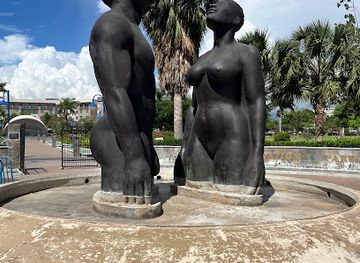


Explore Surrey County on the map
Plan your trip on one map. See where the top cities, national parks and sights are, and book hotels and experiences in a few clicks.
Best hotels in Surrey County
Best restaurants in Surrey County
Kingston is the culinary centre of Surrey County, with Jamaican classics, contemporary interpretations, international cooking, cafés and formal dining concentrated across the capital and St Andrew. Jerk chicken and pork are strongly associated with Jamaica generally and can be found in urban restaurants, roadside stands and rural food stops, while rice and peas, curried goat, patties, escovitch fish and ackee with saltfish reflect the island’s wider food culture. In Portland and St Thomas, fresh fish, seafood, fruit, root crops and simple locally cooked meals are especially prominent, though menus follow season and supply. Blue Mountain coffee is the region’s signature agricultural product and is best sampled through reputable farms, cafés or roasters that can explain its provenance. Markets and small eateries may provide more direct contact with local cooking than hotel restaurants, but visitors should choose busy, well-maintained establishments and confirm prices where no menu is displayed.
-
Seafood
Gloria's
Experience authentic Jamaican seafood at Gloria's in Port Royal - where fresh flavors meet rich cultural history.
-
Restaurant
South Avenue Grill
Experience authentic Jamaican cuisine at South Avenue Grill in Kingston - a culinary delight with an extensive menu for all tastes.
-
Seafood
Gloria's Seafood City
Experience the vibrant flavors of Jamaica at Gloria's Seafood City – where fresh seafood meets traditional culinary artistry.
-
Grill
CRU Bar and Kitchen
Experience delicious Jamaican grill cuisine at CRU Bar and Kitchen in New Kingston – where great food meets vibrant atmosphere.


Best bars in Surrey County
Kingston has the most developed evening scene in Surrey County, with cocktail bars, restaurants, live-music venues, cultural events and clubs spread across several commercial and entertainment areas rather than one single nightlife district. Reggae, dancehall, jazz and other forms of Jamaican music are central to the capital’s cultural life, although events and venues change frequently, so current local listings and accommodation advice are useful. In Port Antonio and other eastern towns, evenings are generally quieter and centre on hotel bars, restaurants, rum-based drinks, live music and informal gatherings rather than a large club circuit. Rural St Thomas and the mountain districts are better suited to dining, stargazing and early starts than late-night entertainment. Drink responsibly, arrange transport in advance and avoid assuming that a busy event or venue operates on a permanent schedule.
-
Grill
CRU Bar and Kitchen
Experience the vibrant flavors of Jamaican cuisine at CRU Bar and Kitchen, a must-visit grill in Kingston for food lovers and tourists alike.
-
Restaurant
Uncorked!
Explore Uncorked! in Kingston for an unforgettable culinary journey through fine cheeses and exquisite wines, a true gem for food enthusiasts.
-
Bar
Janga's Soundbar & Grill
Discover the taste of Jamaica at Janga's Soundbar & Grill, where vibrant atmosphere meets delicious cuisine and refreshing drinks.
-
Grill
The Pub Bar and Grill
Experience Kingston’s vibrant dining scene at The Pub Bar and Grill, where local flavors meet a lively atmosphere for unforgettable nights.


Best nightclubs in Surrey County
Kingston has the most developed evening scene in Surrey County, with cocktail bars, restaurants, live-music venues, cultural events and clubs spread across several commercial and entertainment areas rather than one single nightlife district. Reggae, dancehall, jazz and other forms of Jamaican music are central to the capital’s cultural life, although events and venues change frequently, so current local listings and accommodation advice are useful. In Port Antonio and other eastern towns, evenings are generally quieter and centre on hotel bars, restaurants, rum-based drinks, live music and informal gatherings rather than a large club circuit. Rural St Thomas and the mountain districts are better suited to dining, stargazing and early starts than late-night entertainment. Drink responsibly, arrange transport in advance and avoid assuming that a busy event or venue operates on a permanent schedule.
-
Bar
Kingston Dub Club
Discover the heart of reggae at Kingston Dub Club, where vibrant music meets stunning views in Jamaica's lively capital.
-
Lounge
420 hookah lounge
Immerse yourself in the lively atmosphere of 420 Hookah Lounge, where unforgettable nights in Kingston come alive with music, friends, and flavorful hookah.
-
Night club
Go Go Club
Discover the heartbeat of Portmore's nightlife at Go Go Club – where music, dance, and local culture collide for an unforgettable experience.
-
Night club
Klub Ova-Dose
Discover the electrifying nightlife at Klub Ova-Dose, where music, dance, and unforgettable memories await in Portmore, Jamaica.



Best shops in Surrey County
Kingston offers the widest range of shopping in Surrey County, from established commercial centres and supermarkets to independent boutiques, bookshops, galleries, craft outlets and markets. The city is the best place to look for Jamaican art, music, design, clothing and packaged food products, although visitors should distinguish locally made goods from generic souvenirs. Farmers’ markets and smaller produce stalls can reveal the county’s agricultural links through fruit, vegetables, spices, sauces and coffee. In the Blue Mountain area, reputable growers and roasters sell coffee with information about its source and processing. Port Antonio and the eastern towns have a smaller-scale retail scene, including craft items, paintings, woven goods and locally produced foods, while roadside vendors may sell seasonal produce. Bargaining is not appropriate everywhere; ask politely, compare quality and price, and pack food, wood or plant products in accordance with airline and destination-country rules.
-
Shopping mall
Sovereign Centre
Discover the vibrant shopping experience at Sovereign Centre, where unique Jamaican crafts, diverse dining options, and entertainment await.
-
Jewelry store
Bijoux
Bijoux in Kingston offers exquisite handcrafted jewelry reflecting Jamaica's vibrant culture, perfect for memorable souvenirs and unique gifts.
-
Clothing store
CARBY'S SOUVENIR DISCOUNT CENTRE & CRAFT VILLAGE
Explore Carby's Souvenir Discount Centre & Craft Village for authentic Jamaican crafts and unique souvenirs in Kingston, a true cultural treasure.
-
Market
Kingston Craft Market
Discover unique handcrafted treasures and immerse yourself in the vibrant culture at Kingston Craft Market, the heart of Jamaican artistry.


Get your free copy of our complete guide to Surrey County, delivered straight to you.
Everything on this page, from attractions and restaurants to essentials and local phrases, in one PDF you can read offline, print or share.
Already have an account? Sign in
Your Surrey County guide is ready.
We'll send it to · Not you? Sign out

Getting your guide ready…
We are putting together a fresh copy of the Surrey County guide. This can take up to a minute.
This can take a few moments. If your browser asks, choose Allow so the download can start. You'll find the guide in your Downloads folder.
Nothing happened? Download it again
Sorry, the guide is taking longer than usual. Please try again in a minute, or get it by email instead.
Surrey County essentials
Currency and Payment
Safety
Emergency Situations
Do's and Don'ts
Local Tips
From Eve
Local phrases worth knowing
You don't need to get them perfect. A few words go a long way, and locals appreciate the effort.
Basics
| English | Local | Say it |
|---|---|---|
| Hello | Wah Gwan | [Wah Gwan] |
| Goodbye | Likkle more | [Likkle more] |
| Yes | Yea | [Yea] |
| No | Nuh | [Nuh] |
| Please/You’re welcome | No problem | [No problem] |
| Thank you | Tank yuh | [Tank yuh] |
| Excuse me/Sorry | Scuse mi | [Scuse mi] |
| How are you? | How yuh do? | [How yuh do?] |
| Fine. And you? | Mi deh yah. An yuh? | [Mi deh yah. An yuh?] |
| Do you speak English? | Yuh speak English? | [Yuh speak English?] |
| I don't understand | Mi nuh undastand | [Mi nuh undastand] |
Eating & Drinking
| English | Local | Say it |
|---|---|---|
| I’d like to see the menu, please | Mi wud like fi si di menu, please | [Mi wud like fi si di menu, please] |
| I don't eat meat | Mi nuh eat meat | [Mi nuh eat meat] |
| Cheers! | Cheers! | [Cheers!] |
| I would like to pay, please | Mi wud like fi pay, please | [Mi wud like fi pay, please] |
Emergencies
| English | Local | Say it |
|---|---|---|
| Help! | Help! | [Help!] |
| Go away! | Gweh! | [Gweh!] |
| Call the Police! | Call di Police! | [Call di Police!] |
| Call a doctor! | Call a doctor! | [Call a doctor!] |
| I’m lost | Mi lost | [Mi lost] |
| I’m ill | Mi sick | [Mi sick] |
Shopping
| English | Local | Say it |
|---|---|---|
| I’d like to buy... | Mi wud like fi buy... | [Mi wud like fi buy...] |
| I’m just looking | Mi jus a look | [Mi jus a look] |
| How much is it? | How much dat? | [How much dat?] |
| That’s too expensive | Dat too expensive | [Dat too expensive] |
| Can you lower the price? | Yuh can lower di price? | [Yuh can lower di price?] |
Time & Numbers
| English | Local | Say it |
|---|---|---|
| What time is it? | Wah time it? | [Wah time it?] |
| It’s one o’clock | A one o'clock | [A one o'clock] |
| Half past (10) | Half past ten | [Half past ten] |
| Morning | Mornin' | [Mornin'] |
| Afternoon | Afternoon | [Afternoon] |
| Evening | Evenin' | [Evenin'] |
| Yesterday | Yestahday | [Yestahday] |
| Today | Today | [Today] |
| Tomorrow | Tomorrah | [Tomorrah] |
| 1 | One | [One] |
| 2 | Two | [Two] |
| 3 | Three | [Three] |
| 4 | Four | [Four] |
| 5 | Five | [Five] |
| 6 | Six | [Six] |
| 7 | Seven | [Seven] |
| 8 | Eight | [Eight] |
| 9 | Nine | [Nine] |
| 10 | Ten | [Ten] |
Transport & Directions
| English | Local | Say it |
|---|---|---|
| Where's a/the...? | Whe di...? | [Whe di...?] |
| What's the address? | Wah di address? | [Wah di address?] |
| Can you show me (on the map)? | Yuh can show mi (pon di map)? | [Yuh can show mi (pon di map)?] |
| When's the next (bus)? | Wen di next (bus)? | [Wen di next (bus)?] |
| A ticket (to ....) | A ticket (to....) | [A ticket (to....)] |
History of Surrey County
Taíno Jamaica and Spanish Settlement
Before European colonisation, Jamaica was inhabited by Taíno communities whose settlements, farming practices and place names formed part of the island’s earliest recorded human landscape. Spanish rule began after Christopher Columbus’s arrival in 1494, and Spanish Town became the colonial capital, although it lies outside historic Surrey County. The eastern parishes remained connected to the wider island through coastal movement, agriculture and changing colonial administration. Taíno heritage is often less visibly monumental than later architecture, but it remains important to understanding Jamaica’s pre-colonial history and the cultural layers beneath the modern county.
English Conquest and Port Royal’s Rise
England seized Jamaica from Spain in 1655, beginning a transformation based on plantation agriculture, shipping and military power. Port Royal, at the entrance to Kingston Harbour, became one of the Caribbean’s busiest ports during the late seventeenth century. Merchants, sailors, privateers and enslaved workers sustained its wealth, while its strategic harbour position made it central to English ambitions in the region. The town’s prosperity ended abruptly with the earthquake of 1692, when much of Port Royal slid into the sea. Its surviving remains and archaeological deposits are among Surrey County’s most important historic legacies.
Plantation Economy and Enslaved Labour
During the eighteenth and early nineteenth centuries, Jamaica’s economy depended heavily on sugar, coffee and other plantation commodities produced through the labour of enslaved Africans and their descendants. Kingston Harbour supported export trade, while estates and smaller farming settlements developed across the eastern parishes. Enslaved people resisted in many forms, from everyday acts of defiance to organised rebellion, and African cultural practices profoundly shaped Jamaican language, food, music and religious life. The abolition of slavery in the British Empire in the 1830s brought legal emancipation, though unequal landholding and labour conditions continued long afterwards.
Maroon Communities and Mountain Landscapes
In Jamaica’s mountainous interior, communities of formerly enslaved Africans, commonly known as Maroons, defended their autonomy through armed resistance and negotiated treaties with the colonial authorities. The eastern mountains, including areas connected with the Blue and John Crow Mountains, became important spaces of refuge, farming and cultural continuity. Maroon history is not confined to one attraction or single settlement; it is part of a living cultural landscape in which oral tradition, music, foodways and knowledge of the forest remain significant. The World Heritage designation for the Blue and John Crow Mountains recognises both ecological and cultural values.
Morant Bay and the Struggle for Political Reform
In October 1865, protest in Morant Bay, St Thomas, developed into a major uprising led by figures including Paul Bogle. Grievances included poverty, restricted access to land, racial inequality and the limited political rights available to formerly enslaved Jamaicans. The colonial response was severe, and the execution of Bogle and the subsequent killing of George William Gordon became a powerful source of debate about imperial rule and justice. Morant Bay remains one of Jamaica’s most important sites of political memory, while the events contributed to the replacement of representative government with Crown Colony administration.
Kingston after the 1872 Capital Transfer
Kingston became Jamaica’s capital in 1872, replacing Spanish Town, and grew as the island’s principal commercial, administrative and cultural centre. Its harbour, rail connections and expanding civic institutions drew migrants, merchants and workers from across Jamaica and the wider Caribbean. The capital’s street plan, churches, public buildings and waterfront record successive periods of colonial rule, independence and urban change. Modern Kingston’s galleries, recording studios, theatres, universities and media organisations reflect this long concentration of national influence, making the city the cultural anchor of historic Surrey County.
Coffee, Railways and Eastern Economic Change
Coffee cultivation developed in the Blue Mountains from the eighteenth century and remains one of the eastern region’s best-known industries. The crop’s reputation rests on the particular combination of elevation, climate, soils and careful processing found within the designated Blue Mountain coffee area. Railways and improved roads later connected upland districts, agricultural communities and ports, although many older routes have disappeared or changed purpose. Today, coffee farms, smallholdings and rural enterprises illustrate how the eastern highlands have moved from plantation production towards a mixed economy of agriculture, conservation and tourism.
Independence, Music and Contemporary Jamaica
Jamaica became independent from Britain in 1962, and Kingston subsequently strengthened its role as a centre of national politics, popular culture and international exchange. The city’s recording studios and sound-system culture helped reggae and related Jamaican music reach audiences worldwide, while visual artists and writers developed influential local traditions. Across Surrey County, contemporary life combines urban industries with farming, fishing, tourism and diaspora connections. The region’s historical significance therefore continues beyond preserved buildings: it is also expressed through music, cuisine, language, religious practice and debates about heritage and development.
Surrey County in Photos
Browse through our photo collection highlighting the charm and character of the destination.
Neighbouring regions of Surrey County
The closest regions to Surrey County, if you have time for more than one.
-

-
-

-

-


Swipe for more regions
Explore more
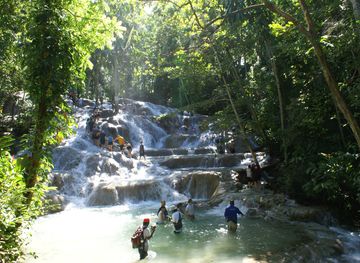
Explore more of Jamaica
Discover Jamaica: A Caribbean paradise with stunning beaches, rich culture, and thrilling adventures. Experience the island's vibrant music, delicious cuisine, and warm hospitality.
Explore Jamaica