

Free Manchester Plateau Travel Guide & Mobile App
Explore Manchester Plateau with free travel guides. Discover regional history, expert tips, proposed trips, and audio guides on web or mobile app.


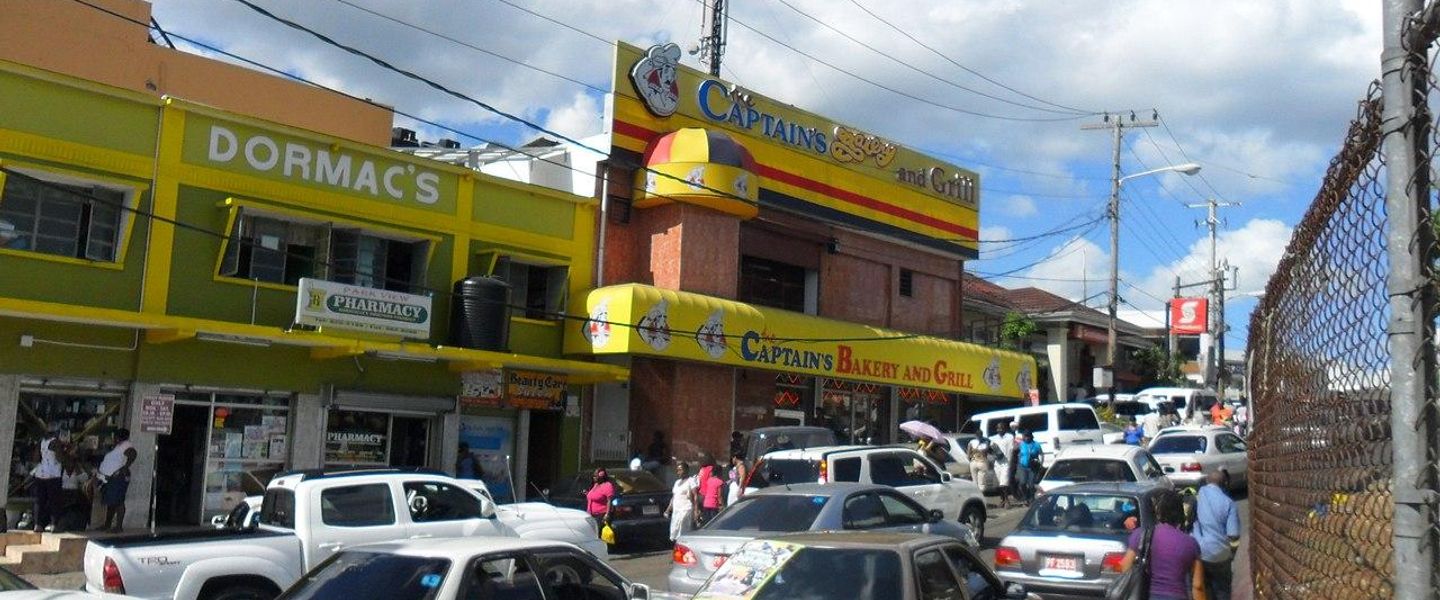


Discover the Manchester Plateau in Jamaica: A serene highland retreat known for its cool climate, lush landscapes, charming towns, and captivating cultural heritage.
Read more about Manchester Plateau
When is the best time to visit Manchester Plateau?
Best: January–March · 26°C| Month | High (°C) | Rainfall (mm) |
|---|---|---|
| January (best) | 26 | 50 |
| February (best) | 26 | 40 |
| March (best) | 26 | 50 |
| April | 27 | 70 |
| May | 27 | 90 |
| June | 28 | 100 |
| July | 28 | 110 |
| August | 28 | 120 |
| September | 28 | 110 |
| October | 27 | 90 |
| November | 27 | 80 |
| December | 26 | 70 |
Getting to and around Manchester Plateau
How to get there
Transportation
Best attractions in Manchester Plateau
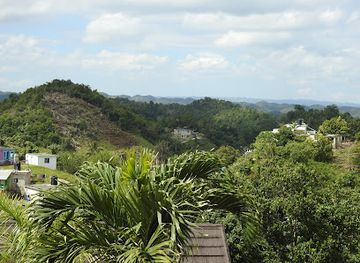
Nestled in the heart of Jamaica, the Manchester Plateau offers an enchanting blend of natural beauty, historical landmarks, and cultural richness that promises to captivate every visitor. Explore the breathtaking vistas from the majestic Mandeville hills, where you can see the lush, rolling landscapes stretch out before you. Wander through the charming town of Mandeville, replete with Victorian-era architecture and historic sites like the Manchester Parish Church and the Mandeville Courthouse. Nature enthusiasts will revel in the verdant splendor of the Gourie Forest Reserve, home to diverse flora and fauna, hidden trails, and the mesmerizing Gourie Cave. For a taste of local culture, visit the bustling Mandeville Market, where vibrant stalls overflow with fresh produce, artisanal crafts, and the warm, welcoming spirit of the Jamaican people. The Manchester Plateau is a treasure trove of experiences waiting to be discovered.
-
Organic farm
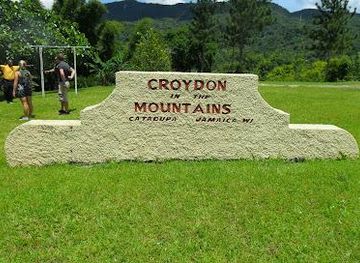
Croydon In The Mountains
Explore Croydon In The Mountains, a hidden gem in Catadupa, Jamaica, blending organic farming, botanical beauty, and rich history.
-
Recreation center
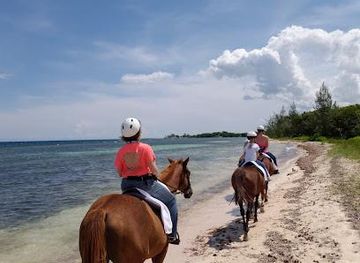
Braco Stables
Discover the beauty of Jamaica at Braco Stables, a premier recreation center offering unforgettable horseback riding experiences amidst stunning landscapes.
Best landmarks in Manchester Plateau
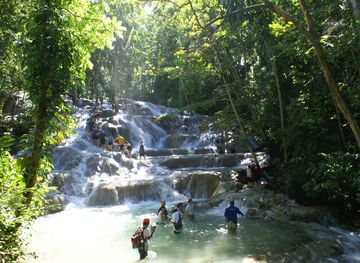
Nestled in the heart of Jamaica, the Manchester Plateau beckons with its lush, rolling hills and a treasure trove of historical landmarks that paint a vivid picture of the island's rich heritage. Visitors can explore the charming town of Mandeville, renowned for its cool climate and colonial architecture, including the iconic Mandeville Courthouse and the elegant Manchester Club, the Caribbean's oldest surviving golf club. Nature enthusiasts will be enchanted by the stunning vistas at the Gourie Cave, the island’s longest cave system, and the majestic Y.S. Falls, a breathtaking seven-tiered waterfall surrounded by lush gardens. For a taste of local culture, the bustling Mandeville Market offers an authentic experience with its vibrant array of fresh produce, spices, and handmade crafts. The historic Marshall's Pen, a 17th-century plantation house, provides a glimpse into Jamaica's past with its well-preserved Great House and lush bird sanctuary. Whether you're delving into history, enjoying the natural beauty, or immersing yourself in local culture, the Manchester Plateau offers a captivating and diverse experience for every traveler.
-
Park
The World Famous Dunn's River Falls & Park
Experience the iconic Dunn's River Falls & Park, a must-visit destination in Ocho Rios, Jamaica, blending adventure with breathtaking natural beauty.
-
Museum
Bob Marley Museum
Discover the Bob Marley Museum in Kingston, a cultural gem celebrating the life and legacy of reggae music's most iconic figure.
-
Tourist attraction
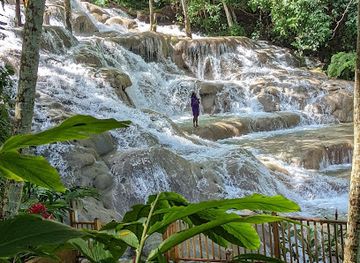
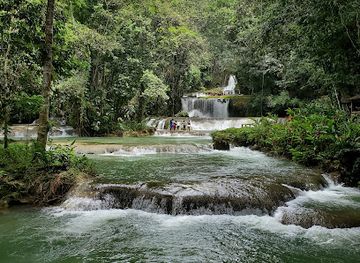
YS Falls
Experience the enchanting beauty of YS Falls, Jamaica's breathtaking waterfalls and thrilling adventures in a tropical paradise.
-
Tourist attraction
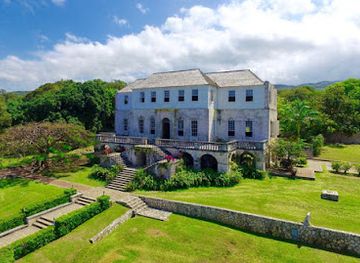
Rose Hall Great House
Explore the haunted halls and rich history of Rose Hall Great House, a stunning Georgian mansion in the heart of Montego Bay, Jamaica.
Explore Manchester Plateau on the map
Plan your trip on one map. See where the top cities, national parks and sights are, and book hotels and experiences in a few clicks.
Best hotels in Manchester Plateau
Best restaurants in Manchester Plateau
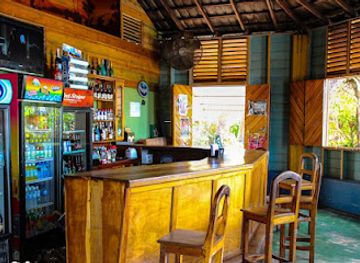
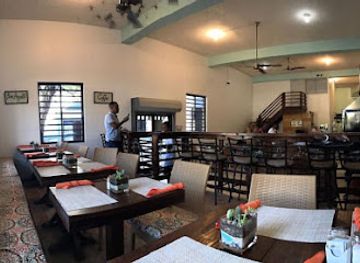
Nestled in the lush landscape of Manchester Plateau, the dining scene is a harmonious blend of traditional Jamaican flavors and innovative culinary creations. Visitors can expect to savor mouthwatering jerk chicken, fresh seafood, and tropical fruits, all prepared with local spices that ignite the senses. The area boasts charming eateries from rustic roadside jerk shacks to elegant fine dining establishments, each offering a unique experience. Dining al fresco with breathtaking views of the plateau and cool mountain breezes enhances the sensory delight. Local chefs pride themselves on using farm-to-table ingredients, ensuring that every meal is as fresh and authentic as it gets. Whether you crave a hearty Jamaican breakfast, a light lunch of ackee and saltfish, or a decadent dinner of curry goat, the Manchester Plateau promises a gastronomic journey that is as rich and diverse as its vibrant culture.
-
Restaurant
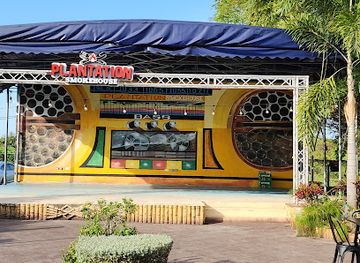
Plantation Smokehouse
Experience authentic Caribbean flavors at Plantation Smokehouse in Priory Saint Anns Bay—where every meal is a celebration of Jamaica's rich culinary heritage.
-
Jamaican
Little Ochie Seafood Restaurant & Bar
Experience authentic Jamaican seafood cuisine at Little Ochie Seafood Restaurant & Bar with stunning ocean views.
-
Restaurant
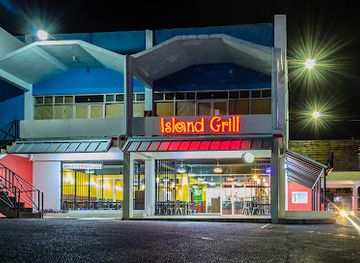
Island Grill
Experience authentic Jamaican flavors at Island Grill in Mandeville—where every dish tells a story.
-
Restaurant
Voilà by Lilee
Discover authentic Jamaican cuisine at Voilà by Lilee - a must-visit restaurant in Mandeville offering delightful dishes in an inviting atmosphere.
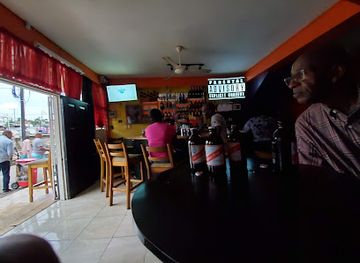
Best bars in Manchester Plateau
Nestled within the serene hills of Jamaica, the Manchester Plateau offers a surprisingly vibrant nightlife scene that caters to all tastes. As twilight descends, the area comes alive with an eclectic mix of bars and nightclubs, each offering a unique ambiance. From the rustic charm of local pubs where you can sip on authentic Jamaican rum while enjoying live reggae performances, to chic, modern lounges featuring international DJs and stunning views of the lush landscape, there's something for everyone. Don't miss the chance to dance the night away under the stars at open-air venues or indulge in delectable local cuisine at late-night eateries. The Manchester Plateau's nightlife is a hidden gem that promises unforgettable evenings filled with music, laughter, and a warm, welcoming atmosphere.
-
Grill
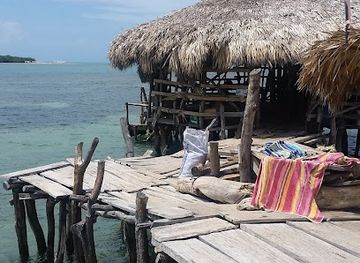
Floyd's Pelican Bar
Experience the taste of Jamaica at Floyd's Pelican Bar, an unforgettable grill on a stunning Caribbean sandbar.
-
Restaurant
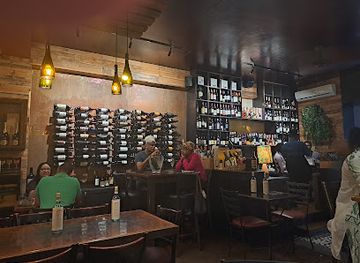
Uncorked!
Discover the exquisite taste of gourmet cheeses and fine wines at Uncorked! in Kingston, Jamaica, where culinary artistry meets an inviting atmosphere.
-
Grill
The Pub Bar and Grill
Discover the heart of Kingston’s culinary scene at The Pub Bar and Grill, where delicious grilled dishes meet a vibrant social atmosphere.
-
Jamaican
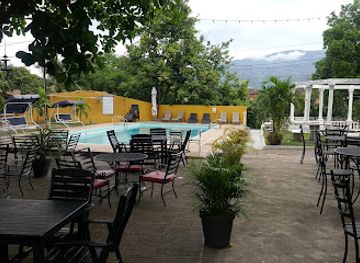
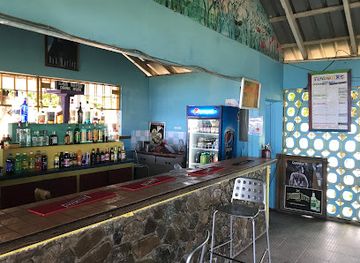
Flavours Beach Bar and Restaurant
Experience authentic Jamaican cuisine at Flavours Beach Bar and Restaurant, where every meal is a taste of the island's vibrant culture and flavors.
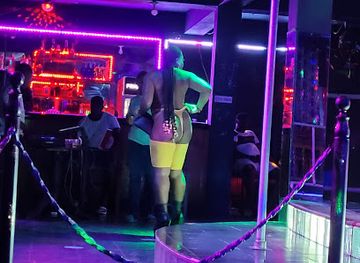
Best nightclubs in Manchester Plateau
Nestled within the serene hills of Jamaica, the Manchester Plateau offers a surprisingly vibrant nightlife scene that caters to all tastes. As twilight descends, the area comes alive with an eclectic mix of bars and nightclubs, each offering a unique ambiance. From the rustic charm of local pubs where you can sip on authentic Jamaican rum while enjoying live reggae performances, to chic, modern lounges featuring international DJs and stunning views of the lush landscape, there's something for everyone. Don't miss the chance to dance the night away under the stars at open-air venues or indulge in delectable local cuisine at late-night eateries. The Manchester Plateau's nightlife is a hidden gem that promises unforgettable evenings filled with music, laughter, and a warm, welcoming atmosphere.
-
Restaurant
The Ultimate Dining Nightclub and Lounge
Discover the vibrant fusion of dining and nightlife at The Ultimate Dining Nightclub and Lounge in Mandeville, Jamaica.
-
Bar
Mi AMOR SPORTS BAR KERVIN PLACE
Discover the lively spirit of Mandeville at Mi AMOR SPORTS BAR KERVIN PLACE, where great food, drinks, and sports come together in a vibrant atmosphere.
-
Adult entertainment club
Club Royalty
Dive into the vibrant nightlife of Ocho Rios at Club Royalty, where electrifying performances and unforgettable memories await.
-
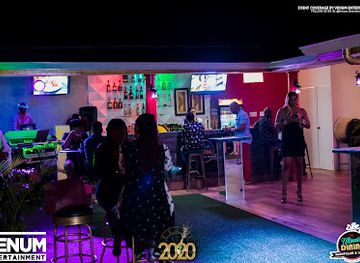
Night club
VIP Palace Premium Lounge
Discover the lively vibes and exquisite flavors at VIP Palace Premium Lounge, Ocho Rios' top spot for nightlife, food, and live entertainment.

Best shops in Manchester Plateau
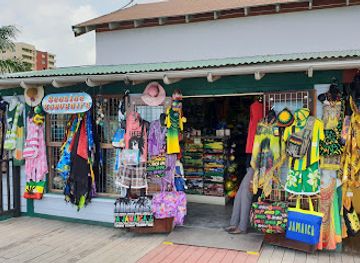
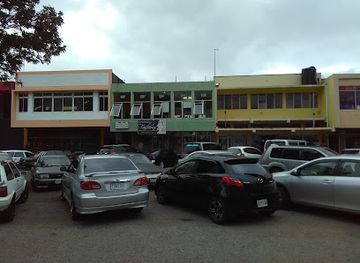
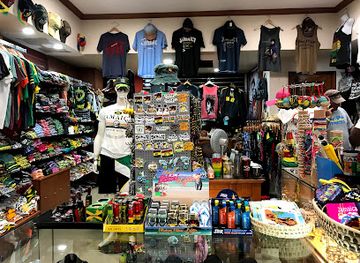
The shopping scene of Manchester Plateau in Jamaica is a vibrant blend of traditional markets and modern boutiques, offering visitors a unique retail experience. As you stroll through the bustling streets of Mandeville, the region's commercial hub, you'll encounter an eclectic mix of artisanal craft shops, where local artisans display their intricate wood carvings, colorful pottery, and handwoven textiles. The air is filled with the aromatic scent of freshly ground spices at local markets like the Mandeville Market, where vendors passionately hawk their organic produce, tropical fruits, and homemade jams. For a more contemporary shopping spree, head to the upscale shopping centers and plazas that house international brands, chic clothing stores, and trendy cafes, perfect for a relaxing break. The Manchester Plateau offers a rich and diverse shopping landscape that caters to both the traditional and modern tastes of its visitors.
-
Shopping mall
Island Village Jamaica
Explore Island Village Jamaica for an unforgettable shopping experience filled with local crafts, delicious food, and vibrant culture in Ocho Rios.
-
Shopping mall
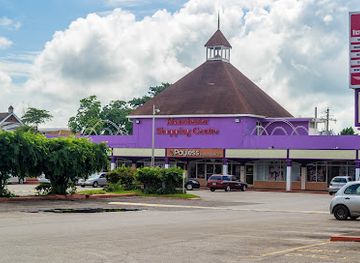
Manchester Shopping Centre
Explore the Manchester Shopping Centre in Mandeville: a shopping paradise with diverse stores and dining options for every traveler.
-
Shopping mall
Mandeville Plaza
Explore the vibrant Mandeville Plaza for a unique shopping experience, delicious dining, and a taste of local Jamaican culture.
-
Shopping mall
Main Street Rose Hall
Discover the colorful shops, delicious dining, and vibrant culture at Main Street Rose Hall, a premier shopping destination in Jamaica.
Get your free copy of our complete guide to Manchester Plateau, delivered straight to you.
Everything on this page, from attractions and restaurants to essentials and local phrases, in one PDF you can read offline, print or share.
Already have an account? Sign in
Your Manchester Plateau guide is ready.
We'll send it to · Not you? Sign out

Getting your guide ready…
We are putting together a fresh copy of the Manchester Plateau guide. This can take up to a minute.
This can take a few moments. If your browser asks, choose Allow so the download can start. You'll find the guide in your Downloads folder.
Nothing happened? Download it again
Sorry, the guide is taking longer than usual. Please try again in a minute, or get it by email instead.
Manchester Plateau essentials
Currency and Payment
Safety
Emergency Situations
Do's and Don'ts
Local Tips
From Eve
Local phrases worth knowing
You don't need to get them perfect. A few words go a long way, and locals appreciate the effort.
Basics
| English | Local | Say it |
|---|---|---|
| Hello | Wah Gwaan | [Wah Gwaan] |
| Goodbye | Later | [Ley-ta] |
| Yes | Yea | [Yea] |
| No | Nuh | [Nuh] |
| Please/You're welcome | No problem | [No prob-lam] |
| Thank you | Thanks | [Tanks] |
| Excuse me/Sorry | Mi a beg yuh pardon | [Mi a beg yuh par-don] |
| How are you? | How yuh do? | [How yuh do?] |
| Fine. And you? | Mi deh yah. An yuh? | [Mi deh yah. An yuh?] |
| Do you speak English? | Yuh speak English? | [Yuh speak English?] |
| I don't understand | Mi nuh understand | [Mi nuh un-der-stand] |
Eating & Drinking
| English | Local | Say it |
|---|---|---|
| I'd like to see the menu, please | Mi wud like fi si di menu, please | [Mi wud like fi si di menu, pleas] |
| I don't eat meat | Mi nuh eat meat | [Mi nuh eat meat] |
| Cheers! | Cheers! | [Cheers!] |
| I would like to pay, please | Mi wud like fi pay, please | [Mi wud like fi pay, pleas] |
Emergencies
| English | Local | Say it |
|---|---|---|
| Help! | Help! | [Help!] |
| Go away! | Geh weh! | [Geh weh!] |
| Call the Police! | Call di police! | [Call di po-lees!] |
| Call a doctor! | Call a docta! | [Call a doc-ta!] |
| I'm lost | Mi lost | [Mi lost] |
| I'm ill | Mi sick | [Mi sick] |
Shopping
| English | Local | Say it |
|---|---|---|
| I'd like to buy... | Mi wud like fi buy... | [Mi wud like fi buy...] |
| I'm just looking | Mi just a look | [Mi just a look] |
| How much is it? | How much dat? | [How much dat?] |
| That's too expensive | Dat too pricey | [Dat too pry-cee] |
| Can you lower the price? | Yuh can lower di price? | [Yuh can lower di pryce?] |
Time & Numbers
| English | Local | Say it |
|---|---|---|
| What time is it? | Wah time it? | [Wah time it?] |
| It's one o'clock | It one o'clock | [It one o'clock] |
| Half past (10) | Half past ten | [Half past ten] |
| Morning | Mornin' | [Mornin'] |
| Afternoon | Afternoon | [Afternoon] |
| Evening | Evenin' | [Evenin'] |
| Yesterday | Yestaday | [Yes-ta-day] |
| Today | Today | [Today] |
| Tomorrow | Tomorrah | [Tomor-rah] |
| 1 | One | [One] |
| 2 | Two | [Two] |
| 3 | Three | [Three] |
| 4 | Four | [Four] |
| 5 | Five | [Five] |
| 6 | Six | [Six] |
| 7 | Seven | [Seven] |
| 8 | Eight | [Eight] |
| 9 | Nine | [Nine] |
| 10 | Ten | [Ten] |
Transport & Directions
| English | Local | Say it |
|---|---|---|
| Where's a/the...? | Wheh di...? | [Wheh di...?] |
| What's the address? | Wah di address? | [Wah di ad-dress?] |
| Can you show me (on the map)? | Yuh can show mi (pon di map)? | [Yuh can show mi (pon di map)?] |
| When's the next (bus)? | When di next (bus)? | [When di next (bus)?] |
| A ticket (to ....) | A ticket (to ...) | [A ticket (to ...)] |
History of Manchester Plateau
The Origins and Early Inhabitants
Long before the British colonized Jamaica, the Manchester Plateau was home to the Taíno people, the island's original inhabitants. These indigenous people practiced agriculture, fishing, and pottery, leaving behind a rich cultural legacy that can still be seen in artifacts discovered in the region.
The British Colonial Era
In the 18th century, the British established plantations across Jamaica, including the fertile lands of the Manchester Plateau. The region became known for its production of coffee, sugar, and pimento. The British influence is still evident in the architecture of the towns and buildings that dot the landscape.
The Formation of Manchester Parish
In 1814, Manchester Parish was officially formed by merging parts of St. Elizabeth, Clarendon, and Vere. Named after the Duke of Manchester, who was then the Governor of Jamaica, this newly established parish quickly became a significant agricultural center, contributing to Jamaica's economy.
The Abolition of Slavery
The abolition of slavery in 1834 was a pivotal moment for the Manchester Plateau. Formerly enslaved people established free villages like Porus and Mile Gully, cultivating small farms and creating tight-knit communities. These villages are rich in history and culture, embodying the resilience and spirit of their founders.
The Bauxite Mining Boom
In the mid-20th century, bauxite was discovered in the Manchester Plateau, leading to a mining boom. Companies like Alcan and Alpart set up operations, transforming the local economy. While the industry brought prosperity, it also posed environmental challenges that continue to be addressed today.
Cultural Heritage and Festivals
The Manchester Plateau is not just about history; it's also a cultural hub. The annual Manchester Horticultural Show, held in Mandeville, celebrates the region's agricultural prowess. Traditional Jamaican music, food, and dance play a significant role in local festivals, offering a vibrant glimpse into the area's rich cultural tapestry.
The Influence of Mandeville
Mandeville, the capital of Manchester Parish, has long been a center of commerce and education. Established in 1816, the town is known for its cool climate and colonial architecture. Institutions such as the Northern Caribbean University have made Mandeville a focal point for learning and development in the Manchester Plateau.
Manchester Plateau in Photos
Browse through our photo collection highlighting the charm and character of the destination.
Neighbouring regions of Manchester Plateau
The closest regions to Manchester Plateau, if you have time for more than one.
-

-

-

-

-


Swipe for more regions
Explore more
Explore more of Jamaica
Discover Jamaica: A Caribbean paradise with stunning beaches, rich culture, and thrilling adventures. Experience the island's vibrant music, delicious cuisine, and warm hospitality.
Explore Jamaica