

South Coast, Jamaica Travel Guide
Discover the serene and authentic South Coast of Jamaica, where pristine beaches, lush mountains, and vibrant local culture await.
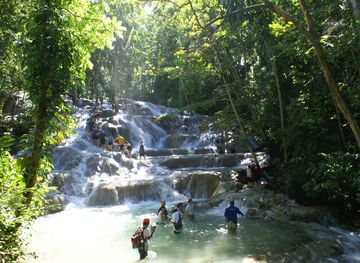
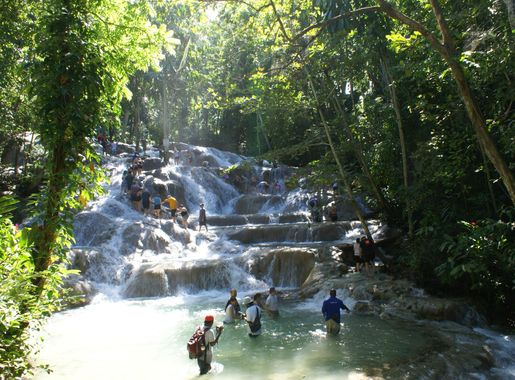
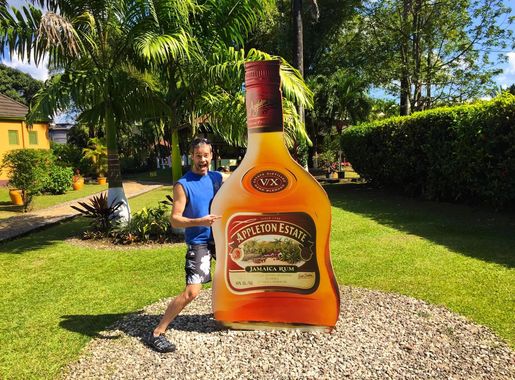
The South Coast of Jamaica is a hidden gem, perfect for those seeking a more relaxed and authentic Jamaican experience. Stretching from Negril to Treasure Beach, this region boasts stunning natural beauty, from pristine beaches to lush mountains. Unlike the more tourist-heavy northern coast, the South Coast offers a tranquil escape with fewer crowds and a warm, welcoming atmosphere. Visitors can explore charming fishing villages, such as Black River, where they can take a boat tour to see the region's famous crocodiles and enjoy the serene river scenery. The YS Falls, one of Jamaica's most stunning waterfalls, is another must-visit spot. Here, you can swim in natural pools, swing from ropes, and enjoy the lush, green surroundings. The South Coast is also home to the Appleton Estate, where you can take a tour and sample some of Jamaica's finest rum. For a taste of local culture, head to Treasure Beach, a laid-back community known for its friendly locals and vibrant arts scene. The area hosts various festivals and events throughout the year, offering a glimpse into the rich cultural fabric of Jamaica. Whether you're looking to relax on a quiet beach, explore natural wonders, or immerse yourself in local culture, the South Coast of Jamaica has something for everyone.

Know before you go
Hi, I'm Eve. Here are a few practical things to know before exploring South Coast.
- Visit during the off-peak season (April to November) for fewer crowds and better rates.
- Rent a car to explore the South Coast at your own pace, as public transportation options can be limited.
- Bring cash, as some smaller establishments may not accept credit cards.
- Try local dishes like jerk chicken and fresh seafood at roadside eateries for an authentic culinary experience.
- Pack insect repellent, especially if you plan to visit natural attractions like YS Falls or Black River.
Top City Travel Guides in South Coast
The cities of South Coast, and the easiest places to base yourself.


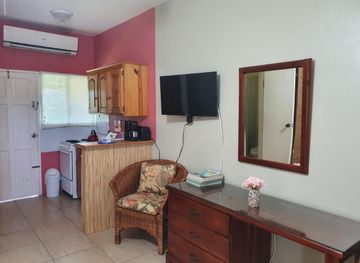
Explore South Coast: Things to Do, Places to Eat, Hotels & More
Handpicked recommendations for top attractions, local dining, accommodations, and more

Top Attractions & Sightseeing in South Coast
Top-rated picks
Best Attractions

Chukka Zipline over YS Falls
Soar through the treetops at Chukka Zipline over YS Falls, where adventure meets breathtaking views in the heart of Jamaica's lush landscape.

Bluefields Beach
Experience the tranquility and beauty of Bluefields Beach, a hidden gem on Jamaica's south coast, perfect for relaxation and adventure alike.

Lashings Beach Club
Experience the charm of Lashings Beach Club in Treasure Beach, Jamaica - a resort hotel that offers relaxation, local cuisine, and vibrant entertainment.

Fish Dunn Fall's
Experience the tranquility of Fish Dunn Falls, a hidden gem in Jamaica's Silver Hill District, perfect for swimming and nature exploration.

Best landmarks in South Coast
Top-rated picks
Best Landmarks

Bahia Principe Luxury Runaway Bay
Experience luxurious, adults-only tranquility in Runaway Bay, Jamaica, with pristine beaches, exquisite dining, and rejuvenating spa treatments.

Bob Marley Museum
Explore the life, music, and legacy of reggae icon Bob Marley at his former home in Kingston, Jamaica. A must-see for music lovers and cultural enthusiasts.
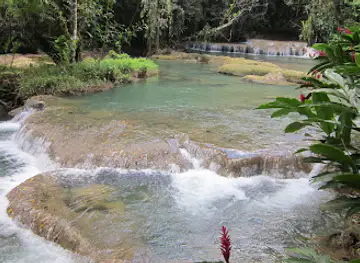
YS Falls
Experience the breathtaking beauty and adventure of YS Falls, a must-visit natural attraction in the heart of Jamaica.
Sandals South Coast
Experience beachfront luxury at Sandals South Coast in Jamaica: All-inclusive resort with over-the-water bungalows, gourmet dining, and pristine beaches.

Best restaurants in South Coast
Top-rated picks
Best Restaurants

Pier One
Experience vibrant dining and nightlife at Pier One in Montego Bay - where exquisite Caribbean cuisine meets stunning ocean views.

Gloria's
Experience authentic Caribbean seafood at Gloria's in Port Royal - where fresh flavors meet stunning coastal views.

Murray's Fish and Jerk Hut
Experience authentic Jamaican cuisine at Murray's Fish and Jerk Hut, where every dish is a celebration of island flavors.

Sharkies Seafood Restaurant
Experience delicious seafood dining at Sharkies Seafood Restaurant in Runaway Bay - where fresh flavors meet stunning ocean views.

Best bars in South Coast
Top-rated picks
Best Bars

Margaritaville Ocho Rios
Experience the vibrant spirit of Jamaica at Margaritaville Ocho Rios, where delicious cuisine meets beachfront fun in a tropical paradise.

Floyd's Pelican Bar
Discover the taste of Jamaica at Floyd's Pelican Bar, where fresh seafood meets stunning coastal views for an unforgettable experience.

Flavours Beach Bar and Restaurant
Experience authentic Jamaican cuisine with stunning beach views at Flavours Beach Bar and Restaurant, the perfect spot for food lovers and relaxation.

Alfred's Negril (Alfred's Ocean Palace)
Discover the lively ambiance of Alfred's Negril, where delicious seafood, live music, and stunning ocean views create an unforgettable Caribbean experience.

Best nightclubs in South Coast
Top-rated picks
Best Nightclubs

The Jungle
Discover the vibrant nightlife at The Jungle in Negril, where the rhythms of reggae and strong drinks create an unforgettable escape.

Go Go Club
Discover the heart of Portmore's nightlife at Go Go Club, where music, dance, and Jamaican culture collide for an unforgettable experience.

Taboo Montego Bay
Dive into the energetic nightlife at Taboo Montego Bay, where vibrant music, entertainment, and unforgettable memories await you in Jamaica.

Club Royalty
Club Royalty in Ocho Rios is the ultimate nightlife destination, offering electrifying music, vibrant atmosphere, and refreshing cocktails that celebrate Jamaican culture.

Best shops in South Coast
Top-rated picks
Best Shops

Angels Plaza
Experience the lively atmosphere of Angels Plaza in Spanish Town, where shopping, dining, and local culture come together in a vibrant setting.

Island Village Jamaica
Experience the vibrant shopping and dining scene at Island Village Jamaica, where culture meets coastal beauty in Ocho Rios.

Blue Diamond Shopping Mall
Discover the Heart of Shopping in Montego Bay - Blue Diamond Shopping Mall Awaits You with Unique Finds and Local Flavors!

Main Street Rose Hall
Explore the charm of Main Street Rose Hall, Jamaica's premier shopping destination filled with local crafts, upscale stores, and delightful dining options.

Explore South Coast on the Map
A handpicked selection of must-see spots in South Coast, mapped for you.
South Coast Essentials
-
The South Coast of Jamaica is accessible via Sangster International Airport (MBJ) in Montego Bay and Norman Manley International Airport (KIN) in Kingston. From either airport, you can rent a car, take a taxi, or use shuttle services to reach your destination on the South Coast. The drive from Montego Bay to points along the South Coast can take approximately 2-3 hours, while the drive from Kingston may take 2-4 hours depending on your specific destination.
-
Transportation options on the South Coast include rental cars, taxis, and local buses. Rental cars offer the most flexibility for exploring the area. Taxis are widely available but make sure to agree on a fare beforehand. Local buses are an affordable option, though they may be less convenient for travelers unfamiliar with the routes. For a unique experience, consider hiring a local driver who can also serve as a tour guide.
-
The official currency in Jamaica is the Jamaican Dollar (JMD). Credit cards are accepted in most hotels, restaurants, and shops, but it is advisable to carry cash for smaller establishments and local markets. ATMs are available in larger towns, but it’s wise to withdraw sufficient cash before heading to more remote areas. US Dollars are also widely accepted, though you may receive change in Jamaican Dollars.
-
While the South Coast is generally safe for tourists, it is important to exercise caution. Avoid walking alone at night, especially in isolated areas. Be mindful of your belongings in crowded places. Areas with higher crime rates targeting tourists include parts of Black River and Savanna-la-Mar. Always stay in well-lit, populated areas and use reputable transportation options.
-
In case of an emergency, dial 119 for police assistance or 110 for medical emergencies. The nearest hospitals are located in Mandeville and Savanna-la-Mar. It is recommended to have travel insurance that covers medical emergencies. For minor health issues, pharmacies can be found in larger towns along the South Coast.
-
Fashion: Do dress comfortably and casually, but avoid overly revealing clothing, especially when visiting churches or rural communities. Religion: Do respect local religious customs; for example, remove hats and cover shoulders when entering a church. Public Transport: Do be courteous and patient; local buses can be crowded and may not run on a strict schedule. Greetings: Do greet people with a smile and a friendly 'hello' or 'good morning.' Eating & Drinking: Do try local dishes and accept food offerings graciously. Don't refuse hospitality as it is considered impolite.
-
To experience the South Coast like a local, visit the local markets in towns like Black River and Treasure Beach where you can buy fresh produce and handmade crafts. Engage with locals; they are often friendly and willing to share stories about the area’s history and culture. Don't miss the Pelican Bar, a unique bar located on a sandbar out at sea, accessible only by boat. For a true taste of local culture, attend a community event or festival if your visit coincides with one.
When is the best time to visit South Coast?
Useful Local Phrases for South Coast
You don't need to speak the language perfectly. Even learning a few simple words can make conversations warmer—and locals usually appreciate the effort.
— Eve

Here are the phrases I use most often in South Coast. Try a few—you'll be surprised how far they go! 😊
❤️
-
- HelloWah Gwaan
[Wah Gwaan] - GoodbyeLikkle more
[Likkle more] - YesYea
[Yea] - NoNo
[No] - Please/You're welcomePleas/No problem
[Pleas/No problem] - Thank youTank yuh
[Tank yuh] - Excuse me/SorryScuse me/Sorry
[Scuse me/Sorry] - How are you?How yuh stay?
[How yuh stay?] - Fine. And you?Good. An yuh?
[Good. An yuh?] - Do you speak English?Yuh speak English?
[Yuh speak English?] - I don't understandMi nuh undastand
[Mi nuh undastand]
- HelloWah Gwaan
-
- I'd like to see the menu, pleaseMi wahn si di menu, please
[Mi wahn si di menu, please] - I don't eat meatMi nuh eat meat
[Mi nuh eat meat] - Cheers!Cheers!
[Cheers!] - I would like to pay, pleaseMi wahn pay, please
[Mi wahn pay, please]
- I'd like to see the menu, pleaseMi wahn si di menu, please
-
- Help!Help!
[Help!] - Go away!Guh way!
[Guh way!] - Call the Police!Call di police!
[Call di police!] - Call a doctor!Call a doctor!
[Call a doctor!] - I'm lostMi lost
[Mi lost] - I'm illMi sick
[Mi sick]
- Help!Help!
-
- I'd like to buy...Mi wahn buy...
[Mi wahn buy...] - I'm just lookingMi jus a look
[Mi jus a look] - How much is it?How much dat?
[How much dat?] - That's too expensiveDat too pricey
[Dat too pricey] - Can you lower the price?Yuh can drop di price?
[Yuh can drop di price?]
- I'd like to buy...Mi wahn buy...
-
- What time is it?Wah time it?
[Wah time it?] - It's one o'clockA one o'clock
[A one o'clock] - Half past (10)Half past ten
[Half past ten] - MorningMornin'
[Mornin'] - AfternoonAfternoon
[Afternoon] - EveningEvenin'
[Evenin'] - YesterdayYestidy
[Yestidy] - TodayToday
[Today] - TomorrowTomorrow
[Tomorrow] - 1One
[One] - 2Two
[Two] - 3Three
[Three] - 4Four
[Four] - 5Five
[Five] - 6Six
[Six] - 7Seven
[Seven] - 8Eight
[Eight] - 9Nine
[Nine] - 10Ten
[Ten]
- What time is it?Wah time it?
-
- Where's a/the...?Wheh di...?
[Wheh di...?] - What's the address?Wah di address?
[Wah di address?] - Can you show me (on the map)?Yuh can show mi (pon di map)?
[Yuh can show mi (pon di map)?] - When's the next (bus)?Wen di next (bus)?
[Wen di next (bus)?] - A ticket (to ....)A ticket (to ...)
[A ticket (to ...)]
- Where's a/the...?Wheh di...?
History of South Coast
-
Long before the arrival of Europeans, the South Coast of Jamaica was inhabited by the Taino people. The Tainos were skilled fishermen, farmers, and artisans who lived in harmony with the bountiful nature of the region. Evidence of their sophisticated culture can still be found in archaeological sites, petroglyphs, and artifacts scattered throughout the South Coast.
-
In 1494, Christopher Columbus landed in Jamaica, marking the beginning of Spanish colonization. During this period, the South Coast saw the establishment of small settlements and the introduction of European crops and livestock. The area known today as Treasure Beach got its name from Spanish buccaneers who were said to have buried their treasures along its shores.
-
The South Coast of Jamaica played a significant role in the history of the Maroons, escaped slaves who formed independent communities in the island's interior. Accompong Town, located in the heart of the South Coast, is one of the most famous Maroon settlements. Founded in the 18th century by Captain Cudjoe, it became a stronghold for the Maroons as they waged guerilla warfare against British colonial forces.
-
The fertile lands of the South Coast made it an ideal location for the establishment of sugar cane plantations during the British colonial period. These plantations relied heavily on the labor of enslaved Africans, whose contributions were instrumental in the economic development of the region. Today, several plantation houses and sugar mills stand as historical landmarks, offering a glimpse into this tumultuous period.
-
In 1865, the Morant Bay Rebellion erupted in St. Thomas, a parish on the South Coast, as a response to economic hardship and injustices faced by the black population. Led by Paul Bogle, the rebellion was a pivotal event in Jamaica's history, leading to significant changes in the colony's governance and laying the groundwork for future movements towards independence.
-
The 20th century saw the transformation of the South Coast from an agrarian society to a burgeoning tourist destination. The natural beauty of the region, with its pristine beaches, lush landscapes, and vibrant culture, attracted visitors from around the world. Today, the South Coast is known for its eco-friendly resorts, community-based tourism initiatives, and efforts to preserve its rich cultural heritage.
-
The South Coast is a vibrant tapestry of cultural traditions, many of which are celebrated through annual festivals and events. The Accompong Maroon Festival, held every January, commemorates the signing of the peace treaty between the Maroons and the British. Other notable events include the Calabash International Literary Festival in Treasure Beach, which brings together writers and artists from around the globe, and the Little Ochi Seafood Festival, showcasing the region's culinary delights.
Neighbouring Regions of South Coast
The closest regions to South Coast, if you have time for more than one.




Your all‑in‑one travel companion app
Explore expert travel guides, compare and book tours, experiences, hotels, and more—all from the palm of your hand. Download now for seamless trip planning wherever your wanderlust takes you.


Explore More of Jamaica
Looking beyond South Coast? Discover Jamaica for broader travel guides, local hot-spots, and regional highlights.
Explore JamaicaSouth Coast in Photos
Browse through our photo collection highlighting the charm and character of the destination.





The Enchanting South Coast of Jamaica
The South Coast of Jamaica is a hidden gem, perfect for those seeking a more relaxed and authentic Jamaican experience. Stretching from Negril to Treasure Beach, this region boasts stunning natural beauty, from pristine beaches to lush mountains. Unlike the more tourist-heavy northern coast, the South Coast offers a tranquil escape with fewer crowds and a warm, welcoming atmosphere. Visitors can explore charming fishing villages, such as Black River, where they can take a boat tour to see the region's famous crocodiles and enjoy the serene river scenery. The YS Falls, one of Jamaica's most stunning waterfalls, is another must-visit spot. Here, you can swim in natural pools, swing from ropes, and enjoy the lush, green surroundings. The South Coast is also home to the Appleton Estate, where you can take a tour and sample some of Jamaica's finest rum. For a taste of local culture, head to Treasure Beach, a laid-back community known for its friendly locals and vibrant arts scene. The area hosts various festivals and events throughout the year, offering a glimpse into the rich cultural fabric of Jamaica. Whether you're looking to relax on a quiet beach, explore natural wonders, or immerse yourself in local culture, the South Coast of Jamaica has something for everyone.