

Free Blue Mountains Travel Guide & Mobile App
Explore Blue Mountains with free travel guides. Discover regional history, expert tips, proposed trips, and audio guides on web or mobile app.


Explore Jamaica’s Blue Mountains for cloud forests, coffee estates, mountain trails, historic communities and wide views above Kingston and the eastern parishes.
Read more about Blue Mountains
When is the best time to visit Blue Mountains?
Best: February–April · 23–24°C| Month | High (°C) | Rainfall (mm) |
|---|---|---|
| January | 22 | 50 |
| February (best) | 23 | 45 |
| March (best) | 23 | 60 |
| April (best) | 24 | 65 |
| May | 24 | 100 |
| June | 25 | 155 |
| July | 25 | 170 |
| August | 25 | 195 |
| September | 24 | 175 |
| October | 24 | 125 |
| November | 23 | 80 |
| December | 23 | 60 |
Getting to and around Blue Mountains
How to get there
Transportation
Top city travel guides in Blue Mountains
The cities of Blue Mountains, and the easiest places to base yourself.
-

-

-


Swipe for more cities
Best attractions in Blue Mountains
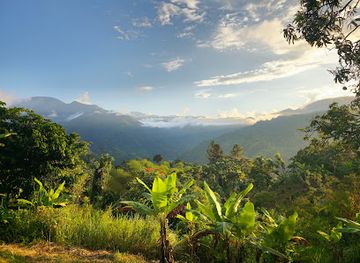
The Blue Mountains offer a combination of highland nature, working agriculture and cultural history rather than a concentration of conventional visitor attractions. Holywell, in the Saint Andrew section of the Blue and John Crow Mountains National Park, provides accessible forest walks, picnic facilities and opportunities to observe the cooler upland environment. More demanding routes lead towards Blue Mountain Peak, while local guides can connect walking itineraries with farming communities and coffee-growing districts. Coffee estates and small producer projects explain cultivation, processing and tasting, giving context to one of Jamaica’s most recognisable exports. Newcastle contributes military history and broad ridge views, while the Saint Thomas and Portland approaches reveal quieter valleys, forest margins and scattered settlements. Birdwatching, photography, botany and hiking are especially rewarding for visitors prepared for changing weather and uneven terrain. The region’s attractions are dispersed, and the journey between them forms part of the experience; road conditions, trail difficulty and local access arrangements should be considered before planning a day out.
-
National park
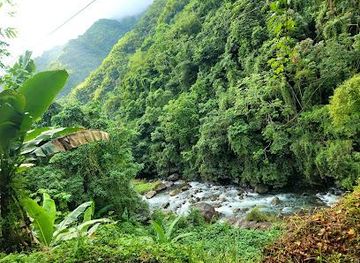
Blue Mountains National Park
Discover the breathtaking beauty of Blue Mountains National Park, a UNESCO World Heritage site in Jamaica, perfect for nature lovers and adventure seekers.
-
Travel lounge
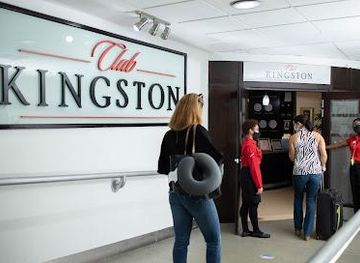
Club Kingston - VIP Airport Lounge / VIP Attractions
Discover ultimate comfort at Club Kingston, the premier VIP lounge in Jamaica's Norman Manley International Airport, perfect for travelers seeking relaxation.
-
Mountain range
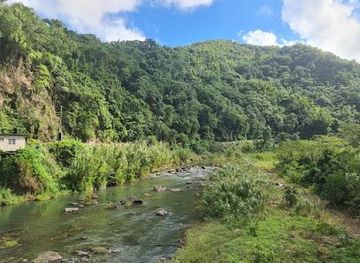
Blue Mountains
Discover the breathtaking beauty and vibrant culture of Jamaica's Blue Mountains—an unforgettable destination for nature lovers and coffee enthusiasts.
-
Museum
Charles Town Museum and Asafu Yard
Explore the Charles Town Museum and Asafu Yard, where Jamaica's Maroon heritage comes alive through engaging exhibits and cultural experiences.
Best landmarks in Blue Mountains
Blue Mountain Peak is the range’s most prominent natural landmark and Jamaica’s highest summit, reached by a strenuous trail through changing vegetation and often encountered in cloud before sunrise views appear. The forested ridges and valleys protected by the Blue and John Crow Mountains National Park form a wider landscape landmark, important for endemic wildlife, watersheds and Maroon history. Newcastle is a notable historic site because its high ridge retains associations with the British military presence established there during the colonial period. Holywell’s upland forests provide a more accessible expression of the mountains’ ecological character, while the steep coffee-growing slopes around Mavis Bank, Hagley Gap and neighbouring communities show how agriculture has shaped the scenery. The range’s significance lies in the relationship between peak, forest, farms, roads and settlements rather than in a single monumental building.
-
National park
Blue Mountains National Park
Explore the natural wonders of Blue Mountains National Park, Jamaica's stunning UNESCO World Heritage Site known for its lush landscapes and breathtaking views.
-
Tourist attraction
Blue Mountains Jamaica
Discover the breathtaking beauty and rich biodiversity of the Blue Mountains in Jamaica, a haven for nature lovers and coffee enthusiasts alike.
Explore Blue Mountains on the map
Plan your trip on one map. See where the top cities, national parks and sights are, and book hotels and experiences in a few clicks.
Best hotels in Blue Mountains
Best restaurants in Blue Mountains
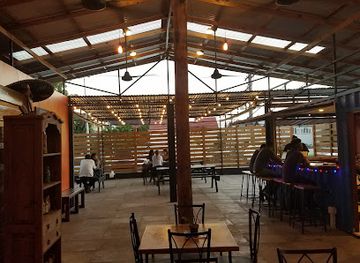
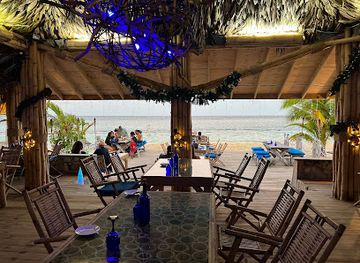
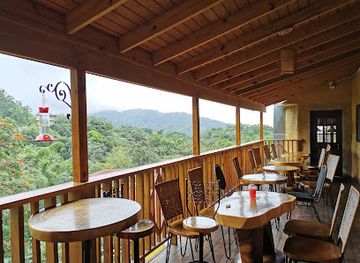
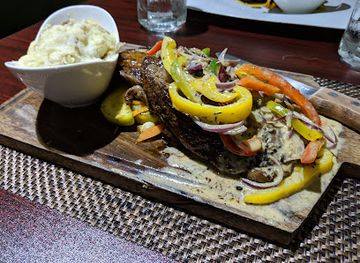
Dining in the Blue Mountains is shaped by rural Jamaican cooking, coffee production and the limited but important hospitality infrastructure of mountain communities. Small eateries, guesthouses and roadside stops may serve dishes such as rice and peas, vegetables, chicken, pork, soups, fried or roasted provisions and seasonal fruit, with menus varying according to supplies and location. Fresh produce grown on the slopes, including vegetables, bananas and other crops, is central to the local food economy. Coffee is the region’s defining drink, whether prepared simply, presented as part of a farm visit or used in desserts and contemporary café menus. Visitors should not expect the concentration of restaurants found in Kingston or Jamaica’s resort centres; advance arrangements are useful when staying in remote accommodation. Respectful interest in how food and coffee are produced often opens a more meaningful connection with the mountain communities than a quick stop for refreshments.
-
Fusion restaurant
Chilitos Jamexican Food
Experience the vibrant fusion of Mexican and Jamaican cuisines at Chilitos Jamexican Food in Kingston – a culinary journey you won't forget!
-
Restaurant
Bamboo Blu
Discover Bamboo Blu: where Caribbean flavors meet breathtaking ocean views in an unforgettable dining experience.
-
Cafe
Café Blue - Irish Town
Discover Café Blue: A charming cafe blending Irish warmth with Jamaican flavors amidst stunning natural beauty.
-
Restaurant
Broken Plate Restaurant
Experience authentic Jamaican cuisine at Broken Plate Restaurant - where local flavors meet modern dining in Kingston.
Best bars in Blue Mountains
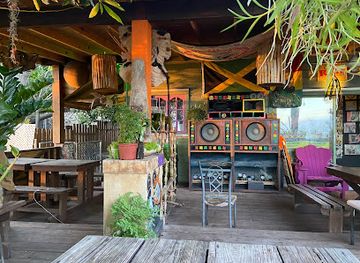
The Blue Mountains have little conventional nightclub culture, and evenings generally centre on guesthouse dining, small local bars, conversation, music and the quiet atmosphere of rural communities. Kingston’s nightlife is outside the region and should not be treated as a mountain attraction. In the highlands, accommodation providers may offer drinks, coffee tastings or simple evening meals, while village bars serve as informal social places rather than late-night entertainment districts. Some community events and music gatherings take place at particular times of year, but they are not permanent fixtures and should be checked locally. Bring suitable lighting for walking around rural accommodation after dark, and arrange transport in advance rather than assuming taxis will be readily available late at night.
-
Grill
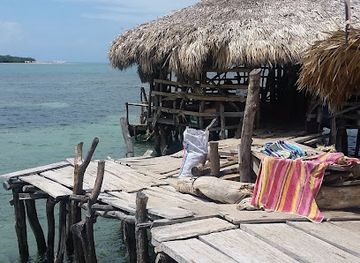
Floyd's Pelican Bar
Experience the vibrant Caribbean atmosphere and fresh seafood at Floyd's Pelican Bar, a hidden gem in Jamaica's Parottee District.
-
Bar
Kingston Dub Club
Discover the heart of reggae culture at Kingston Dub Club, where stunning views and vibrant music create a unique Jamaican experience.
-
 Bar
BarClubhouse Brewery
Discover the authentic taste of Jamaica at Clubhouse Brewery, the island's first and only brewery offering a unique selection of craft beers.
-
Bar
Nikki's Container Bar And Shop
Discover the charm of Nikki's Container Bar And Shop, a unique bar in the hills of St. Andrew, Jamaica, offering stunning views and refreshing drinks.

Best nightclubs in Blue Mountains
The Blue Mountains have little conventional nightclub culture, and evenings generally centre on guesthouse dining, small local bars, conversation, music and the quiet atmosphere of rural communities. Kingston’s nightlife is outside the region and should not be treated as a mountain attraction. In the highlands, accommodation providers may offer drinks, coffee tastings or simple evening meals, while village bars serve as informal social places rather than late-night entertainment districts. Some community events and music gatherings take place at particular times of year, but they are not permanent fixtures and should be checked locally. Bring suitable lighting for walking around rural accommodation after dark, and arrange transport in advance rather than assuming taxis will be readily available late at night.
-
Cultural center
Kingston Dub Club
Discover the heartbeat of Jamaica at Kingston Dub Club, where reggae music and local flavors create an unforgettable experience.
-
Night club
Go Go Club
Experience the heartbeat of Jamaican nightlife at Go Go Club in Portmore, where music, dance, and local culture collide.
-
Night club
Taboo Kingston
Discover Kingston's nightlife at Taboo, offering a blend of adult entertainment and a lively sports bar experience.
-
Night club
Cloud 9 Night Club & Lounge
Dive into the nightlife at Cloud 9 Night Club & Lounge in Mandeville, where vibrant music, delicious drinks, and an energetic atmosphere await.


Best shops in Blue Mountains
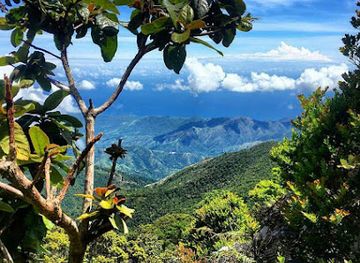
Shopping in the Blue Mountains is modest and locally oriented, with opportunities concentrated in village shops, roadside stalls, coffee outlets and small farm or community enterprises rather than large retail centres. The principal purchase is locally produced coffee, but visitors should look for clearly identified, properly packaged products and ask about the growing and roasting process. Seasonal fruit, vegetables, preserves and other Jamaican food products may be available directly from producers or at roadside points, depending on location and supply. Craft items and small artworks can sometimes be found through community tourism initiatives, although the selection varies. Larger supermarkets, department stores and specialist retail are in Kingston or other towns outside the mountain region. Carry cash for rural purchases, support legitimate local sellers and avoid buying products made from protected plants, wildlife or materials collected from the national park.
-
Shopping mall
Sovereign Centre
Discover Sovereign Centre, Kingston's leading shopping mall, where retail therapy meets culinary delights and entertainment for all ages.
-
National park
Blue Mountains National Park
Explore the breathtaking landscapes and rich biodiversity of Blue Mountains National Park, a UNESCO World Heritage site in Jamaica.
-
Supermarket
Shoppers Fair Burke Road
Experience the local shopping culture at Shoppers Fair Burke Road, your destination for fresh produce and authentic Jamaican products.
-
Supermarket
Hi-Lo Food Stores
Explore the vibrant Hi-Lo Food Stores in Kingston, a supermarket offering local flavors, fresh produce, and a taste of Jamaica's culinary culture.



Get your free copy of our complete guide to Blue Mountains, delivered straight to you.
Everything on this page, from attractions and restaurants to essentials and local phrases, in one PDF you can read offline, print or share.
Already have an account? Sign in
Your Blue Mountains guide is ready.
We'll send it to · Not you? Sign out

Getting your guide ready…
We are putting together a fresh copy of the Blue Mountains guide. This can take up to a minute.
This can take a few moments. If your browser asks, choose Allow so the download can start. You'll find the guide in your Downloads folder.
Nothing happened? Download it again
Sorry, the guide is taking longer than usual. Please try again in a minute, or get it by email instead.
Blue Mountains essentials
Currency and Payment
Safety
Emergency Situations
Do's and Don'ts
Local Tips
From Eve
Local phrases worth knowing
You don't need to get them perfect. A few words go a long way, and locals appreciate the effort.
Basics
| English | Local | Say it |
|---|---|---|
| Hello | Wah Gwaan | [Wah Gwaan] |
| Goodbye | Likkle more | [Likkle more] |
| Yes | Yea | [Yea] |
| No | Nuh | [Nuh] |
| Please/You're welcome | No problem | [No problem] |
| Thank you | Tank yuh | [Tank yuh] |
| Excuse me/Sorry | Scuse me/Sorry | [Scuse me/Sorry] |
| How are you? | How yuh stay? | [How yuh stay?] |
| Fine. And you? | Mi deh yah. An yuh? | [Mi deh yah. An yuh?] |
| Do you speak English? | Yuh speak English? | [Yuh speak English?] |
| I don't understand | Mi nuh undastand | [Mi nuh undastand] |
Eating & Drinking
| English | Local | Say it |
|---|---|---|
| I'd like to see the menu, please | Mi wud like fi si di menu, please | [Mi wud like fi si di menu, please] |
| I don't eat meat | Mi nuh eat meat | [Mi nuh eat meat] |
| Cheers! | Cheers! | [Cheers!] |
| I would like to pay, please | Mi wud like fi pay, please | [Mi wud like fi pay, please] |
Emergencies
| English | Local | Say it |
|---|---|---|
| Help! | Help! | [Help!] |
| Go away! | Gweh! | [Gweh!] |
| Call the Police! | Call di police! | [Call di police!] |
| Call a doctor! | Call a doctor! | [Call a doctor!] |
| I'm lost | Mi lost | [Mi lost] |
| I'm ill | Mi sick | [Mi sick] |
Shopping
| English | Local | Say it |
|---|---|---|
| I'd like to buy... | Mi wud like fi buy... | [Mi wud like fi buy...] |
| I'm just looking | Mi a just a look | [Mi a just a look] |
| How much is it? | How much dat? | [How much dat?] |
| That's too expensive | Dat too pricey | [Dat too pricey] |
| Can you lower the price? | Yuh can lower di price? | [Yuh can lower di price?] |
Time & Numbers
| English | Local | Say it |
|---|---|---|
| What time is it? | Wah time it? | [Wah time it?] |
| It's one o'clock | A one o'clock | [A one o'clock] |
| Half past (10) | Half past ten | [Half past ten] |
| Morning | Mornin' | [Mornin'] |
| Afternoon | Aftanoon | [Aftanoon] |
| Evening | Evenin' | [Evenin'] |
| Yesterday | Yestiday | [Yestiday] |
| Today | Today | [Today] |
| Tomorrow | Tomorrow | [Tomorrow] |
| 1 | One | [One] |
| 2 | Two | [Two] |
| 3 | Three | [Three] |
| 4 | Four | [Four] |
| 5 | Five | [Five] |
| 6 | Six | [Six] |
| 7 | Seven | [Seven] |
| 8 | Eight | [Eight] |
| 9 | Nine | [Nine] |
| 10 | Ten | [Ten] |
Transport & Directions
| English | Local | Say it |
|---|---|---|
| Where's a/the...? | Whe di...? | [Whe di...?] |
| What's the address? | Wah di address? | [Wah di address?] |
| Can you show me (on the map)? | Yuh can show mi (pon di map)? | [Yuh can show mi (pon di map)?] |
| When's the next (bus)? | When di next (bus)? | [When di next (bus)?] |
| A ticket (to ....) | A ticket (to ....) | [A ticket (to ....)] |
History of Blue Mountains
Taíno Settlement and the Mountain Interior
Before Spanish colonisation, Taíno communities lived across Jamaica, using the island’s forests, valleys and coastal plains for cultivation, hunting and exchange. The Blue Mountains formed part of a wider eastern landscape rather than an isolated wilderness, although the steep terrain helped preserve areas from intensive later development. Archaeological evidence and surviving place names provide a partial record of Indigenous life, while many details were disrupted by colonial violence, disease and forced labour after the sixteenth century.
Spanish and Early British Colonial Jamaica
Spanish rule began in the sixteenth century, followed by the English conquest of Jamaica in 1655. During the plantation era that followed, the accessible lowlands were transformed by sugar and other export agriculture, while the eastern mountains remained more difficult to control. Enslaved Africans escaped into the interior and established communities that resisted colonial authority. The mountains’ geography—ravines, forest and difficult approaches—was central to this long history of refuge and resistance.
Windward Maroons and Nanny’s Legacy
The eastern highlands are closely connected with the Windward Maroons, communities formed by formerly enslaved Africans who maintained autonomous settlements and resisted British forces. Nanny, one of the most important leaders associated with the Maroons, is traditionally linked with the mountainous east and is recognised as a National Hero of Jamaica. The eighteenth-century treaties that granted Maroon communities defined territories and rights while also reflecting the continuing pressures of colonial rule. Maroon history remains a vital part of the cultural context of the Blue Mountains.
Newcastle and British Military History
Newcastle occupies a high ridge in the Saint Andrew Blue Mountains and became associated with British military activity during the colonial period. The station was established in the nineteenth century, partly because the cooler climate was considered more suitable for European troops than Jamaica’s lowlands. Its presence connected the mountain road system with imperial defence and administration. The surviving military setting and surrounding highland landscape illustrate how colonial institutions extended into areas that had previously been difficult to govern.
The Development of Blue Mountain Coffee
Coffee was introduced to Jamaica in the eighteenth century and gradually became established in the island’s upland districts. The Blue Mountains offered a combination of altitude, rainfall, temperature and soil that supported high-quality cultivation, although production depended on plantation systems and later on numerous small farmers. Processing, grading and export created an enduring agricultural identity for the region. Blue Mountain coffee is now one of Jamaica’s best-known products, but its reputation rests on a working landscape shaped by generations of growers and rural communities.
Roads, Agriculture and Changing Mountain Communities
Improved roads and transport links gradually connected the highland settlements with Kingston, Saint Thomas and Portland, making it easier to move coffee, vegetables and other produce to market. These routes also brought visitors, researchers and conservation workers into the mountains. Nevertheless, landslides, heavy rain and difficult terrain continue to affect travel and farming. The modern Blue Mountains remain a lived-in agricultural region rather than a wilderness devoid of settlement, with community life closely tied to the condition of roads and access to markets.
Blue and John Crow Mountains National Park
Conservation efforts led to the protection of the Blue and John Crow Mountains as Jamaica’s principal mountain national park. The area safeguards forests, watersheds, endemic species and places associated with Maroon history. In 2015, the property was inscribed on the UNESCO World Heritage List for its natural and cultural significance. The designation reflects the close relationship between biodiversity, Indigenous and Maroon history, agriculture and the continuing need to manage tourism carefully in fragile upland environments.
Blue Mountains in Photos
Browse through our photo collection highlighting the charm and character of the destination.
Neighbouring regions of Blue Mountains
The closest regions to Blue Mountains, if you have time for more than one.
-

-

-
-

-


Swipe for more regions
Explore more
Explore more of Jamaica
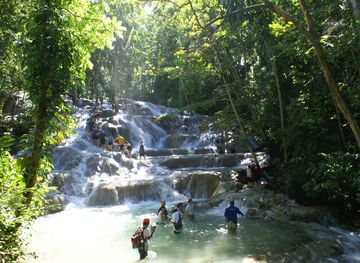
Discover Jamaica: A Caribbean paradise with stunning beaches, rich culture, and thrilling adventures. Experience the island's vibrant music, delicious cuisine, and warm hospitality.
Explore Jamaica