

Free Noto Travel Guide & Mobile App
Explore Noto with free travel guides. Discover regional history, expert tips, proposed trips, and audio guides on web or mobile app.


Explore Noto’s rugged coasts, terraced rice fields, craft traditions, seafood and rural communities across Ishikawa’s recovering peninsula.
Read more about Noto
When is the best time to visit Noto?
Best: May–June, October · 21–26°C| Month | High (°C) | Rainfall (mm) |
|---|---|---|
| January | 6 | 150 |
| February | 7 | 130 |
| March | 11 | 160 |
| April | 17 | 140 |
| May (best) | 22 | 150 |
| June (best) | 26 | 200 |
| July | 30 | 250 |
| August | 31 | 230 |
| September | 27 | 210 |
| October (best) | 21 | 180 |
| November | 15 | 150 |
| December | 9 | 140 |
Getting to and around Noto
How to get there
Transportation
Best attractions in Noto
Noto’s attractions are spread across a large peninsula rather than concentrated in one town. Along the western coast, the Noto Kongo shoreline offers cliffs, sea caves and exposed headlands, while Chirihama Beach near the southern entrance is known for its firm sandy shore where vehicles may drive when conditions and local guidance allow. Inland and on the eastern side, visitors encounter rice terraces, wooded satoyama countryside, fishing ports and the calm waters around Notojima. Wajima’s craft heritage, traditional salt-making communities and local museums provide cultural depth, although earthquake recovery has altered opening arrangements in parts of the city. Near the tip, Suzu’s coast includes the rock formation of Mitsukejima and viewpoints over the Japan Sea. Hot-spring areas around Wakura and other eastern settlements add bathing and traditional-inn experiences, subject to current operating conditions. Shrine visits, seafood markets, craft workshops, coastal walks and seasonal festivals reveal how closely tourism remains connected to working communities. Because facilities and roads continue to recover from the 2024 earthquake, confirm access before setting out and approach damaged areas as places of residence and reconstruction rather than informal sightseeing sites.
-
Market
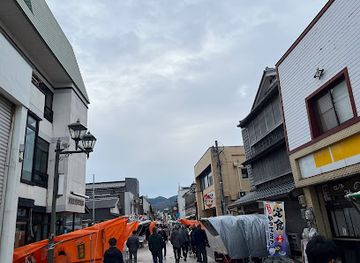
Wajima Morning Market
Discover the vibrant Wajima Morning Market, where fresh seafood, traditional crafts, and local culture come alive in a delightful experience.
-
Tourist attraction
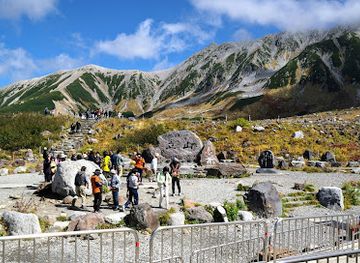
Murodo-daira
Explore Murodo-daira, a breathtaking alpine destination in Japan’s Tateyama National Park, renowned for stunning views and outdoor adventures.
-
Aquarium
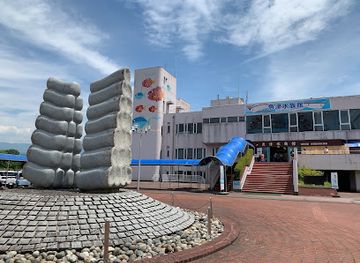
Uozu Aquarium
Explore Uozu Aquarium, one of Japan's oldest aquariums, featuring diverse marine life and captivating exhibits for an unforgettable family experience.
-
Scenic spot
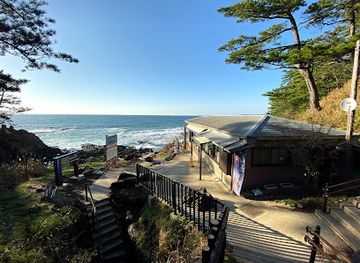
Ganmon
Explore the breathtaking beauty of Ganmon, a picturesque scenic spot in Ishikawa, Japan, perfect for nature lovers and adventure seekers alike.
Best landmarks in Noto
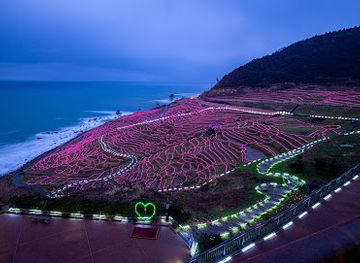
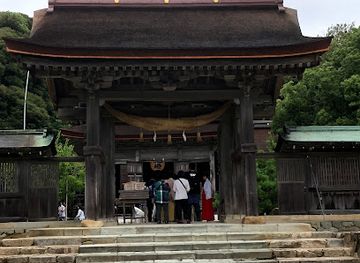
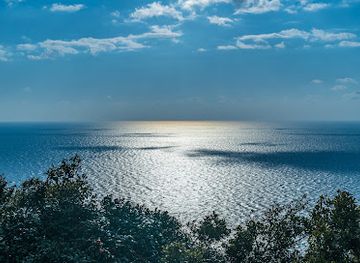
The Noto Peninsula’s landmarks are closely tied to its coastline and village history. Keta Taisha near Hakui is one of the region’s important Shinto shrines, set within a wooded precinct and associated with long-established worship in southern Noto. The rugged Noto Kongo coast forms a natural landmark of cliffs, rock arches and sea-cut formations on the western shore. At the northern end, Mitsukejima rises from the water near Suzu as one of Noto’s most recognisable coastal rocks, while the nearby coastal viewpoints express the peninsula’s exposed relationship with the Japan Sea. Shiroyone Senmaida, a celebrated series of small rice terraces descending towards the sea near Wajima, represents the human shaping of steep coastal land and the continuing importance of rice cultivation. Traditional wooden houses, lacquer workshops and shrine precincts in towns such as Wajima provide architectural landmarks on a smaller scale, though some buildings have been damaged or remain inaccessible after the 2024 earthquake. These places should be approached with awareness that the landscape is also a working environment and, in many locations, a recovery zone.
-
Scenic spot
Shiroyone Senmaida Rice Terraces
Explore the breathtaking Shiroyone Senmaida Rice Terraces, a stunning blend of agriculture and natural beauty along the Sea of Japan's coastline.
-
Tourist attraction
Noto Kongō
Discover the breathtaking beauty and rich culture of Noto Kongō in Ishikawa, a hidden gem on Japan's Noto Peninsula.
-
Airport
Noto Airport (Noto-Satoyama Airport) (NTQ)
Discover the serene beauty of Ishikawa with Noto Airport, your gateway to Japan's hidden gems and cultural treasures.
-
Historical landmark
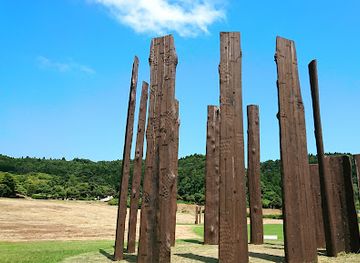
Mawaki Site
Explore the Mawaki Site in Ishikawa, a historical landmark that beautifully blends Japan's rich cultural heritage with stunning natural landscapes.
Explore Noto on the map
Plan your trip on one map. See where the top cities, national parks and sights are, and book hotels and experiences in a few clicks.
Best hotels in Noto
Best restaurants in Noto
Noto’s food culture draws on cold Japan Sea waters, fertile paddies, mountain produce and preserved foods developed for rural life. Fresh crab, sweet shrimp, oysters, squid and other local seafood appear seasonally in restaurants, inns and markets, while Noto beef is a notable regional product served in selected establishments. Rice grown in the peninsula’s satoyama landscape is central to everyday meals, often accompanied by pickles, miso-based dishes, vegetables and fish prepared in homes and family-run eateries. Noto salt, made by concentrating seawater, is used in local cooking and sold as a practical regional souvenir. Wajima and other towns have cafés, noodle shops, traditional Japanese restaurants and inns offering set meals, though choice becomes more limited along rural coasts. Wakura’s hot-spring inns have traditionally been associated with elaborate seasonal cuisine, but earthquake damage means that accommodation and dining availability must be checked in advance. Markets and small producers offer a direct way to understand the peninsula’s relationship with the sea and fields.
-
 Japanese inn
Hyakurakuso
Discover the charm of traditional Japanese hospitality at Hyakurakuso – a perfect blend of comfort, culture, and exquisite dining.
-
Sushi
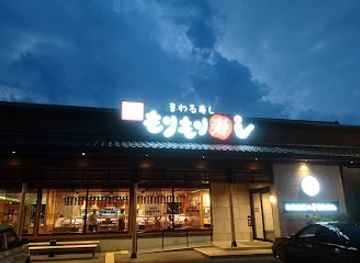
Mori Mori Sushi
Discover exquisite sushi at Mori Mori Sushi in Noto - where fresh ingredients meet traditional craftsmanship for an unforgettable meal.
-
French
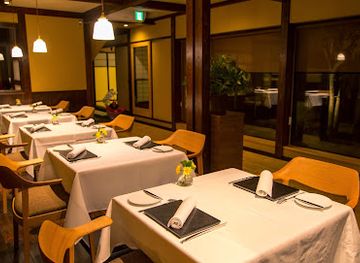
L'Atelier de NOTO
Experience the elegance of French cuisine amidst traditional Japanese architecture at L'Atelier de NOTO in Wajima.
-
Sushi
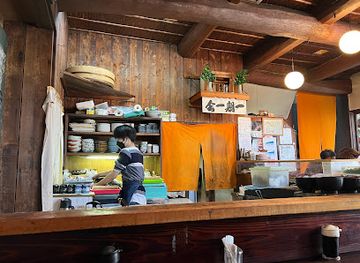
Tsukushi
Discover Tsukushi: An authentic sushi experience in Noto, where fresh ingredients meet traditional Japanese culinary artistry.
Best bars in Noto
Noto does not have a large nightclub scene; evening life is centred on traditional inns, small restaurants, neighbourhood drinking establishments and community events. In Wajima, Suzu, Nanao and other larger settlements, visitors may find compact bars serving sake, beer and simple dishes, while rural areas generally become quiet after dinner. Local sake pairs naturally with seafood and regional cooking, and some accommodation providers can explain the character of breweries from the wider Hokuriku area. Hot-spring towns have a more sociable evening rhythm, although operations in Wakura and other affected communities vary during earthquake recovery. Kiriko festivals can transform village streets with illuminated floats, music and communal activity when they take place, but dates and formats should be confirmed locally. Visitors should not expect late-night transport in remote districts, and arranging a safe return to accommodation is important when staying outside the main towns.
-
Toll road rest stop
Roadside Station Noto Chirihama
Experience the best of local flavors and culture at Roadside Station Noto Chirihama, a perfect rest stop on your journey through Japan's Noto Peninsula.
-
Souvenir store
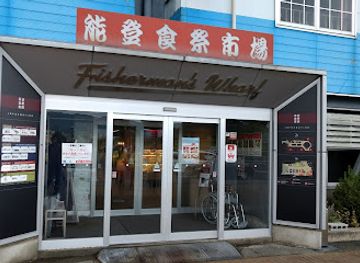
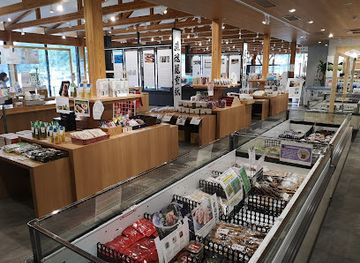
Roadside Station Noto Shokusai Market
Explore the vibrant flavors and unique crafts at Roadside Station Noto Shokusai Market, a cultural gem in Ishikawa perfect for tourists.
-
Japanese inn
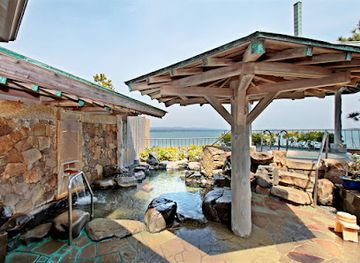
Kimpasō
Discover the charm of Kimpasō, an authentic Japanese inn offering traditional hospitality, exquisite cuisine, and serene surroundings in Ishikawa.
-
Ice Cream
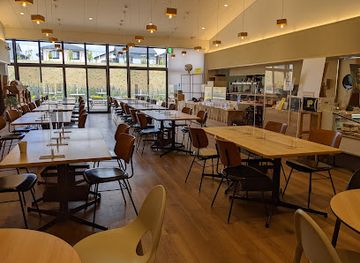
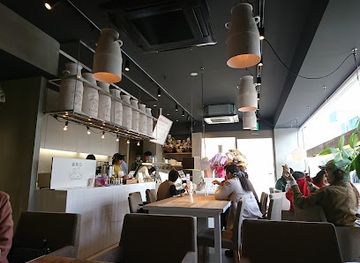
Noto Milk
Experience the creamy taste of artisanal ice cream at Noto Milk, a delightful café in Wa Wakuramachi, Nanao, celebrating local flavors and desserts.
Best nightclubs in Noto
Noto does not have a large nightclub scene; evening life is centred on traditional inns, small restaurants, neighbourhood drinking establishments and community events. In Wajima, Suzu, Nanao and other larger settlements, visitors may find compact bars serving sake, beer and simple dishes, while rural areas generally become quiet after dinner. Local sake pairs naturally with seafood and regional cooking, and some accommodation providers can explain the character of breweries from the wider Hokuriku area. Hot-spring towns have a more sociable evening rhythm, although operations in Wakura and other affected communities vary during earthquake recovery. Kiriko festivals can transform village streets with illuminated floats, music and communal activity when they take place, but dates and formats should be confirmed locally. Visitors should not expect late-night transport in remote districts, and arranging a safe return to accommodation is important when staying outside the main towns.
-
Night club
Ammona
Experience the electrifying nightlife of Osaka at Ammona, a premier night club offering vibrant music, signature cocktails, and unforgettable dance parties.

Best shops in Noto
Shopping in Noto is strongest in its local products rather than large retail centres. Wajima-nuri lacquerware is the peninsula’s best-known craft, ranging from everyday bowls and trays to highly decorated pieces, and reputable workshops can explain the many specialist stages involved in production. Noto salt, rice, preserved foods, seafood products, sake and seasonal sweets are practical souvenirs that reflect the region’s farming and maritime economies. Market-style shopping and independent stores are found in the larger towns, while roadside facilities and producer outlets offer regional food when open. Craft galleries and workshops may sell ceramics, textiles, woodwork and lacquer goods, but stock and opening arrangements can change as communities recover from the earthquake. Nanao, at the peninsula’s southern gateway, has broader everyday retail provision than remote northern districts, whereas Wajima and Suzu offer a more locally focused selection. Carry fragile purchases carefully, ask about shipping, and buy directly from operating local businesses where possible.
-
Scenic spot
Shiroyone Senmaida Rice Terraces
Experience the breathtaking beauty of Shiroyone Senmaida Rice Terraces, a harmonious blend of nature and culture in Wajima, Japan.
-
Tourist information center
Squid Station Tsukumall
Explore the culinary delights and marine adventures at Squid Station Tsukumall in Noto, the gem of Ishikawa's coastline.
-
Airport
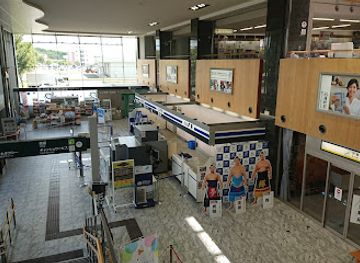
Noto Airport (Noto-Satoyama Airport) (NTQ)
Explore the Noto Peninsula from Noto Airport: a gateway to stunning landscapes, rich culture, and unforgettable experiences in Ishikawa, Japan.
-
Bakery
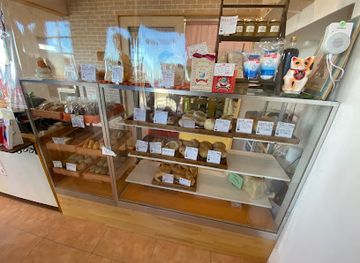
Noto Pain Cafe
Discover the warmth of Noto Pain Cafe, where exceptional baked goods meet a cozy atmosphere in the heart of Noto.
Get your free copy of our complete guide to Noto, delivered straight to you.
Everything on this page, from attractions and restaurants to essentials and local phrases, in one PDF you can read offline, print or share.
Already have an account? Sign in
Your Noto guide is ready.
We'll send it to · Not you? Sign out

Getting your guide ready…
We are putting together a fresh copy of the Noto guide. This can take up to a minute.
This can take a few moments. If your browser asks, choose Allow so the download can start. You'll find the guide in your Downloads folder.
Nothing happened? Download it again
Sorry, the guide is taking longer than usual. Please try again in a minute, or get it by email instead.
Noto essentials
Currency and Payment
Safety
Emergency Situations
Do's and Don'ts
Local Tips
From Eve
Local phrases worth knowing
You don't need to get them perfect. A few words go a long way, and locals appreciate the effort.
Basics
| English | Local | Say it |
|---|---|---|
| Hello | Howdy | [haʊdi] |
| Goodbye | See ya | [siː jə] |
| Yes | Yup | [jʌp] |
| No | Nah | [nɑː] |
| Please/You're welcome | No problem | [noʊ ˈprɑːbləm] |
| Thank you | Thanks | [θæŋks] |
| Excuse me/Sorry | Sorry | [ˈsɔːri] |
| How are you? | How's it going? | [haʊz ɪt ˈɡoʊɪŋ] |
| Fine. And you? | Good, and you? | [ɡʊd, ənd juː] |
| Do you speak English? | Do you speak English? | [duː juː spiːk ˈɪŋɡlɪʃ] |
| I don't understand | I don’t get it | [aɪ doʊnt ɡɛt ɪt] |
Eating & Drinking
| English | Local | Say it |
|---|---|---|
| I'd like to see the menu, please | Can I see the menu? | [kæn aɪ siː ðə ˈmɛnjuː] |
| I don't eat meat | I'm a vegetarian | [aɪm ə ˌvɛdʒəˈtɛriən] |
| Cheers! | Cheers! | [ʧɪrz] |
| I would like to pay, please | Can I get the bill, please? | [kæn aɪ ɡɛt ðə bɪl, pliːz] |
Emergencies
| English | Local | Say it |
|---|---|---|
| Help! | Help! | [hɛlp] |
| Go away! | Get lost! | [ɡɛt lɔst] |
| Call the Police! | Call the cops! | [kɔːl ðə kɑps] |
| Call a doctor! | Get a doctor! | [ɡɛt ə ˈdɑktər] |
| I'm lost | I'm lost | [aɪm lɔst] |
| I'm ill | I'm not feeling well | [aɪm nɑt ˈfiːlɪŋ wɛl] |
Shopping
| English | Local | Say it |
|---|---|---|
| I'd like to buy... | I want to buy... | [aɪ wɑːnt tuː baɪ] |
| I'm just looking | Just browsing | [dʒʌst ˈbraʊzɪŋ] |
| How much is it? | What’s the price? | [wʌts ðə praɪs] |
| That's too expensive | That’s pricey | [ðæts ˈpraɪsi] |
| Can you lower the price? | Can you give me a discount? | [kæn juː ɡɪv miː ə ˈdɪskaʊnt] |
Time & Numbers
| English | Local | Say it |
|---|---|---|
| What time is it? | What time is it? | [wʌt taɪm ɪz ɪt] |
| It's one o'clock | It's one o'clock | [ɪts wʌn əˈklɑk] |
| Half past (10) | Half past ten | [hæf pæst tɛn] |
| Morning | Morning | [ˈmɔrnɪŋ] |
| Afternoon | Afternoon | [ˌæftərˈnun] |
| Evening | Evening | [ˈivnɪŋ] |
| Yesterday | Yesterday | [ˈjɛstərdeɪ] |
| Today | Today | [təˈdeɪ] |
| Tomorrow | Tomorrow | [təˈmɔroʊ] |
| 1 | One | [wʌn] |
| 2 | Two | [tuː] |
| 3 | Three | [θriː] |
| 4 | Four | [fɔːr] |
| 5 | Five | [faɪv] |
| 6 | Six | [sɪks] |
| 7 | Seven | [ˈsɛvən] |
| 8 | Eight | [eɪt] |
| 9 | Nine | [naɪn] |
| 10 | Ten | [tɛn] |
Transport & Directions
| English | Local | Say it |
|---|---|---|
| Where's a/the...? | Where’s a...? | [wɛrz ə...?] |
| What's the address? | What’s the address? | [wʌts ði əˈdrɛs] |
| Can you show me (on the map)? | Can you show me on the map? | [kæn juː ʃoʊ miː ɑn ðə mæp] |
| When's the next (bus)? | When's the next bus? | [wɛnʌs ðə nɛkst bʌs] |
| A ticket (to ....) | A ticket to... | [ə ˈtɪkɪt tuː...] |
History of Noto
Ancient Noto and the Keta Shrine Tradition
Noto has been inhabited since prehistoric times, and archaeological sites across the peninsula show long-standing settlement, farming and exchange with neighbouring parts of the Sea of Japan coast. The Keta Taisha shrine near Hakui became one of the region’s important religious centres, associated with worship of the local landscape and maritime world. In the ancient provincial system, Noto was recognised as a distinct province. Its position at the edge of the Japanese archipelago encouraged links by sea as well as overland connections, allowing religious practices, goods and cultural influences to circulate between the peninsula, Hokuriku and the wider Sea of Japan.
Medieval Estates, Temples and Maritime Exchange
During the medieval period, Noto was divided among landed estates, warrior families and religious institutions. Temples and shrines held influence in local communities, while ports and coastal settlements participated in trade across the Sea of Japan. Fishing, salt production, forestry and rice cultivation supported a dispersed population, and sheltered bays provided anchorages for boats moving between Hokuriku, the Japan Sea coast and the Korean Peninsula. The legacy of this period survives in old shrine networks, temple architecture and village customs, although many historic buildings have been repaired or altered over centuries.
The Maeda Domain and Edo-Period Development
From the early seventeenth century, most of Noto was governed within the powerful Kaga Domain under the Maeda family, whose main seat was Kanazawa. The domain invested in agricultural improvement, irrigation and transport, while Noto supplied rice, timber, marine products and craft goods. Coastal shipping connected villages with Kanazawa and other ports, and local industries developed around lacquerware, ceramics, textiles and salt. The relative distance from the political centre helped preserve distinctive village practices and craft techniques that remain part of Noto’s cultural identity.
Lacquerware, Salt and Village Industries
Noto’s traditional industries matured through networks of specialist households and local markets. Wajima-nuri became particularly important: woodworkers, lacquer specialists, decorators and other craftspeople contributed to a laborious process involving repeated lacquer coatings and elaborate surface decoration. Along the coast, salt was made using seawater and, in some communities, traditional salt-making methods that concentrated seawater over fires. These activities were integrated with farming and fishing rather than separated from village life. Today, Noto lacquerware and salt-making traditions provide visible links with the peninsula’s pre-industrial economy.
Modernisation, Roads and Rural Change
The modern period brought administrative reorganisation, schools, improved roads and stronger connections with Kanazawa and other Japanese cities. Rail services reached parts of Noto during the twentieth century, although several lines later closed as populations declined and private car ownership increased. Fishing, forestry and agriculture remained important, but younger residents increasingly moved elsewhere for education and employment. The peninsula’s ageing and shrinking communities became part of a broader national pattern of rural change. Tourism, craft education, hot-spring accommodation and food production emerged as complementary sources of income.
The Noto Satoyama and Satoumi Landscape
In the twenty-first century, international attention increasingly focused on Noto’s satoyama and satoumi landscapes: the connected mosaic of managed forests, rice fields, waterways, coastal shallows and fishing grounds shaped by human use. The region was recognised by the Food and Agriculture Organization as a Globally Important Agricultural Heritage System in 2011. The designation reflects living agricultural and ecological practices rather than a static historic monument. It also highlights the challenge of maintaining fields, forests and coastal communities as populations age and traditional labour becomes harder to sustain.
The 2024 Noto Peninsula Earthquake and Recovery
A major earthquake struck the Noto Peninsula on 1 January 2024, causing extensive damage across Ishikawa Prefecture. Wajima and Suzu were among the worst-affected areas, with collapsed buildings, fires, landslides, damaged roads and disruptions to water and other services; some coastal areas also experienced tsunami effects. Recovery has involved rebuilding homes and infrastructure while protecting local crafts, festivals, agriculture and community networks. Conditions vary substantially from one locality to another, so visitors should rely on current local guidance, respect restricted areas and recognise that tourism is taking place within an ongoing process of recovery.
Noto in Photos
Browse through our photo collection highlighting the charm and character of the destination.
Neighbouring regions of Noto
The closest regions to Noto, if you have time for more than one.
-

-

-

-

-


Swipe for more regions
Explore more

Explore more of Japan
Discover the harmony of tradition and modernity in Japan, where ancient temples and cutting-edge technology coexist in perfect balance.
Explore Japan