

Etchu, Japan Travel Guide
Explore Etchu, Japan: A blend of stunning natural landscapes, rich cultural heritage, and traditional crafts. Experience the timeless beauty and unique local traditions.
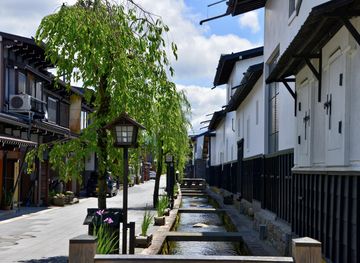
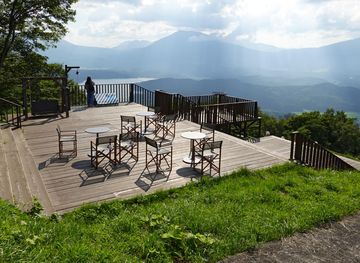
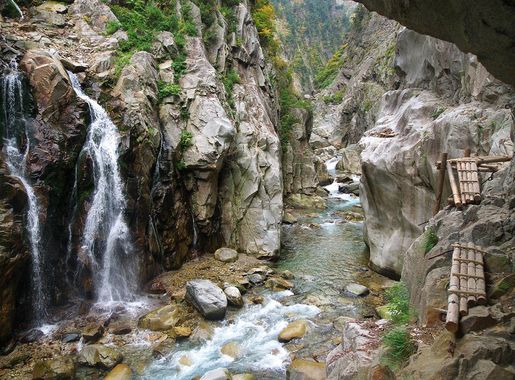
Etchu, located in Toyama Prefecture, is a hidden gem that offers an authentic slice of traditional Japan. This charming area is known for its stunning natural landscapes, including the majestic Tateyama Mountain Range and serene rice paddies that stretch as far as the eye can see. Visitors can enjoy the changing seasons here, from the lush greenery of summer to the snow-covered peaks in winter. Etchu is also rich in cultural heritage. The region is home to the historic town of Takaoka, which boasts beautifully preserved Edo-period buildings and temples. Don't miss the chance to visit Zuiryu-ji Temple, a National Treasure of Japan, renowned for its exquisite Zen architecture. For a unique local experience, explore the traditional crafts of Etchu. The area is famed for its Takaoka copperware and Shogawa wood carving. Visitors can watch artisans at work and even try their hand at creating their own pieces. The vibrant festivals, such as the Takaoka Mikurumayama Festival, offer a glimpse into the local traditions and are a must-see for any visitor.

Know before you go
Hi, I'm Eve. Here are a few practical things to know before exploring Etchu.
- Visit during the Takaoka Mikurumayama Festival in May for a vibrant cultural experience.
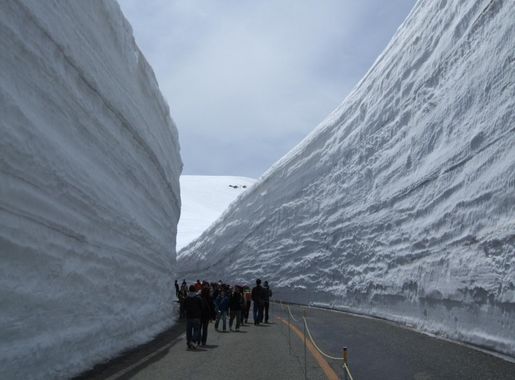
- Take the Tateyama Kurobe Alpine Route for breathtaking views of the Japanese Alps.
- Try the local cuisine, especially the fresh seafood dishes like Toyama Bay sushi.
- Rent a bicycle to explore the scenic countryside at your own pace.
- Visit the traditional workshops in Takaoka to see artisans crafting copperware and wood carvings.
Top City Travel Guides in Etchu
The cities of Etchu, and the easiest places to base yourself.

Destinations in Etchu
Resorts, valleys and scenic spots worth a trip of their own.

Explore Etchu: Things to Do, Places to Eat, Hotels & More
Handpicked recommendations for top attractions, local dining, accommodations, and more

Top Attractions & Sightseeing in Etchu
Top-rated picks
Best Attractions

Toyota Commemorative Museum of Industry and Technology
Discover the legacy of innovation and industry at the Toyota Commemorative Museum of Industry and Technology in Nagoya, a must-visit for tech enthusiasts.

Toyama Glass Art Museum
Explore the artistic brilliance of glass at Toyama Glass Art Museum, where creativity meets craftsmanship in a stunning architectural setting.

Heidi's Village
Explore the enchanting Heidi's Village, a unique theme park and botanical garden in Hokuto, Yamanashi, perfect for families and nature lovers.

Toyama Prefectural Museum of Art and Design
Explore the vibrant world of art and design at Toyama Prefectural Museum, a cultural haven in Japan's scenic Toyama city.

Best landmarks in Etchu
Top-rated picks
Best Landmarks

Oshino Hakkai
Experience the tranquil beauty of Oshino Hakkai, where crystal-clear ponds meet breathtaking views of Mount Fuji.

Chino City Togariishi Jomon Archaeological Museum
Explore Japan's ancient Jomon culture at Chino City Togariishi Jomon Archaeological Museum, a captivating archaeological experience in Nagano.

人喰岩 man-eating rock
Discover the captivating legend and stunning beauty of Kurobe's 'Man-Eating Rock', a unique tourist attraction blending nature and folklore.

Dotonbori
Experience Osaka's vibrant nightlife, dazzling lights, and delicious street food in the iconic Dotonbori entertainment district.

Best restaurants in Etchu
Top-rated picks
Best Restaurants

Shiretoko Shokudo
Discover authentic Hokkaido cuisine at Shiretoko Shokudo - where every bite tells a story amidst stunning natural landscapes.

Vampire Café
Experience Tokyo's Vampire Café: A unique dining adventure blending Italian and Japanese cuisines in a captivating gothic atmosphere.

Yotsuya Uoichi
Experience authentic Japanese izakaya dining at Yotsuya Uoichi with fresh seafood and a warm atmosphere in Tokyo's vibrant Shinjuku district.

Yuzuan Restaurant
Experience authentic Japanese regional cuisine and unique souvenirs at Yuzuan Restaurant in Nankoku - a culinary gem worth exploring.

Best bars in Etchu
Top-rated picks
Best Bars

バール・デ・美富味
Discover the fusion of bar and café culture at バール・デ・美富味 in Toyama, where relaxation meets local flavors in a cozy atmosphere.

Shiny Mountain
Shiny Mountain: An Irish pub in Toyama blending hearty food, vibrant drinks, and a lively atmosphere for a memorable night out.

BAR 白馬舘
Experience the vibrant nightlife of Toyama at BAR 白馬舘, where exceptional drinks meet a welcoming atmosphere.

ジェリコの戦い
Experience Toyama's vibrant nightlife at the Bar of Jericho's Battle, where exquisite drinks meet a lively atmosphere.

Best nightclubs in Etchu
Top-rated picks
Best Nightclubs

TK
Discover the thrill of Tokyo's nightlife at TK Nightclub, where the music is vibrant and the atmosphere is electric.

Kujira Entertainment
Discover the ultimate nightlife experience at Kujira Entertainment in Shinjuku, where cocktails, cuisine, and captivating performances unite.

V2 TOKYO
Experience the electrifying nightlife of Tokyo at V2 TOKYO, where modernity meets vibrant energy in the heart of Roppongi.

WOMB
Discover WOMB, Tokyo's dynamic nightclub where electrifying music and vibrant energy create an unforgettable nightlife experience in Shibuya.

Best shops in Etchu
Top-rated picks
Best Shops

Future City Favore
Experience shopping, dining, and entertainment under one roof at Future City Favore in Toyama, Japan's vibrant shopping destination.

Daiwa Toyama
Explore Daiwa Toyama, a vibrant department store where shopping meets local culture in the heart of Japan's Toyama city.

Marier Toyama
Explore Marier Toyama - the ultimate shopping destination in Toyama offering diverse retail and dining experiences for every traveler.

Kitokito market TOYAMARCHE
Explore the vibrant Kitokito Market TOYAMARCHE in Toyama for local delicacies, fresh produce, and unique crafts that embody the spirit of the region.

Explore Etchu on the Map
A handpicked selection of must-see spots in Etchu, mapped for you.
Etchu Essentials
-
Etchu, now part of Toyama Prefecture, is easily accessible by various means of transportation. The nearest major airport is Toyama Airport, which offers both domestic and limited international flights. From Tokyo or Osaka, you can take the Hokuriku Shinkansen to Toyama Station, a journey that takes approximately 2 to 3 hours. Alternatively, highway buses run regularly from major cities to Toyama, providing a more economical option.
-
Getting around Etchu is convenient with multiple transportation options. Toyama City is well-connected by trams and buses, making it easy to explore local attractions. For more flexibility, consider renting a car to visit scenic spots such as the Tateyama Kurobe Alpine Route. Taxis are also available but can be more expensive. Bicycles are a popular option for short distances and can be rented in various locations.
-
The official currency in Japan is the Japanese Yen (JPY). Credit cards are widely accepted in urban areas, including Toyama City, but smaller establishments and rural areas may only accept cash. ATMs that accept international cards are available in convenience stores like 7-Eleven, FamilyMart, and Lawson. It is advisable to carry sufficient cash when traveling to more remote areas.
-
Etchu is generally a very safe destination for tourists. Crime rates are low, but it is always wise to take standard precautions. Avoid leaving belongings unattended and be cautious in crowded places. There are no specific high-crime areas targeting tourists, but maintaining general vigilance is recommended. Emergency contact numbers include 110 for police and 119 for fire and medical emergencies.
-
In case of an emergency, dial 110 for police assistance or 119 for fire and medical emergencies. Major hospitals in Toyama City have facilities to handle a variety of medical issues, and many have English-speaking staff. It is advisable to carry travel insurance that covers medical emergencies. Pharmacies are available for minor health concerns, and many convenience stores stock basic medical supplies.
-
Fashion: Do dress conservatively, particularly when visiting religious or historical sites. Avoid overly casual or revealing clothing in formal settings. Religion: Do respect local customs and practices. When visiting temples or shrines, bow slightly and cleanse your hands at the purification fountain. Public Transport: Do give up your seat to elderly, disabled, or pregnant passengers. Don't talk loudly or use your phone in a disruptive manner. Greetings: Do greet with a slight bow or a handshake. Avoid overly familiar gestures like hugging. Eating & Drinking: Do try local dishes and be open to new culinary experiences. Don't tip, as it is not customary in Japan and can be seen as rude.
-
To experience Etchu like a local, visit the morning markets such as the Toyama Kitokito Market, where you can buy fresh seafood and local produce. Engage with locals who are often friendly and willing to share stories about the region's history and culture. Don't miss the seasonal festivals, such as the Owara Kaze no Bon festival, which showcases traditional music and dance. For a unique experience, take part in a local craft workshop, such as making traditional Japanese paper (washi) or glasswork.
When is the best time to visit Etchu?
Useful Local Phrases for Etchu
You don't need to speak the language perfectly. Even learning a few simple words can make conversations warmer—and locals usually appreciate the effort.
— Eve

Here are the phrases I use most often in Etchu. Try a few—you'll be surprised how far they go! 😊
❤️
-
- Helloこんにちは
[Konnichiwa] - Goodbyeさようなら
[Sayōnara] - Yesはい
[Hai] - Noいいえ
[Iie] - Please/You’re welcomeお願いします
[Onegaishimasu] - Thank youありがとうございます
[Arigatou gozaimasu] - Excuse me/Sorryすみません
[Sumimasen] - How are you?お元気ですか?
[Ogenki desu ka?] - Fine. And you?元気です。あなたは?
[Genki desu. Anata wa?] - Do you speak English?英語を話せますか?
[Eigo o hanasemasu ka?] - I don't understandわかりません
[Wakarimasen]
- Helloこんにちは
-
- I'd like to see the menu, pleaseメニューを見せてください
[Menyū o misete kudasai] - I don't eat meat肉は食べません
[Niku wa tabemasen] - Cheers!乾杯!
[Kanpai!] - I would like to pay, pleaseお会計をお願いします
[Okaikei o onegaishimasu]
- I'd like to see the menu, pleaseメニューを見せてください
-
- Help!助けて!
[Tasukete!] - Go away!どこか行って!
[Doko ka itte!] - Call the Police!警察を呼んで!
[Keisatsu o yonde!] - Call a doctor!医者を呼んで!
[Isha o yonde!] - I'm lost迷いました
[Mayoimashita] - I'm ill具合が悪いです
[Guai ga warui desu]
- Help!助けて!
-
- I'd like to buy......を買いたいです
[... o kaitai desu] - I'm just looking見ているだけです
[Mite iru dake desu] - How much is it?これはいくらですか?
[Kore wa ikura desu ka?] - That's too expensiveそれは高すぎます
[Sore wa takasugimasu] - Can you lower the price?値段を下げてくれますか?
[Nedan o sagete kuremasu ka?]
- I'd like to buy......を買いたいです
-
- What time is it?今何時ですか?
[Ima nanji desu ka?] - It's one o'clock1時です
[Ichi-ji desu] - Half past (10)10時半です
[Jū-ji han desu] - Morning朝
[Asa] - Afternoon午後
[Gogo] - Evening夕方
[Yūgata] - Yesterday昨日
[Kinō] - Today今日
[Kyō] - Tomorrow明日
[Ashita] - 11
[Ichi] - 22
[Ni] - 33
[San] - 44
[Shi] - 55
[Go] - 66
[Roku] - 77
[Nana] - 88
[Hachi] - 99
[Kyuu] - 1010
[Juu]
- What time is it?今何時ですか?
-
- Where's a/the...?...はどこですか?
[... wa doko desu ka?] - What's the address?住所は何ですか?
[Jūsho wa nan desu ka?] - Can you show me (on the map)?地図で見せてくれますか?
[Chizu de misete kuremasu ka?] - When's the next (bus)?次の(バス)はいつですか?
[Tsugi no (basu) wa itsu desu ka?] - A ticket (to ....)(...)への切符
[(...) e no kippu]
- Where's a/the...?...はどこですか?
History of Etchu
-
Etchu Province, known today as Toyama Prefecture, was originally established in the Nara period (710-794 AD). Archaeological evidence suggests that the area was inhabited since the Jomon period, with ancient settlements thriving due to the region's fertile plains and abundant water sources from the Toyama Bay and the surrounding rivers.
-
During the Heian period (794-1185), Etchu became a significant cultural and political center. The province was known for its production of exquisite silk and other textiles, which were highly valued in the imperial courts of Kyoto. The region also saw the establishment of numerous temples and shrines, many of which still stand today as cultural heritage sites.
-
In the tumultuous Sengoku period (1467-1603), Etchu was a battleground for various feudal lords vying for power. The province changed hands multiple times, with notable figures such as Uesugi Kenshin and Oda Nobunaga playing crucial roles in its history. The period was marked by the construction of many castles and fortifications, some of which have been preserved or reconstructed.
-
The Edo period (1603-1868) brought stability and economic growth to Etchu. Under the Tokugawa shogunate, the province flourished as a center of agriculture, particularly known for its rice production. The establishment of the Kitamaebune shipping route along the Sea of Japan coast also contributed to Etchu's prosperity, connecting it to major trade networks.
-
With the Meiji Restoration in 1868, Etchu, like the rest of Japan, underwent significant modernization and industrialization. The region saw the development of infrastructure such as railways and modern ports, which facilitated the growth of industries like silk production, pharmaceuticals, and heavy machinery. Toyama Prefecture was officially established in 1871 as part of the new administrative divisions.
-
During World War II, Etchu experienced air raids that caused significant damage, particularly in Toyama City. The post-war period, however, saw rapid reconstruction and economic recovery. The region invested heavily in education, technology, and healthcare, transforming itself into a modern and prosperous area with a high standard of living.
-
Today, Etchu is known for its unique blend of traditional culture and modern innovation. The region celebrates its history through numerous festivals, such as the Owara Kaze no Bon and the Takaoka Mikurumayama Festival. At the same time, it is a hub for cutting-edge research and technology, particularly in renewable energy and pharmaceuticals, making it a dynamic and vibrant destination.
Neighbouring Regions of Etchu
The closest regions to Etchu, if you have time for more than one.




Your all‑in‑one travel companion app
Explore expert travel guides, compare and book tours, experiences, hotels, and more—all from the palm of your hand. Download now for seamless trip planning wherever your wanderlust takes you.


Explore More of Japan

Looking beyond Etchu? Discover Japan for broader travel guides, local hot-spots, and regional highlights.
Explore JapanEtchu in Photos
Browse through our photo collection highlighting the charm and character of the destination.




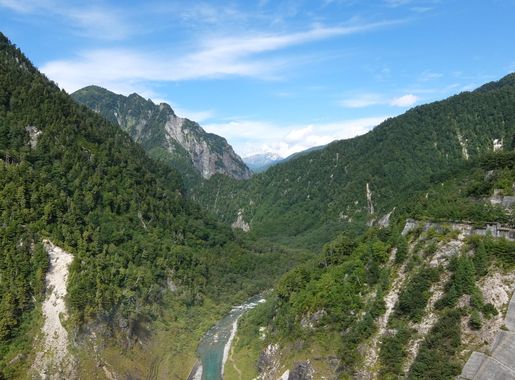


Discover the Timeless Beauty of Etchu, Japan
Etchu, located in Toyama Prefecture, is a hidden gem that offers an authentic slice of traditional Japan. This charming area is known for its stunning natural landscapes, including the majestic Tateyama Mountain Range and serene rice paddies that stretch as far as the eye can see. Visitors can enjoy the changing seasons here, from the lush greenery of summer to the snow-covered peaks in winter. Etchu is also rich in cultural heritage. The region is home to the historic town of Takaoka, which boasts beautifully preserved Edo-period buildings and temples. Don't miss the chance to visit Zuiryu-ji Temple, a National Treasure of Japan, renowned for its exquisite Zen architecture. For a unique local experience, explore the traditional crafts of Etchu. The area is famed for its Takaoka copperware and Shogawa wood carving. Visitors can watch artisans at work and even try their hand at creating their own pieces. The vibrant festivals, such as the Takaoka Mikurumayama Festival, offer a glimpse into the local traditions and are a must-see for any visitor.