

Free Kaga Travel Guide & Mobile App
Explore Kaga with free travel guides. Discover regional history, expert tips, proposed trips, and audio guides on web or mobile app.


Discover Kaga's hot-spring towns, Kutani ceramics, lacquerware, coastal landscapes and historic Daishoji culture in southern Ishikawa.
When is the best time to visit Kaga?
Best: April–May, October · 18–24°C| Month | High (°C) | Rainfall (mm) |
|---|---|---|
| January | 8 | 250 |
| February | 9 | 200 |
| March | 13 | 180 |
| April (best) | 18 | 140 |
| May (best) | 24 | 160 |
| June | 28 | 220 |
| July | 32 | 250 |
| August | 32 | 210 |
| September | 29 | 240 |
| October (best) | 22 | 190 |
| November | 16 | 220 |
| December | 10 | 250 |
Getting to and around Kaga
How to get there
Transportation
Best attractions in Kaga
Kaga's attractions are built around the relationship between hot springs, craft and landscape. Yamashiro's public baths, historic streets and pottery-related culture provide an introduction to the region's bathing tradition, while Yamanaka offers riverside scenery, bridges, temples and workshops devoted to lacquerware and woodcraft. Katayamazu combines hot-spring accommodation with views across Lake Shibayama, a wetland environment appreciated for birds and changing seasonal light. Daishoji adds temple precincts, former castle-town character and cultural venues associated with the Maeda family. Along the coast, Hashitate's maritime heritage and fishing history complement the sandy shore and pine landscapes of the Kaga Coast. Visitors can also seek out Kutani ceramics, local museums, craft demonstrations and cycling routes across the Kaga Plain. The experience is less about a single blockbuster attraction than about moving between distinct communities, each revealing a different aspect of the area's history and environment. Outdoor plans should take account of snow, rain and changing coastal conditions.
-
Natural history museum
Fukui Prefectural Dinosaur Museum
Discover the wonders of prehistoric life at the Fukui Prefectural Dinosaur Museum, a top tourist attraction in Katsuyama, Japan.
-
Scenic spot
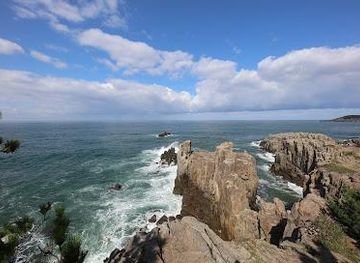
Tojinbo
Explore the breathtaking cliffs of Tojinbo in Fukui, Japan—an iconic scenic spot offering stunning ocean views and rich local lore.
-
Tourist attraction
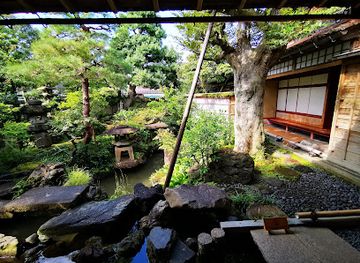
Nomura-ke Samurai Residence
Discover the elegance and history of the Nomura-ke Samurai Residence in Kanazawa, a cultural gem showcasing Japan's samurai heritage and architectural beauty.
-
Tourist attraction
Tsukiusagi no Sato
Experience the best of Japanese cuisine and local crafts at Tsukiusagi no Sato in Kaga, a must-visit destination for every traveler.

Best landmarks in Kaga
The public bathing houses of Yamashiro, particularly Kosoyu and Soyu, are important symbols of Kaga's onsen culture and mark the historic centre of the district. In Yamanaka, the Daishoji River valley and its bridges form a defining natural and architectural setting, with the surrounding town reflecting its long association with lacquerware. Daishoji's temples and historic streets preserve the atmosphere of a former Maeda branch-domain town, while the Edo-period-era Kutani traditions represented in local collections provide a visual landmark of Kaga's artistic heritage. Hashitate's surviving merchant and maritime buildings recall the wealth generated by Kitamaebune shipping. The Kaga Coast, with its dunes, pine woods and Sea of Japan horizons, is the region's most expansive natural landmark, while Lake Shibayama gives Katayamazu a distinct wetland setting. These places matter because they connect Kaga's physical geography with the industries, religious institutions, trading networks and bathing customs that shaped its communities.
-
Garden
Kenroku-en
Wander through a landscape of serene beauty, history, and art in Kanazawa's celebrated Kenrokuen Garden, one of Japan's Three Great Gardens.
-
Buddhist temple
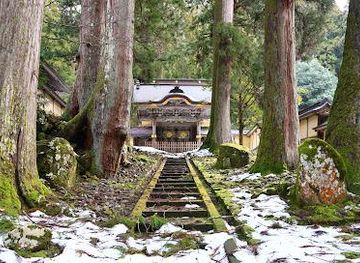
Daihonzan Eiheiji
Discover Daihonzan Eiheiji: A serene Zen Buddhist temple in Fukui, Japan, offering a glimpse into monastic life and profound spiritual history.
-
Tourist attraction
Tsukiusagi no Sato
Interact with adorable free-roaming rabbits, explore local crafts, and savor delightful treats at this charming Kaga park, a haven for rabbit lovers.
-
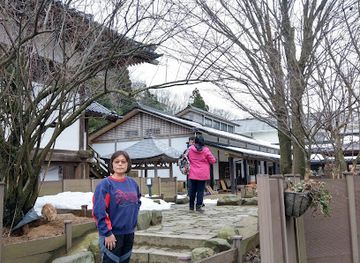
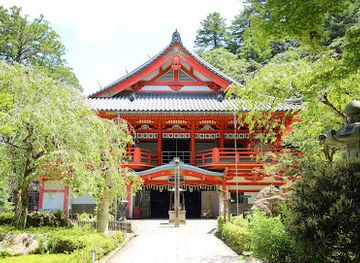
Buddhist temple
Natadera Temple
Discover Natadera Temple: A serene Ishikawa sanctuary where nature, history, and spirituality converge in breathtaking harmony.

Explore Kaga on the map
Plan your trip on one map. See where the top cities, national parks and sights are, and book hotels and experiences in a few clicks.
Best hotels in Kaga
Best restaurants in Kaga
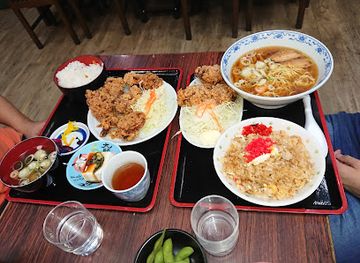
Kaga's dining combines Hokuriku seafood with produce from the fertile plain and mountain valleys. Menus at ryokan and restaurants may feature seasonal crab, nodoguro and other Sea of Japan fish, together with rice, vegetables, mushrooms and carefully presented small dishes. Kaga vegetables, including locally associated varieties such as Kaga lotus root and Kaga cucumber, appear in season, while regional sweets and delicate wagashi suit the area's tea and craft culture. Yamanaka and Yamashiro have cafés, soba restaurants, casual eateries and establishments attached to traditional inns; Daishoji and the coastal settlements offer a more local, less concentrated dining scene. Travellers should expect seafood to vary with the season rather than being identical throughout the year. Sake from Ishikawa, fermented seasonings and local rice are natural accompaniments, while markets and souvenir shops provide packaged sweets, pickles and seafood products for journeys. Advance arrangements are wise for ryokan dinners and smaller restaurants, especially during holiday periods.
-
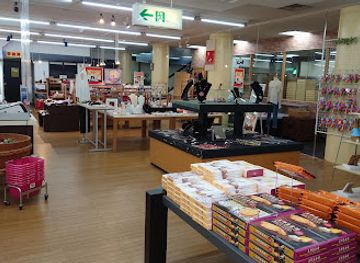
Tourist attraction
Tsukiusagi no Sato
Discover Tsukiusagi no Sato in Kaga: A cultural gem offering authentic Japanese cuisine and unique souvenirs amidst stunning natural beauty.
-
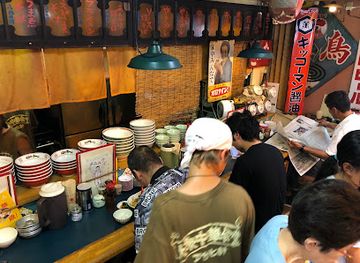
Chinese
Asahiken
Discover authentic Japanese ramen at Asahiken in Kaga – where every bowl tells a delicious story.
-
Syokudo and Teishoku restaurant
Osamu
Discover authentic Japanese cuisine at Osamu in Kaga, where delicious set meals meet casual dining in a charming atmosphere.
-
Ranch
平松牧場 MooMooまきば
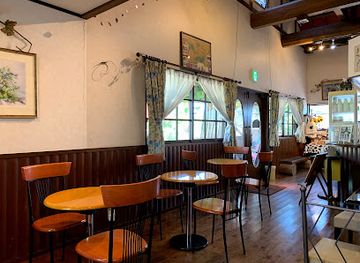
Discover the enchanting MooMoo Ranch in Kaga - where delightful desserts meet friendly farm animals in stunning natural surroundings.
Best bars in Kaga
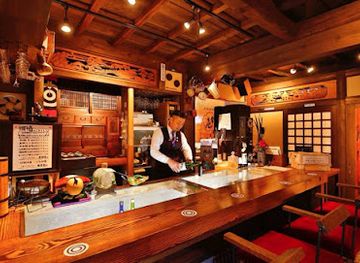
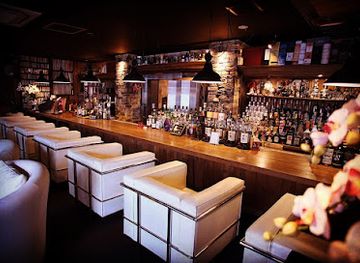
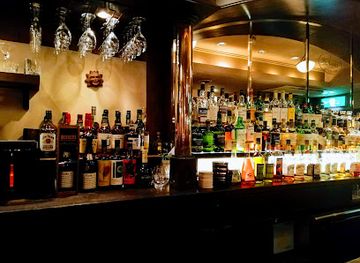
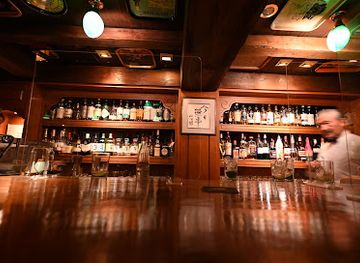
Evening life in Kaga is centred on hot-spring inns, traditional pubs, small restaurants and conversation rather than a large nightclub scene. Yamashiro and Yamanaka provide the greatest concentration of places to eat and drink after bathing, although many visitors spend the evening in their ryokan, where dinner, local sake and seasonal hospitality form part of the stay. Daishoji has a quieter, historic-town atmosphere, while Katayamazu's lakeside hotels and restaurants offer a more leisurely evening setting. Small izakaya serve grilled fish, local vegetables and sake, and some cafés or bars may offer regional drinks and contemporary interpretations of Hokuriku cuisine. Opening arrangements and business hours vary considerably, particularly in rural districts and outside the main tourist seasons, so accommodation staff are often the most reliable source of current local information. Respect the quieter residential character of the hot-spring towns when returning late.
-
Bar
和酒BAR 縁がわ®️ Engawa山中温泉
Discover the tranquility and exquisite flavors of sake at 和酒BAR 縁がわ®️ in Yamanaka Onsen, a must-visit for cultural enthusiasts.
-
Bar
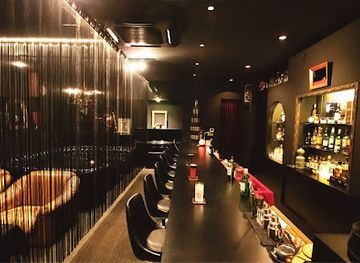
COCKTAIL Bar SWING
Discover the vibrant nightlife at Cocktail Bar Swing in Yamashiroonsen, where exquisite cocktails and a cozy atmosphere create unforgettable moments.
-
Bar
jazzbar 燐
Discover the enchanting world of jazz at Jazzbar 燐 in Kaga, where live performances meet an inviting atmosphere.
-
Bistro
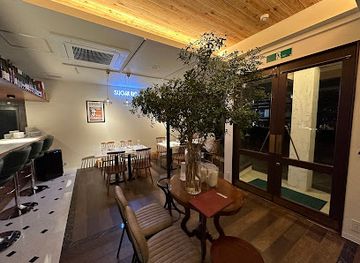
SUGAR RAY DINING AND BAR
Discover the flavors of Australia at Sugar Ray Dining and Bar, a cozy bistro in Kaga offering an unforgettable dining experience.
Best nightclubs in Kaga
Evening life in Kaga is centred on hot-spring inns, traditional pubs, small restaurants and conversation rather than a large nightclub scene. Yamashiro and Yamanaka provide the greatest concentration of places to eat and drink after bathing, although many visitors spend the evening in their ryokan, where dinner, local sake and seasonal hospitality form part of the stay. Daishoji has a quieter, historic-town atmosphere, while Katayamazu's lakeside hotels and restaurants offer a more leisurely evening setting. Small izakaya serve grilled fish, local vegetables and sake, and some cafés or bars may offer regional drinks and contemporary interpretations of Hokuriku cuisine. Opening arrangements and business hours vary considerably, particularly in rural districts and outside the main tourist seasons, so accommodation staff are often the most reliable source of current local information. Respect the quieter residential character of the hot-spring towns when returning late.
-
Brewpub
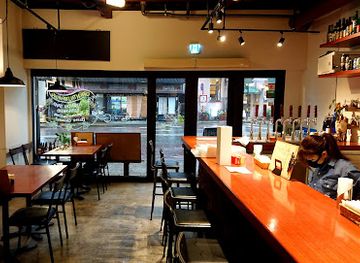
Oriental Brewing
Explore Oriental Brewing, Kanazawa's premier brewpub, offering a delightful fusion of craft beer and gourmet pizza in a warm and welcoming atmosphere.
-
Bar
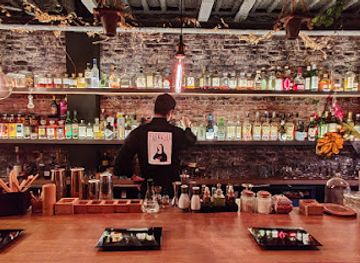
FURANSU COCKTAIL BAR フランス
Discover the artistry of cocktails at FURANSU COCKTAIL BAR, a Kanazawa favorite for unique drinks and a chic atmosphere.
-
Bar
JIGGER BAR St.Louis
Experience the vibrant nightlife of Kanazawa at Jigger Bar, where cocktails meet local culture in an inviting atmosphere.
-
Bar
The Londonya Bar
Discover the vibrant nightlife at The Londonya Bar in Kanazawa, where local flavors and a lively atmosphere await every visitor.
Best shops in Kaga
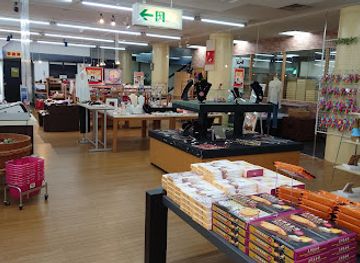
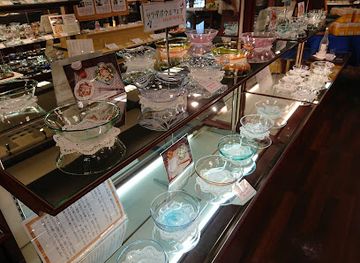
Shopping in Kaga is strongest in craft, food and small-scale local production rather than large retail complexes. Kutani ware is the best-known purchase, ranging from traditional vividly decorated plates and cups to contemporary tableware; reputable galleries and museum shops can help visitors understand provenance and technique. Yamanaka is associated with lacquered wood bowls, trays and utensils, while local craft outlets also present textiles, woodwork and carefully designed household objects. The hot-spring districts contain confectioners, wagashi shops, souvenir stores and ryokan boutiques selling regional sweets, sake, pickles and seafood products. Daishoji offers a quieter selection of independent shops and cultural venues, while Hashitate reflects the area's maritime history through local food products and heritage displays. Rural shopping options can be dispersed and may close earlier than visitors expect, so plan purchases around daytime visits and protect fragile ceramics or lacquerware carefully during onward travel.
-
Tourist attraction
Tsukiusagi no Sato
Explore Tsukiusagi no Sato: a fusion of authentic Japanese cuisine, unique souvenirs, and serene landscapes in the heart of Kaga, Ishikawa.
-
Tourist attraction
Kaga traditional crafts village Yunokuni no mori
Explore Kaga Traditional Crafts Village Yunokuni no Mori, where Japanese artistry comes to life through hands-on experiences and artisan craftsmanship.
-
Japanese inn
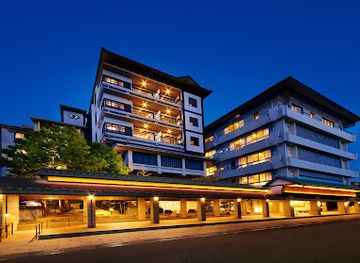
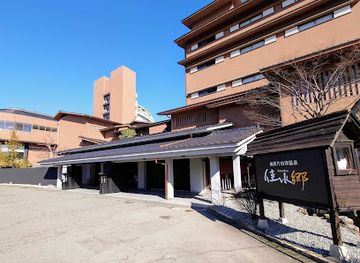
Yunokuni Tensyo
Discover the serene beauty and authentic Japanese hospitality at Yunokuni Tensyo, a tranquil inn in the heart of Yamashiroonsen.
-
Japanese inn
APA HOTEL&RESORT KAGA KATAYAMAZU ONSEN KASUIKYO
Experience the charm of traditional Japanese hospitality at APA Hotel & Resort Kaga Katayamazu Onsen Kasuikyo, your perfect retreat in Kaga.
Get your free copy of our complete guide to Kaga, delivered straight to you.
Everything on this page, from attractions and restaurants to essentials and local phrases, in one PDF you can read offline, print or share.
Already have an account? Sign in
Your Kaga guide is ready.
We'll send it to · Not you? Sign out

Getting your guide ready…
We are putting together a fresh copy of the Kaga guide. This can take up to a minute.
This can take a few moments. If your browser asks, choose Allow so the download can start. You'll find the guide in your Downloads folder.
Nothing happened? Download it again
Sorry, the guide is taking longer than usual. Please try again in a minute, or get it by email instead.
Kaga essentials
Currency and Payment
Safety
Emergency Situations
Do's and Don'ts
Local Tips
From Eve
Local phrases worth knowing
You don't need to get them perfect. A few words go a long way, and locals appreciate the effort.
Basics
| English | Local | Say it |
|---|---|---|
| Hello | Howdy | [haʊdi] |
| Goodbye | See ya | [si jə] |
| Yes | Yep | [jɛp] |
| No | Nope | [noʊp] |
| Please/You’re welcome | Sure thing | [ʃʊr θɪŋ] |
| Thank you | Thanks | [θæŋks] |
| Excuse me/Sorry | Sorry 'bout that | [ˈsɔri baʊt ðæt] |
| How are you? | How's it going? | [haʊz ɪt ˈɡoʊɪŋ] |
| Fine. And you? | I'm good. You? | [aɪm ɡʊd. ju?] |
| Do you speak English? | Do ya speak English? | [du jə spiːk ˈɪŋɡlɪʃ] |
| I don't understand | I don't get it | [aɪ doʊnt ɡɛt ɪt] |
Eating & Drinking
| English | Local | Say it |
|---|---|---|
| I'd like to see the menu, please | Can I see the menu? | [kæn aɪ si ðə ˈmɛnju] |
| I don't eat meat | I'm a vegetarian | [aɪm ə ˌvɛdʒɪˈtɛriən] |
| Cheers! | Cheers! | [ʧɪrz] |
| I would like to pay, please | Can I get the check, please? | [kæn aɪ ɡɛt ðə ʧɛk pliz] |
Emergencies
| English | Local | Say it |
|---|---|---|
| Help! | Help! | [hɛlp] |
| Go away! | Leave me alone! | [liv mi əˈloʊn] |
| Call the Police! | Call 911! | [kɔl naɪn wʌn wʌn] |
| Call a doctor! | Get a doctor! | [ɡɛt ə ˈdɑktər] |
| I'm lost | I'm lost | [aɪm lɔst] |
| I'm ill | I'm not feeling well | [aɪm nɑt ˈfiːlɪŋ wɛl] |
Shopping
| English | Local | Say it |
|---|---|---|
| I'd like to buy... | I want to buy... | [aɪ wɑnt tə baɪ] |
| I'm just looking | Just browsing | [dʒʌst ˈbraʊzɪŋ] |
| How much is it? | What's the price? | [wʌts ðə praɪs] |
| That's too expensive | That's a bit pricey | [ðæts ə bɪt ˈpraɪsi] |
| Can you lower the price? | Can you make it cheaper? | [kæn jə meɪk ɪt ˈtʃiːpər] |
Time & Numbers
| English | Local | Say it |
|---|---|---|
| What time is it? | What time is it? | [wʌt taɪm ɪt] |
| It's one o'clock | It's one o'clock | [ɪts wʌn əˈklɑk] |
| Half past (10) | Half past ten | [hæf pæst tɛn] |
| Morning | Morning | [ˈmɔrnɪŋ] |
| Afternoon | Afternoon | [ˌæftərˈnun] |
| Evening | Evening | [ˈivnɪŋ] |
| Yesterday | Yesterday | [ˈjɛstərdeɪ] |
| Today | Today | [təˈdeɪ] |
| Tomorrow | Tomorrow | [təˈmɔroʊ] |
| 1 | One | [wʌn] |
| 2 | Two | [tuː] |
| 3 | Three | [θriː] |
| 4 | Four | [fɔr] |
| 5 | Five | [faɪv] |
| 6 | Six | [sɪks] |
| 7 | Seven | [ˈsɛvən] |
| 8 | Eight | [eɪt] |
| 9 | Nine | [naɪn] |
| 10 | Ten | [tɛn] |
Transport & Directions
| English | Local | Say it |
|---|---|---|
| Where's a/the...? | Where's the...? | [wɛrz ðə] |
| What's the address? | What's the address? | [wʌts ði əˈdrɛs] |
| Can you show me (on the map)? | Can you show me on the map? | [kæn jə ʃoʊ mi ɑn ðə mæp] |
| When's the next (bus)? | When's the next bus? | [wɛn ðə nɛkst bʌs] |
| A ticket (to ....) | One ticket to... | [wʌn ˈtɪkɪt tə] |
History of Kaga
Early Settlement and the Kaga Coastal Plain
The Kaga Plain and the foothills south of present-day Kanazawa supported farming communities from prehistoric times, while the Sea of Japan coast connected settlements to wider maritime networks. Archaeological remains in the surrounding Ishikawa region reveal long-standing rice cultivation, craft production and exchange. Kaga's rivers, wetlands and wooded valleys shaped where people lived and travelled. Although the modern city of Kaga is a recent administrative creation, its component settlements grew from these older agricultural, riverine and coastal landscapes.
The Kaga Domain and the Maeda Family
From the early seventeenth century, most of present-day Kaga formed part of the powerful Kaga domain ruled by the Maeda family from Kanazawa. The domain's prosperity was based on rice taxation, forestry, mining, trade and effective management of fertile land. Daishoji served as a centre of the Daishoji branch of the Maeda family and developed the character of a castle town, although its castle was dismantled in the Meiji period. The domain's patronage helped create the artistic and religious culture for which Kaga is known.
Kitamaebune Maritime Trade
From the Edo period into the nineteenth century, Kitamaebune cargo ships sailed between ports along the Sea of Japan, carrying rice, textiles, marine products and other goods. Hashitate, now part of Kaga City, became associated with shipowners and maritime merchants who accumulated considerable wealth through this trade. Surviving merchant houses, storehouses and local collections preserve evidence of that era. The shipping route also helped circulate tastes, technologies and craft influences between western Japan and the Hokuriku coast.
The Growth of Kaga Onsen
The hot springs of Yamashiro, Yamanaka and Katayamazu developed over centuries through temples, local communities and travelling bathers. Yamanaka in particular grew around the Daishoji River and became known both as a therapeutic bathing place and as a centre of woodwork and lacquerware. Improved roads and the expansion of rail travel during the modern period made the onsen districts more accessible to visitors from Osaka, Kyoto, Nagoya and the wider Hokuriku region. The ryokan tradition remains one of Kaga's defining cultural forms.
Kutani Ware and Regional Craft Culture
Kutani ware emerged in the early Edo period in the Kaga domain and became recognised for richly coloured decoration and ambitious painted designs. Production changed location and style over time, but the tradition remained closely tied to the region's merchant, samurai and workshop culture. Alongside ceramics, Yamanaka lacquerware, silk weaving and woodcraft developed through specialist skills passed between generations. Today, museums, studios and galleries present both historic objects and contemporary interpretations, showing that Kaga's craft culture is not confined to a single period.
Modern Municipal Kaga
The modern city of Kaga was created in 1958 through the amalgamation of several communities, including Daishoji, Yamashiro, Yamanaka and Katayamazu. This brought historic castle-town, valley, lake and coastal settlements into one municipality while preserving their distinct identities. Post-war tourism strengthened the hot-spring economy, and the region later faced the same demographic and economic pressures affecting many rural parts of Japan. The opening of Kaga Onsen Station on the Hokuriku Shinkansen extension in 2024 improved rail access and renewed attention to the area's craft, wellness and cultural assets.
Kaga in Photos
Browse through our photo collection highlighting the charm and character of the destination.
Neighbouring regions of Kaga
The closest regions to Kaga, if you have time for more than one.
-

-

-

-

-


Swipe for more regions
Explore more

Explore more of Japan
Discover the harmony of tradition and modernity in Japan, where ancient temples and cutting-edge technology coexist in perfect balance.
Explore Japan