

Free Chubu Travel Guide & Mobile App
Explore Chubu with free travel guides. Discover regional history, expert tips, proposed trips, and audio guides on web or mobile app.


Explore Chubu’s alpine valleys, Mount Fuji views, historic towns, coastal cuisine, craft traditions and major Japanese cities.
Read more about Chubu
When is the best time to visit Chubu?
Best: April–May, October · 19–24°C| Month | High (°C) | Rainfall (mm) |
|---|---|---|
| January | 8 | 70 |
| February | 8 | 80 |
| March | 13 | 110 |
| April (best) | 19 | 120 |
| May (best) | 24 | 140 |
| June | 27 | 190 |
| July | 31 | 240 |
| August | 32 | 200 |
| September | 28 | 230 |
| October (best) | 22 | 130 |
| November | 16 | 100 |
| December | 10 | 80 |
Getting to and around Chubu
How to get there
Transportation
Top city travel guides in Chubu
The cities of Chubu, and the easiest places to base yourself.
-

-

-

-
-


Swipe for more cities
Destinations in Chubu
Resorts, valleys and scenic spots worth a trip of their own.
-

-

-

-

-

-


Swipe for more destinations
Best attractions in Chubu
Chubu’s attractions range from major urban museums to remote mountain landscapes. Nagoya offers the Toyota Commemorative Museum of Industry and Technology, Nagoya City Science Museum and the Tokugawa Art Museum, while Aichi’s Inuyama Castle and Tokoname’s ceramics heritage provide strong historical and craft-focused excursions. Kanazawa combines the Kenrokuen garden, samurai and geisha districts, and renowned craft traditions; nearby Hokuriku is also known for seafood, temples and snowy scenery. The Japanese Alps bring hiking, skiing, hot springs and highland viewpoints, with Kamikochi, the Tateyama area, Shirakawa-go and the Kiso Valley among the best-known landscapes and cultural destinations. Around Mount Fuji, visitors can explore lakes, museums, shrines, climbing routes and rural viewpoints in Yamanashi and Shizuoka. Historic streets in Takayama, Matsumoto and the Kiso post towns contrast with the contemporary energy of Nagoya. Coastal Niigata, Toyama and Fukui add markets, rice-growing plains, aquariums, temples and geological scenery, while rural craft centres offer pottery, lacquerware, textiles and metalwork. Seasonal conditions are central to the experience: the same mountain district may be a hiking destination in summer, a foliage landscape in autumn and a snow country in winter.
-
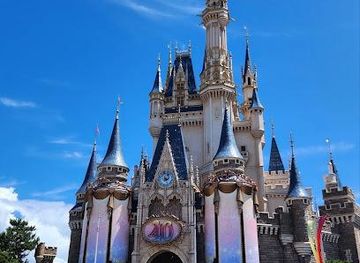
Theme park
Tokyo Disneyland
Experience the magic of Tokyo Disneyland, where enchanting attractions and beloved characters create unforgettable memories for all ages.
-
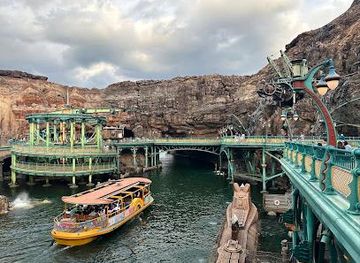
Theme park
Tokyo DisneySea
Discover the magic of Tokyo DisneySea, where fantasy meets the sea, creating an unforgettable adventure for the whole family.
-
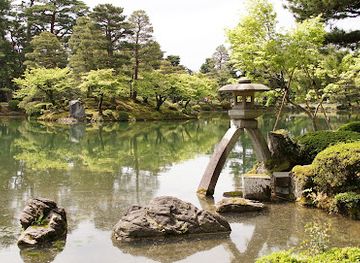
Tourist attraction
Kenroku-en
Explore Kenroku-en, Kanazawa's exquisite garden blending natural beauty and cultural heritage, perfect for a peaceful retreat and scenic photography.
-
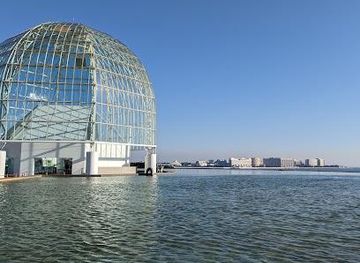
Aquarium
Tokyo Sea Life Park
Explore the depths of the ocean at Tokyo Sea Life Park, a captivating aquarium showcasing marine wonders and promoting ocean conservation.
Best landmarks in Chubu
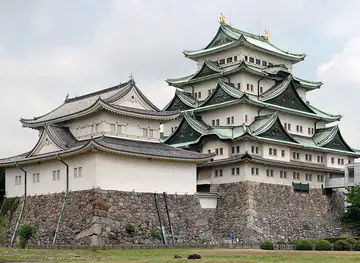
Mount Fuji is Chubu’s most recognisable natural landmark, rising above the borderlands of Yamanashi and Shizuoka and shaping views, pilgrimage traditions and local agriculture. The Japanese Alps provide another defining landmark system, with the Northern, Central and Southern Alps creating dramatic horizons and high passes across Nagano, Gifu, Toyama, Yamanashi and Shizuoka. In Nagoya, Nagoya Castle represents the city’s Tokugawa-era political importance, while Inuyama Castle in Aichi is one of Japan’s surviving original feudal castles. Matsumoto Castle, with its dark wooden exterior and mountain backdrop, is one of the region’s most distinctive historic structures. Kanazawa’s Kenrokuen is celebrated for its carefully composed seasonal landscape, and the preserved streets of the Kiso post towns express the importance of the old Nakasendo route. Shirakawa-go and Gokayama are marked by steeply pitched gassho-style farmhouses adapted to heavy snowfall. Eiheiji in Fukui remains an important Zen temple complex, while the Shinto shrines and tea-growing landscapes around Shizuoka give the Pacific side a different visual character. Together these places show how Chubu’s identity has been shaped by mountains, pilgrimage, military power, commerce and adaptation to local climates.
-
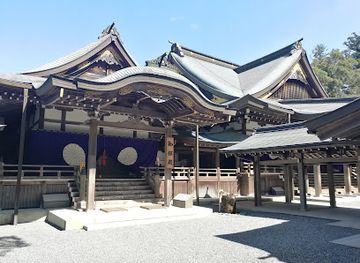
Shinto shrine
Kotai Jingu (Ise Jingu Naiku, Inner Sanctuary)
Discover Japan's most sacred Shinto shrine, Kotai Jingu, dedicated to the sun goddess Amaterasu, in a serene and ancient forest setting.
-
Heritage preservation
Shirakawa-go
Discover Shirakawa-go: A UNESCO World Heritage village with unique gassho-style farmhouses, offering a glimpse into Japan's rich cultural heritage.
-
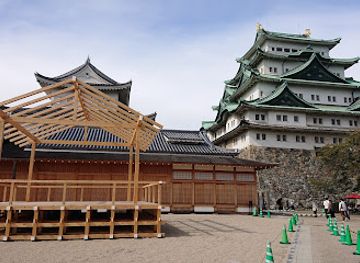
Castle
Nagoya Castle
Explore Nagoya Castle, a symbol of the Tokugawa Shogunate, featuring reconstructed palaces, impressive architecture, and beautiful gardens.
-
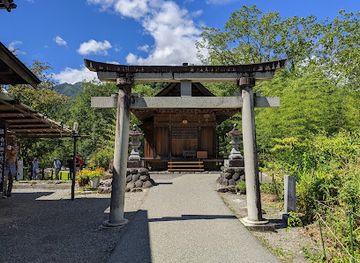
Scenic spot
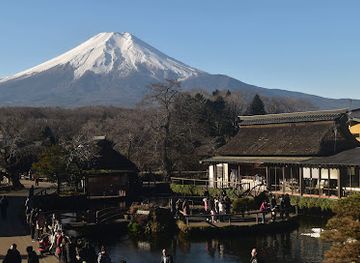
Oshino Hakkai
Discover Oshino Hakkai: a World Heritage site with crystal-clear ponds reflecting Mount Fuji's beauty and ancient spiritual traditions.
Explore Chubu on the map
Plan your trip on one map. See where the top cities, national parks and sights are, and book hotels and experiences in a few clicks.
Best hotels in Chubu
Best restaurants in Chubu
Dining in Chubu reflects the region’s varied climate, coasts and agricultural centres. Sea of Japan ports supply crab, sweet shrimp, yellowtail, sushi and other seafood, particularly in Hokuriku and Niigata, while snowy plains produce highly regarded rice and support sake brewing. Mountain areas are associated with soba, river fish, pickled vegetables and hearty dishes using local produce; Hida beef is a notable speciality around Gifu and Takayama, and Shinshu cuisine in Nagano includes buckwheat noodles and apples. Nagoya and Aichi have a distinctive food culture built around red miso, with dishes such as miso katsu, miso nikomi udon, hitsumabushi and tebasaki commonly found in the region. Shizuoka is known for tea, seafood and wasabi-growing landscapes, while Yamanashi contributes grapes, peaches and regional wines. Expect everything from station bento and market counters to izakaya, family-run soba shops, rural inns, modern restaurants and formal kaiseki dining. Department-store food halls and farmers’ markets are useful places to sample regional products before travelling onward.
-
Restaurant
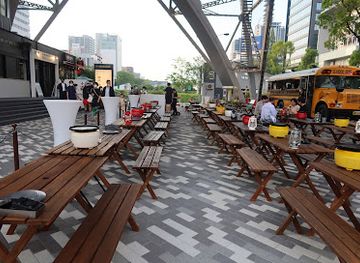
Chubu Electric Power MIRAI TOWER
Experience breathtaking views and local culture at Chubu Electric Power MIRAI TOWER in Nagoya – a must-see for every traveler.
-
Tonkatsu restaurant
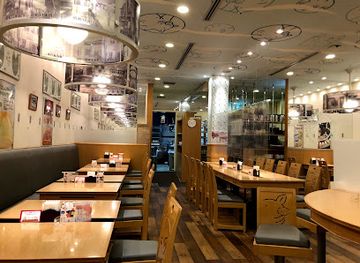
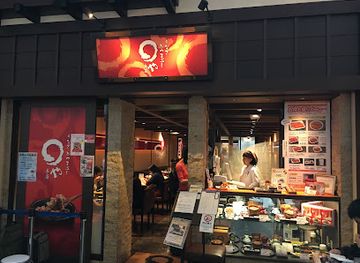
Misokatsu Yabaton
Experience authentic tonkatsu at Misokatsu Yabaton in Centrair Airport - where tradition meets convenience!
-
Unagi restaurant
MARUYA HONTEN
Experience authentic Unagi cuisine at MARUYA HONTEN in Centrair Airport—where tradition meets convenience.
-
Syokudo and Teishoku restaurant
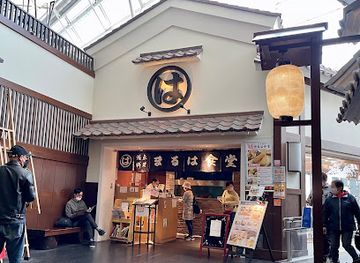
Maruha Shokudo
Discover authentic Japanese seafood dining at Maruha Shokudo in Tokoname - a delightful blend of tradition and flavor awaits.
Best bars in Chubu
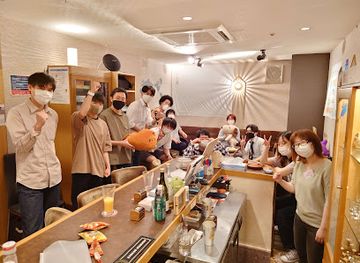
Nightlife in Chubu is concentrated in its larger cities rather than spread evenly across the mountains. Nagoya has the broadest urban choice, with izakaya, standing bars, cocktail venues, live music, karaoke and late-night restaurants around Sakae, Nagoya Station and neighbouring entertainment areas. Kanazawa offers atmospheric bars, sake venues and small restaurants, while Niigata, Toyama, Shizuoka, Matsumoto and Kofu have active local evening scenes suited to dining, drinks and live performance rather than large clubbing districts. In Takayama, the Kiso Valley and alpine towns, evenings generally centre on traditional inns, local eateries, sake bars and hotel lounges; many rural places become quiet comparatively early. Ski resorts can develop seasonal après-ski activity, but it varies by town and season. Craft beer, local sake, whisky and tea-based drinks are widely available, yet visitors should not assume alcohol is necessary for participating in local nightlife. Check transport before staying out late, since the last rural bus or train may be much earlier than expected.
-
Sports bar
Shooters
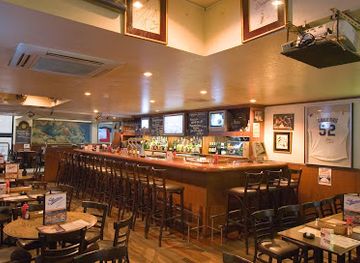
Experience the thrill of sports and delicious cuisine at Shooters, Nagoya's go-to sports bar for food lovers.
-
Bar
BAR BARNS
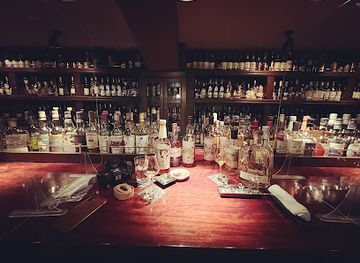
Experience exquisite cocktails and a lively ambiance at BAR BARNS, the heart of Nagoya's vibrant nightlife.
-
Pub
HUB Meieki
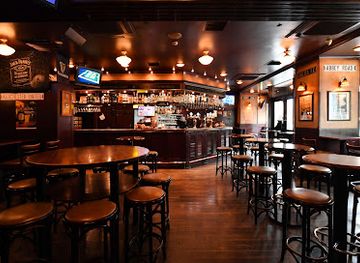
Experience the vibrant nightlife at HUB Meieki, a premier pub in Nagoya offering delicious fish and chips, refreshing beers, and a lively sports bar atmosphere.
-
Bar
Yume Port
Experience the vibrant nightlife at Yume Port, a unique bar in Nagoya offering an extensive drink menu and a cozy atmosphere.
Best nightclubs in Chubu
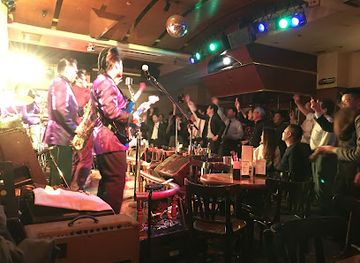
Nightlife in Chubu is concentrated in its larger cities rather than spread evenly across the mountains. Nagoya has the broadest urban choice, with izakaya, standing bars, cocktail venues, live music, karaoke and late-night restaurants around Sakae, Nagoya Station and neighbouring entertainment areas. Kanazawa offers atmospheric bars, sake venues and small restaurants, while Niigata, Toyama, Shizuoka, Matsumoto and Kofu have active local evening scenes suited to dining, drinks and live performance rather than large clubbing districts. In Takayama, the Kiso Valley and alpine towns, evenings generally centre on traditional inns, local eateries, sake bars and hotel lounges; many rural places become quiet comparatively early. Ski resorts can develop seasonal après-ski activity, but it varies by town and season. Craft beer, local sake, whisky and tea-based drinks are widely available, yet visitors should not assume alcohol is necessary for participating in local nightlife. Check transport before staying out late, since the last rural bus or train may be much earlier than expected.
-
Night club
Kento’s Bar
Discover the vibrant nightlife of Nagoya at Kento’s Bar, where great drinks and an energetic atmosphere await every visitor.
-
 Night club
Club Utage Nagoya Sakae
Dive into the electrifying nightlife of Nagoya at Club Utage, where top DJs and a stylish atmosphere await you until the early hours.
-
Night club
T2
Experience the electrifying nightlife of Nagoya at T2, a premier night club offering music, dance, and unforgettable moments.
-
Disco club
Sonic Club Nagoya
Unleash your night at Sonic Club Nagoya, the ultimate disco experience combining dance, live music, and a hookah bar in the heart of the city.


Best shops in Chubu
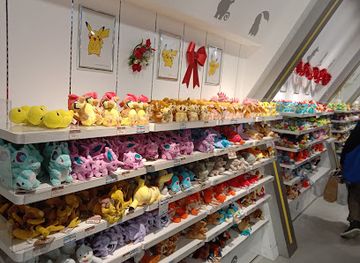
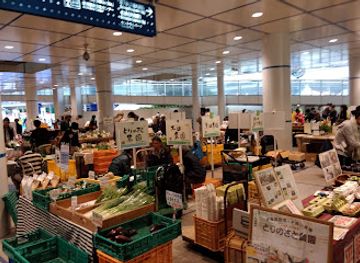
Shopping in Chubu is strongest when it focuses on regional food and making traditions. Nagoya offers department stores, station retail and specialist shops for local sweets, kitchenware and Aichi food products, while Kanazawa is particularly noted for gold leaf, lacquerware, Kaga textiles, ceramics and craft galleries. Takayama’s old streets contain shops selling carved wood, miso, pickles, sake and carefully made souvenirs, and Kiso towns are associated with woodworking and practical craft goods. Takaoka in Toyama has a long metalworking tradition, while Seto and Tokoname in Aichi are important ceramic centres with studios, galleries and pottery-related products. Niigata, Toyama and Nagano are good places to look for rice, sake, miso and preserved foods; Shizuoka is associated with tea, and Yamanashi with fruit products, wine and jewellery. Markets and food halls are useful for edible gifts, though some fresh products have transport restrictions. In rural areas, shopping is often small-scale and workshop-based rather than centred on large retail districts, so opening arrangements and card acceptance can vary.
-
Outlet mall
Gotemba Premium Outlets
Experience a unique shopping adventure at Gotemba Premium Outlets, where luxury meets affordability against the backdrop of Mount Fuji.
-
Outlet mall
Mitsui Outlet Park Jazz Dream Nagashima
Explore Mitsui Outlet Park Jazz Dream Nagashima for unbeatable shopping, dining, and entertainment in a vibrant outlet mall atmosphere.
-
Shopping mall
Oasis 21
Discover the architectural wonder of Oasis 21 in Nagoya, where shopping, dining, and stunning city views blend seamlessly in a vibrant urban experience.
-
Outlet mall
TOKI PREMIUM OUTLETS
Discover unbeatable deals and a delightful shopping atmosphere at TOKI PREMIUM OUTLETS, the premier outlet destination in Toki, Gifu, Japan.

Get your free copy of our complete guide to Chubu, delivered straight to you.
Everything on this page, from attractions and restaurants to essentials and local phrases, in one PDF you can read offline, print or share.
Already have an account? Sign in
Your Chubu guide is ready.
We'll send it to · Not you? Sign out

Getting your guide ready…
We are putting together a fresh copy of the Chubu guide. This can take up to a minute.
This can take a few moments. If your browser asks, choose Allow so the download can start. You'll find the guide in your Downloads folder.
Nothing happened? Download it again
Sorry, the guide is taking longer than usual. Please try again in a minute, or get it by email instead.
Chubu essentials
Currency and Payment
Safety
Emergency Situations
Do's and Don'ts
Local Tips
From Eve
Local phrases worth knowing
You don't need to get them perfect. A few words go a long way, and locals appreciate the effort.
Basics
| English | Local | Say it |
|---|---|---|
| Hello | Hey there | [Hey thair] |
| Goodbye | See ya | [See ya] |
| Yes | Yep | [Yep] |
| No | Nah | [Nah] |
| Please/You're welcome | Sure thing | [Shur thing] |
| Thank you | Thanks a lot | [Thanks a lot] |
| Excuse me/Sorry | My bad | [My bad] |
| How are you? | How's it going? | [How's it goin'?] |
| Fine. And you? | Good. You? | [Good. You?] |
| Do you speak English? | You speak English? | [You speak English?] |
| I don't understand | I don't get it | [I don't get it] |
Eating & Drinking
| English | Local | Say it |
|---|---|---|
| I'd like to see the menu, please | Can I see the menu? | [Can I see the menu?] |
| I don't eat meat | I'm vegetarian | [I'm vegetarian] |
| Cheers! | Cheers! | [Cheers!] |
| I would like to pay, please | Can I get the check? | [Can I get the check?] |
Emergencies
| English | Local | Say it |
|---|---|---|
| Help! | Help! | [Help!] |
| Go away! | Leave me alone! | [Leave me alone!] |
| Call the Police! | Call the cops! | [Call the cops!] |
| Call a doctor! | Get a doctor! | [Get a doctor!] |
| I'm lost | I'm lost | [I'm lost] |
| I'm ill | I'm not feeling well | [I'm not feeling well] |
Shopping
| English | Local | Say it |
|---|---|---|
| I'd like to buy... | I want to buy... | [I want to buy...] |
| I'm just looking | Just browsing | [Just browsing] |
| How much is it? | What's the price? | [What's the price?] |
| That's too expensive | That's pricey | [That's pricey] |
| Can you lower the price? | Can you do a better price? | [Can you do a better price?] |
Time & Numbers
| English | Local | Say it |
|---|---|---|
| What time is it? | What time is it? | [What time is it?] |
| It's one o'clock | It's one | [It's one] |
| Half past (10) | Half past ten | [Half past ten] |
| Morning | Morning | [Morning] |
| Afternoon | Afternoon | [Afternoon] |
| Evening | Evening | [Evening] |
| Yesterday | Yesterday | [Yesterday] |
| Today | Today | [Today] |
| Tomorrow | Tomorrow | [Tomorrow] |
| 1 | One | [One] |
| 2 | Two | [Two] |
| 3 | Three | [Three] |
| 4 | Four | [Four] |
| 5 | Five | [Five] |
| 6 | Six | [Six] |
| 7 | Seven | [Seven] |
| 8 | Eight | [Eight] |
| 9 | Nine | [Nine] |
| 10 | Ten | [Ten] |
Transport & Directions
| English | Local | Say it |
|---|---|---|
| Where's a/the...? | Where's the...? | [Where's the...?] |
| What's the address? | What's the address? | [What's the address?] |
| Can you show me (on the map)? | Can you point it out on the map? | [Can you point it out on the map?] |
| When's the next (bus)? | When's the next bus? | [When's the next bus?] |
| A ticket (to ....) | A ticket to ... | [A ticket to ...] |
History of Chubu
Jomon and Yayoi Settlement
Chubu has important archaeological evidence of communities living in central Japan long before written history. Jomon groups adapted to coastal, riverine and mountain environments, while later Yayoi societies expanded wet-rice cultivation, metalworking and more hierarchical forms of settlement. The broad plains of Niigata, Toyama and Aichi supported agriculture, while the interior valleys developed distinctive relationships with forests and rivers. Archaeological sites across the region show that Chubu was never a cultural blank between eastern and western Japan; its communities participated in changing networks of farming, exchange and ritual.
The Ancient Hokuriku and Mountain Routes
From the Nara and Heian periods, routes through Hokuriku and the central mountains linked coastal settlements with the political centres of Kyoto and Nara. Buddhist institutions, provincial administrations and trading communities grew along these corridors. The region’s difficult terrain encouraged distinctive local cultures, while the Sea of Japan provided maritime connections to other parts of Japan and the Asian mainland. Religious centres such as Eiheiji in Fukui later became important expressions of the continuing Buddhist influence in western Chubu.
Warring States and Castle Towns
During the Sengoku, or Warring States, period, Chubu was divided among powerful military houses competing for routes, farmland and strategic strongholds. Figures including Takeda Shingen in Kai and Shinano, Oda Nobunaga in Owari and Tokugawa Ieyasu in Mikawa shaped the political history of central Japan. Castles and fortified settlements developed at places such as Inuyama, Matsumoto and Kanazawa, while the valleys and passes became important military and commercial routes. Their legacy remains visible in castle towns, temples and historic road landscapes.
The Tokugawa Order and the Nakasendo
Under the Tokugawa shogunate, central Chubu was reorganised into domains and strategically managed territories. The Nakasendo road crossed the mountains between Edo and Kyoto, carrying officials, merchants and travellers through the Kiso Valley. Post towns including Narai, Kiso-Fukushima, Tsumago and Magome prospered from this traffic, and several retain historic streets and buildings. Nagoya also grew as a major castle town under the Owari branch of the Tokugawa family, establishing political and commercial foundations that later supported its prominence.
Crafts, Commerce and Rural Industries
The Edo period encouraged specialised regional production and trade. Kanazawa developed sophisticated lacquerware, gold leaf, textiles and ceramics, while Gifu, Aichi, Fukui and Nagano became associated with woodworking, paper, metalwork, silk and other crafts. Snow-fed agriculture and sake production flourished in the northern plains, and mountain communities developed distinctive houses, tools and farming systems. These traditions were not isolated village curiosities: they formed part of commercial networks connecting castle towns, coastal ports and inland markets, many of which still influence Chubu’s cultural identity.
Industrialisation and the Modern Central Corridor
From the late nineteenth century, railways, modern factories and improved ports transformed Chubu’s economy. Nagoya and surrounding Aichi became major centres of textiles, machinery and later automobile manufacturing, while Toyama and other prefectures developed chemical and engineering industries. Rail links across the mountains connected inland towns to Pacific and Sea of Japan ports. Industrial growth brought urbanisation and migration, but it also coexisted with established agricultural regions, forestry and craft production, creating the mixed urban-rural economy that characterises much of contemporary Chubu.
Earthquakes, War and Reconstruction
Chubu’s modern history has been affected by both war and natural hazards. Industrial cities, including Nagoya, suffered wartime destruction, followed by rapid post-war reconstruction and economic expansion. Earthquakes, heavy snow, landslides and volcanic activity have repeatedly influenced settlement and infrastructure, particularly in mountain and coastal districts. The region’s contemporary resilience is reflected in transport engineering, disaster preparation and the careful conservation of historic buildings. Nagoya’s manufacturing economy, Shizuoka’s agricultural landscapes and Hokuriku’s rebuilding efforts all form part of the modern regional story.
Chubu in Photos
Browse through our photo collection highlighting the charm and character of the destination.
Neighbouring regions of Chubu
The closest regions to Chubu, if you have time for more than one.
-

-

-

-

-


Swipe for more regions
Explore more

Explore more of Japan
Discover the harmony of tradition and modernity in Japan, where ancient temples and cutting-edge technology coexist in perfect balance.
Explore Japan