
Hida, Japan Travel Guide
Discover Hida, Japan: A blend of traditional culture, stunning natural landscapes, and culinary delights in the heart of Gifu Prefecture.
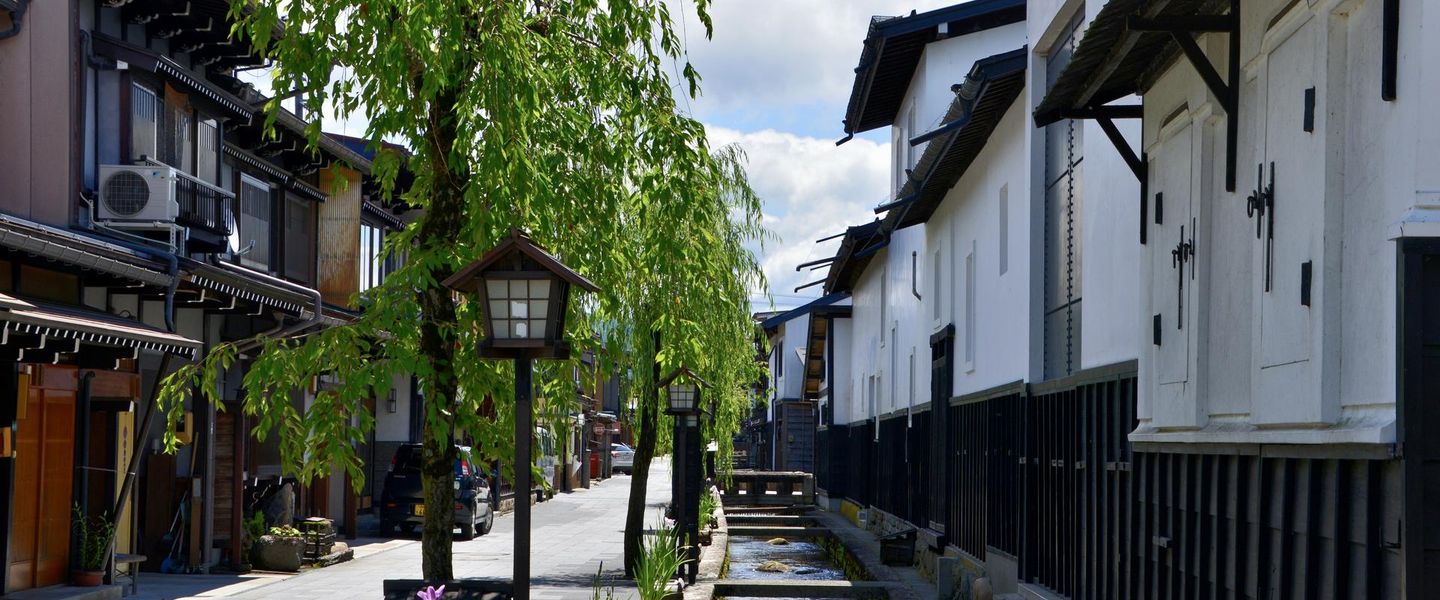
Nestled in the heart of Japan's Gifu Prefecture, Hida is a charming destination that beautifully blends traditional culture with stunning natural landscapes. This small city is renowned for its preserved Edo-period streets, historic buildings, and serene rural atmosphere. As you stroll through the old town, you will be transported back in time, with wooden merchant houses, sake breweries, and quaint shops lining the cobblestone streets. Surrounded by picturesque mountains, Hida offers a variety of outdoor activities for nature lovers. Hiking trails, hot springs, and scenic parks provide ample opportunities to explore the great outdoors. The Hida River, running through the city, adds to its tranquil ambiance and is perfect for a leisurely riverside walk. The local cuisine is another highlight of Hida. Known for Hida beef, one of Japan's top beef brands, food enthusiasts will delight in the region's flavorful dishes. Don't miss the morning markets where you can sample fresh produce and local specialties. Hida's cultural richness is also evident in its festivals and crafts. The Hida Furukawa Festival, held each spring, features traditional floats and dances that showcase the area's vibrant heritage. Artisans in Hida continue to practice traditional woodworking and lacquerware techniques, offering visitors a chance to purchase unique handmade souvenirs.

Know before you go
Hi, I'm Eve. Here are a few practical things to know before exploring Hida.
- Visit the morning markets at Miyagawa and Jinya for fresh produce and local specialties.
- Take a leisurely walk along the Hida River to enjoy the serene ambiance and beautiful views.
- Don't miss tasting Hida beef, one of Japan's most renowned beef brands, at local restaurants.
- Explore the historic Edo-period streets in the old town for a glimpse into Japan's past.
- Attend the Hida Furukawa Festival in spring to experience traditional floats and dances.
- Check out local artisans' shops for unique handmade woodworking and lacquerware souvenirs.
Top City Travel Guides in Hida
The cities of Hida, and the easiest places to base yourself.

Destinations in Hida
Resorts, valleys and scenic spots worth a trip of their own.

Explore Hida: Things to Do, Places to Eat, Hotels & More
Handpicked recommendations for top attractions, local dining, accommodations, and more

Top Attractions & Sightseeing in Hida
Top-rated picks
Best Attractions

Takayama Jinya
Explore the enchanting Takayama Jinya, a historical landmark that showcases Japan's rich Edo period heritage in the heart of Takayama.

Hida no Sato Open Air Museum
Discover the beauty and heritage of rural Japan at Hida no Sato Open Air Museum in Takayama - a perfect blend of culture and nature.
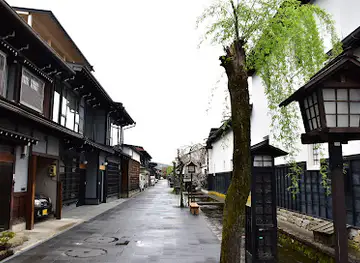
Setogawa and Shirakabe Dozou Street
Discover the historical beauty and cultural richness of Setogawa and Shirakabe Dozou Street, a must-visit destination in Hida, Japan.

Takayama City Museum
Discover the essence of Takayama's culture and history at the Takayama City Museum - a captivating tourist attraction in Gifu, Japan.

Best landmarks in Hida
Top-rated picks
Best Landmarks

Hida no Sato Open Air Museum
Discover traditional Japanese architecture and rural life at this open-air museum in Takayama, featuring relocated houses from the Edo period.

Setogawa and Shirakabe Dozou Street
Step back in time on Hida Furukawa's enchanting Setogawa and Shirakabe Dozou Street, where history, culture, and tranquility converge.

Best restaurants in Hida
Top-rated picks
Best Restaurants

Hida Kotte Ushi
Discover authentic sushi at Hida Kotte Ushi in Takayama, where tradition meets freshness in every delicious bite.

Suzuya Restaurant
Experience authentic Japanese regional cuisine at Suzuya Restaurant in Takayama – where tradition meets culinary excellence.

Kyōya
Experience authentic Japanese soba noodles at Kyōya in Takayama—where tradition meets flavor in every bite.

Le Midi
Experience exquisite French dining at Le Midi in Takayama, where classic flavors meet modern culinary artistry.

Best bars in Hida
Top-rated picks
Best Bars
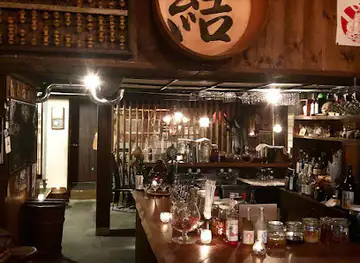
Yu
Discover Yu in Takayama, where expertly crafted cocktails meet a cozy ambiance, perfect for a memorable night out.

Hids' cafe & bar
Experience the unique blend of café culture and bar vibes at Hids' Cafe & Bar, a must-visit spot in the heart of Takayama.

Crepes & Wine Hanchikutei
Discover the perfect blend of homemade crêpes and fine wines at Crepes & Wine Hanchikutei, a must-visit spot in Takayama.

Sakedokoro Tamotsu
Experience the finest sake in Takayama at Sakedokoro Tamotsu, where tradition meets taste in a cozy setting.

Best nightclubs in Hida
Top-rated picks
Best Nightclubs

Japanese Bar Sannomachi Club
Discover the taste of tradition at Sannomachi Club, where every dish tells a story of Japanese heritage and culinary artistry.

CLUB Dio。
Discover the vibrant nightlife at CLUB Dio, a premier lounge in Takayama offering creative cocktails and a lively atmosphere.

くろゆり
Explore the joy of karaoke at くろゆり in Hida, Gifu, where unforgettable nights and vibrant entertainment await every visitor.

Best shops in Hida
Top-rated picks
Best Shops

Hida no Sato Open Air Museum
Explore the rich cultural heritage of the Hida region at Hida no Sato Open Air Museum, where history and nature blend beautifully.

Takayama Green Hotel Hida Souvenir Shop
Explore the Takayama Green Hotel Hida Souvenir Shop for unique local crafts, delicious treats, and memorable gifts from Japan's enchanting Takayama region.

Luvit Town Takayama
Experience the best of local shopping and dining at Luvit Town Takayama, a vibrant shopping mall in the heart of Takayama.

Frespo Hida Takayama
Discover the essence of Takayama at Frespo Hida Takayama, a vibrant shopping mall offering local crafts, culinary delights, and cultural events.

Explore Hida on the Map
A handpicked selection of must-see spots in Hida, mapped for you.
Hida Essentials
-
Hida is located in the Gifu Prefecture of Japan. The nearest international airports are Chubu Centrair International Airport in Nagoya and Kansai International Airport in Osaka. From Nagoya, you can take a JR Limited Express 'Hida' train from Nagoya Station to Takayama Station, which takes approximately 2.5 hours. From Osaka, you can take a JR Limited Express 'Thunderbird' train to Kanazawa, then transfer to a JR Limited Express 'Hida' train to Takayama, which takes around 4 hours in total. Buses from major cities such as Tokyo, Osaka, and Nagoya also provide direct routes to Hida.
-
Hida is a small region, and many of its attractions are easily accessible by foot or bicycle. For longer distances, local buses and taxis are available. The Nohi Bus company operates routes connecting Hida with other parts of Gifu Prefecture and nearby tourist destinations. Renting a car is also a viable option for exploring the area at your own pace, and several rental agencies are available in Takayama.
-
The official currency in Japan is the Japanese Yen (JPY). Credit cards are widely accepted in hotels, large restaurants, and shops in Hida, but it is advisable to carry cash for smaller establishments and rural areas. ATMs that accept international cards are available at convenience stores like 7-Eleven and at post offices. Ensure you have sufficient cash, especially when traveling to more remote areas.
-
Hida is generally a very safe destination for tourists. Violent crime is rare, but it is always wise to be cautious. Keep an eye on your belongings, especially in crowded places such as markets and festivals. There are no specific neighborhoods in Hida known for high crime rates targeting tourists. Common sense precautions, such as avoiding poorly lit areas at night and not leaving valuables unattended, are recommended.
-
In case of emergency, dial 110 for police assistance and 119 for fire or medical emergencies. Most emergency responders speak some English. It is advisable to have travel insurance that covers medical emergencies. For minor health issues, pharmacies (薬局, yakkyoku) are available in towns like Takayama. Major hospitals and clinics are also available in the region. Always carry a copy of your passport and important contact information with you.
-
Fashion: Do dress modestly, particularly when visiting temples and shrines. Avoid overly revealing clothing. Religion: Do respect local customs and traditions. Always purify your hands at the entrance of a shrine and bow before entering. Public Transport: Do be quiet and respectful on public transport. Don't talk on your phone or eat while on the train or bus. Greetings: Do bow slightly when greeting someone. A handshake is not commonly used but may be acceptable in more formal settings. Eating & Drinking: Do try local dishes such as Hida beef and Takayama ramen. Don't stick chopsticks upright in a bowl of rice, as it resembles a funeral rite.
-
To experience Hida like a local, visit the morning markets (asaichi) in Takayama, where you can buy fresh produce and local crafts. Engage with locals by participating in traditional festivals like the Takayama Festival, held in spring and autumn. Don’t miss out on soaking in an onsen (hot spring) for a relaxing experience. For a unique culinary adventure, try a cooking class to learn how to make traditional Japanese dishes.
When is the best time to visit Hida?
Useful Local Phrases for Hida
You don't need to speak the language perfectly. Even learning a few simple words can make conversations warmer—and locals usually appreciate the effort.
— Eve

Here are the phrases I use most often in Hida. Try a few—you'll be surprised how far they go! 😊
❤️
-
- Helloこんにちは
[Konnichiwa] - Goodbyeさようなら
[Sayōnara] - Yesはい
[Hai] - Noいいえ
[Iie] - Please/You're welcomeお願いします
[Onegaishimasu] - Thank youありがとう
[Arigatou] - Excuse me/Sorryすみません
[Sumimasen] - How are you?お元気ですか?
[Ogenki desu ka?] - Fine. And you?元気です。あなたは?
[Genki desu. Anata wa?] - Do you speak English?英語を話せますか?
[Eigo o hanasemasu ka?] - I don't understandわかりません
[Wakarimasen]
- Helloこんにちは
-
- I'd like to see the menu, pleaseメニューを見せてください
[Menyū o misete kudasai] - I don't eat meat肉は食べません
[Niku wa tabemasen] - Cheers!乾杯!
[Kanpai!] - I would like to pay, pleaseお会計お願いします
[Okaikei onegaishimasu]
- I'd like to see the menu, pleaseメニューを見せてください
-
- Help!助けて!
[Tasukete!] - Go away!どいて!
[Doite!] - Call the Police!警察を呼んで!
[Keisatsu o yonde!] - Call a doctor!医者を呼んで!
[Isha o yonde!] - I'm lost迷いました
[Mayoimashita] - I'm ill具合が悪いです
[Guai ga warui desu]
- Help!助けて!
-
- I'd like to buy...…を買いたいです
[… o kaitai desu] - I'm just looking見ているだけです
[Mite iru dake desu] - How much is it?これはいくらですか?
[Kore wa ikura desu ka?] - That's too expensiveそれは高すぎます
[Sore wa takasugimasu] - Can you lower the price?値段を下げてもらえますか?
[Nedan o sagete moraemasu ka?]
- I'd like to buy...…を買いたいです
-
- What time is it?今何時ですか?
[Ima nanji desu ka?] - It's one o'clock1時です
[Ichi-ji desu] - Half past (10)10時半です
[Jū-ji han desu] - Morning朝
[Asa] - Afternoon午後
[Gogo] - Evening夕方
[Yūgata] - Yesterday昨日
[Kinō] - Today今日
[Kyō] - Tomorrow明日
[Ashita] - 11
[Ichi] - 22
[Ni] - 33
[San] - 44
[Shi] - 55
[Go] - 66
[Roku] - 77
[Nana] - 88
[Hachi] - 99
[Kyū] - 1010
[Jū]
- What time is it?今何時ですか?
-
- Where's a/the...?…はどこですか?
[… wa doko desu ka?] - What's the address?住所は何ですか?
[Jūsho wa nan desu ka?] - Can you show me (on the map)?(地図で)見せてもらえますか?
[(Chizu de) misete moraemasu ka?] - When's the next (bus)?次の(バス)はいつですか?
[Tsugi no (basu) wa itsu desu ka?] - A ticket (to ....)(へ)切符をください
[(e) kippu o kudasai]
- Where's a/the...?…はどこですか?
History of Hida
-
The history of Hida dates back to the Jomon period (c. 14,000 – 300 BCE). Archaeological findings, such as pottery and stone tools, reveal that early inhabitants lived in harmony with the abundant natural resources of the area. The region's rich forests provided ample materials for shelter and tools, while its rivers and fertile soil supported agriculture and hunting.
-
During Japan's feudal era, Hida was recognized as a province. The region's geographical isolation contributed to its unique cultural development. The rugged landscape made it difficult for outside influences to penetrate, resulting in a distinct local culture and traditions. Hida Province was known for its skilled carpenters, who were often summoned to work on prestigious projects, including temples and castles across Japan.
-
The city of Takayama, located in the heart of the Hida region, rose to prominence during the Edo period (1603–1868). Under the Tokugawa shogunate, Takayama became a direct domain of the shogun, also known as tenryo. This status brought prosperity to the city, which became a bustling hub for commerce and crafts. The town's well-preserved Edo-period architecture, including merchant houses and sake breweries, offers a glimpse into its illustrious past.
-
Established in 1971, the Hida Folk Village (Hida no Sato) is an open-air museum that showcases traditional gassho-zukuri farmhouses. These thatched-roof houses, characterized by their steeply pitched roofs, were relocated from various parts of the Hida region to preserve them. The village provides an immersive experience, allowing visitors to explore the architecture, tools, and lifestyle of Hida's rural communities.
-
Hida Takayama is renowned for its biannual festivals, held in spring and autumn. The Takayama Matsuri, one of Japan's most celebrated festivals, features ornate floats (yatai) parading through the streets. These floats, intricately decorated and centuries old, are a testament to the region's artistic heritage. The festivals attract visitors from all over the world, offering a vibrant display of Hida's cultural traditions.
-
The culinary traditions of Hida are deeply rooted in the region's natural bounty. Hida beef, known for its rich marbling and tenderness, is a local delicacy that has gained nationwide acclaim. Other traditional dishes include gohei mochi (grilled rice cakes), hoba miso (miso paste grilled on a magnolia leaf), and sansai (mountain vegetables). These dishes reflect the harmony between Hida's residents and their environment.
-
Shirakawa-go, a UNESCO World Heritage Site, is located near the Hida region and shares its cultural and architectural heritage. The gassho-zukuri farmhouses found in Shirakawa-go are similar to those in Hida Folk Village. This connection highlights the broader cultural landscape of the Hida region and its neighboring areas, emphasizing the importance of preserving these historical structures and traditions.
-
Hida's reputation for craftsmanship is well-earned, with local artisans excelling in woodworking, pottery, and lacquerware. The region's skilled carpenters, known as Hida no takumi, were historically sought after for their expertise in constructing temples and shrines. Today, their legacy continues in the form of beautifully crafted furniture and traditional crafts, which are prized both domestically and internationally.
Neighbouring Regions of Hida
The closest regions to Hida, if you have time for more than one.




Your all‑in‑one travel companion app
Explore expert travel guides, compare and book tours, experiences, hotels, and more—all from the palm of your hand. Download now for seamless trip planning wherever your wanderlust takes you.


Explore More of Japan

Looking beyond Hida? Discover Japan for broader travel guides, local hot-spots, and regional highlights.
Explore JapanHida in Photos
Browse through our photo collection highlighting the charm and character of the destination.


Hida: The Hidden Gem of Japan
Nestled in the heart of Japan's Gifu Prefecture, Hida is a charming destination that beautifully blends traditional culture with stunning natural landscapes. This small city is renowned for its preserved Edo-period streets, historic buildings, and serene rural atmosphere. As you stroll through the old town, you will be transported back in time, with wooden merchant houses, sake breweries, and quaint shops lining the cobblestone streets. Surrounded by picturesque mountains, Hida offers a variety of outdoor activities for nature lovers. Hiking trails, hot springs, and scenic parks provide ample opportunities to explore the great outdoors. The Hida River, running through the city, adds to its tranquil ambiance and is perfect for a leisurely riverside walk. The local cuisine is another highlight of Hida. Known for Hida beef, one of Japan's top beef brands, food enthusiasts will delight in the region's flavorful dishes. Don't miss the morning markets where you can sample fresh produce and local specialties. Hida's cultural richness is also evident in its festivals and crafts. The Hida Furukawa Festival, held each spring, features traditional floats and dances that showcase the area's vibrant heritage. Artisans in Hida continue to practice traditional woodworking and lacquerware techniques, offering visitors a chance to purchase unique handmade souvenirs.