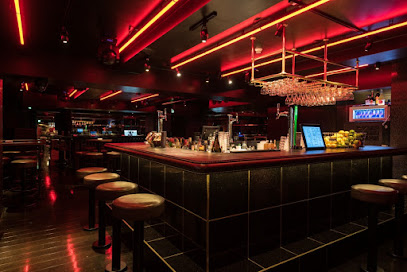
Meiji Jingu Shrine: A Tranquil Oasis in the Heart of Tokyo
Find serenity in the heart of Tokyo at Meiji Jingu Shrine, a peaceful oasis dedicated to Emperor Meiji and Empress Shoken.
Meiji Jingu Shrine, dedicated to Emperor Meiji and Empress Shoken, offers a serene escape from Tokyo's bustling city life. Completed in 1920 and rebuilt in 1958 after wartime damage, the shrine features a peaceful forest with over 100,000 trees donated from across Japan. Visitors can experience traditional Shinto activities and enjoy the natural beauty of this urban sanctuary.
A brief summary to Meiji Jingu
- 1-1 Yoyogikamizonocho, Shibuya City, Yoyogikamizonocho, Tokyo, 151-8557, JP
- +813-3379-5511
- Visit website
Local tips
- Visit early in the morning to avoid crowds and experience the shrine's peaceful atmosphere.
- Check the shrine's calendar for festivals and events, such as the Spring Grand Festival in late April and early May.
- Explore the Inner Garden in June to see the irises in bloom and visit Kiyomasa's Well.
- Visit the Meiji Jingu Museum to learn more about the Emperor and Empress and see historical artifacts.
- Look for traditional Shinto weddings, often held on weekends.

Getting There
-
Walking
From Harajuku Station (JR Yamanote Line), take the Omotesando Exit and walk north. Follow the signs for Meiji Jingu Shrine. The walk to the entrance takes about 1 minute, and then another 10 minutes through the forest to reach the main shrine buildings. There are no admission fees for the shrine itself.
-
Public Transport
From Shibuya Station, take the JR Yamanote Line to Harajuku Station (¥140, 3 minutes, frequent departures). Alternatively, take the Fukutoshin Line to Meiji-jingumae Station. From there, follow the walking directions. A Suica or Pasmo card is recommended for easy payment on public transport. Bus services are also available from Shibuya Station to Meiji Jingu.
-
Taxi
From Shibuya Station, a taxi to Meiji Jingu costs approximately ¥2,100 - ¥2,600 and takes about 5 minutes. Taxis are readily available at the station. Note that traffic conditions may affect the travel time and cost.
Discover more about Meiji Jingu
Iconic landmarks you can’t miss

Kiyomasa's Well
0.2 km
Explore Kiyomasa's Well, a historical landmark in Tokyo offering tranquil waters and lush gardens, perfect for relaxation and reflection amidst nature.
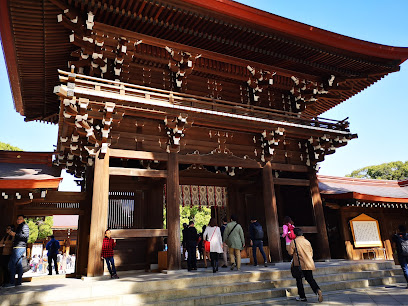
Treasure Museum
0.4 km
Uncover the rich cultural heritage of Japan at Meiji Jingu Museum, showcasing artifacts from Emperor Meiji and Empress Shoken's era in a serene setting.
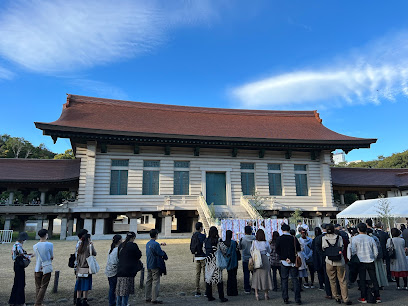
Hikage-zaka hill
0.5 km
Discover the serene beauty and historical charm of Hikage-zaka Hill in Shibuya, a perfect escape from Tokyo's bustling streets.
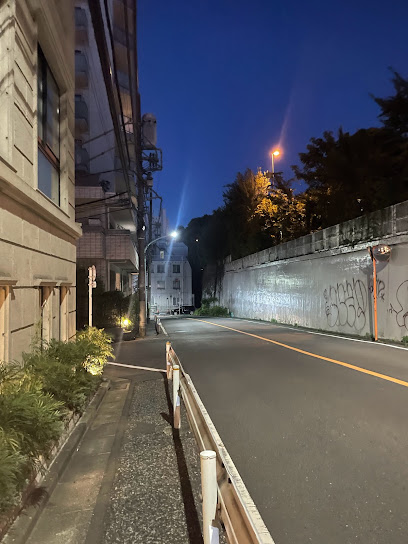
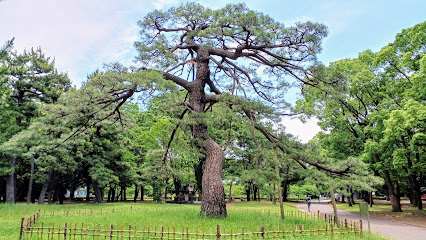
Pine Tree of Imperial Troop Review
0.7 km
Discover a silent witness to Japanese history: The Pine Tree of Imperial Troop Review in Yoyogi Park, Shibuya.
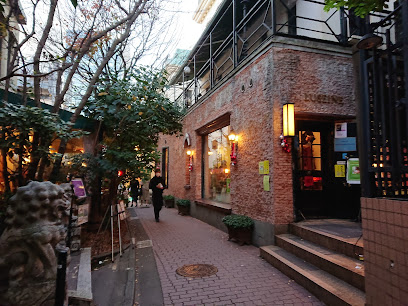
Brahms Path
0.7 km
Experience the tranquility of Brahms Path in Shibuya, a scenic escape filled with nature, art, and cultural charm in the heart of Tokyo.
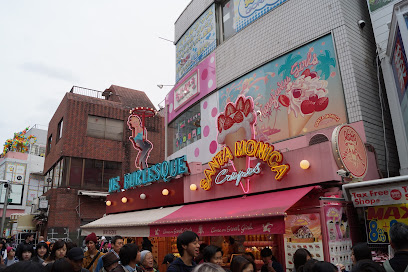
Takeshita Street Square
0.7 km
Experience the vibrant culture of Takeshita Street Square in Shibuya, Tokyo, where fashion meets delicious street food and youthful energy.
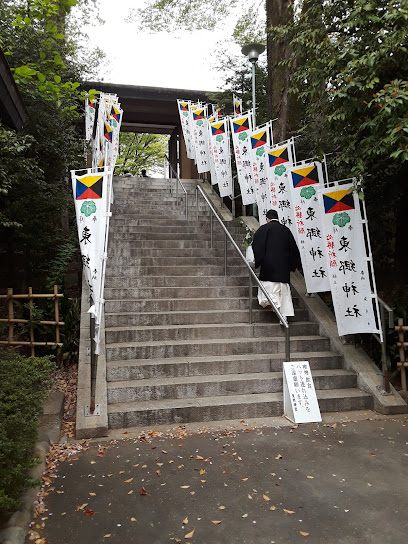
Cenotaph for the Submariners
0.8 km
Explore the Cenotaph for the Submariners in Shibuya - a solemn tribute to naval bravery amidst Tokyo's vibrant energy.
Shibuya Gate Observation Deck
0.9 km
Discover breathtaking views and vibrant cityscapes at the Shibuya Gate Observation Deck in Tokyo, a must-visit for every traveler.
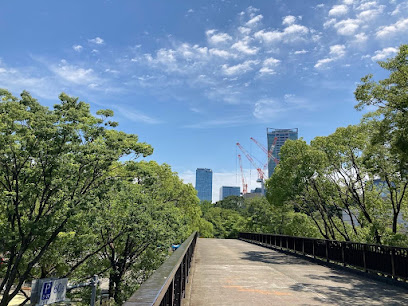
SoLaDo Takeshita-dori
0.9 km
Experience the vibrant shopping scene at SoLaDo Takeshita-dori, where Tokyo's fashion-forward culture meets unique shops and delightful cafes.
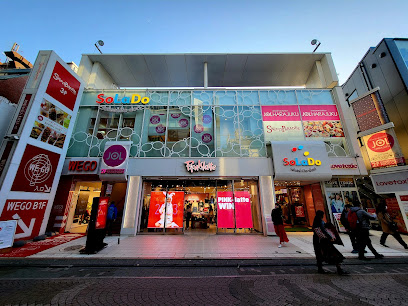
Hotel Century Southern Tower
1.1 km
Experience breathtaking views and convenient access to Tokyo's best from this modern Shinjuku hotel.
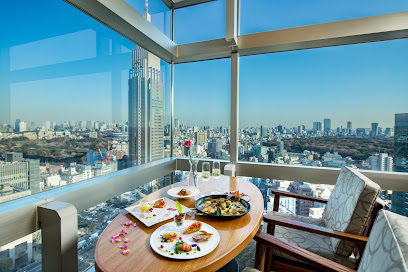
Harajuku
1.2 km
Discover the vibrant youth culture of Harajuku in Tokyo, where fashion, art, and culinary delights come together in a colorful urban experience.
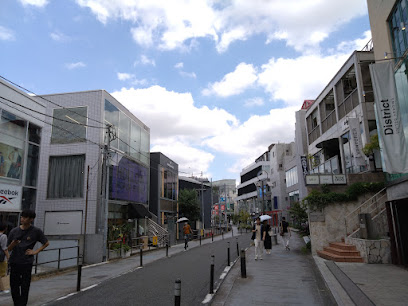
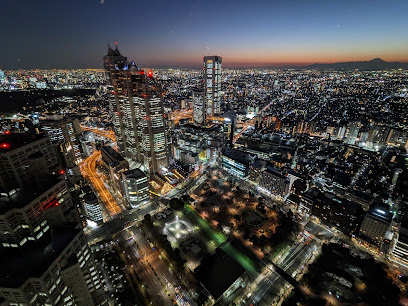
Tokyo Metropolitan Government Building South Observatory
1.6 km
Discover breathtaking views of Tokyo's skyline from the South Observatory at the Tokyo Metropolitan Government Building.
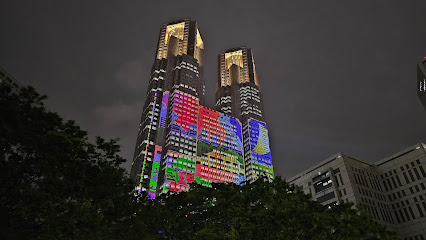
Tokyo Night & Light
1.6 km
Discover the enchanting world of Tokyo Night & Light, where art and technology illuminate the vibrant heart of Japan's capital.
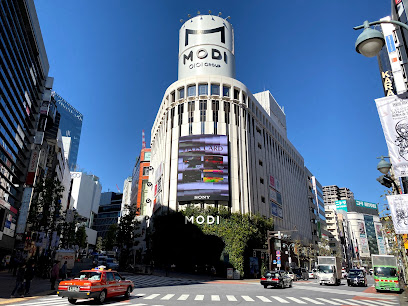
BINGO Shibuya MODI Store
1.7 km
Discover unique and affordable vintage fashion at BINGO Shibuya MODI, a trendy thrift shop in the heart of Tokyo's Shibuya district.
Shinjuku Sumitomo Building
1.8 km
Discover the iconic Shinjuku Sumitomo Building, a triangular skyscraper with a rich history and modern appeal in the heart of Tokyo's bustling Shinjuku.
Unmissable attractions to see

Meiji Jingu Gyoen
0.3 km
Discover a serene escape in Tokyo's Meiji Jingu Gyoen, a historic garden offering natural beauty and tranquility in the heart of the city.
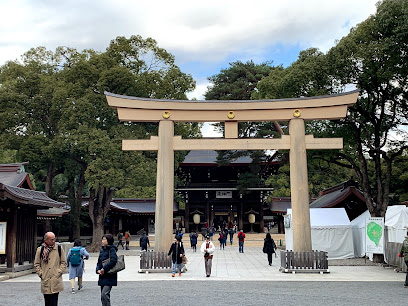
Imperial station site
0.5 km
Explore the rich history and vibrant culture of the Imperial Station Site in Shibuya, Tokyo - a must-see tourist attraction.
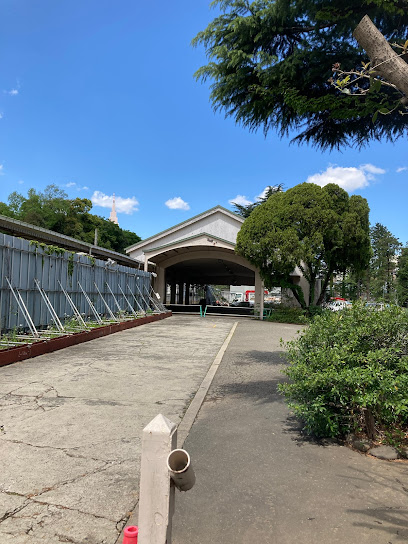
Harajuku Tourist Information Center
0.6 km
Explore Tokyo's vibrant Harajuku district with multilingual support, maps, and local tips from our information center.
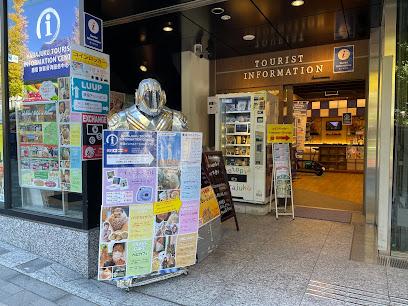
Takeshita Street
0.7 km
Discover the vibrant youth culture of Tokyo at Takeshita Street, a fashion haven in Harajuku filled with unique shops and delicious treats.
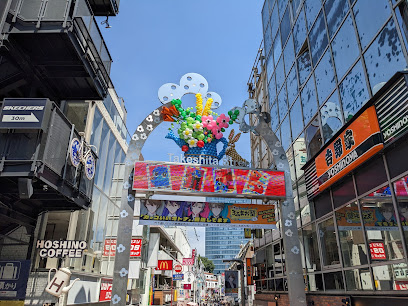
Togo Shrine
0.8 km
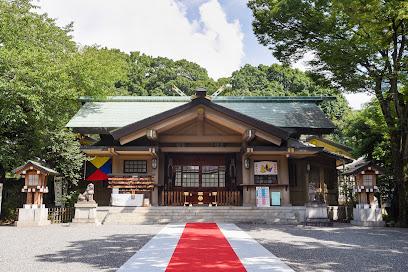
Escape the Harajuku crowds at Togo Shrine, a peaceful oasis honoring a naval hero with history, gardens, and Hello Kitty charms.
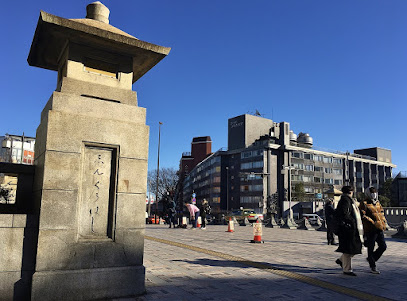
Jingū Bashi (Shrine Bridge)
0.8 km
Experience the charm of Jingū Bashi, a bridge that connects Tokyo's lively Shibuya district with the serene Meiji Shrine, a perfect blend of tradition and modernity.
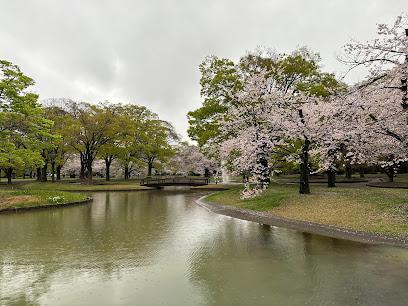
Yoyogi Park
0.8 km
Discover Yoyogi Park, Tokyo's lush urban oasis blending nature, culture, and relaxation, perfect for tourists seeking a peaceful retreat amidst the city's vibrancy.
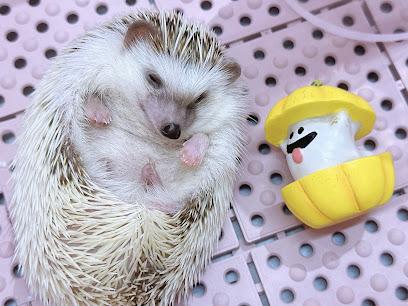
Harajuku Kawaii Land Kyun Kyun Animal Petting
0.8 km
Interact with adorable animals in a kawaii-themed wonderland at Harajuku Kawaii Land Kyun Kyun, a unique petting zoo experience in Tokyo!
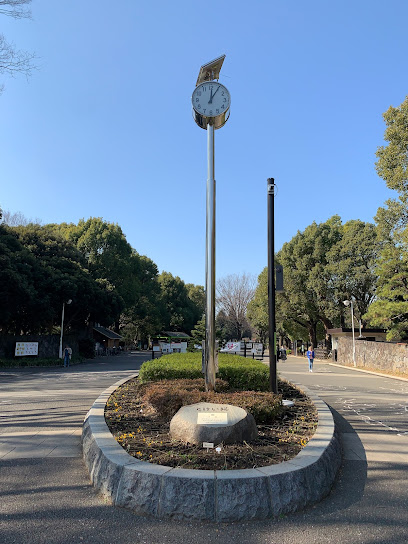
Yoyogi Park Clock Tower
0.8 km
A historic clock tower in Yoyogi Park, Tokyo, offering a peaceful retreat and a glimpse into the city's vibrant culture and past.
Hedgehog Cafe & Pet Store HARRY Harajuku
0.8 km
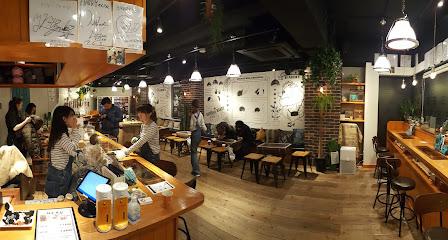
Experience the cuteness of hedgehogs and more at Hedgehog Cafe & Pet Store HARRY in Harajuku, Tokyo's unique animal cafe.
National Noh Theater
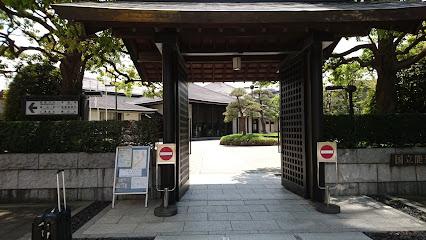
0.9 km
Experience the captivating beauty of Noh and the delightful humor of Kyogen at Tokyo's National Noh Theater, a stage for ancient Japanese traditions.
Mayuko's Little Kitchen Japanese Cooking Class
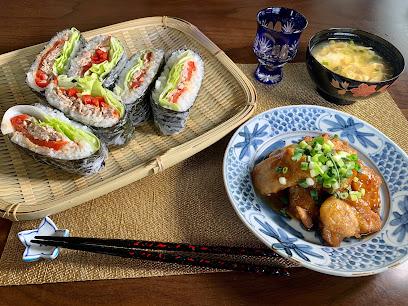
0.9 km
Discover the art of Japanese home cooking in a private Tokyo kitchen. Learn authentic recipes and experience local culinary culture with Mayuko's Little Kitchen.
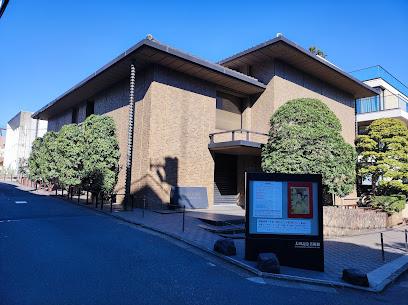
Ōta Memorial Museum of Art
0.9 km
Discover the enchanting world of ukiyo-e at the Ōta Memorial Museum of Art in Tokyo's vibrant Harajuku district.
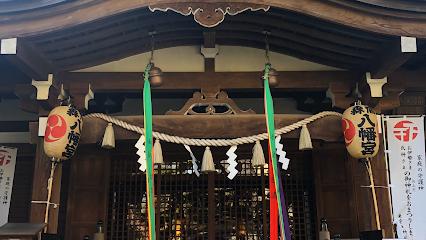
Hatonomori Hachiman Shrine
0.9 km
Explore the serene Hatonomori Hachiman Shrine in Shibuya, a perfect blend of tranquility and cultural heritage in the heart of Tokyo.
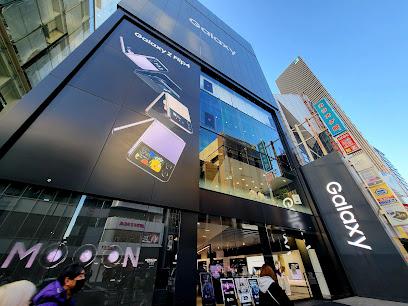
Galaxy Harajuku
1.0 km
Experience the future of technology with interactive exhibits and VR at Samsung's Galaxy showcase in Tokyo's vibrant Harajuku district.
Essential places to dine

AFURI Harajuku
0.6 km
Experience the exquisite taste of yuzu-infused ramen at AFURI Harajuku – where tradition meets innovation in every bowl.
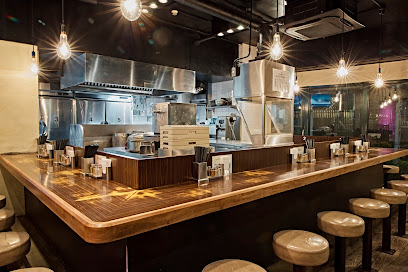
OKU
0.6 km
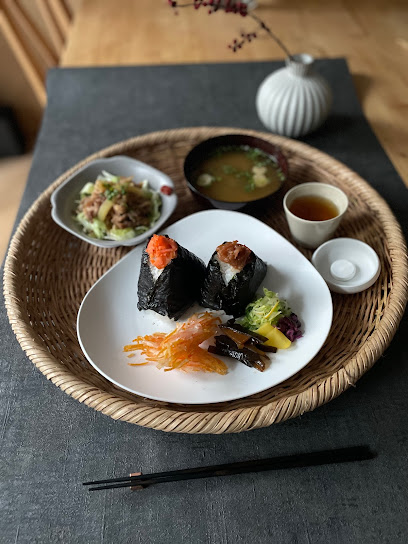
Discover authentic Japanese flavors at OKU in Tokyo's vibrant Shibuya district - where tradition meets taste.
Bogamari Cucina Marinara
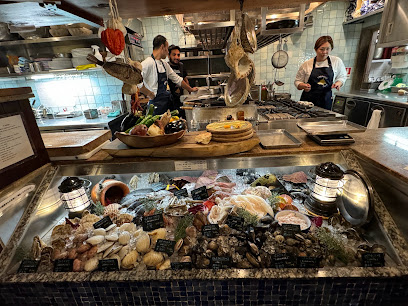
0.7 km
Discover the exquisite fusion of seafood and Italian flavors at Bogamari Cucina Marinara in Tokyo's Shibuya City.
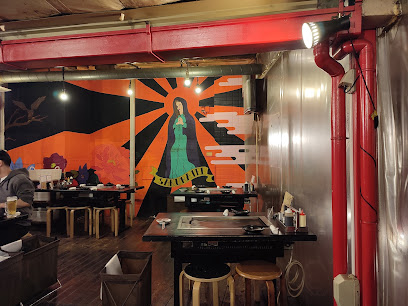
LAS DOS CARAS MODERN MEXICANO Y TACOS
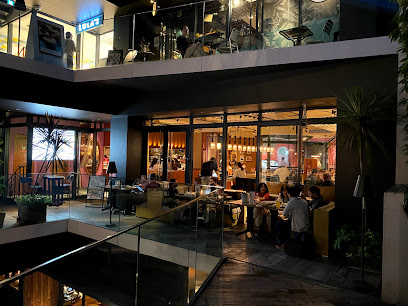
0.8 km
Discover the vibrant flavors of Mexico at Las Dos Caras Modern Mexicano y Tacos in Tokyo's Shibuya district - where tradition meets modernity.
Pompompurin Cafe
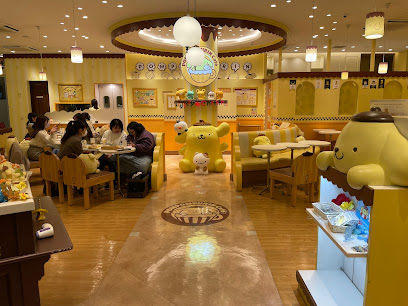
0.8 km
Experience whimsical dining at Pompompurin Cafe in Harajuku, Tokyo - where adorable character themes meet delicious culinary delights.
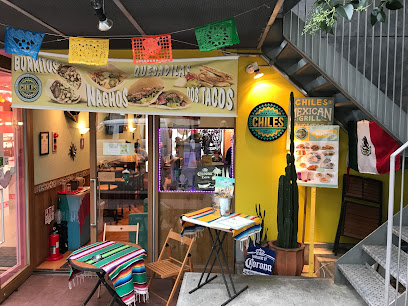
Chiles Mexican Grill Harajuku
0.9 km
Experience authentic Mexican flavors at Chiles Mexican Grill in Harajuku - where every bite transports you to Mexico!
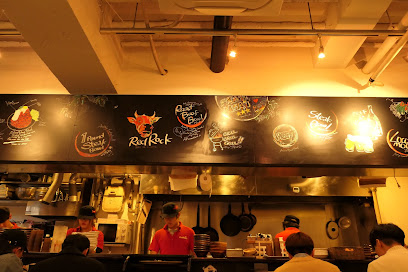
Red Rock Harajuku
0.9 km
Experience authentic Japanese flavors with exquisite gyudon and steak dishes at Red Rock Harajuku, a must-visit culinary gem in Tokyo.
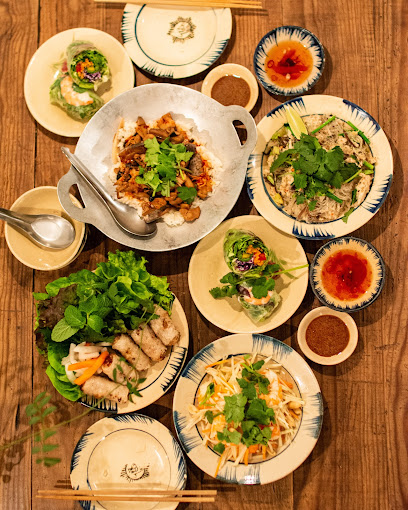
Yoyonam
1.0 km
Discover authentic Vietnamese flavors at Yoyonam in Tokyo's lively Yoyogi area – where tradition meets modernity.
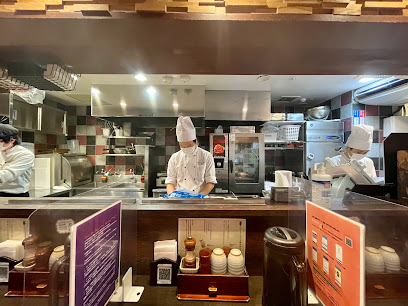
Roast Beef Ohno Harajuku
1.0 km
Discover the unique flavors of Japan at Roast Beef Ohno in Harajuku – where tradition meets modern taste!
Genmai Udon
1.0 km
Discover authentic handmade udon and traditional Japanese flavors at Genmai Udon in Tokyo's lively Shibuya district.

Mominoki House
1.0 km
Experience the essence of vegetarian dining at Mominoki House in Shibuya, Tokyo - where seasonal ingredients meet culinary creativity.
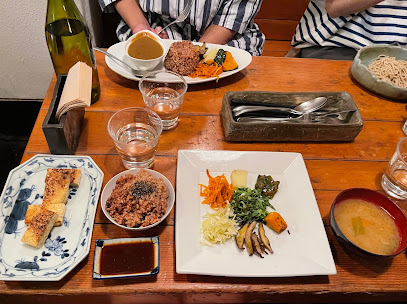
Sakura-tei
1.1 km
Experience authentic izakaya dining at Sakura-tei in Shibuya—where traditional Japanese flavors come alive in a lively setting.
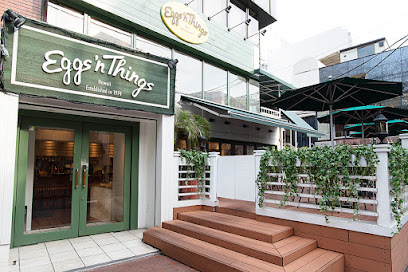
Eggs 'n Things
1.1 km
Experience Hawaiian hospitality at Eggs 'n Things in Harajuku, Tokyo - where delicious breakfast meets vibrant culture.
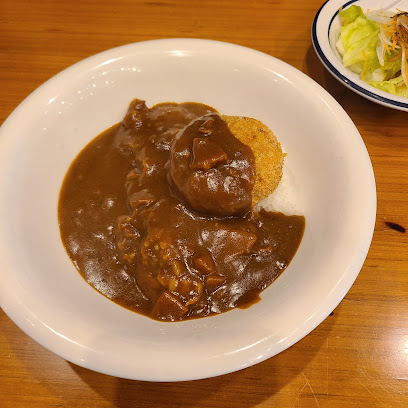
Oden curry
1.1 km
Experience a delicious fusion of traditional oden and rich curry flavors at Oden Curry in Shibuya, Tokyo.
MUSHROOM TOKYO
1.2 km
Experience the best of Italian vegetarian cuisine in Shibuya at Mushroom Tokyo – where every dish is crafted with love and fresh ingredients.
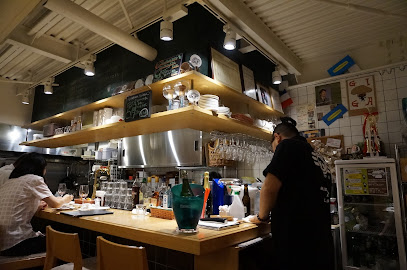
Markets, malls and hidden boutiques

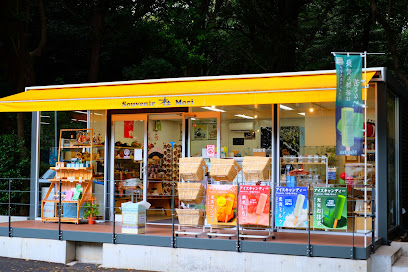
souvenir mori annex
0.3 km
Explore the enchanting world of Japanese souvenirs at Souvenir Mori Annex in Shibuya, where every item is a piece of culture.
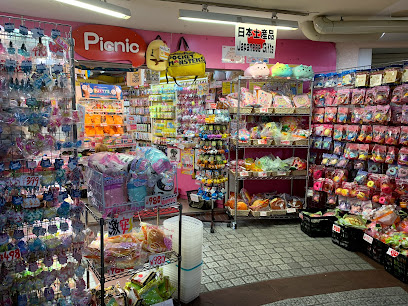
PICNIC Harajuku Shop
0.7 km
Discover unique fashion, quirky souvenirs, and Japanese pop culture at PICNIC Harajuku Shop, the ultimate variety store experience in Tokyo.
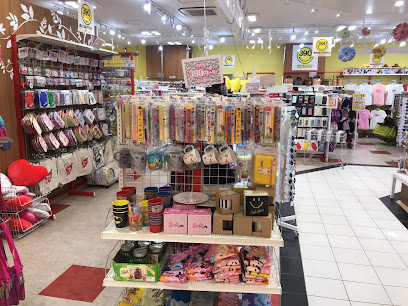
NUBIAN HARAJUKU
0.7 km
Discover unique fashion at Nubian Harajuku, the ultimate clothing store experience in Tokyo's vibrant Harajuku district.

THANK YOU MART Harajuku ALTA Store
0.7 km
Explore a vibrant collection of trendy gifts, fashion, and accessories at THANK YOU MART Harajuku ALTA Store in Tokyo's iconic district.
UNIQLO Harajuku
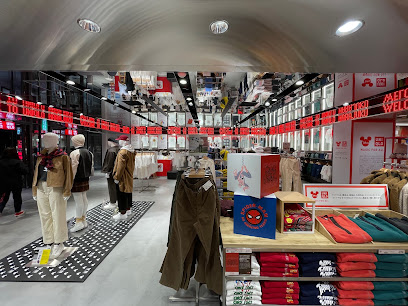
0.7 km
Explore trendy fashion and floral delights at UNIQLO Harajuku, Tokyo's iconic shopping destination for style-savvy tourists.
Harajuku Station
0.8 km
Explore the vibrant heart of Tokyo's youth culture at Harajuku Station, your gateway to fashion, food, and iconic sights.
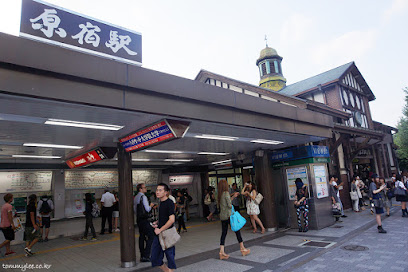
Sanrio Cute Cube Harajuku
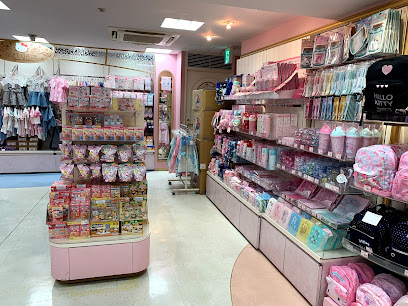
0.8 km
Discover the enchanting world of Sanrio at Cute Cube Harajuku, a gift shop filled with iconic characters, plush toys, and exclusive merchandise.
BRAND COLLECT HARAJUKU TAKESHITA STREET
0.9 km
Uncover unique vintage clothing and stylish accessories at BRAND COLLECT Harajuku, a treasure trove for fashion enthusiasts in Tokyo.
Kinji Used Clothing Harajuku Branch
1.0 km
Explore the vibrant world of vintage fashion at Kinji Used Clothing in Harajuku, where unique styles meet cozy cafe vibes.
6% Doki Doki
1.1 km
Discover the vibrant world of Japanese street fashion at 6% Doki Doki, where whimsical designs and unique styles come to life in the heart of Shibuya.
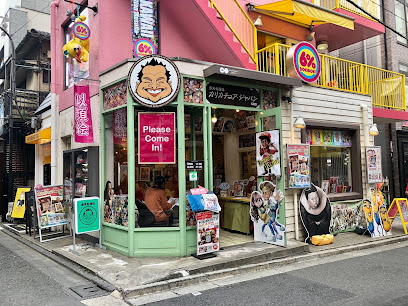
MESH tokyo
1.1 km
Discover the enchanting world of toys at MESH Tokyo, a vibrant store in Shibuya that captivates children and adults alike.
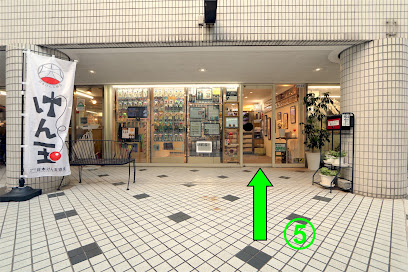
UNBY GENERAL GOODS STORE TOKYO
1.1 km
Explore the stylish offerings at UNBY General Goods Store in Shibuya, Tokyo, where quality meets contemporary design for all your outdoor and everyday needs.
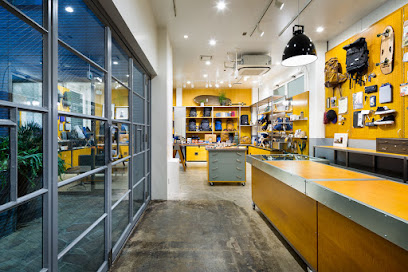
kindal harajuku second hand store
1.1 km
Explore the heart of Harajuku with Kindal's unique selection of vintage and second-hand clothing, perfect for fashion enthusiasts and thrifty shoppers.
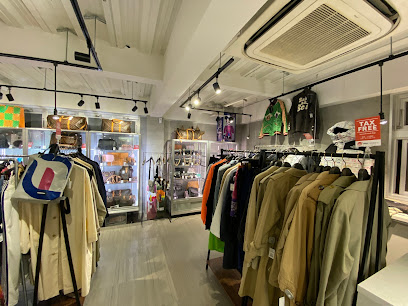
Base Yard Tokyo
1.2 km
Discover a vibrant shopping haven in Shibuya, featuring a unique blend of bookstores and eclectic general stores at Base Yard Tokyo.

The bingo brothers
1.2 km
Discover unique fashion pieces that reflect Tokyo's vibrant street culture at The Bingo Brothers in Shibuya.
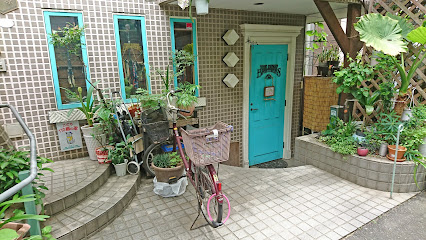
Essential bars & hidden hideouts

GRAPES KITASANDO
0.5 km
Discover the heartbeat of Tokyo's nightlife at Grapes Kitasando, a live music bar where every night resonates with unforgettable melodies.
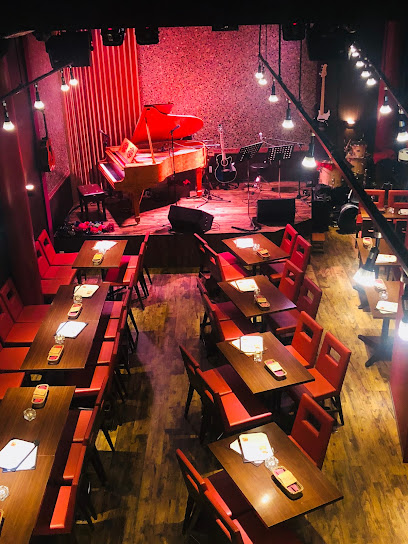
Baird Beer Harajuku Taproom (ベアードビール原宿タップルーム)
0.7 km
Discover the best of Tokyo's craft beer scene at Baird Beer Harajuku Taproom, where local brews meet a cozy ambiance.
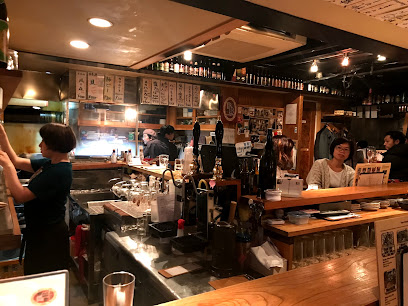
原宿Rock Bar HALF MOON
1.0 km
Discover the lively atmosphere of 原宿 Rock Bar HALF MOON, where great music and friendly vibes create unforgettable nightlife in Tokyo.
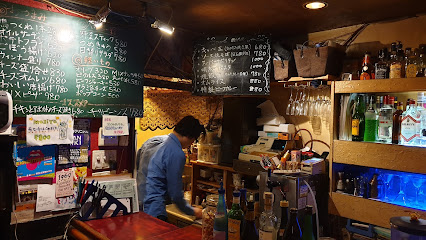
Bar werk
1.0 km
Discover the vibrant atmosphere of Bar Werk in Shibuya, Tokyo, where exquisite cocktails and a lively ambiance await you.
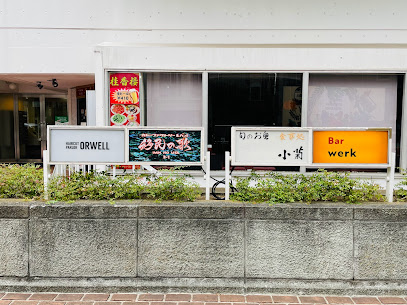
Moch
1.0 km
Discover Moch, a vibrant bar in Shibuya offering a perfect blend of modern cocktails and a lively atmosphere to enjoy Tokyo's nightlife.
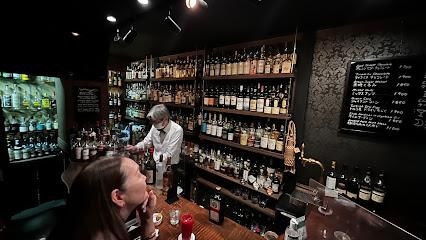
Spincoaster Music Bar
1.0 km
Discover Spincoaster Music Bar in Shibuya, where the beats are vibrant, and the atmosphere is electric for an unforgettable nightlife experience.
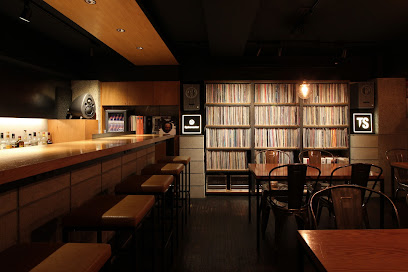
UA BAR
1.0 km
Discover the stylish UA BAR in Shibuya, where fashion meets flavor in an unforgettable cocktail experience.
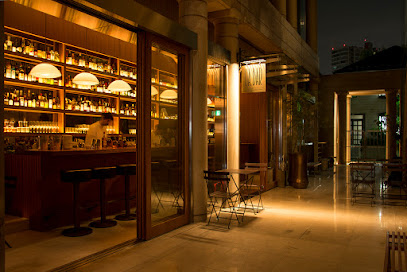
Bar After S'ayak
1.1 km
Discover the hidden charm of Bar After S'ayak in Shibuya, Tokyo, where expertly crafted cocktails meet a cozy atmosphere.
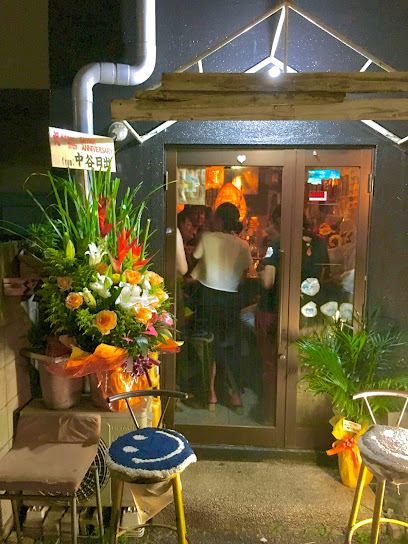
JOINT HARAJUKU Bar&Gallery
1.1 km
Discover JOINT HARAJUKU: A unique fusion of art and nightlife in the heart of Tokyo's vibrant Harajuku district.
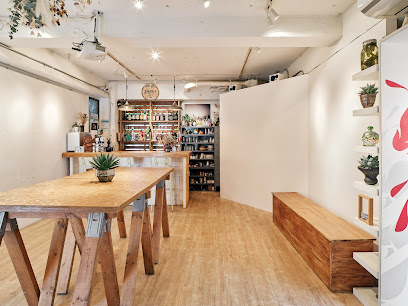
Bar FORT
1.1 km
Discover the charm of Bar FORT in Shibuya, where exquisite cocktails and a cozy ambiance create an unforgettable Tokyo nightlife experience.
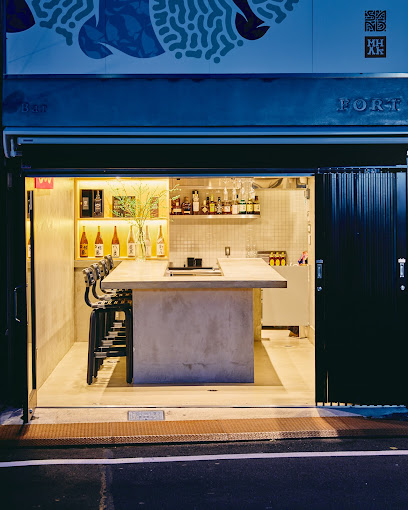
Bar Kukon
1.2 km
Discover Bar Kukon in Shibuya: A charming bar serving crafted cocktails, exquisite wines, and a cozy atmosphere that captures Tokyo's nightlife.
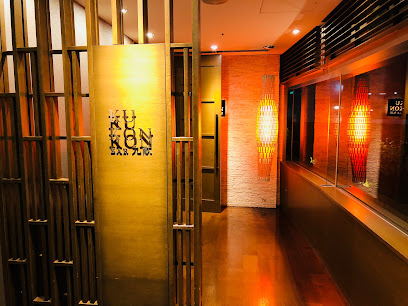
Bar Subterraneans
1.3 km
Discover the vibrant nightlife of Tokyo at Bar Subterraneans, a lively bar featuring live music and DJ performances in Shibuya's underground scene.
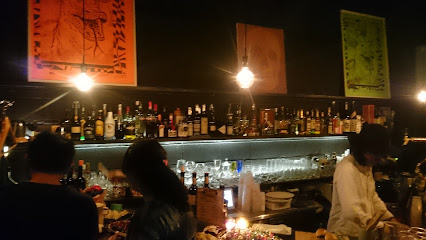
Bar SOUL B
1.3 km
Discover the vibrant nightlife at Bar SOUL B in Shibuya, where eclectic drinks meet a welcoming atmosphere, perfect for socializing and relaxation.
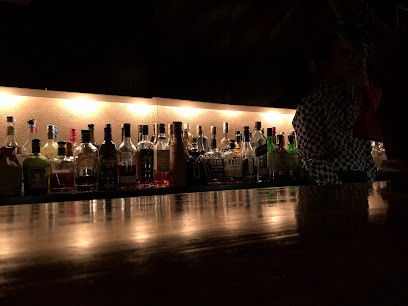
The SG Club
1.4 km
Experience the art of mixology at The SG Club, a top cocktail bar in Shibuya, Tokyo, offering innovative drinks in a chic setting.
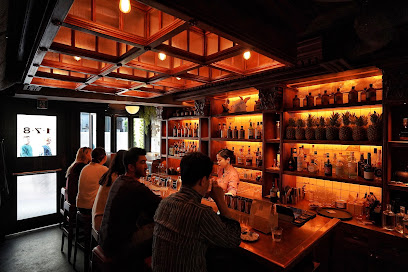
PDX Taproom
1.4 km
Experience the best of craft beer culture at PDX Taproom, a vibrant brewpub in Shibuya, Tokyo, offering a diverse selection of local and international brews.

Nightclubs & after hour spots

Club PETU
0.8 km
Discover the electrifying nightlife of Shibuya at Club PETU, where top DJs and vibrant crowds create unforgettable experiences.
Sketchy Lane
1.1 km
Discover the vibrant nightlife of Tokyo at Sketchy Lane, a leading night club in Shibuya, where music and energy come alive.
Bonobo
1.1 km
Experience the electrifying nightlife of Tokyo at Bonobo, a vibrant night club and bar in Shibuya, perfect for unforgettable evenings.
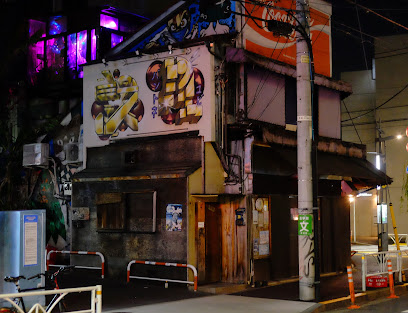
渋谷 クラブ ENTER (エンター)
1.4 km
Dive into the electrifying nightlife of Tokyo at 渋谷 クラブ ENTER, where vibrant beats and unforgettable experiences await.
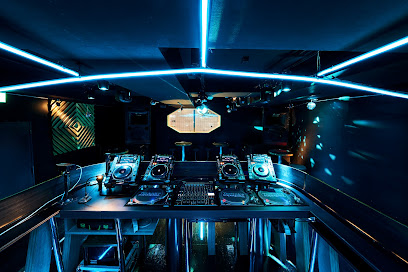
R Lounge
1.6 km
Experience the vibrant nightlife at R Lounge, a stylish nightclub in Shibuya, where eclectic music and a lively atmosphere come together for an unforgettable night.
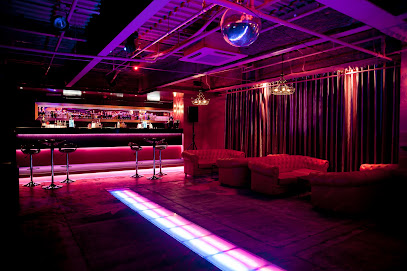
shibuya JUMP
1.6 km
Dive into the electrifying nightlife at Shibuya JUMP, Tokyo's premier night club, where vibrant music and an energetic crowd create unforgettable experiences.
CLUB VIZEL
1.6 km
Dive into the heart of Tokyo's nightlife at CLUB VIZEL, where electrifying rock beats and vibrant crowds create an unforgettable experience.
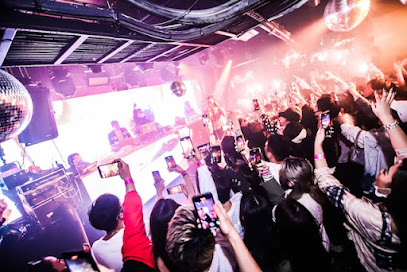
BAIA
1.6 km
Experience the electrifying atmosphere of BAIA, a premier night club in Shibuya City that captures the essence of Tokyo's vibrant nightlife.

Arty Farty
1.7 km
Experience the vibrant nightlife of Shinjuku at Arty Farty, a lively gay bar and nightclub filled with fun, music, and unforgettable memories.
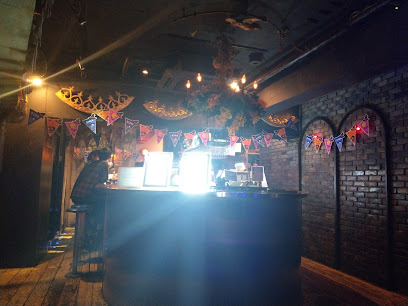
TK
1.7 km
Discover the electrifying energy of TK Nightclub in Shibuya, Tokyo, where vibrant music and unforgettable nights await every visitor.
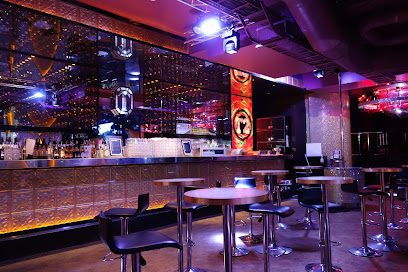
AiSOTOPE LOUNGE
1.8 km
Experience the vibrant nightlife at AiSOTOPE LOUNGE, Tokyo's premier gay night club in the heart of Shinjuku, where music, dance, and community come alive.
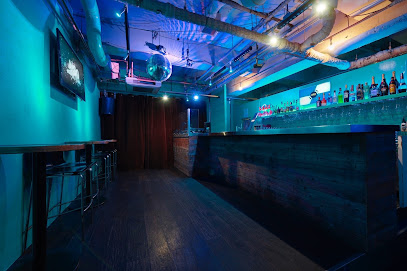
STAR CLUB
1.8 km
Experience the ultimate gaming bar in Shinjuku, Tokyo, where every night is a celebration of fun, drinks, and camaraderie among gamers.
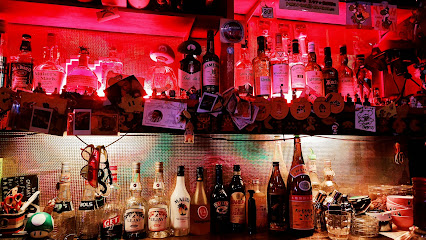
FAMILY
1.8 km
Discover the lively atmosphere and thrilling beats at FAMILY Night Club, a top nightlife destination in the heart of Shibuya, Tokyo.
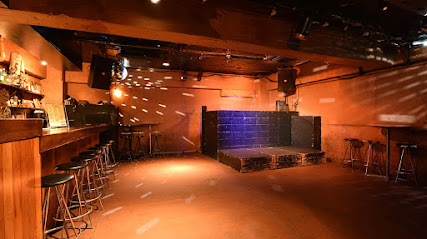
DJ BAR Bridge SHINJUKU
1.9 km
Experience the vibrant nightlife of Shinjuku at DJ BAR Bridge, where electrifying beats and affordable drinks come together for an unforgettable night.
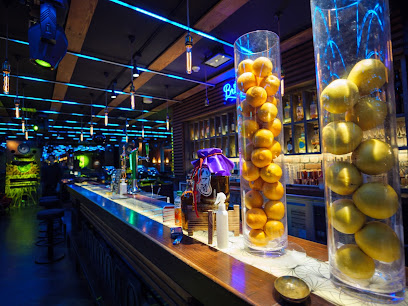
DJ Bar & Lounge WREP
1.9 km
Experience the vibrant nightlife of Shibuya at DJ Bar & Lounge WREP, where music and fun collide in a lively atmosphere.